Wachstumsperspektiven der transport logistic trotz unsicherer Rahmenbedingungen
von Andreas Bergmeier - 2024-02-13Nach einem Rekordjahr stellt sich für viele Branchen die Frage, wie belastbar das Wachstum unter veränderten wirtschaftlichen Vorzeichen bleibt. Auch für internationale Leitmessen ist diese Einschätzung zentral. Die transport logistic steht dabei exemplarisch für einen Markt, der stark von globalen Lieferketten, geopolitischen Entwicklungen und konjunkturellen Schwankungen beeinflusst wird. Gleichzeitig gilt sie als zentraler Treffpunkt für eine Branche, die sich permanent an neue Rahmenbedingungen anpassen muss.
Im Gespräch über die Perspektiven der kommenden Ausgabe zeigt sich vorsichtiger Optimismus. Trotz spürbarer Unsicherheiten in einzelnen Märkten deuten zahlreiche Signale darauf hin, dass die Nachfrage nach Präsenz, Austausch und internationaler Sichtbarkeit weiterhin hoch bleibt.
Hohe Nachfrage nach Standflächen und internationaler Beteiligung
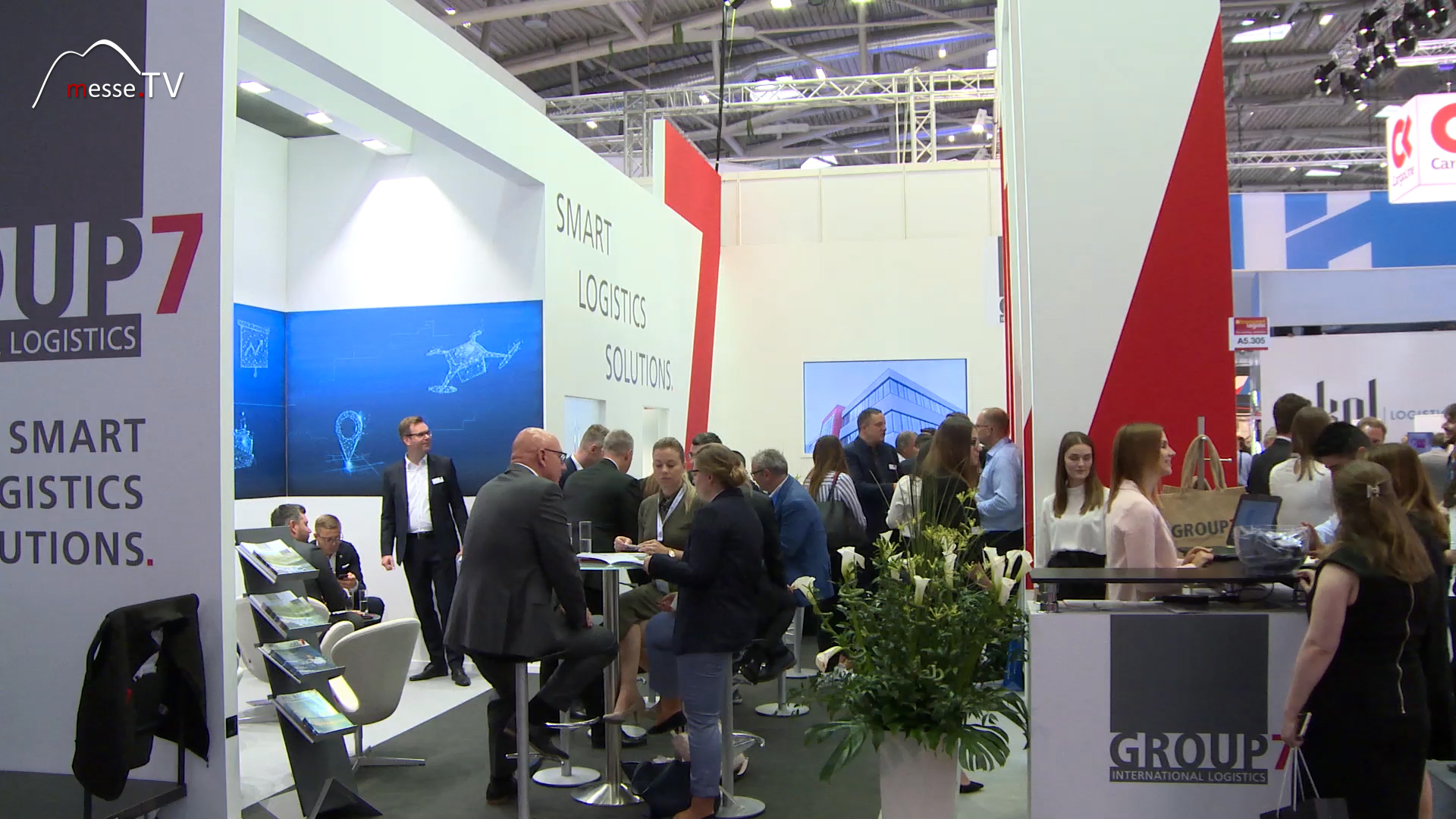
Bereits lange vor dem nächsten Messetermin ist das Interesse vieler Unternehmen klar erkennbar. Aussteller signalisieren nicht nur ihre erneute Teilnahme, sondern fragen gezielt nach größeren Flächen und erweiterten Präsentationsmöglichkeiten. Diese Entwicklung ist ein wichtiges Indiz dafür, dass persönliche Begegnungen, reale Produktpräsentationen und direkte Gespräche weiterhin eine zentrale Rolle im Geschäftsanbahnung spielen. Auffällig ist zudem die zunehmende Internationalisierung. Insbesondere aus Asien, allen voran aus China, wächst das Interesse an einer Beteiligung. Die Zahl der Aussteller aus dieser Region hat sich zuletzt deutlich erhöht, was den Stellenwert der Veranstaltung als globalen Marktplatz unterstreicht. Für viele Unternehmen ist die Präsenz vor Ort weniger eine Frage kurzfristiger Konjunkturzyklen als eine strategische Investition in Sichtbarkeit und Netzwerkpflege.


Einordnung durch die Messeleitung
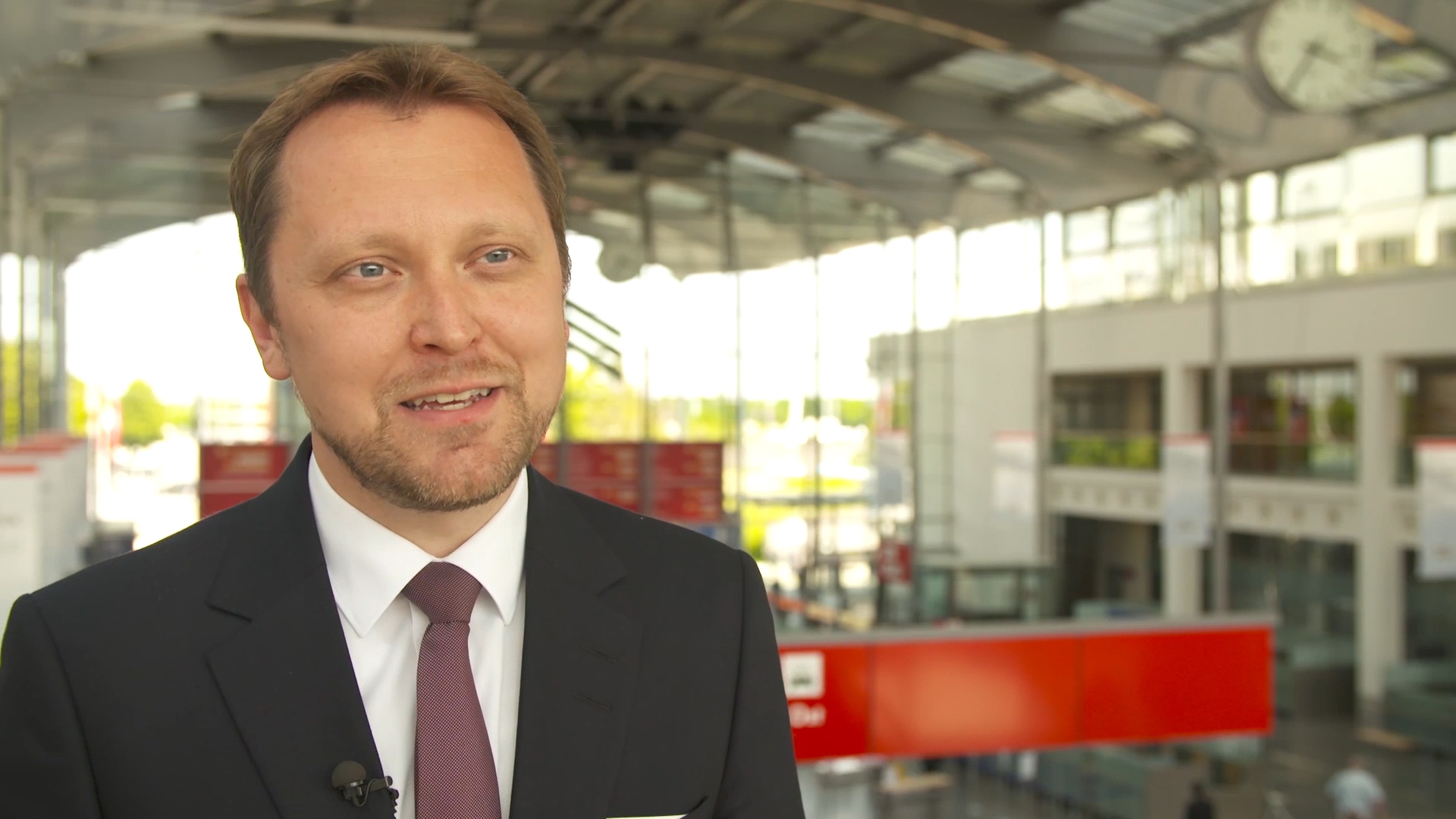
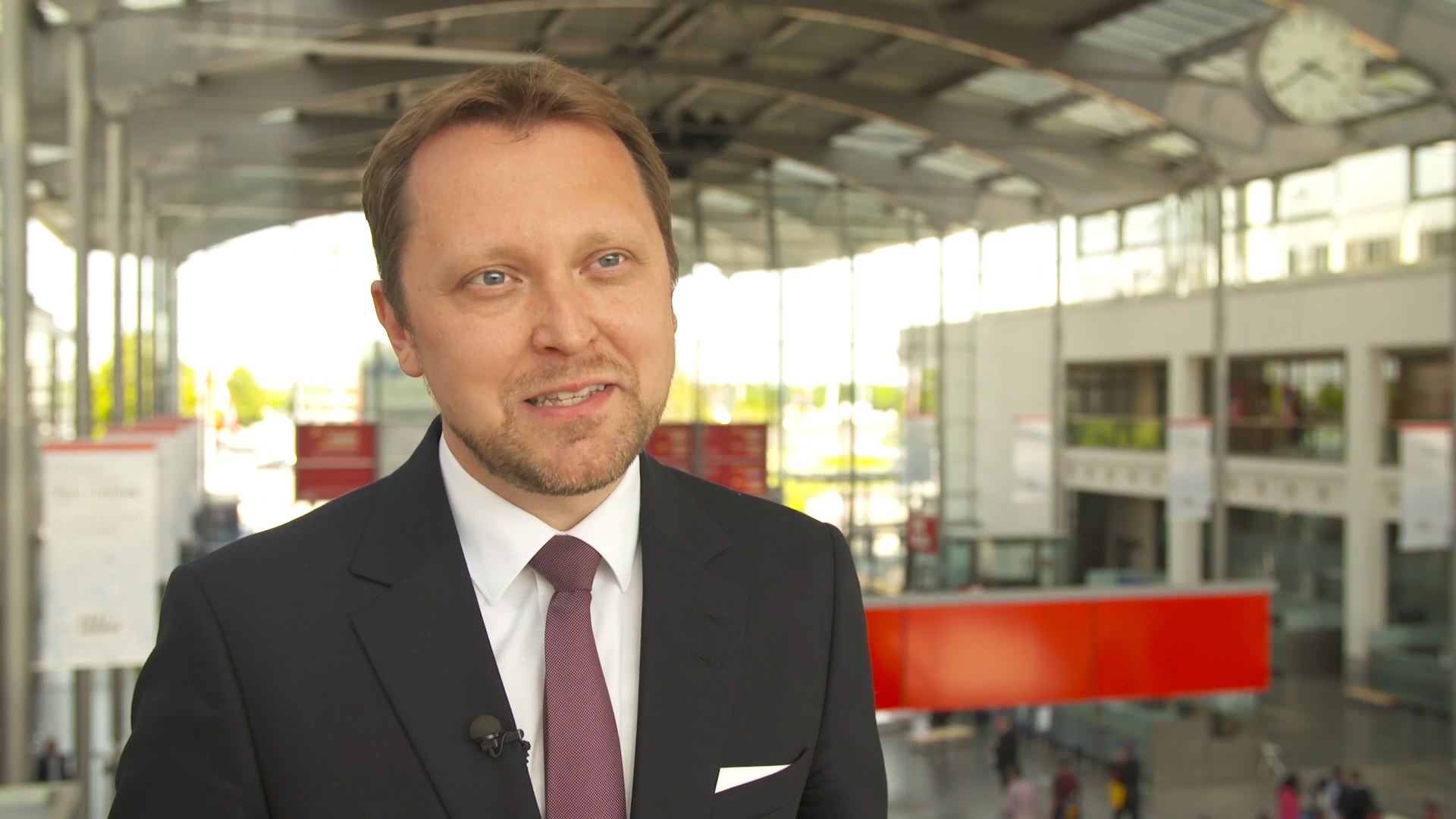
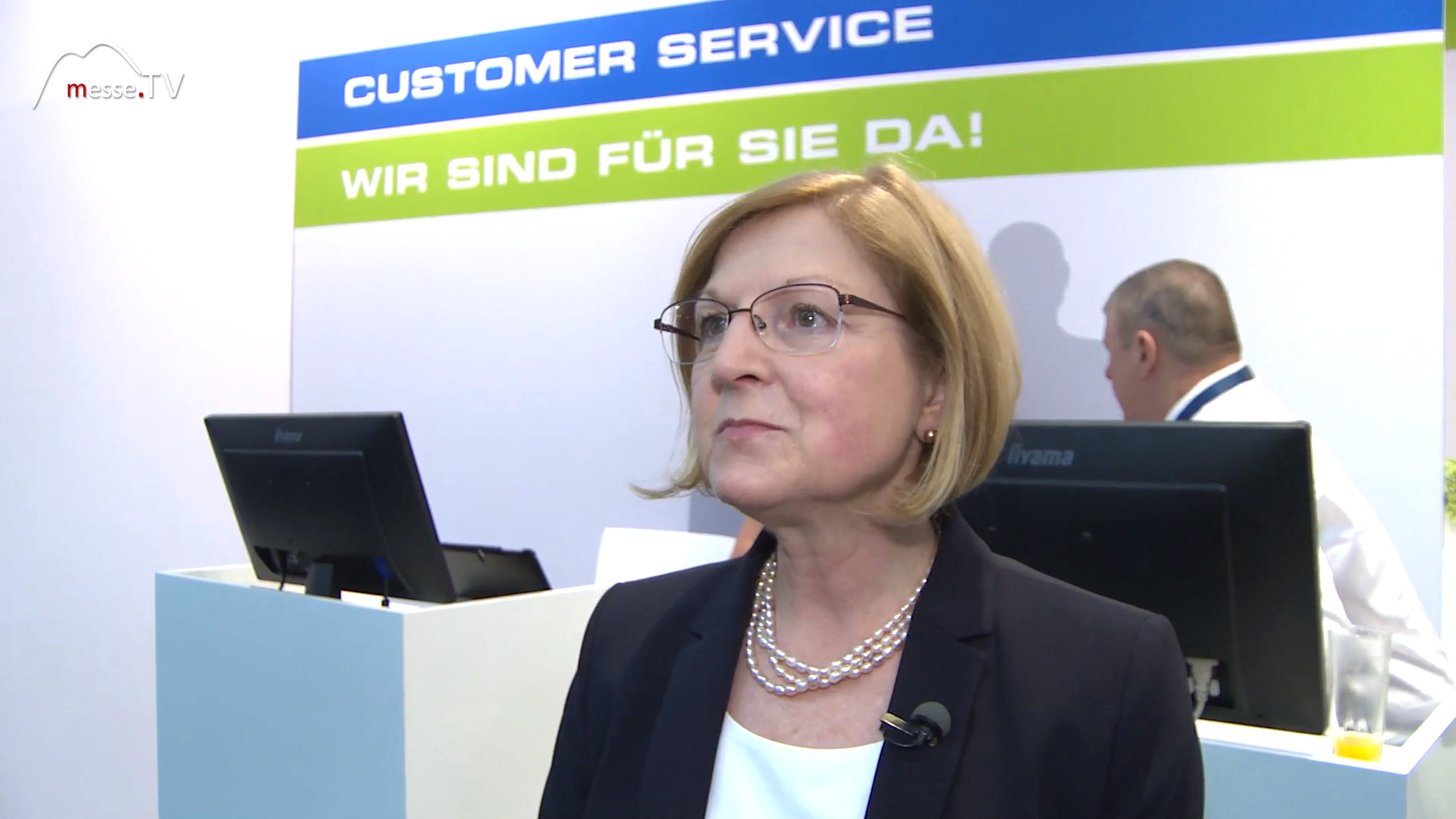
Diese Einschätzung wird auch von der Messeleitung geteilt. Stefan Rummel, Geschäftsführer der Messe München, verweist auf die aktuell sehr stabile Nachfrage. Bereits jetzt lägen zahlreiche Anfragen nach Standvergrößerungen und neuen Beteiligungen vor. Aus seiner Sicht spreche vieles dafür, dass die nächste Edition der transport logistic erneut wachsen könne, sofern es nicht zu einer tiefgreifenden globalen Rezession komme. Entscheidend sei dabei nicht allein das wirtschaftliche Umfeld, sondern die Funktion der Messe als internationaler Orientierungspunkt. Gerade in Phasen erhöhter Unsicherheit werde der Bedarf an Austausch, Vergleich und persönlicher Präsenz eher größer als kleiner. Unternehmen suchten gezielt nach Plattformen, auf denen sie ihre Position im Markt sichtbar machen und neue Partnerschaften anbahnen könnten.
Bedeutung der Messe als strategischer Treffpunkt
Die transport logistic erfüllt für viele Marktteilnehmer eine doppelte Funktion. Zum einen dient sie als klassischer Marktplatz für Produkte, Dienstleistungen und Innovationen entlang der gesamten Logistikkette. Zum anderen ist sie ein Ort strategischer Standortbestimmung. Hier werden Entwicklungen eingeordnet, Trends diskutiert und langfristige Weichenstellungen vorbereitet. Gerade diese Kombination aus operativem Geschäft und strategischem Dialog macht die Veranstaltung widerstandsfähig gegenüber kurzfristigen Schwankungen. Während digitale Formate in vielen Bereichen ergänzend genutzt werden, bleibt der persönliche Austausch auf Augenhöhe ein entscheidender Faktor für Vertrauen und Geschäftsbeziehungen.

Wachstum trotz wirtschaftlicher Vorsicht
Natürlich bleibt die Lage nicht frei von Risiken. Steigende Kosten, volatile Märkte und politische Unsicherheiten wirken sich auch auf Investitionsentscheidungen aus. Dennoch zeigt die aktuelle Nachfrage, dass viele Unternehmen bewusst an ihrer Messepräsenz festhalten oder diese sogar ausbauen. Die Messe wird nicht als Kostenfaktor, sondern als Instrument zur Stabilisierung und Weiterentwicklung des eigenen Geschäftsmodells verstanden. Besonders in global vernetzten Branchen wie Transport und Logistik ist diese Sichtweise verbreitet. Wer international tätig ist, benötigt Plattformen, die globale Reichweite mit persönlicher Nähe verbinden. Genau hier setzt die transport logistic an.
Ausblick auf die nächste Edition
Sollte sich die weltwirtschaftliche Lage nicht grundlegend verschärfen, sprechen viele Indikatoren für eine erfolgreiche Fortsetzung der bisherigen Entwicklung. Die Mischung aus internationaler Beteiligung, thematischer Breite und strategischer Relevanz bildet eine solide Grundlage. Für Aussteller wie Besucher bleibt die Veranstaltung damit ein zentraler Fixpunkt im Kalender. Die Aussagen aus der Messeleitung unterstreichen diese Perspektive. Wachstum wird nicht als Selbstzweck verstanden, sondern als Ergebnis einer anhaltenden Nachfrage nach Austausch, Orientierung und Marktpräsenz. Unter diesen Voraussetzungen dürfte die nächste Edition erneut ihre Rolle als internationaler Treffpunkt der Logistikbranche bestätigen.




















Messe-Berichterstattung bundesweit - Messewissen, Termine & Veranstaltungen


