Container logistics and data as the foundation of modern hinterland processes
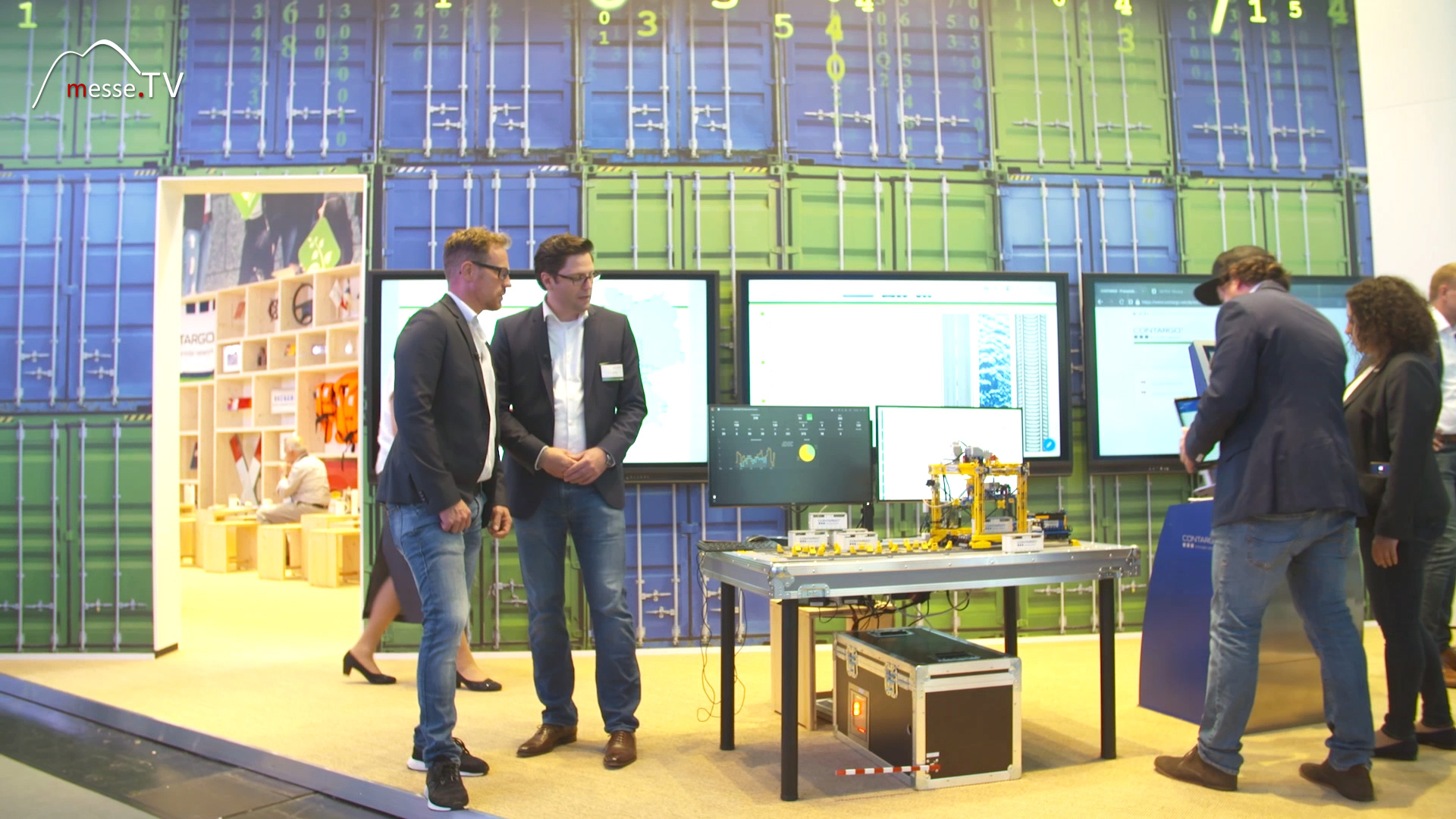
by J. Groh - 2024-02-13Even at first glance, the exhibition stand makes it clear what it's all about: containers and data. The two are inseparable if logistics are to be not only physically functional, but also controllable, efficient and sustainable. Today, container logistics no longer ends at the edge of the terminal.
It continues into the hinterland, on the last mile to the customer, embedded in digital processes and ecological objectives. It is precisely this interaction that forms the core of modern hinterland logistics. Containers are no longer just standardised transport containers. They are carriers of information, time windows, statuses and responsibilities. Those who move containers move data. Those who use data intelligently can plan transports reliably, save resources and reduce emissions. This logic shapes the self-image of integrated logistics service providers along central transport axes.
Contargo as an integrated container hinterland logistics provider
Contargo is positioned along the Rhine corridor and operates a dense network of transhipment points, transport lines and terminal-related services. The focus is on connecting seaports with the hinterland, organised via its own rail and inland waterway transport. This makes container transport plannable, independent of individual modes of transport. The company's role does not end with transhipment. As soon as a container arrives at the terminal, responsibility for onward transport begins. The so-called hinterland transport is a central component of the service portfolio. This is where it is decided whether logistics function smoothly or whether delays, additional costs and emissions arise.
Terminal processes as a digitally controlled reality
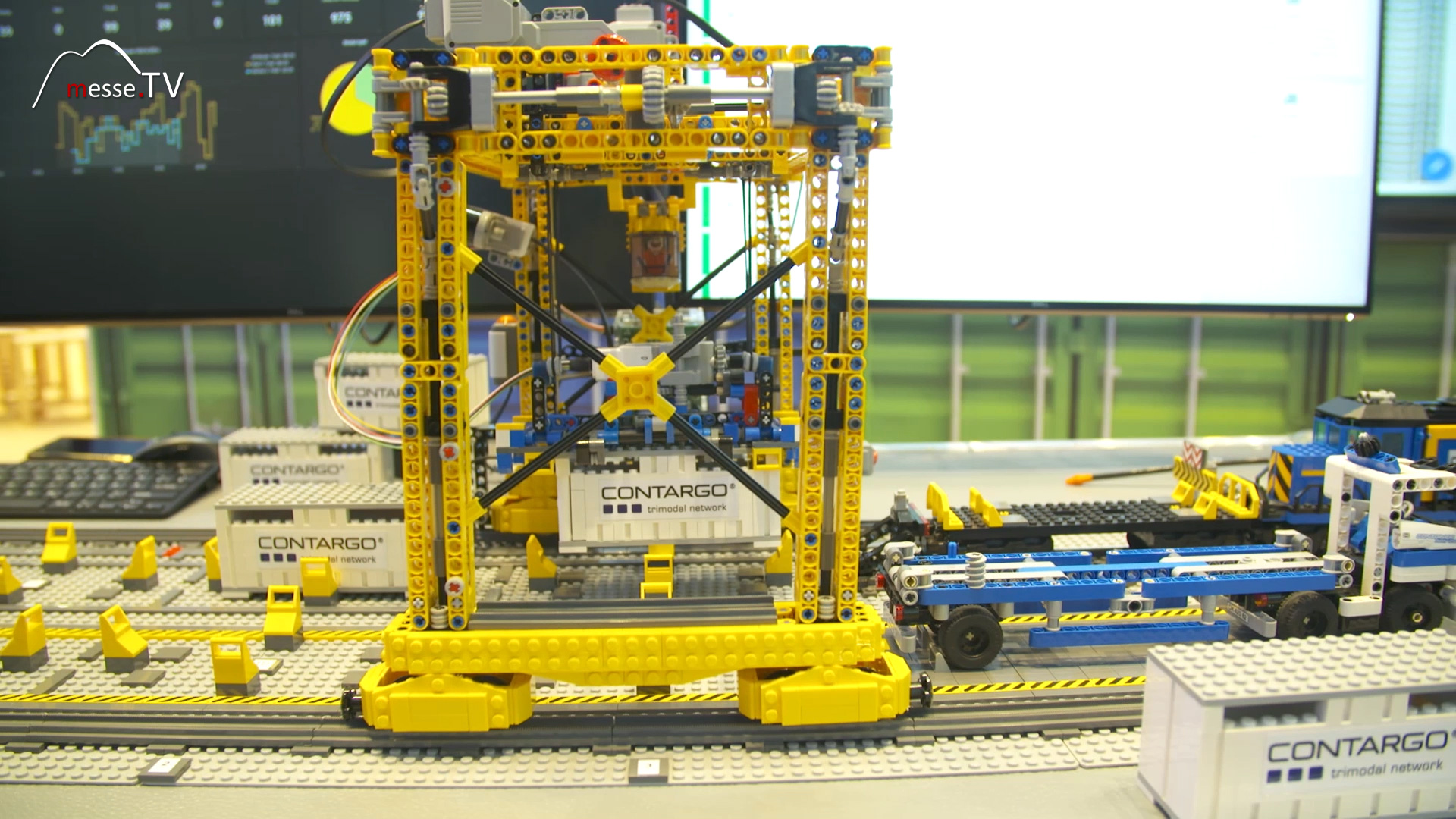
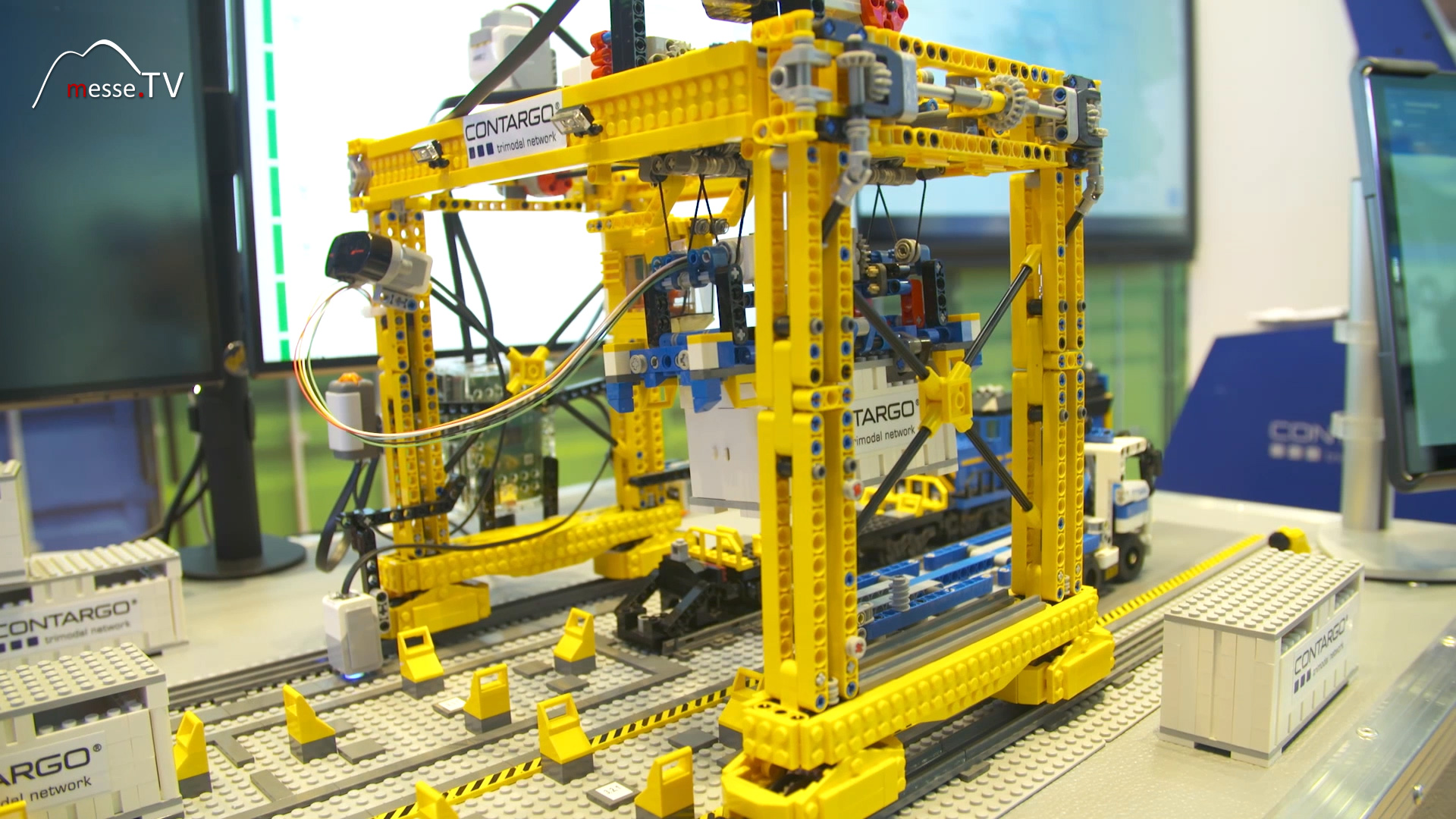
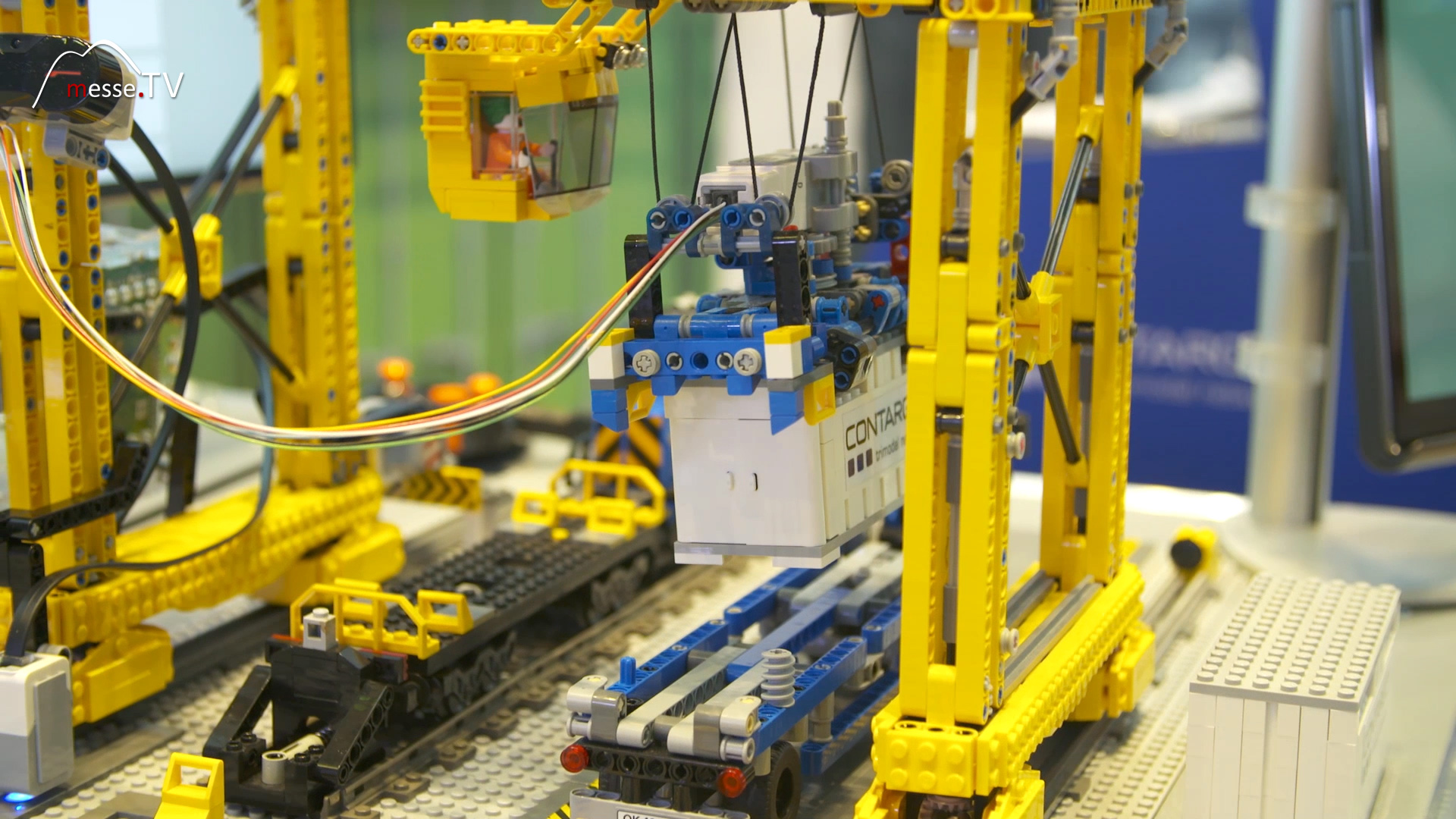
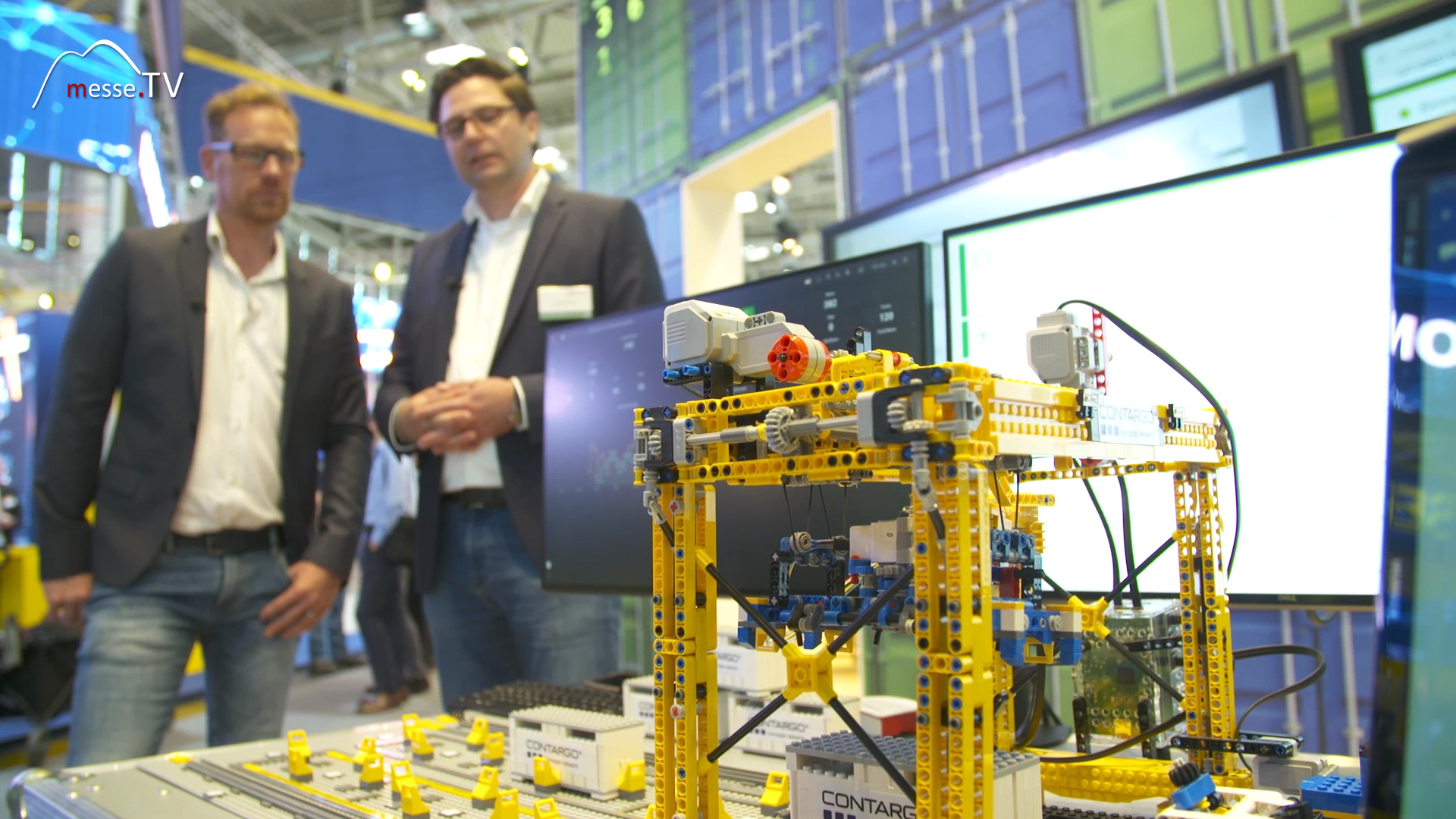
A central aspect of modern container logistics is the mapping of real terminal processes in digital systems. What is shown in the model at the exhibition stand corresponds in its logic to the actual processes. Containers are identified, moved, assigned and forwarded, controlled by IT systems that know at all times where each unit is located and what the next step is. The container crane is only one visible element. The technical control in the background is crucial. It coordinates movements, prioritises orders and ensures that physical processes and digital planning run synchronously. This consistency is a prerequisite for reliably handling large volumes.
Responsibility for the last mile in the hinterland
Hinterland logistics means more than just transport between the port and the terminal. It covers the entire final leg to the recipient. This last mile is particularly challenging from a logistical point of view, as it is often subject to time pressure and has to be organised individually. This is precisely where the value of integrated processes becomes apparent. When containers arrive at the terminal, prepared digital processes take effect. Data from the pre-carriage is transferred, post-carriage transports are scheduled and resources are optimally allocated. This reduces waiting times and avoids bottlenecks. The container remains part of a continuous system instead of being slowed down at interfaces.

Digitalisation as an evolved process
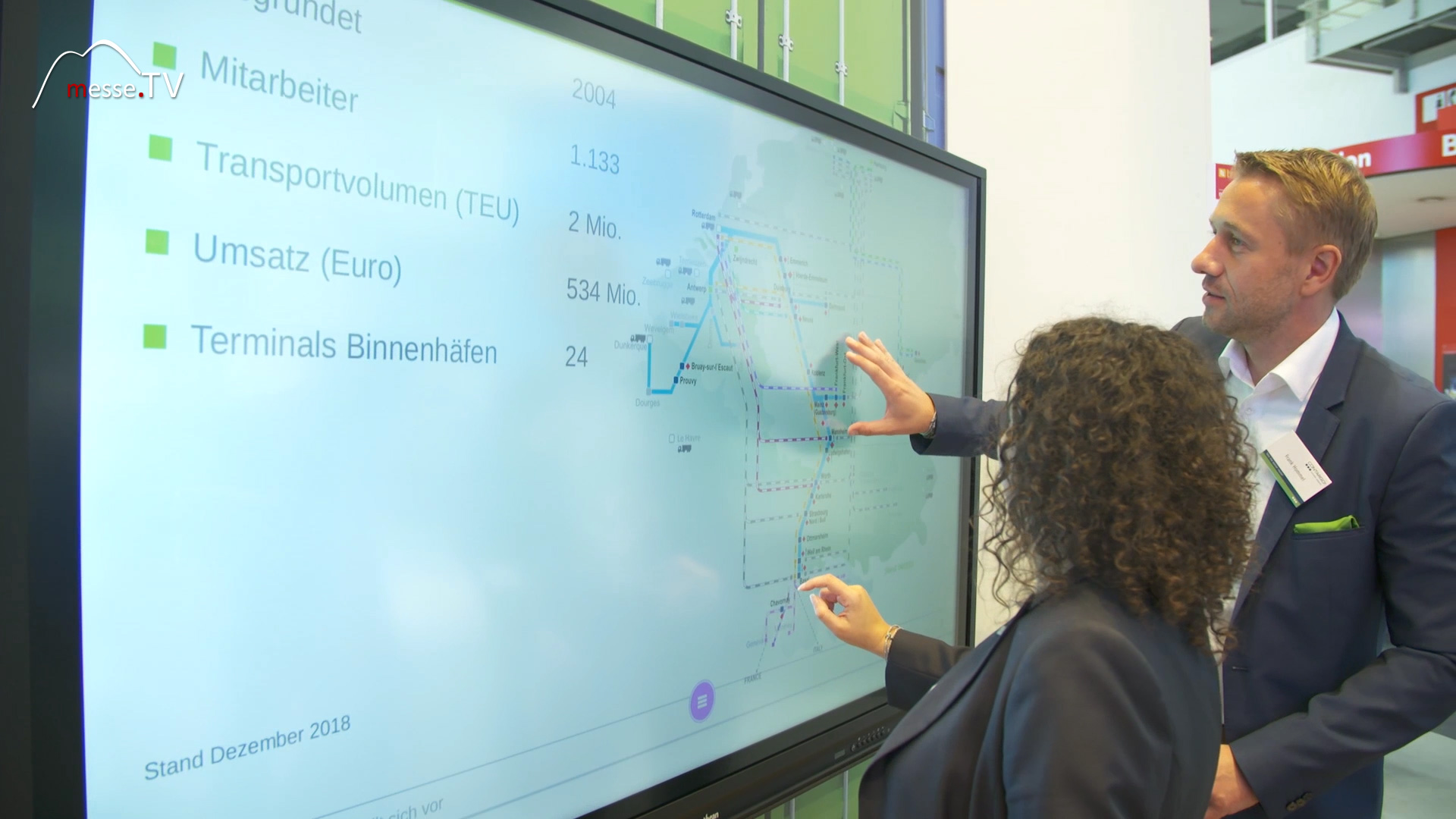
The digital orientation of processes is not a short-term project, but the result of years of development. Digitalisation is not seen here as an end in itself, but as a tool for stabilising complex processes. Systems are designed to map real processes, not the other way around. Data from handling, transport and dispatching flows together and enables transparent control. This not only creates efficiency, but also reliability for customers. Knowing where a container is at any given time and when it will arrive allows for better planning of production and supply chains.
- Digital mapping of terminal and transport processes
- Integration of pre- and post-carriage in one system
- Transparency regarding the location and status of containers
- Optimised scheduling across different modes of transport
Sustainability as an integral part of the logistics strategy
In addition to digitalisation, sustainability plays a central role. Emissions and energy consumption are a particular focus in container transport. The conscious use of rail and inland waterway transport helps to reduce CO₂ emissions compared to road transport alone. This decision is not only ecologically motivated, but also structurally sensible, as it relieves capacity and eases traffic flows. Sustainability is not viewed in isolation, but is integrated into operational management. Digital processes help to bundle transports, avoid empty runs and use resources efficiently. Climate protection is thus not achieved through individual measures, but through the interaction of technology, organisation and choice of transport mode.
Making complexity understandable
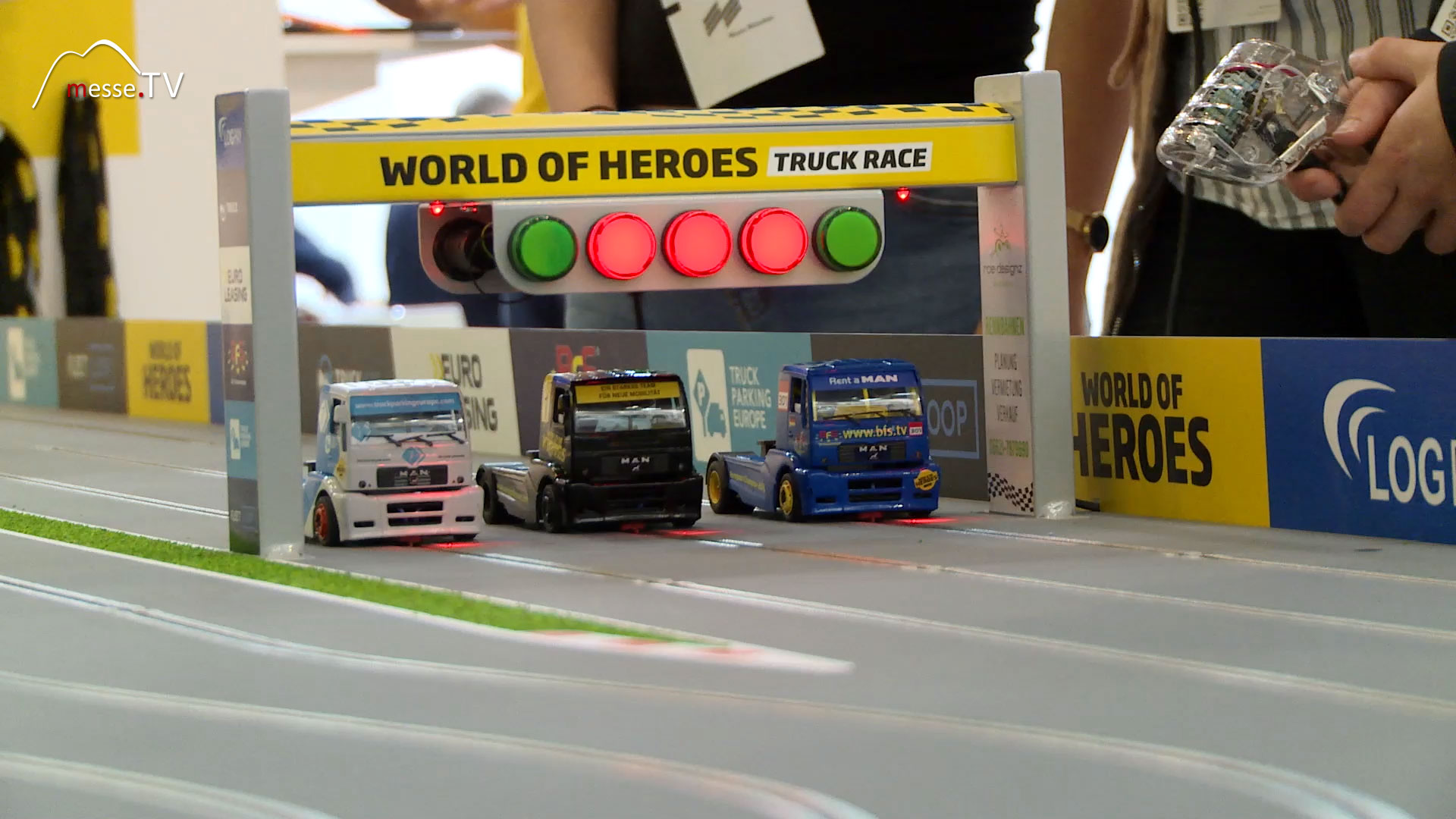
The way in which complex logistics processes are clearly presented is remarkable. Models and playful elements are not used to simplify in the sense of shortening, but to make things easier to understand. They show how many steps, decisions and systems are necessary for a container to reliably find its way. This transparency is also important externally. Customers, partners and the public gain insight into processes that would otherwise remain hidden. Logistics becomes tangible, not abstract. Especially in an industry that often works behind the scenes, this is an important contribution to the acceptance and understanding of modern supply chains.
Container logistics between efficiency and responsibility
The connection between containers and data is symbolic of the current state of hinterland logistics. Efficiency is no longer achieved through speed alone, but through intelligent control. Responsibility is demonstrated in the choice of sustainable transport routes and in the long-term orientation of processes. Integrated container logistics along the Rhine corridor shows how physical infrastructure, digital systems and ecological goals can be combined. The result is stable processes, reduced emissions and logistics that meet the growing demand for transparency and reliability.

Trade fair reporting Germany - Trade fair knowledge, dates & events


