Konjunktur, Umsätze und Zurückhaltung in der Logistikbranche
von Andreas Bergmeier - 2024-02-13Die Stimmung auf internationalen Leitmessen gilt traditionell als zuverlässiger Seismograf für die wirtschaftliche Lage einer Branche. Gespräche auf den Ständen, Zurückhaltung bei Investitionen oder volle Auftragsbücher lassen oft früh erkennen, wohin sich Märkte entwickeln. Auch in der Logistik ist diese Beobachtung nicht neu. Dennoch zeigt sich aktuell ein differenziertes Bild zwischen weiterhin hoher Präsenz auf den Messen und wachsender Unsicherheit im Tagesgeschäft.
Im Gespräch über die wirtschaftliche Situation der Aussteller wird deutlich, dass sich die Rahmenbedingungen verändert haben. Die Branche steht nicht vor einem abrupten Einbruch, spürt aber zunehmend konjunkturelle Spannungen, die sich nicht mehr ignorieren lassen.
Zwischen guter Messeatmosphäre und realwirtschaftlicher Abkühlung
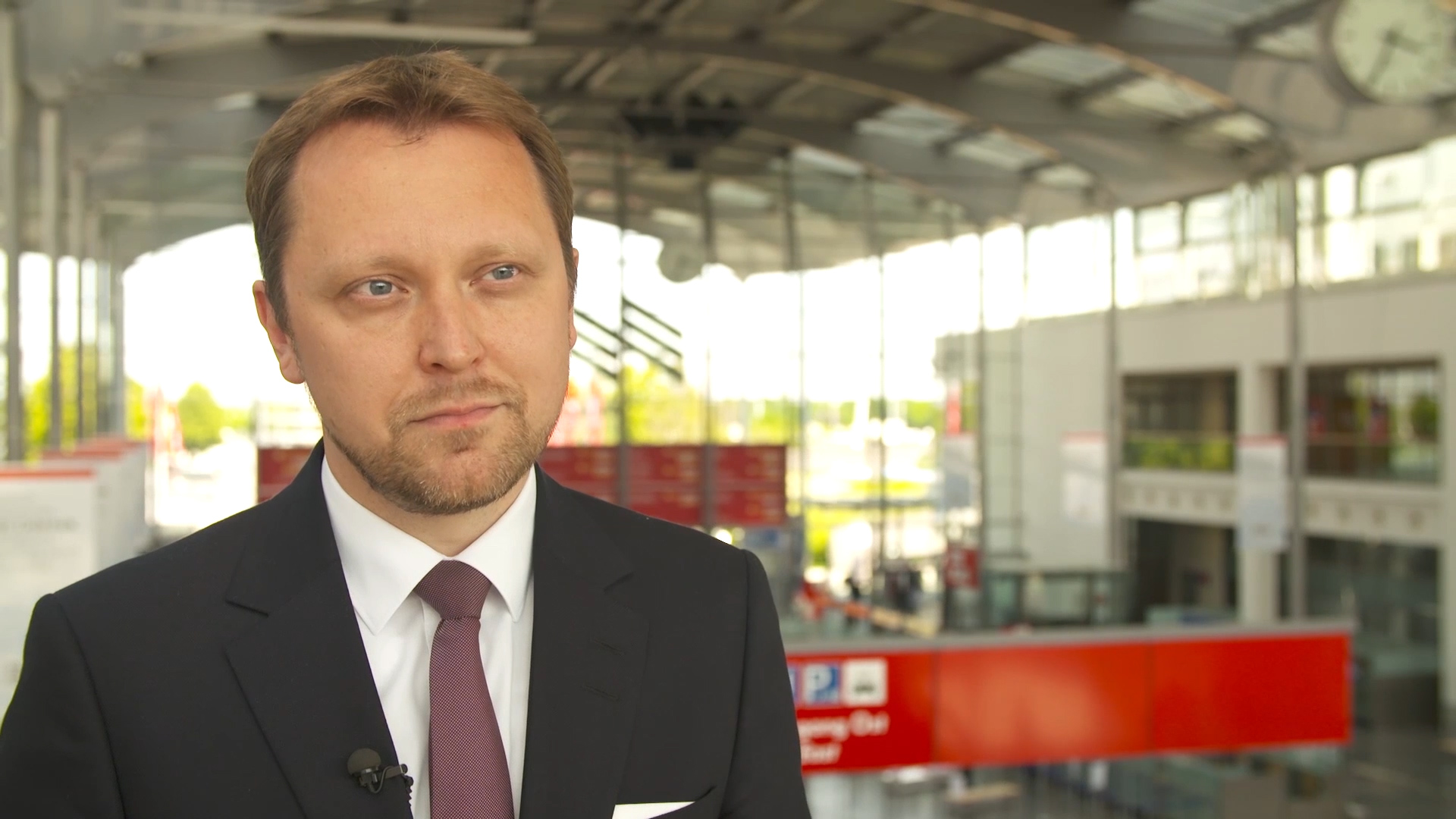
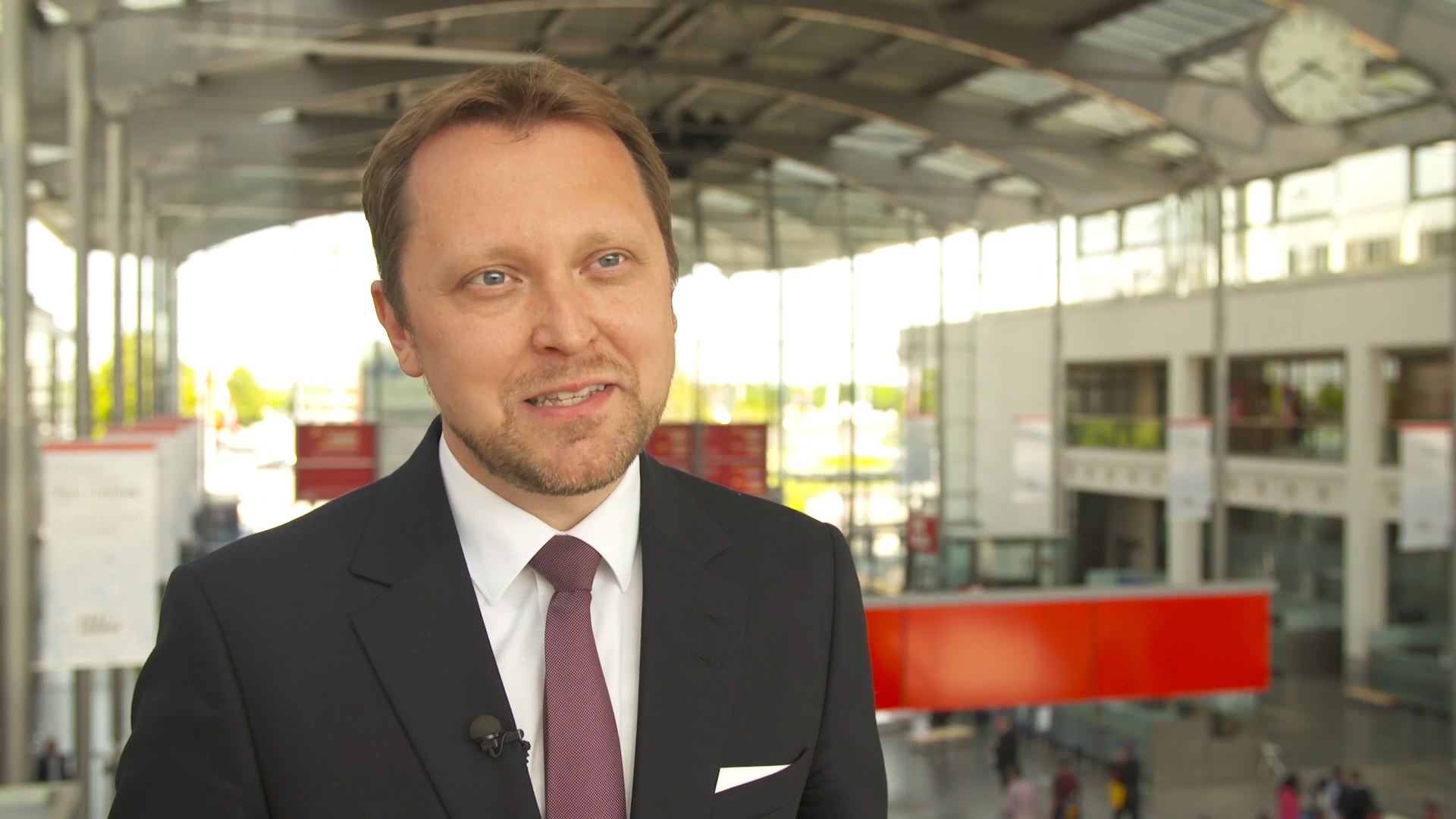
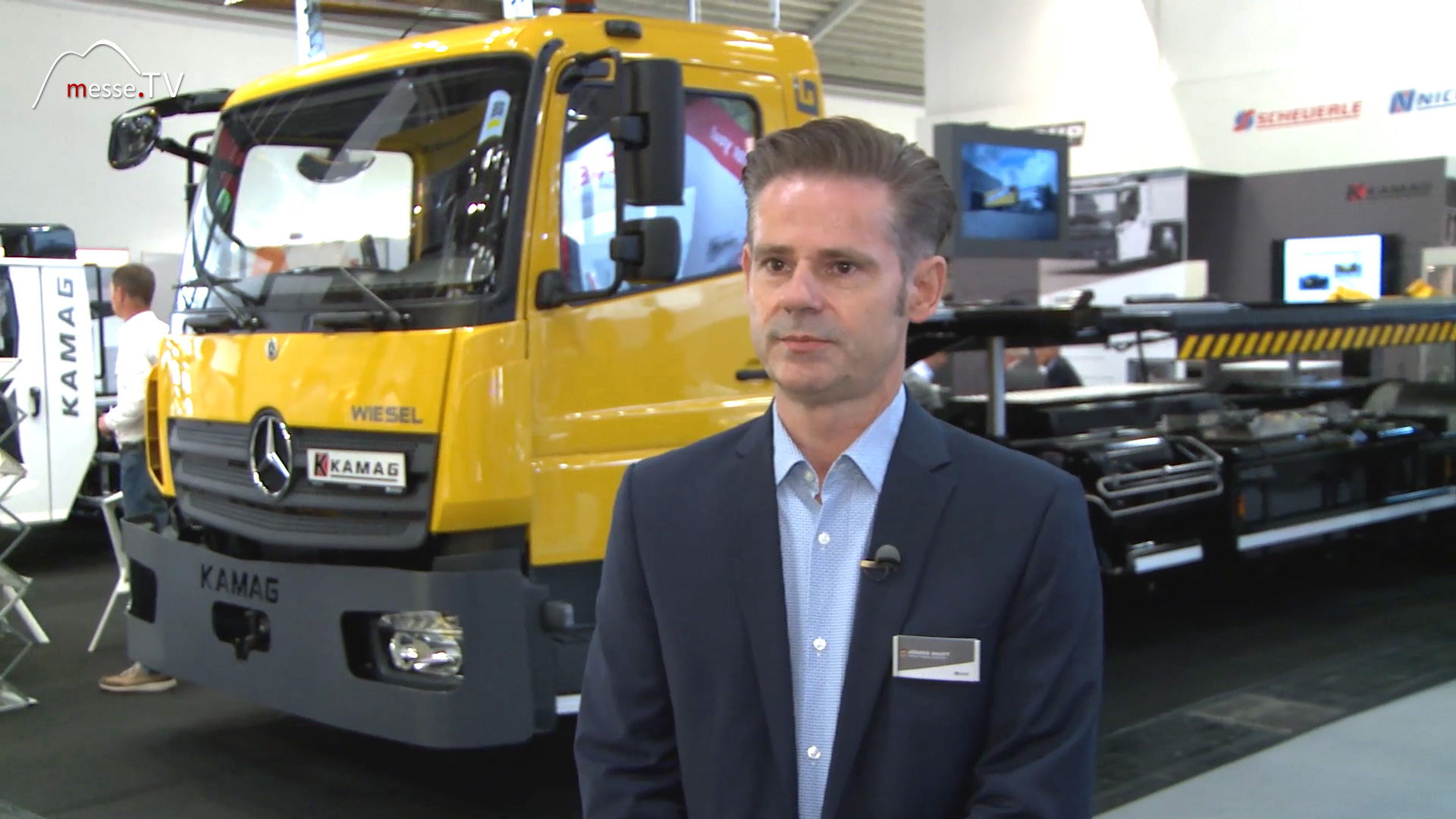
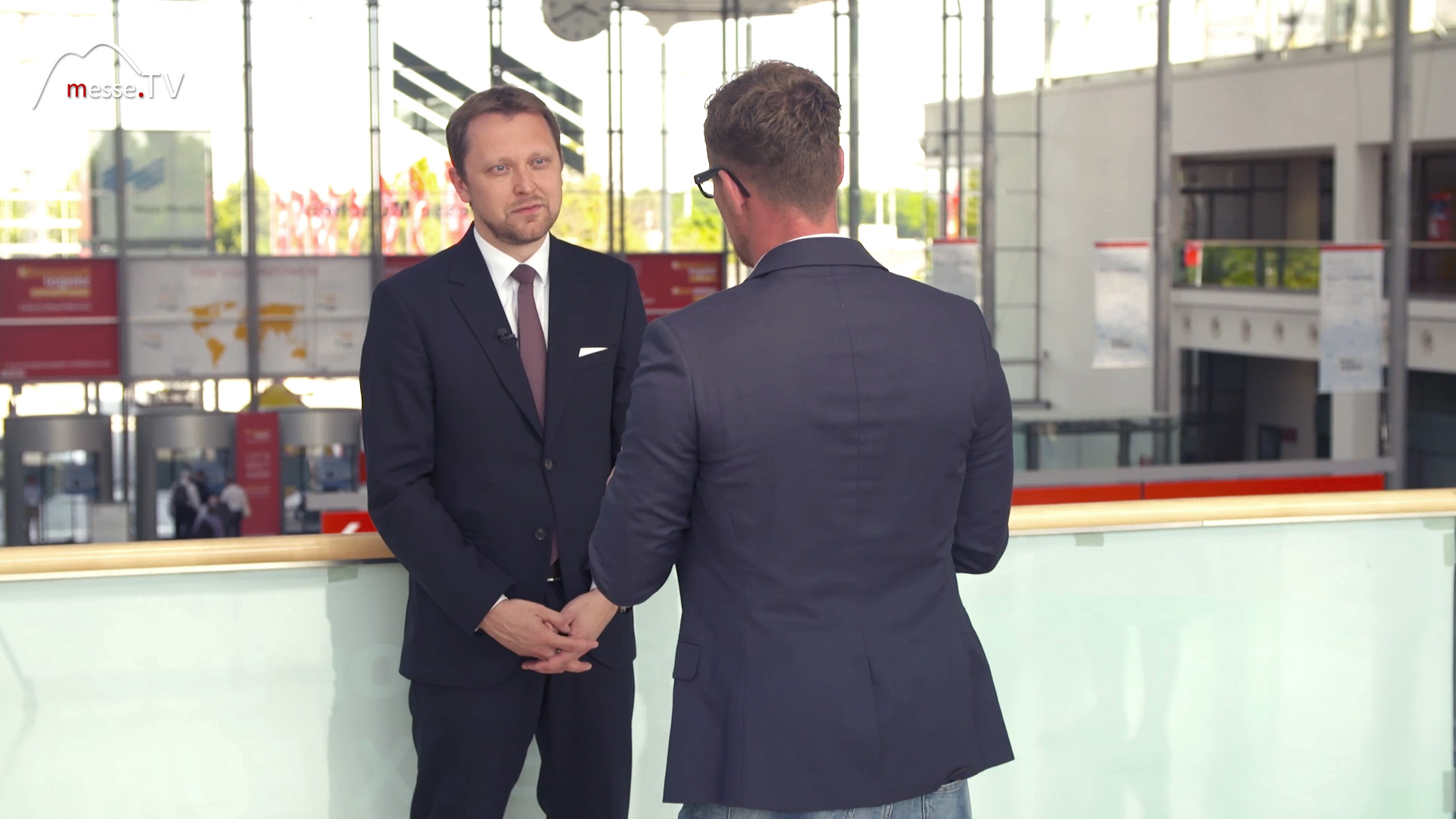
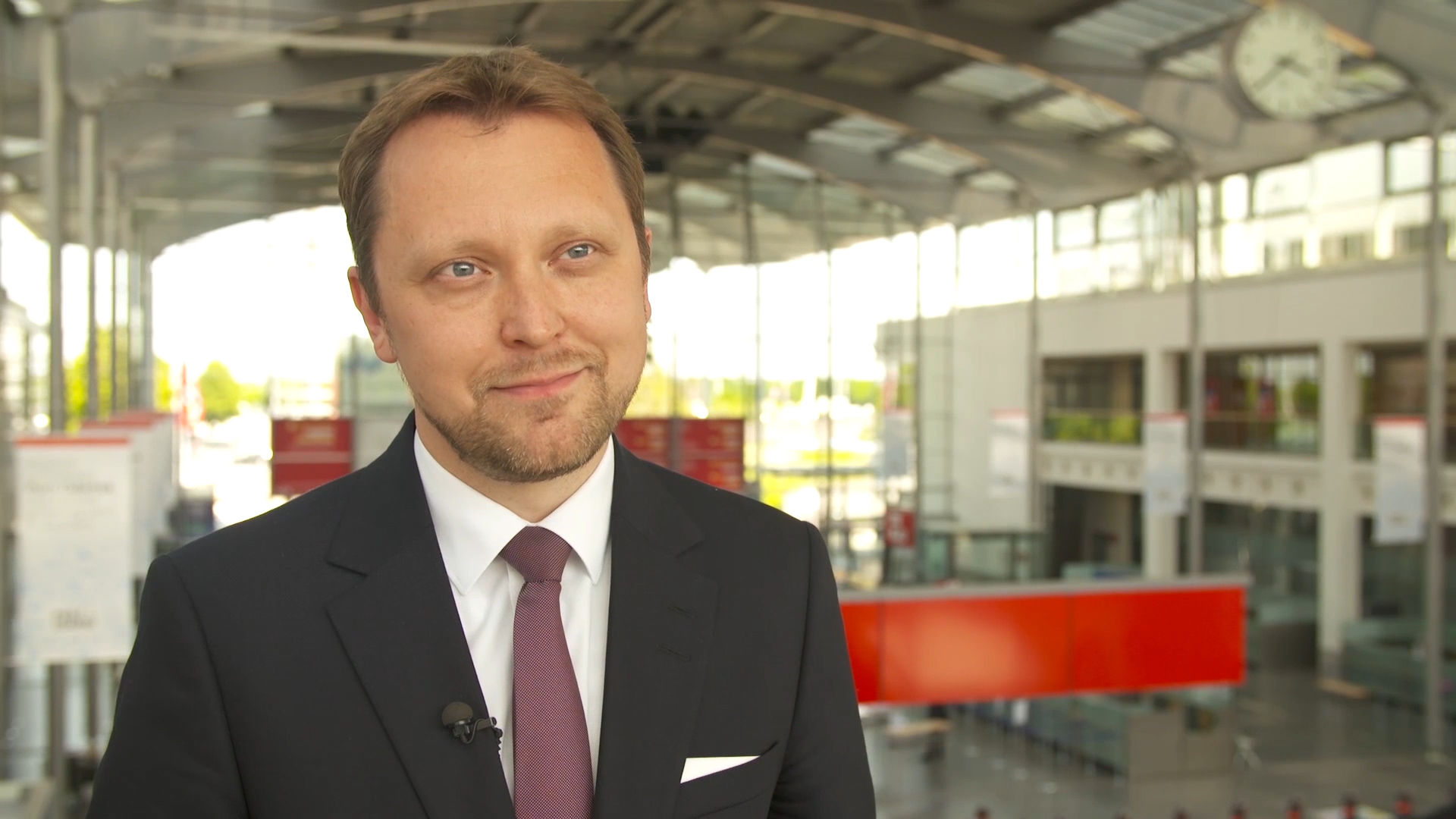
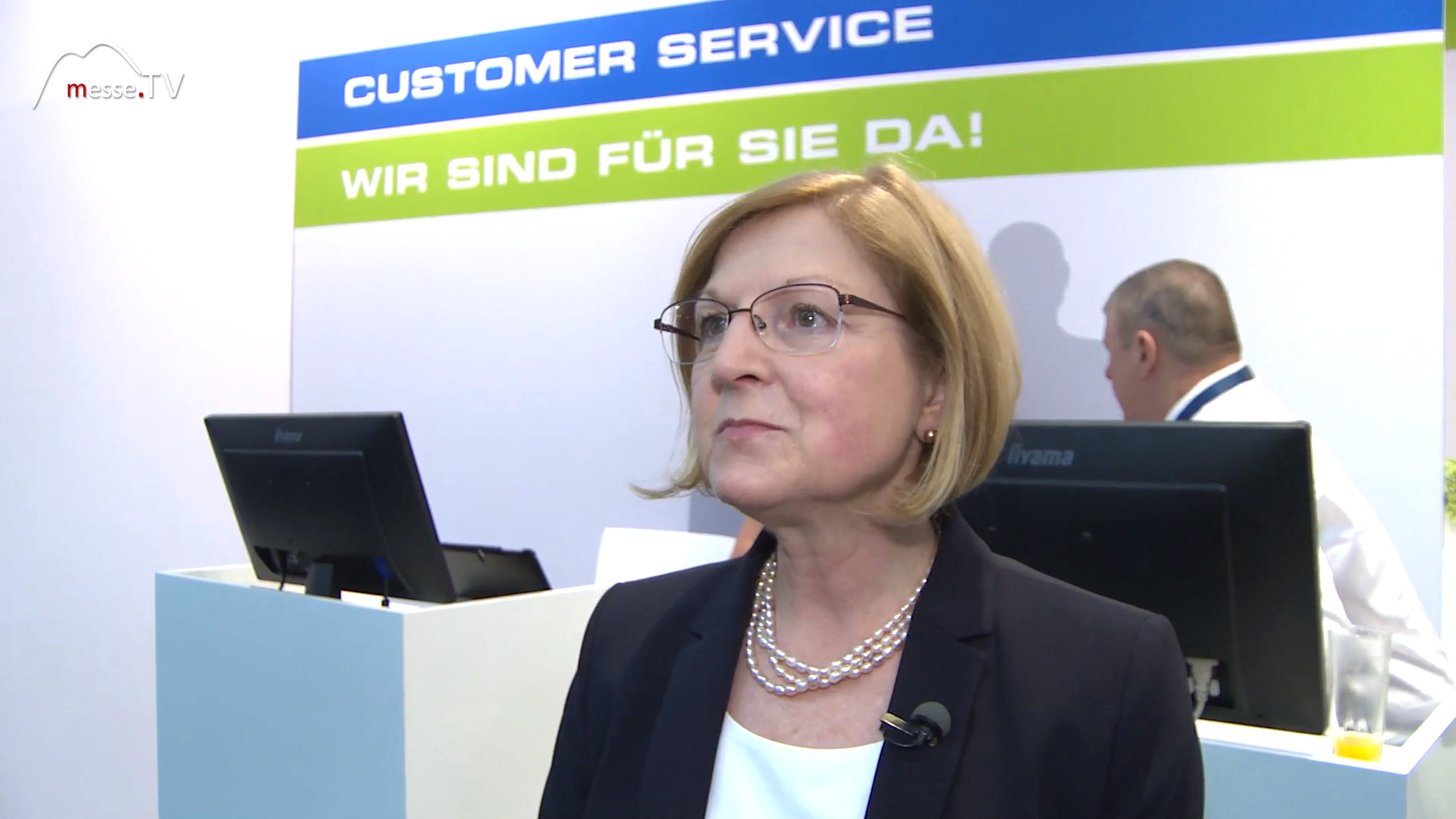
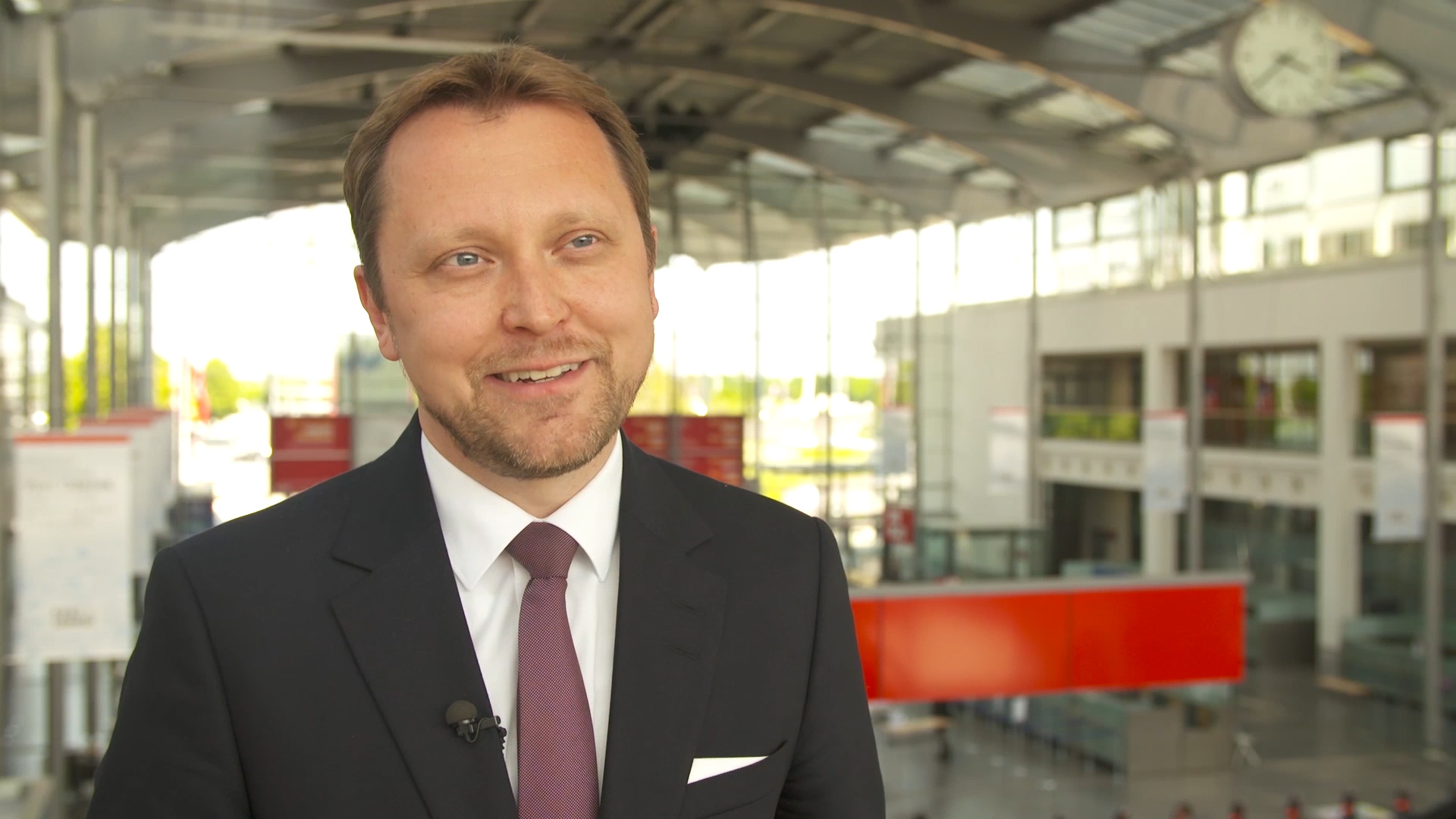
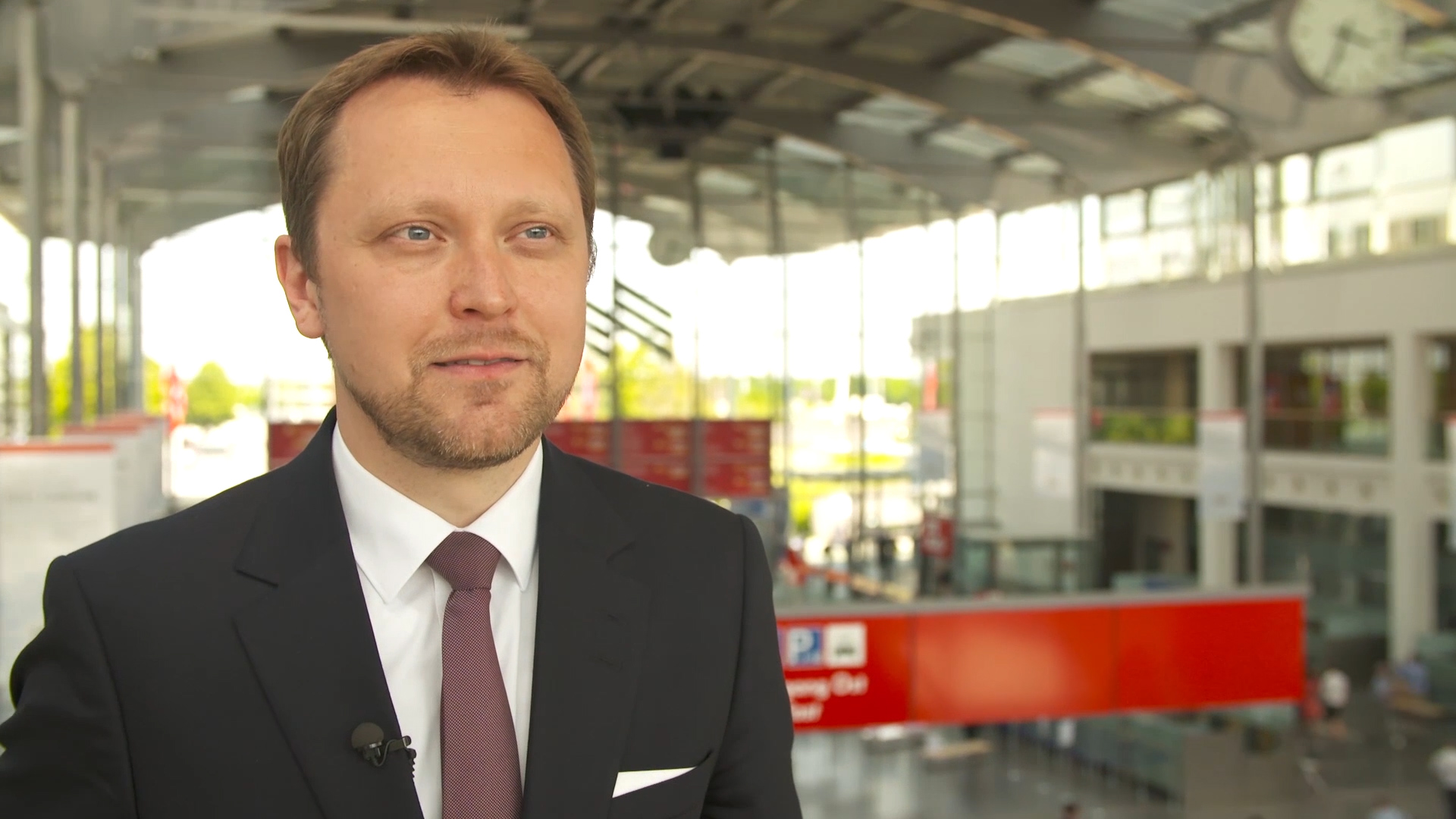
Stefan Rummel, Geschäftsführer der, beschreibt die aktuelle Lage mit einer gewissen Zurückhaltung. Die Stimmung auf der Messe selbst sei weiterhin positiv, geprägt von intensiven Gesprächen und hoher Besucherfrequenz. Gleichzeitig mehren sich jedoch Hinweise darauf, dass es für viele Aussteller schwieriger werde, stabile Umsätze zu erzielen. Diese Diskrepanz ist nicht ungewöhnlich. Messen bilden häufig eine Momentaufnahme ab, während sich konjunkturelle Abschwünge zeitverzögert in den Auftragsbüchern niederschlagen. Dass sich die Lage eintrüben könnte, sei jedoch bereits spürbar. Unternehmen agierten vorsichtiger, Investitionsentscheidungen würden häufiger verschoben oder an klare wirtschaftliche Signale geknüpft.

Globale Handelskonflikte als Belastungsfaktor
Ein zentraler Unsicherheitsfaktor bleibt die internationale Handelspolitik. Insbesondere der Konflikt zwischen China und den USA wirkt wie eine Bremse auf viele globale Lieferketten. In der Logistik zeigt sich dies weniger durch sofortige Einbrüche als durch eine abwartende Haltung. Unternehmen kalkulieren Risiken neu, reduzieren Lagerbestände oder verschieben Expansionspläne. Diese Zurückhaltung sei derzeit eines der prägenden Merkmale, so die Einschätzung aus der Messeleitung. Viele Marktteilnehmer warteten ab, ob und wie sich die geopolitischen Spannungen lösen lassen. Eine Einigung könne rasch zu einer Erholung führen, da grundlegende Nachfrage und struktureller Bedarf weiterhin vorhanden seien.
Logistik zwischen Strukturstärke und Konjunkturabhängigkeit
Die Logistikbranche ist grundsätzlich robust aufgestellt. Sie profitiert von globalem Handel, wachsendem E-Commerce und langfristigen Infrastrukturprojekten. Gleichzeitig ist sie eng mit der Gesamtwirtschaft verflochten und reagiert sensibel auf Unsicherheiten im internationalen Umfeld. Diese doppelte Abhängigkeit macht die aktuelle Phase besonders anspruchsvoll. Einerseits bleiben Messen wichtige Plattformen für Austausch und Geschäftsanbahnung. Andererseits wächst der Druck, wirtschaftliche Risiken realistisch einzuschätzen und flexibel zu reagieren.


Ausblick auf die kommenden Monate
Ob sich die Lage weiter eintrübt oder stabilisiert, hängt maßgeblich von externen Faktoren ab. Klar ist jedoch, dass die Branche nicht in eine strukturelle Krise geraten ist. Vielmehr handelt es sich um eine Phase erhöhter Vorsicht. Die Messe München beobachtet diese Entwicklung aufmerksam, da sie nicht nur Auswirkungen auf Ausstellerumsätze hat, sondern auch auf Investitionsentscheidungen und strategische Ausrichtungen. Insgesamt zeigt sich ein Bild zwischen Zuversicht und Zurückhaltung. Die Logistik bleibt präsent, international vernetzt und innovationsfähig, bewegt sich jedoch in einem Umfeld, das schnelle Anpassungsfähigkeit verlangt.










Messe-Berichterstattung bundesweit - Messewissen, Termine & Veranstaltungen


