Rekordmesse mit internationalem Rückenwind für die Logistikbranche
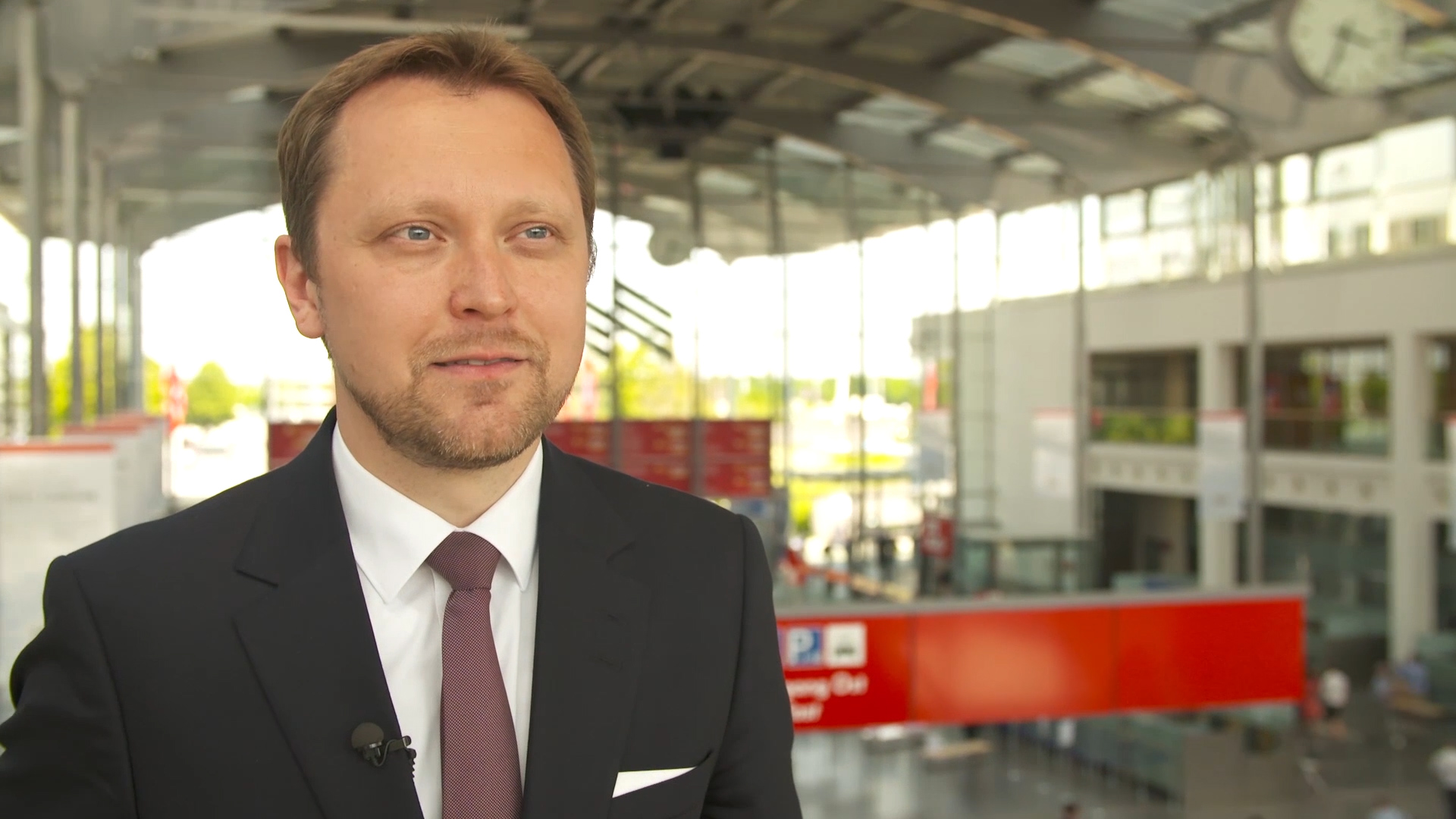
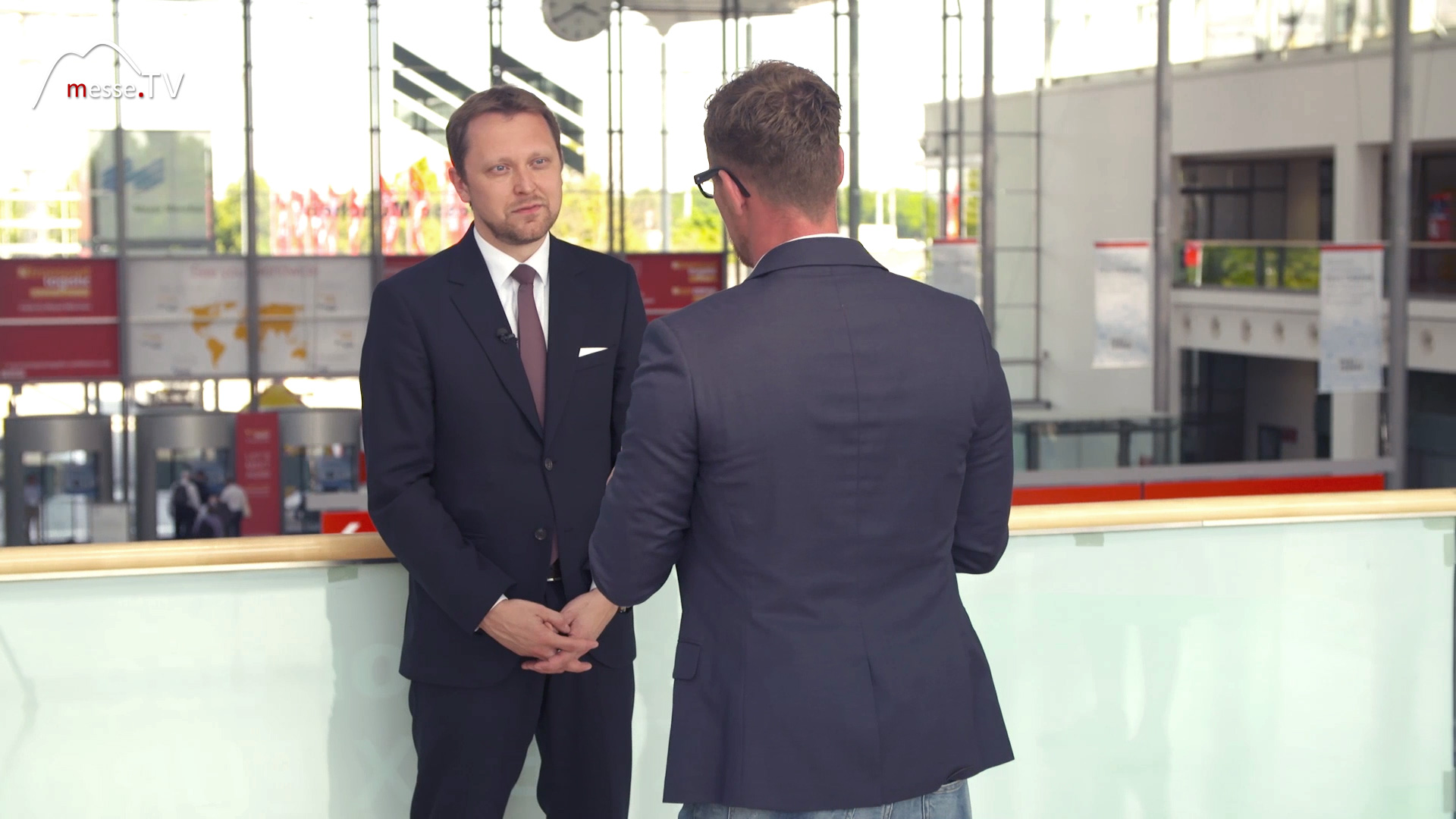
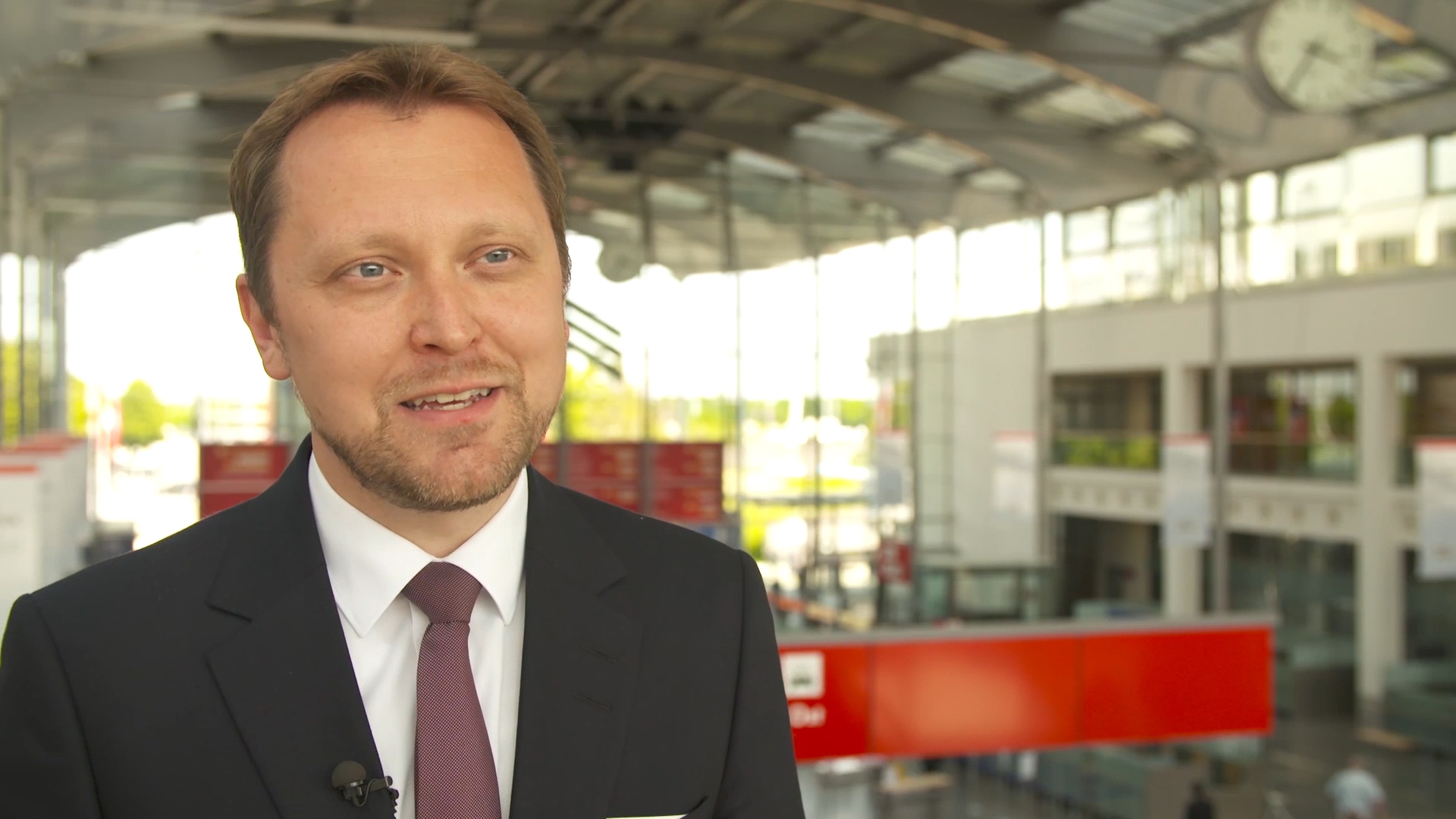
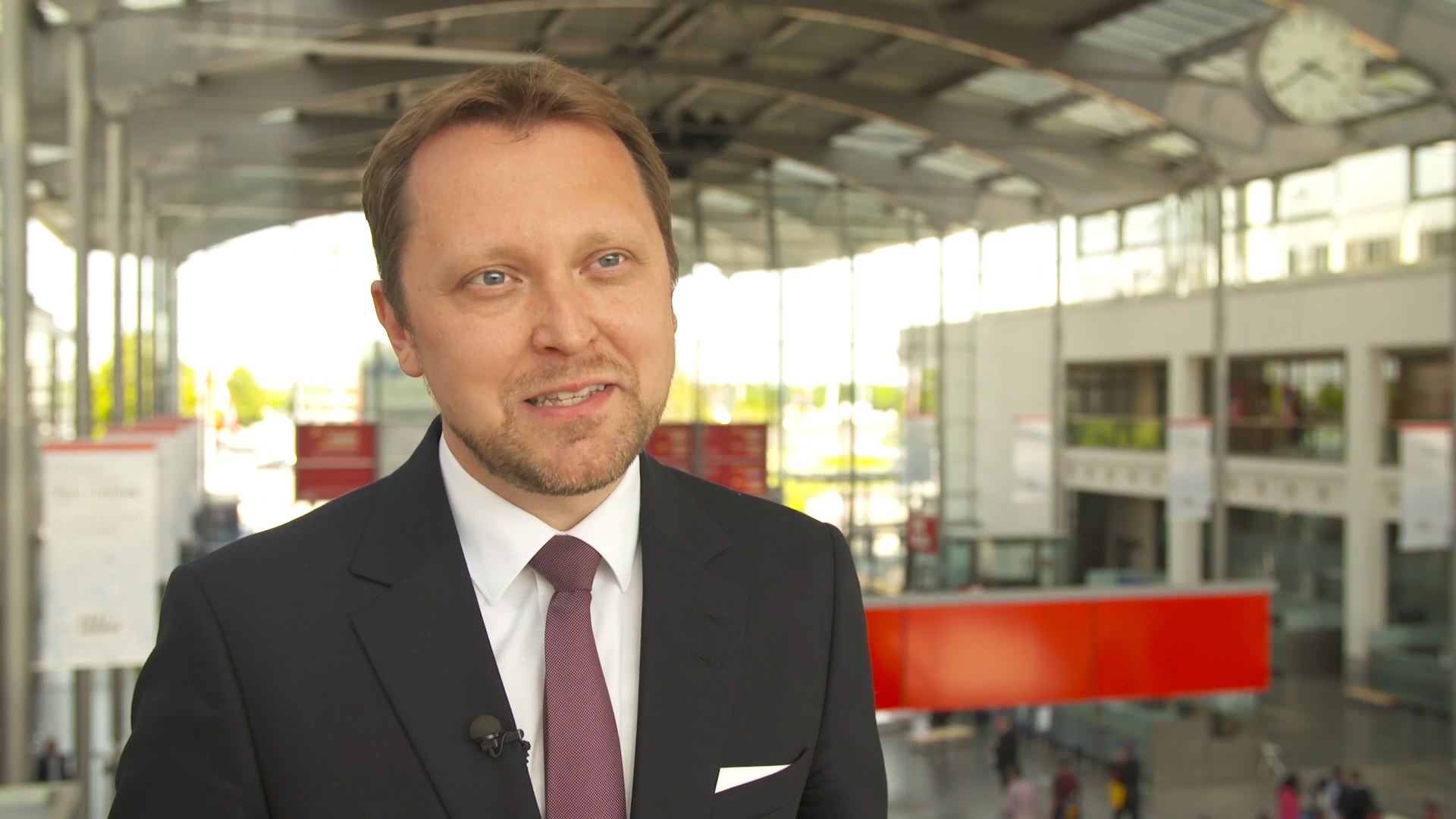
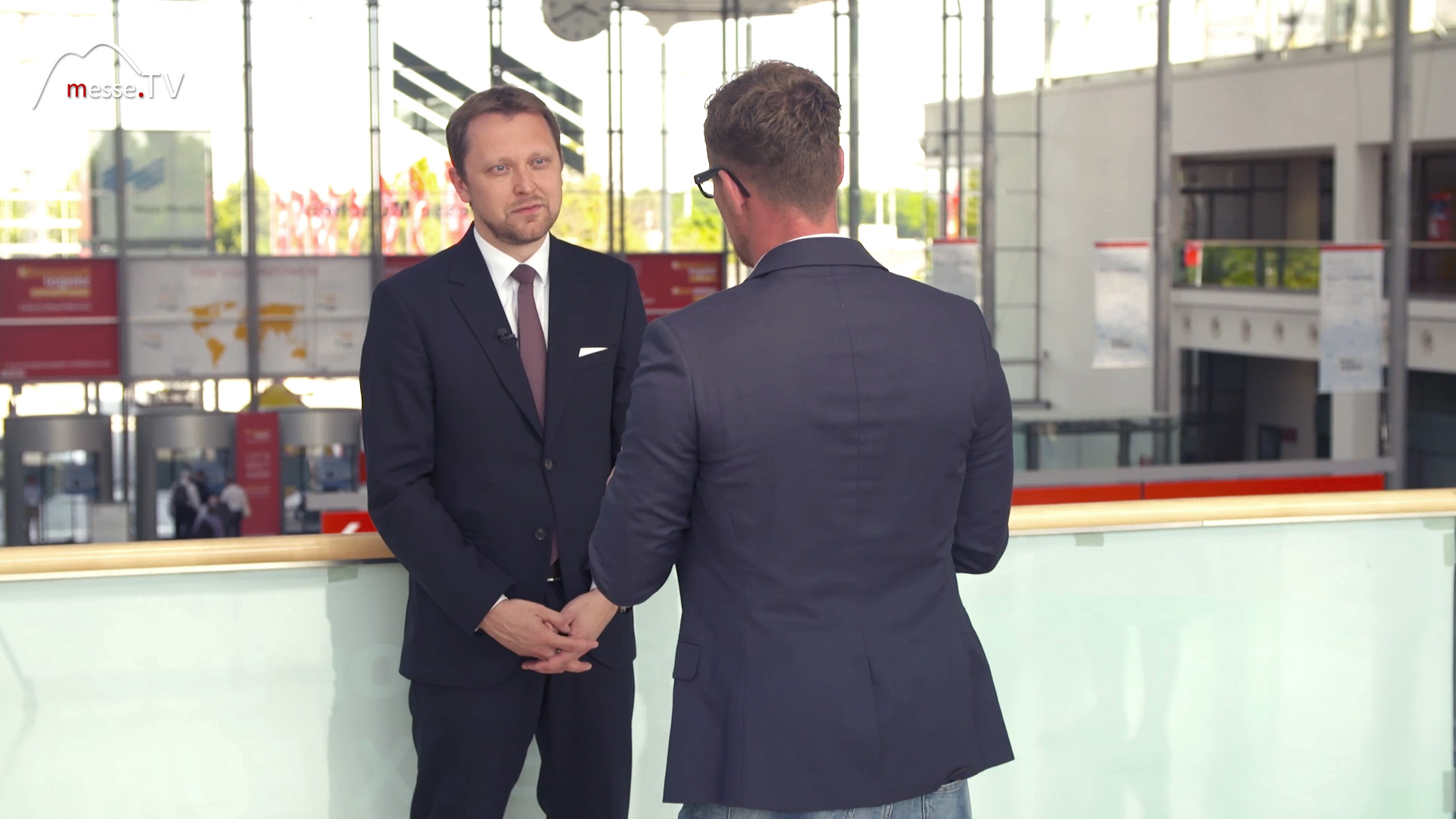
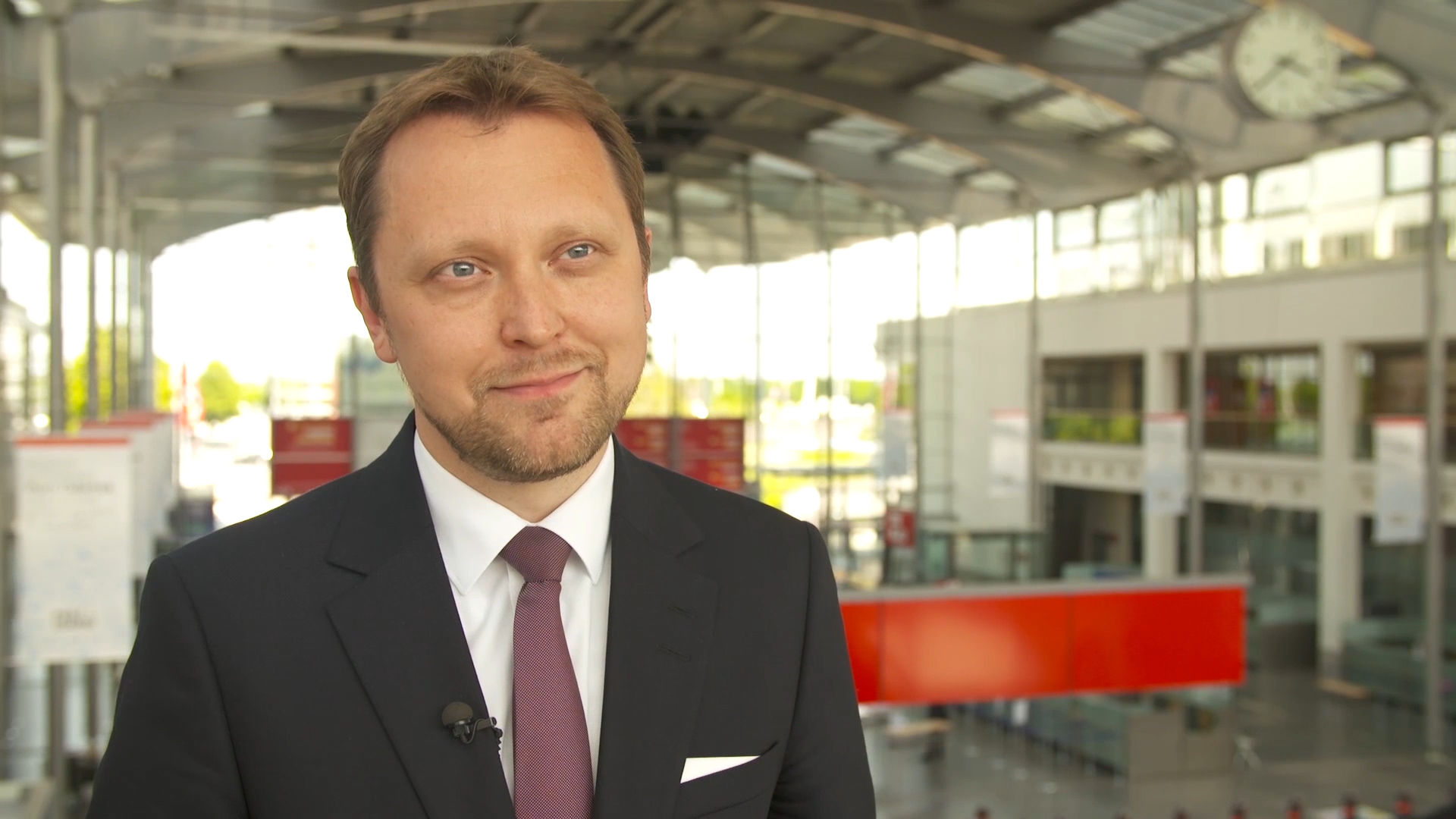
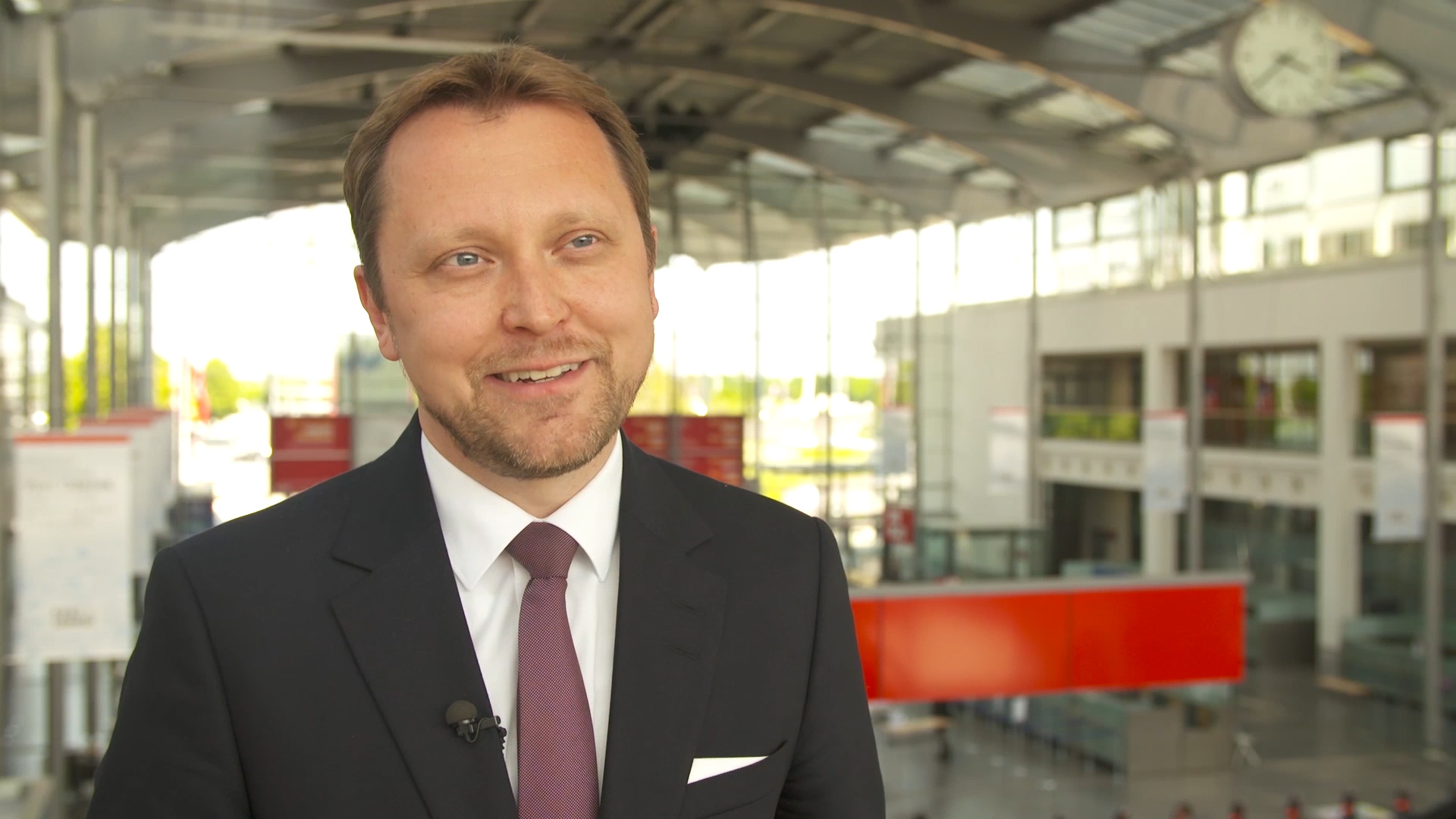
von Jürgen Groh - 2024-02-13Der Andrang auf der Logistikmesse in München liefert bereits in den ersten Tagen ein klares Signal: Die Branche sucht den Austausch – und findet ihn in großer Zahl. Stefan Rummel, Geschäftsführer der Messe München, spricht von einer Veranstaltung, die in mehrfacher Hinsicht neue Maßstäbe setzt. Aus organisatorischer Sicht ist die Messe ein Spiegel der aktuellen Marktlage, aber auch ein Gradmesser für die internationale Bedeutung des Standorts.
Rekordzahlen bei Ausstellern und Flächen
Mit rund 2380 Ausstellern verzeichnet die Logistikmesse einen deutlichen Zuwachs. Der Anstieg liegt bei knapp zehn Prozent gegenüber der vorherigen Veranstaltung. Diese Entwicklung hatte ganz konkrete Folgen für die Planung: Eine zusätzliche Halle musste kurzfristig eröffnet werden, sodass sich das Messegelände nun über zehn Hallen erstreckt. Für die Messe München ist das kein reiner Selbstzweck, sondern eine Reaktion auf reale Nachfrage aus der Branche. Der Flächenzuwachs ist Ausdruck eines Trends, der sich bereits im Vorfeld abgezeichnet hatte. Viele Unternehmen wollten ihre Präsenz ausbauen, größere Stände buchen oder erstmals teilnehmen. Die Logistik bleibt damit ein Feld, in dem trotz konjunktureller Unsicherheiten investiert wird – zumindest in Sichtbarkeit, Austausch und Netzwerkpflege.

Internationaler Besucherzuwachs als Schlüsselsignal
Besonders auffällig ist der starke Zuwachs an Besuchern aus dem Ausland. Schon in den ersten ein bis zwei Messetagen zeigte sich, dass internationale Fachbesucher in deutlich höherer Zahl nach München gekommen sind. Für Stefan Rummel ist das ein entscheidender Punkt, denn gerade die Logistik lebt von globalen Verflechtungen. Die Messe München profitiert dabei von ihrer Rolle als international etablierter Veranstaltungsort. München fungiert nicht nur als Treffpunkt für den deutschsprachigen Raum, sondern zunehmend als europäische Plattform für globale Logistikthemen. Der internationale Besucherzuwachs bestätigt diesen Anspruch und stärkt die Position der Veranstaltung im weltweiten Messekalender.
Logistikmesse als Stimmungsbarometer der Branche
Große Messen sind mehr als reine Leistungsschauen. Sie fungieren auch als Stimmungsbarometer. Der volle Hallenbetrieb, die hohe Dichte an Gesprächen und die Bereitschaft der Aussteller, in ihre Präsenz zu investieren, deuten auf eine Branche hin, die trotz struktureller Herausforderungen aktiv bleibt. Die gute Frequenz an den Ständen in den ersten Tagen zeigt, dass persönliche Begegnungen weiterhin eine zentrale Rolle spielen. Digitale Kommunikation hat den Austausch erleichtert, aber nicht ersetzt. Gerade in der Logistik, wo Prozesse, Partnerschaften und Infrastruktur eng miteinander verzahnt sind, bleibt das persönliche Gespräch ein entscheidender Faktor.

Organisatorische Herausforderungen und Planungssicherheit
Für die Messe München bedeutet eine Rekordveranstaltung auch erhöhte organisatorische Anforderungen. Zusätzliche Hallen, mehr Aussteller und ein höherer internationaler Besucheranteil erfordern präzise Abläufe, funktionierende Logistik im Hintergrund und flexible Planung. Dass die ersten Tage reibungslos verlaufen sind, wertet Stefan Rummel als Bestätigung der eigenen Vorbereitung. Gleichzeitig zeigt sich hier ein struktureller Vorteil großer Messegesellschaften: die Fähigkeit, kurzfristig auf Nachfrage zu reagieren, ohne an Qualität einzubüßen. Die Messe München kann auf bestehende Infrastruktur zurückgreifen und diese skalieren, wenn es der Markt verlangt.
Bedeutung für Standort und Branche
Die aktuellen Zahlen unterstreichen die Rolle Münchens als zentralen Logistikstandort im Messewesen. Für Aussteller bietet die Veranstaltung Zugang zu einem internationalen Publikum, für Besucher einen kompakten Überblick über Markt, Technik und Dienstleistungen. Diese Kombination macht den Erfolg erklärbar. Aus Sicht von Stefan Rummel ist die Rekordmesse kein Ausreißer, sondern das Ergebnis langfristiger Entwicklung. Die Logistikbranche steht vor großen Aufgaben, doch der starke Zuspruch zeigt, dass der Wille zum Austausch und zur Weiterentwicklung ungebrochen ist. Die Messe München liefert dafür den Rahmen – sichtbar, international und in diesem Jahr so groß wie nie zuvor.





Messe-Berichterstattung bundesweit - Messewissen, Termine & Veranstaltungen


