Michelin setzt auf digitale Mobilität jenseits des klassischen Reifens
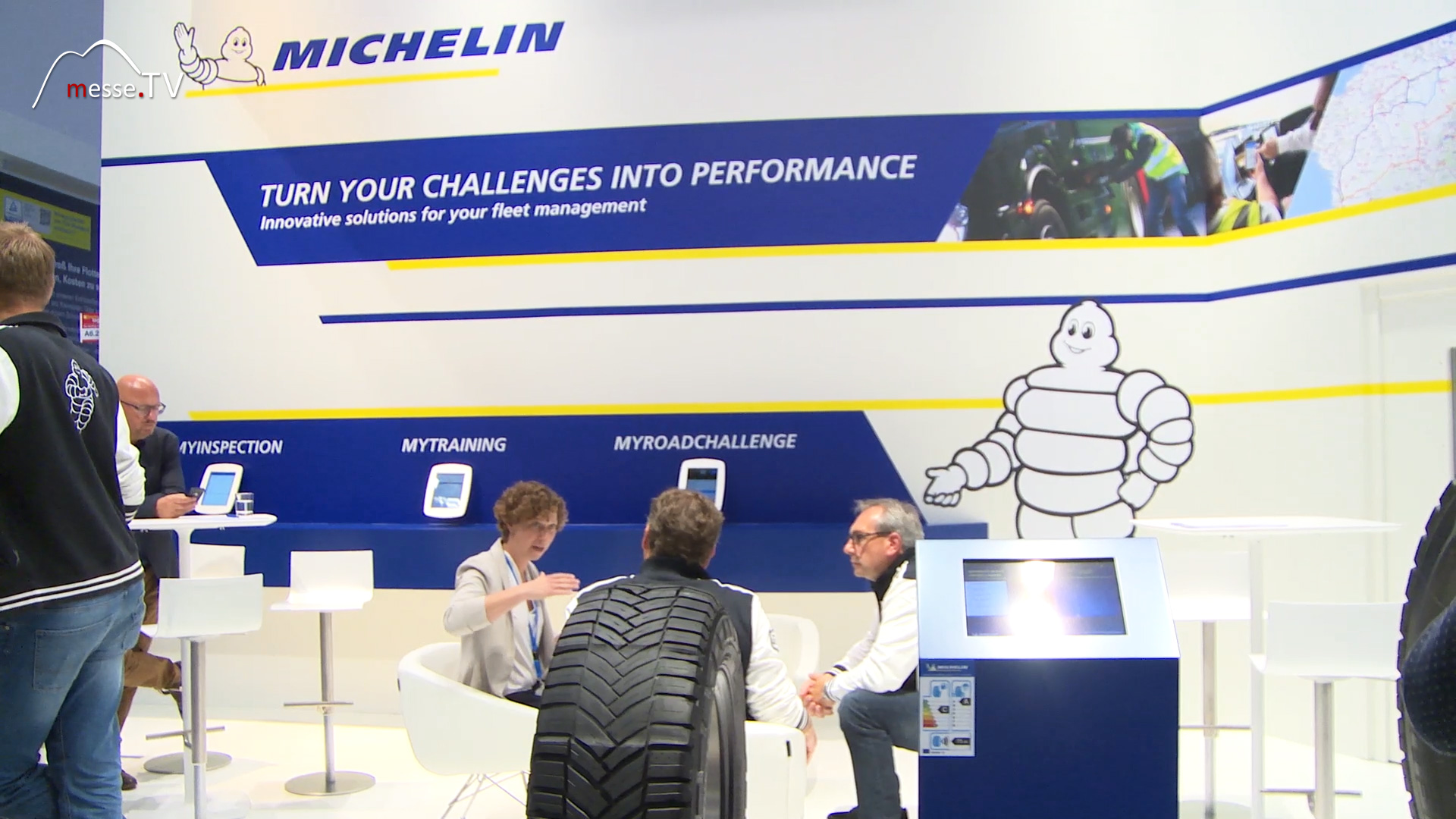
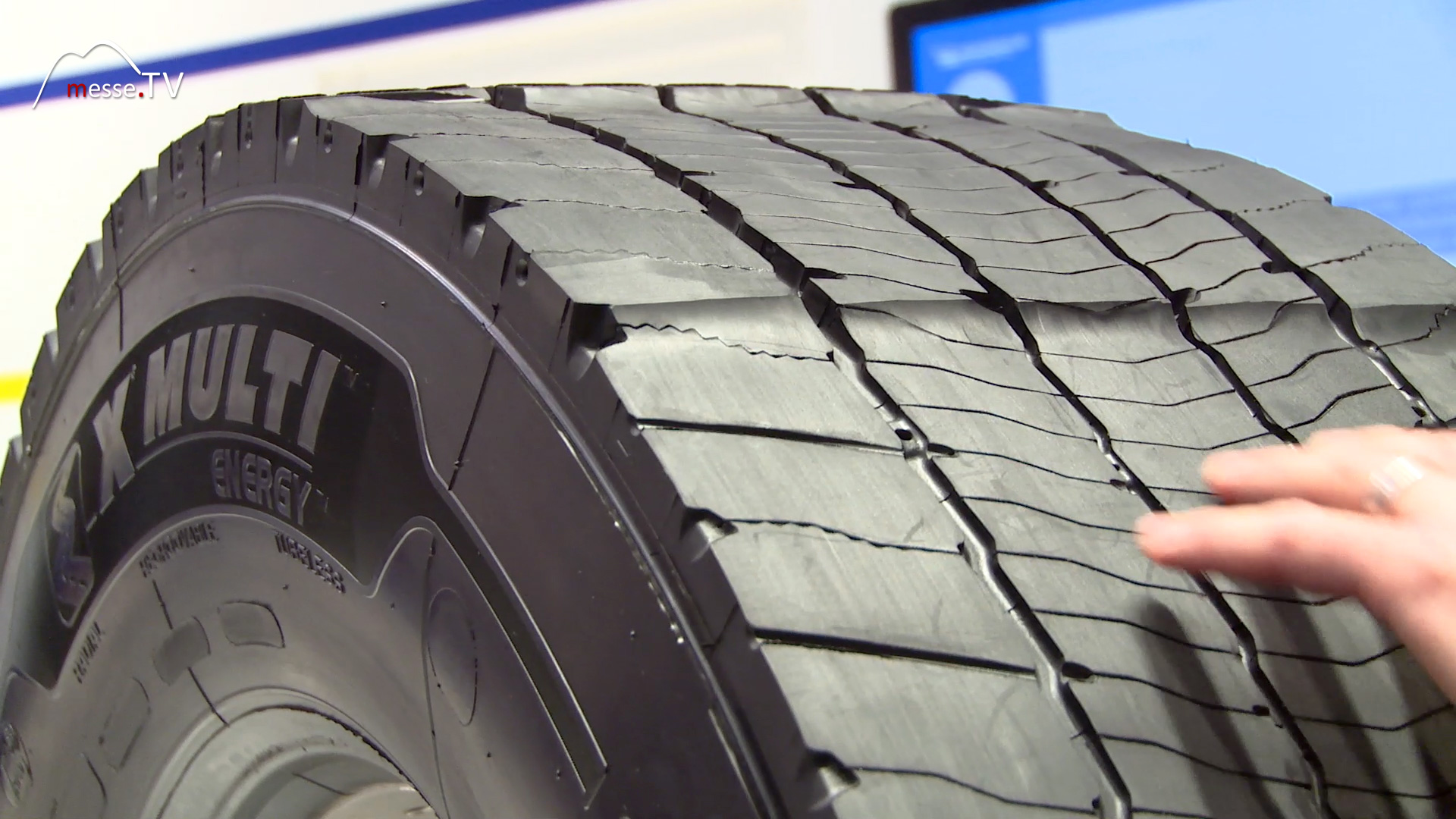
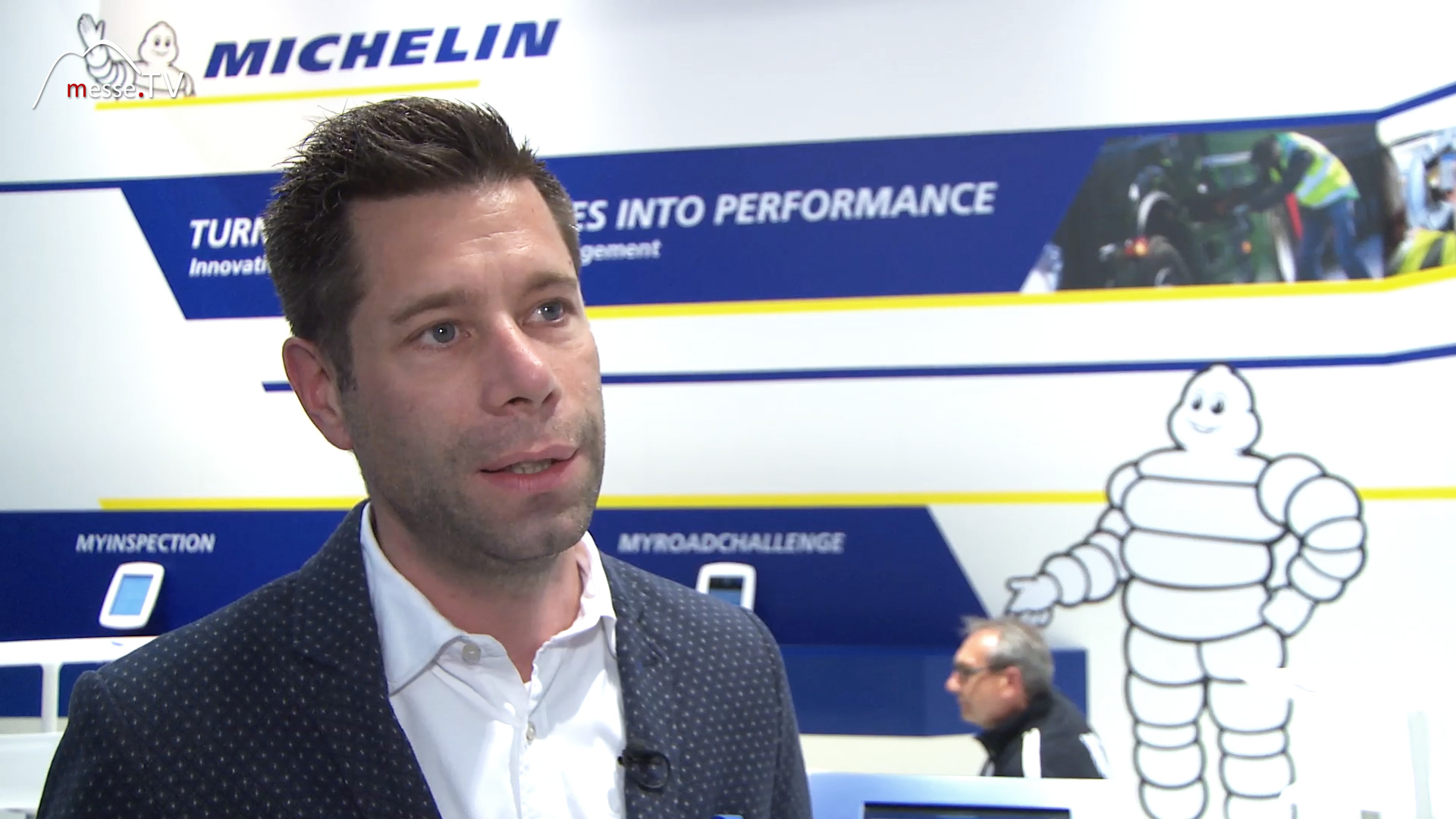
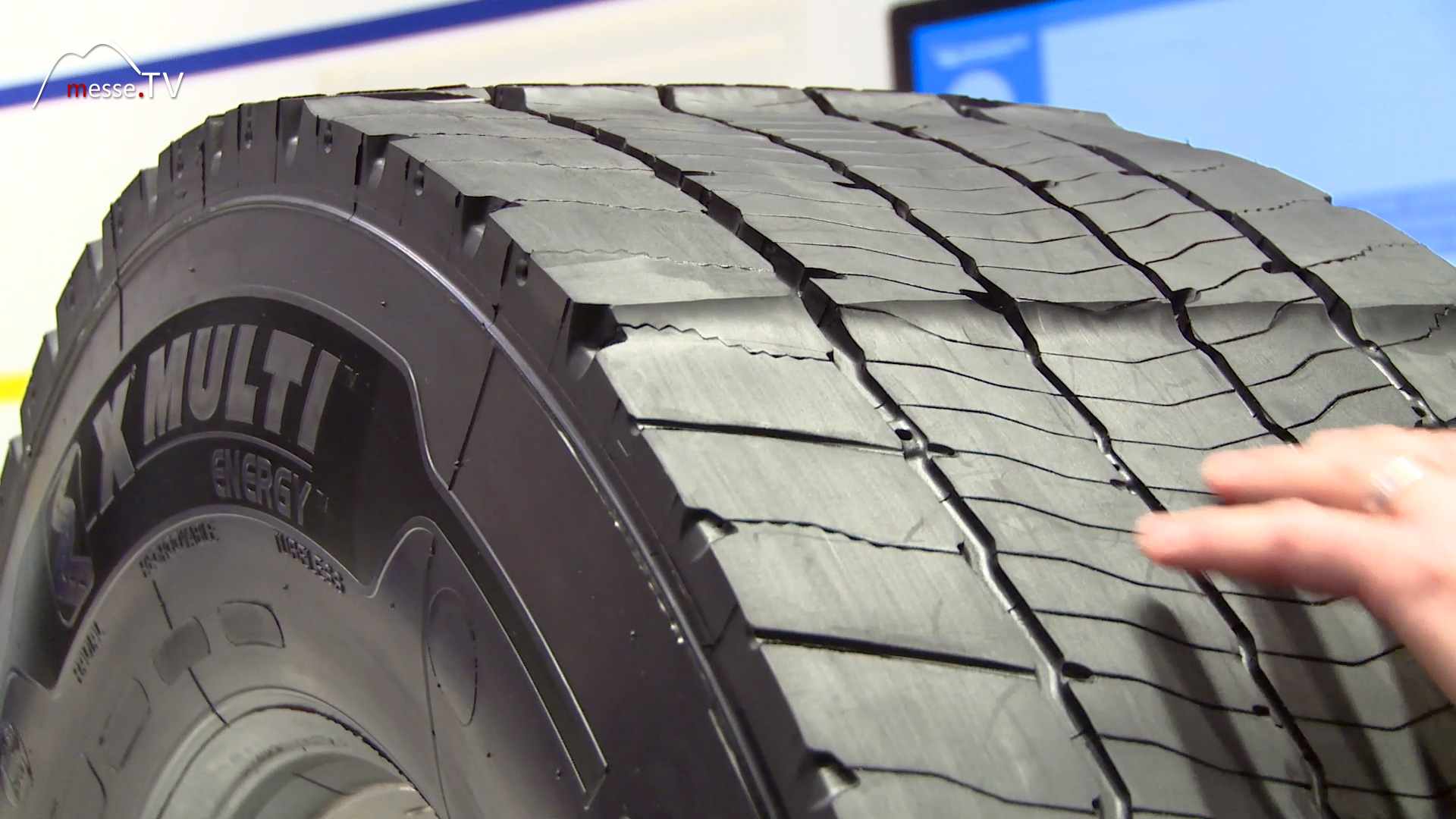
von Jürgen Groh - 2024-02-13Wer einen Messestand von Michelin betritt und nur wenige Reifen sieht, erlebt bewusst einen Bruch mit Erwartungen. Der reduzierte physische Auftritt ist kein Zufall, sondern Ausdruck eines strategischen Wandels. Der traditionsreiche Hersteller positioniert sich zunehmend als Mobilitätsanbieter und rückt digitale Lösungen in den Mittelpunkt. Damit reagiert das Unternehmen auf veränderte Anforderungen seiner Kunden, die längst über das reine Reifengeschäft hinausgehen.
Vom Reifenhersteller zum Mobilitätsanbieter
Der Anspruch von Michelin ist klar formuliert: Mobilität soll ganzheitlich gedacht werden. Reifen bleiben ein zentrales Produkt, doch sie sind nur noch ein Teil eines größeren Ökosystems. Im täglichen Austausch mit Flottenbetreibern und Fahrern zeigt sich, dass Themen wie Sicherheit, Effizienz, Fahrerbindung und Qualifikation immer wichtiger werden. Genau hier setzen digitale Anwendungen an, die Prozesse vereinfachen und neue Mehrwerte schaffen. Die bewusste Fokussierung auf Software und Services verdeutlicht, dass Mobilität heute datengetrieben organisiert wird. Digitale Tools ermöglichen es, Abläufe zu standardisieren, Informationen schneller verfügbar zu machen und Entscheidungen auf einer fundierteren Basis zu treffen.

MyInspection als digitale Abfahrtskontrolle
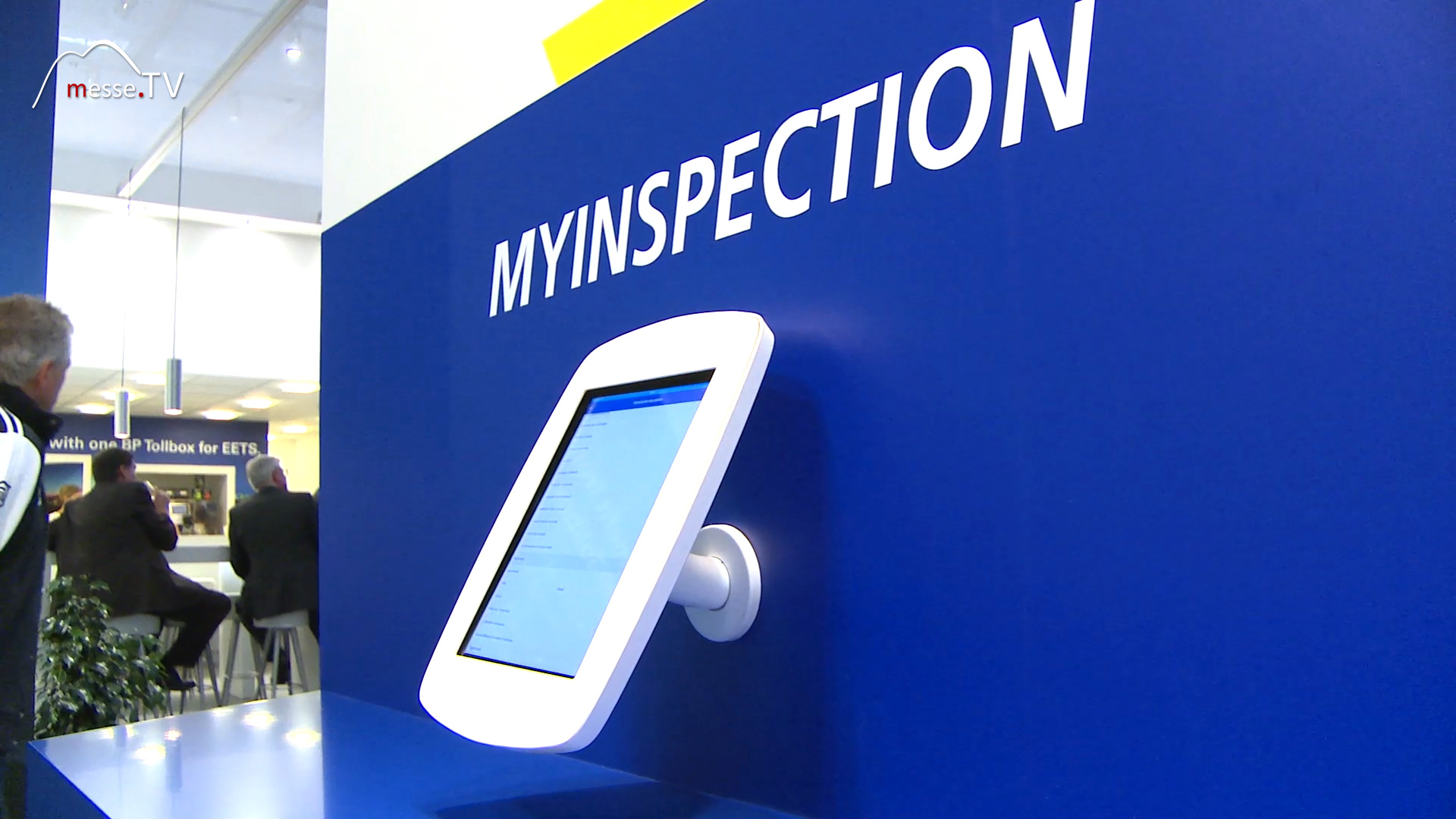
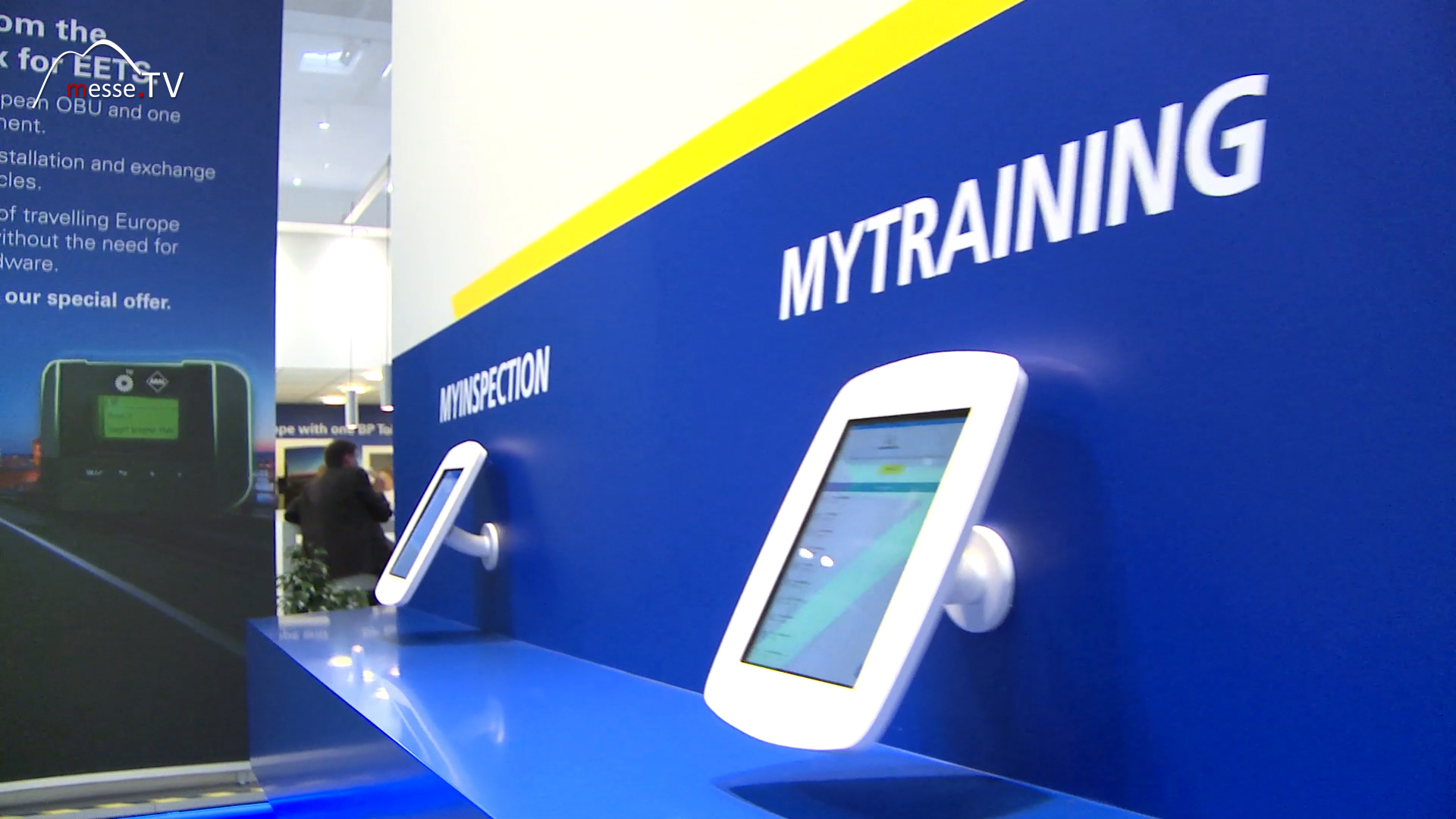
Eine der vorgestellten Anwendungen ist MyInspection. Sie digitalisiert die Abfahrtskontrolle, die jeder Fahrer vor Fahrtantritt durchführen muss. Statt papierbasierter Checklisten oder uneinheitlicher Abläufe wird die Kontrolle strukturiert über eine App erfasst. Der Zustand des Fahrzeugs lässt sich dokumentieren, Abweichungen werden klar festgehalten und sind unmittelbar verfügbar. Für Unternehmen bedeutet das mehr Transparenz und Nachvollziehbarkeit. Sicherheitsrelevante Prüfungen sind nicht mehr von individuellen Gewohnheiten abhängig, sondern folgen einem einheitlichen digitalen Prozess. Gleichzeitig wird der Fahrer unterstützt, weil die Kontrolle klar geführt und vollständig dokumentiert ist.
MyRoadChallenge und spielerische Fahrerbindung
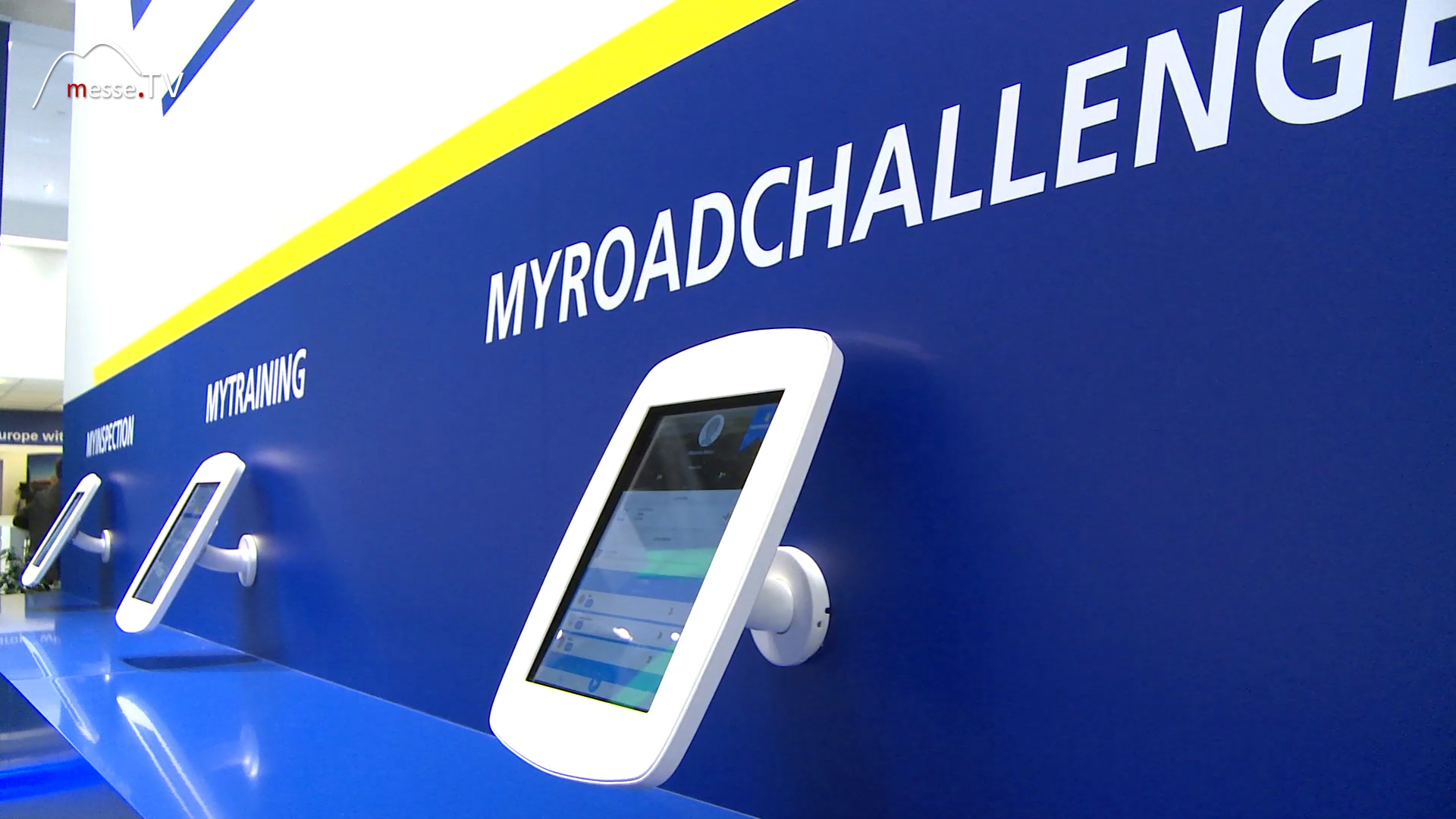
Mit MyRoadChallenge verfolgt Michelin einen anderen Ansatz. Die App setzt auf spielerische Elemente, um Fahrer stärker an das Unternehmen zu binden. Über Challenges werden Routen bewertet, Fahrweisen reflektiert und positive Verhaltensweisen gefördert. Motivation entsteht nicht durch Kontrolle, sondern durch Wettbewerb und Anerkennung. Dieser Ansatz greift ein zentrales Thema der Branche auf: die Bindung qualifizierter Fahrer. In einem Umfeld, in dem Fachkräfte knapp sind, gewinnen solche weichen Faktoren an Bedeutung. Digitale Anwendungen können hier Brücken bauen, indem sie den Arbeitsalltag aufwerten und Beteiligung ermöglichen.
MyTraining zur Digitalisierung von Fahrertraining
Die dritte Anwendung, MyTraining, zielt auf die Qualifikation von Fahrern. Schulungsinhalte lassen sich digital bereitstellen, Lernfortschritte dokumentieren und Trainings flexibel in den Arbeitsalltag integrieren. Klassische Präsenzschulungen werden damit nicht ersetzt, aber sinnvoll ergänzt. Gerade bei Themen wie Sicherheit, effizienter Fahrweise oder dem Umgang mit neuen Fahrzeugtechnologien ist kontinuierliche Weiterbildung entscheidend. Digitale Trainingsangebote ermöglichen es, Wissen regelmäßig aufzufrischen und neue Inhalte schnell auszurollen.

Digitaler Fokus als Antwort auf neue Bedürfnisse
Der starke digitale Fokus des Unternehmens ist eine direkte Reaktion auf die Bedürfnisse seiner Kunden. Mobilität wird zunehmend komplexer. Fahrzeuge sind vernetzt, Anforderungen steigen und der Druck auf Effizienz nimmt zu. Softwarelösungen helfen dabei, diese Komplexität beherrschbar zu machen.
- Digitale Abbildung von Sicherheitsprozessen
- Strukturierte Erfassung von Fahrzeugzuständen
- Motivation und Bindung von Fahrern
- Flexible und skalierbare Trainingskonzepte
- Bessere Datengrundlagen für Flottenentscheidungen
Mobilität als integriertes System
Der Wandel vom reinen Reifenhersteller hin zum Mobilitätsanbieter bedeutet auch ein verändertes Selbstverständnis. Produkte und Services werden nicht isoliert betrachtet, sondern als Teil eines integrierten Systems. Reifen liefern Daten, digitale Anwendungen verarbeiten Informationen, und am Ende entsteht ein Gesamtbild der Mobilität. Diese Sichtweise ermöglicht es, Kunden entlang ihres gesamten Mobilitätsbedarfs zu begleiten. Nicht der einzelne Reifen steht im Vordergrund, sondern der sichere, effiziente und wirtschaftliche Betrieb von Fahrzeugen. Digitale Lösungen sind dabei das verbindende Element zwischen Technik, Mensch und Organisation.
Perspektiven für die Zukunft
Der gezeigte Ansatz macht deutlich, wohin sich Mobilität entwickelt. Digitale Services werden zur selbstverständlichen Ergänzung physischer Produkte. Unternehmen, die diesen Wandel frühzeitig gestalten, schaffen sich Spielräume für neue Geschäftsmodelle und engere Kundenbeziehungen. Michelin zeigt mit seinem Auftritt, dass dieser Weg nicht als Abkehr vom Kerngeschäft zu verstehen ist, sondern als konsequente Weiterentwicklung. Reifen bleiben wichtig, doch sie sind eingebettet in ein digitales Umfeld, das Mobilität neu definiert. Genau darin liegt die strategische Bedeutung des digitalen Fokus, der am Messestand sichtbar wird.


Messe-Berichterstattung bundesweit - Messewissen, Termine & Veranstaltungen


