Schwerlastfahrzeuge für Logistik und Industrie im realen Einsatz
von Andreas Bergmeier - 2024-02-13Schwerlastfahrzeuge gehören zu den stillen Leistungsträgern moderner Industrie- und Logistikprozesse. Sie bewegen Lasten, die weit jenseits dessen liegen, was klassische Transporttechnik bewältigen kann.
Gleichzeitig arbeiten sie häufig im Hintergrund, fernab öffentlicher Aufmerksamkeit, aber mit enormer Verantwortung. In Produktionsbetrieben, Häfen, Logistikzentren oder Werften entscheidet ihre Zuverlässigkeit darüber, ob Prozesse fließen oder ins Stocken geraten. Genau in diesem Spannungsfeld zwischen technischer Belastbarkeit und operativer Präzision bewegen sich spezialisierte Fahrzeughersteller, deren Produkte auf extreme Anforderungen ausgelegt sind. Die Entwicklung solcher Fahrzeuge folgt dabei anderen Regeln als im klassischen Nutzfahrzeugbau. Standardisierung spielt eine untergeordnete Rolle. Stattdessen stehen maßgeschneiderte Lösungen, hohe Tragfähigkeiten und absolute Betriebssicherheit im Vordergrund. Schwerlasttechnik ist immer auch Systemtechnik – sie muss sich in komplexe Abläufe integrieren lassen und gleichzeitig enorme Kräfte beherrschen.
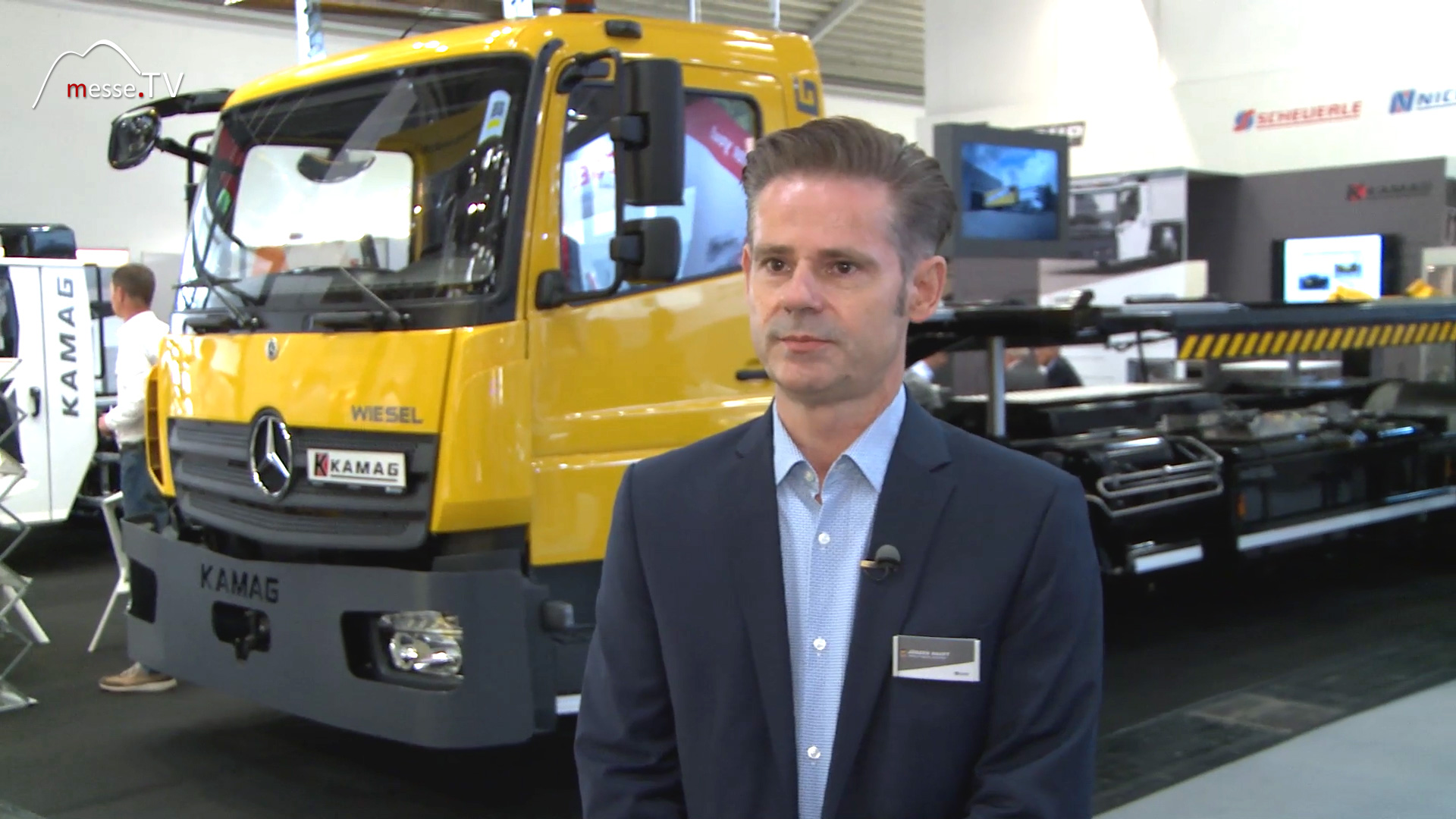

Kamag als Traditionsunternehmen im Schwerlastbereich
Kamag ist seit Jahrzehnten im Bau von Schwerlastfahrzeugen aktiv und hat sich in diesem Segment als spezialisierter Anbieter etabliert. Das Unternehmen ist in Ulm ansässig und blickt auf eine lange Entwicklung zurück, die eng mit der industriellen Geschichte verbunden ist. Die Ausrichtung ist dabei klar zweigeteilt: Logistik auf der einen, Industrie und Spezialanwendungen auf der anderen Seite. Diese Zweiteilung ist kein Zufall. Beide Bereiche stellen völlig unterschiedliche Anforderungen an Fahrzeuge, haben aber eines gemeinsam: Sie verlangen Technik, die zuverlässig funktioniert, auch wenn Gewichte und Dimensionen weit über das Übliche hinausgehen. Kamag bedient diese Anforderungen mit Fahrzeugen, die konsequent auf ihren Einsatzzweck ausgelegt sind.
Schwerlastfahrzeuge für den Logistikbereich
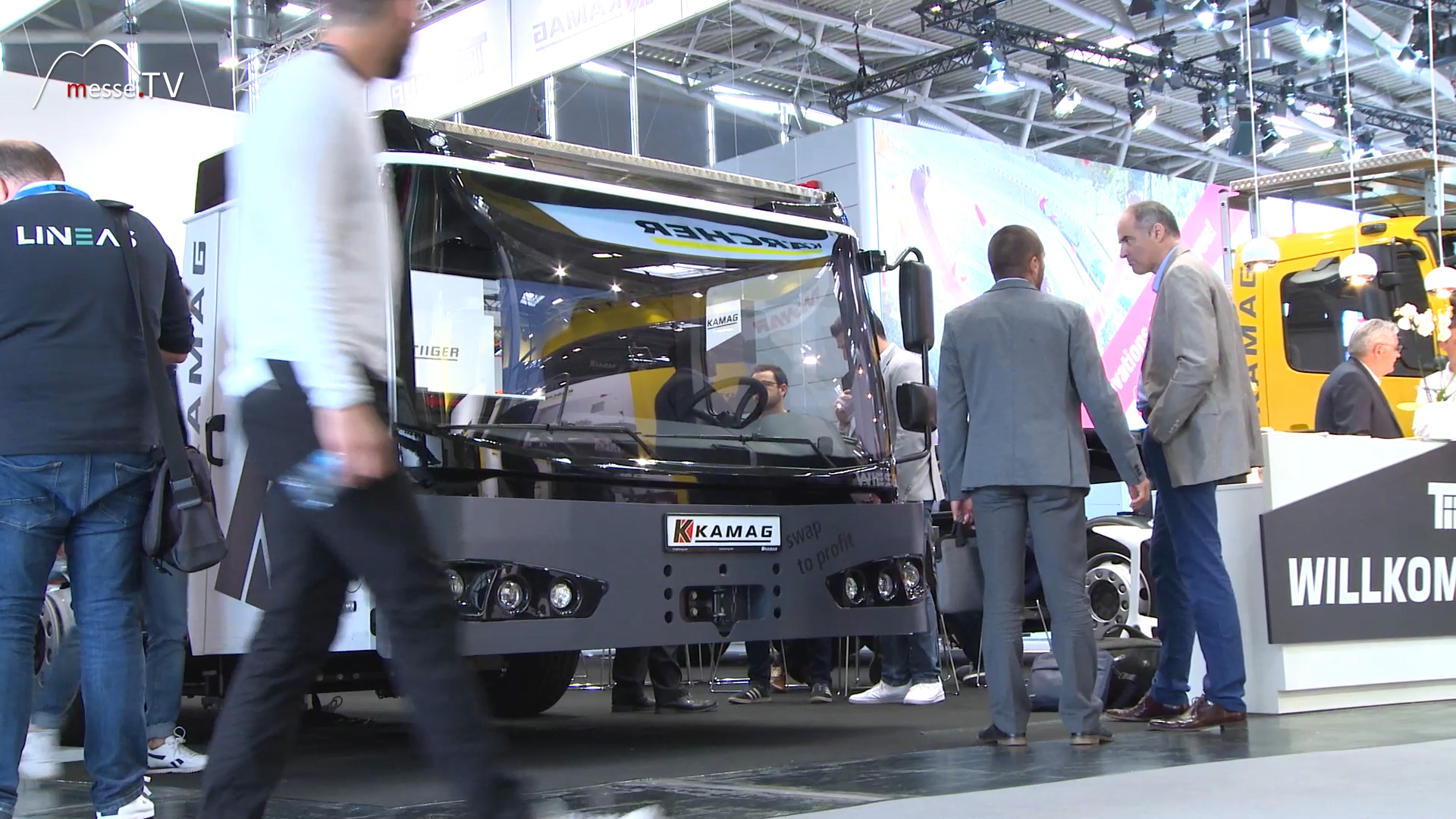
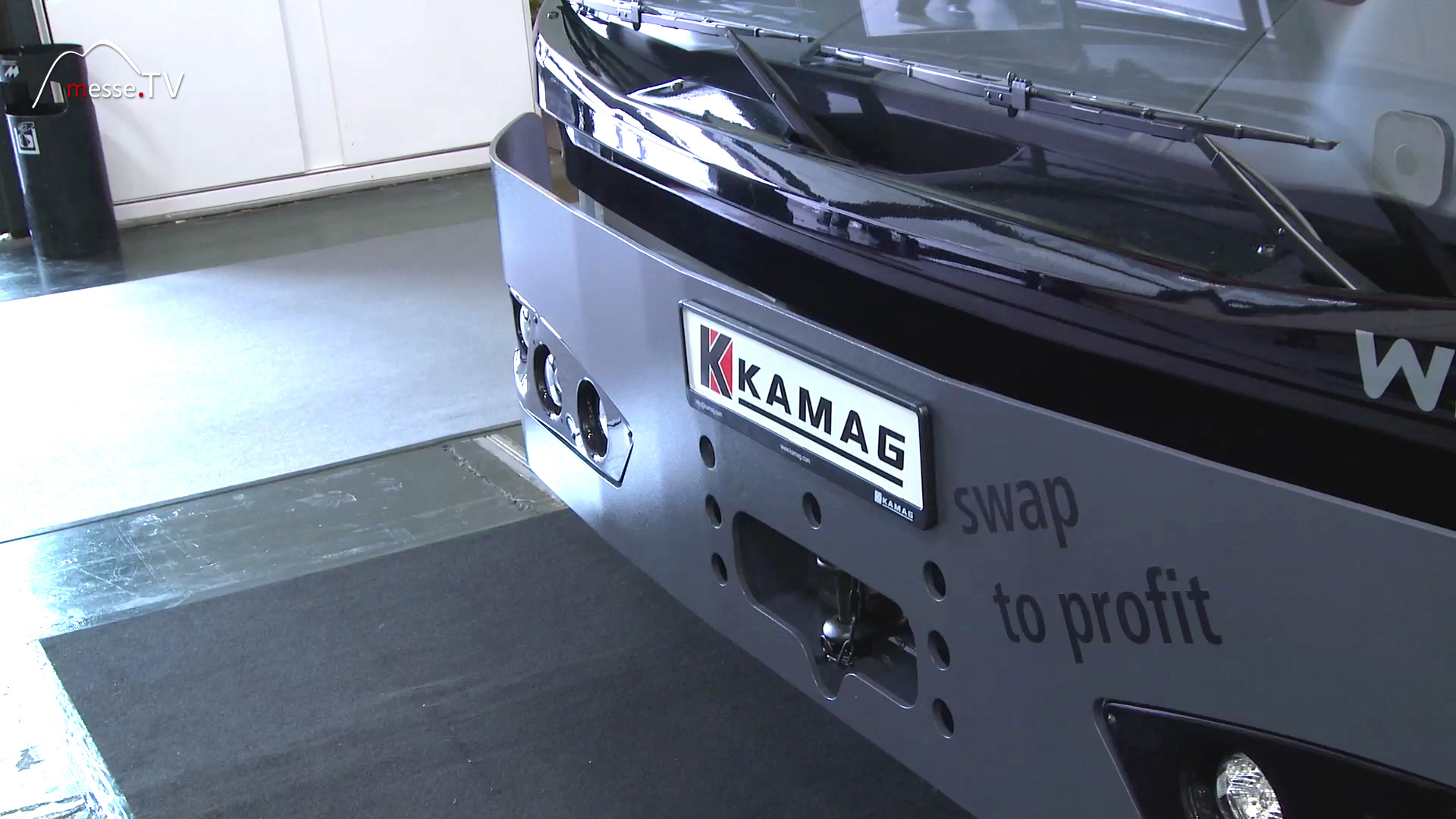
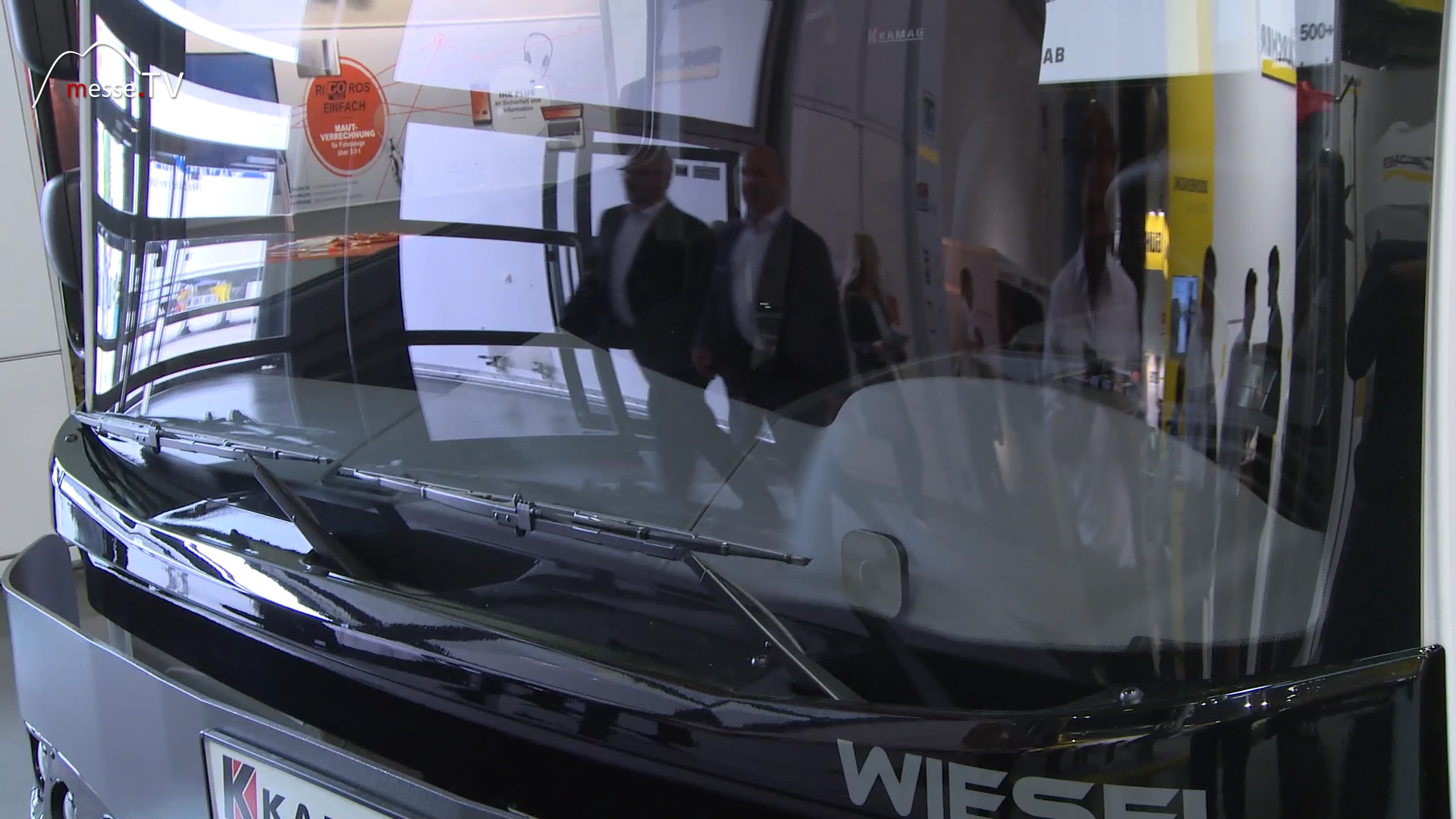
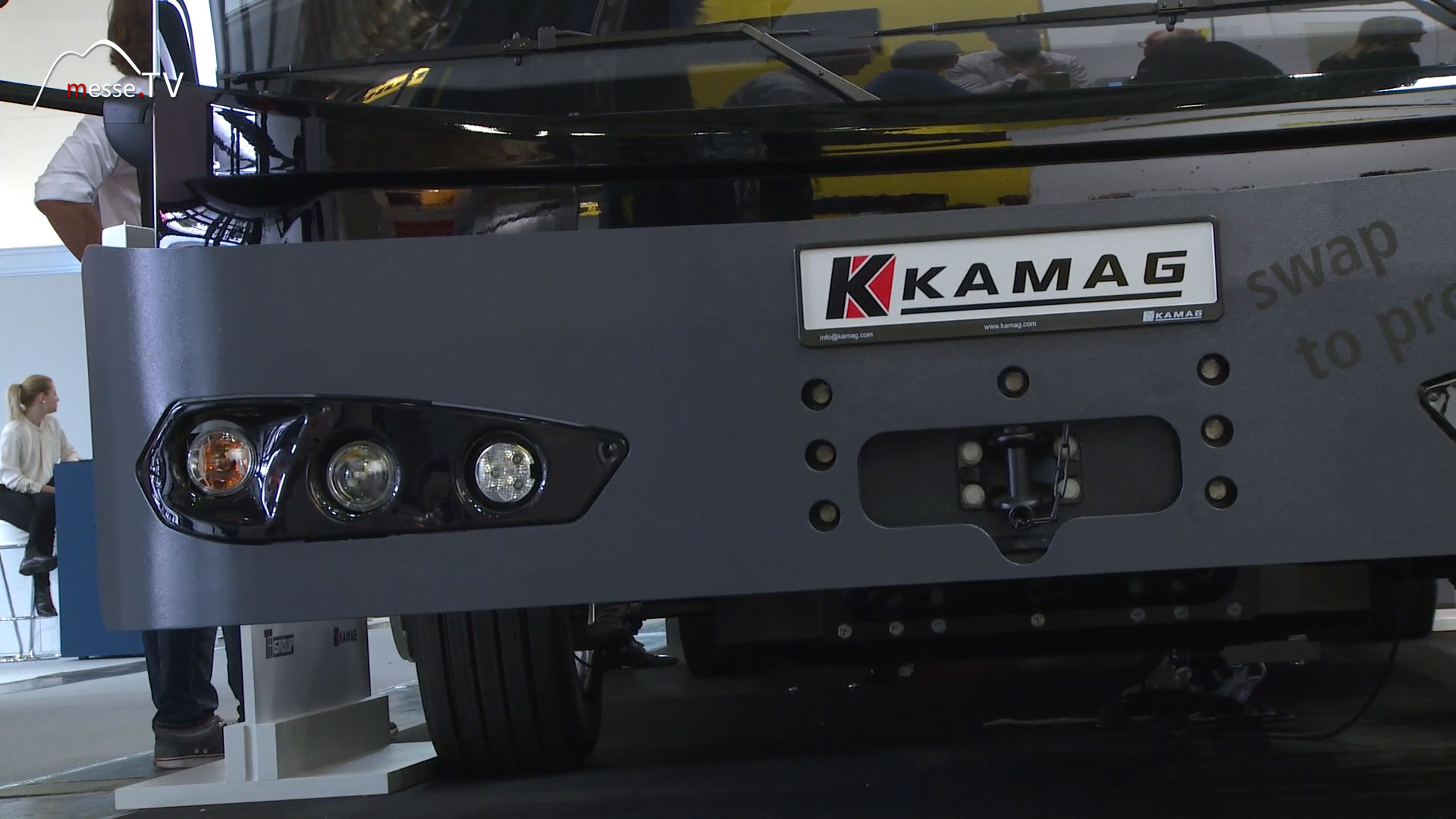
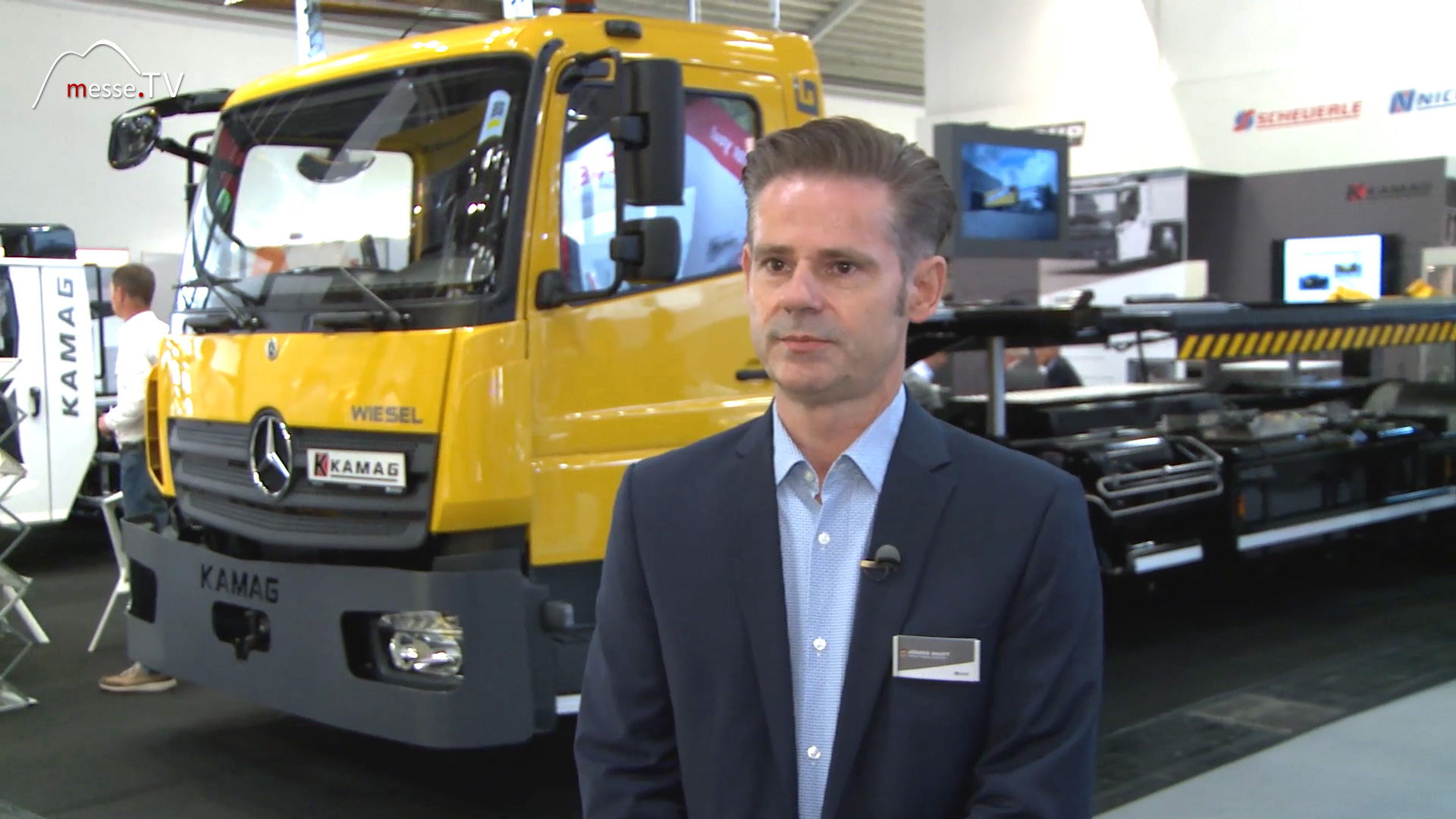
Im Logistikbereich konzentriert sich das Unternehmen auf Fahrzeuge, die in Umschlagzentren, Terminals und Verteilerknotenpunkten eingesetzt werden. Dort geht es weniger um extreme Einzelgewichte, sondern um hohe Umschlagfrequenzen, enge Platzverhältnisse und präzise Manöver. Wechselbrückenhubwagen und der Truck Wiesel sind typische Vertreter dieser Fahrzeugklasse. Diese Fahrzeuge müssen im Dauereinsatz funktionieren. Rangieren unter Zeitdruck, häufiges Anfahren und Abbremsen sowie wechselnde Lasten gehören zum Alltag. Die Konstruktion ist darauf ausgelegt, diese Belastungen dauerhaft zu verkraften. Gleichzeitig spielen Aspekte wie Sicht, Ergonomie und Manövrierfähigkeit eine wichtige Rolle, da Fahrer in kurzen Zyklen arbeiten und präzise Bewegungen ausführen müssen.
Industrie- und Spezialfahrzeuge für extreme Gewichtsklassen
Deutlich andere Anforderungen stellen Fahrzeuge für den Industrie- und Spezialbereich. Hier geht es um Lasten, die nicht in Tonnen, sondern in hunderten oder sogar tausenden Tonnen gemessen werden. Schlackentransporter, Werfthubwagen oder Industriehubwagen bewegen Bauteile, die zentral für Produktionsprozesse oder industrielle Großanlagen sind. In diesem Segment steht absolute Stabilität im Vordergrund. Fahrzeuge müssen Lasten sicher aufnehmen, verteilen und kontrolliert bewegen. Gleichzeitig arbeiten sie oft in sensiblen Umgebungen, etwa in Stahlwerken oder auf Werften. Hitze, Staub, unebene Untergründe und beengte Platzverhältnisse gehören dort zur Realität. Schwerlastfahrzeuge müssen diesen Bedingungen standhalten, ohne Kompromisse bei Sicherheit oder Präzision einzugehen.
Technik für Lasten in außergewöhnlichen Dimensionen
Die Fähigkeit, Lasten von mehreren tausend Tonnen zu transportieren, erfordert eine besondere technische Herangehensweise. Fahrwerke, Achssysteme und Antriebe müssen so ausgelegt sein, dass Kräfte gleichmäßig verteilt werden. Jede Unwucht, jede unkontrollierte Bewegung kann gravierende Folgen haben. Schwerlastfahrzeuge sind deshalb oft modular aufgebaut. Sie lassen sich an unterschiedliche Lasten und Einsatzszenarien anpassen. Diese Flexibilität ist entscheidend, da industrielle Transporte selten standardisiert ablaufen. Jede Aufgabe bringt eigene Anforderungen mit sich, sei es in Bezug auf Gewicht, Abmessungen oder Bewegungsabläufe.
- Fahrzeuge für Logistik und Umschlagprozesse
- Schwerlasttechnik für Industrie und Spezialanwendungen
- Transport von Lasten bis in den Tausend-Tonnen-Bereich
- Anpassung an individuelle Einsatzbedingungen
Schwerlasttechnik als integraler Bestandteil industrieller Prozesse
In der Industrie ist Schwerlasttechnik kein isolierter Bereich, sondern Teil komplexer Prozessketten. Ob beim Transport von Großbauteilen, beim innerbetrieblichen Materialfluss oder beim Handling von Produktionsanlagen – die Fahrzeuge müssen nahtlos in bestehende Abläufe integriert werden. Das erfordert eine enge Abstimmung zwischen Fahrzeugtechnik und Prozessplanung. Schwerlastfahrzeuge müssen nicht nur Lasten bewegen, sondern dies im richtigen Moment, mit der richtigen Geschwindigkeit und mit maximaler Kontrolle tun. Jede Bewegung ist Teil eines größeren Zusammenhangs, in dem Zeitfenster, Sicherheitszonen und Schnittstellen berücksichtigt werden müssen.

Standort Ulm und industrielle Verwurzelung
Die Ansiedlung in Ulm ist historisch gewachsen und spiegelt die industrielle Prägung des Unternehmens wider. Baden-Württemberg zählt zu den Kernregionen des deutschen Maschinen- und Anlagenbaus. Die Nähe zu industriellen Kunden und Partnern hat die Entwicklung der Schwerlastfahrzeuge über Jahre hinweg beeinflusst. Diese regionale Verwurzelung zeigt sich auch in der Herangehensweise an technische Lösungen. Der Fokus liegt auf langlebiger Technik, klarer Funktionalität und praxisnaher Umsetzung. Innovation entsteht hier nicht aus kurzfristigen Trends, sondern aus konkreten Anforderungen aus Industrie und Logistik.
Schwerlastfahrzeuge zwischen Tradition und Weiterentwicklung
Tradition spielt im Schwerlastbereich eine besondere Rolle. Fahrzeuge werden oft über Jahrzehnte eingesetzt, gewartet und weiterentwickelt. Gleichzeitig verändern sich die Rahmenbedingungen. Produktionsprozesse werden effizienter, Logistikabläufe schneller, Sicherheitsanforderungen höher. Schwerlastfahrzeuge müssen diese Entwicklung mitgehen. Das bedeutet, bestehende Konzepte zu hinterfragen und weiterzuentwickeln, ohne bewährte Prinzipien aufzugeben. Robustheit und Zuverlässigkeit bleiben zentrale Werte, werden aber durch neue technische Lösungen ergänzt.
Bedeutung für Logistik und Industrie
Ohne Schwerlastfahrzeuge wären viele industrielle Prozesse nicht denkbar. Sie ermöglichen den Transport von Bauteilen, die nicht zerlegt werden können, und sichern den Materialfluss in Schlüsselindustrien. Gleichzeitig tragen sie dazu bei, Logistikprozesse effizient und planbar zu gestalten. Kamag steht mit seinem Portfolio exemplarisch für diesen Bereich. Die Bandbreite reicht von Fahrzeugen für den täglichen Umschlag bis hin zu Speziallösungen für extreme Lasten. In beiden Fällen geht es um dasselbe Ziel: Technik bereitzustellen, die unter realen Bedingungen funktioniert und industrielle Abläufe zuverlässig unterstützt. Schwerlastfahrzeuge bleiben damit ein entscheidender Faktor für moderne Industrie- und Logistikstrukturen. Sie arbeiten meist im Hintergrund, sind aber unverzichtbar, wenn es darum geht, große Lasten sicher und kontrolliert zu bewegen.










Messe-Berichterstattung bundesweit - Messewissen, Termine & Veranstaltungen


