Automatisierte Stammdatenerfassung für effiziente Versandprozesse
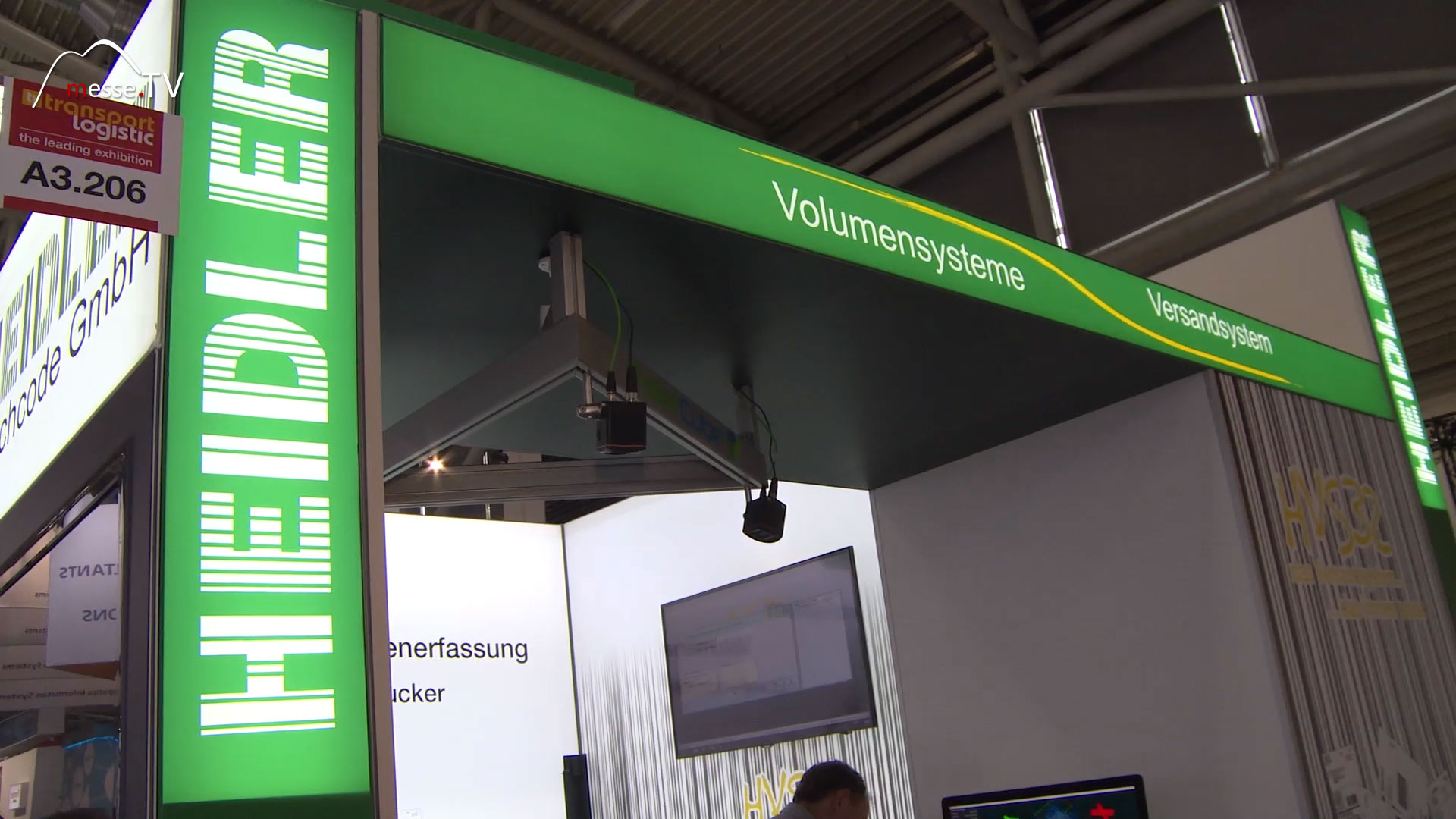
von Bastian Velonavy - 2024-02-13In der Logistik entscheidet oft nicht der Transport selbst über Effizienz, sondern die Qualität der zugrunde liegenden Daten. Fehlende oder ungenaue Stammdaten führen zu falschen Verpackungen, unnötigen Versandkosten und vermeidbaren Prozessbrüchen. Genau an diesem Punkt setzt Heidler mit einem System zur automatisierten Stammdatenerfassung an.
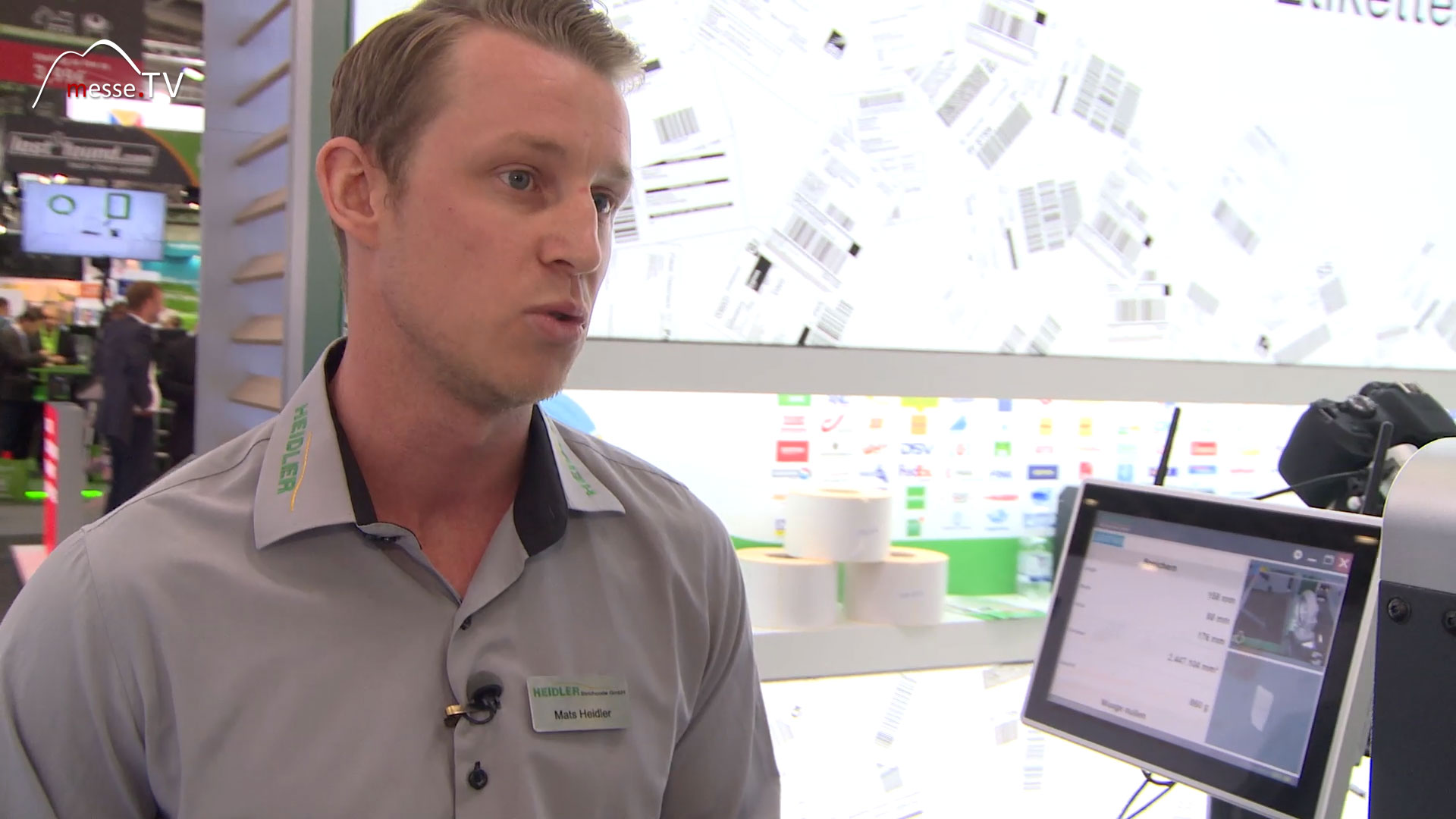
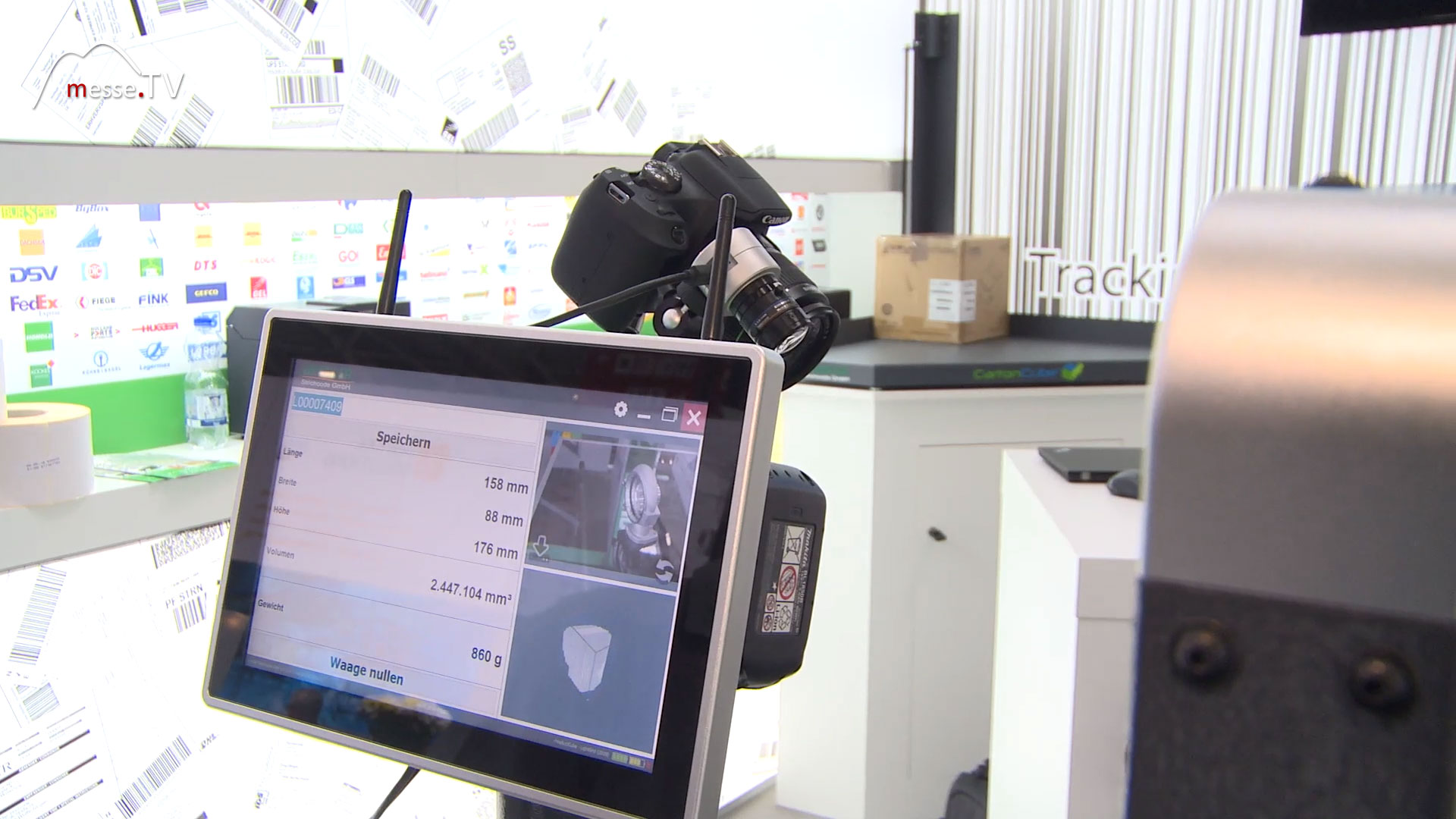
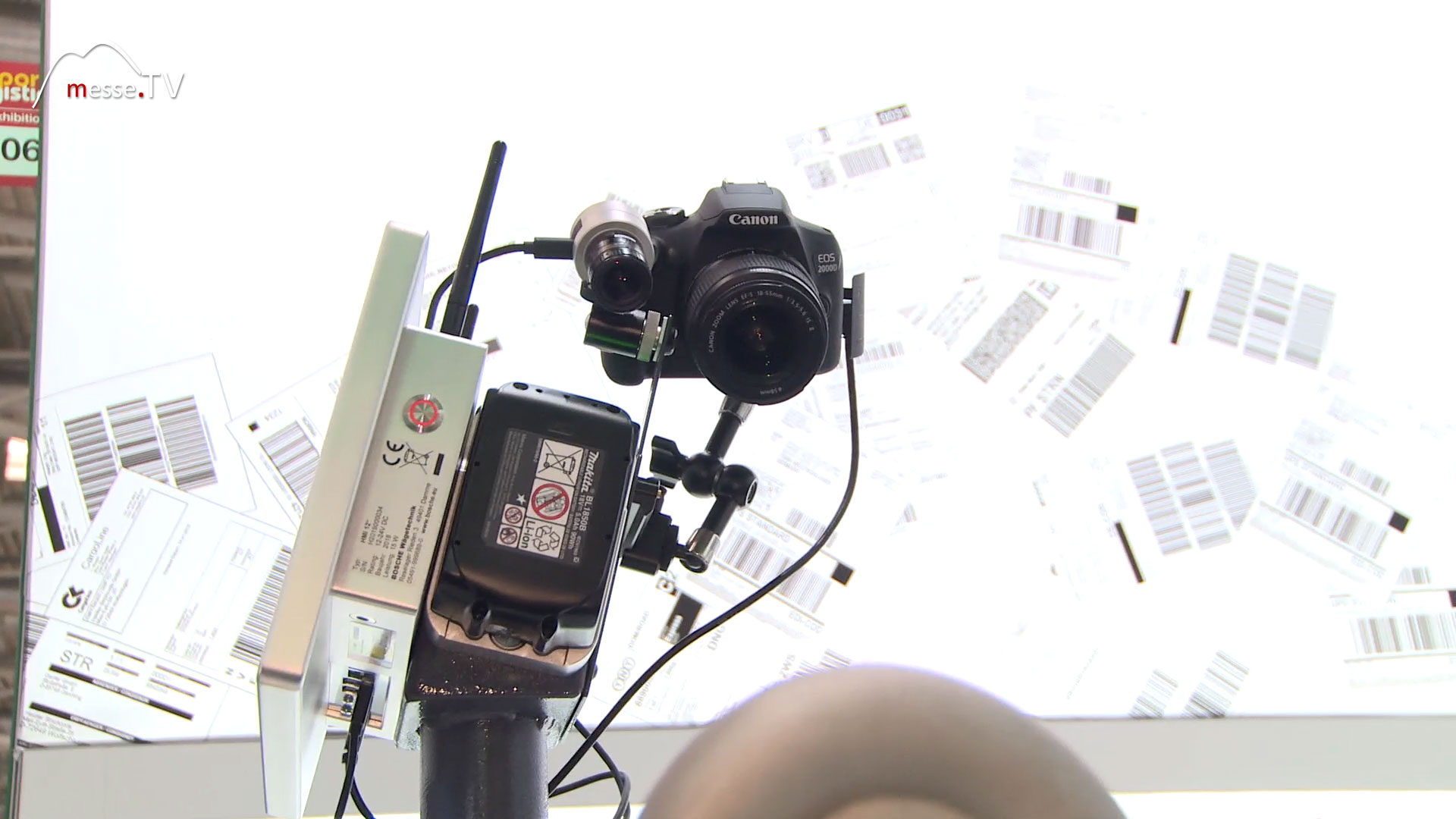
Ziel ist es, Artikel eindeutig zu identifizieren, präzise zu vermessen und diese Informationen direkt für nachgelagerte Prozesse nutzbar zu machen. Im Zentrum steht die Erfassung physischer Objekte. Artikel werden nicht nur gewogen, sondern auch in ihren Abmessungen erfasst. Länge, Breite und Höhe bilden gemeinsam mit dem Gewicht die Grundlage für viele logistische Entscheidungen. Hinzu kommt die visuelle Dokumentation. Zeitgleich zur Messung werden Bilder erzeugt, die eindeutig einer Artikelnummer zugeordnet sind. Damit entsteht ein digitaler Zwilling des Produkts, der weit über klassische Stammdaten hinausgeht.

Stammdaten als Grundlage effizienter Logistik
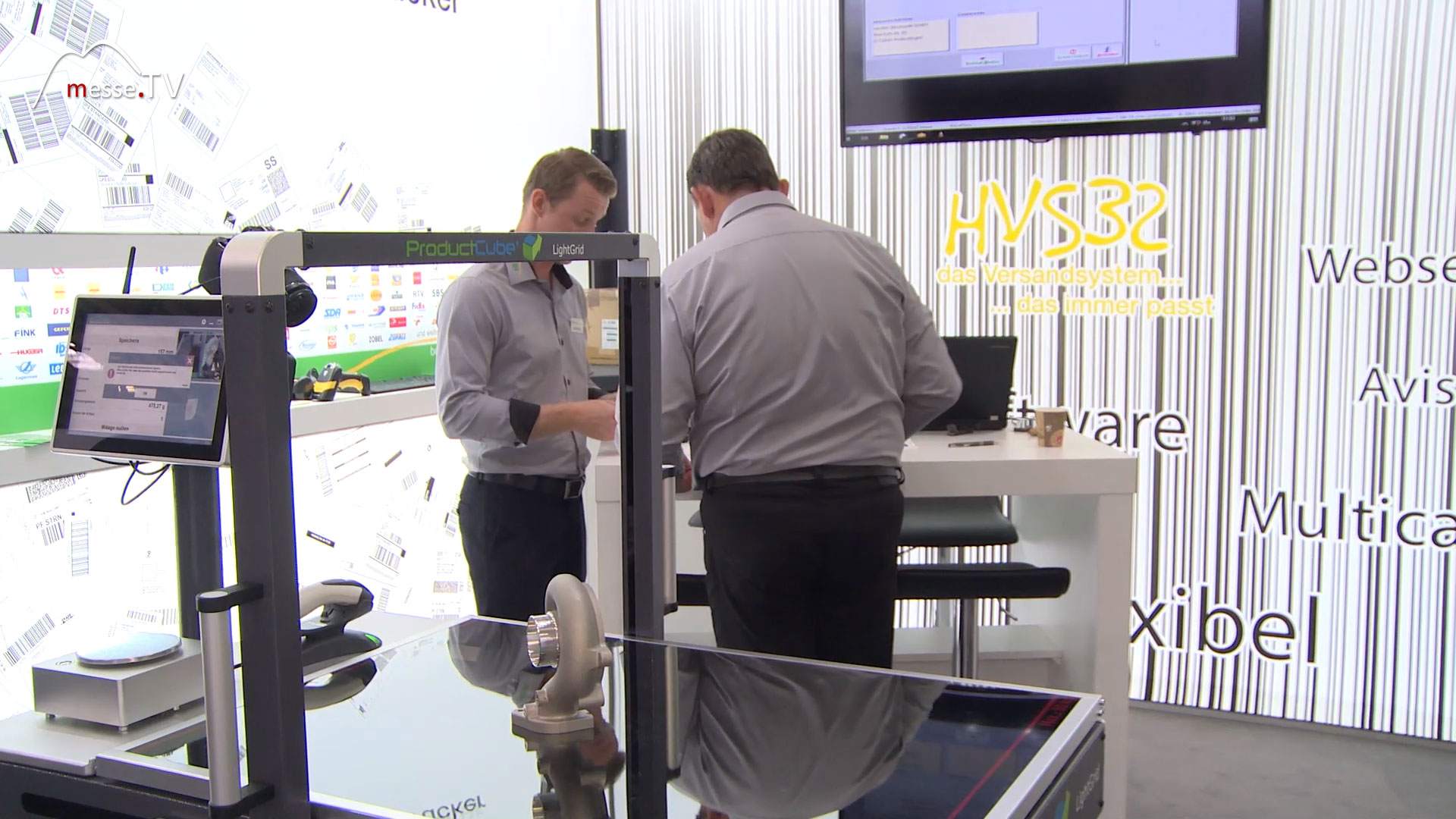
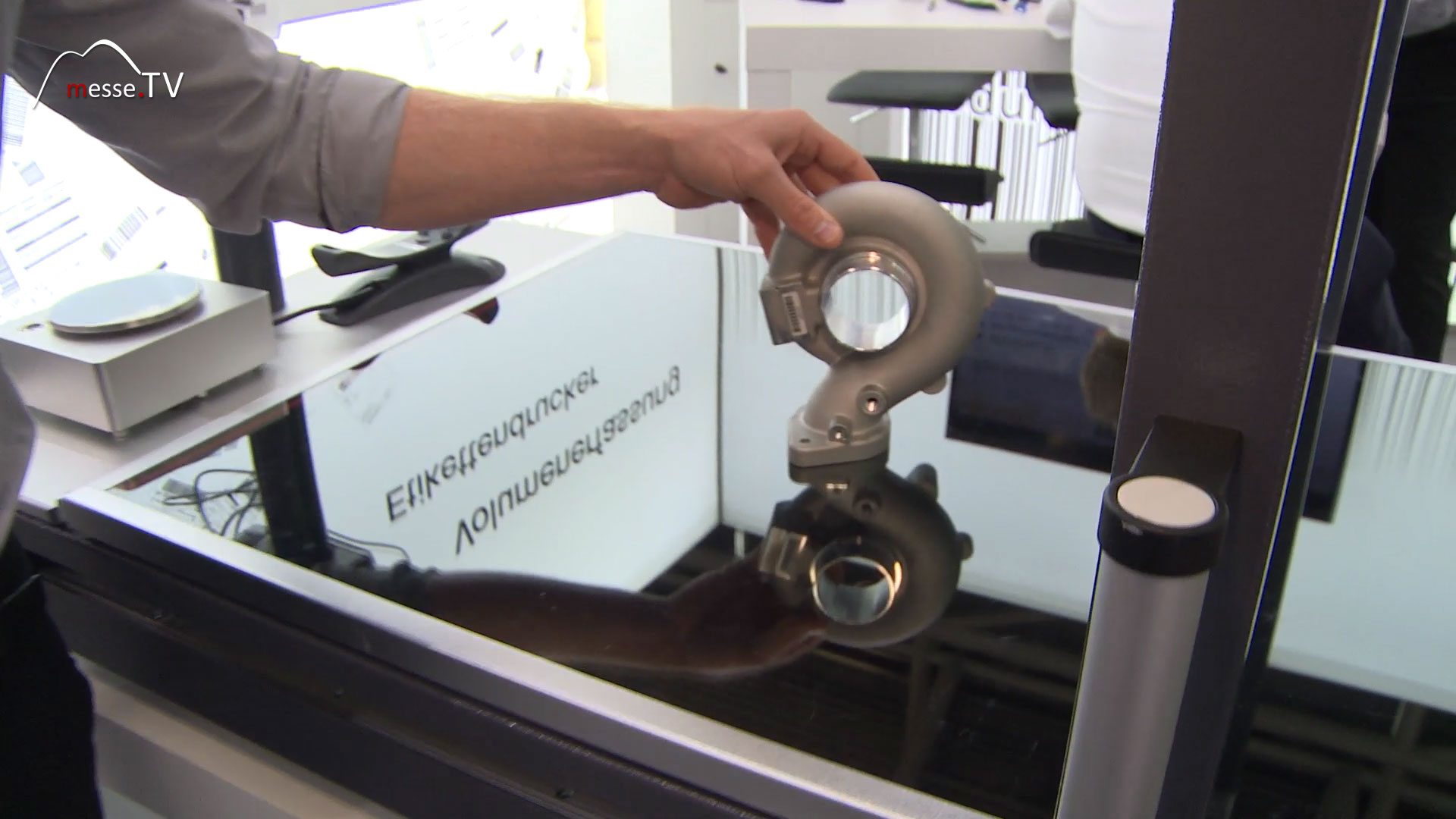
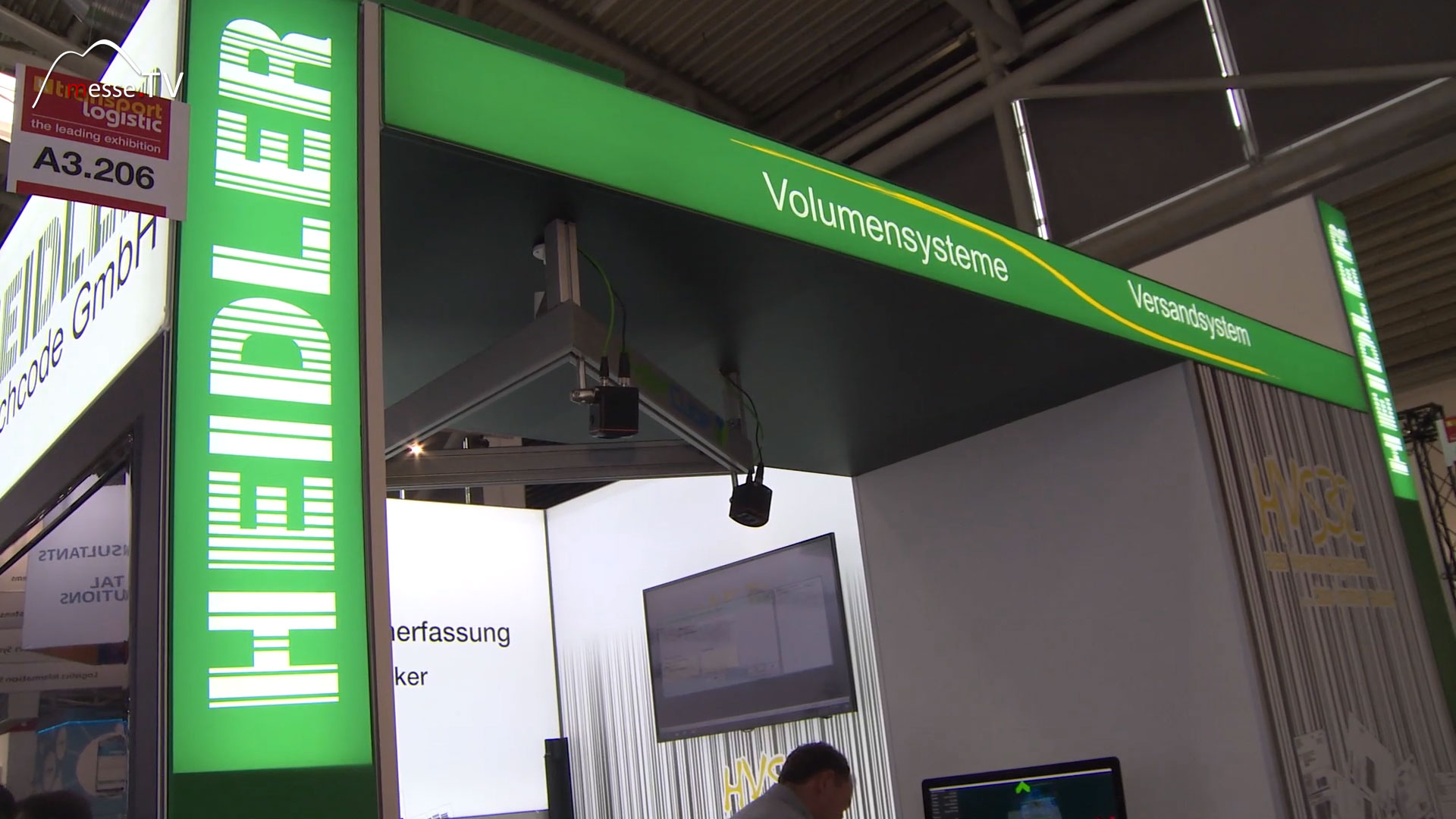
Stammdaten gelten häufig als trockene Pflichtdisziplin, sind in der Praxis jedoch ein zentraler Hebel für Effizienz. Ohne verlässliche Daten lassen sich Lagerflächen nicht optimal nutzen, Versandkosten nicht korrekt kalkulieren und Verpackungen nicht sinnvoll auswählen. Heidler adressiert genau diese Schwachstelle, indem die Datenerfassung direkt am physischen Objekt erfolgt und nicht nachträglich geschätzt oder manuell gepflegt wird. Der Prozess beginnt mit dem Scannen des Artikelbarcodes. Dadurch ist sichergestellt, dass jede Messung eindeutig referenziert ist. Anschließend wird der Lichtgitterrahmen über das Objekt geführt. Innerhalb weniger Sekunden liegen Volumen, Gewicht und Bilddaten vor. Diese Kombination sorgt dafür, dass nicht nur Zahlenwerte entstehen, sondern ein umfassendes Datenpaket, das für unterschiedliche Anwendungen genutzt werden kann.
Objekterfassung mit Lichtgitter und Bilddaten
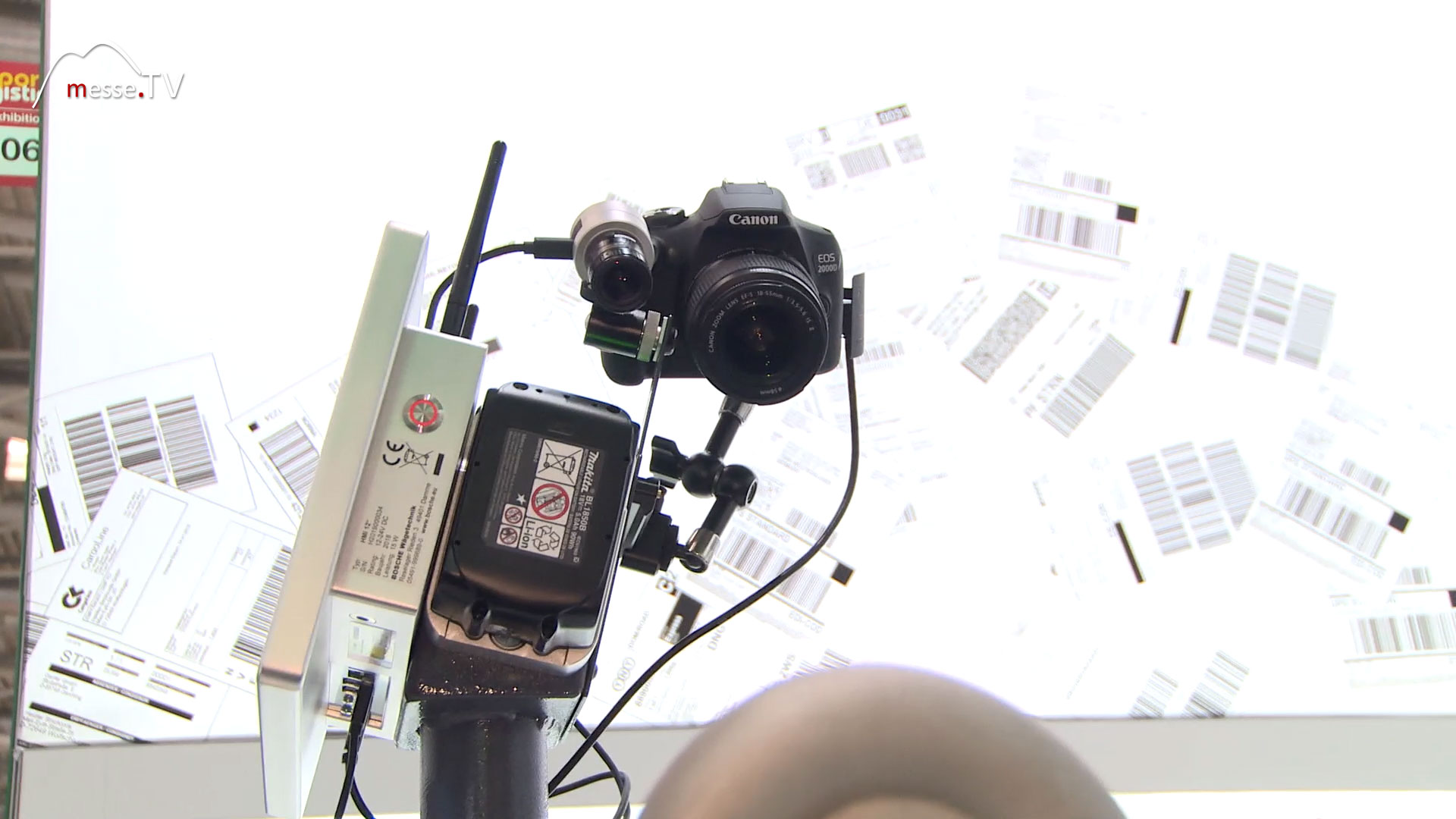
Die technische Umsetzung ist darauf ausgelegt, schnell und reproduzierbar zu arbeiten. Der Lichtgitterrahmen erfasst die exakten Abmessungen des Artikels, unabhängig von seiner Form. Ergänzend dazu werden Bilder erzeugt, die den Zustand und die Beschaffenheit dokumentieren. Auf Wunsch lassen sich mehrere Ansichten eines Objekts speichern, was insbesondere bei komplexen oder empfindlichen Artikeln von Vorteil ist. Diese visuelle Ebene ergänzt die reinen Maßdaten sinnvoll. Bilder helfen bei der Einlagerung, bei der Kommissionierung und nicht zuletzt bei der Klärung von Unstimmigkeiten. Sie schaffen Transparenz und reduzieren Rückfragen entlang der Prozesskette.
Schnittstellen für Warenwirtschaft und Host-Systeme
Die erfassten Daten entfalten ihren Nutzen erst dann vollständig, wenn sie nahtlos in bestehende IT-Systeme integriert werden. Heidler setzt daher nicht ausschließlich auf einfache Dateiexporte, sondern bietet verschiedene Schnittstellen an. Neben klassischen CSV-Dateien stehen auch direkte Anbindungen über gängige Schnittstellen zur Verfügung. Dadurch lassen sich die generierten Stammdaten automatisiert in Warenwirtschaftssysteme oder übergeordnete Host-Systeme zurückschreiben. Manuelle Übertragungen entfallen, Fehlerquellen werden reduziert. Die Daten stehen dort zur Verfügung, wo sie benötigt werden, ohne Medienbrüche oder zeitliche Verzögerungen.
Breite Zielgruppe vom Lager bis zum Versand
Die Zielgruppe für eine solche Lösung ist bewusst offen gehalten. Grundsätzlich profitiert jedes Unternehmen, das physische Produkte lagert oder versendet, von präzisen Stammdaten. Ob im Handel, in der Industrie oder im E-Commerce – überall werden Länge, Breite, Höhe und Gewicht benötigt, um Prozesse sauber abzubilden. Besonders relevant ist die Anwendung dort, wo Versandprozesse optimiert werden sollen. Wer die exakten Produktdaten kennt, kann Verpackungen passgenau auswählen. Das reduziert Füllmaterial, senkt Versandkosten und wirkt sich positiv auf Nachhaltigkeit und Kundenzufriedenheit aus.
- Exakte Erfassung von Länge, Breite, Höhe und Gewicht
- Eindeutige Referenzierung über Artikelbarcodes
- Zusätzliche Bilddaten zur visuellen Dokumentation
- Direkte Anbindung an Warenwirtschaftssysteme

Optimierung von Verpackung und Versand
Ein konkreter Anwendungsfall ist die Auswahl der optimalen Verpackungsgröße. Ohne präzise Stammdaten greifen viele Systeme auf Näherungen zurück. Das führt zu überdimensionierten Kartons oder zu Engpässen im Verpackungsprozess. Mit den von Heidler erfassten Daten lassen sich Verpackungen exakt auf den Artikel abstimmen. Dieser Effekt ist nicht nur wirtschaftlich relevant. Weniger Luft im Paket bedeutet weniger Materialeinsatz und geringere Transportvolumina. Gerade bei hohen Versandmengen summieren sich diese Effekte erheblich. Stammdatenerfassung wird damit zu einem aktiven Bestandteil der Prozessoptimierung.
Stammdatenpflege als kontinuierlicher Prozess
Wichtig ist dabei der Blick auf die Stammdatenpflege als fortlaufende Aufgabe. Produkte ändern sich, Sortimente wachsen, neue Artikel kommen hinzu. Die Lösung von Heidler ist darauf ausgelegt, diese Dynamik abzubilden. Neue Artikel lassen sich schnell erfassen, bestehende Datensätze bei Bedarf aktualisieren. Damit verschiebt sich der Fokus von der einmaligen Datenerhebung hin zu einem kontinuierlichen Datenmanagement. Unternehmen erhalten ein Werkzeug, mit dem sie ihre Stammdaten aktiv steuern können, statt sie nur zu verwalten.
Heidler als Baustein moderner Logistikprozesse
Heidler positioniert sich mit diesem Ansatz als Lösungsanbieter für ein oft unterschätztes, aber zentrales Thema der Logistik. Die Kombination aus automatisierter Messung, Bilddatenerfassung und systemoffener Integration schafft eine belastbare Datenbasis. Diese Daten wirken entlang der gesamten Prozesskette – von der Einlagerung über die Kommissionierung bis zum Versand. In einer Logistik, die immer stärker auf Effizienz, Transparenz und Automatisierung angewiesen ist, werden präzise Stammdaten zum entscheidenden Faktor. Die automatisierte Stammdatenerfassung zeigt, dass Optimierung nicht immer bei großen Infrastrukturprojekten beginnen muss, sondern oft bei den Grundlagen, auf denen alle weiteren Prozesse aufbauen.

Messe-Berichterstattung bundesweit - Messewissen, Termine & Veranstaltungen


