Cross-border truck tolls easily integrated into ongoing operations
by B. Velonavy - 2024-02-13European freight transport is characterised by cross-border relations, tight time windows and high administrative pressure. In international road transport in particular, the smooth functioning of toll systems is crucial to everyday efficiency.
Every additional registration, every new device and every manual entry means extra work – for dispatchers and drivers alike. Against this backdrop, solutions that intelligently expand existing systems rather than creating new parallel structures are becoming increasingly important. For several years now, there has been an approach that follows precisely this principle: a cross-border toll service that does not require additional hardware and connects directly to existing technology. At the heart of the concept is the use of an onboard unit already installed in the vehicle, which was originally developed for automatic toll collection in Germany and can now also be activated for use in Austria.
Between technical basis and European expansion
The technical basis is provided by the Toll Collect onboard unit. This device is already permanently installed in many commercial vehicles, where it automatically records distance-based tolls. Instead of introducing a separate system for each country, the concept focuses on expanding this existing infrastructure in a targeted manner. For transport companies, this means that the truck remains technically unchanged. No additional device needs to be installed, nor does the driver have to switch between different systems. The expansion is purely digital, via activation of the existing onboard unit. This means that toll collection in two countries is handled by a single system – an approach that greatly simplifies day-to-day operations.

Toll2Go as a bridge between two toll systems
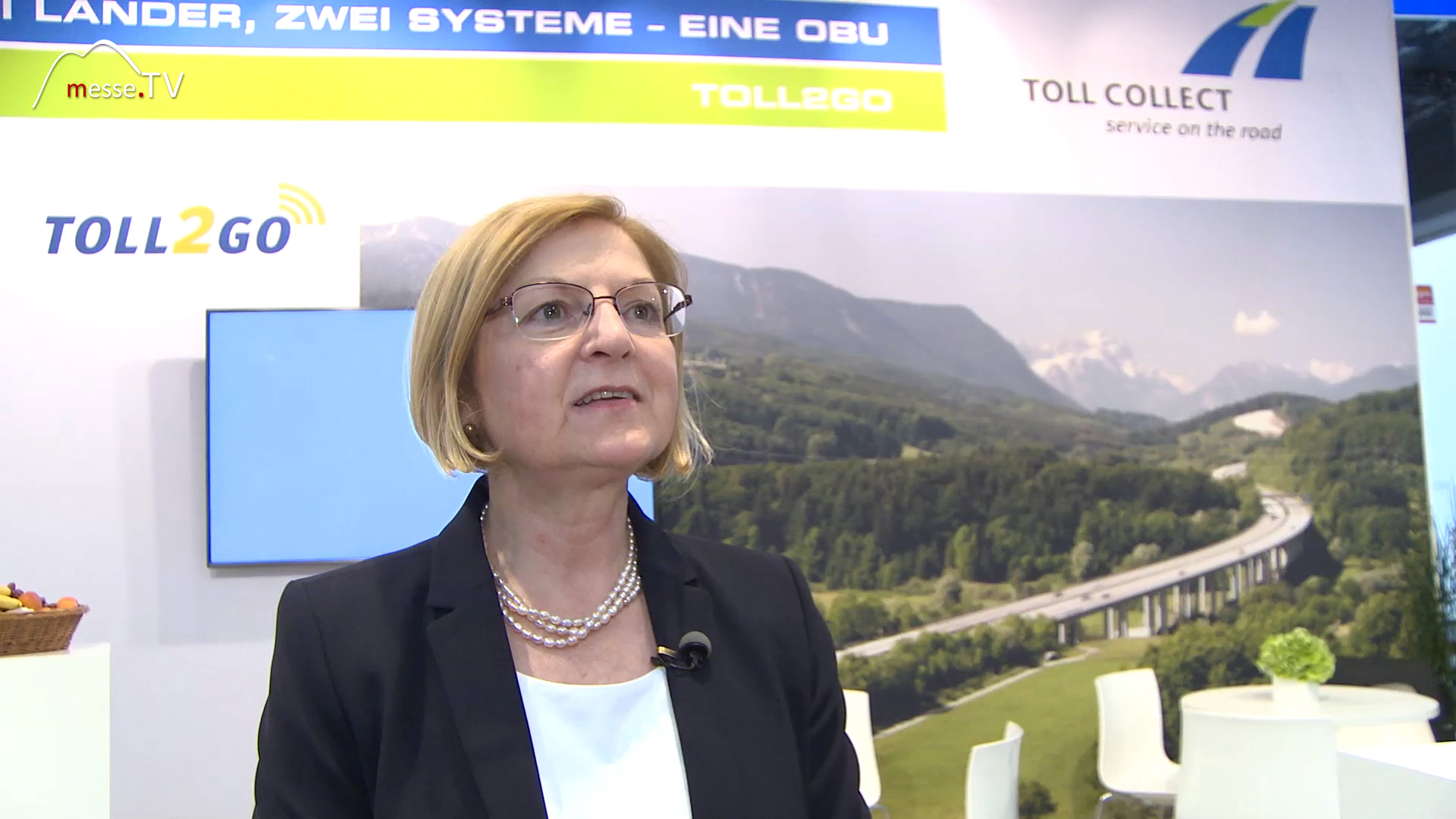
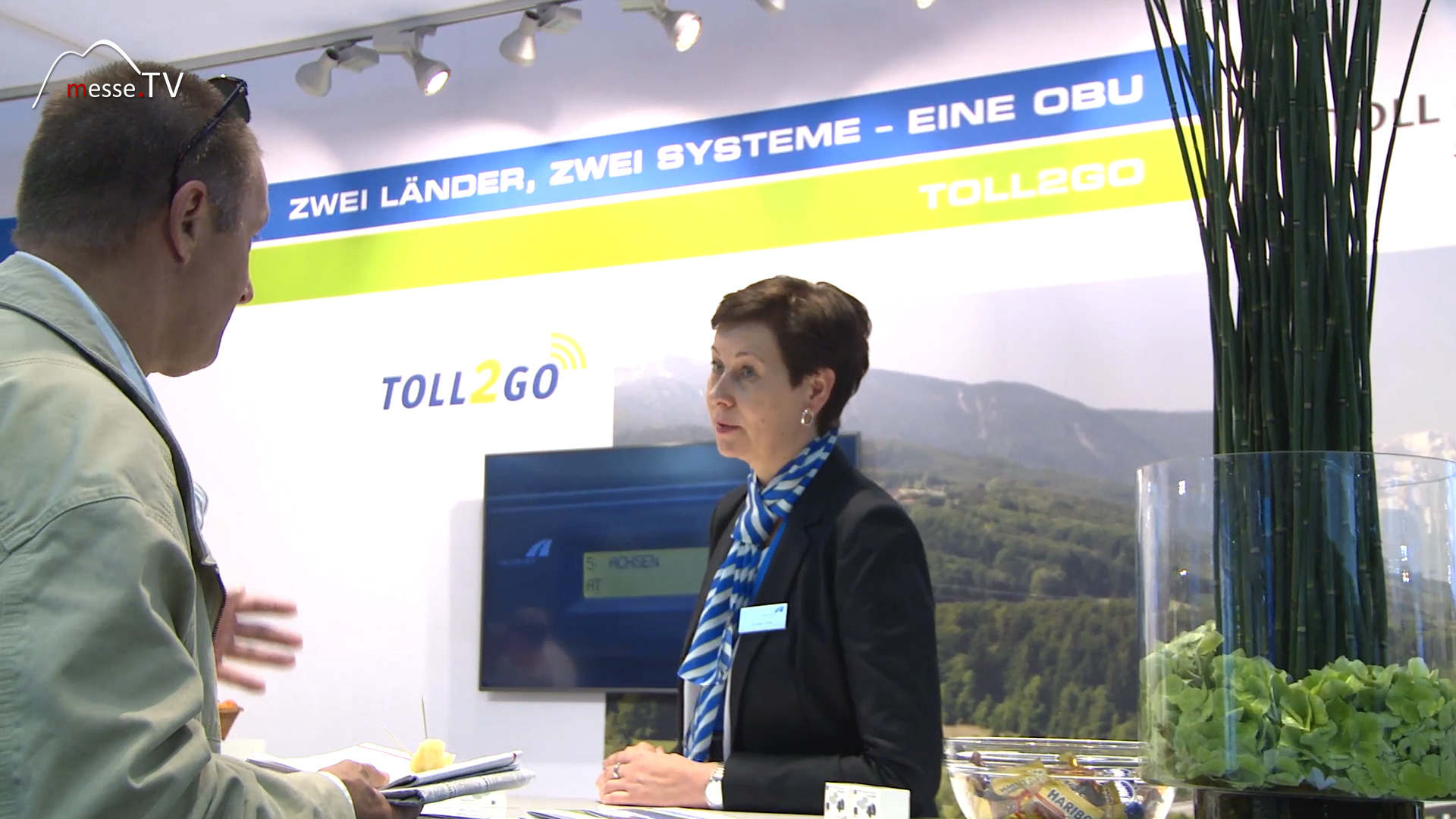
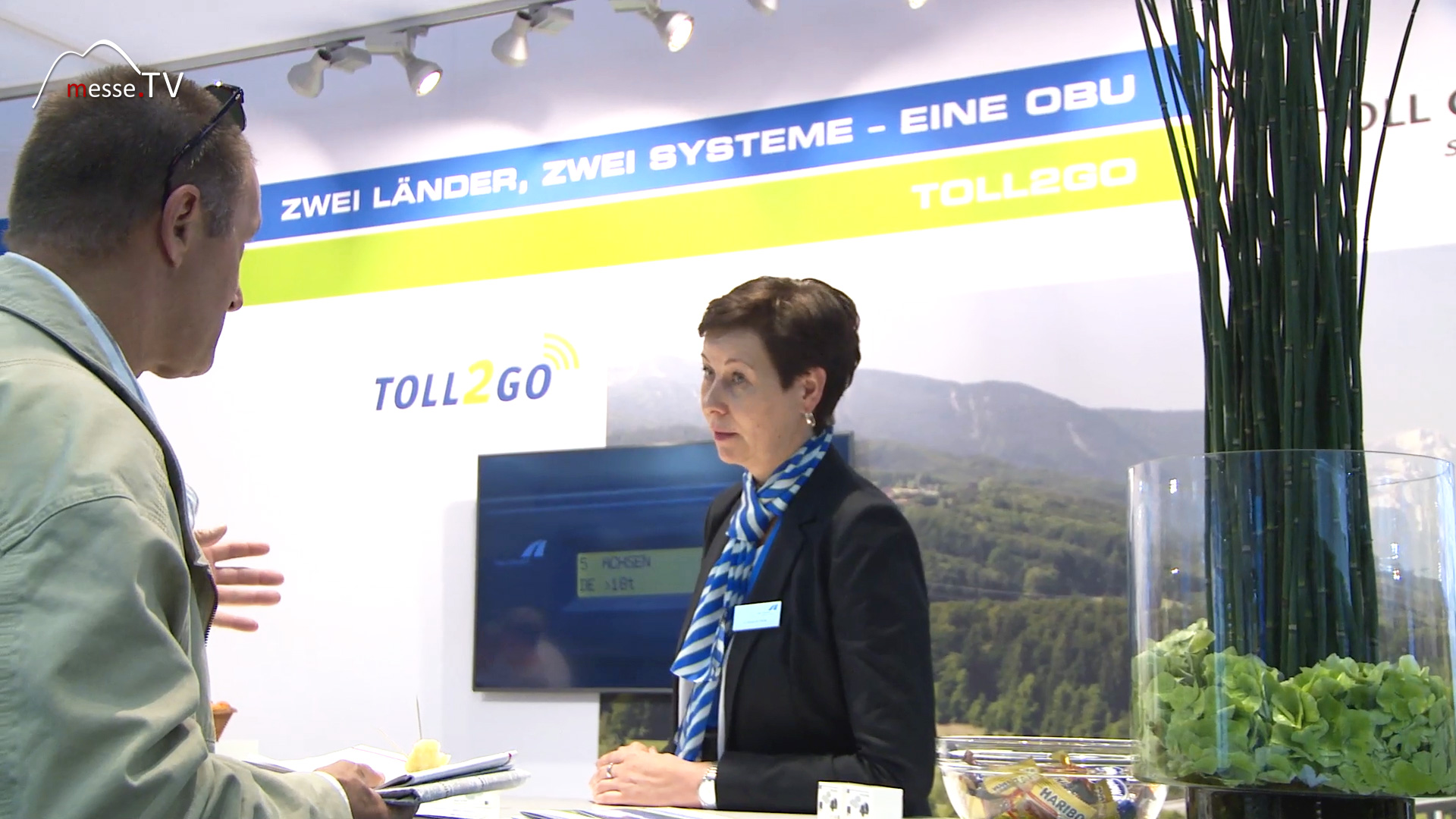
The actual service that enables this expansion is called Toll2Go. It connects the German system with the Austrian toll network, creating a comprehensive solution for vehicles that regularly cross borders. The only requirement is that the vehicle is already equipped with the appropriate onboard unit. Registration is not carried out with the German operator, but directly with the Austrian toll company. This is where ASFINAG comes into play. After registration, the activation of the onboard unit is initiated so that it can also record toll data on Austrian motorways and expressways in future. The entire process is designed for speed. After successful registration, activation takes only a short time. In practice, this means that a lorry can cross the border immediately after activation and use the system without having to visit a workshop or undergo technical retrofitting.
Digital activation instead of hardware replacement
A key advantage of this approach is its consistent digital implementation. Communication between the systems involved takes place via a secure data connection. On this basis, the onboard unit is authorised for extended use. For the company, this means planning security: the time of activation is clearly defined and downtime is avoided. This aspect is particularly relevant for fleets with a high proportion of Austrian vehicles. Vehicles do not have to be taken out of service to install new technology. Instead, the upgrade can be integrated into ongoing processes. This not only reduces costs, but also organisational effort.

Advantages for dispatchers and drivers
The benefits are particularly evident in daily operations. Drivers do not have to operate any additional devices or make any manual bookings. Toll collection takes place automatically in the background, regardless of whether the vehicle is in Germany or Austria. This reduces the likelihood of errors and takes the strain off the driving personnel. There are also advantages at the dispatch level. Invoices can be clearly assigned, processes remain transparent and the system landscape is not further fragmented. Instead of several isolated solutions, there is a uniform technical approach that fits seamlessly into existing processes.
Classification in the context of European logistics
This example shows how technical standardisation and international cooperation can solve specific problems in everyday transport. While European harmonisation is still being discussed in many areas, a functioning model has already been established here. It does not rely on maximum complexity, but on the pragmatic expansion of existing systems. This is a relevant signal for the logistics industry. Efficiency does not necessarily come from new equipment or increasingly detailed individual solutions, but often from the intelligent networking of existing technology. Especially in the area of tolls, which is directly linked to costs and time, this approach can make a noticeable difference. In the long term, it also points the way for future developments: fewer technical disruptions, more integrated systems and a stronger focus on digital processes. For transport companies operating internationally, this will become a decisive competitive factor.






Trade fair reporting Germany - Trade fair knowledge, dates & events


