Zukunftstrends der Logistik zwischen Digitalisierung und Automatisierung
von Jürgen Groh - 2024-02-13Die Logistikbranche steht seit Jahren unter permanentem Veränderungsdruck. Kaum ein anderer Wirtschaftsbereich ist so eng mit globalen Entwicklungen, technologischen Fortschritten und gesellschaftlichen Erwartungen verknüpft. Fragen nach Effizienz, Nachhaltigkeit und Resilienz prägen die Diskussion ebenso wie der Umgang mit Daten, neuen Technologien und automatisierten Prozessen.
Vor diesem Hintergrund gewinnt der Blick nach vorn an Bedeutung: Welche Trends werden die Logistik in den kommenden Jahren tatsächlich prägen, jenseits kurzfristiger Schlagworte und Modebegriffe? Im Gespräch über diese Perspektiven wird schnell deutlich, dass einfache Antworten kaum ausreichen. Die Branche ist bereits tief in digitalen Prozessen verankert, doch die eigentliche Herausforderung liegt weniger in der Technologie selbst als in ihrer sinnvollen Anwendung.
Digitalisierung als dauerhafte Aufgabe der Branche
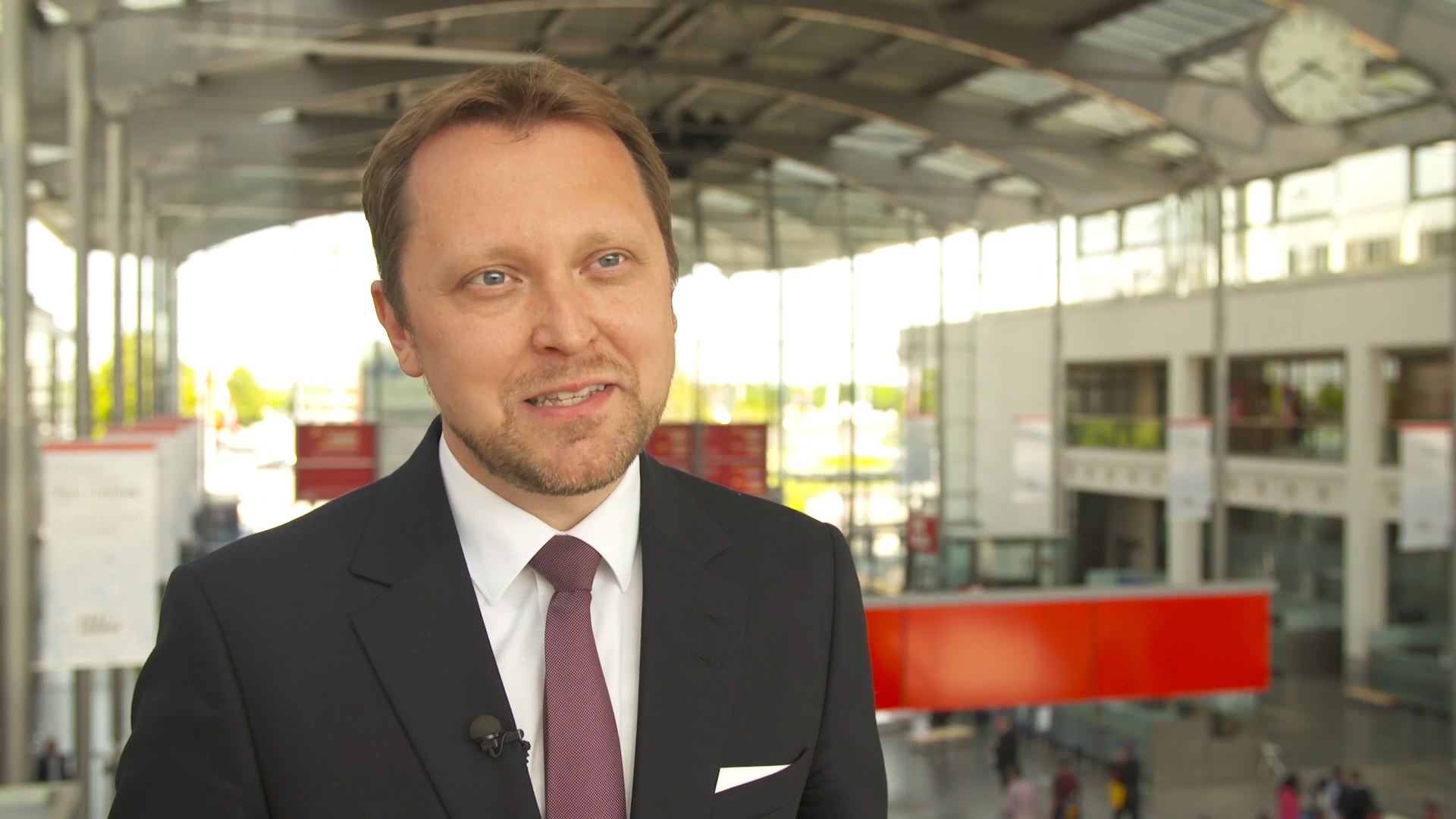
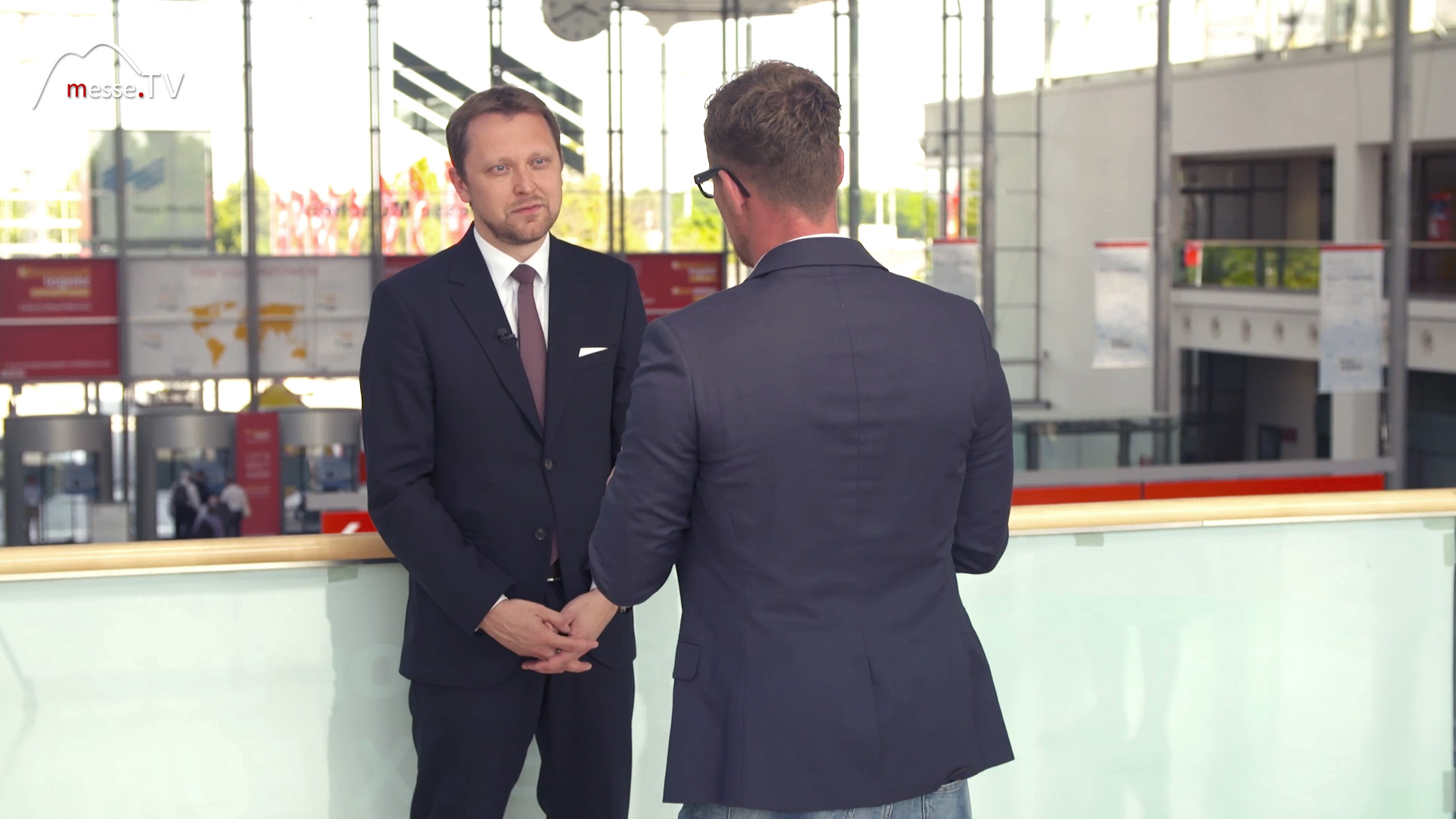
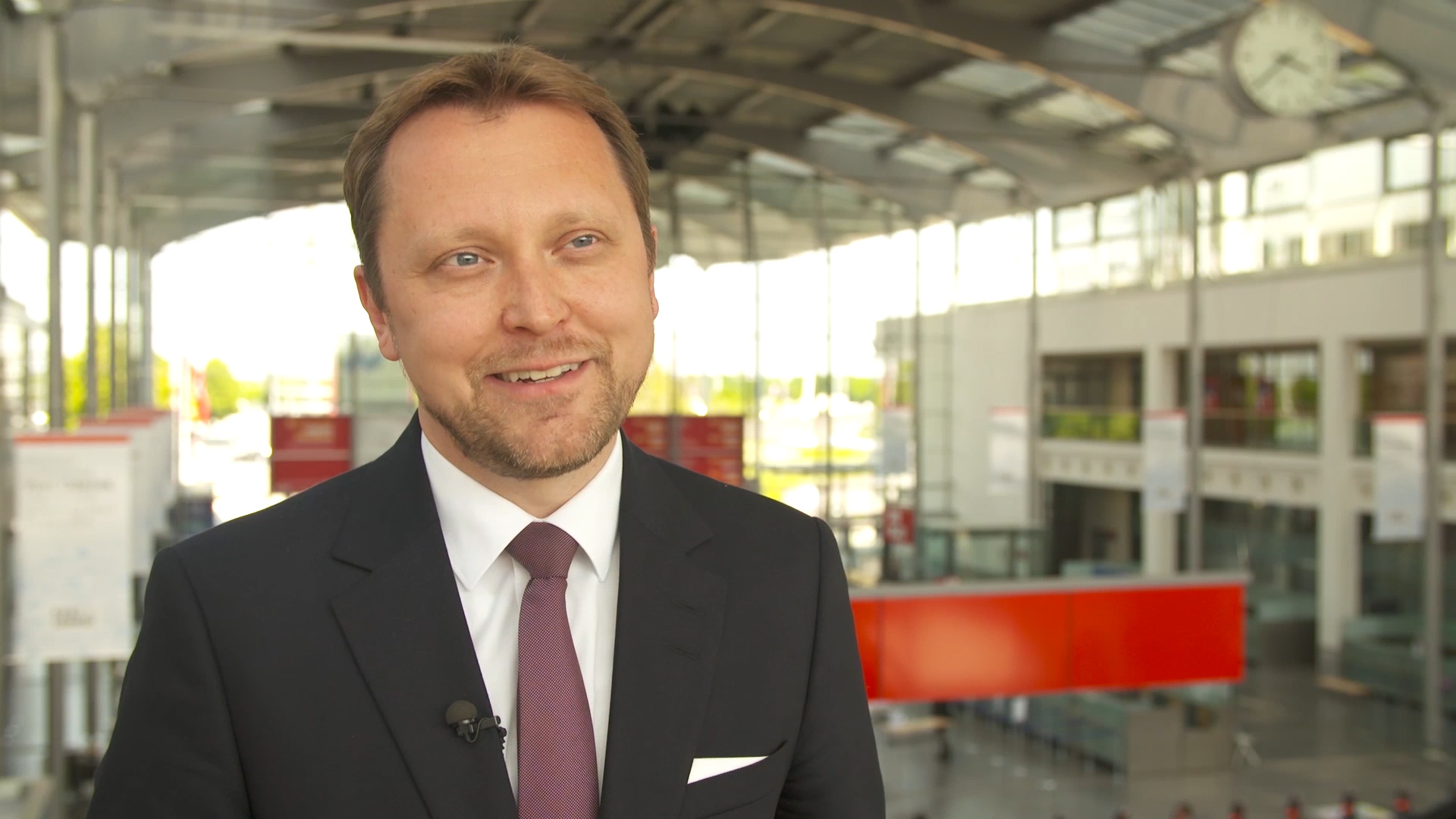
Digitalisierung ist längst kein neues Thema mehr. Vielmehr begleitet sie die Logistik seit Jahrzehnten, oft unspektakulär, aber kontinuierlich. Ob Warenwirtschaftssysteme, Transportmanagement, Tracking oder automatisierte Lagerprozesse – digitale Lösungen sind tief in den operativen Alltag integriert. Dennoch bleibt die Frage aktuell, wie Digitalisierung künftig definiert und weiterentwickelt werden soll. Stefan Rummel, Geschäftsführer der Messe München, sieht genau hier einen zentralen Punkt. Digitalisierung bedeute nicht automatisch Fortschritt, sondern erfordere eine klare Zielsetzung. Datennutzung, neue Technologien und Automatisierung müssten so eingesetzt werden, dass sie reale Prozesse unterstützen und nicht zusätzliche Komplexität erzeugen. Entscheidend sei die Frage, wie digitale Anwendungen in bestehende Abläufe integriert werden können, ohne die Praxistauglichkeit zu verlieren.

Daten, Automatisierung und künstliche Intelligenz
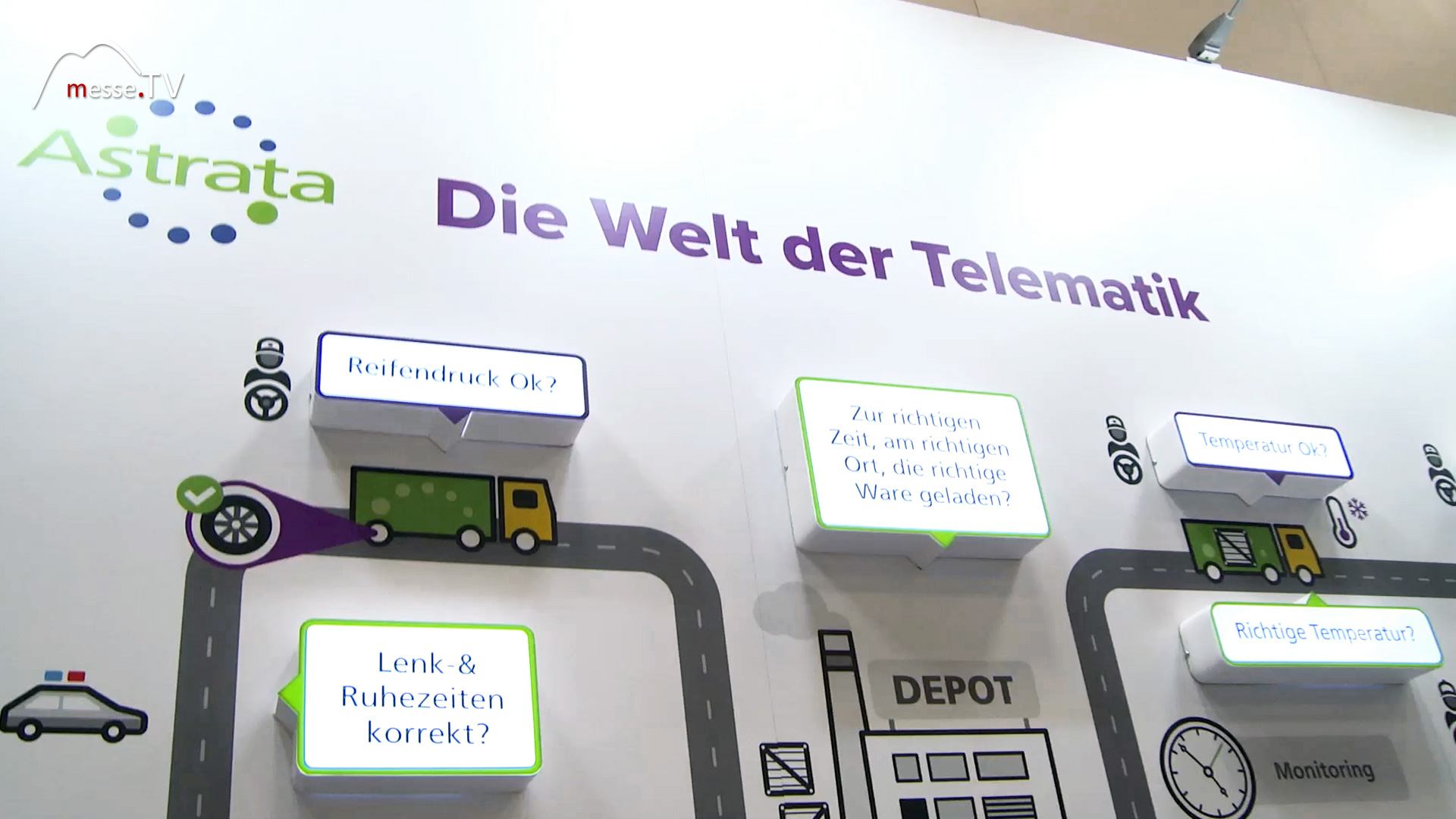
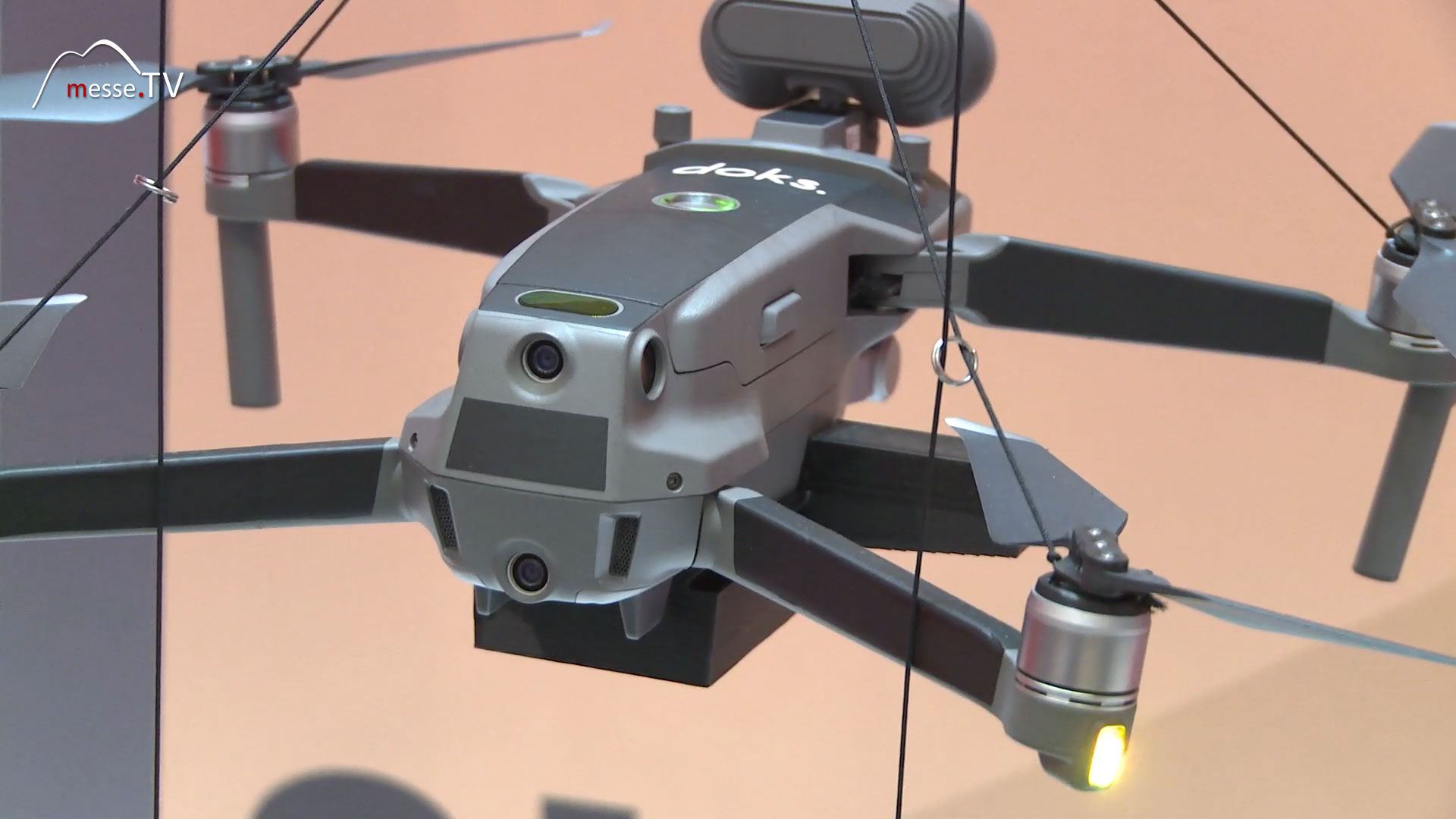
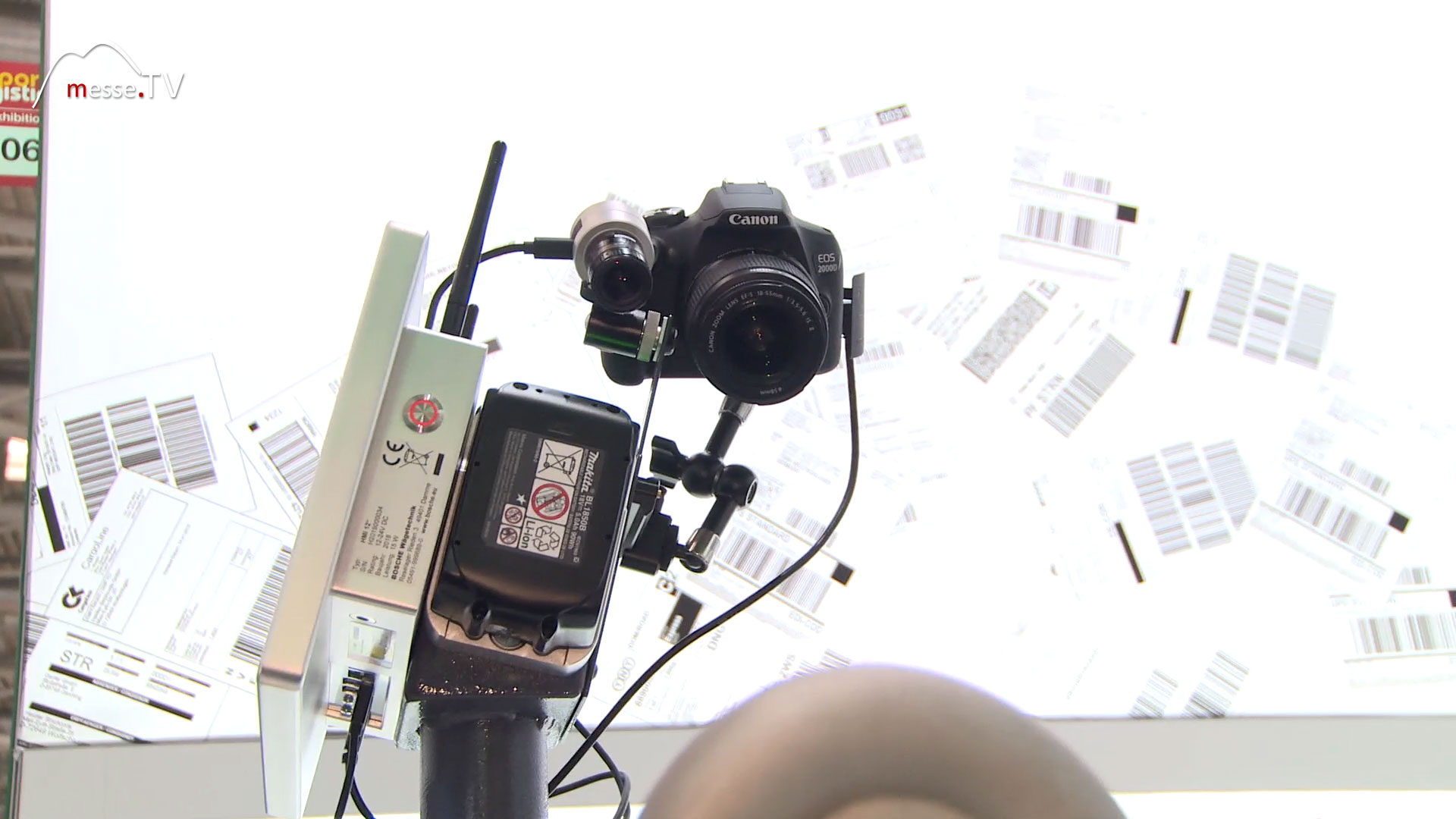
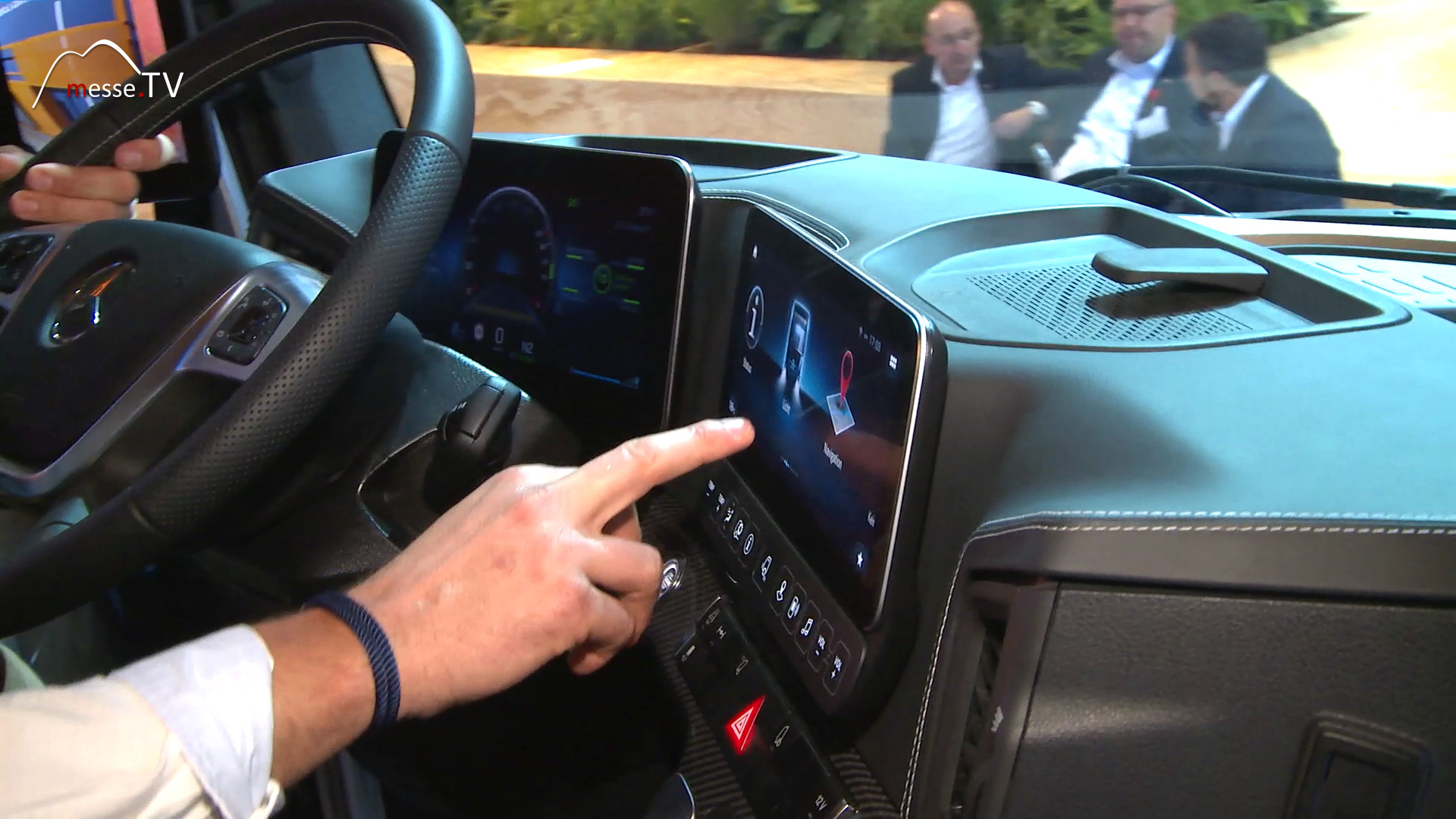
Ein wesentlicher Treiber der weiteren Entwicklung liegt im Umgang mit Daten. Logistik ist datenintensiv, vom Auftragseingang über die Routenplanung bis zur Auslieferung. Die Verfügbarkeit großer Datenmengen eröffnet neue Möglichkeiten, stellt Unternehmen aber auch vor organisatorische und ethische Herausforderungen. Wer besitzt die Daten, wer darf sie nutzen und wie lassen sich daraus verlässliche Entscheidungen ableiten? Technologien wie künstliche Intelligenz und automatisierte Systeme spielen in diesem Zusammenhang eine zunehmende Rolle. Sie versprechen effizientere Abläufe, bessere Prognosen und eine höhere Auslastung von Ressourcen. Gleichzeitig zeigt die Praxis, dass solche Systeme nur dann funktionieren, wenn sie sauber in bestehende Prozesse eingebettet sind. Die Logistikbranche hat hier einen Vorteil: Sie arbeitet seit jeher prozessorientiert und ist daran gewöhnt, komplexe Abläufe zu steuern.
Innovationsgrad der Logistik im Branchenvergleich
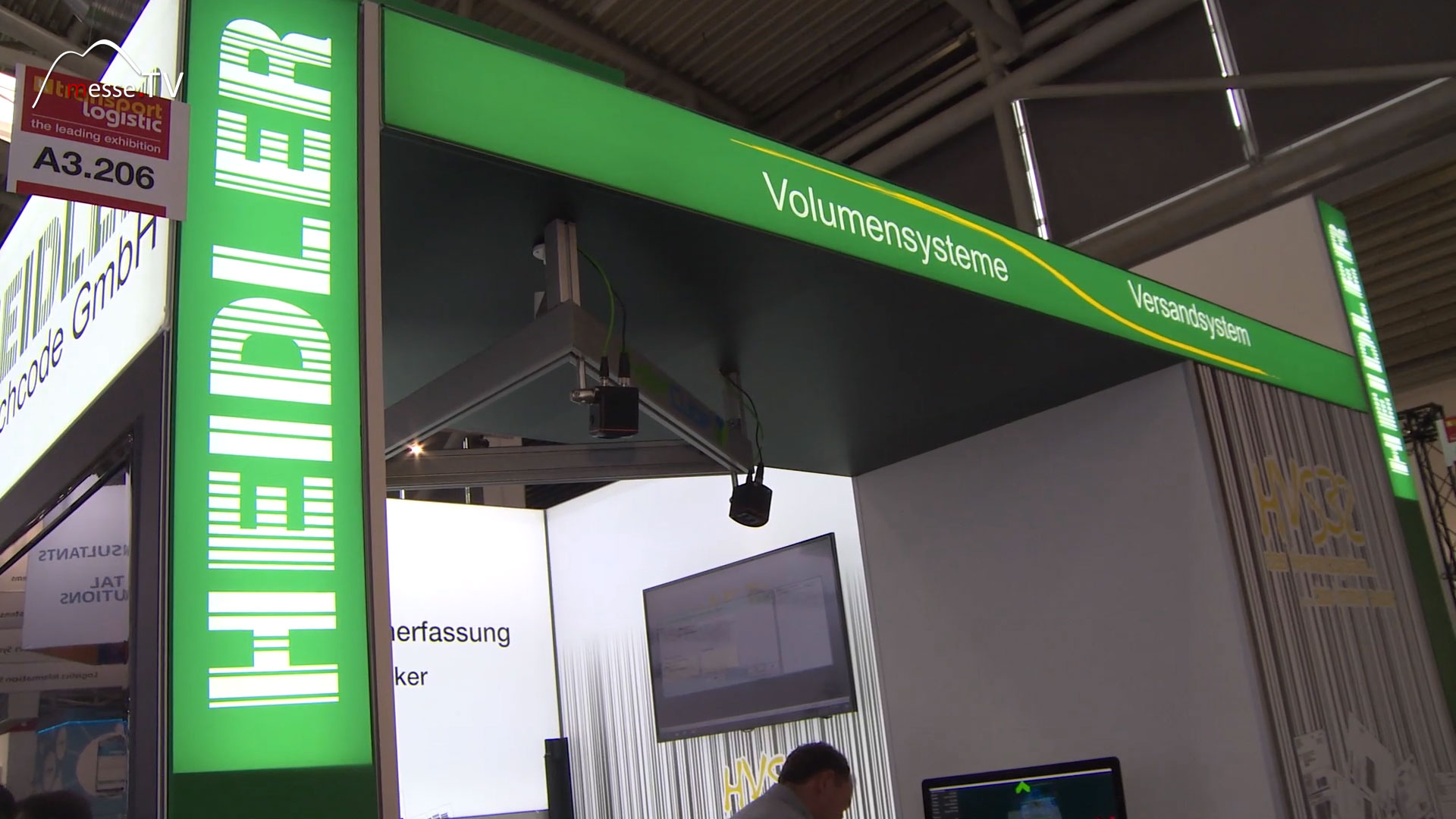
Im Vergleich zu vielen anderen Wirtschaftszweigen ist die Logistik technologisch weit entwickelt. Automatisierte Lager, digitale Frachtpapiere oder intelligente Routenplanung sind längst keine Zukunftsvisionen mehr. Diese Innovationskraft ist das Ergebnis eines kontinuierlichen Anpassungsprozesses, nicht einer plötzlichen digitalen Revolution. Aus der Perspektive der Messeorganisation zeigt sich, dass Logistikunternehmen offen für neue Technologien sind, zugleich aber pragmatisch bleiben. Lösungen müssen funktionieren, skalierbar sein und sich wirtschaftlich rechnen. Diese Haltung sorgt dafür, dass Innovation nicht Selbstzweck wird, sondern immer an konkreten Anforderungen ausgerichtet bleibt.

Messen als Spiegel technologischer Entwicklung
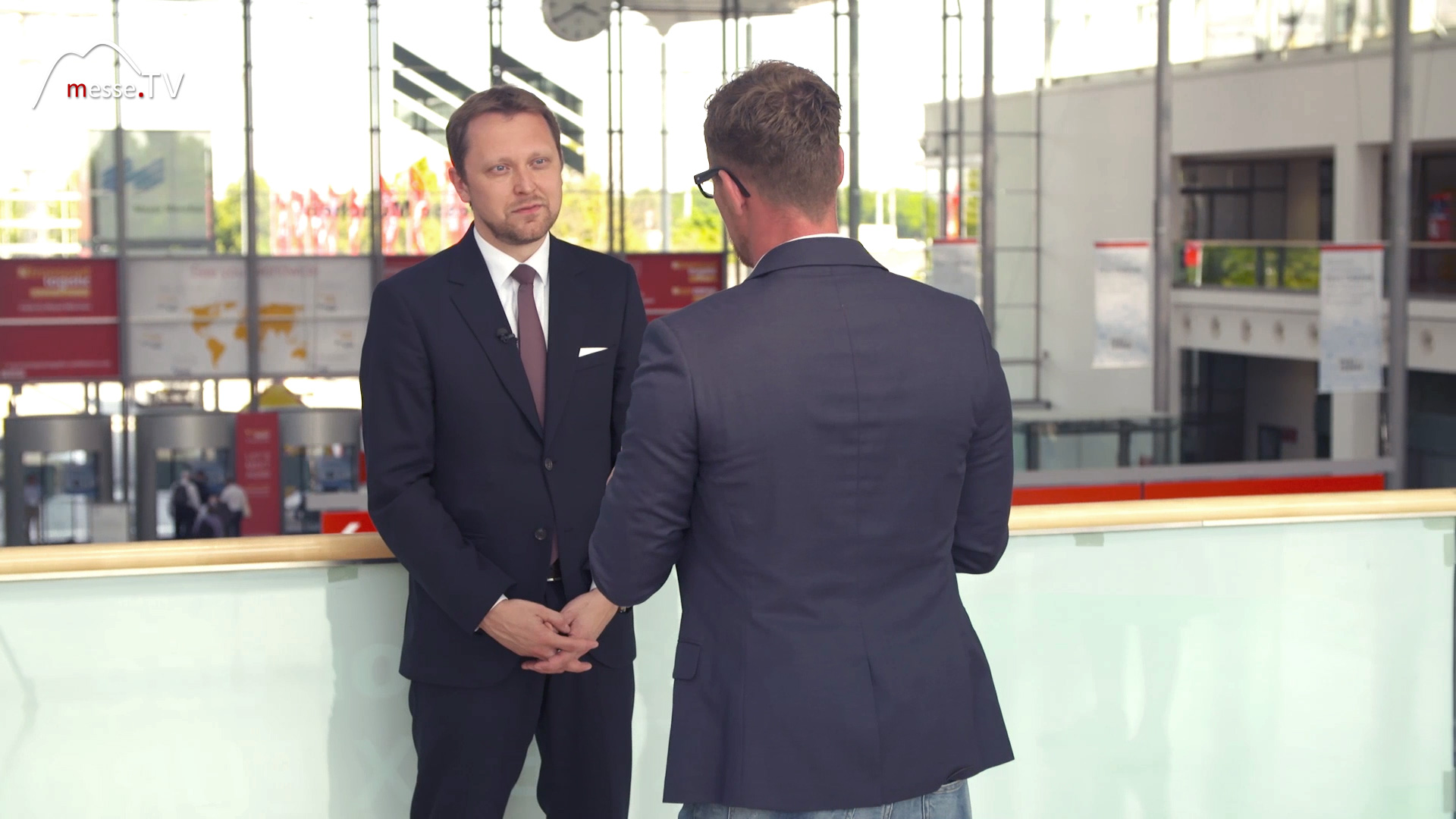
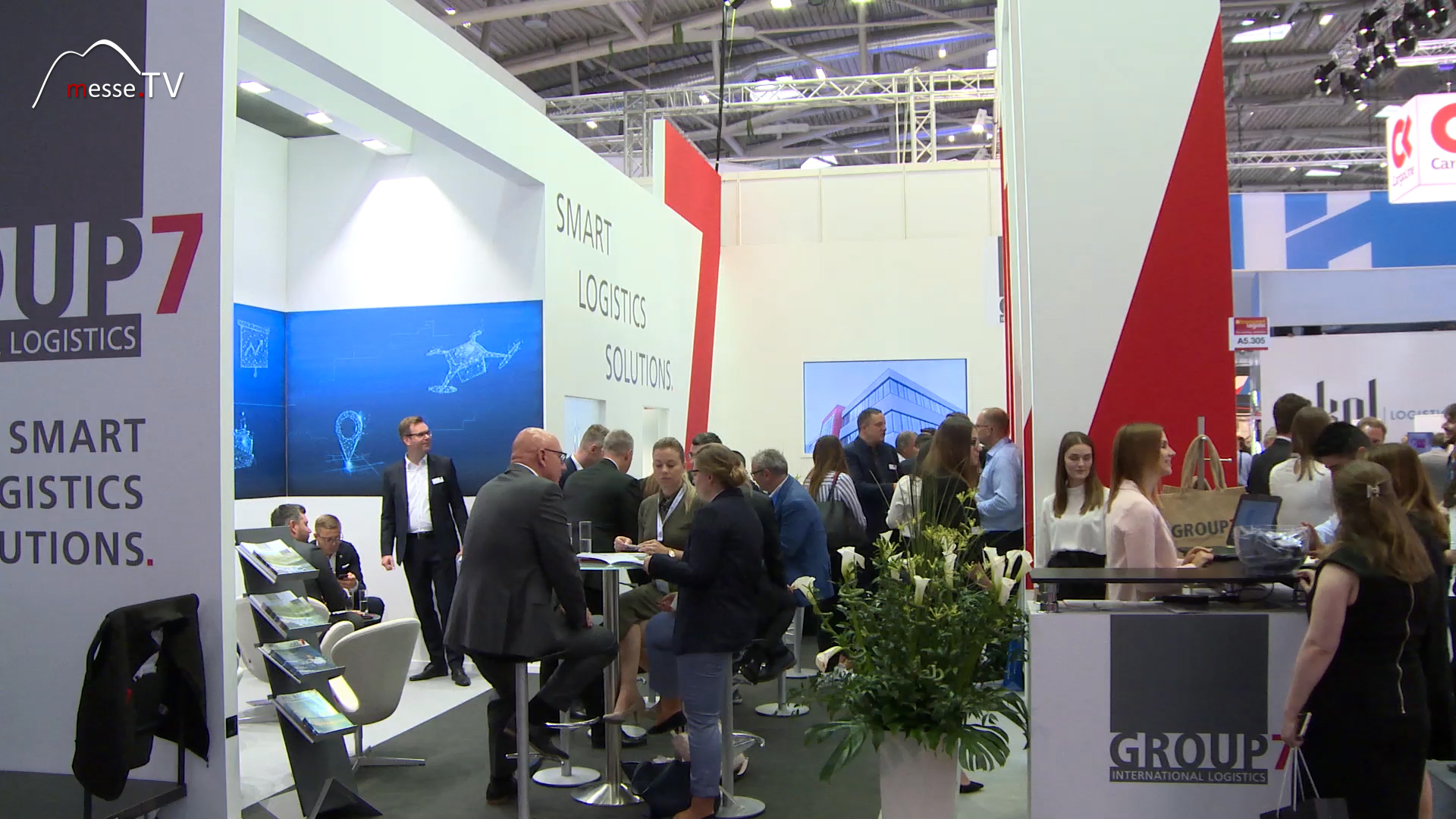
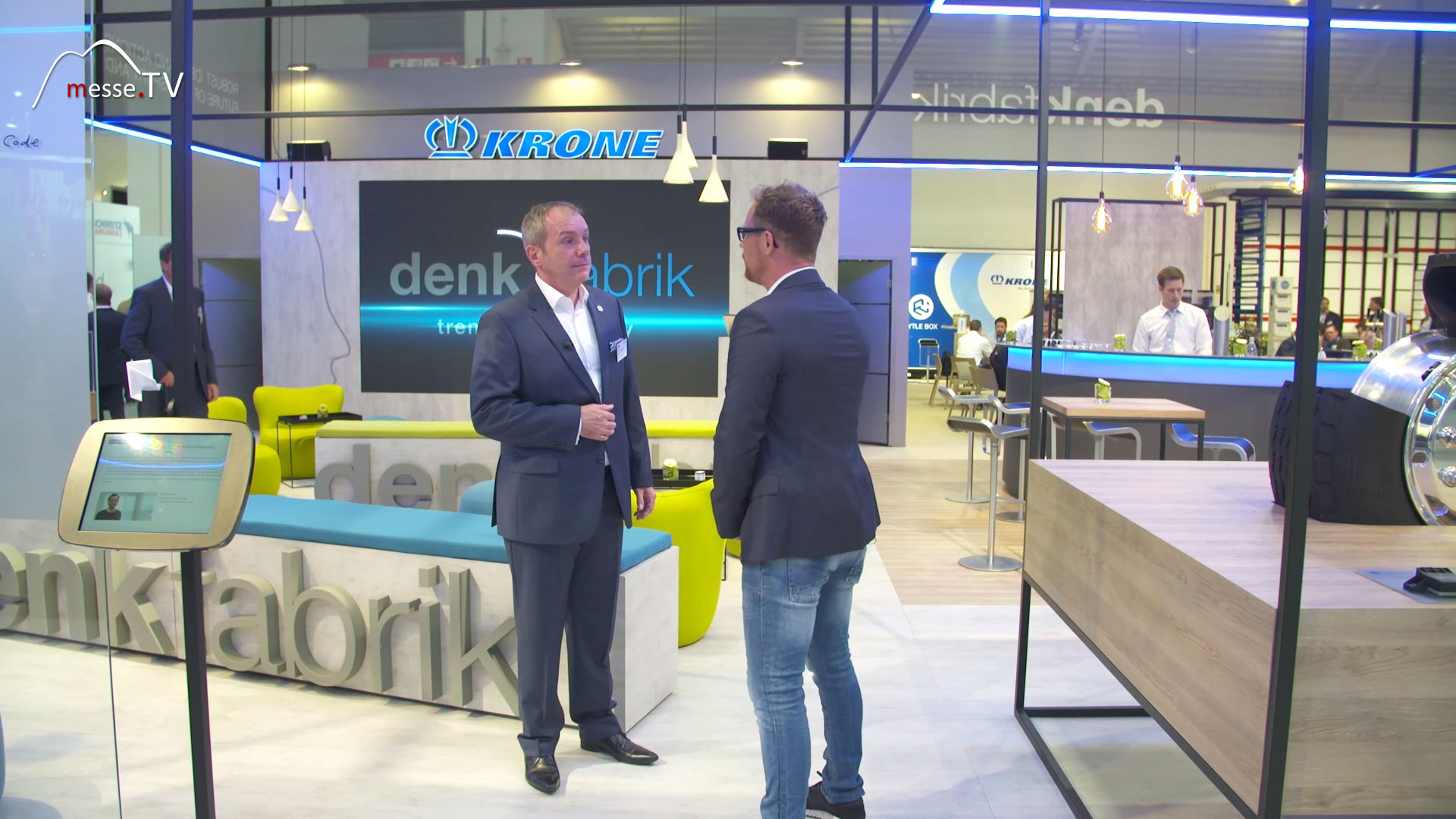
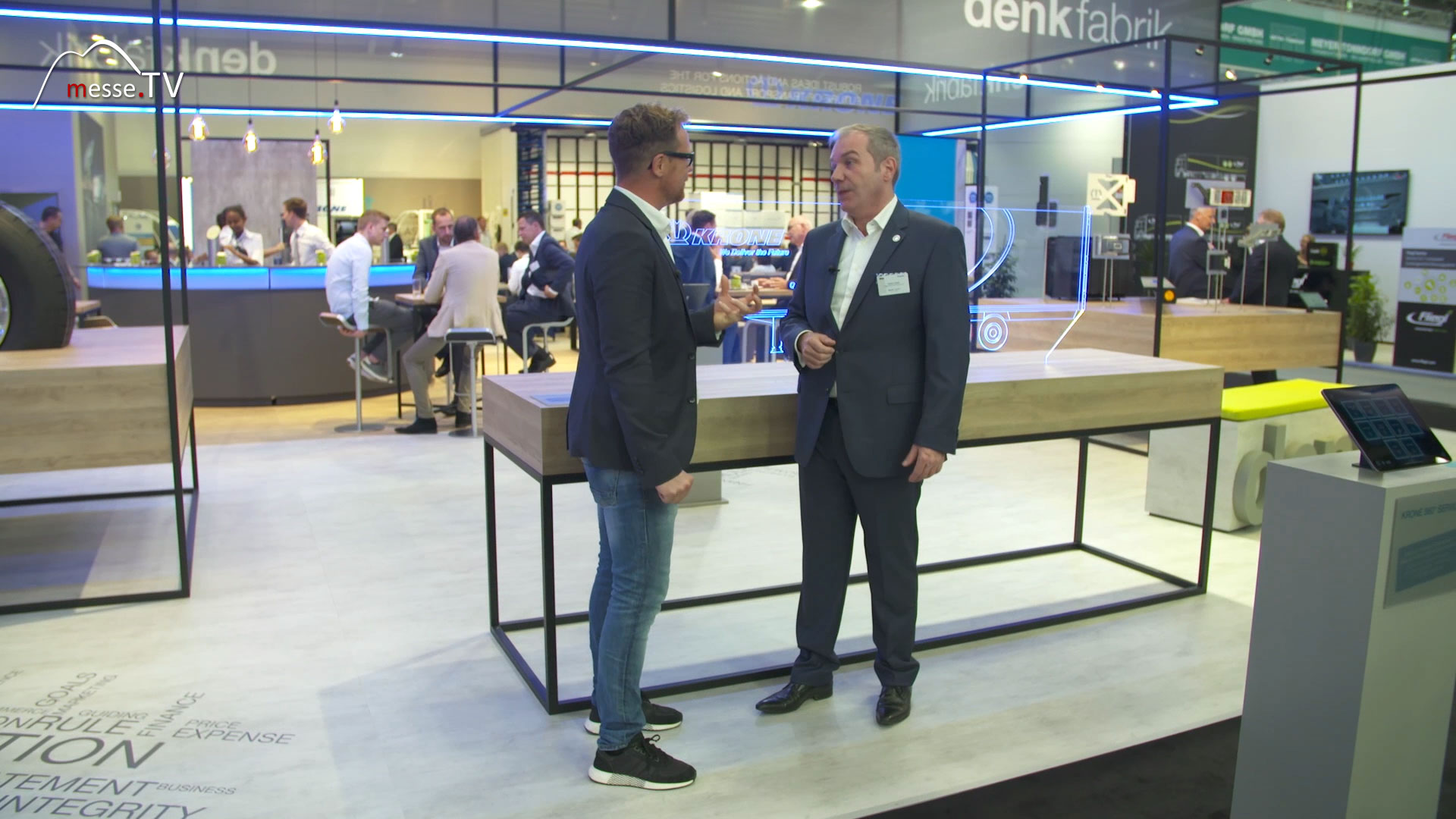
Internationale Fachmessen spielen in diesem Kontext eine besondere Rolle. Sie sind nicht nur Schaufenster für neue Produkte, sondern auch Orte der Einordnung und Diskussion. Hier treffen Anbieter, Anwender und Entscheider aufeinander, um Entwicklungen kritisch zu bewerten. Gerade bei komplexen Themen wie Digitalisierung oder Automatisierung entsteht Mehrwert oft erst im persönlichen Austausch. Für die Messe München ist diese Rolle zentral. Als Plattform für zahlreiche Leitmessen der Logistik bietet sie Raum für technologische Präsentation ebenso wie für strategische Debatten. Die Gespräche mit Ausstellern und Besuchern zeigen, dass das Interesse weniger an einzelnen Schlagworten hängt, sondern an tragfähigen Konzepten für die Zukunft.
Praktische Umsetzung statt abstrakter Visionen
Ein wiederkehrendes Motiv in der Diskussion über Zukunftstrends ist die Frage der Umsetzung. Technologien sind verfügbar, doch ihr Nutzen entscheidet sich im Alltag. Wie lassen sich Prozesse sauber automatisieren? Wo ist der Einsatz von künstlicher Intelligenz sinnvoll, wo nicht? Und wie können Unternehmen ihre Mitarbeiter in diesen Wandel einbinden? Die Logistik ist hier gut positioniert, weil sie Veränderungen nicht nur theoretisch diskutiert, sondern praktisch erprobt. Pilotprojekte, schrittweise Einführung und kontinuierliche Optimierung sind gängige Vorgehensweisen. Diese Erfahrung macht die Branche vergleichsweise widerstandsfähig gegenüber kurzfristigen Hypes.
Ausblick auf die kommenden Jahre
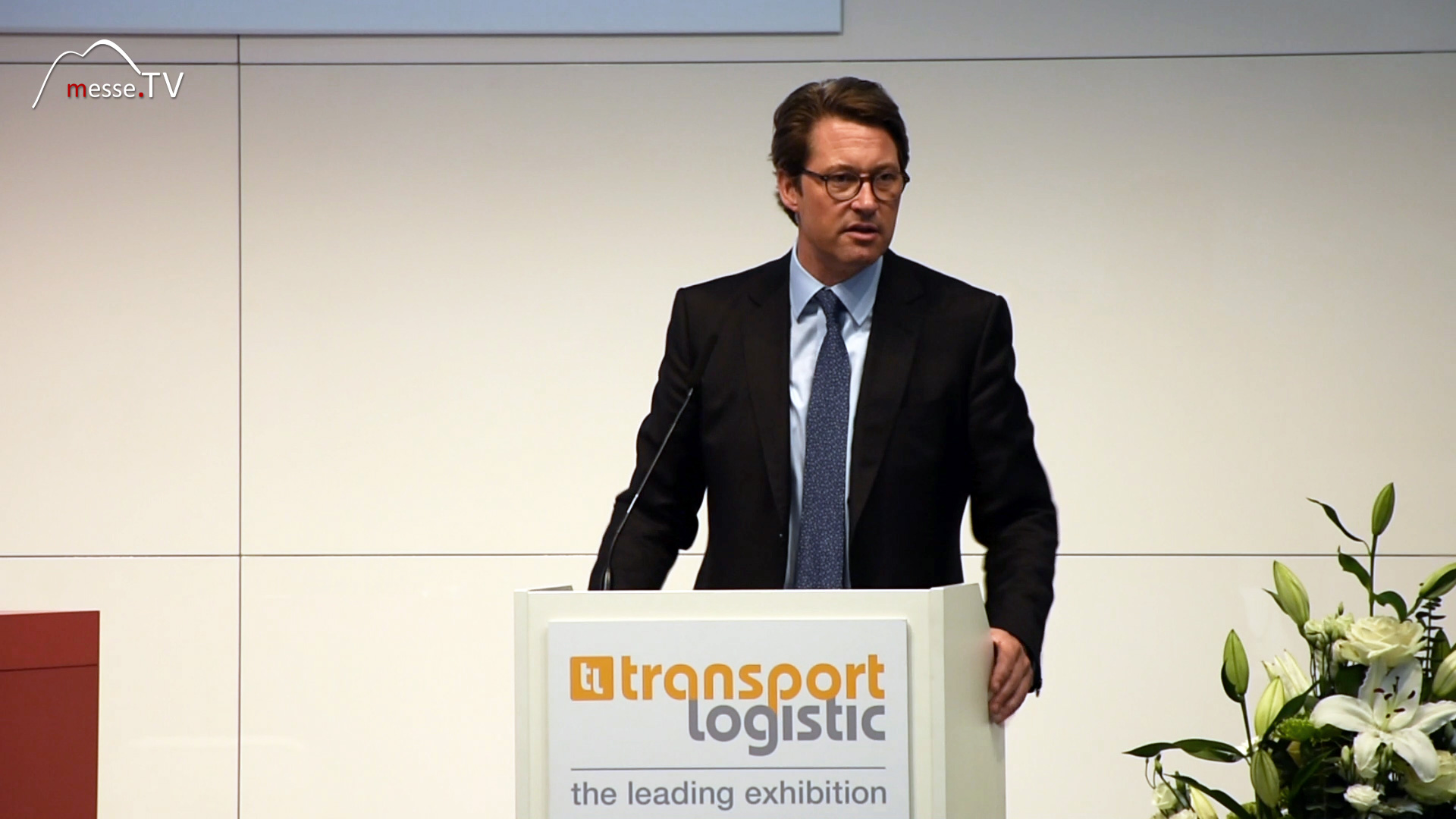
Die kommenden Jahre werden weniger von radikalen Umbrüchen geprägt sein als von einer vertieften Nutzung vorhandener Technologien. Digitalisierung bleibt ein zentrales Thema, doch der Fokus verschiebt sich zunehmend auf Qualität, Integration und Nutzen. Automatisierung und datenbasierte Entscheidungen werden weiter an Bedeutung gewinnen, eingebettet in bestehende Prozesse und Strukturen. Die Logistikbranche bringt dafür gute Voraussetzungen mit. Sie ist innovationsbereit, praxisorientiert und international vernetzt. Messen wie die transport logistic bieten den Raum, diese Entwicklungen sichtbar zu machen, zu diskutieren und weiterzuentwickeln. In diesem Zusammenspiel aus Technologie, Praxis und persönlichem Austausch entsteht die Grundlage für nachhaltige Fortschritte in einer der zentralen Branchen der globalen Wirtschaft.




Messe-Berichterstattung bundesweit - Messewissen, Termine & Veranstaltungen


