Apps direkt in den LKW bringen und Flotten zentral steuern
von Andreas Bergmeier - 2024-02-13Die Digitalisierung des Nutzfahrzeugs schreitet nicht mehr schrittweise, sondern strukturell voran. Längst geht es nicht mehr nur um Telematikdaten oder einzelne Assistenzsysteme, sondern um die Frage, wie digitale Anwendungen kontrolliert, sicher und effizient in den Fahrzeugalltag integriert werden können. Genau an diesem Punkt setzt das Mercedes-Benz Truck App Portal an, das seit kurzer Zeit für Kunden verfügbar ist und einen klaren Rollen- und Sicherheitsansatz verfolgt.
Im Mittelpunkt steht dabei nicht der Fahrer als App-Nutzer, sondern der Flottenmanager als zentrale Instanz. Anwendungen werden nicht im Fahrzeug selbst ausgewählt oder installiert, sondern ausschließlich vom Büro aus gesteuert. Dieser Perspektivwechsel ist entscheidend, denn er verlagert die Verantwortung dorthin, wo betriebliche Prozesse geplant, kontrolliert und optimiert werden.
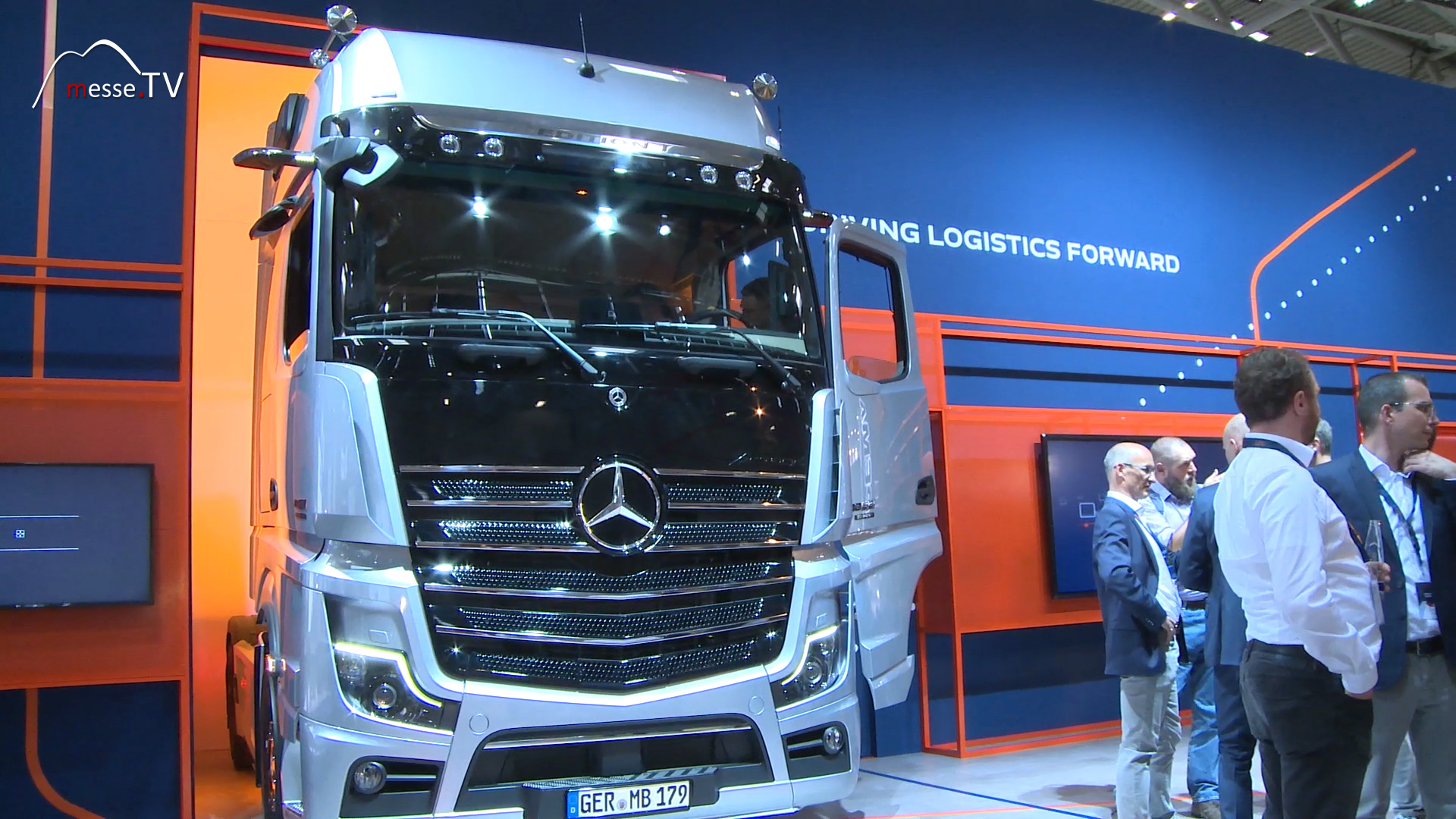

Zentrale App-Verwaltung statt individueller Installation
Das Mercedes-Benz Truck App Portal ermöglicht es, Apps direkt aus dem Büro auf die Fahrzeuge einer Flotte zu bringen. Dabei spielt es keine Rolle, wo sich der jeweilige LKW gerade befindet. Ob unterwegs auf der Autobahn, im Ausland oder auf dem Betriebshof – die Verteilung erfolgt ortsunabhängig und ohne physische Präsenz des Fahrzeugs. Für den Flottenbetrieb ist das ein relevanter Fortschritt. Software-Updates, neue Anwendungen oder Anpassungen müssen nicht mehr an feste Zeitfenster oder Standorte gebunden werden. Die Fahrzeuge müssen weder in die Werkstatt noch auf das Firmengelände zurückkehren, um digitale Funktionen zu erhalten oder zu aktualisieren.
Mercedes-Benz: Die Rolle des Flottenmanagers als Schaltzentrale
Ein zentrales Element des Konzepts ist die klare Rollenverteilung. Die Hoheit über die Apps liegt ausschließlich beim Flottenmanager. Er entscheidet, welche Anwendungen auf welchen Fahrzeugen verfügbar sind. Der Fahrer hat keine Möglichkeit, selbstständig Apps zu installieren oder zu verändern. Dieser Ansatz folgt einem klaren Ziel: betriebliche Kontrolle. In vielen Flotten ist Einheitlichkeit ein entscheidender Faktor. Unterschiedliche App-Versionen, individuell installierte Anwendungen oder nicht geprüfte Software können zu Sicherheitsrisiken, Ablenkung oder inkonsistenten Prozessen führen. Durch die zentrale Steuerung bleibt die digitale Ausstattung der Fahrzeuge nachvollziehbar und standardisiert.
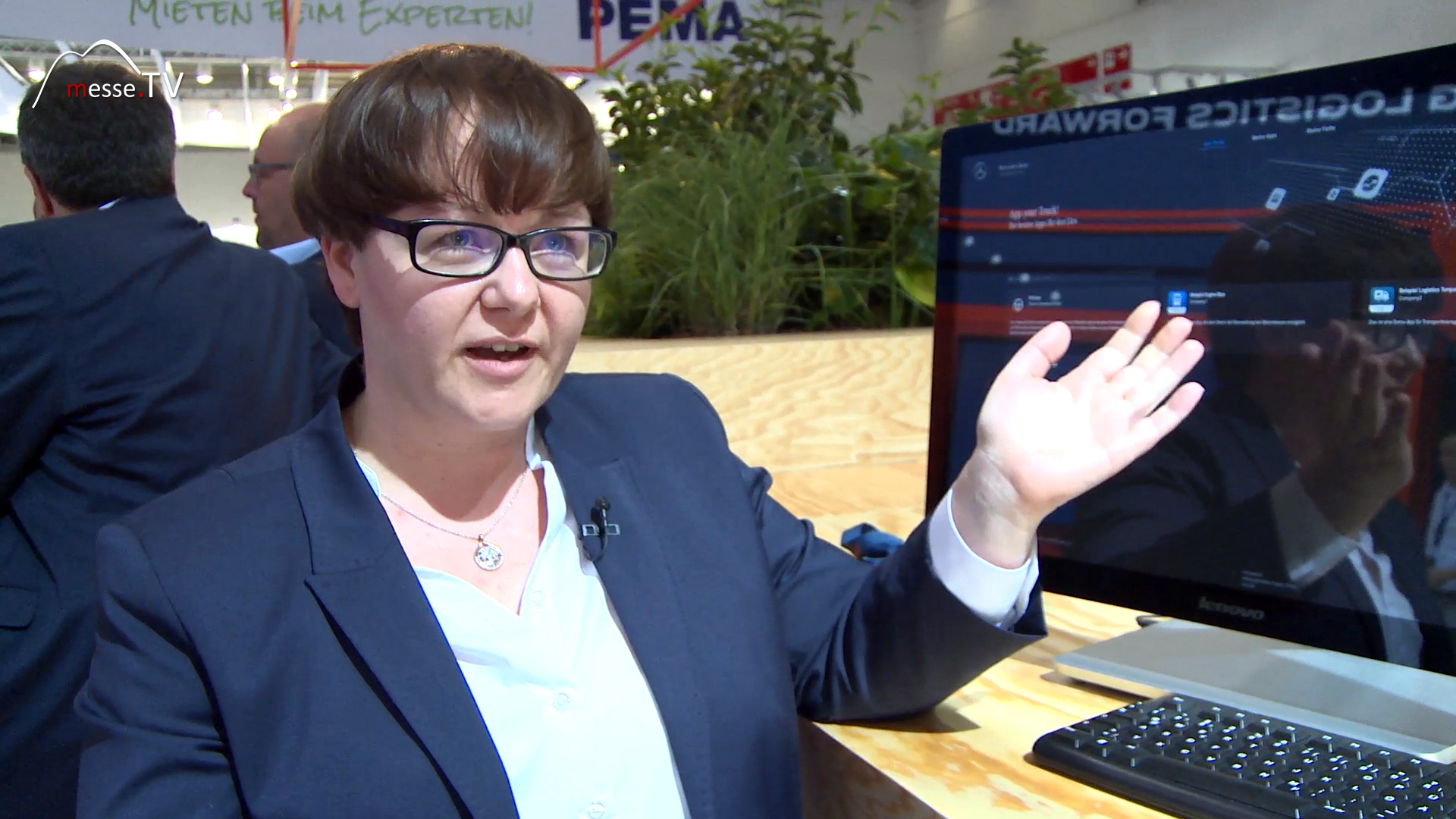
Secondary Display als neue Nutzungsebene im LKW
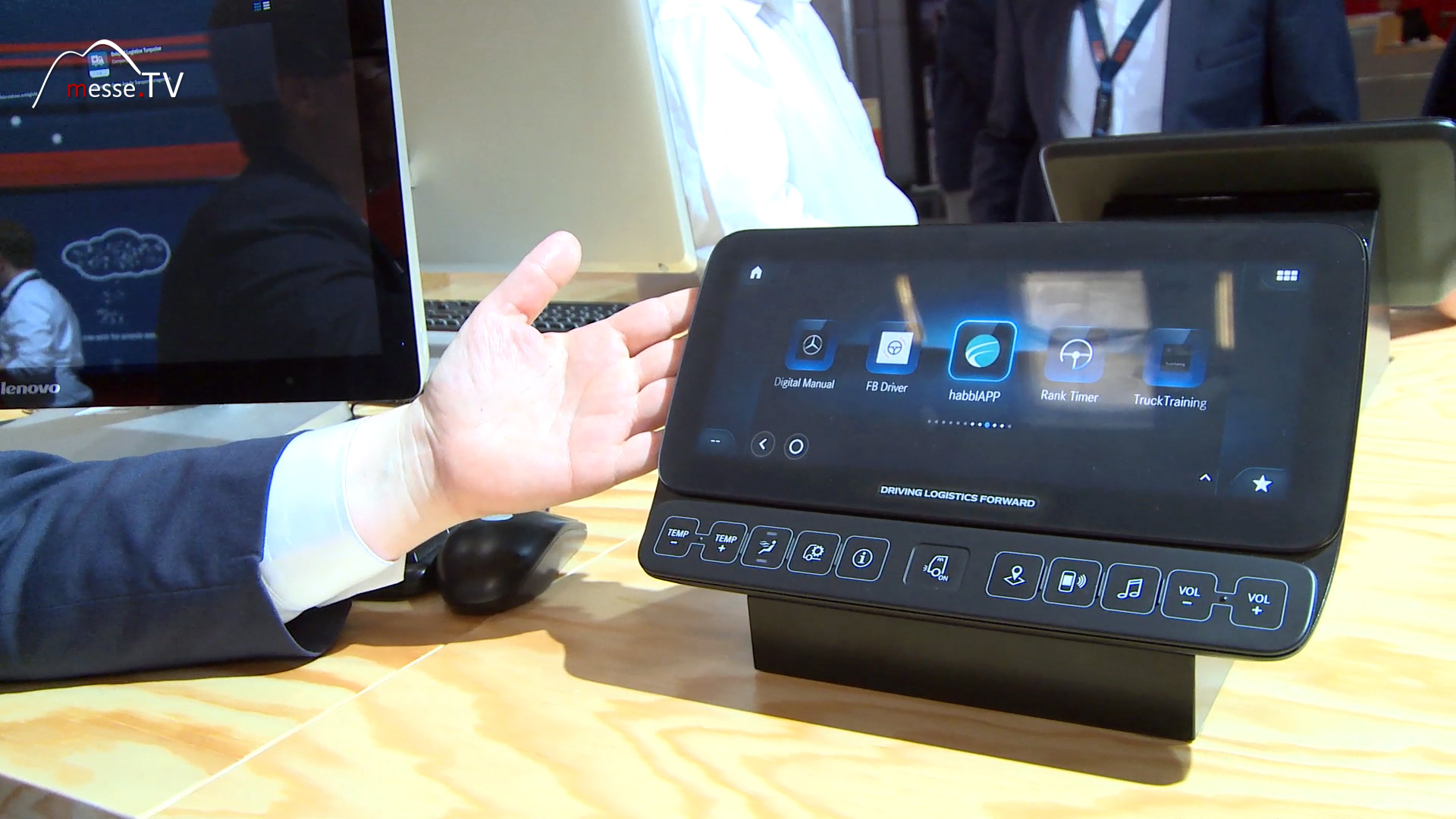
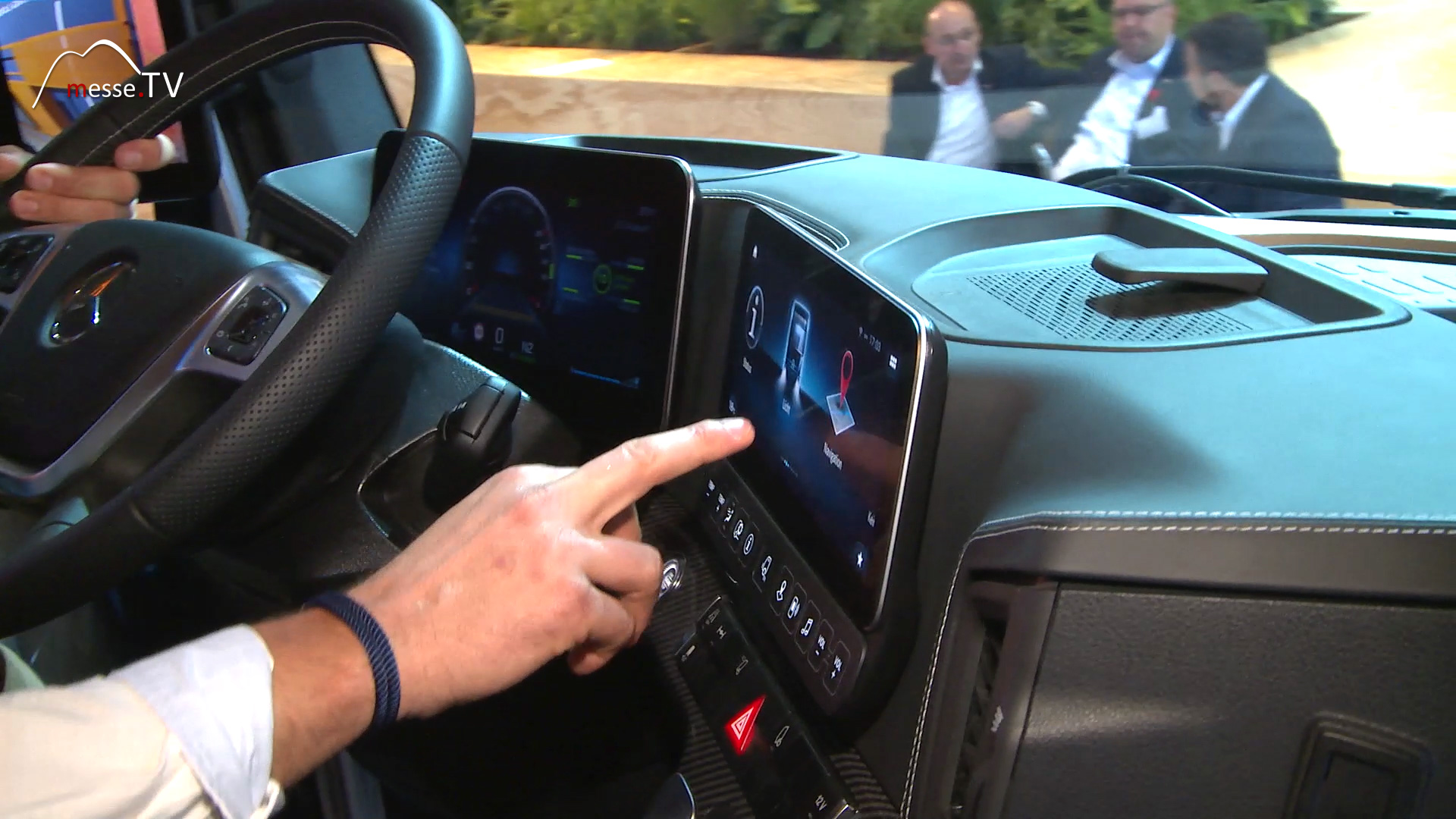
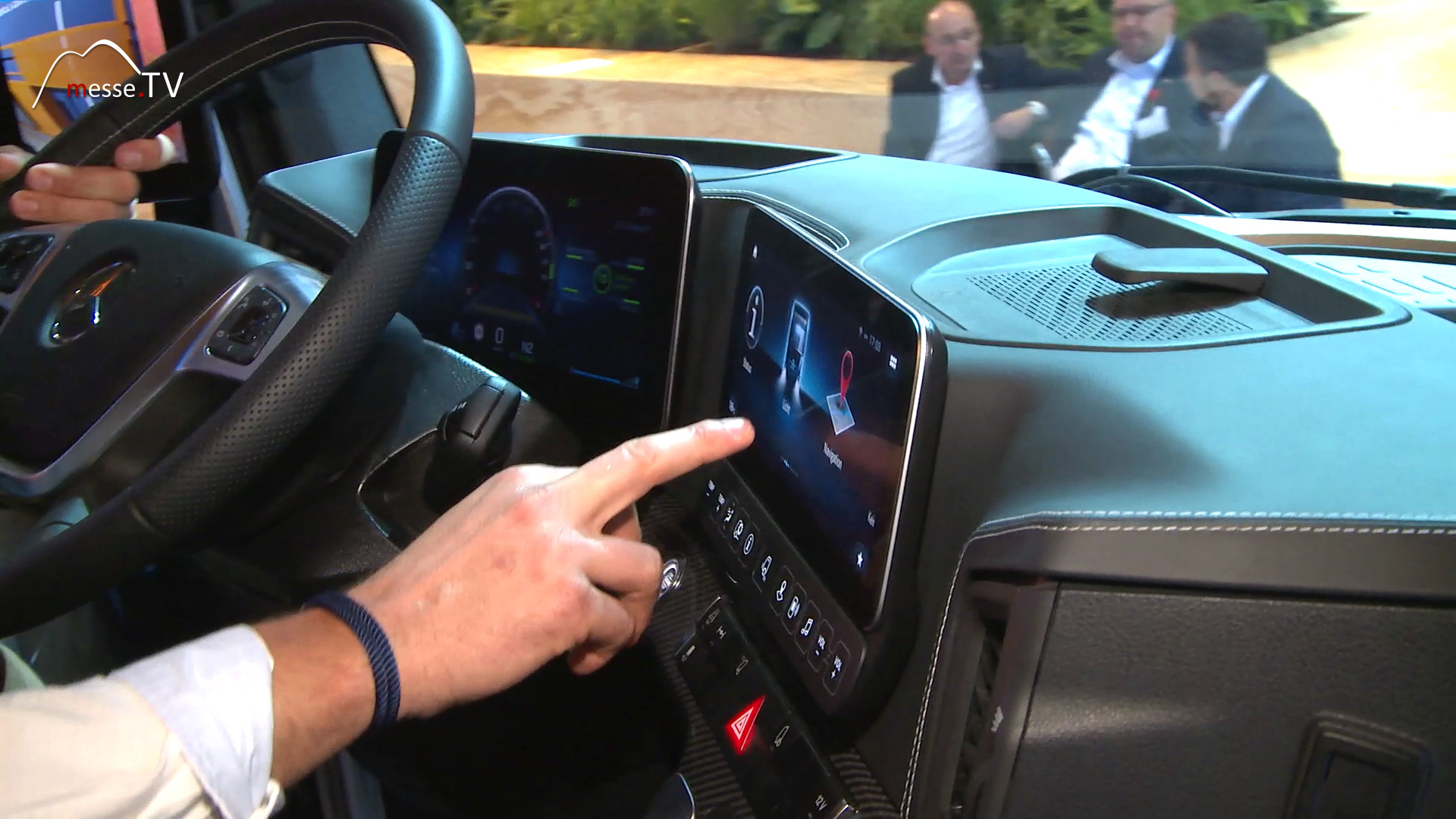
Ein sichtbarer Bestandteil des Systems ist das neue integrierte Secondary Display im Fahrerhaus. Über dieses zusätzliche Display können die freigegebenen Apps direkt im LKW genutzt werden. Es ergänzt bestehende Anzeigen und schafft eine eigene Ebene für digitale Anwendungen. Damit wird die Nutzung klar getrennt von klassischen Fahrzeuginformationen. Apps erhalten einen definierten Platz, ohne sicherheitsrelevante Anzeigen zu überlagern. Für den Fahrer bedeutet das eine klar strukturierte Oberfläche, für den Betreiber eine kontrollierte Integration digitaler Funktionen.
Unabhängigkeit von Standort und Einsatzszenario
Ein weiterer zentraler Punkt ist die vollständige Unabhängigkeit vom Aufenthaltsort der Fahrzeuge. Die App-Verteilung funktioniert unabhängig davon, ob ein LKW gerade fährt, steht oder sich im Ausland befindet. Diese Flexibilität ist insbesondere für international tätige Flotten von Bedeutung. Digitale Prozesse müssen heute mit der Mobilität der Fahrzeuge mithalten. Starre Abläufe, die an feste Standorte gebunden sind, passen nicht mehr zu modernen Logistikstrukturen. Das App Portal trägt dieser Realität Rechnung und integriert sich in den laufenden Betrieb, ohne ihn zu unterbrechen.
- Zentrale App-Verteilung aus dem Büro
- Klare Hoheit beim Flottenmanager
- Keine App-Installation durch den Fahrer
- Nutzung über integriertes Secondary Display
- Ortsunabhängige Bereitstellung der Anwendungen
- Standardisierte digitale Ausstattung der Fahrzeuge

Sicherheit und Kontrolle als Leitgedanken
Die Beschränkung der App-Installation auf den Flottenmanager ist kein technisches Detail, sondern Ausdruck eines sicherheitsorientierten Ansatzes. Nutzfahrzeuge sind Arbeitsmittel, keine privaten Endgeräte. Entsprechend hoch sind die Anforderungen an Stabilität, Datenschutz und Ablenkungsvermeidung. Durch die zentrale Verwaltung lässt sich sicherstellen, dass nur geprüfte und freigegebene Anwendungen zum Einsatz kommen. Gleichzeitig bleibt nachvollziehbar, welche Software auf welchem Fahrzeug installiert ist. Das erleichtert nicht nur den Betrieb, sondern auch Audits, Schulungen und Supportprozesse.
Digitale Erweiterung ohne Eingriff in den Fahrbetrieb
Ein wichtiger Aspekt ist die Integration in bestehende Fahrzeugkonzepte. Das App Portal erweitert den Funktionsumfang, ohne den grundlegenden Fahrbetrieb zu verändern. Fahrer nutzen die bereitgestellten Anwendungen, ohne sich mit Installationsprozessen oder Systempflege befassen zu müssen. Diese Trennung entlastet den Fahrer und reduziert Fehlerquellen. Digitale Tools sollen unterstützen, nicht zusätzlich beschäftigen. Indem die technische Verantwortung im Büro bleibt, wird der Fahrer auf seine Kernaufgabe fokussiert.
Ein Schritt hin zur vernetzten Flotte
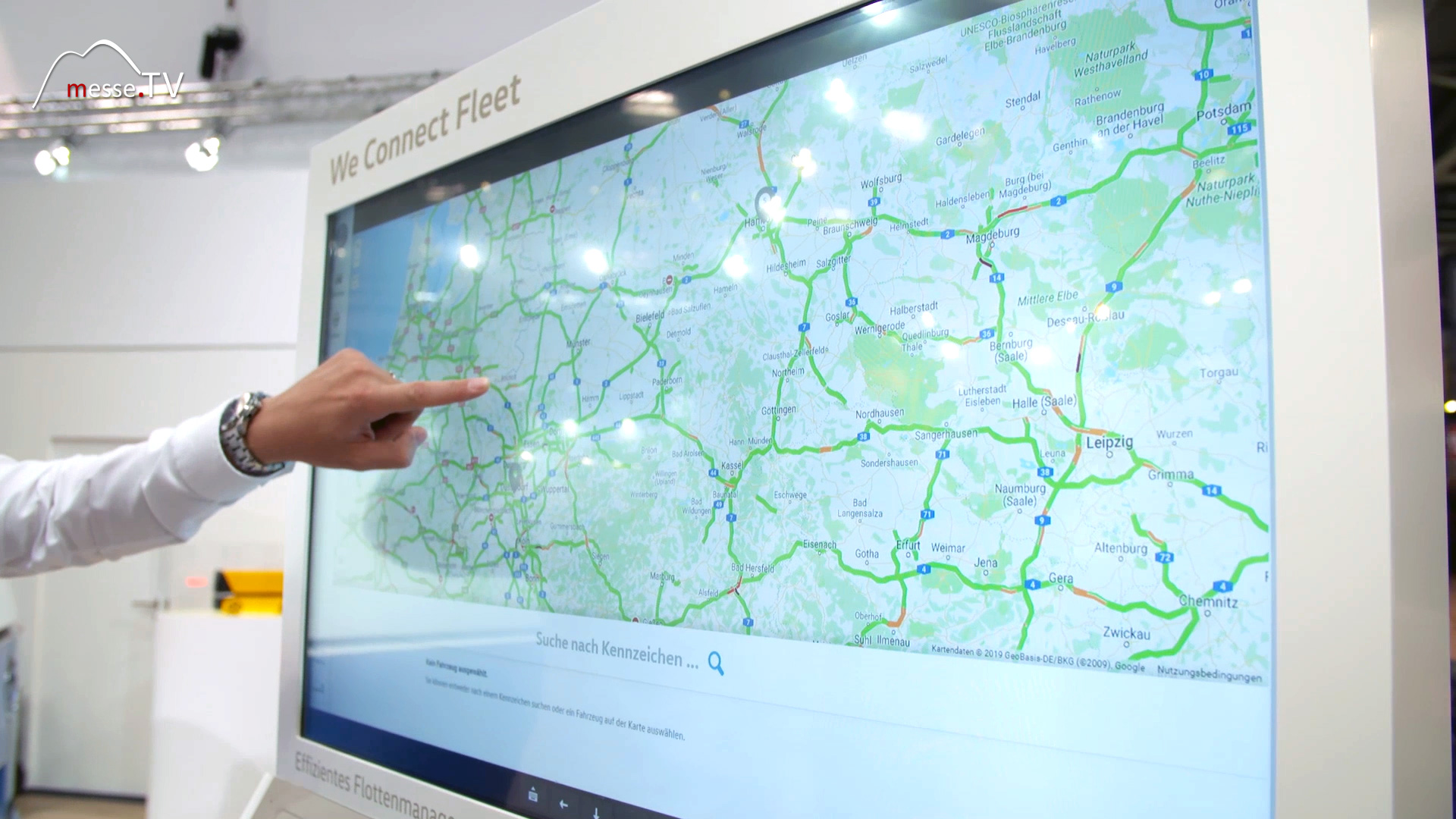
Mit dem Truck App Portal wird der LKW stärker Teil einer vernetzten IT-Struktur. Fahrzeuge werden nicht nur als mobile Einheiten betrachtet, sondern als digital angebundene Arbeitsplätze. Apps lassen sich gezielt einsetzen, um Prozesse zu unterstützen, Informationen bereitzustellen oder Abläufe zu dokumentieren. Gleichzeitig bleibt die Kontrolle beim Betreiber. Die Balance zwischen digitaler Flexibilität und betrieblicher Steuerung ist dabei entscheidend. Das System setzt genau an dieser Schnittstelle an und schafft eine einheitliche, steuerbare Umgebung für digitale Anwendungen im Nutzfahrzeug. Die Einführung des App Portals zeigt, wie sich digitale Konzepte im Transportwesen weiterentwickeln. Nicht durch möglichst viele Funktionen, sondern durch klare Zuständigkeiten, einfache Prozesse und eine Integration, die sich am realen Flottenalltag orientiert.

Messe-Berichterstattung bundesweit - Messewissen, Termine & Veranstaltungen


