Trailerentwicklung zwischen Fahreralltag und effizienter Transportlogistik
von Jürgen Groh - 2024-02-13Trailer sind der unscheinbare, aber zentrale Teil jedes Lkw-Gespanns. Während Motorisierung, Assistenzsysteme und Kabinentechnik viel Aufmerksamkeit bekommen, entscheidet der Aufbau am Heck darüber, wie effizient, sicher und wirtschaftlich Transporte tatsächlich ablaufen. Öffnen, Schließen, Beladen, Entladen, Rangieren – all das findet am Trailer statt. Genau hier zeigt sich, ob Technik den Arbeitsalltag erleichtert oder zusätzliche Belastung schafft.
Moderne Trailerentwicklung setzt deshalb nicht mehr allein auf Tragfähigkeit und Robustheit, sondern zunehmend auf Bedienkomfort, Gewichtsoptimierung und praxisnahe Lösungen. Die Anforderungen an Sattelauflieger sind dabei äußerst vielfältig. Unterschiedliche Ladungstypen, Einsatzgebiete und gesetzliche Vorgaben verlangen nach Varianten, die exakt auf den jeweiligen Zweck zugeschnitten sind. Gleichzeitig wächst der Druck auf Fahrer und Unternehmer. Zeitfenster werden enger, Arbeitskräfte knapper, Effizienz wichtiger. Trailer werden damit zu einem entscheidenden Hebel, um Transportprozesse stabil und wirtschaftlich zu halten.
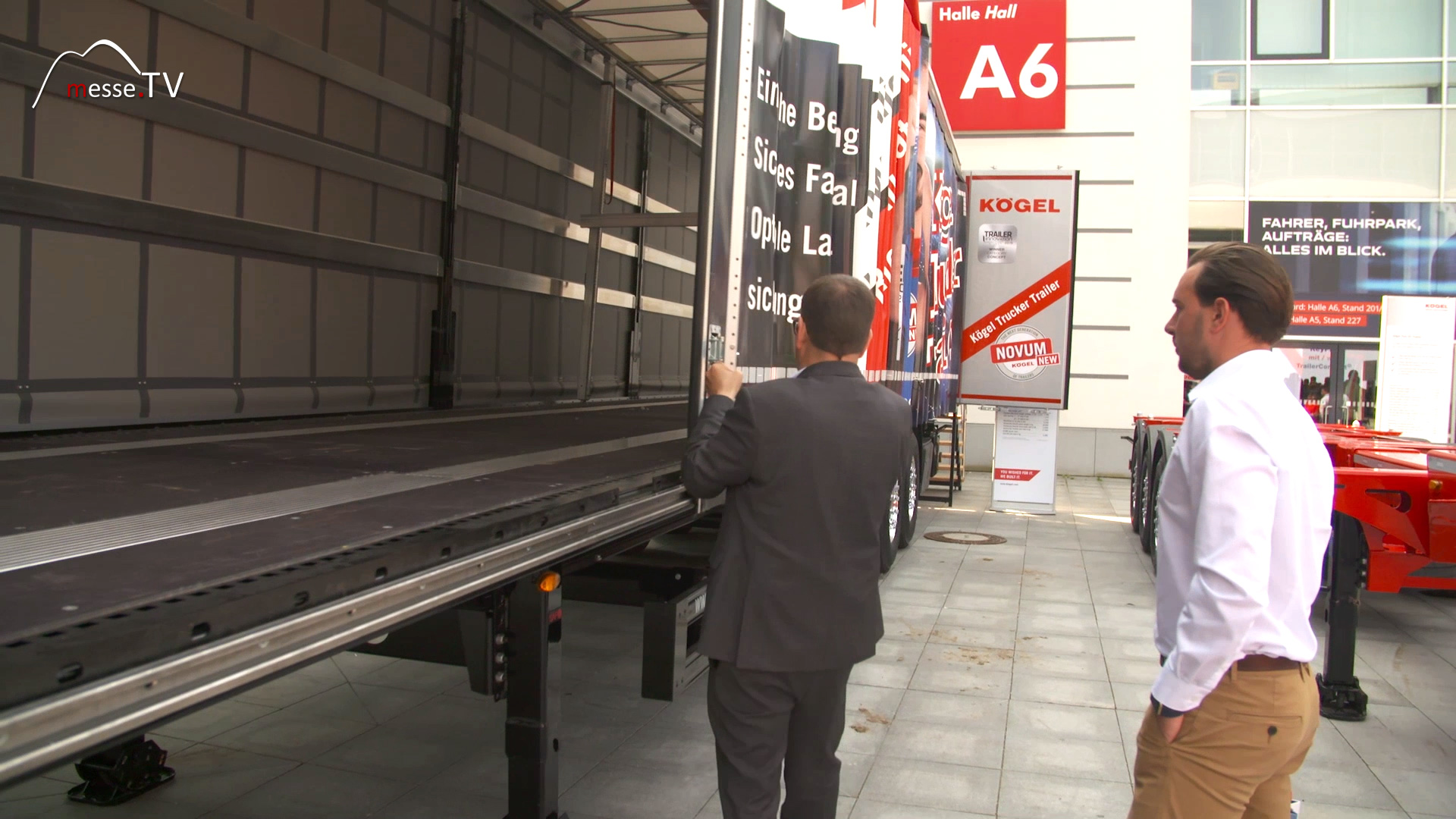

Kögel als europäischer Hersteller von Sattelaufliegern
Kögel zählt zu den großen Herstellern von Sattelaufliegern in Europa und konzentriert sich vollständig auf den hinteren Teil des Trucks. Das Portfolio umfasst unterschiedlichste Trailerlösungen für den Fernverkehr, den Verteilerverkehr und spezialisierte Anwendungen. Der Fokus liegt dabei nicht auf Einzelinnovationen, sondern auf durchdachten Gesamtkonzepten, die im Alltag bestehen müssen. Die Entwicklung neuer Produkte folgt einem klaren Prinzip: Technik soll sich am Menschen orientieren, der täglich mit ihr arbeitet. Fahrer verbringen viele Stunden mit ihrem Fahrzeug, oft unter hohem Zeitdruck. Jede unnötige Bewegung, jedes schwere Bauteil und jede komplizierte Bedienung wirkt sich direkt auf Ermüdung, Sicherheit und Zufriedenheit aus. Genau diese Perspektive fließt zunehmend in die Trailerentwicklung ein.
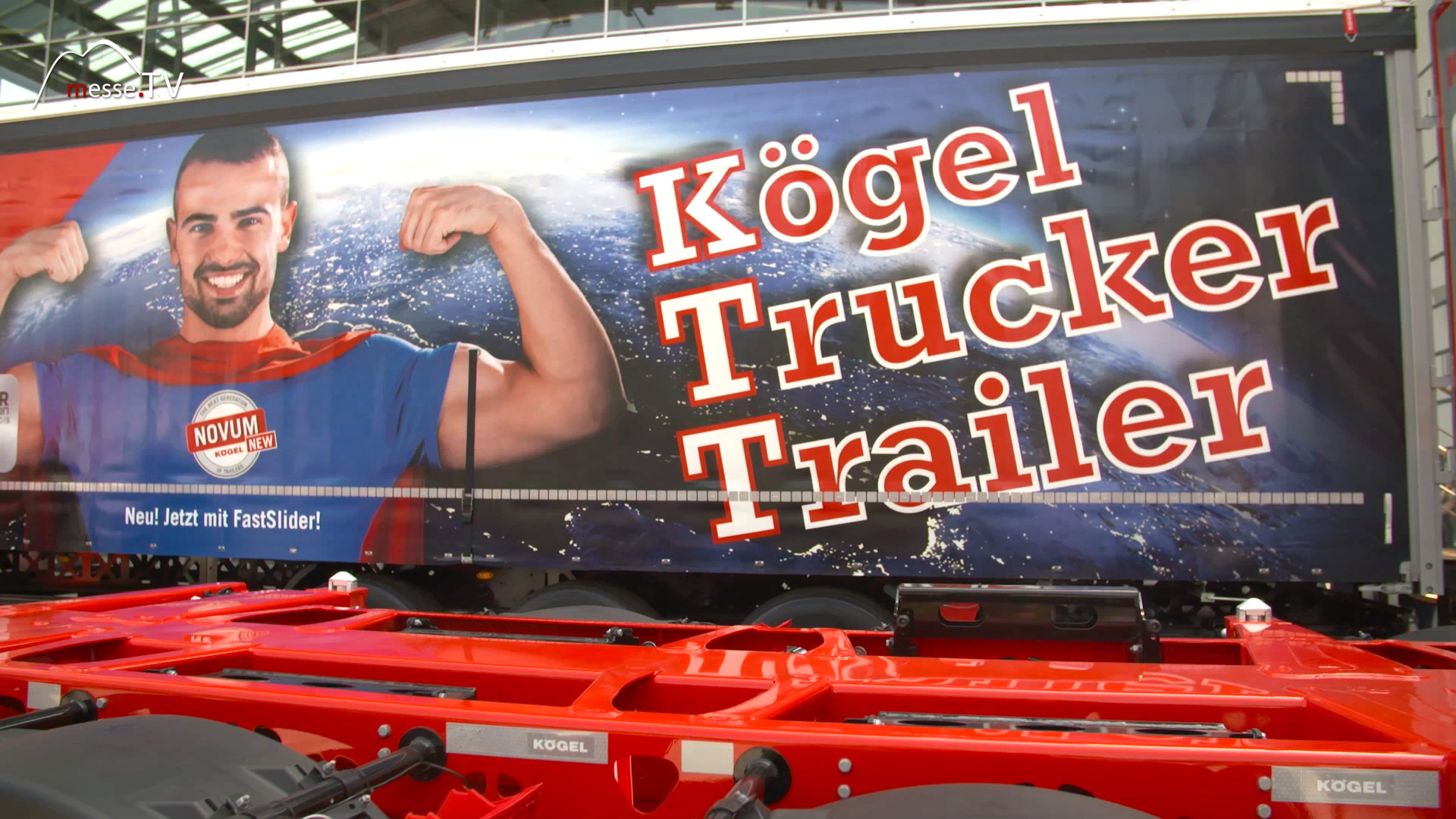
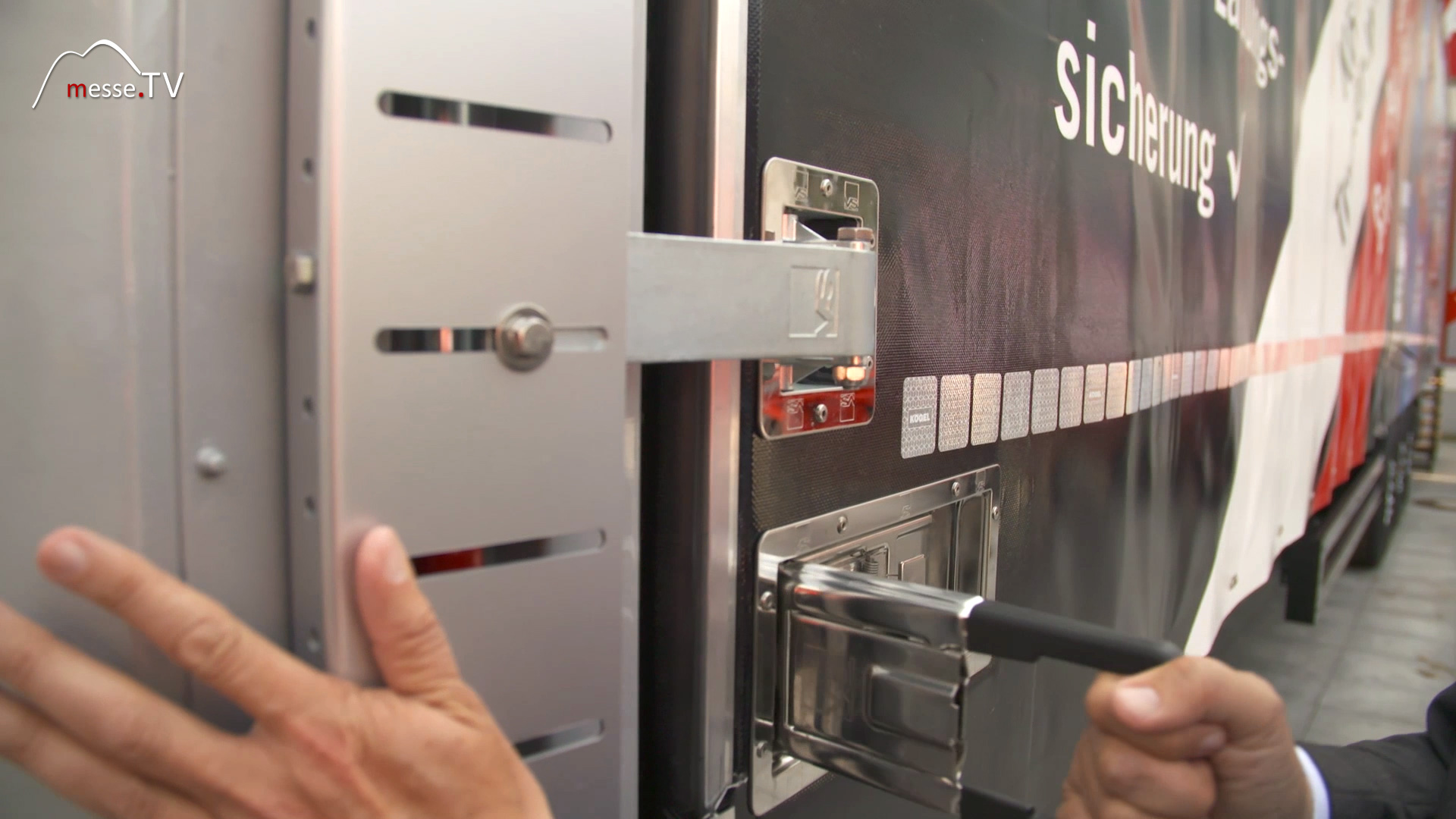
Fast Slider als Ergebnis fahrerorientierter Entwicklung
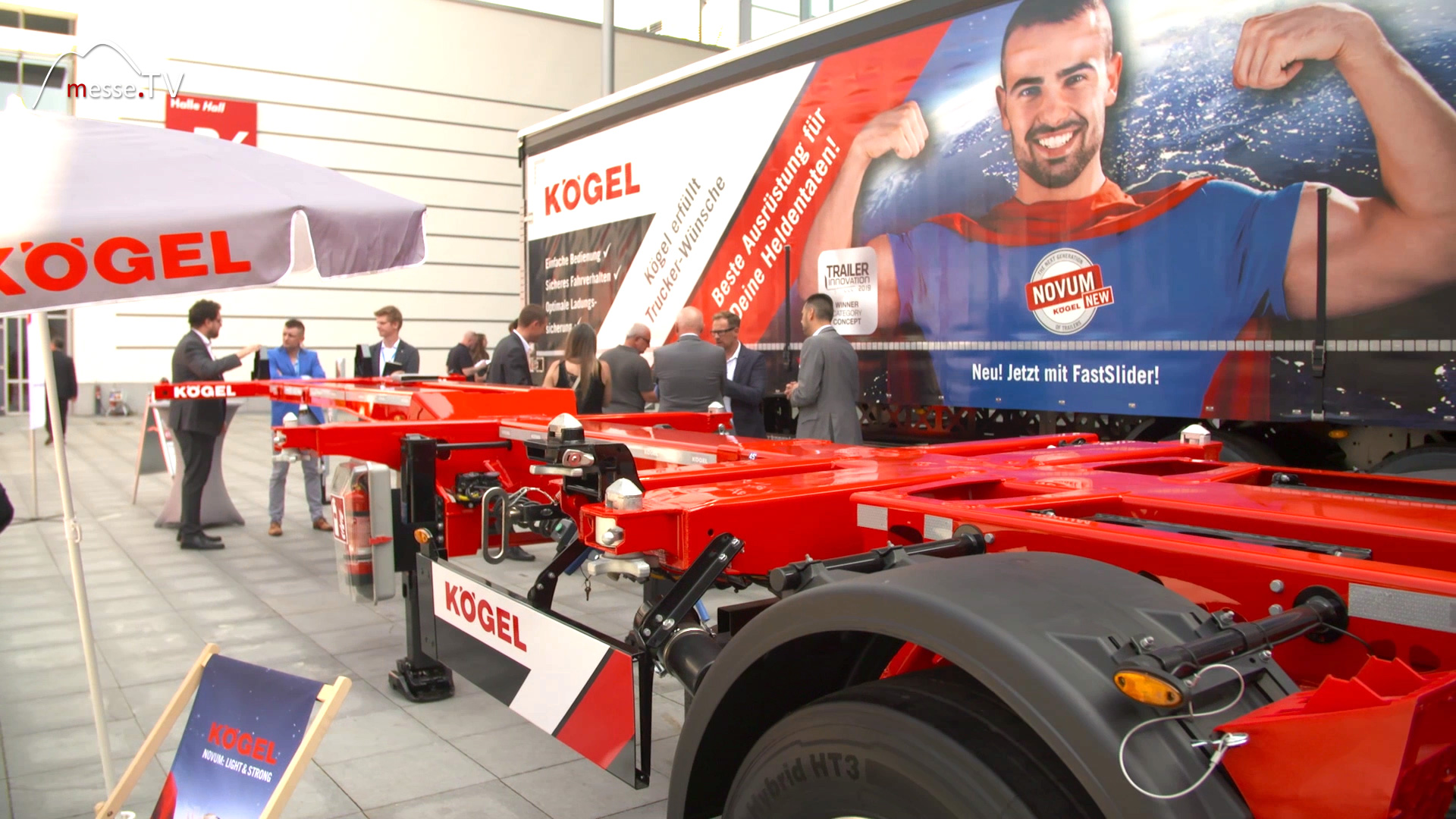
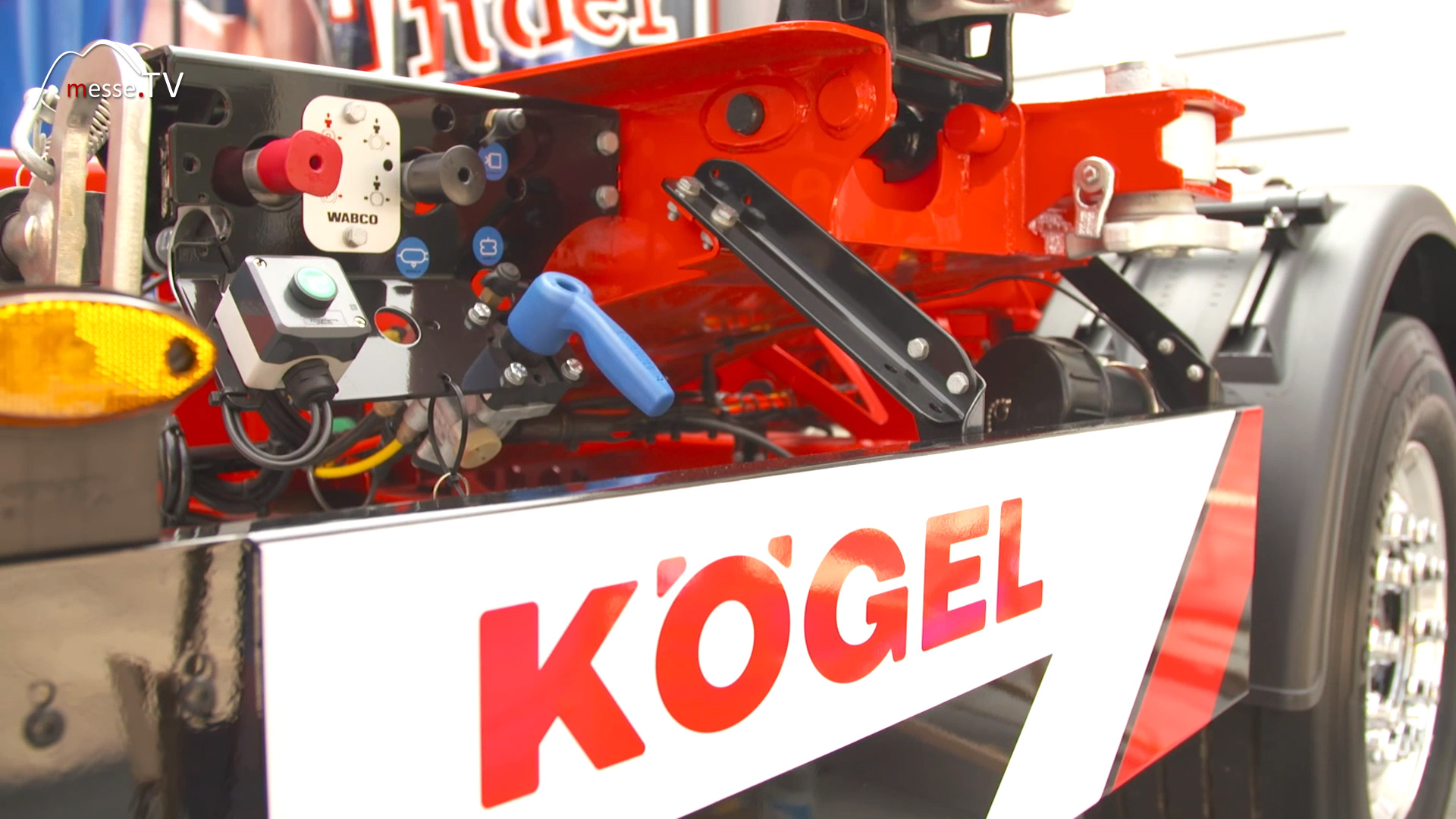
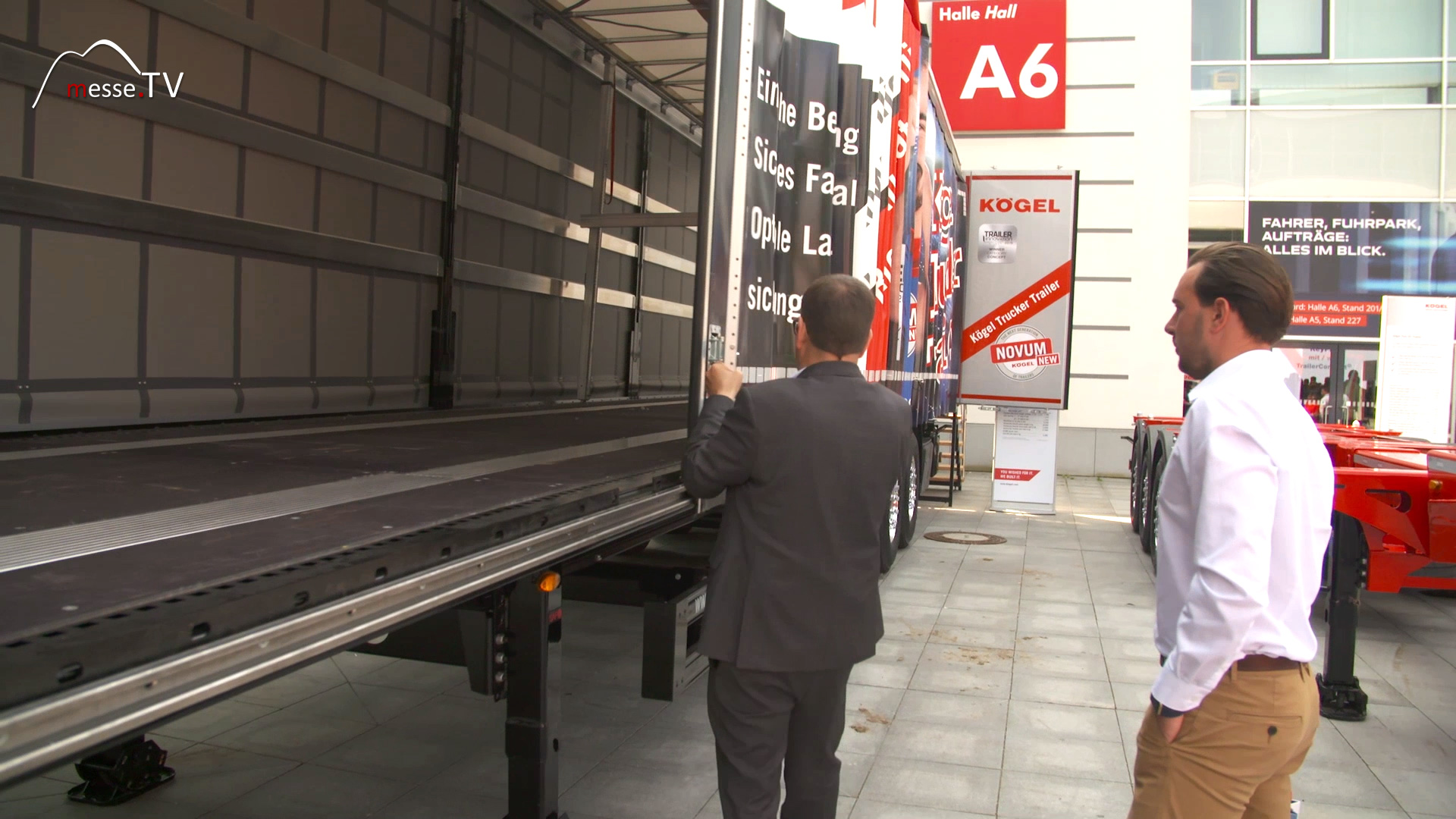
Ein Beispiel für diesen Ansatz ist der Fast Slider. Statt bestehende Systeme lediglich technisch zu verfeinern, wurde die Entwicklung bewusst vom Fahrer aus gedacht. Die zentrale Frage lautete nicht, was konstruktiv möglich ist, sondern was den Alltag tatsächlich erleichtert. Öffnen und Schließen eines Trailers gehören zu den häufigsten Handgriffen im Transportbetrieb. Sie müssen schnell, leichtgängig und sicher funktionieren. Der Fast Slider setzt genau hier an. Die seitliche Öffnung lässt sich einfach bedienen, ohne hohen Kraftaufwand. Das Handling ist gewichtsoptimiert, sodass der Fahrer weniger Energie aufbringen muss. Gerade bei häufigen Stopps summieren sich diese Vorteile über den Tag hinweg. Was zunächst wie ein Detail wirkt, wird im täglichen Einsatz zu einem spürbaren Faktor für Effizienz und Ergonomie.

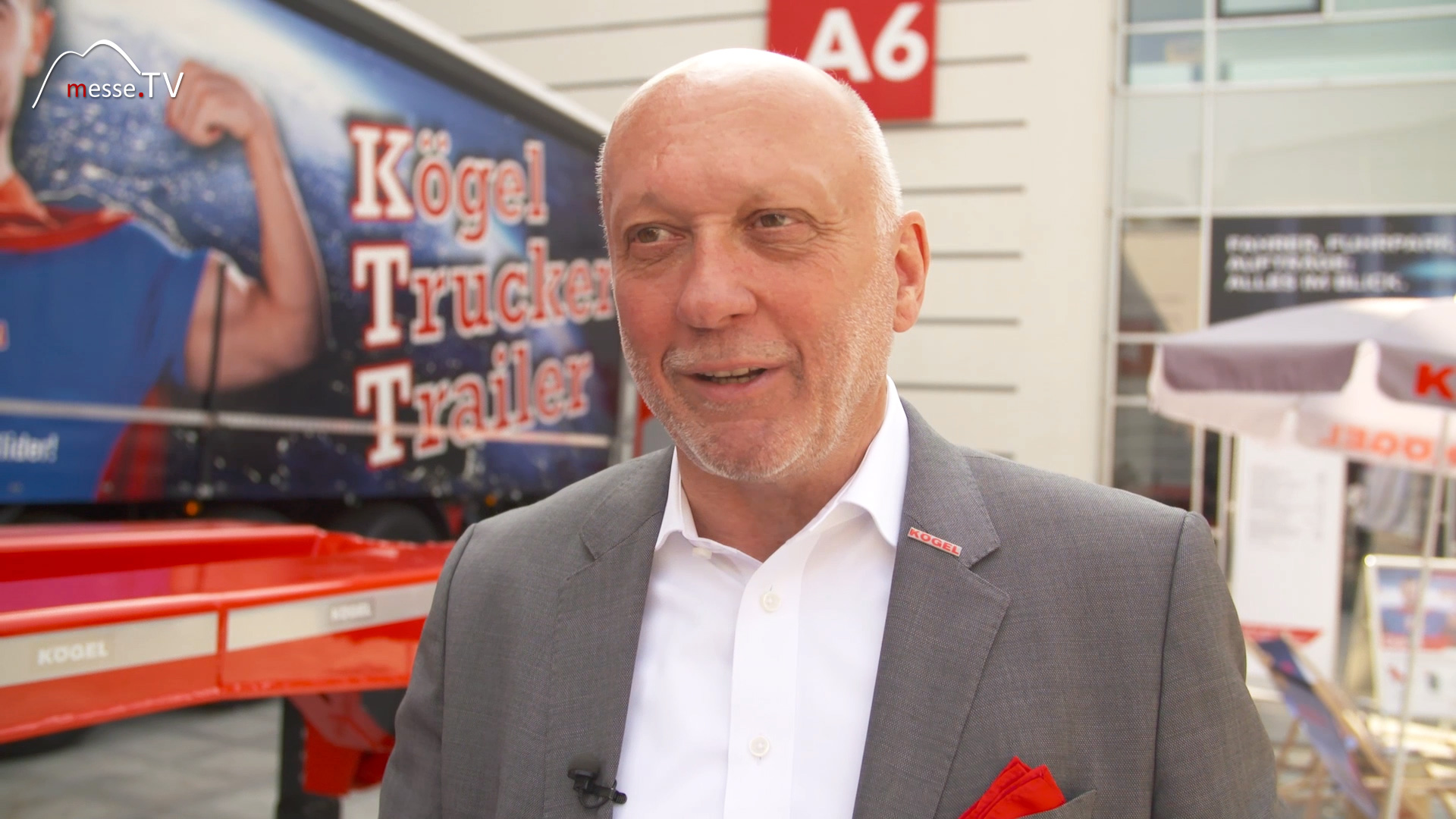
Bedienkomfort als Produktivitätsfaktor
Der Ansatz, Trailer aus Sicht des Fahrers zu entwickeln, markiert einen Wandel in der Branche. Lange Zeit standen vor allem technische Kennzahlen im Vordergrund. Heute rücken Aspekte wie Bedienkomfort, Ergonomie und Sicherheit stärker in den Fokus. Ein Trailer, der sich intuitiv bedienen lässt, spart Zeit und reduziert Fehlerquellen. Öffnungsmechanismen, Verriegelungen und Gewicht spielen dabei eine zentrale Rolle. Je einfacher der Umgang, desto geringer die körperliche Belastung. Das wirkt sich nicht nur auf die Gesundheit der Fahrer aus, sondern auch auf die Wirtschaftlichkeit. Weniger Zeit pro Vorgang bedeutet mehr Spielraum im Tagesablauf und geringere Standzeiten an Rampen und Umschlagpunkten.
Container Chassis für den Hafen- und Kombiverkehr
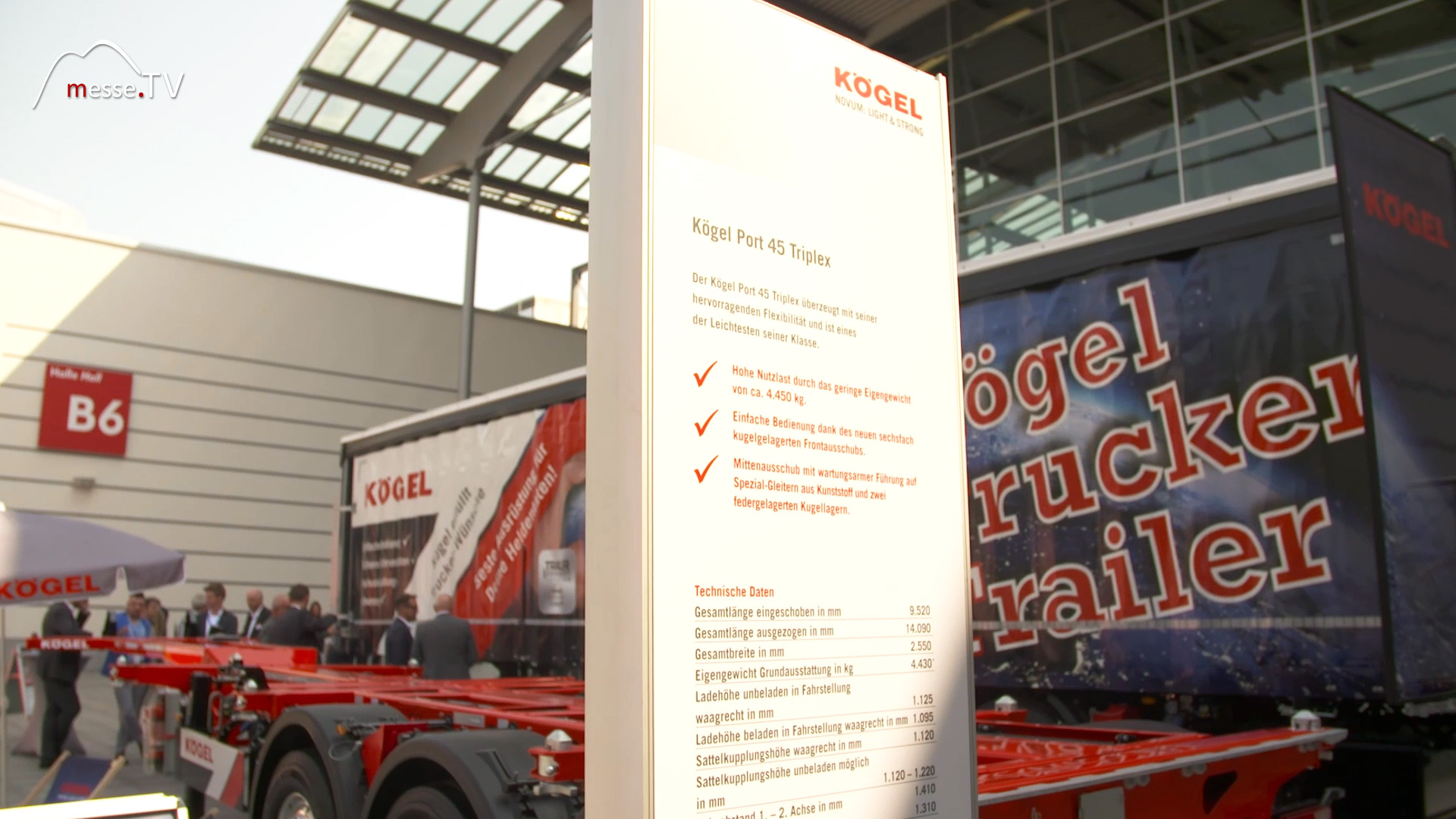
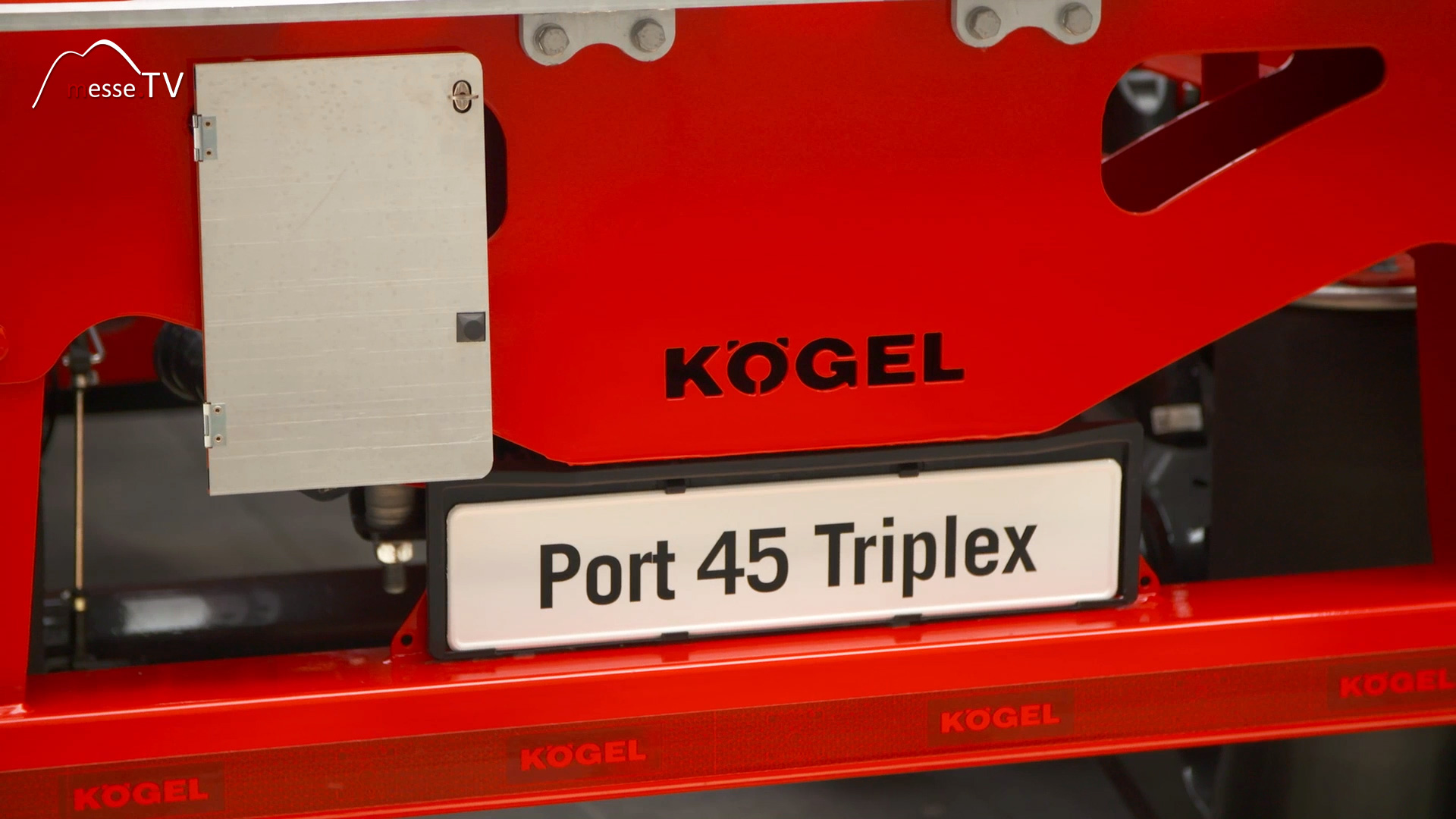
Neben klassischen Sattelaufliegern spielt der Containertransport eine immer größere Rolle. Im Hafen- und Kombiverkehr zählt jedes Kilogramm Eigengewicht. Je leichter das Chassis, desto mehr Nutzlast bleibt für den Container. Gleichzeitig müssen diese Fahrzeuge extrem robust sein, da sie hohen Belastungen und wechselnden Bedingungen ausgesetzt sind. Das Container Chassis ist genau auf diese Anforderungen ausgelegt. Der Fokus liegt klar auf Gewichtsoptimierung, ohne Kompromisse bei Stabilität und Sicherheit einzugehen. Kunden im Hafenbereich achten sehr genau auf diese Balance, da sie direkten Einfluss auf Wirtschaftlichkeit und Einsatzflexibilität hat. Leichtere Chassis ermöglichen höhere Zuladungen und verbessern die Auslastung der Transporte.

Gewichtsoptimierung als strategisches Thema
Gewicht ist im Trailerbau längst ein strategisches Thema. Gesetzliche Vorgaben begrenzen das Gesamtgewicht, während der wirtschaftliche Druck steigt, möglichst viel Ladung zu transportieren. Jede eingesparte Tonne Eigengewicht schafft Spielraum. Gleichzeitig darf die Konstruktion nicht an Belastbarkeit verlieren. Moderne Trailerentwicklung kombiniert deshalb Materialauswahl, Konstruktion und Funktionalität. Gewichtsoptimierung bedeutet nicht, Bauteile einfach dünner zu machen, sondern sie intelligenter auszulegen. Das betrifft Rahmen, Aufbauten und Bedienelemente gleichermaßen. Besonders im Containerbereich ist dieser Ansatz entscheidend, da dort standardisierte Ladung mit hohem Gewicht transportiert wird.
- Fahrerorientierte Bedienkonzepte für den Alltag
- Gewichtsoptimierte Öffnungs- und Aufbausysteme
- Trailerlösungen für unterschiedliche Einsatzbereiche
- Container Chassis mit Fokus auf Nutzlast
Vielfalt der Trailerlösungen im Transportalltag
Der Transportmarkt ist geprägt von Vielfalt. Unterschiedliche Branchen, Ladungen und Einsatzszenarien verlangen nach spezialisierten Lösungen. Ein universeller Trailer kann diesen Anforderungen kaum gerecht werden. Hersteller reagieren darauf mit modularen Konzepten und Varianten, die sich anpassen lassen. Sattelauflieger für den klassischen Fernverkehr unterscheiden sich deutlich von Lösungen für den Hafen oder den Verteilerverkehr. Während im einen Fall Volumen und Bedienkomfort im Vordergrund stehen, zählen im anderen Gewicht und Robustheit. Die Kunst besteht darin, diese Anforderungen präzise zu treffen, ohne unnötige Komplexität zu erzeugen.
Trailer als Arbeitsgerät, nicht als Anhängsel
Im Alltag wird der Trailer oft als Anhängsel des Lkw wahrgenommen. Tatsächlich ist er das zentrale Arbeitsgerät im Transportprozess. Er entscheidet darüber, wie schnell geladen werden kann, wie sicher die Ladung transportiert wird und wie effizient Abläufe funktionieren. Eine durchdachte Trailerkonstruktion kann Prozesse beschleunigen, körperliche Belastung reduzieren und die Sicherheit erhöhen. Umgekehrt führen schlecht konzipierte Systeme zu Verzögerungen, Unfällen und Frustration. Die Bedeutung des Trailers wächst damit parallel zu den Anforderungen an die gesamte Logistikkette.
Fahrerperspektive als Impuls für Innovation
Der Ansatz, Fahrer aktiv in die Entwicklung einzubeziehen, ist ein wichtiger Impuls für die Branche. Er verschiebt den Fokus von reiner Technik hin zu praktischer Nutzbarkeit. Innovation entsteht nicht nur im Konstruktionsbüro, sondern im Dialog mit denen, die täglich mit dem Produkt arbeiten. Kögel greift diese Perspektive auf und übersetzt sie in konkrete Produkte. Der Fast Slider ist dafür ein Beispiel, das Container Chassis ein weiteres. Beide zeigen, dass Fortschritt im Trailerbau nicht spektakulär wirken muss, um wirksam zu sein. Entscheidend ist, ob er den Alltag tatsächlich verbessert.
Trailerentwicklung im Wandel
Die Trailerentwicklung befindet sich im Wandel. Steigende Anforderungen an Effizienz, Ergonomie und Nachhaltigkeit verändern die Prioritäten. Fahrerfreundliche Lösungen, Gewichtsoptimierung und praxisnahe Details gewinnen an Bedeutung. Trailer werden damit zu einem aktiven Bestandteil moderner Transportkonzepte. Sattelauflieger und Chassis sind nicht mehr nur Transportmittel, sondern Werkzeuge, die Arbeitsabläufe strukturieren und beeinflussen. Hersteller, die diese Rolle ernst nehmen, leisten einen wichtigen Beitrag zur Stabilität und Zukunftsfähigkeit der Transportlogistik.











Messe-Berichterstattung bundesweit - Messewissen, Termine & Veranstaltungen


