Robotics und Automation als Antwort auf den Arbeitskräftemangel
von Bastian Velonavy - 2024-02-13Die Logistikbranche steht vor einer strukturellen Herausforderung, die weit über kurzfristige Konjunkturzyklen hinausgeht. Gesellschaften altern, der Arbeitsmarkt verengt sich, und zugleich steigt die Nachfrage nach schnellen, zuverlässigen Lieferketten. Kaum ein Unternehmen spürt diese Entwicklung so deutlich wie DHL, dessen Geschäftsmodell in hohem Maße auf Menschen angewiesen ist. Die Frage, wie sich Prozesse auch dann stabil betreiben lassen, wenn weniger Arbeitskräfte zur Verfügung stehen, rückt damit ins Zentrum strategischer Überlegungen.
Die Antwort fällt weniger spektakulär aus, als es manche Zukunftsvisionen vermuten lassen. Es geht nicht um die vollständige Ablösung menschlicher Arbeit, sondern um ihre gezielte Unterstützung. Robotics und Automation werden als notwendige Technologien verstanden, um wachsende Volumina zu bewältigen und zugleich körperliche Belastungen zu reduzieren. In vielen Logistikzentren weltweit ist dieser Wandel allerdings noch nicht vollzogen.


DHL und der demografische Druck in der Logistik
Die Logistik ist traditionell personalintensiv. Kommissionierung, Sortierung, innerbetriebliche Transporte und Versandprozesse erfordern viele Hände. Gleichzeitig verändert sich die Altersstruktur der Gesellschaft. Mehr Menschen gehen in den Ruhestand, während weniger nachrücken. Für ein Unternehmen wie DHL bedeutet das, dass die Sicherstellung des Betriebs nicht allein über Rekrutierung gelingen kann. Vor diesem Hintergrund gewinnt das Thema Automation an strategischer Bedeutung. Interne Analysen zeigen, dass ein Großteil der Warenlager weltweit noch immer rein manuell betrieben wird. Diese Strukturen stoßen zunehmend an ihre Grenzen, wenn Volumen steigen und Personal schwerer zu finden ist. Technologie wird damit nicht zum Selbstzweck, sondern zur Voraussetzung, um Nachfrage und Leistungsfähigkeit in Einklang zu halten.
Robotics und Automation als notwendige Technologie
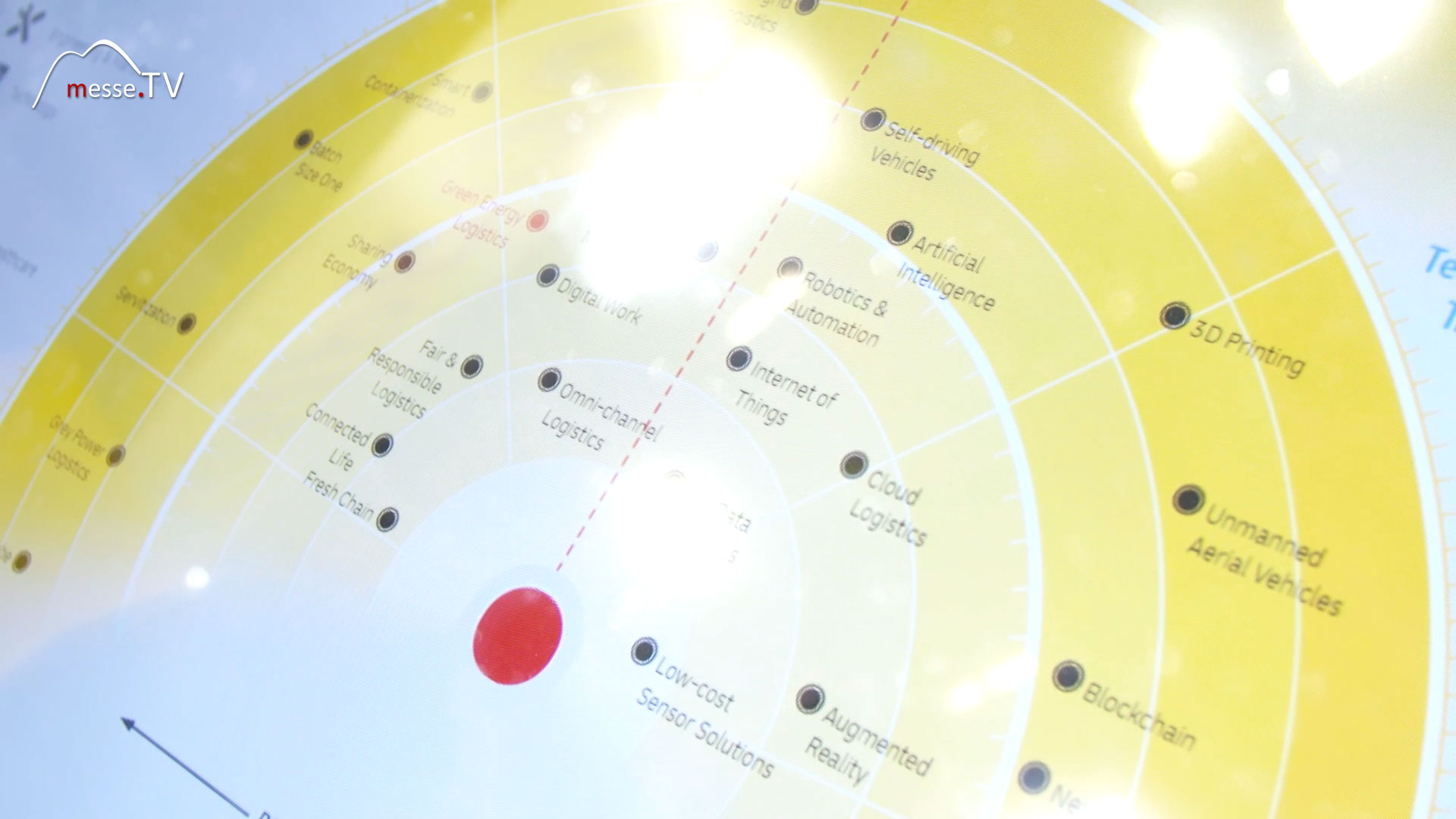
Robotics und Automation sind keine neuen Begriffe in der Industrie, doch ihr Einsatz in der Logistik hat sich deutlich verändert. Früher dominierten abgeschottete Roboterzellen, in denen Maschinen streng getrennt von Menschen arbeiteten. Solche Lösungen waren effizient, aber unflexibel und für viele logistische Anwendungen ungeeignet. Heute stehen andere Konzepte im Vordergrund. Moderne Systeme sind darauf ausgelegt, sich in bestehende Abläufe einzufügen. Sie übernehmen klar definierte Aufgaben, während Menschen dort eingesetzt werden, wo Wahrnehmung, Feinmotorik und situatives Entscheiden gefragt sind. Diese Arbeitsteilung bildet die Grundlage für neue Formen der Zusammenarbeit.

Kollaborative Roboter im Lageralltag
Ein zentraler Fortschritt liegt in der Entwicklung kollaborativer Roboter. Diese Systeme sind dafür ausgelegt, ohne Schutzkäfige mit Menschen zusammenzuarbeiten. Sensorik und Software sorgen dafür, dass Bewegungen erkannt und angepasst werden. Der Roboter wird nicht zum Risiko, sondern zum unterstützenden Element. Im Lageralltag zeigt sich das besonders bei der Kommissionierung. Produkte identifizieren, greifen und korrekt zuordnen kann der Mensch nach wie vor besonders gut. Gleichzeitig entstehen Belastungen, wenn schwere Waren bewegt oder lange Wege zurückgelegt werden müssen. Genau hier setzen kollaborative Lösungen an, indem sie physische Arbeit übernehmen und den Menschen entlasten.
Follow-me-Bots als praktische Unterstützung
Ein anschauliches Beispiel sind sogenannte Follow-me-Bots. Diese mobilen Roboter folgen dem Mitarbeiter selbstständig durch das Lager und transportieren Waren oder Behälter. Der Mensch konzentriert sich auf Auswahl und Kontrolle, während der Roboter das Gewicht trägt und Wege übernimmt. Solche Systeme verändern den Arbeitsalltag spürbar. Sie reduzieren körperliche Belastungen, erhöhen die Effizienz und ermöglichen es, auch mit weniger Personal größere Volumina zu bewältigen. Gleichzeitig bleibt der Mensch zentraler Bestandteil des Prozesses. Die Maschine ergänzt, ersetzt aber nicht.
- Entlastung von schweren und monotonen Tätigkeiten
- Bessere Nutzung menschlicher Fähigkeiten bei Auswahl und Kontrolle
- Höhere Effizienz bei gleichbleibender Prozessqualität
- Flexibler Einsatz ohne grundlegende Umstrukturierung des Lagers


Warum Automation den Menschen nicht verdrängt
Entgegen verbreiteter Befürchtungen zielt der Einsatz von Robotics und Automation nicht auf den Abbau von Arbeitsplätzen ab. Vielmehr geht es darum, Arbeit anders zu organisieren. Tätigkeiten, die ergonomisch problematisch oder besonders belastend sind, werden zunehmend von Maschinen übernommen. Der Mensch behält Aufgaben, bei denen Erfahrung, Wahrnehmung und Verantwortung gefragt sind. Gerade vor dem Hintergrund des Arbeitskräftemangels wird deutlich, dass Technologie kein Gegner, sondern ein Verbündeter ist. Ohne Automation ließe sich das bestehende Leistungsniveau vieler Logistiksysteme langfristig kaum aufrechterhalten. Mit ihr entstehen dagegen neue Rollenprofile und stabilere Abläufe.
Perspektiven für die Zukunft der Logistikarbeit
Der Blick nach vorn zeigt eine Logistik, in der Mensch und Maschine enger zusammenarbeiten als je zuvor. Robotics und Automation werden weiter an Bedeutung gewinnen, nicht als isolierte Lösungen, sondern als integrierter Bestandteil des Alltags. Für DHL bedeutet das, Investitionen gezielt dort zu tätigen, wo sie Mitarbeiter entlasten und Prozesse robuster machen. Der demografische Wandel lässt sich nicht aufhalten, wohl aber gestalten. Technologien wie kollaborative Roboter und Follow-me-Bots bieten die Möglichkeit, Arbeit effizienter und zugleich menschlicher zu organisieren. Sie sind damit weniger Zukunftsvision als pragmatische Antwort auf eine sehr reale Entwicklung.












Messe-Berichterstattung bundesweit - Messewissen, Termine & Veranstaltungen


