Letzte Meile als Herausforderung moderner Logistik
von Jürgen Groh - 2024-02-13Die letzte Meile gilt seit einigen Jahren als eines der prägendsten Themen der Logistik. Kaum ein Fachgespräch, in dem nicht über Zustellkonzepte, urbane Verkehre oder die Grenzen bestehender Infrastrukturen diskutiert wird. Was früher als Randthema der Distribution galt, hat sich zu einer zentralen Herausforderung entwickelt, die wirtschaftliche, ökologische und gesellschaftliche Aspekte miteinander verbindet.
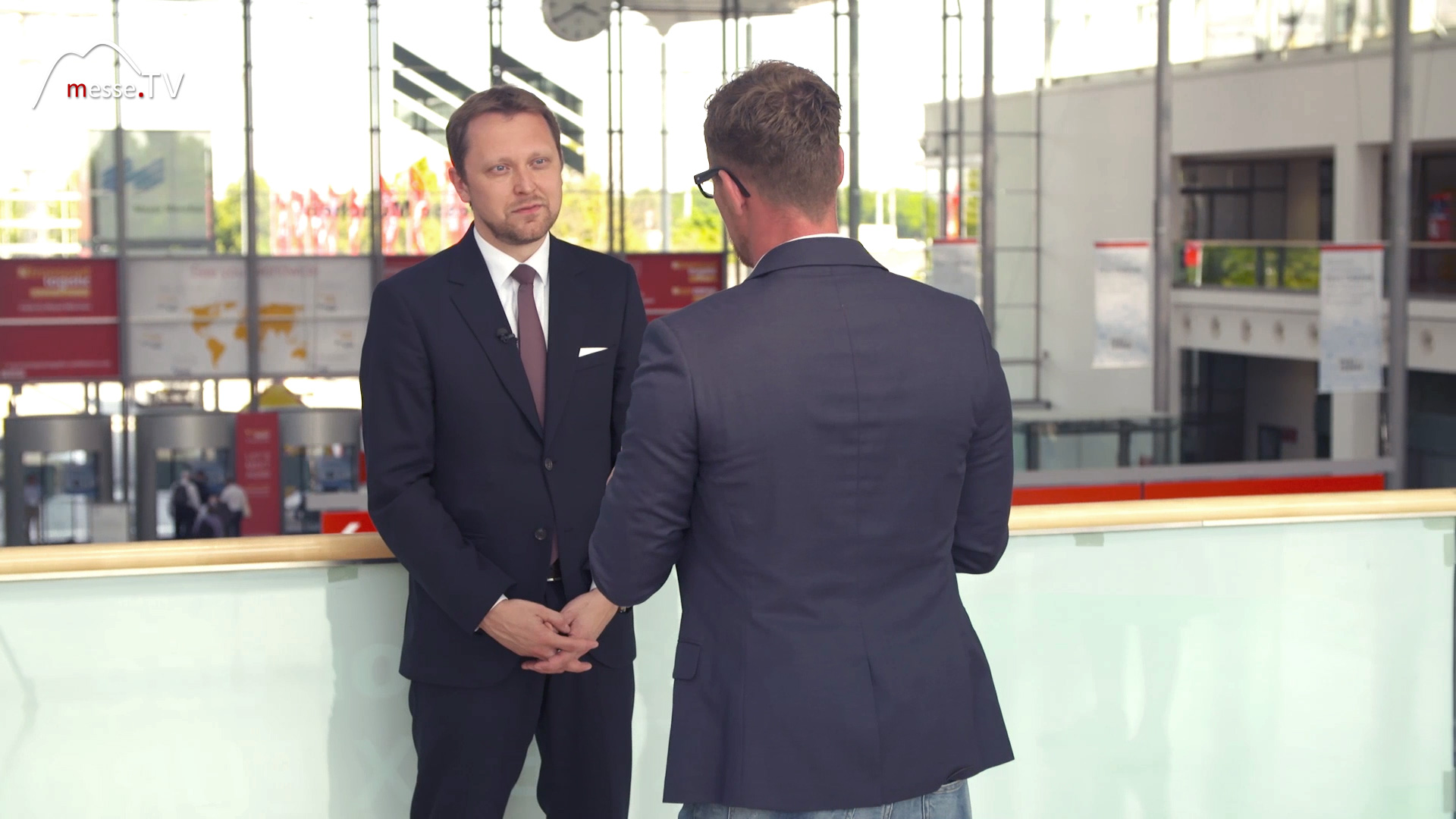
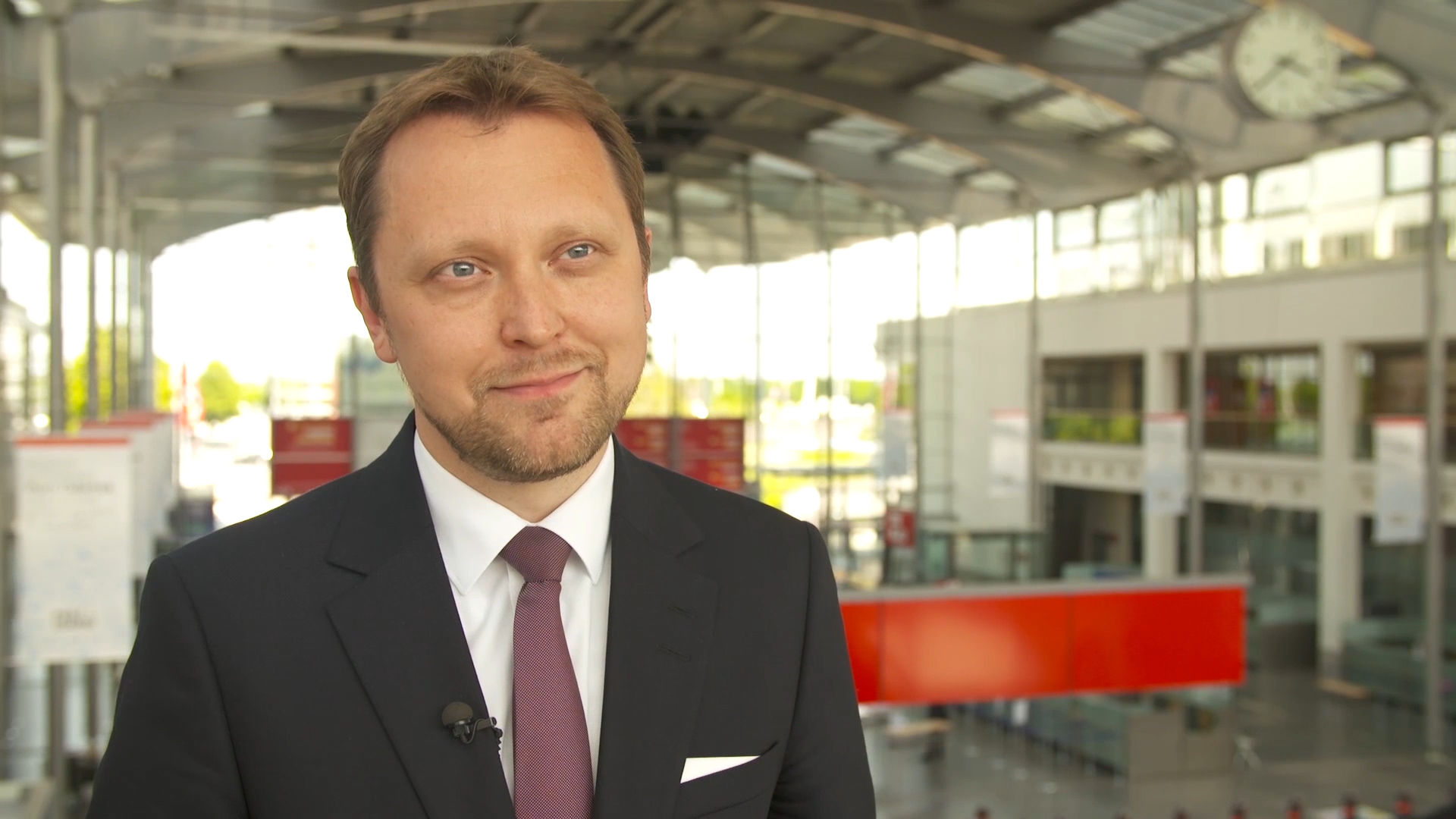
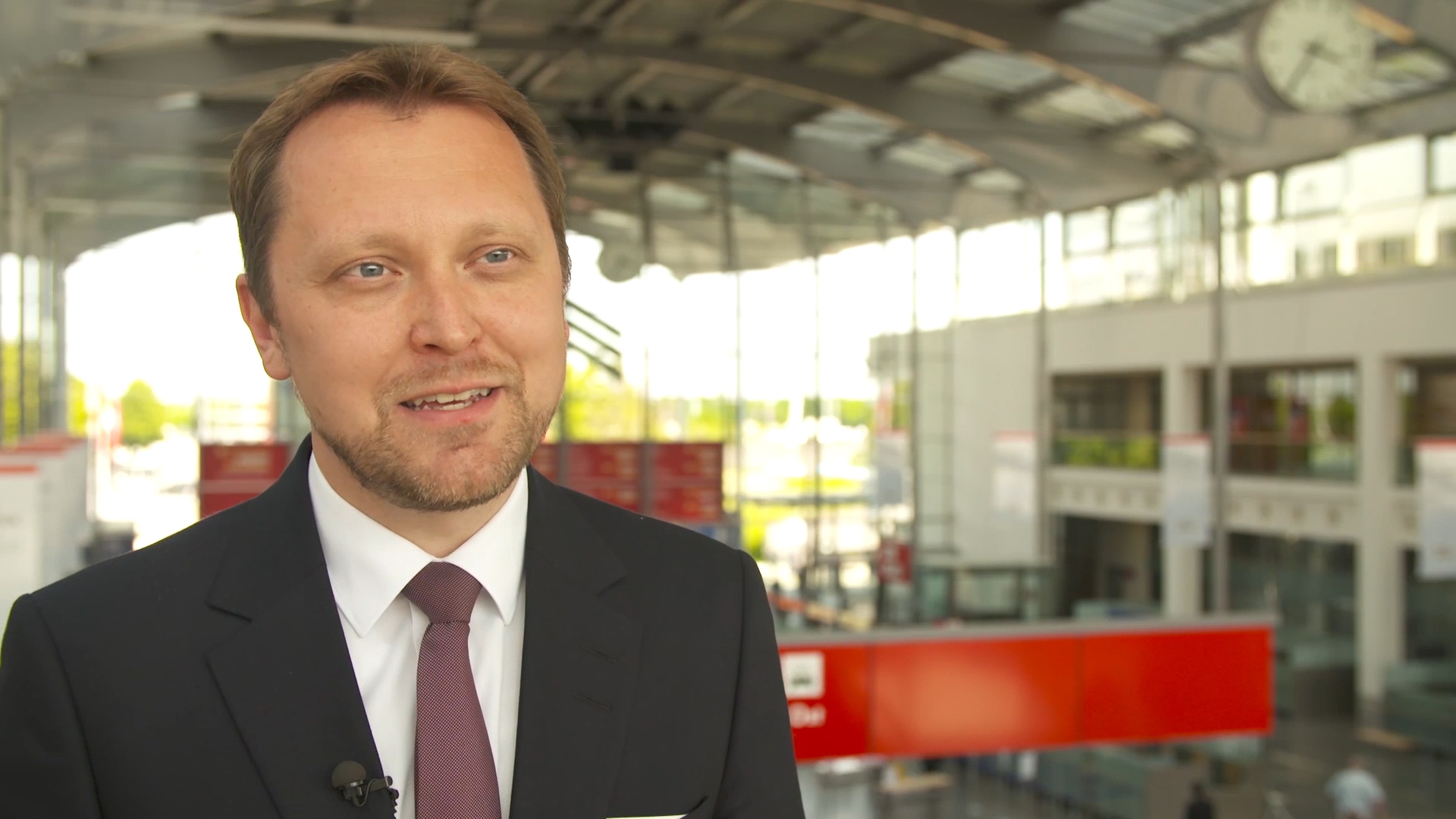
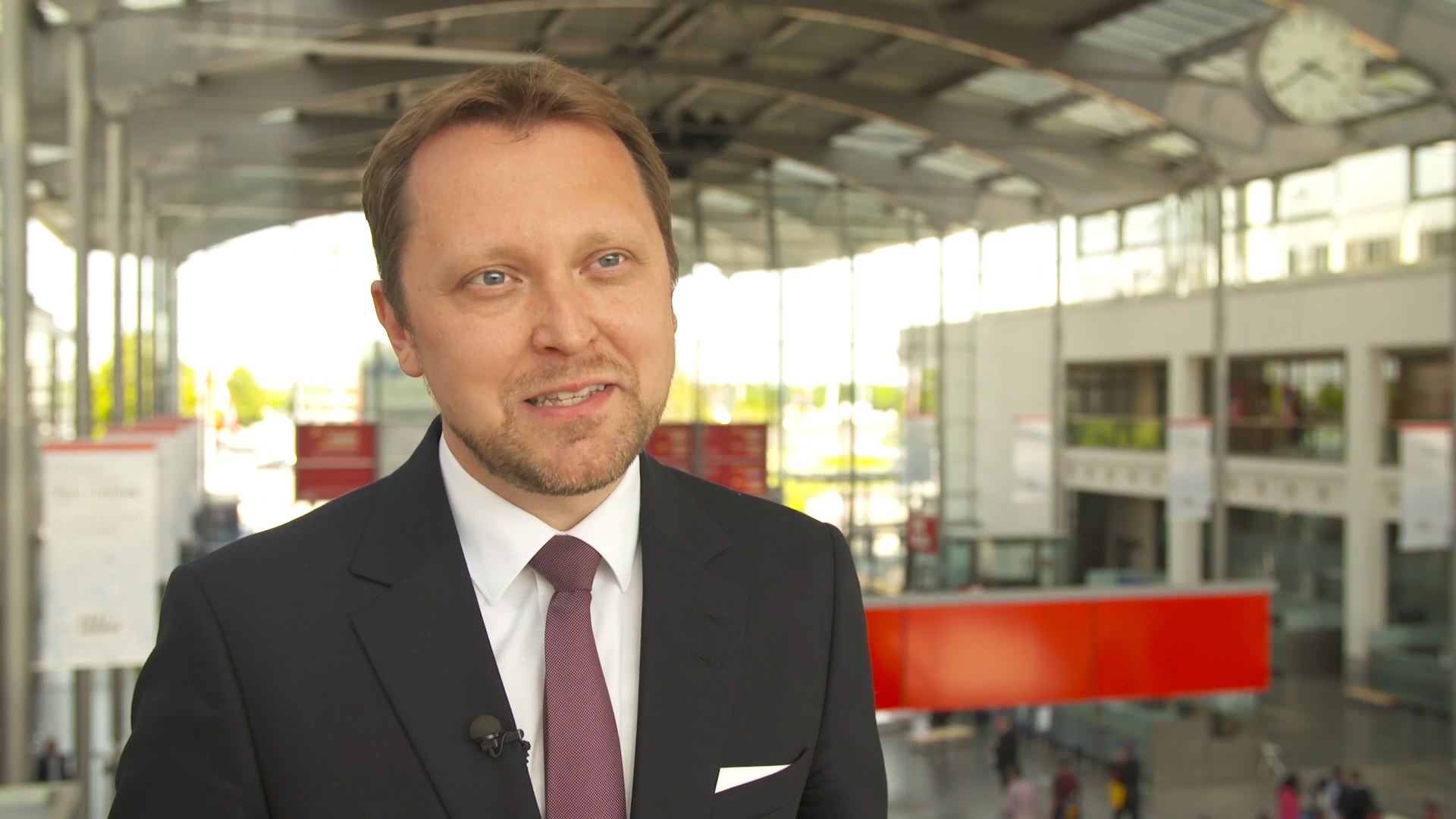
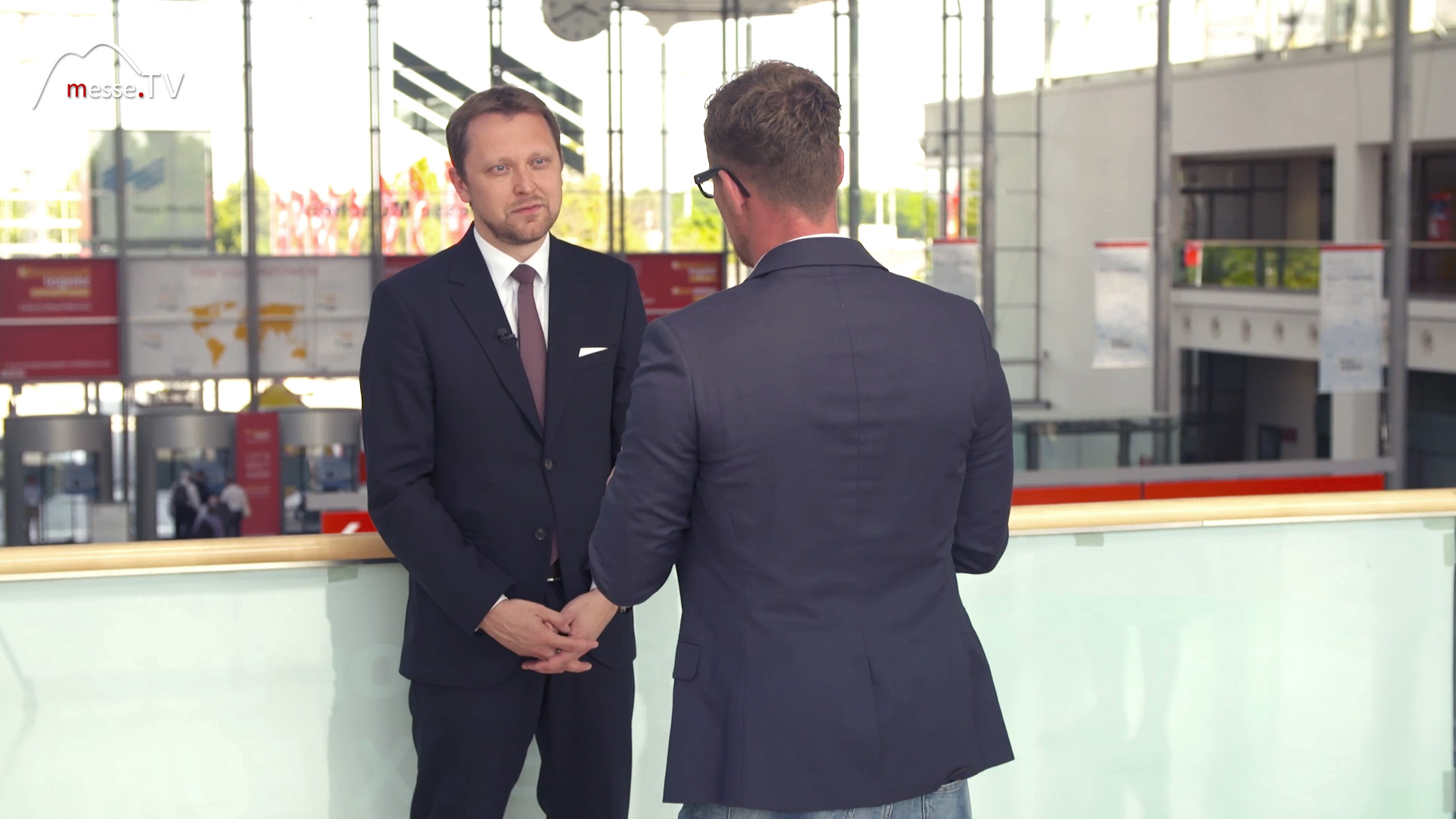
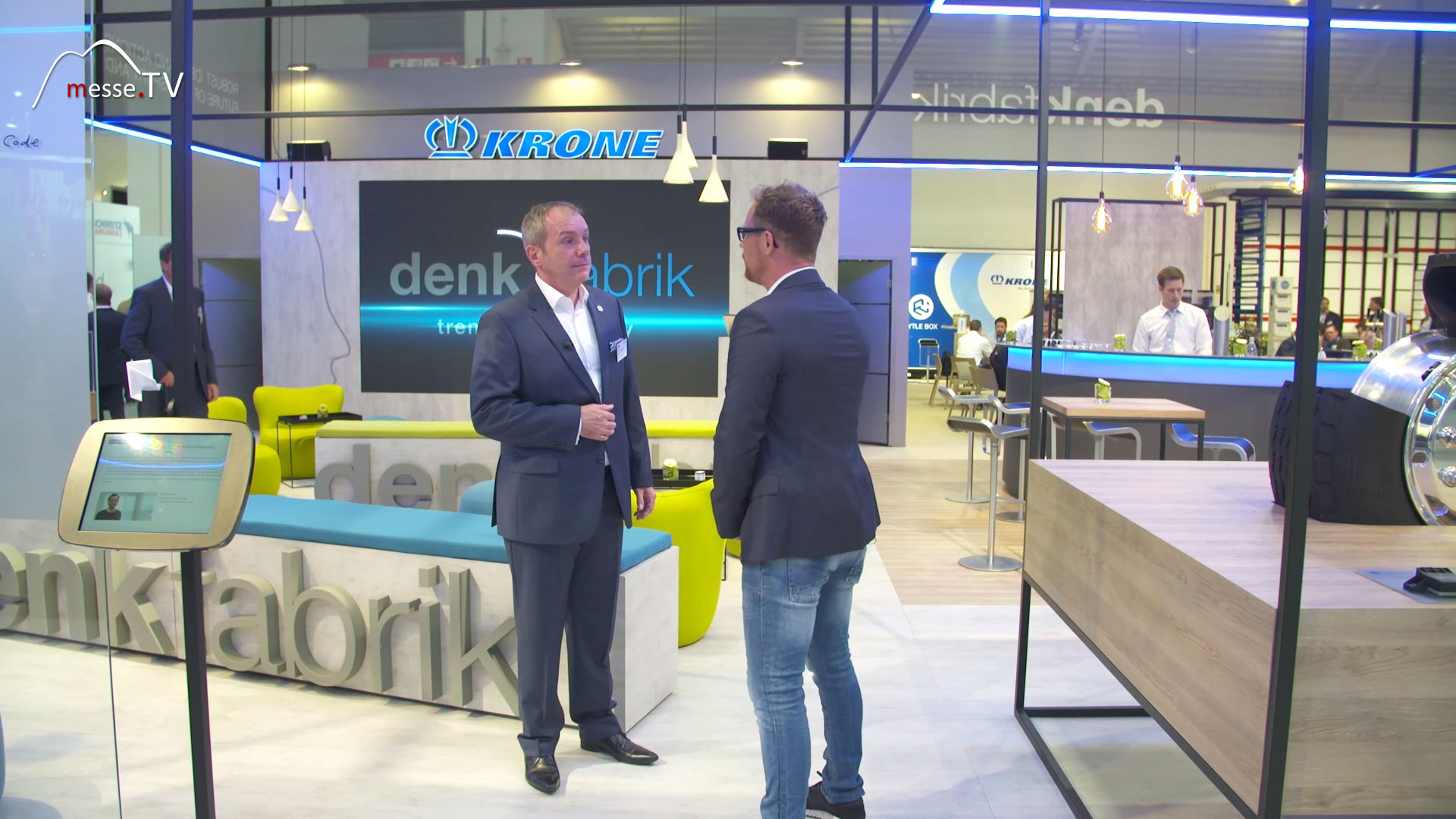
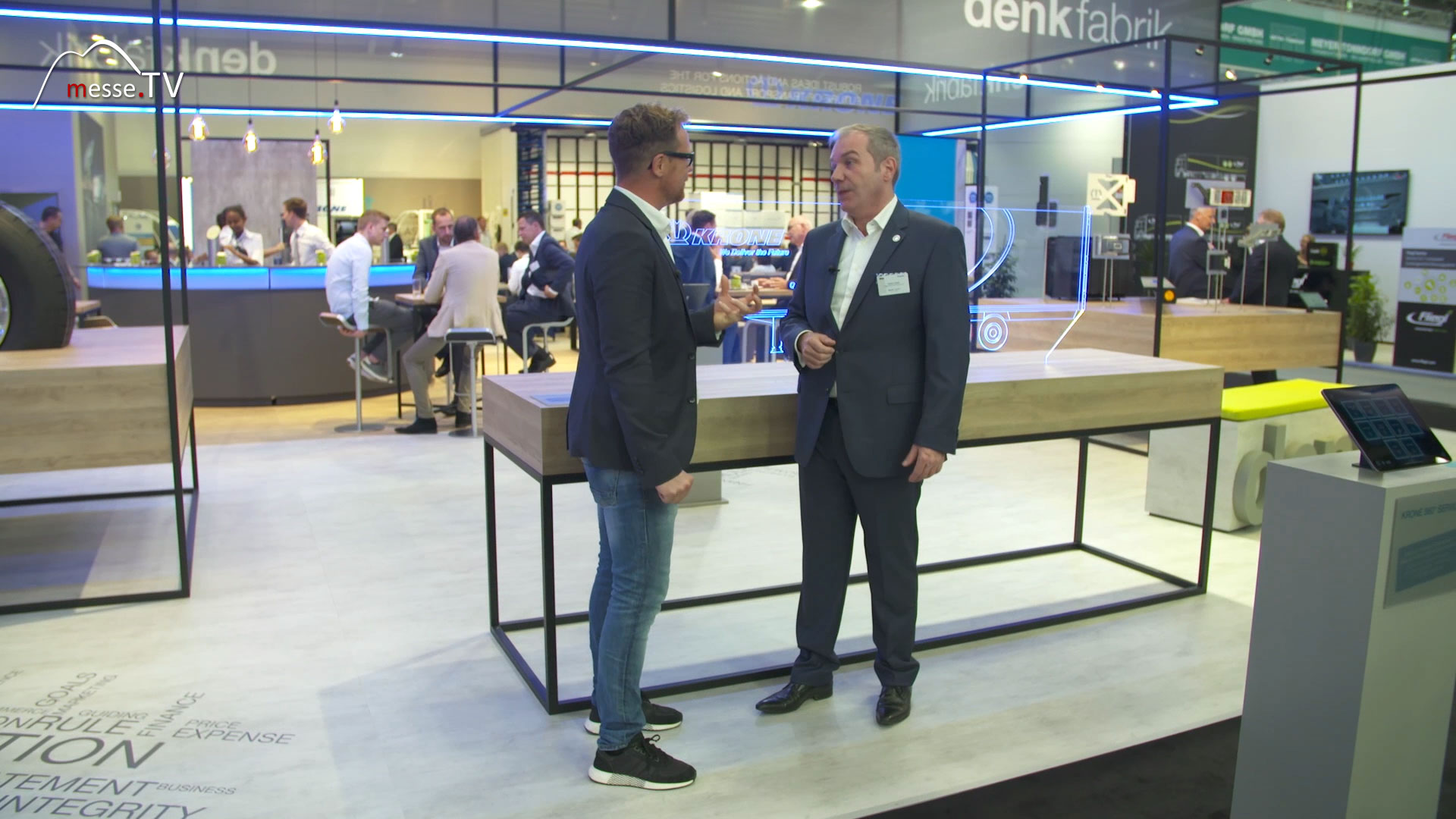
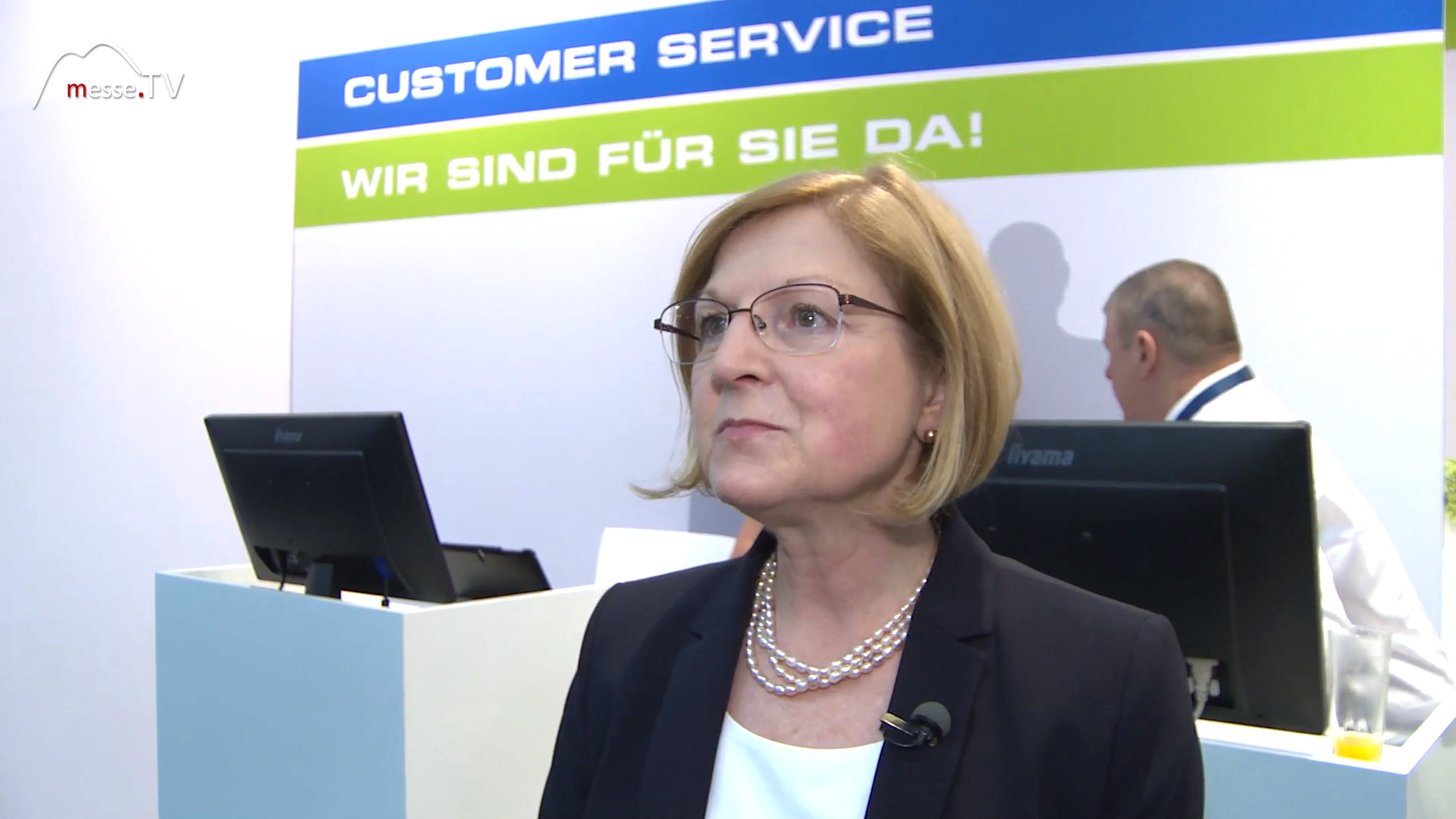
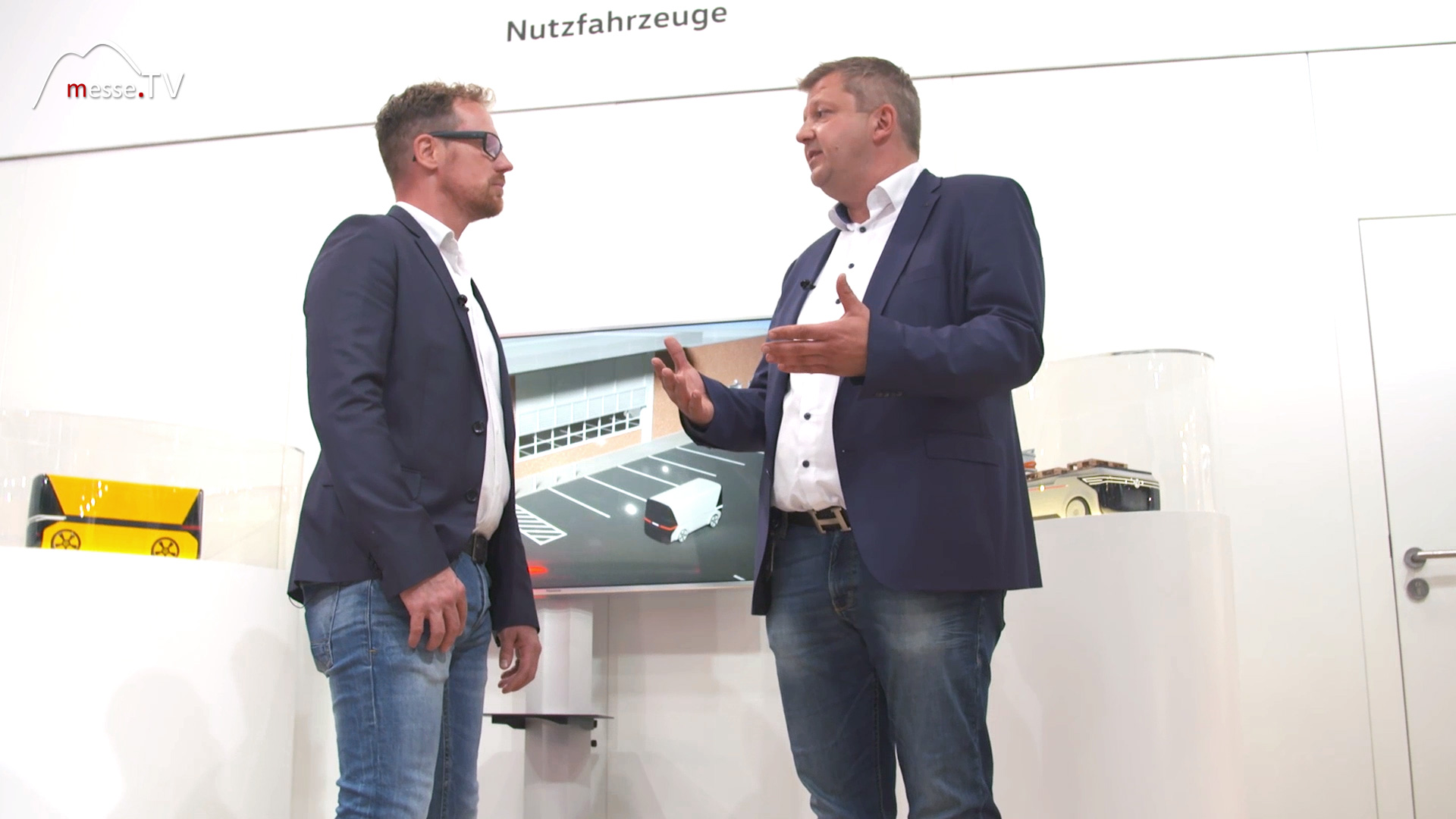
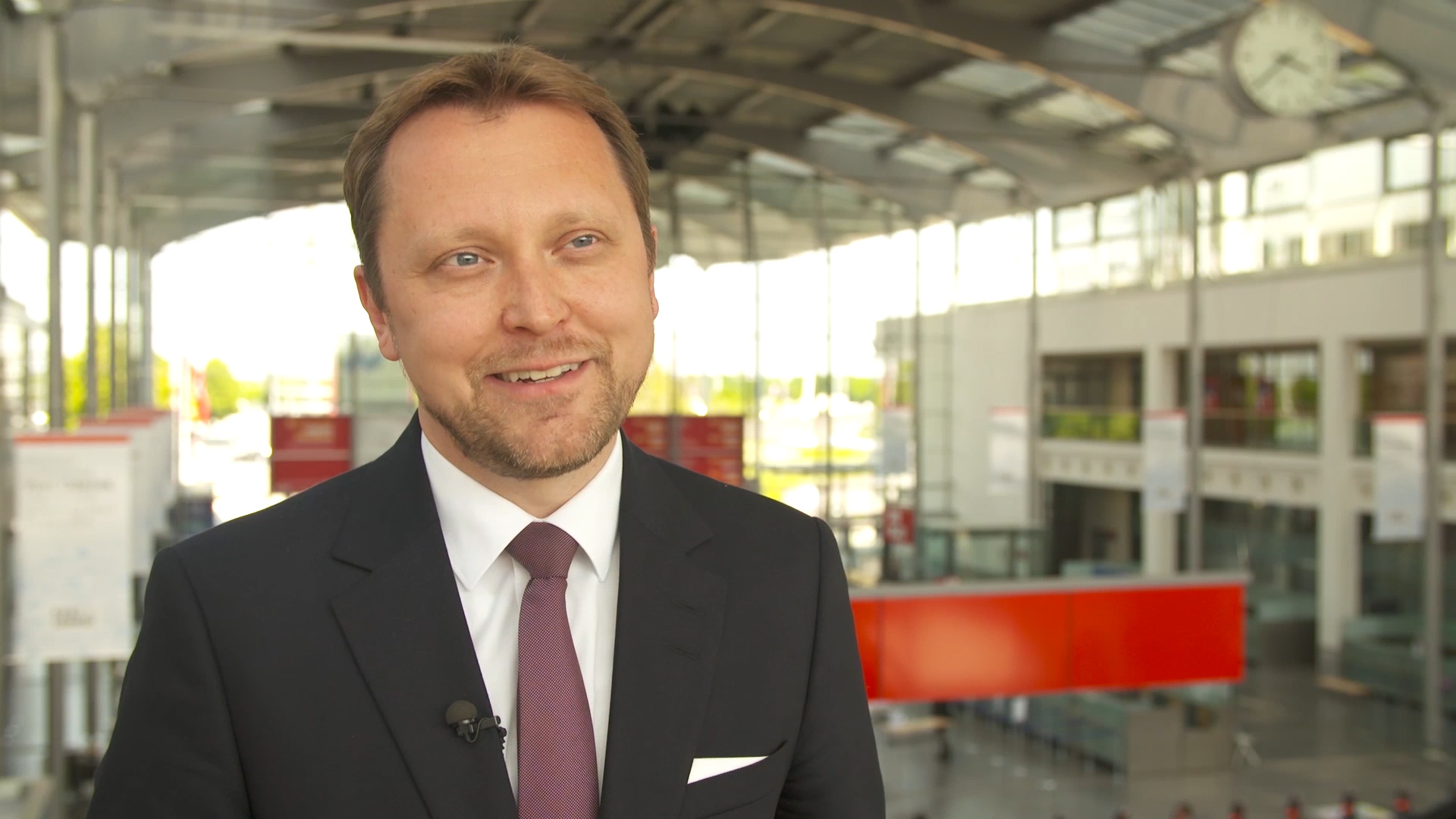
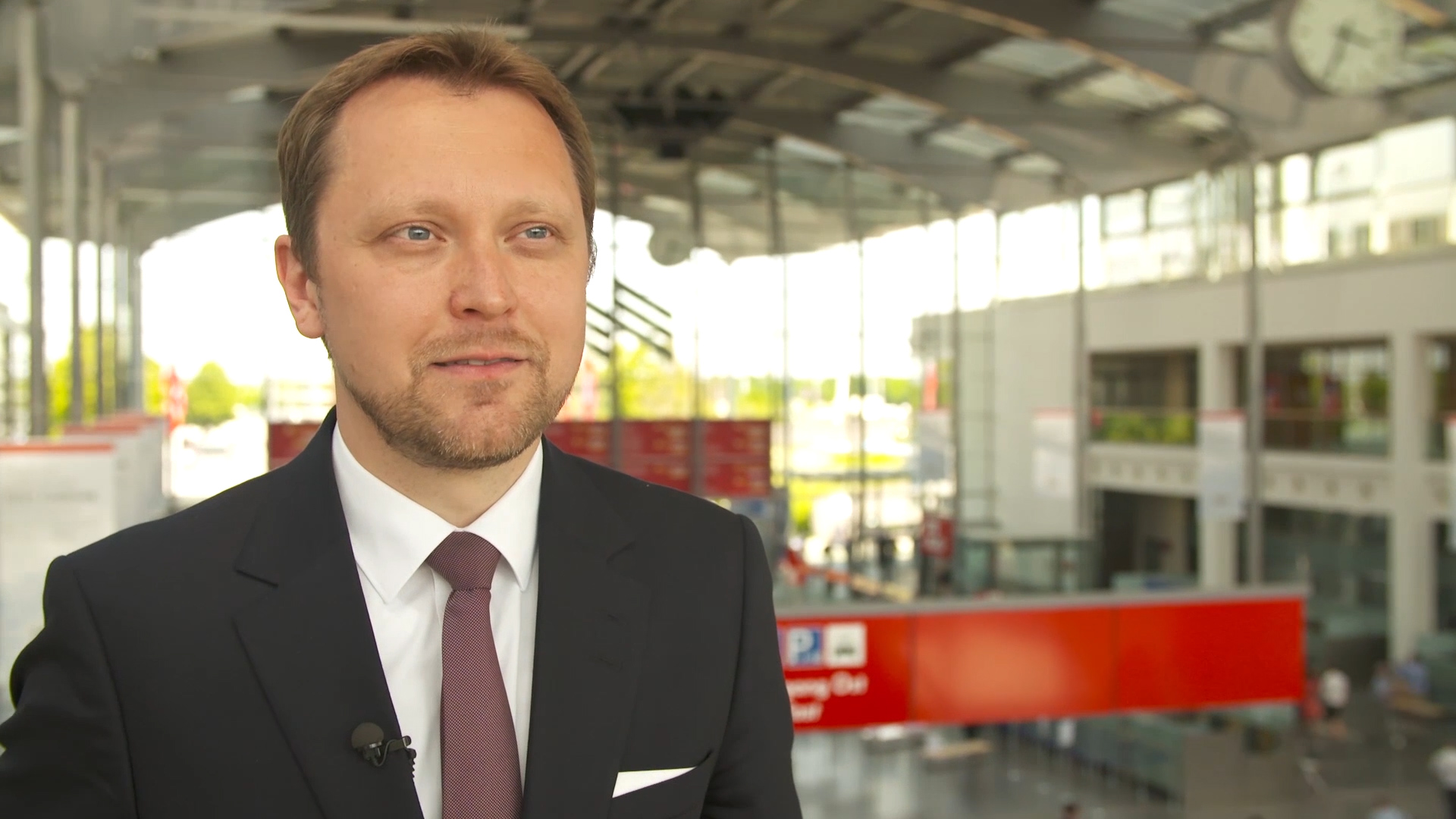
Im Interview beschreibt Stefan Rummel, Geschäftsführer der Messe München, die intensive Auseinandersetzung mit diesem Thema auf aktuellen Fachveranstaltungen. Die Diskussion dreht sich weniger um einzelne Technologien, sondern um die Frage, wie komplexe Abläufe in Städten insgesamt besser organisiert werden können.
Letzte Meile zwischen Effizienz und Akzeptanz
Die zentrale Herausforderung der letzten Meile liegt darin, Lieferprozesse so zu gestalten, dass sie effizient funktionieren und zugleich gesellschaftlich akzeptiert sind. Geräuscharmut, gebündelte Zustellung und möglichst staufreie Abläufe stehen dabei im Fokus. Gerade in dicht besiedelten Innenstädten stoßen klassische Lieferkonzepte schnell an ihre Grenzen. Die Logistik muss hier neue Wege finden, ohne die Versorgungssicherheit zu gefährden. Dabei zeigt sich, dass technische Lösungen allein nicht ausreichen. Elektrofahrzeuge oder alternative Antriebskonzepte sind ein Baustein, lösen aber nicht automatisch Probleme wie Flächenknappheit oder Verkehrsbelastung. Die letzte Meile ist weniger ein technisches als ein strukturelles Thema.
Rolle der Kommunen und urbaner Logistikimmobilien
Ein wesentlicher Punkt in der Diskussion ist die Einbindung der Kommunen. Städte und Gemeinden bestimmen über Verkehrsführung, Ladezonen, Zufahrtsbeschränkungen und Flächennutzung. Ohne ihre aktive Mitwirkung lassen sich neue Konzepte kaum umsetzen. Gleichzeitig stehen Kommunen vor dem Spagat, wirtschaftliche Interessen mit Lebensqualität in Einklang zu bringen. Eng damit verbunden ist das Thema urbaner Logistikimmobilien. Dezentrale Umschlagpunkte in Innenstadtnähe gelten als möglicher Schlüssel, um Lieferverkehre zu bündeln und Wege zu verkürzen. Solche Standorte sind jedoch rar und häufig umkämpft, was langfristige Planung und politische Entscheidungen erfordert.
Logistik als Gemeinschaftsaufgabe
Stefan Rummel betont, dass die letzte Meile nur im Zusammenspiel vieler Akteure funktionieren kann. Hersteller, Logistikdienstleister, Immobilienentwickler und öffentliche Hand sind gleichermaßen gefragt. Auf den Plattformen der Messe München wird dieses Zusammenspiel intensiv diskutiert, nicht als theoretisches Modell, sondern anhand konkreter Beispiele aus Städten, die bereits funktionierende Ansätze entwickelt haben. Dabei kristallisieren sich einige Grundprinzipien heraus:
- Bündelung von Lieferverkehren statt Einzelzustellungen
- Einbindung kommunaler Steuerung und Regulierung
- Nutzung stadtnaher Umschlagflächen
- Akzeptanzfördernde, leise Zustellkonzepte

Von erfolgreichen Kommunen lernen
Ein weiterer Aspekt ist der Blick auf Städte, die bereits tragfähige Lösungen umgesetzt haben. Diese Kommunen dienen als Referenz, um zu verstehen, welche Rahmenbedingungen notwendig sind und wo typische Hürden liegen. Der Erfahrungsaustausch spielt dabei eine zentrale Rolle, denn Patentrezepte für jede Stadt gibt es nicht. Aus Sicht der Messe München zeigt sich, dass die Logistikbranche grundsätzlich innovationsbereit ist. Die letzte Meile wird nicht mehr als isoliertes Problem betrachtet, sondern als Teil eines urbanen Gesamtsystems. Entscheidend ist, aus den vielen diskutierten Ansätzen konkrete, übertragbare Lösungen zu entwickeln.
Ausblick auf die weitere Entwicklung
Die letzte Meile bleibt ein zentrales Thema moderner Logistik. Der Druck wächst, praktikable Modelle zu etablieren, die sowohl wirtschaftlich tragfähig als auch gesellschaftlich akzeptiert sind. Veranstaltungen der Messe München bieten hierfür einen wichtigen Rahmen, um Perspektiven zusammenzuführen und Lösungsansätze weiterzuentwickeln. Klar ist: Die Herausforderung der letzten Meile wird nicht durch eine einzelne Innovation gelöst, sondern durch koordinierte Konzepte, die Technik, Stadtplanung und Zusammenarbeit verbinden.
Messe-Berichterstattung bundesweit - Messewissen, Termine & Veranstaltungen


