Transportlogistik als Leitmesse für digitale Mautlösungen
von Andreas Bergmeier - 2024-02-13Die Transportlogistik gilt seit Jahren als zentrale Plattform für die Logistik- und Transportbranche. Hier treffen Anbieter, Entscheider und Anwender zusammen, um über aktuelle Entwicklungen, neue Produkte und technologische Innovationen zu sprechen. Gerade für Unternehmen, die im Bereich Abrechnung, Services und digitale Infrastruktur tätig sind, ist diese Messe ein wichtiger Ort, um Lösungen im realen Marktumfeld zu zeigen. Sichtbarkeit allein reicht dabei nicht aus. Gefragt sind konkrete Anwendungen, die bestehende Probleme vereinfachen und Prozesse spürbar effizienter machen.
Für große Anbieter von Tankkarten und Mautabrechnung ist die Transportlogistik daher weit mehr als ein Pflichttermin. Sie ist ein Schaufenster für neue Systeme, die den Alltag von Fahrern, Fuhrparkleitern und Unternehmen gleichermaßen betreffen. Im Mittelpunkt stehen dabei Produkte, die Komplexität reduzieren und grenzüberschreitenden Verkehr einfacher organisierbar machen.
Aral als Anbieter für Tankkarten und Mautabrechnung
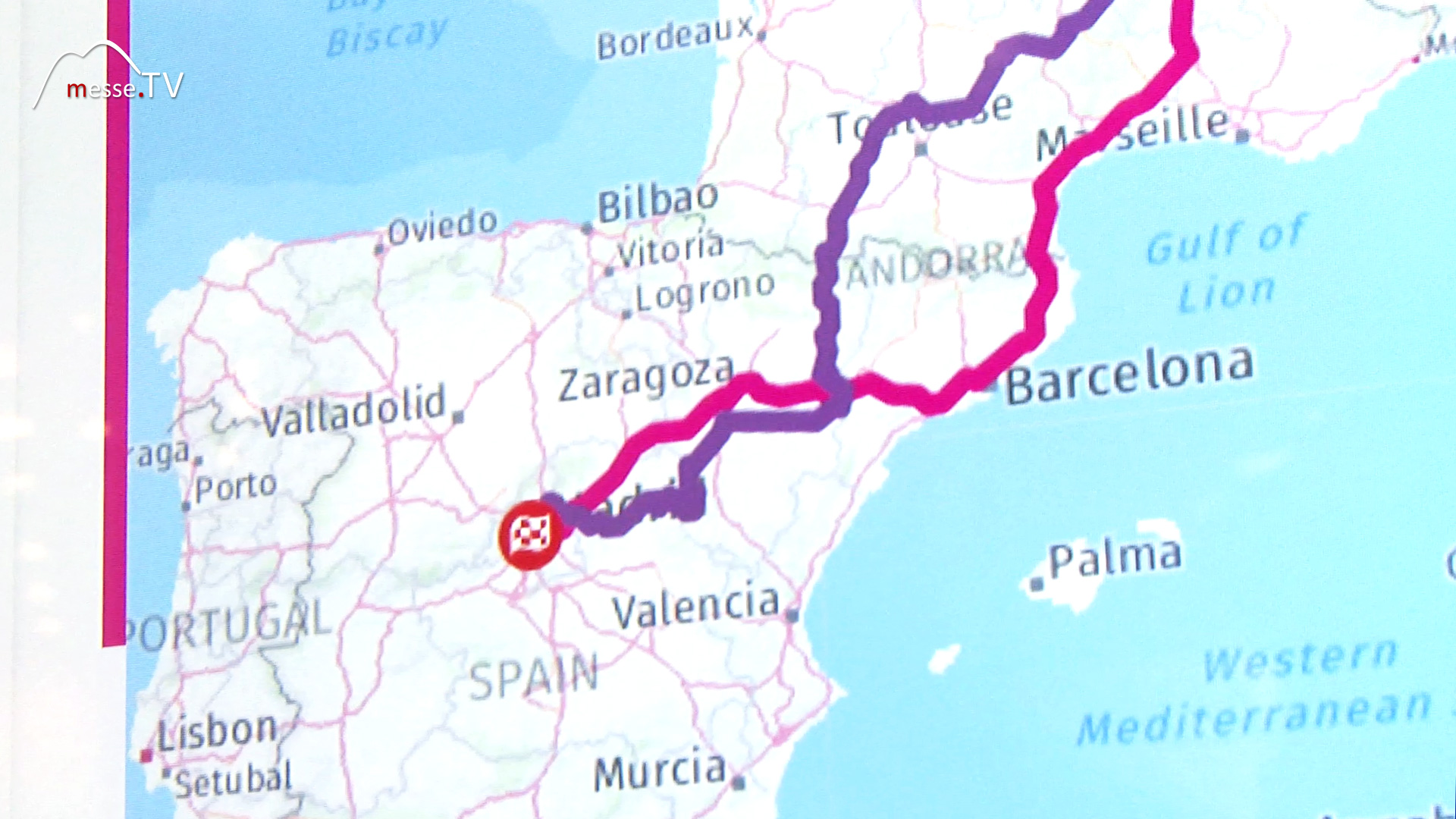
Aral nutzt die Transportlogistik gezielt, um sein Leistungsportfolio im Bereich Mautabrechnung zu präsentieren. Als etablierter Akteur mit breiter Marktpräsenz richtet sich der Fokus auf Lösungen, die europaweit einsetzbar sind und bestehende Insellösungen ersetzen. Gerade im internationalen Güterverkehr ist die Vielfalt an nationalen Mautsystemen seit Jahren eine Herausforderung. Unterschiedliche technische Standards, separate Geräte und komplexe Abrechnungsmodelle sorgen für zusätzlichen Aufwand. Der Anspruch besteht darin, diese Fragmentierung aufzulösen. Statt vieler paralleler Systeme soll eine einheitliche Lösung den Zugang zu verschiedenen Mautnetzen ermöglichen. Für Speditionen und Logistikunternehmen bedeutet das weniger Verwaltungsaufwand und mehr Transparenz bei den laufenden Kosten.
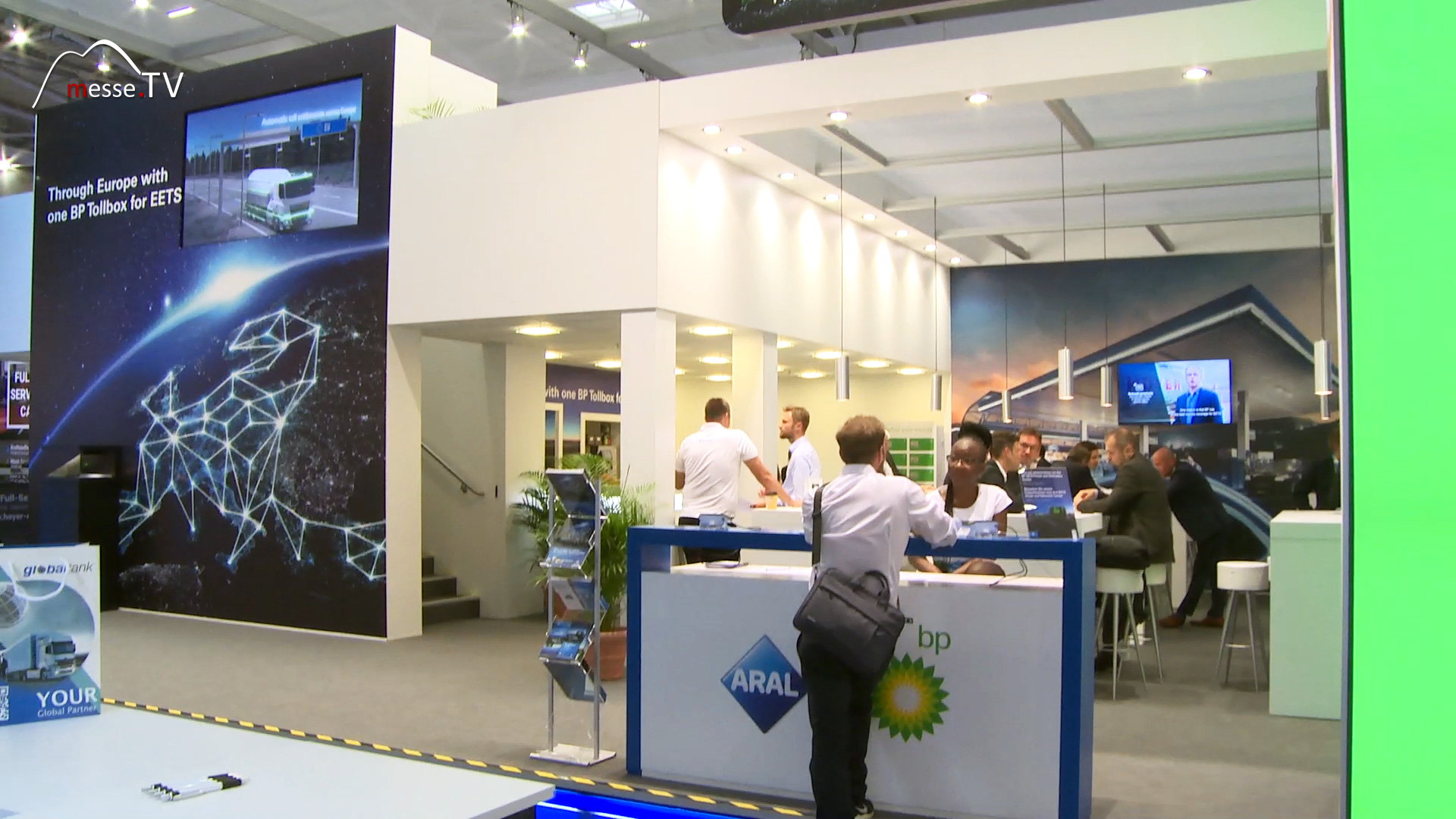

Aral Mautbox als EETS-Lösung für Europa
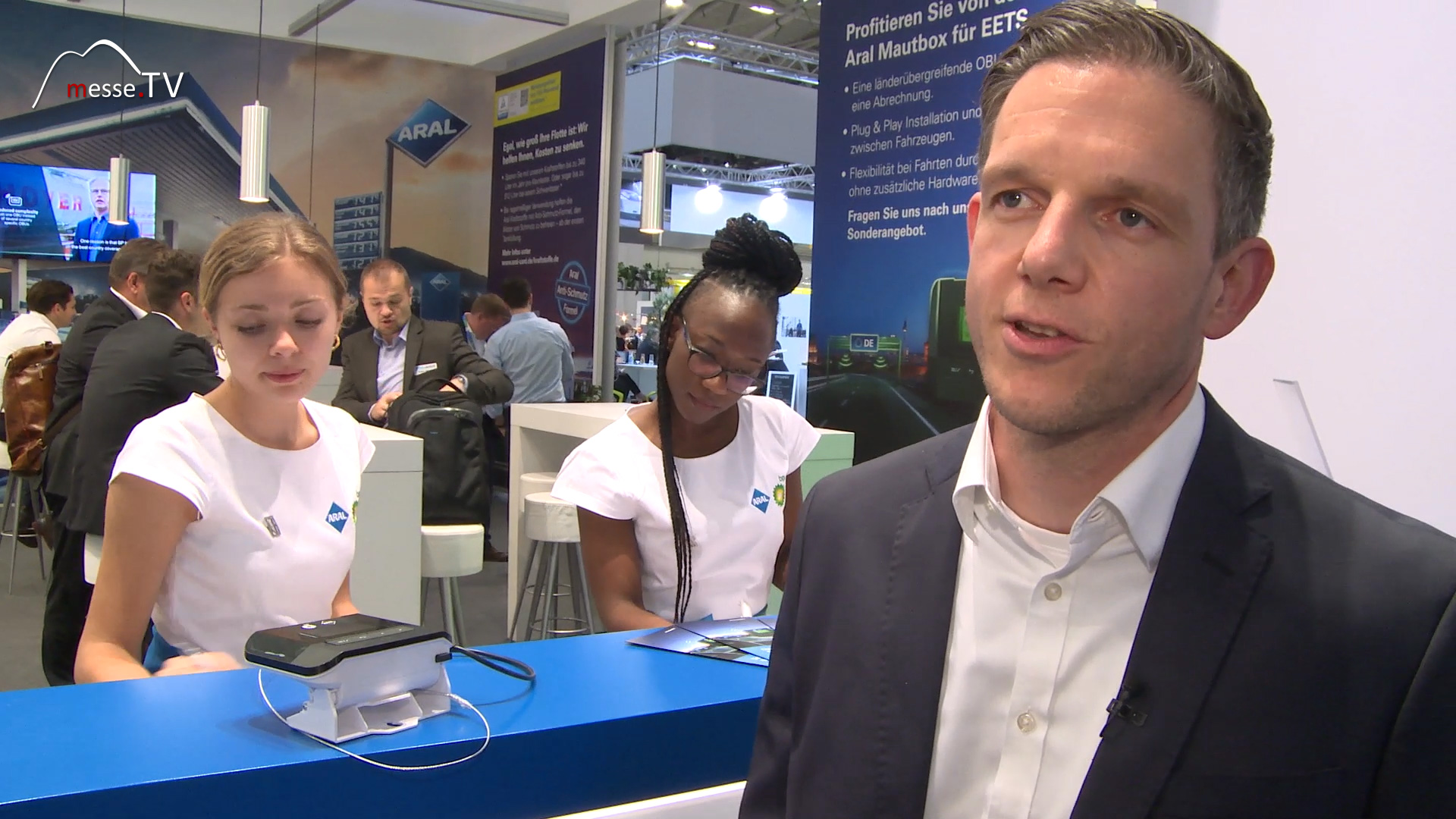
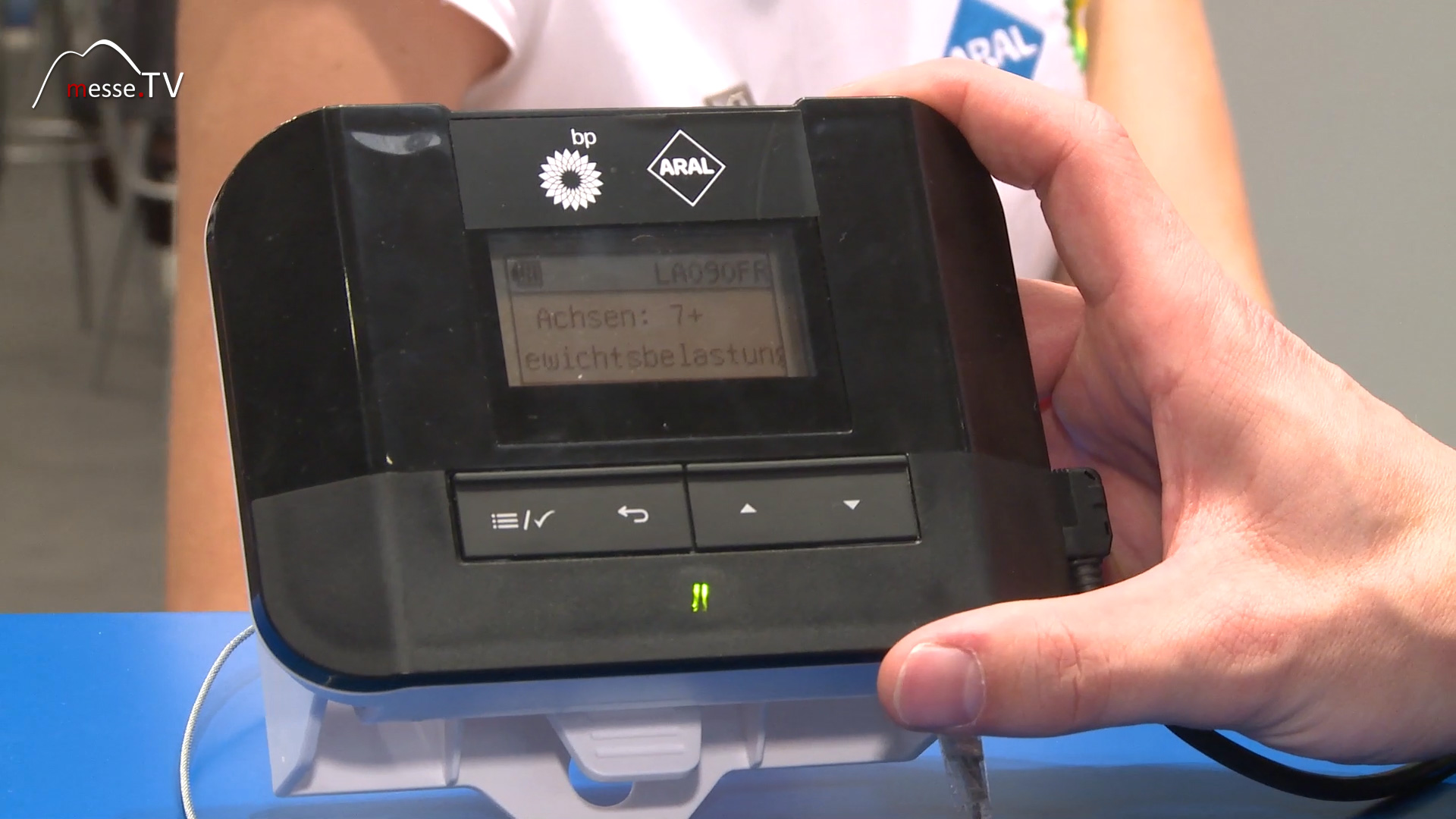
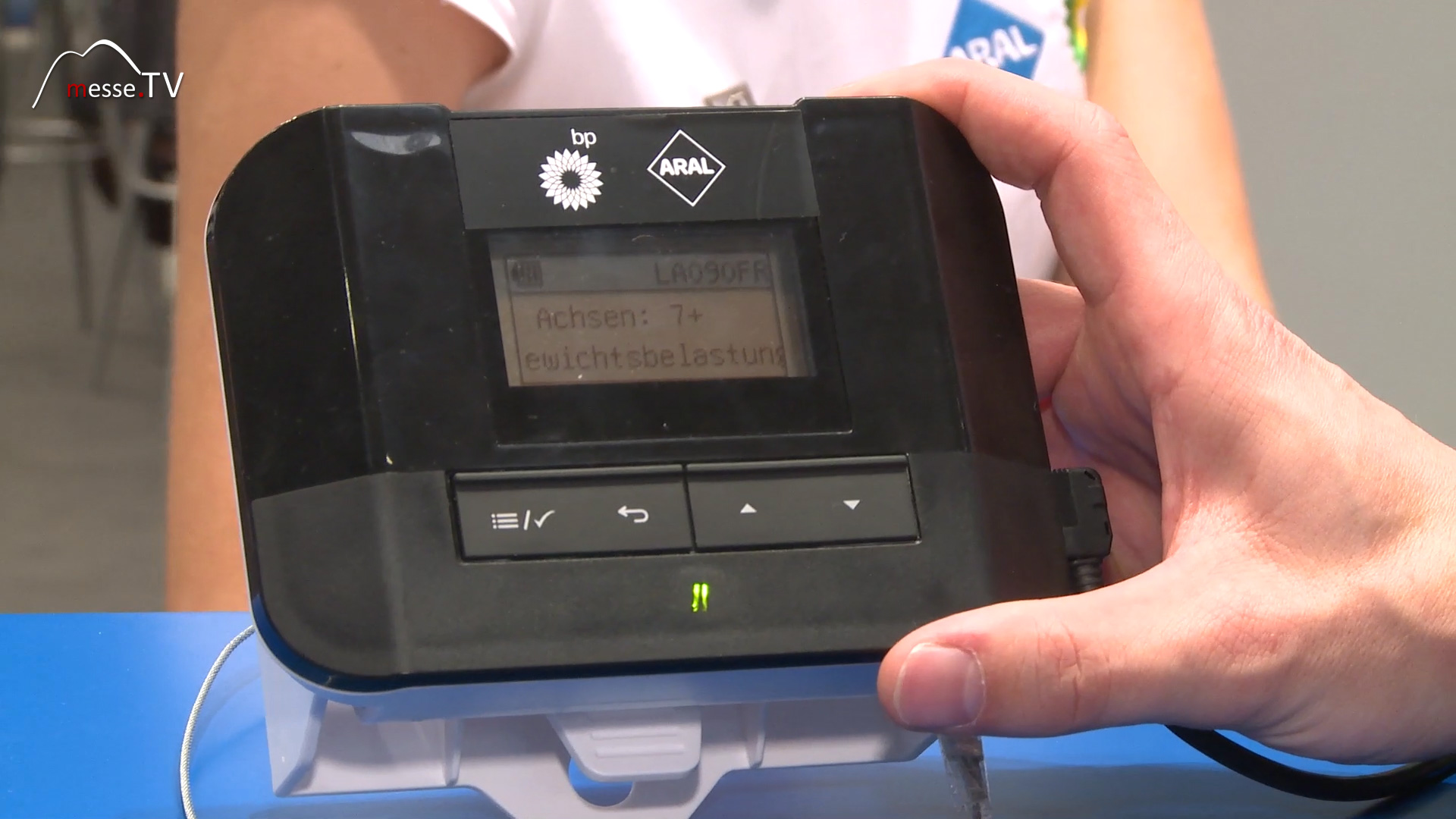
Mit der Aral Mautbox wird auf der Messe eine EETS-fähige Lösung vorgestellt, die nahezu ganz Europa mit nur einem Gerät abdeckt. EETS steht für den europäischen elektronischen Mautdienst und verfolgt genau dieses Ziel: eine Box für mehrere Länder und unterschiedliche Mauttechnologien. In der Praxis ersetzt die Mautbox eine Vielzahl nationaler Geräte, die bislang parallel in der Fahrerkabine installiert werden mussten. In vielen Ländern kommen unterschiedliche technische Verfahren zum Einsatz, etwa satellitengestützte Systeme, Mikrowellentechnik oder andere lokale Standards. Die Mautbox bündelt diese Anforderungen in einem einzigen Gerät. Für Fahrer bedeutet das weniger Hardware an der Windschutzscheibe und damit bessere Übersicht im Fahrzeug. Gleichzeitig sinkt die Fehleranfälligkeit im laufenden Betrieb.
Ersatz der Toll Collect OBU in Deutschland
Ein weiterer zentraler Aspekt ist der Einsatz der Mautbox in Deutschland. Seit Mitte April ersetzt sie dort die bisher genutzte OBU von Toll Collect. Dieser Schritt ist für viele Fuhrparks von besonderer Bedeutung, da Deutschland als Transitland eine Schlüsselrolle im europäischen Straßengüterverkehr spielt. Die Umstellung auf ein alternatives System erfolgt dabei nicht als zusätzlicher Baustein, sondern als vollständiger Ersatz. Für Unternehmen bedeutet das, dass bestehende nationale Lösungen nahtlos in ein europäisches Gesamtsystem integriert werden können. Der Wechsel reduziert die Anzahl der Geräte im Fahrzeug und vereinfacht die technische Ausstattung der Flotte erheblich. Gleichzeitig bleibt die Mautabrechnung zuverlässig und gesetzeskonform.
Einfache Bedienung für Fahrer und Fuhrparkleiter
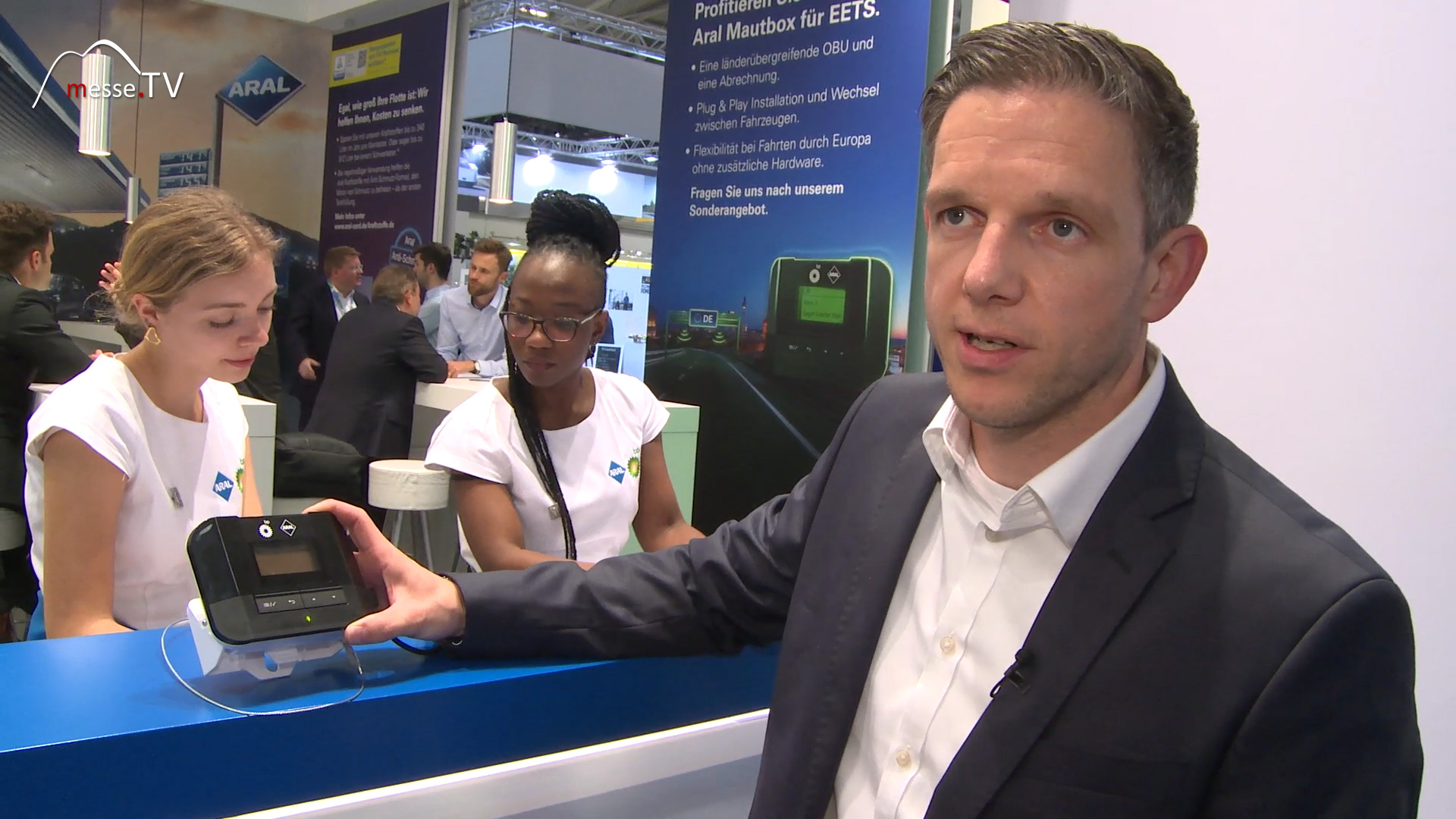
Ein zentrales Argument für die Mautbox ist ihre einfache Handhabung. Für Fahrer ist das System selbsterklärend und erfordert keine aufwendige Schulung. Die automatische Erfassung der Mautstrecken läuft im Hintergrund, ohne dass manuelle Eingriffe notwendig sind. Das reduziert Ablenkung und erhöht die Akzeptanz im täglichen Einsatz. Auch für Fuhrparkleiter ergeben sich Vorteile. Die Verwaltung der Fahrzeuge wird übersichtlicher, da nur noch ein System betreut werden muss. Abrechnungen lassen sich zentral bündeln, was den administrativen Aufwand spürbar senkt. Zudem bietet die Lösung Potenzial für Kosteneinsparungen, etwa durch den Wegfall mehrerer Kautionen für unterschiedliche nationale Boxen.
- Abdeckung zahlreicher europäischer Länder mit einer Box
- Ersatz mehrerer nationaler Mautgeräte
- Reduzierung von Hardware im Fahrzeug
- Vereinfachte Abrechnung und Verwaltung

Kostenkontrolle und Effizienz im internationalen Verkehr
Neben der technischen Vereinfachung spielt die wirtschaftliche Perspektive eine wichtige Rolle. Internationale Transporte sind kostenintensiv, und Mautgebühren zählen zu den relevanten Einflussfaktoren. Eine transparente, gebündelte Abrechnung erleichtert die Kostenkontrolle und unterstützt Unternehmen dabei, ihre Kalkulationen präziser zu gestalten. Die Möglichkeit, mehrere Länder direkt mit einer Box abzudecken, reduziert nicht nur den Verwaltungsaufwand, sondern auch finanzielle Sicherheiten wie Kautionen, die bei einzelnen nationalen Systemen erforderlich sind. Das gebundene Kapital kann stattdessen für operative Zwecke genutzt werden.
Transportlogistik als Bühne für praxisnahe Innovationen
Die Präsentation solcher Lösungen auf der Transportlogistik zeigt, welche Rolle die Messe als Leitveranstaltung einnimmt. Hier geht es nicht um abstrakte Zukunftsvisionen, sondern um marktreife Produkte mit direktem Nutzen. Die Verbindung aus technischer Innovation, einfacher Bedienung und wirtschaftlichem Mehrwert macht deutlich, warum integrierte Mautlösungen für den europäischen Güterverkehr an Bedeutung gewinnen. Die Transportlogistik bietet damit den Rahmen, um genau diese Entwicklungen sichtbar zu machen und mit Anwendern zu diskutieren. Lösungen wie die Aral Mautbox stehen exemplarisch für den Trend, Komplexität zu reduzieren und grenzüberschreitende Mobilität effizienter zu gestalten.









Messe-Berichterstattung bundesweit - Messewissen, Termine & Veranstaltungen


