Elektromobilität letzte Meile bei VW Nutzfahrzeuge
von Andreas Bergmeier - 2024-02-13Elektromobilität ist bei VW Nutzfahrzeuge längst kein abstraktes Zukunftsversprechen mehr, sondern ein konkretes Arbeitsfeld mit klar definierten Einsatzszenarien. Im Mittelpunkt steht dabei vor allem die letzte Meile, also genau jener Abschnitt im urbanen Raum, in dem Lieferverkehre, Handwerksbetriebe und Servicefahrzeuge täglich unterwegs sind.
Hier treffen steigende Umweltauflagen, begrenzte Reichweiten und reale betriebliche Anforderungen unmittelbar aufeinander. Die Antworten darauf fallen nüchtern, praxisorientiert und deutlich weniger visionär aus, als es Marketingbegriffe oft vermuten lassen.
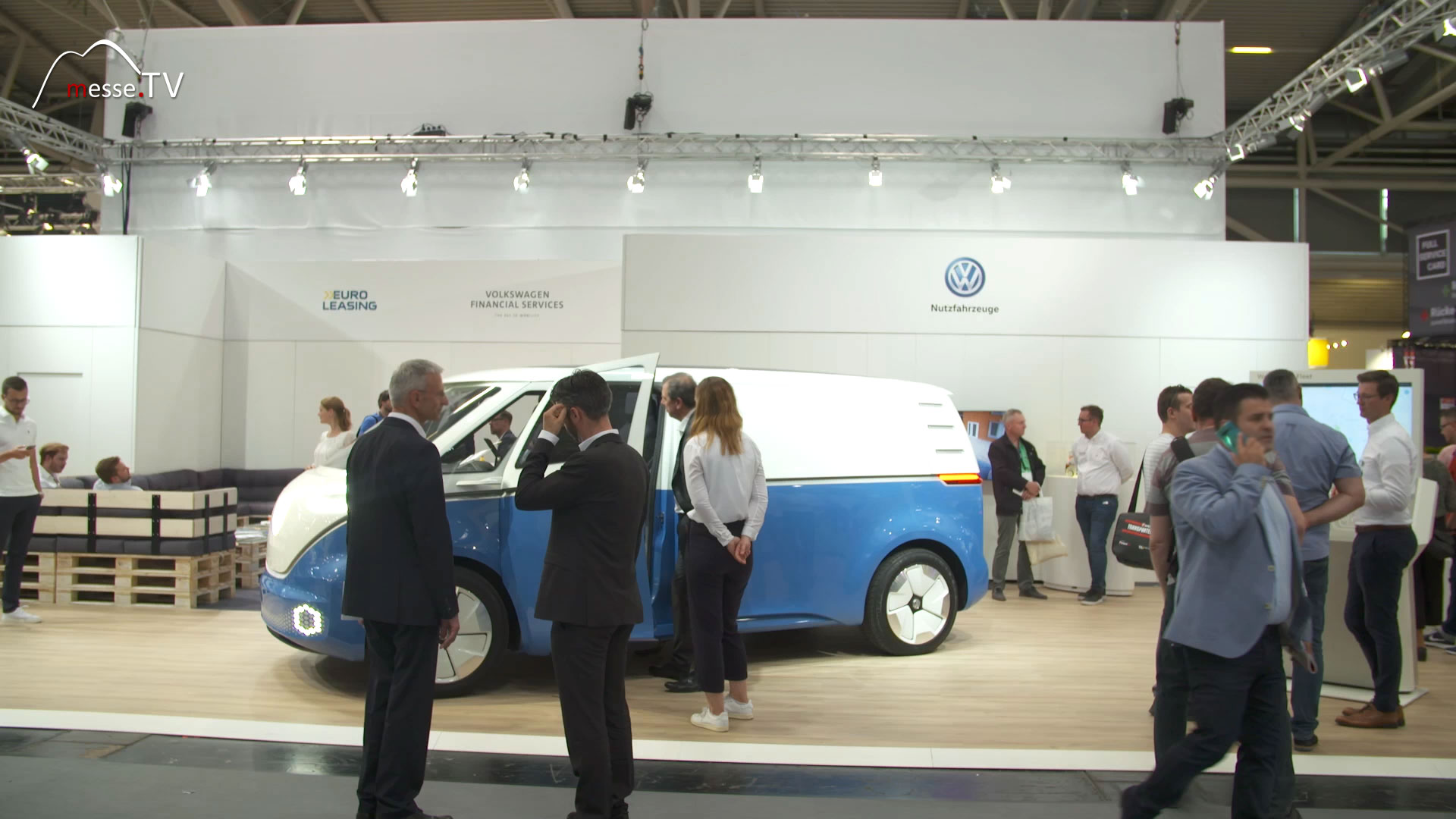
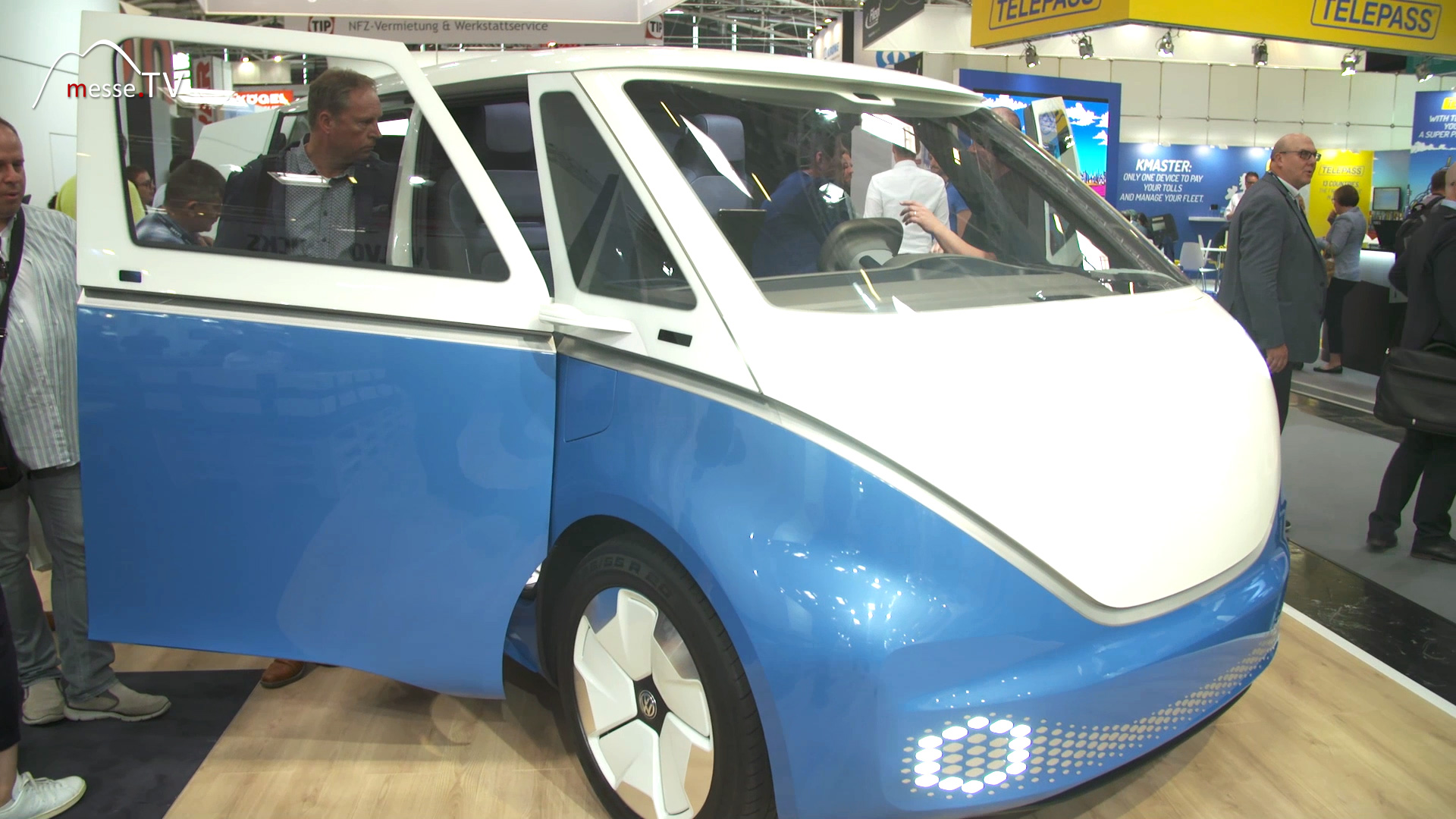
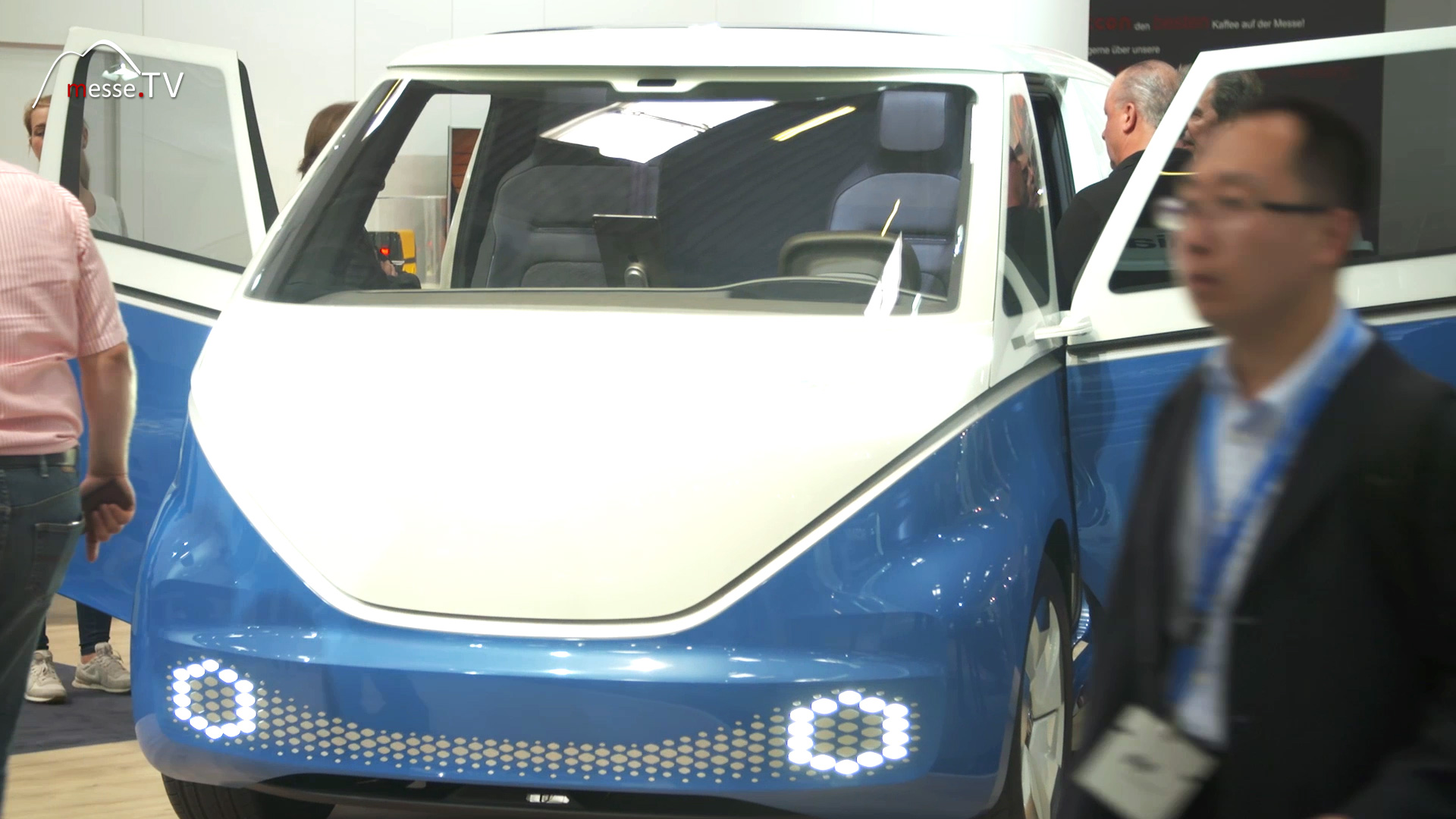
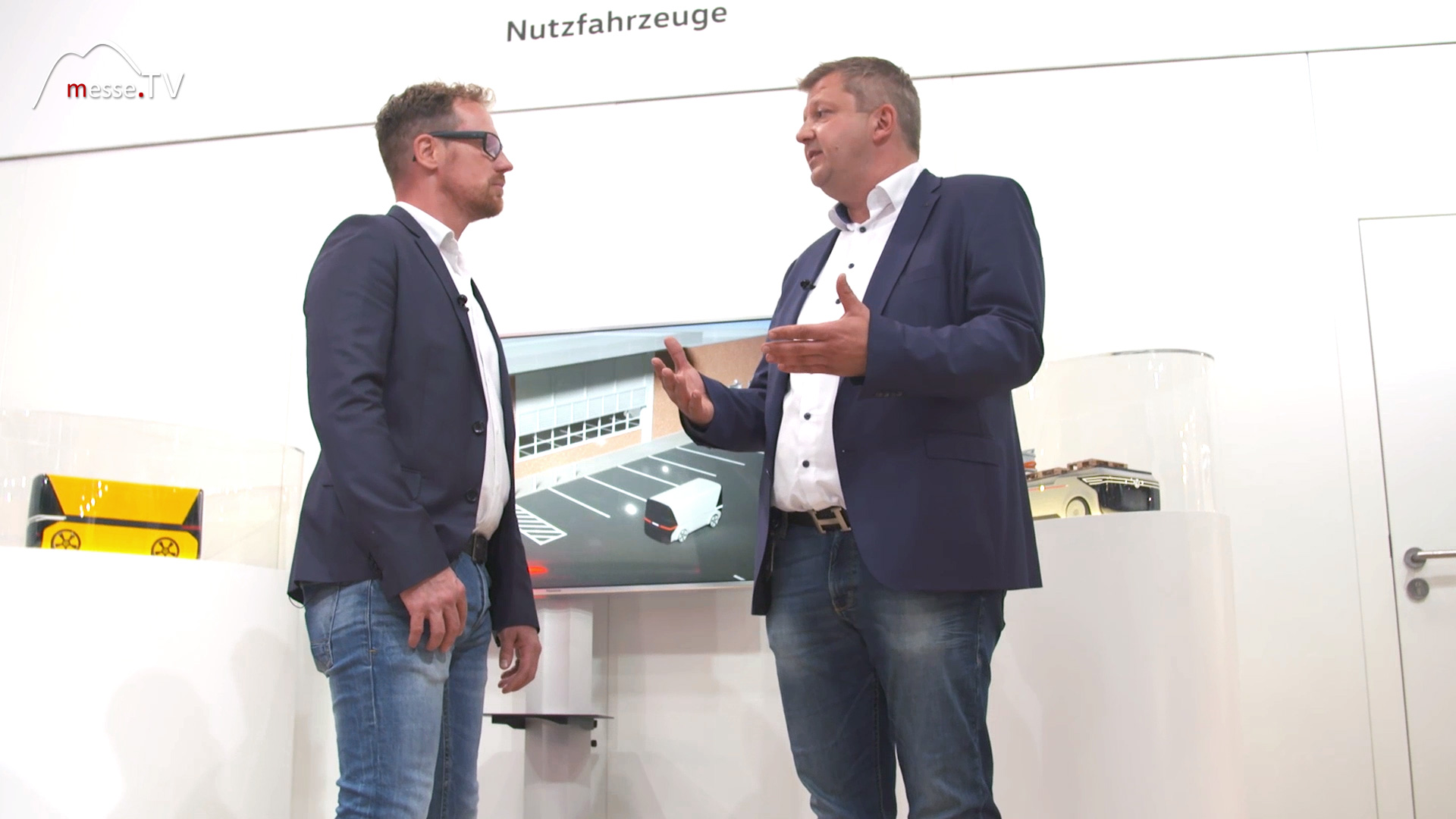
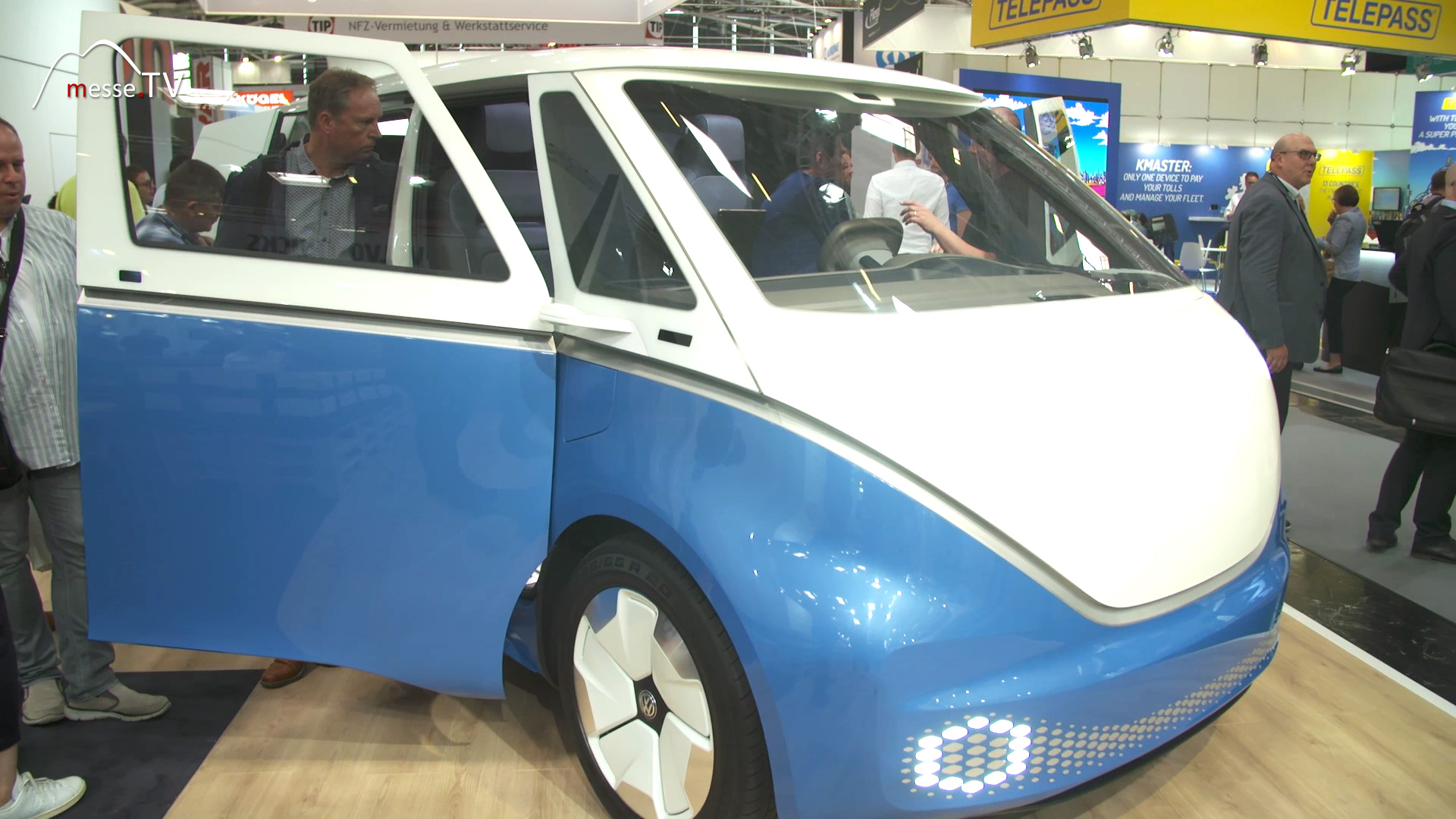
Elektromobilität sichtbar gemacht am I.D. Buzz Cargo
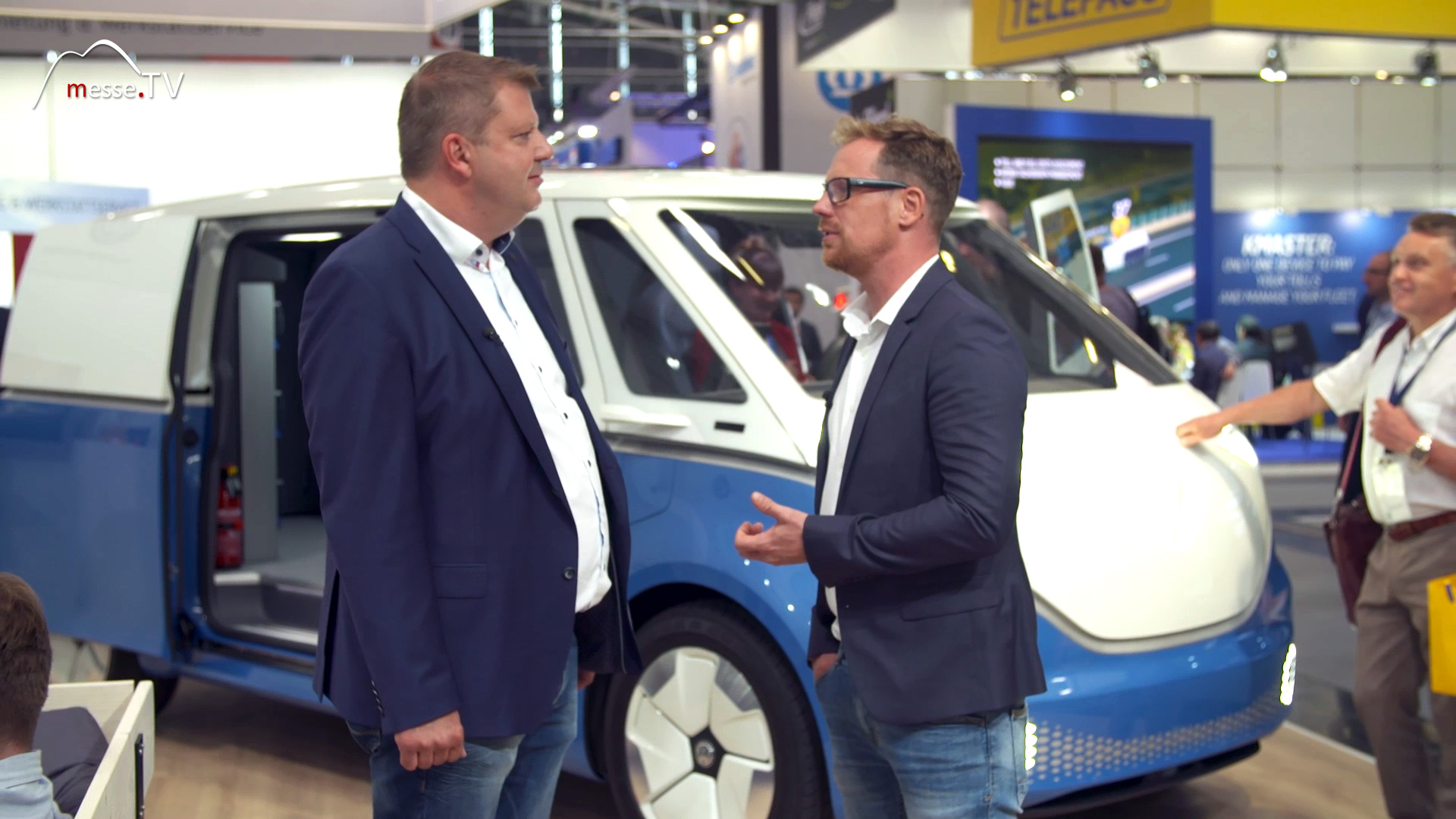
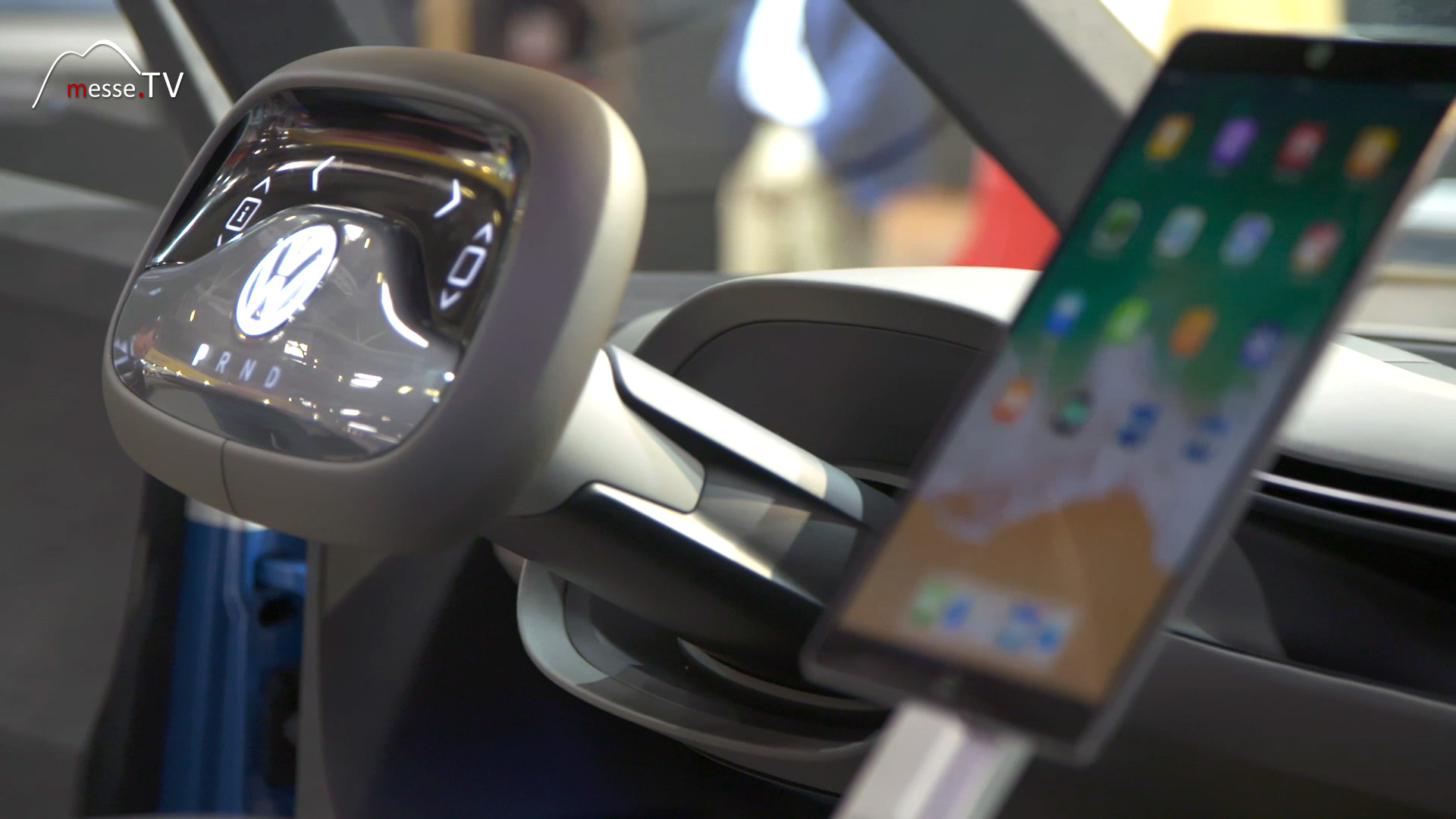
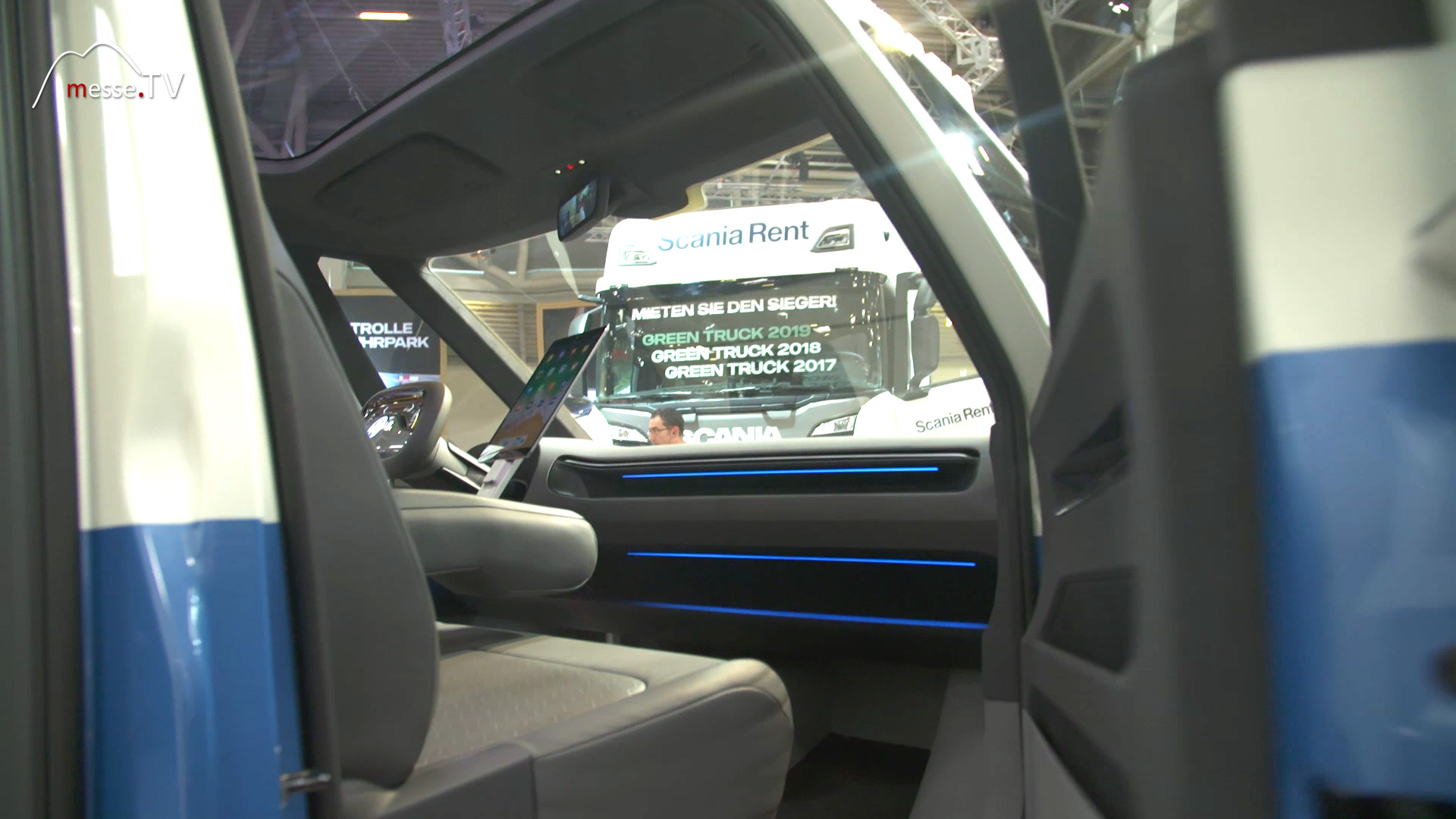
Mit dem I.D. Buzz Cargo zeigt VW Nutzfahrzeuge eine elektrische Interpretation des klassischen Bulli, die bewusst als Prototyp und Vision positioniert ist. Das Fahrzeug soll perspektivisch als voll elektrischer Transporter für urbane Einsätze dienen. Gedacht ist er für Kunden, die regelmäßig kurze Strecken fahren, häufig anhalten und in sensiblen Stadtbereichen unterwegs sind. Genau hier spielt Elektromobilität ihre Stärken aus, ohne unrealistische Erwartungen zu wecken. Der I.D. Buzz Cargo steht damit weniger für maximale Reichweite oder Fernverkehr, sondern für einen klar abgegrenzten Einsatzzweck. Er soll Handwerker, Lieferdienste und urbane Flotten ansprechen, die ihre Fahrzeuge planbar einsetzen und Ladezeiten in den Arbeitsalltag integrieren können. Der elektrische Antrieb ist dabei nicht Selbstzweck, sondern funktionales Mittel zur Emissionsreduktion in dicht besiedelten Räumen.
E-Crafter als Brücke in die Gegenwart
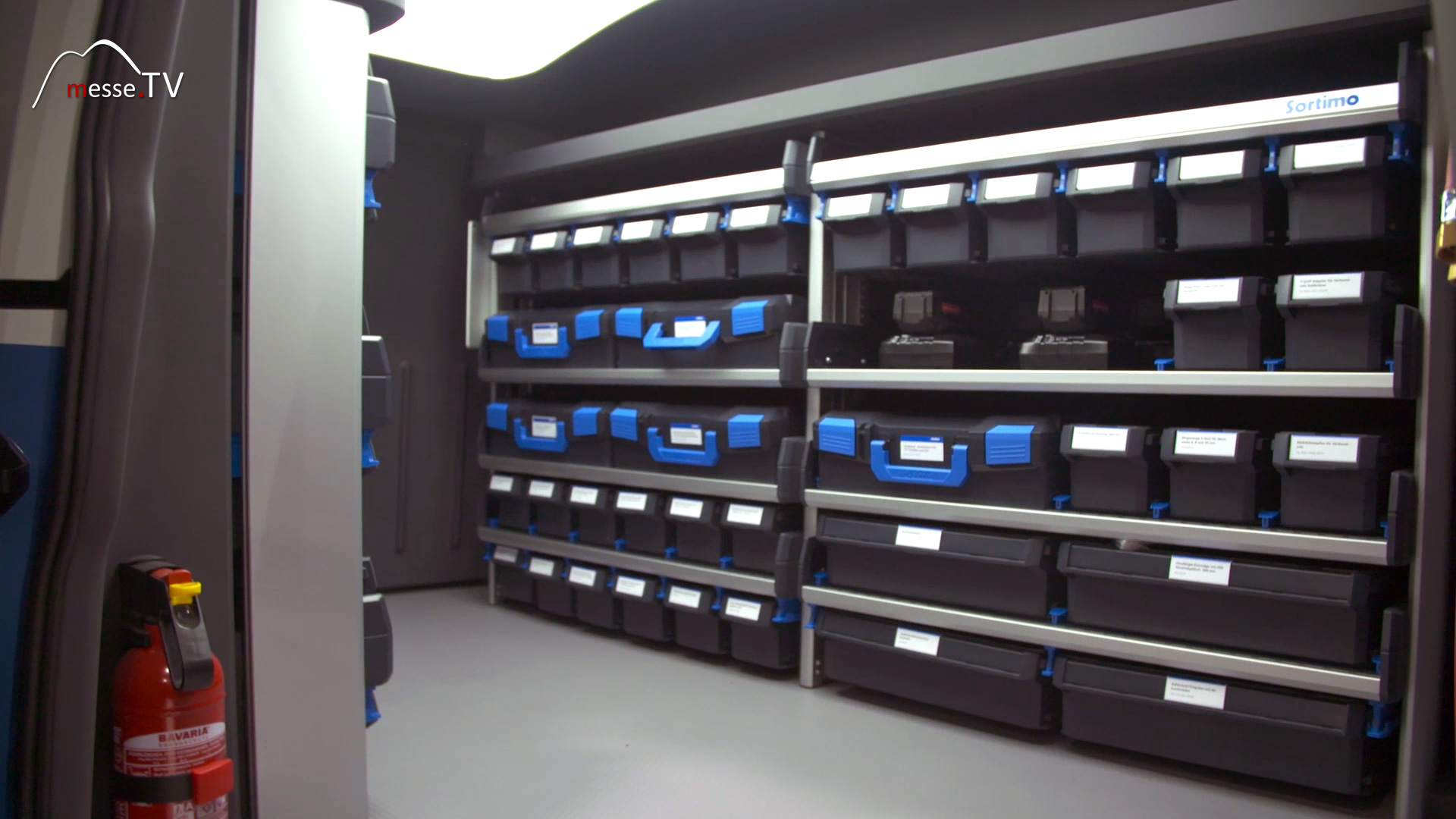
Während der I.D. Buzz Cargo noch als Ausblick dient, ist mit dem e-Crafter bereits ein seriennahes Fahrzeug im Einsatz. Mit einer angegebenen Reichweite, die im realen Betrieb deutlich unter den theoretischen Werten liegt, wird offen kommuniziert, worauf es ankommt: Fahrprofil und Einsatzgebiet. Für den Stadtverkehr, kurze Touren und klar strukturierte Routen ist der e-Crafter eine praktikable Lösung, nicht mehr und nicht weniger. Ein entscheidender Faktor ist die Ladefähigkeit. Dass das Elektroauto innerhalb kurzer Zeit per Gleichstrom wieder einsatzbereit ist, macht Elektromobilität im gewerblichen Alltag überhaupt erst kalkulierbar. Statt Reichweitenangst steht die Frage im Vordergrund, wie Ladefenster sinnvoll in Arbeitsprozesse integriert werden können.
Elektrifizierung der Modellpalette bei VW Nutzfahrzeuge
Die Strategie von VW Nutzfahrzeuge zielt darauf ab, schrittweise alle relevanten Derivate zu elektrifizieren. Neben dem e-Crafter sollen auch weitere Modelle folgen, darunter bekannte Baureihen wie Transporter und Caddy. Dabei wird bewusst mit Partnern gearbeitet, um technologische Lösungen effizient umzusetzen und Entwicklungszeiten realistisch zu halten. Das Ziel ist nicht die vollständige Ablösung konventioneller Antriebe von heute auf morgen, sondern die Schaffung eines Angebots, das unterschiedliche Anforderungen abdeckt. Elektromobilität wird als Baustein verstanden, nicht als alleinige Lösung für jede Transportaufgabe.
Die letzte Meile als sinnvoller Einstieg
Der Fokus auf die letzte Meile ist kein Zufall. Kurze Strecken, planbare Fahrten und häufige Stopps begünstigen den Einsatz elektrischer Nutzfahrzeuge. Gleichzeitig lassen sich hier CO₂-Emissionen besonders effektiv reduzieren, da gerade innerstädtische Verkehre unter besonderer Beobachtung stehen. Typische Einsatzprofile für elektrische Nutzfahrzeuge lassen sich klar benennen:
- Lieferverkehre im urbanen Raum mit festen Touren
- Handwerksbetriebe mit kurzen Anfahrtswegen
- Servicefahrzeuge mit regelmäßigen Standzeiten
- kommunale Einsätze mit klar definierten Einsatzgebieten

Reichweite, Realität und Erwartungsmanagement
Ein zentrales Thema bleibt die Diskrepanz zwischen angegebenen und tatsächlich erreichbaren Reichweiten. VW Nutzfahrzeuge spricht diesen Punkt offen an und verweist auf Fahrverhalten, Beladung und Einsatzprofil. Elektromobilität erfordert ein Umdenken, weg von universeller Einsetzbarkeit hin zu passgenauen Lösungen. Gerade für Betriebe, die täglich viele Kilometer auf der Autobahn zurücklegen, bleibt der Diesel vorerst relevant. Elektromobilität entfaltet ihren Nutzen dort, wo Rahmenbedingungen stimmen und Fahrzeuge nicht als Allrounder missverstanden werden.
Elektromobilität als Antwort auf regulatorischen Druck
Die zunehmenden Anforderungen an CO₂-Reduktion und lokale Emissionsgrenzen lassen Unternehmen kaum Spielraum. Elektromobilität bietet hier eine konkrete Antwort, zumindest für einen Teil der Flotten. VW Nutzfahrzeuge positioniert sich entsprechend als Anbieter, der nicht auf eine einzige Technologie setzt, sondern differenziert auf Marktanforderungen reagiert. Der Blick auf die nächsten Jahre ist geprägt von schrittweiser Umsetzung statt radikaler Umbrüche. Elektromobilität wird dort eingeführt, wo sie heute sinnvoll ist, und weiterentwickelt, wo Technik und Infrastruktur es zulassen. Am Ende zeigt sich ein pragmatisches Bild: Elektromobilität bei VW Nutzfahrzeuge ist weder reines Zukunftsversprechen noch kurzfristiger Ersatz für alle Antriebsformen. Sie ist ein gezieltes Angebot für klar definierte Einsatzbereiche, mit besonderem Fokus auf die letzte Meile und den urbanen Raum. Genau darin liegt ihre Stärke.
Messe-Berichterstattung bundesweit - Messewissen, Termine & Veranstaltungen


