Tyre pressure control systems keep commercial vehicles reliably on the road
by A. Bergmeier - 2024-02-13In transport logistics, a seemingly small component often determines the smooth operation of entire fleets. Tyres are among the most heavily loaded components in trailer operation. They carry loads over long distances, are constantly exposed to changing temperatures and are sensitive to incorrect air pressure.
A gradual loss of pressure often goes unnoticed in everyday use until it leads to breakdowns, downtime or consequential damage. Modern tyre pressure monitoring systems address precisely this issue and pursue a clear goal: to keep vehicles rolling for as long as possible. The requirements of hauliers are clear. Downtime costs money, and unplanned repairs put a strain on schedules and customer relationships. Technical solutions that have a preventive effect and work without additional effort are therefore becoming increasingly important. The trade fair will show how classic chassis technology is evolving towards intelligent systems.

BPW between chassis expertise and system innovation
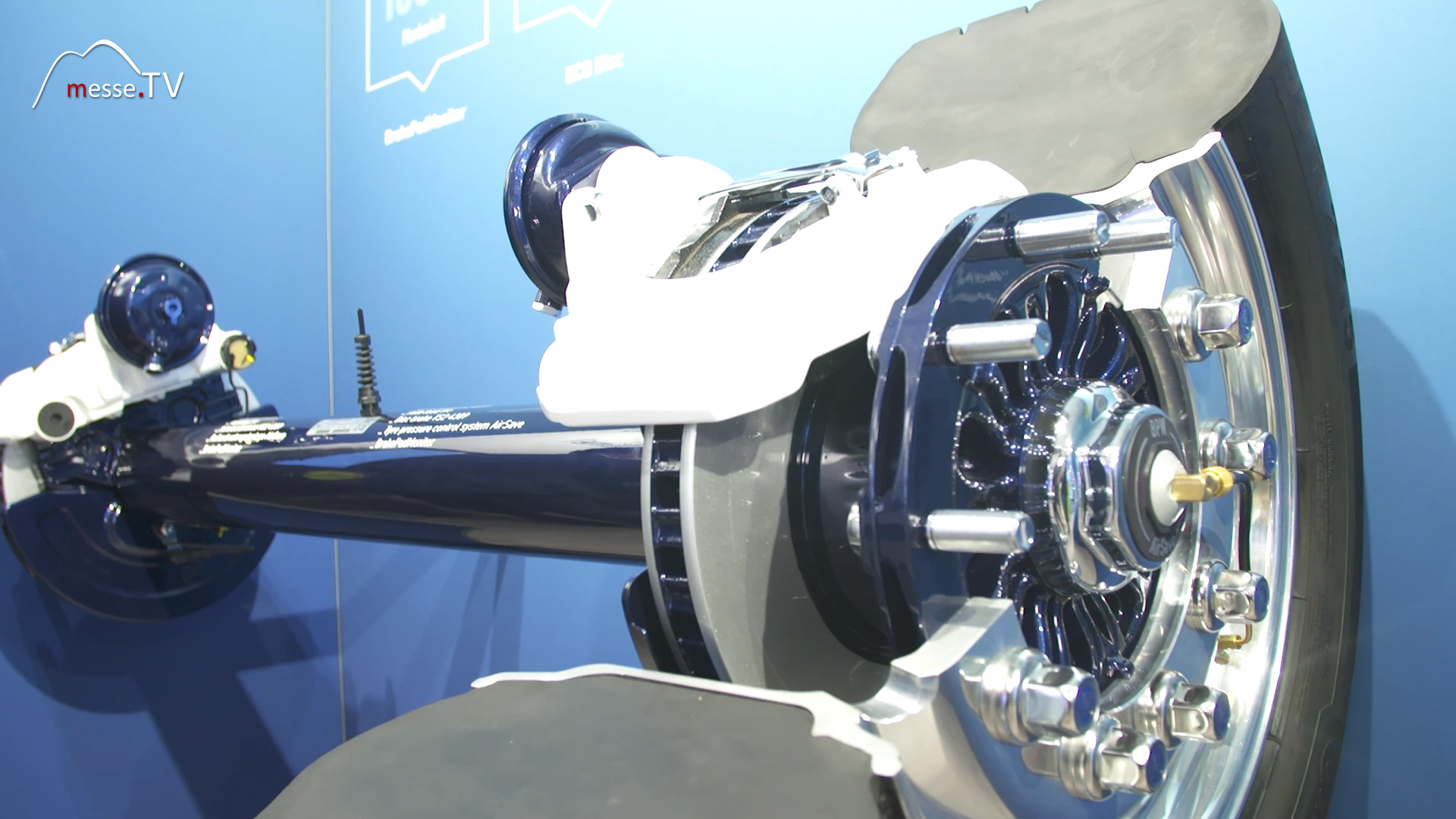
BPW has been closely associated with chassis manufacturing for decades. Axles, chassis components and trailer-related systems form the technical foundation of the company. At the same time, it is clear that this expertise is increasingly being supplemented by digital and mechatronic solutions. Instead of isolated components, the focus is shifting to integrated systems that combine operational reliability and cost-effectiveness. This approach is particularly consistent in the trailer sector. Axles, brakes and tyres interact directly with each other. By focusing on this area, it is possible to achieve significant effects with comparatively little effort. The new tyre pressure control system is an example of how classic mechanics and intelligent control can be combined.
AirSave as a tyre pressure control system for trailer axles
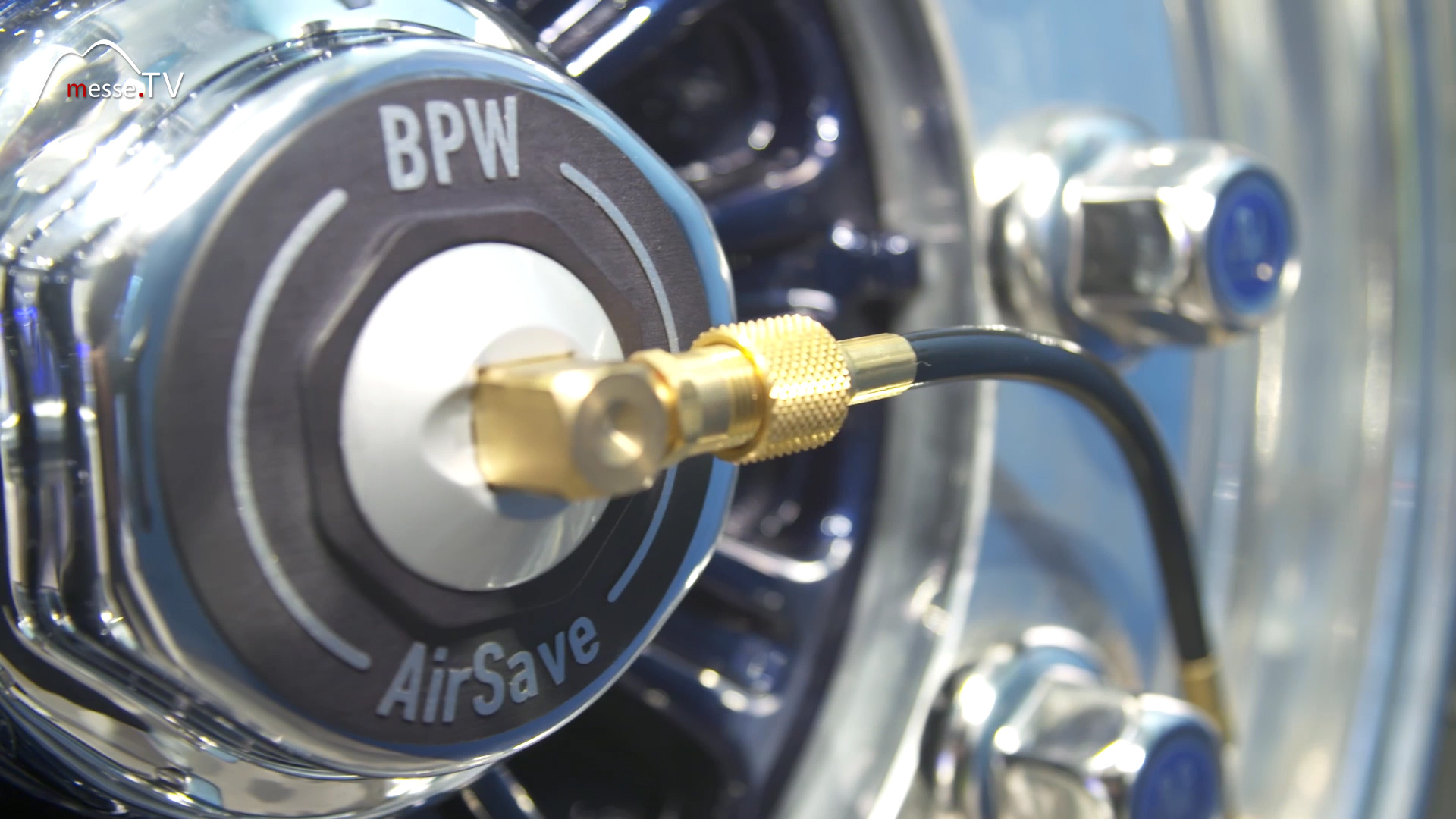
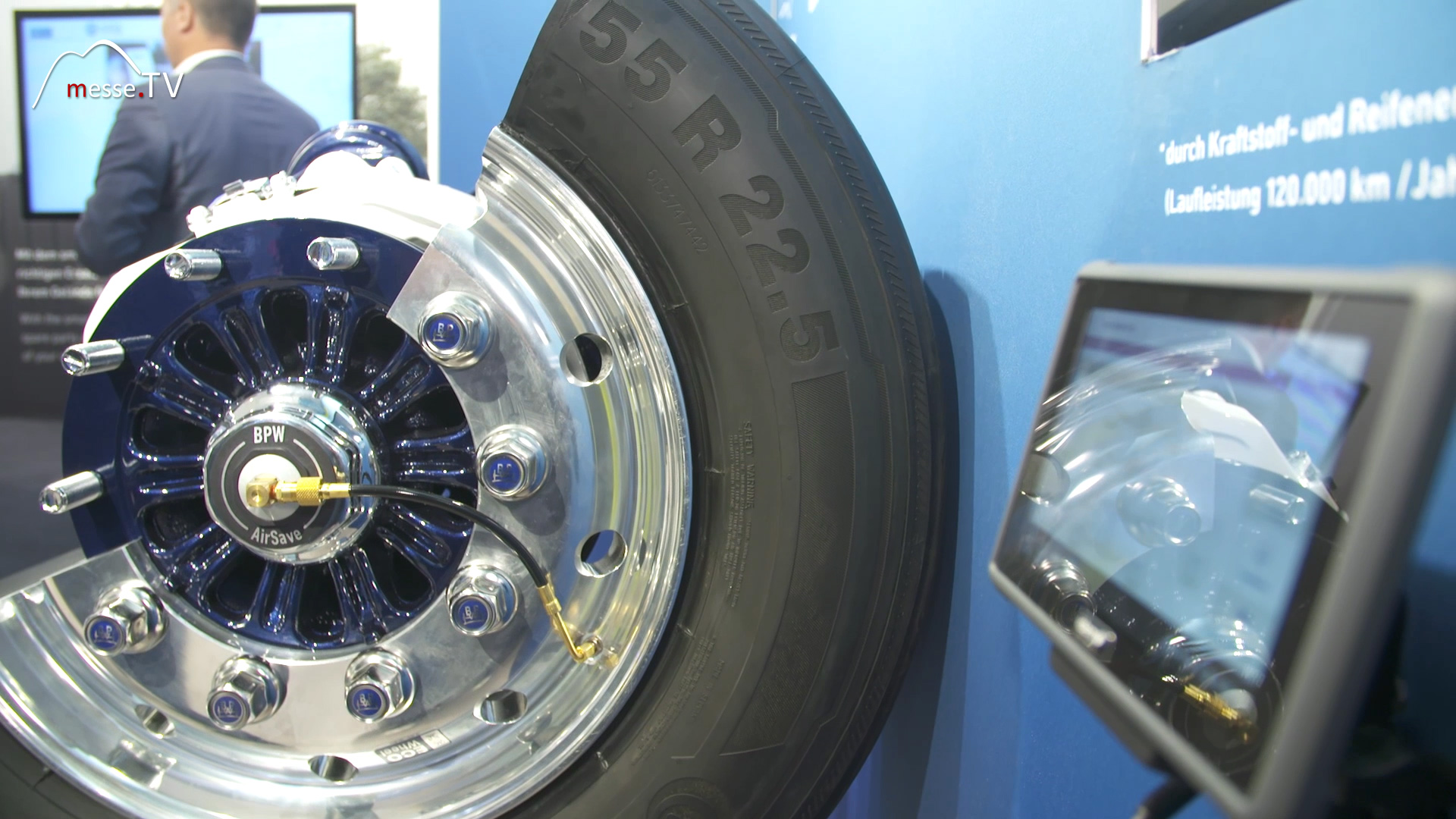
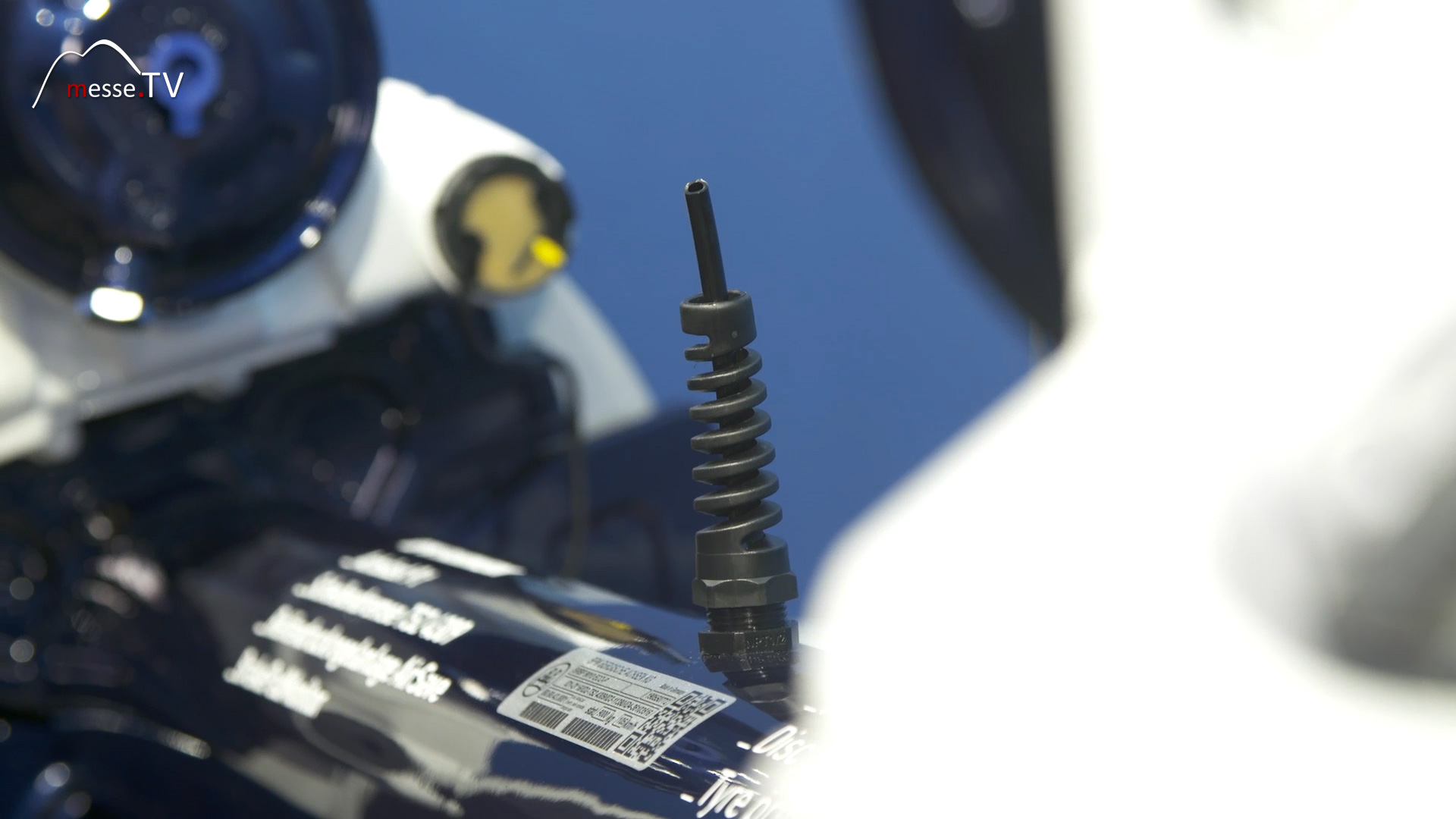
With AirSave, BPW is introducing a tyre pressure control system that is applied directly to the axle. The basic idea is simple: the tyre should always be operated at the preset optimum air pressure. If the pressure drops, it is automatically replenished without the driver having to intervene or even noticing the loss. Technically, the system is connected to the trailer's compressed air tank. This provides a continuous supply of pressure, which is used specifically to regulate the tyre air pressure. Defined presettings can be used to specify the pressure to be maintained during operation. This value is monitored continuously. As soon as deviations occur, the system compensates for them automatically.

Automatic pressure control instead of unplanned breakdowns
The main benefit lies in prevention. A gradual loss of air does not immediately lead to a flat tyre, but it does cause increased flexing, greater wear and tear and higher fuel consumption. If this condition remains undetected, in the worst case scenario it can lead to tyre damage with consequential costs. AirSave intervenes at an early stage. The pressure is not only measured, but also actively regulated. The vehicle remains roadworthy even if minor leaks occur. For hauliers, this means greater trailer availability and fewer unplanned visits to the garage.
Transparency through telematics connection
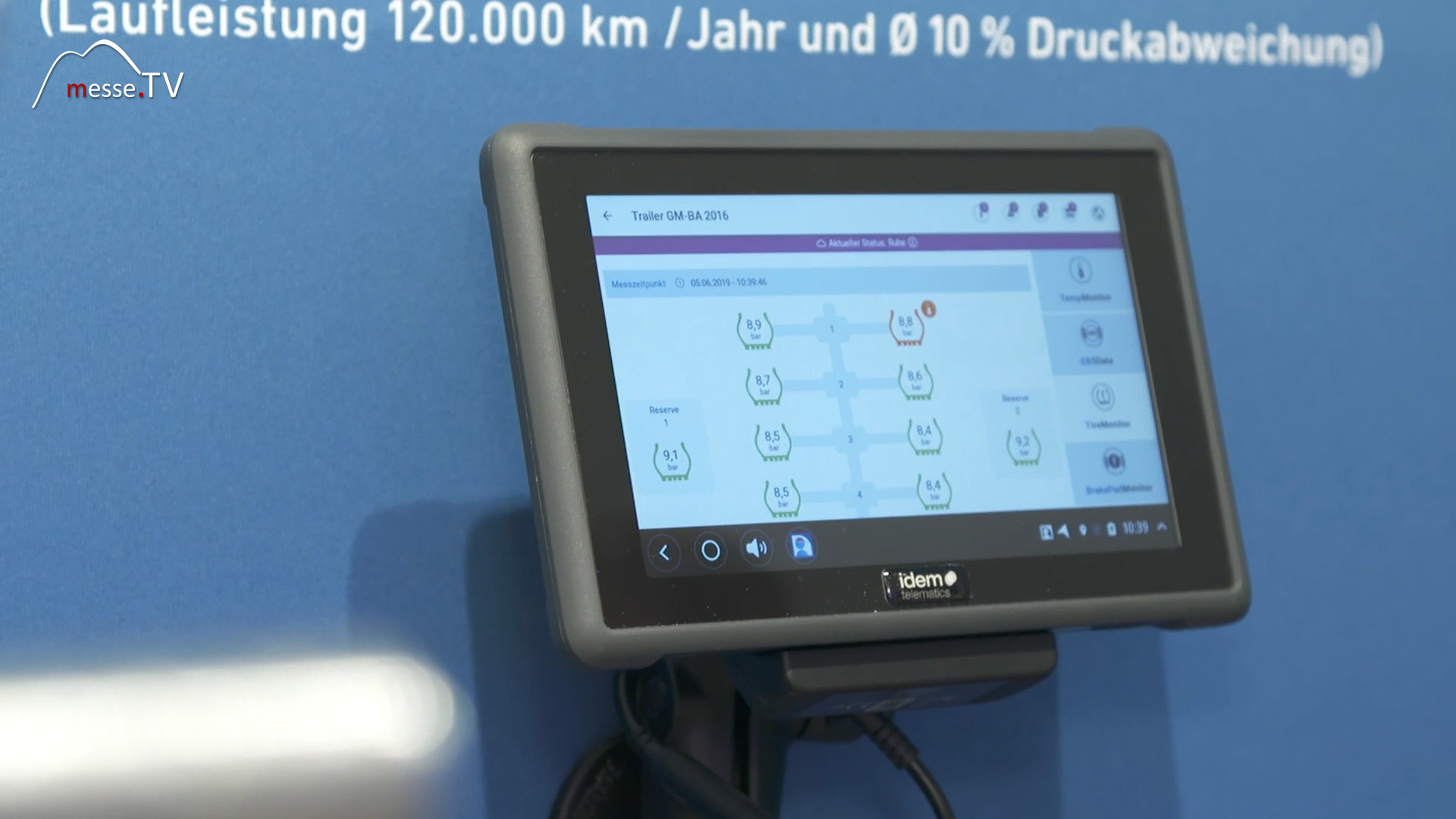
A special feature of the system is its combination with a telematics unit. The pressure conditions are not only regulated automatically, but also visible at all times. Fleet managers receive a continuous overview of the condition of the tyres and can track developments. This transparency significantly enhances the benefits of the system. Tyre pressure is no longer considered a static condition, but a dynamic parameter during operation. Maintenance decisions can be made based on data rather than relying on experience or visual inspections.
- Automatic readjustment of tyre pressure
- Direct connection to the trailer's compressed air tank
- Reduction of unplanned downtime
- Integration into existing telematics systems
Cost-effectiveness and fast amortisation
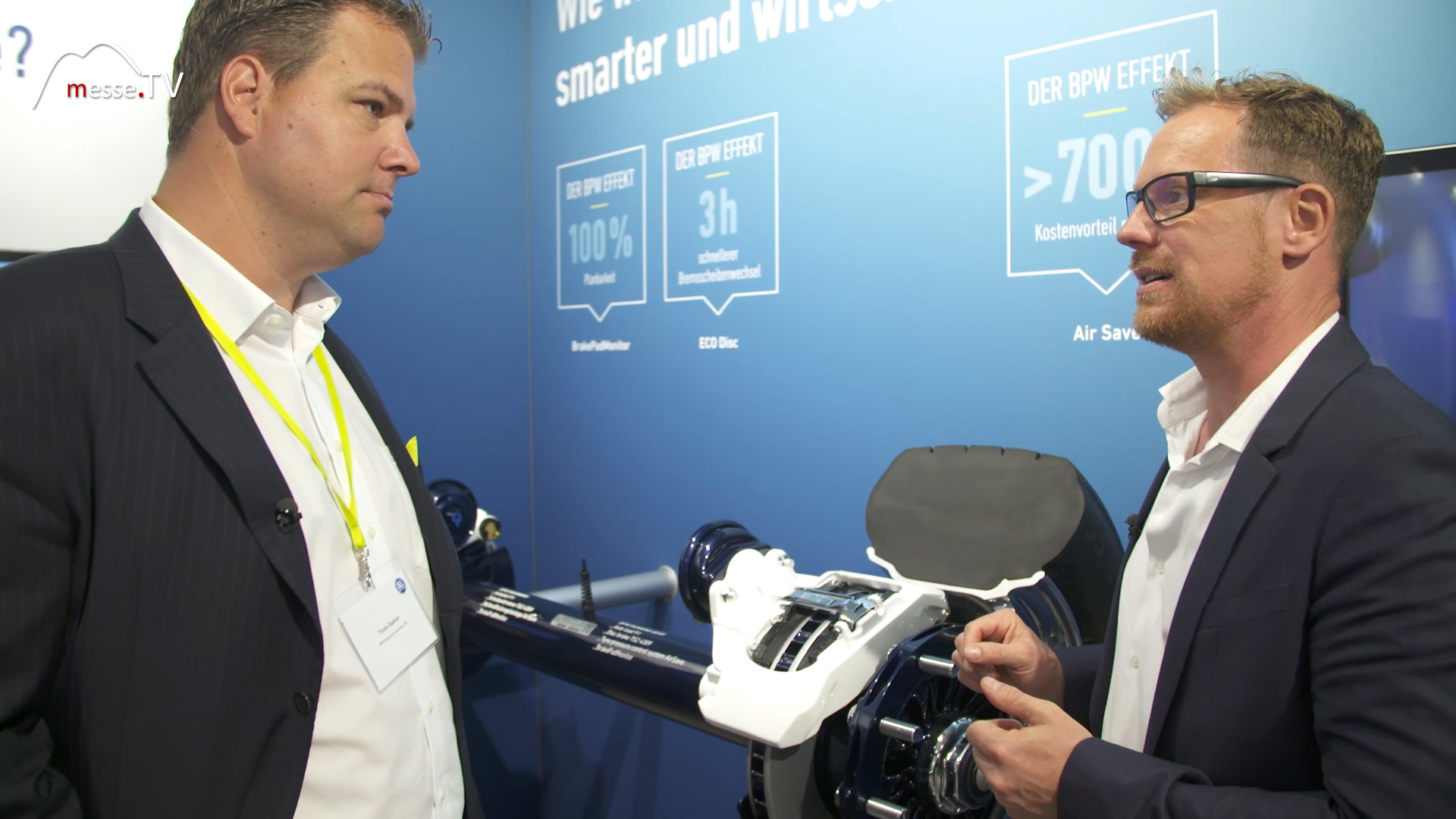
In addition to the technical function, economic considerations play a central role. A tyre pressure control system is an additional investment that must pay off in fleet operation. Factors such as mileage, tyre life and avoided breakdowns are decisive in this respect. In many cases, the calculation is positive. Uniform air pressure extends the life of the tyres and reduces fuel consumption at the same time. Added to this are the avoided follow-up costs due to tyre damage or delayed deliveries. Depending on the annual mileage, such a system can pay for itself within a year.
Tyre pressure as a strategic factor in fleet operation
What used to be considered a minor detail is increasingly becoming a strategic issue. Tyre pressure not only affects safety and wear, but also efficiency and predictability. Systems such as AirSave make this factor manageable without placing an additional burden on the driver. This development shows how classic chassis expertise is being taken to the next level. BPW remains true to its origins, but is expanding them with intelligent solutions that make everyday life noticeably easier for hauliers. The approach of keeping technology as simple and robust as possible, while combining it with digital transparency, meets a real need in the market. Tyre pressure control systems are thus exemplary of a change in the commercial vehicle sector. Instead of reacting to damage, preventive technology is coming to the fore. Vehicles stay on the road longer, processes become more stable and costs are easier to calculate. For transport logistics, this is not a luxury, but a decisive contribution to operational safety.












Trade fair reporting Germany - Trade fair knowledge, dates & events


