Energieversorgung für Akkuzüge als Schlüssel der Schiene
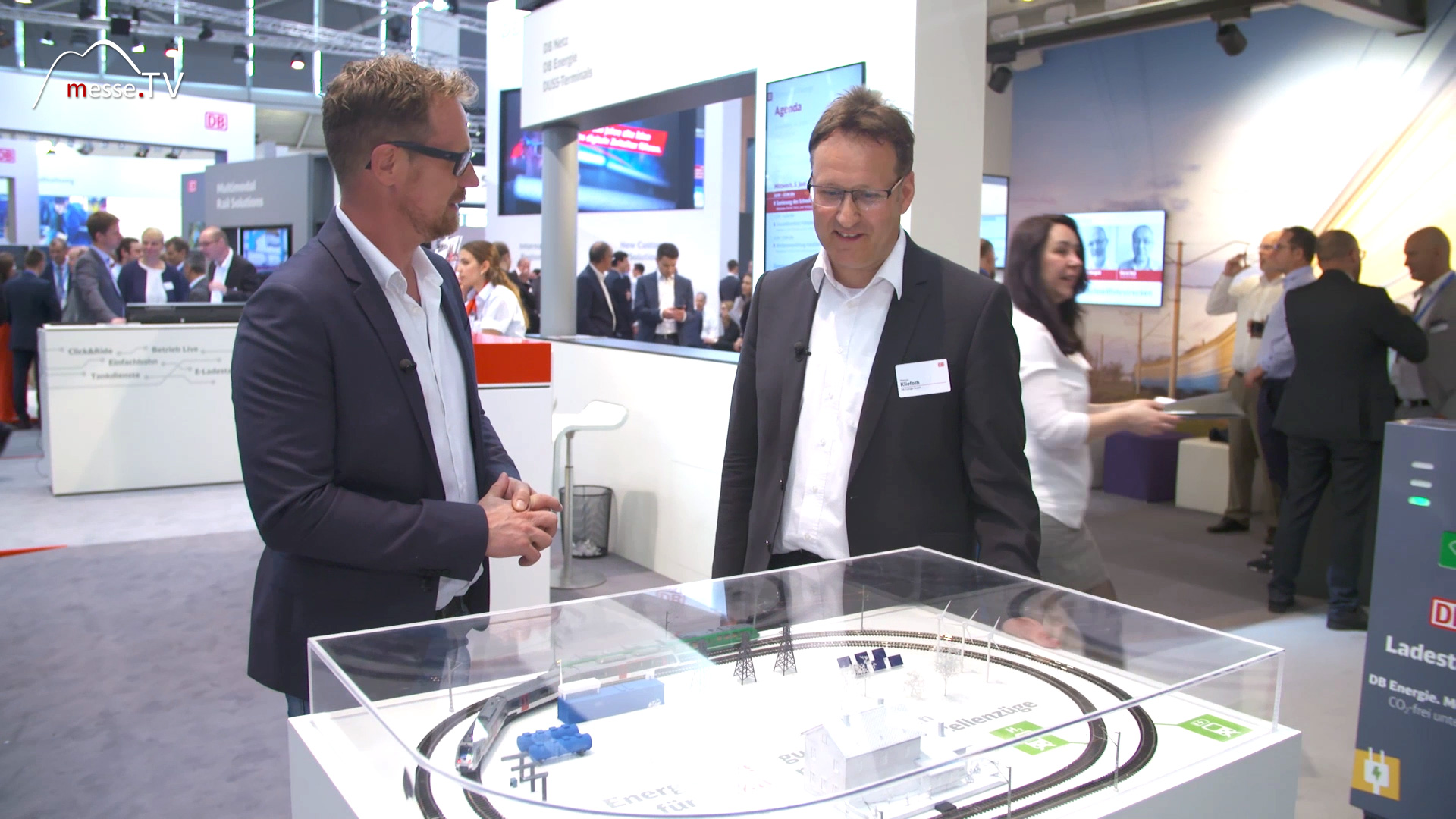
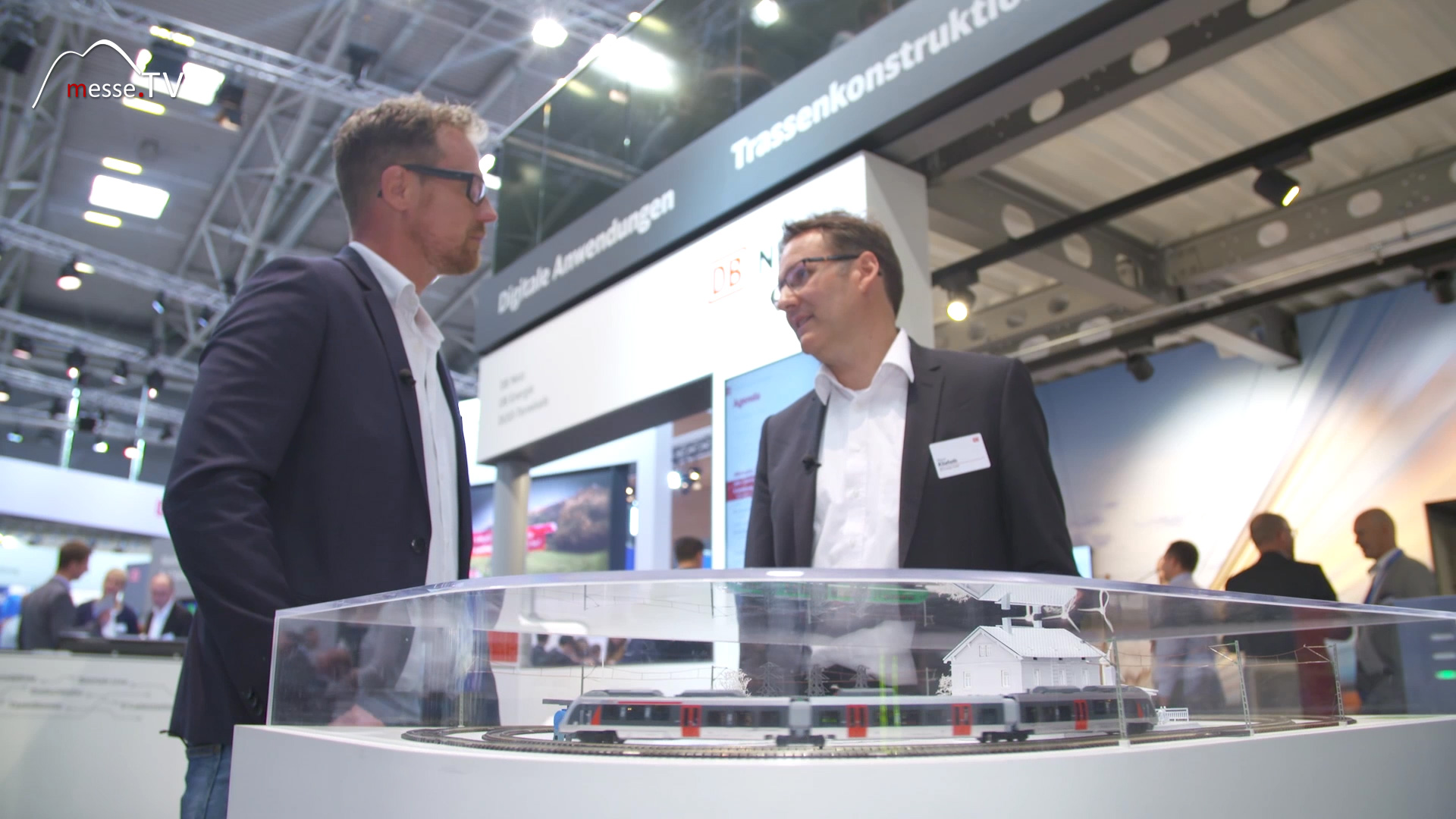
von Andreas Bergmeier - 2024-02-13Die Diskussion um die Zukunft des Schienenverkehrs dreht sich längst nicht mehr nur um neue Fahrzeuge oder schnellere Verbindungen. Im Mittelpunkt steht zunehmend die Frage, wie bestehende Netze effizienter, sauberer und flexibler genutzt werden können. Akkuzüge gelten dabei als ein wichtiger Baustein, um Strecken zu bedienen, die bislang nicht elektrifiziert sind. Die Herausforderung liegt weniger im Fahrzeug selbst als in der Energieversorgung. Genau hier setzt der Ansatz an, der auf der Messe am Beispiel von DB Netze vorgestellt wird.
Ein erheblicher Teil des deutschen Schienennetzes ist zwar mit Oberleitungen ausgestattet, doch ein großer Anteil wird weiterhin von Dieselzügen befahren. Akkuzüge schließen diese Lücke, indem sie auf elektrifizierten Abschnitten Energie aufnehmen und diese auf nicht elektrifizierten Strecken nutzen. Entscheidend ist, dass das Nachladen in den Betriebsablauf integriert werden kann, ohne den Verkehr auszubremsen oder zusätzliche Infrastruktur in großem Umfang aufzubauen.
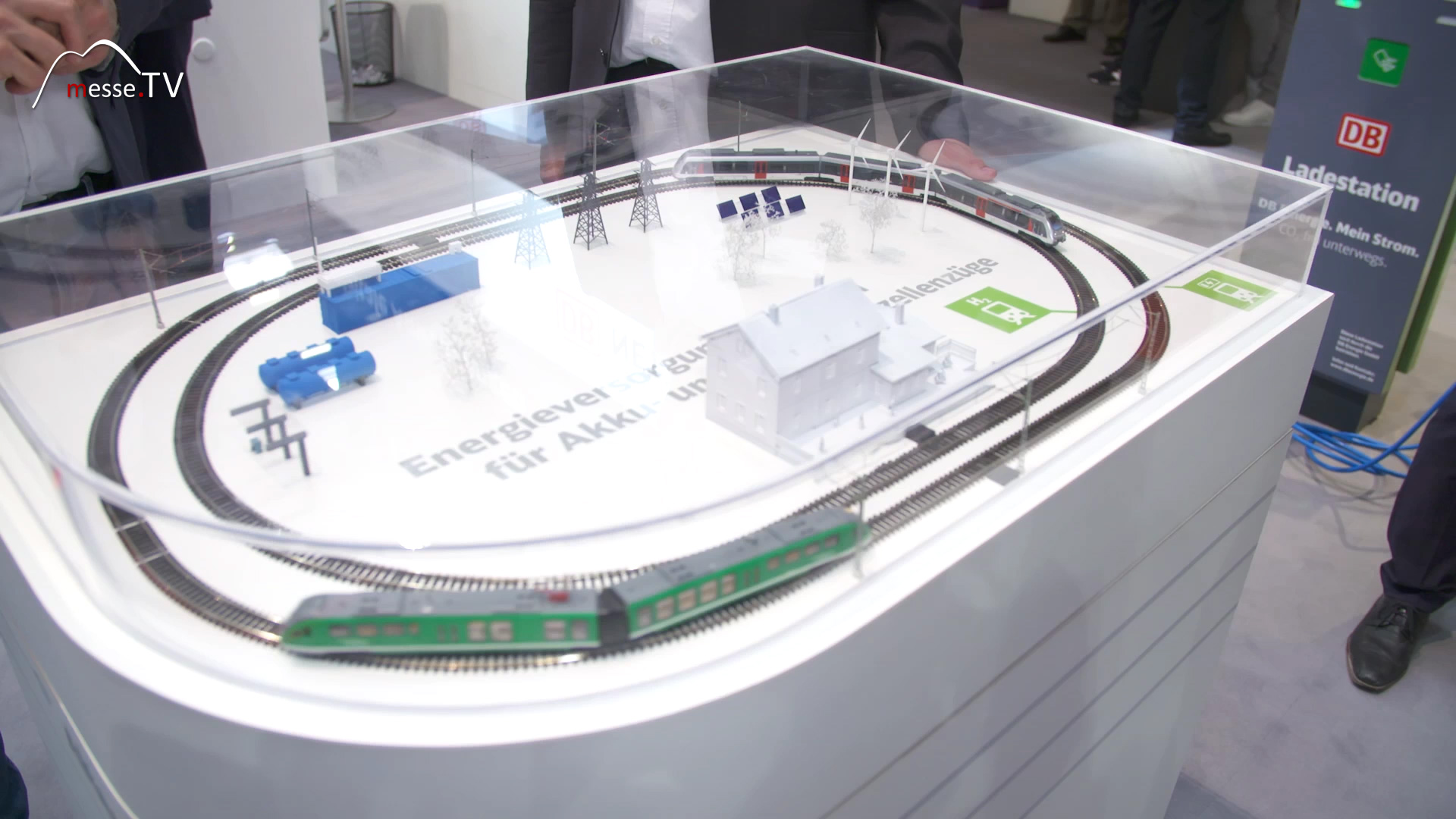
Akkuzüge zwischen Oberleitung und nicht elektrifizierten Strecken
Akkuzüge unterscheiden sich im Betrieb weniger von klassischen Elektrotriebzügen, als man auf den ersten Blick vermuten könnte. Auch sie nutzen den Strom aus der Oberleitung, allerdings nicht permanent, sondern gezielt. Auf elektrifizierten Abschnitten oder an definierten Punkten im Bahnhof wird Energie aufgenommen, die anschließend im Akku gespeichert wird. Diese Energie reicht aus, um die nächste nicht elektrifizierte Strecke zu bewältigen. Der Vorteil dieses Konzepts liegt in der Flexibilität. Statt ganze Strecken mit Oberleitungen nachzurüsten, genügt es, gezielt kurze Abschnitte mit Ladeinfrastruktur auszustatten. Das reduziert Investitionskosten und verkürzt Planungs- und Bauzeiten erheblich. Gleichzeitig bleibt der Betrieb elektrisch und damit lokal emissionsfrei.
Energieversorgungslösungen von DB Netze im Fokus
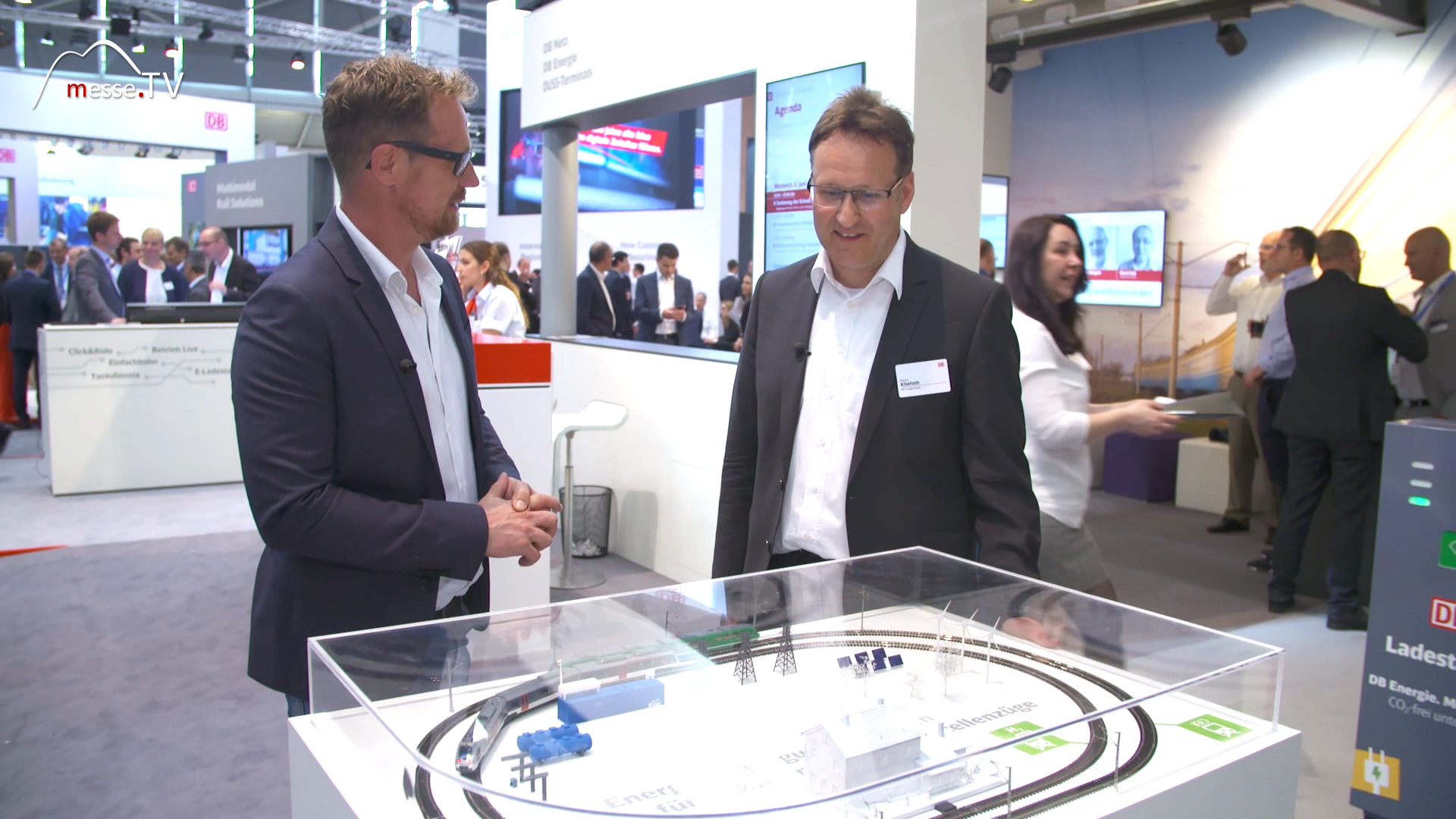
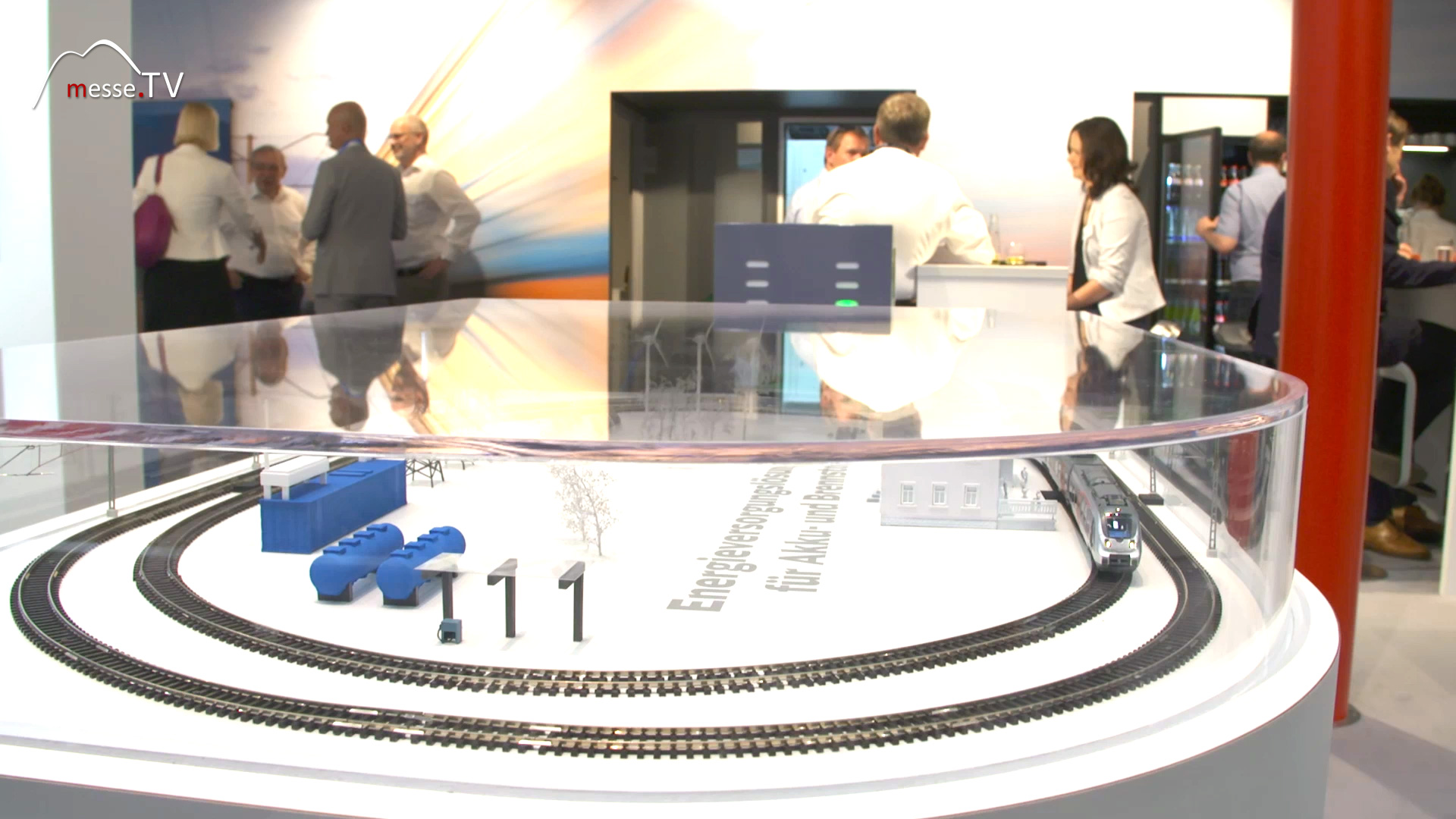
DB Netze zeigt auf der Messe, wie sich solche Energieversorgungslösungen praktisch umsetzen lassen. Der Ansatz orientiert sich an bestehenden Systemen. Züge nehmen den Strom weiterhin über den Pantografen auf, so wie sie es von klassischen Oberleitungsstrecken kennen. Der Unterschied besteht darin, dass die Oberleitung nur über wenige hundert Meter installiert ist und gezielt dem Laden dient. Diese kurzen Oberleitungsabschnitte werden aus dem vorgelagerten Netz gespeist. Der Strom wird in Bahnstrom umgewandelt und direkt eingespeist. Für den Zug bedeutet das keinen grundlegenden Systemwechsel, sondern eine Erweiterung des bekannten Prinzips. Das Laden erfolgt innerhalb weniger Minuten und deckt genau den Energiebedarf ab, der für die nächste Fahrt notwendig ist.
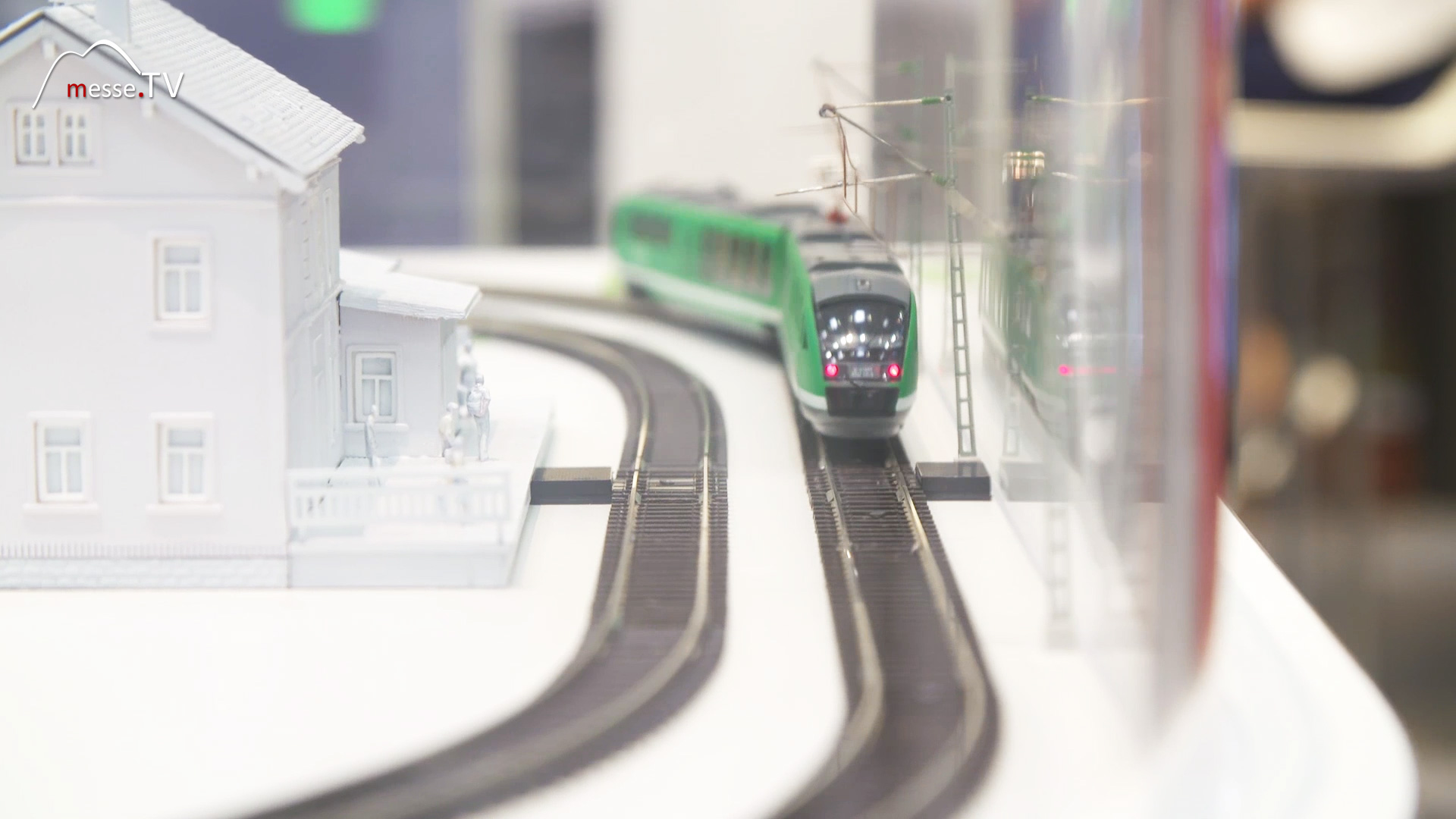
Ladeinfrastruktur im Bahnhof als praktikabler Ansatz
Bahnhöfe eignen sich besonders gut als Ladepunkte für Akkuzüge. Züge halten dort ohnehin, Fahrgäste steigen ein und aus, und betriebliche Abläufe lassen sich bündeln. Die Ladezeit fällt damit nicht zusätzlich ins Gewicht, sondern wird in den bestehenden Fahrplan integriert. Die technische Umsetzung bleibt dabei überschaubar. Statt kilometerlanger Oberleitungen genügt ein kurzer Abschnitt, der gezielt genutzt wird. Für den laufenden Betrieb bedeutet das eine hohe Effizienz. Akkuzüge müssen nicht mit überdimensionierten Speichern ausgestattet werden, sondern tragen nur so viel Energie, wie sie tatsächlich benötigen. Das wirkt sich positiv auf Gewicht, Energieverbrauch und Wartung aus.
Vorteile für Betrieb, Umwelt und Infrastruktur
Die Kombination aus Akkuzügen und gezielter Energieversorgung bringt mehrere Vorteile zusammen. Sie verbindet die Stärken elektrischer Traktion mit der Flexibilität batteriegestützter Systeme. Für Betreiber ergeben sich neue Spielräume, ohne auf bewährte Technik verzichten zu müssen.
- Reduzierung von Dieselverkehren auf nicht elektrifizierten Strecken
- Nutzung vorhandener Bahnstrom- und Oberleitungstechnik
- Kurze Ladezeiten ohne Eingriff in den Fahrplan
- Geringerer Infrastrukturaufwand im Vergleich zur Voll-Elektrifizierung

Akkuzüge als Baustein der Verkehrswende
Im größeren Kontext leisten Akkuzüge einen wichtigen Beitrag zur Verkehrswende auf der Schiene. Sie ermöglichen es, elektrische Verkehre auf Strecken auszudehnen, die bislang als wirtschaftlich oder technisch schwierig galten. Gleichzeitig bleibt das System kompatibel mit bestehenden Netzen und Betriebsformen. DB Netze positioniert sich hier als Enabler, der nicht nur Infrastruktur bereitstellt, sondern aktiv an neuen Nutzungskonzepten arbeitet. Die gezeigten Energieversorgungslösungen verdeutlichen, dass Innovation im Schienenverkehr oft aus der Weiterentwicklung vorhandener Technik entsteht. Akkuzüge sind dafür ein gutes Beispiel. Sie verbinden bekannte Elemente wie Oberleitung und Pantograf mit neuen Betriebsmodellen und eröffnen so einen realistischen Weg zu mehr elektrifiziertem Verkehr, ohne auf jahrelange Großprojekte warten zu müssen.

Messe-Berichterstattung bundesweit - Messewissen, Termine & Veranstaltungen


