Ergonomische Fahrerarbeitsplätze für effiziente Wechselbrückenlogistik
von Jürgen Groh - 2024-02-13Der Alltag im Umschlagterminal ist geprägt von Wiederholungen, Zeitdruck und körperlicher Belastung. Fahrer bewegen ihre Fahrzeuge im Minutentakt, steigen ein und aus, rangieren unter Wechselbrücken und müssen dabei jederzeit präzise arbeiten.
Gerade diese Routinen entscheiden über Produktivität, Sicherheit und langfristige Gesundheit. Ergonomie ist in diesem Umfeld kein Komfortthema, sondern ein betrieblicher Faktor. Wer den Fahrer entlastet, stabilisiert Prozesse und reduziert Risiken im täglichen Betrieb. Moderne Umschlagfahrzeuge stehen deshalb vor einer klaren Aufgabe: Sie müssen funktional, robust und gleichzeitig auf den Menschen ausgerichtet sein. Nicht durch technische Spielereien, sondern durch konkrete Verbesserungen an den Stellen, an denen Belastung entsteht. Genau hier setzt die Weiterentwicklung eines bekannten Fahrzeugkonzepts an, das gezielt aus der Perspektive des Fahrers gedacht wurde.
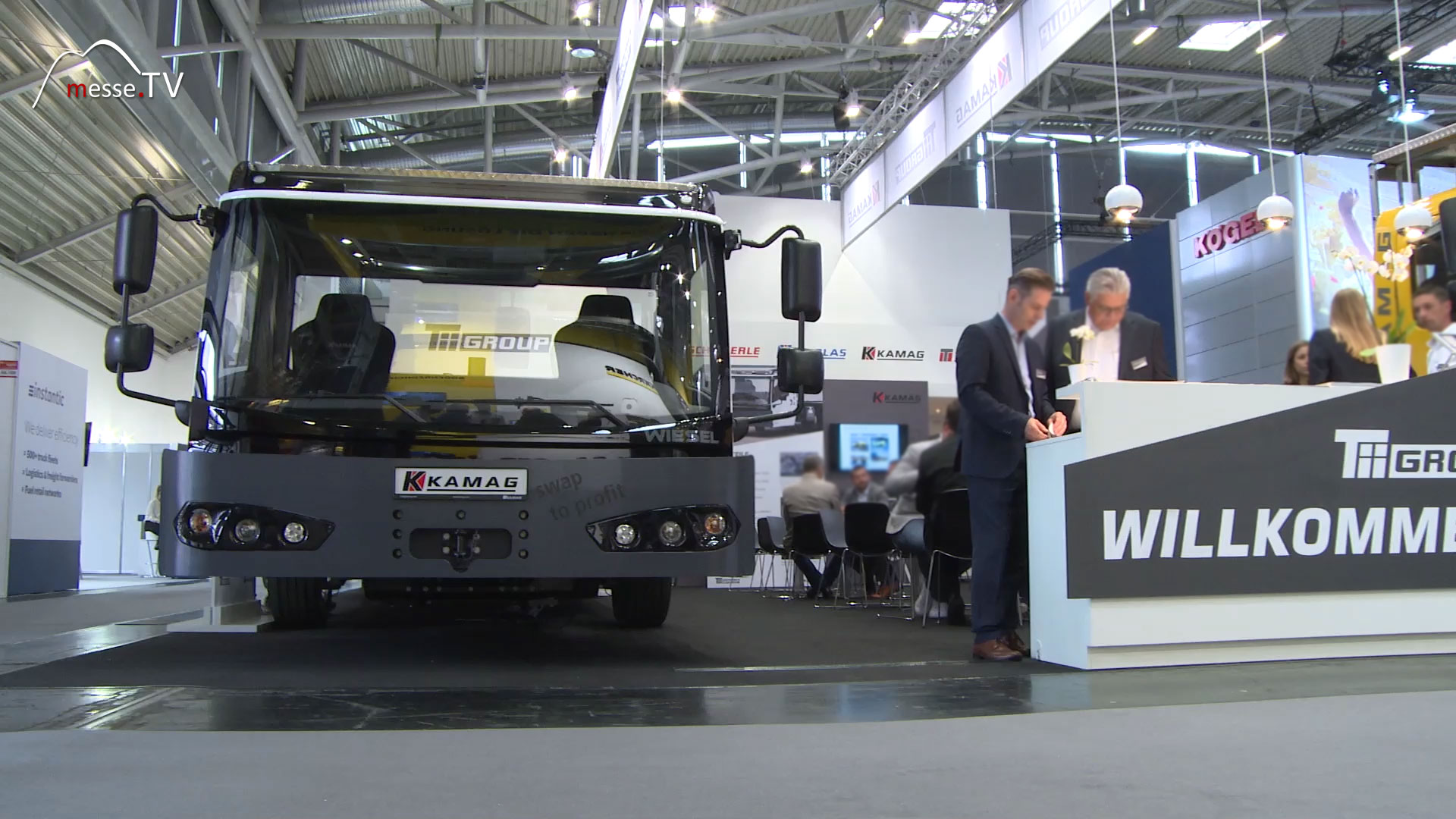

Kamag und der Anspruch, den Fahreralltag zu erleichtern
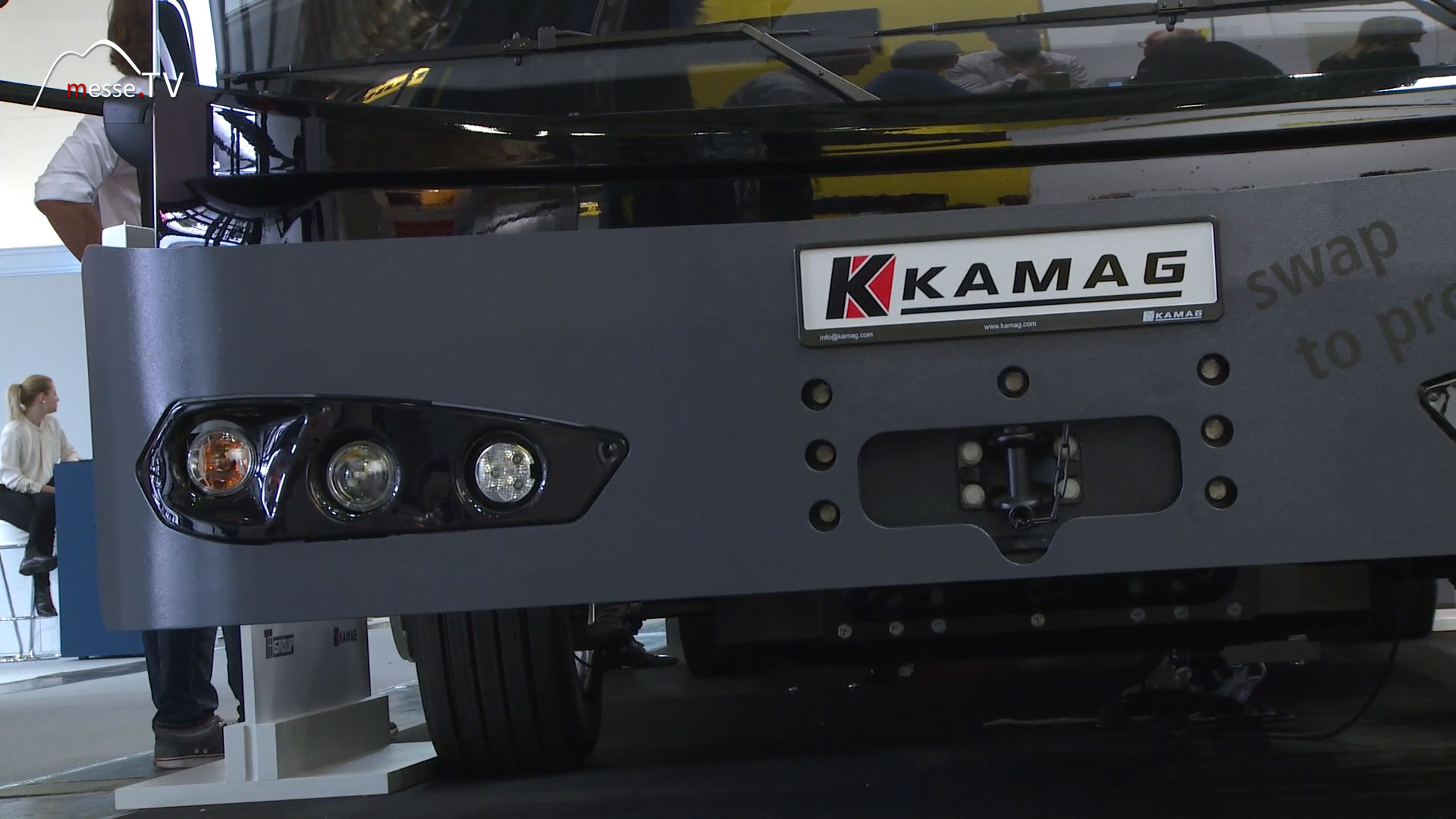
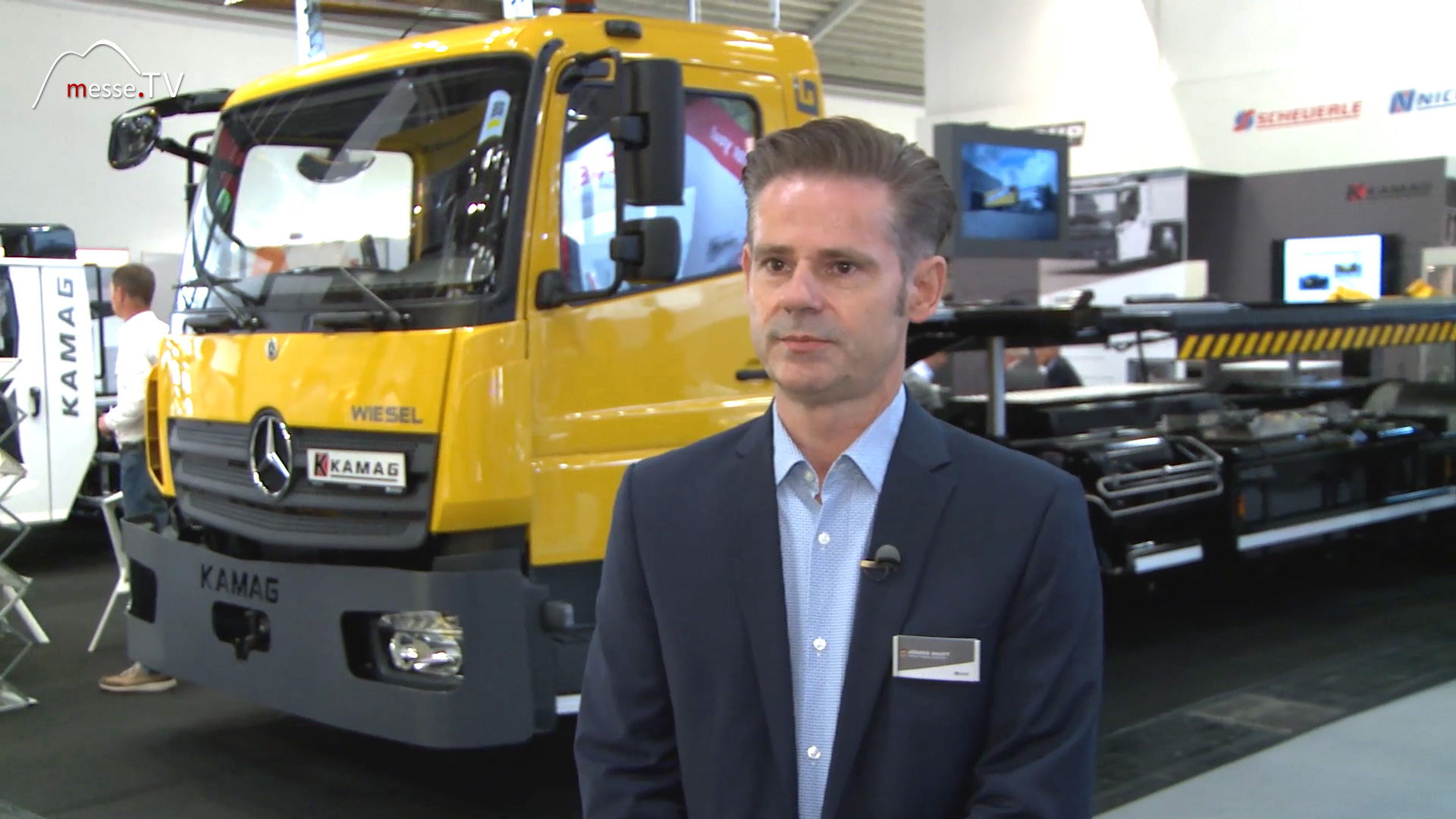
Kamag ist im Bereich spezialisierter Transportfahrzeuge seit Jahren etabliert. Die Fahrzeuge kommen dort zum Einsatz, wo Standardlösungen an ihre Grenzen stoßen, etwa im Wechselbrückenumschlag oder in eng getakteten Logistikzentren. In diesem Umfeld wurde der Wiesel gezielt überarbeitet, nicht mit dem Ziel, Leistung oder Geschwindigkeit in den Vordergrund zu stellen, sondern die täglichen Bewegungsabläufe des Fahrers zu verbessern. Ausgangspunkt war eine einfache Beobachtung: Viele Fahrer steigen im Laufe eines Arbeitstags dutzende Male aus dem Fahrzeug aus. Je nach Einsatz können es 80 oder sogar 100 Vorgänge sein. Jeder zusätzliche Tritt, jede ungünstige Stufe und jede eingeschränkte Sicht summieren sich über den Tag hinweg zu einer realen Belastung. Die Überarbeitung setzt deshalb an genau diesen Punkten an.
Der Wiesel mit niedrig montierter Kabine
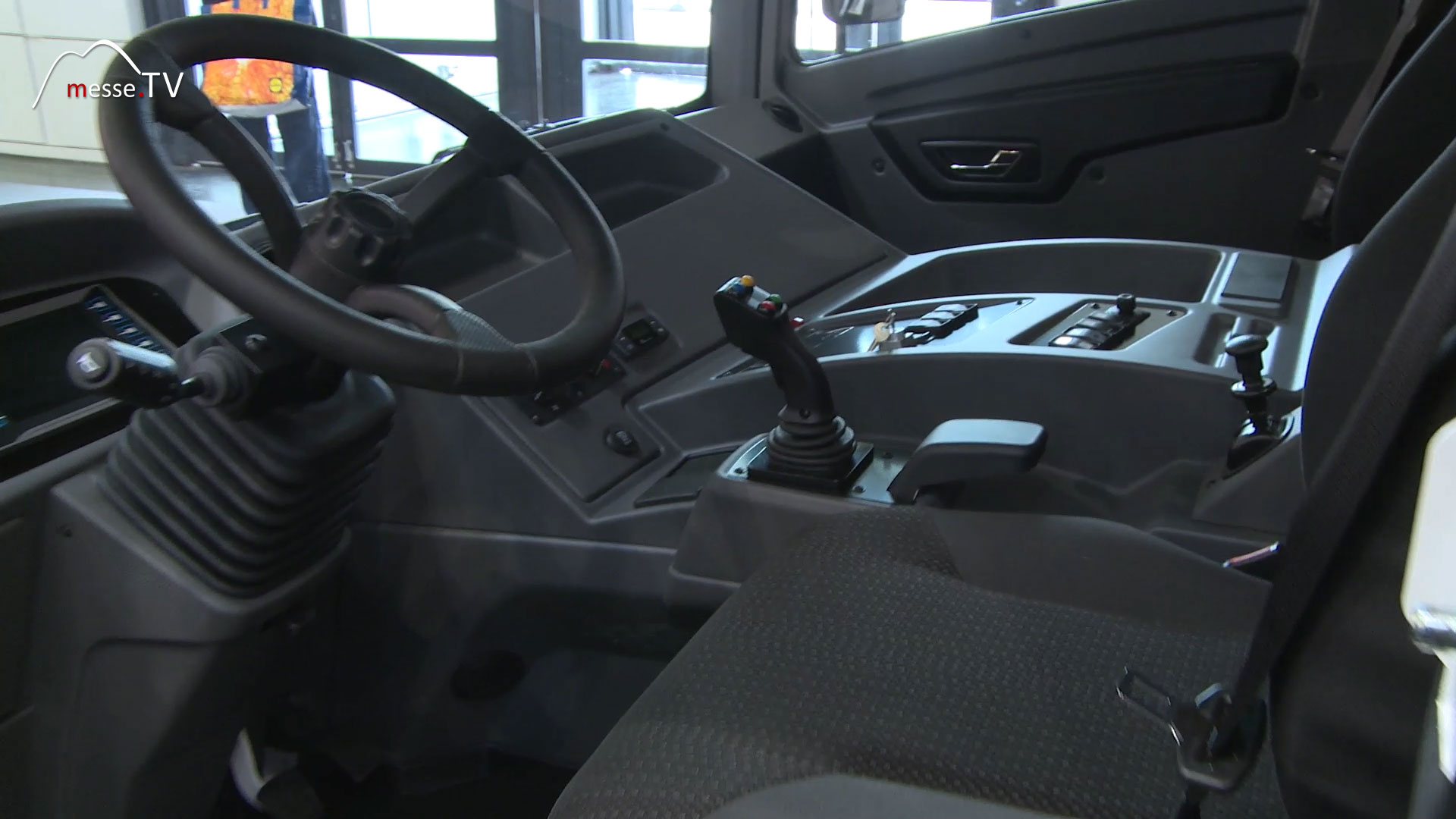
Ein zentrales Element der Weiterentwicklung ist die niedrig montierte Kabine. Sie verkürzt den Weg beim Ein- und Aussteigen erheblich. Der Fahrer erreicht den Boden schneller und sicherer, insbesondere dann, wenn er direkt an der Wechselbrücke arbeitet. Die Bewegung wird flüssiger, der Kraftaufwand geringer. Im täglichen Betrieb ist dieser Aspekt nicht zu unterschätzen. Was auf den ersten Blick wie eine kleine konstruktive Änderung wirkt, hat große Auswirkungen auf Ermüdung und Bewegungsabläufe. Gerade in Schichtbetrieben oder bei hoher Umschlagfrequenz trägt eine niedrigere Kabine dazu bei, dass der Fahrer konzentriert bleibt und weniger körperliche Belastung aufbaut.
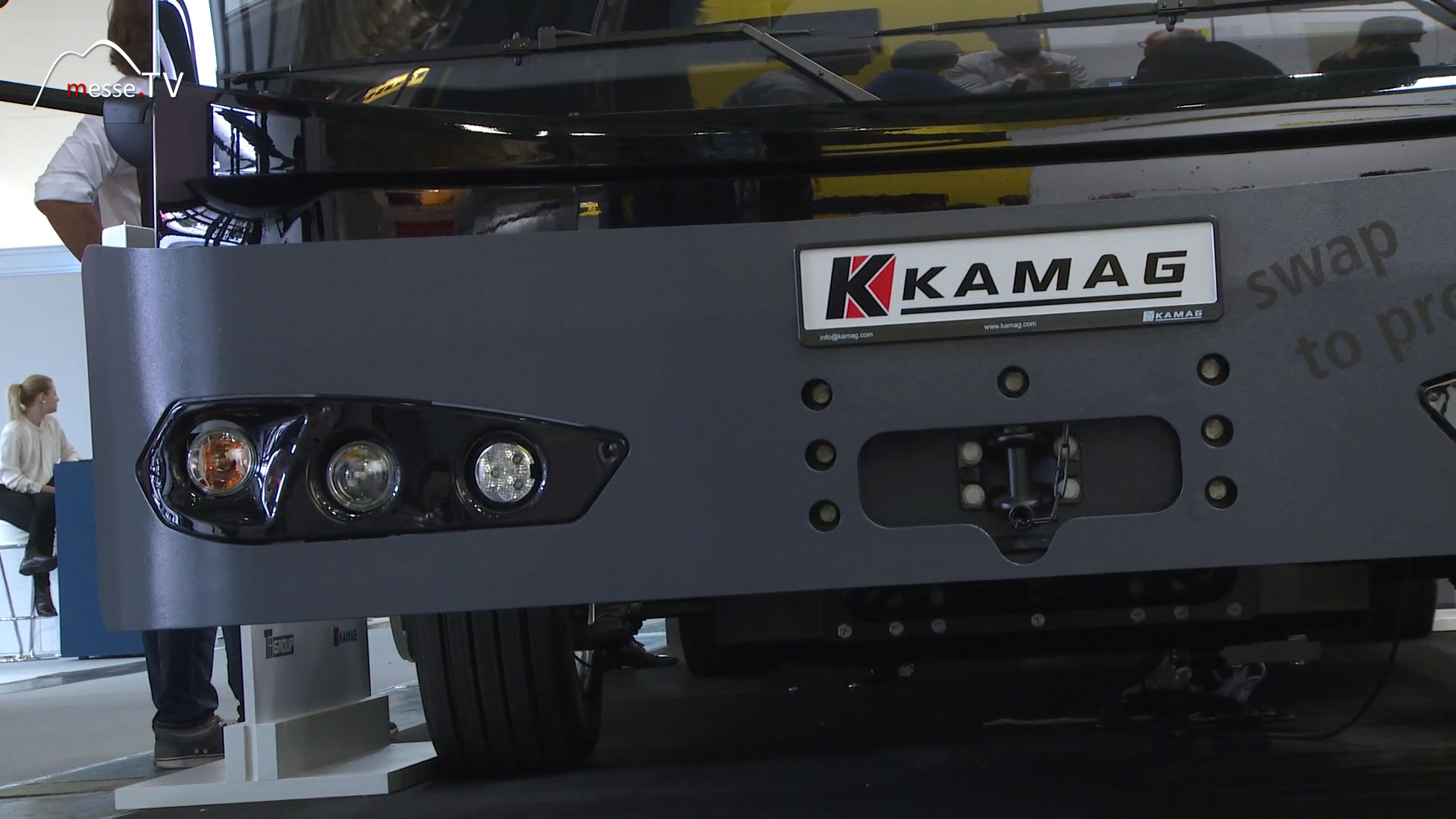
Verbesserte Rundumsicht im Wechselbrückenbetrieb
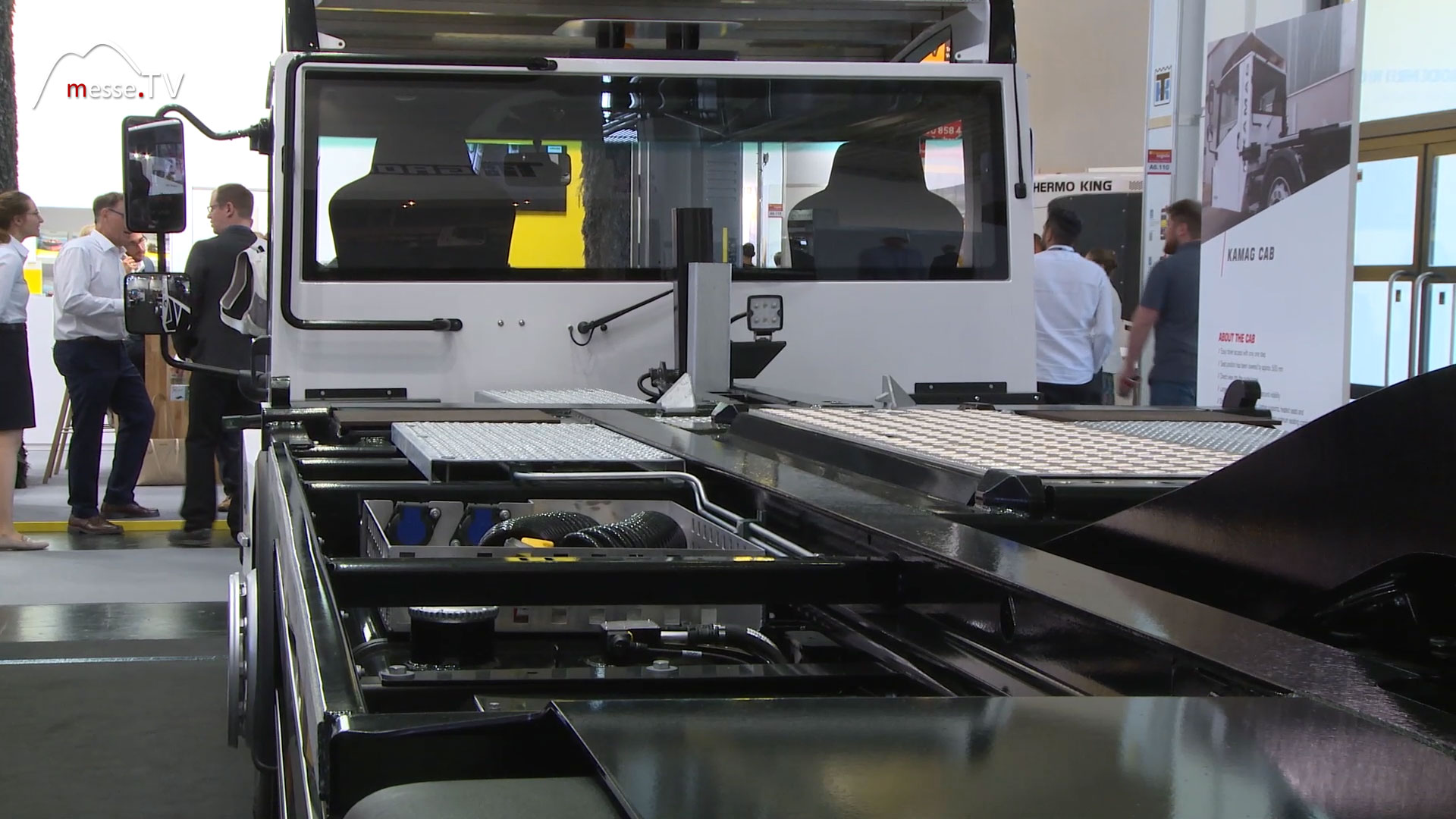
Neben der Ergonomie beim Ein- und Aussteigen spielt die Sicht eine zentrale Rolle. Der Wechselbrückenumschlag erfordert präzises Rangieren, häufiges Rückwärtsfahren und exaktes Positionieren. Fehler kosten Zeit und bergen Sicherheitsrisiken. Die Überarbeitung des Fahrzeugs setzt deshalb stark auf Sichtverbesserung. Eine groß dimensionierte Frontscheibe erweitert das Sichtfeld nach vorne deutlich. Gleichzeitig sorgt eine ebenfalls sehr große Rückscheibe dafür, dass der Fahrer beim Rückwärtsfahren den relevanten Bereich klar im Blick behält. Gerade beim häufigen Unterfahren von Wechselbrücken ist diese direkte Sicht ein entscheidender Vorteil. Der Fahrer muss sich weniger auf Spiegel verlassen oder Körperhaltung und Sitzposition ständig anpassen. Das reduziert Stress und erhöht die Sicherheit, insbesondere in beengten Terminalbereichen.
Rangieren als tägliche Kernaufgabe
Im Wechselbrückenbetrieb gehört das Rückwärtsfahren zum Alltag. Fahrer müssen ihr Fahrzeug immer wieder exakt unter die Brücke positionieren. Das geschieht nicht einmal, sondern vielfach am Tag. Jede Verbesserung der Sichtverhältnisse wirkt sich daher unmittelbar auf den Arbeitsablauf aus. Durch die optimierte Verglasung wird der relevante Bereich besser einsehbar. Der Fahrer erkennt Abstände, Kanten und Positionen schneller. Das reduziert Korrekturfahrten und beschleunigt den gesamten Umschlagprozess. Gleichzeitig sinkt das Risiko von Anfahr- oder Rangierschäden, die im Terminalbetrieb hohe Kosten verursachen können.

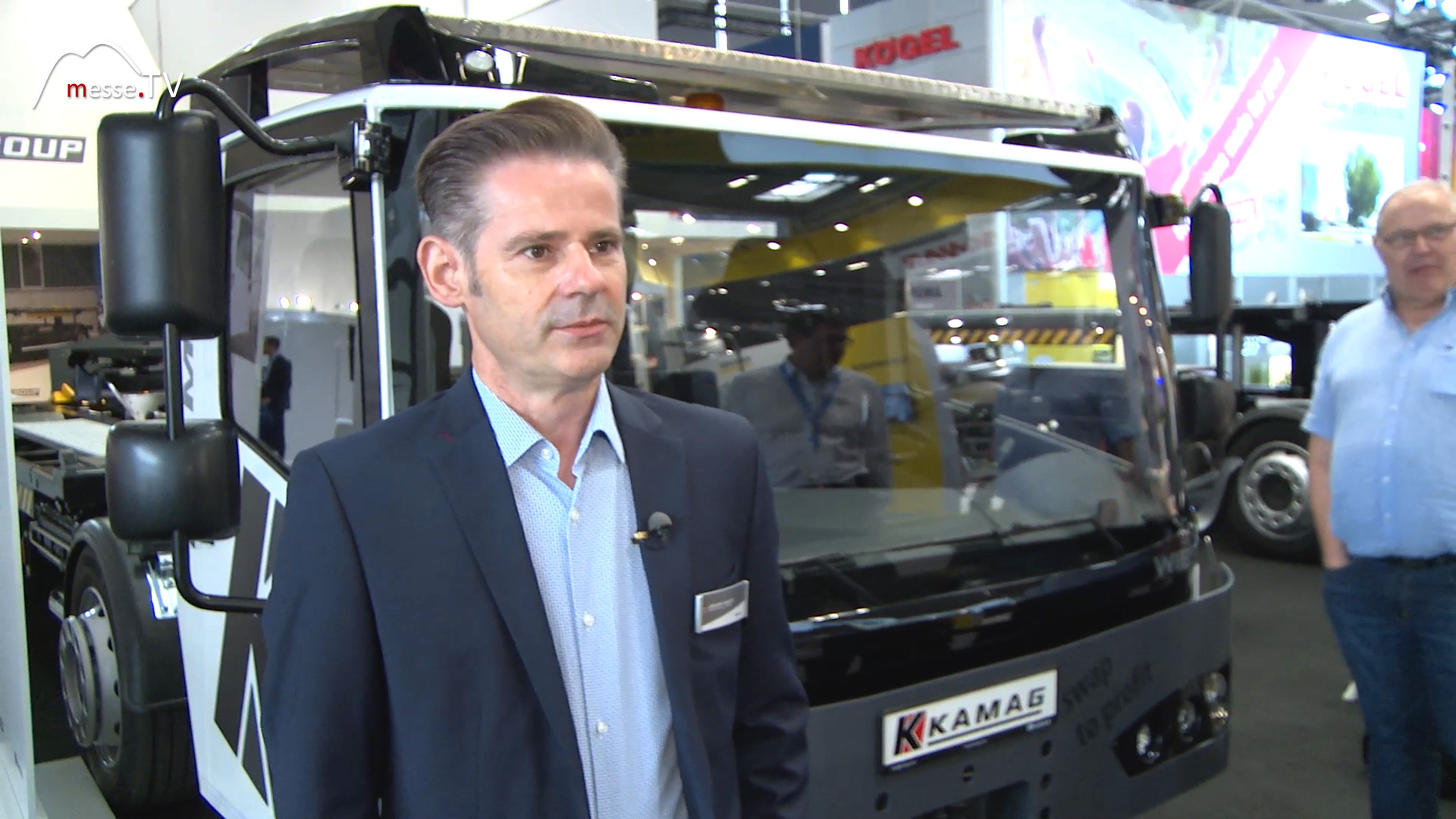
Ergonomie als Faktor für Effizienz und Sicherheit
Die Weiterentwicklung des Fahrzeugs zeigt, dass Ergonomie kein Selbstzweck ist. Sie wirkt direkt auf Effizienz und Sicherheit. Ein Fahrer, der sich leichter bewegt, besser sieht und weniger körperlich belastet ist, arbeitet konstanter und fehlerärmer. In einem Umfeld, in dem Zeitfenster eng getaktet sind, ist das ein klarer Vorteil.
- Niedrige Kabinenposition für einfaches Ein- und Aussteigen
- Großflächige Frontscheibe für bessere Übersicht
- Große Rückscheibe für präzises Rückwärtsfahren
- Reduzierte körperliche Belastung bei häufigen Bewegungen
Auswirkungen auf den täglichen Betrieb
Im Logistikalltag entscheiden viele kleine Faktoren über den reibungslosen Ablauf. Fahrzeuge, die ergonomisch schlecht ausgelegt sind, führen langfristig zu Ausfällen, Fehlern und Unzufriedenheit. Verbesserungen wie eine niedrigere Kabine oder bessere Sicht wirken sich dagegen über Monate und Jahre aus. Für Betreiber bedeutet das weniger Stillstände, geringere Unfallzahlen und stabilere Prozesse. Für Fahrer bedeutet es einen Arbeitsplatz, der ihre tägliche Leistung unterstützt, statt sie unnötig zu erschweren. Gerade vor dem Hintergrund des zunehmenden Fachkräftemangels gewinnt dieser Aspekt an Bedeutung.
Fahrerorientierte Entwicklung statt technischer Überladung
Auffällig ist, dass die Überarbeitung bewusst auf praxisnahe Verbesserungen setzt. Es geht nicht um zusätzliche Displays oder komplexe Assistenzsysteme, sondern um klare, nachvollziehbare Veränderungen an Kabine und Sichtfeldern. Diese Zurückhaltung ist kein Mangel, sondern Ausdruck eines realistischen Verständnisses des Arbeitsalltags. Der Fokus liegt auf dem, was Fahrer tatsächlich brauchen: gute Sicht, einfache Bewegungsabläufe und ein Fahrzeug, das sich intuitiv bedienen lässt. Gerade im Terminalbetrieb, wo Routine und Wiederholung dominieren, sind solche Eigenschaften entscheidend.
Wechselbrückenlogistik unter realen Bedingungen
Wechselbrückenlogistik findet selten unter idealen Bedingungen statt. Enge Flächen, wechselnde Lichtverhältnisse und hoher Zeitdruck gehören zum Alltag. Fahrzeuge müssen darauf ausgelegt sein, unter diesen Umständen zuverlässig zu funktionieren. Die Überarbeitung des Wiesel zeigt, wie sich technische Anpassungen direkt an diesen Bedingungen orientieren können. Verbesserte Sicht hilft bei schlechten Lichtverhältnissen, eine niedrigere Kabine erleichtert den schnellen Wechsel zwischen Fahrzeug und Arbeitsumfeld. Damit wird das Fahrzeug zu einem Werkzeug, das sich an den Menschen anpasst, nicht umgekehrt.
Ergonomie als Zukunftsthema im Umschlag
Der Blick auf den Fahrerarbeitsplatz wird in Zukunft weiter an Bedeutung gewinnen. Logistikunternehmen stehen vor der Aufgabe, Arbeitsplätze attraktiver und gesünder zu gestalten. Fahrzeuge spielen dabei eine zentrale Rolle, da sie den Arbeitsplatz des Fahrers definieren. Kamag zeigt mit der Überarbeitung des Wiesel, dass diese Entwicklung nicht abstrakt bleiben muss. Durch gezielte, praxisnahe Anpassungen lässt sich der Arbeitsalltag messbar verbessern. Ergonomie wird so zu einem festen Bestandteil moderner Umschlagtechnik – nicht als Zusatz, sondern als Grundlage effizienter Logistikprozesse.

Messe-Berichterstattung bundesweit - Messewissen, Termine & Veranstaltungen


