Denkfabrik für Logistikfragen jenseits des Tagesgeschäfts
von Jürgen Groh - 2024-02-13Der Begriff Thinktank ist in Wirtschaft und Politik längst etabliert. Übersetzt man ihn ins Deutsche, spricht man von einer Denkfabrik – einem Ort, an dem nicht operative Zwänge, sondern grundsätzliche Fragen im Mittelpunkt stehen. Genau diesen Ansatz verfolgt eine neue Initiative aus der Nutzfahrzeug- und Logistikwelt.
Es geht nicht um kurzfristige Produktoptimierung oder schnelle Markterfolge, sondern um Themen, die die Branche in den kommenden Jahren prägen werden. Fragen, auf die es heute noch keine eindeutigen Antworten gibt, sollen gemeinsam gedacht, diskutiert und schließlich in greifbare Konzepte überführt werden. Die Logistik steht unter enormem Veränderungsdruck. Globale Lieferketten werden komplexer, der Wettbewerb intensiver, die Anforderungen an Effizienz und Transparenz steigen. Gleichzeitig fehlen Fachkräfte, insbesondere Fahrer, und digitale Technologien erzeugen neue Abhängigkeiten. In diesem Spannungsfeld reicht es nicht mehr aus, isoliert an einzelnen Stellschrauben zu drehen. Es braucht Orte, an denen grundsätzliche Entwicklungen offen diskutiert werden können – jenseits von Verkaufszahlen und Quartalszielen.
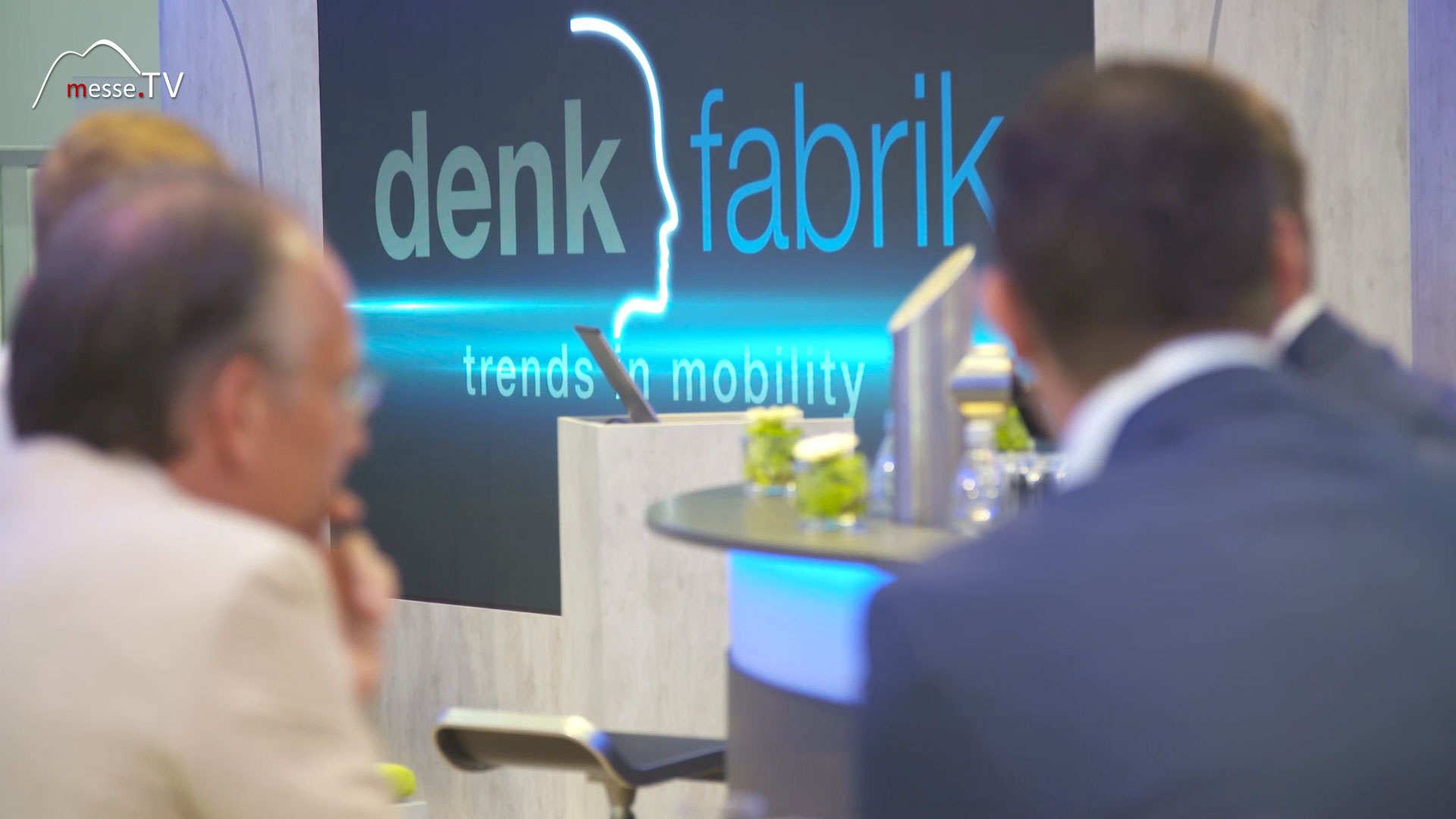

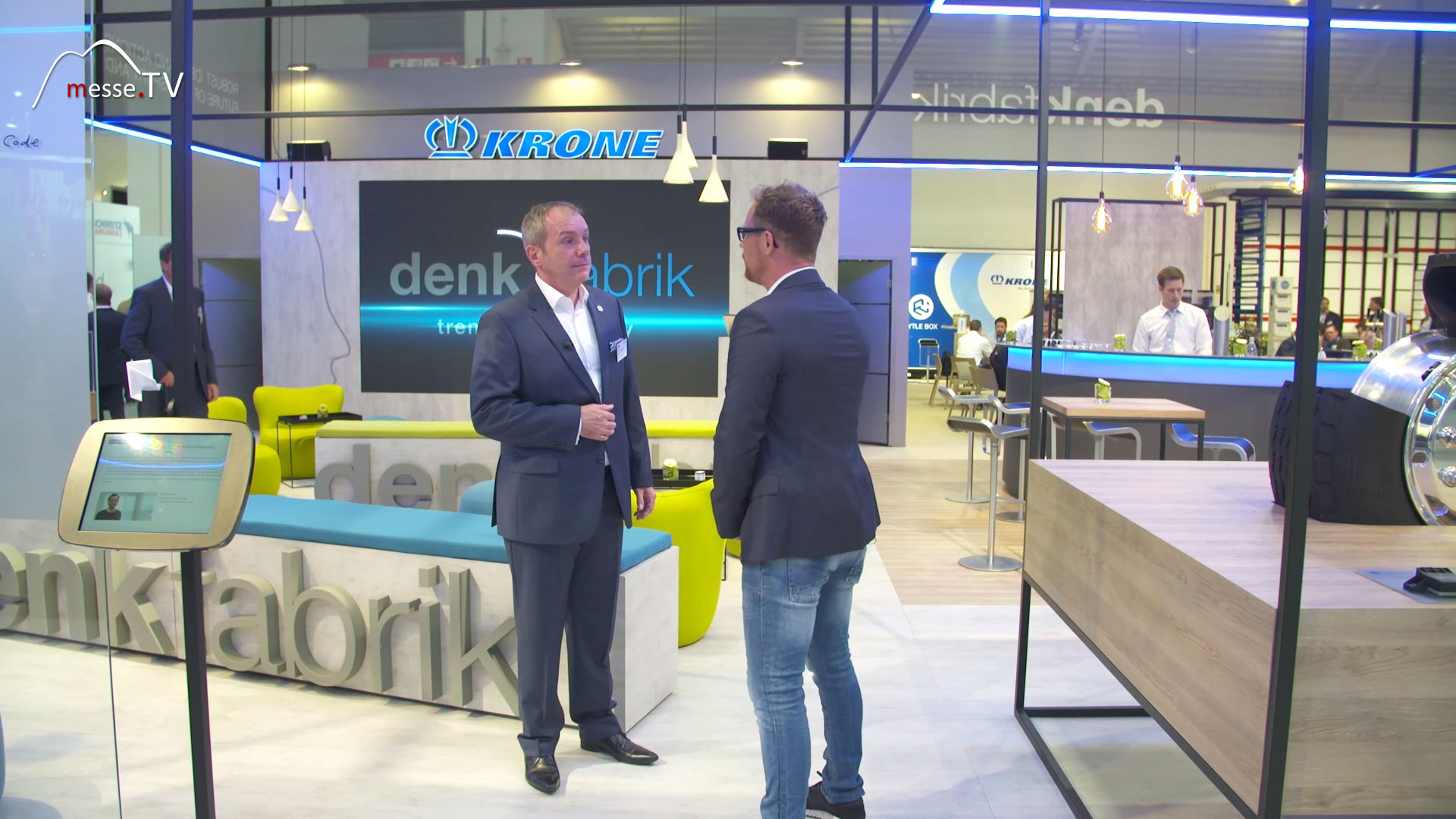
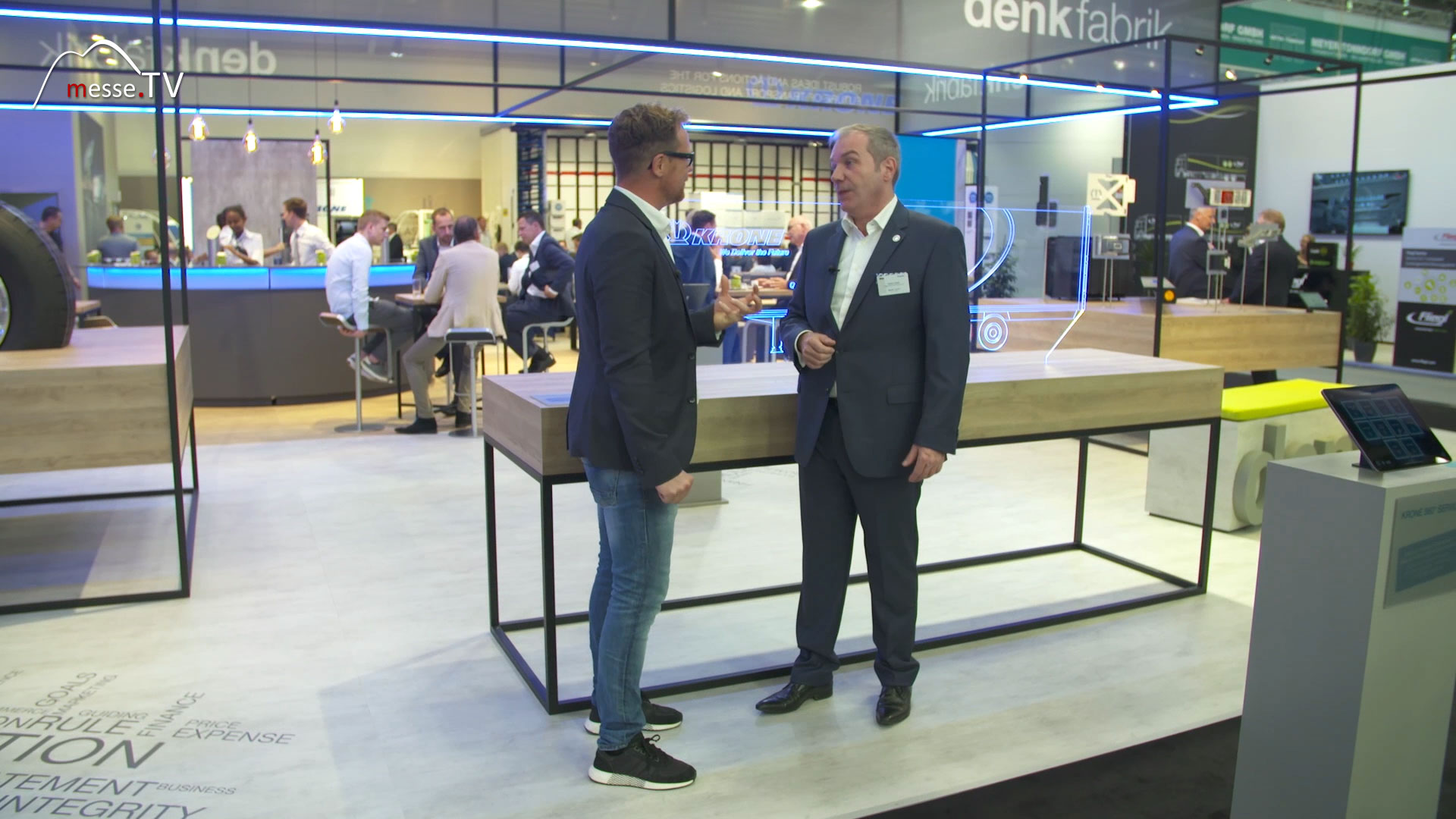
Die Denkfabrik von Krone als offene Plattform
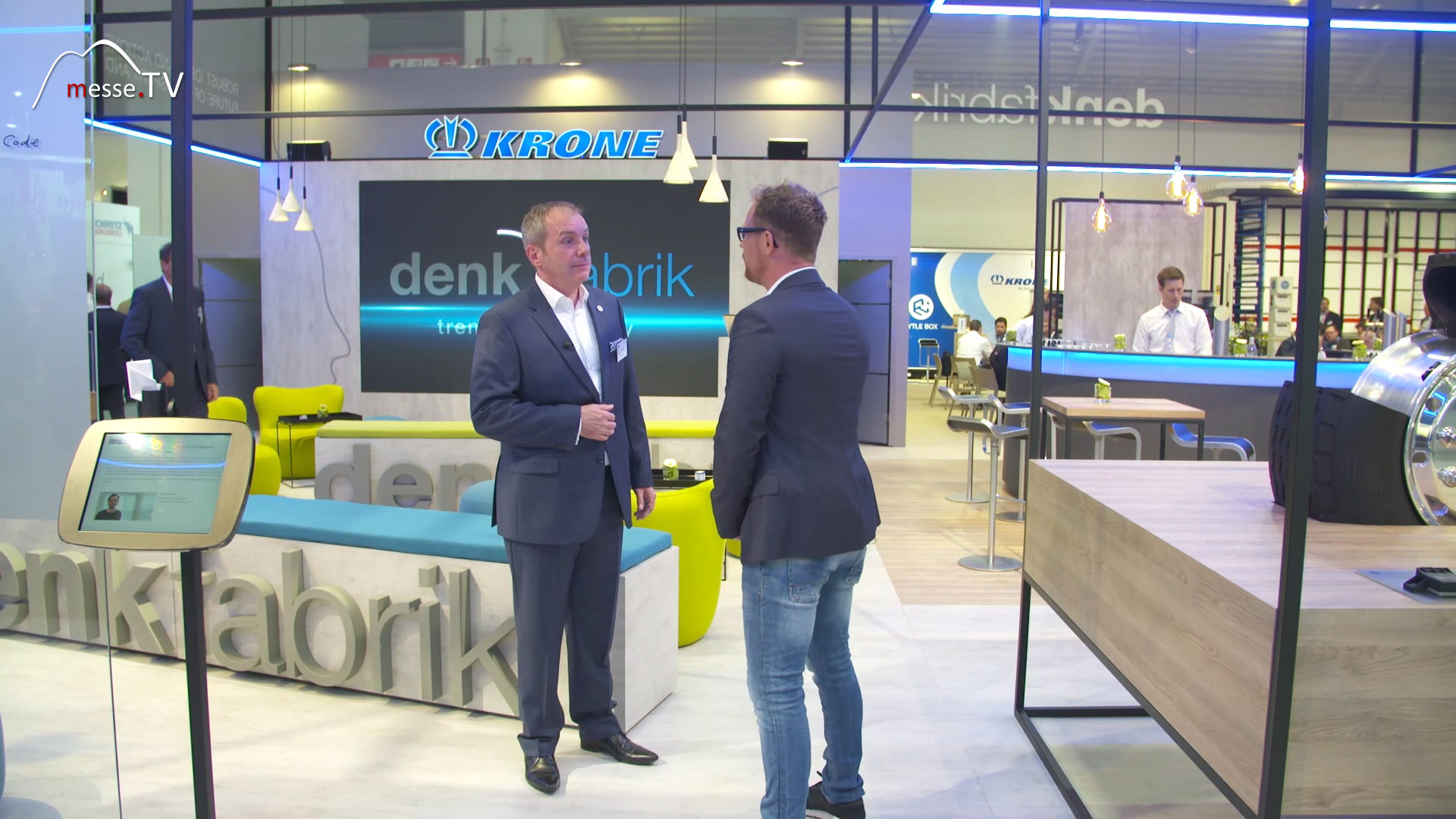
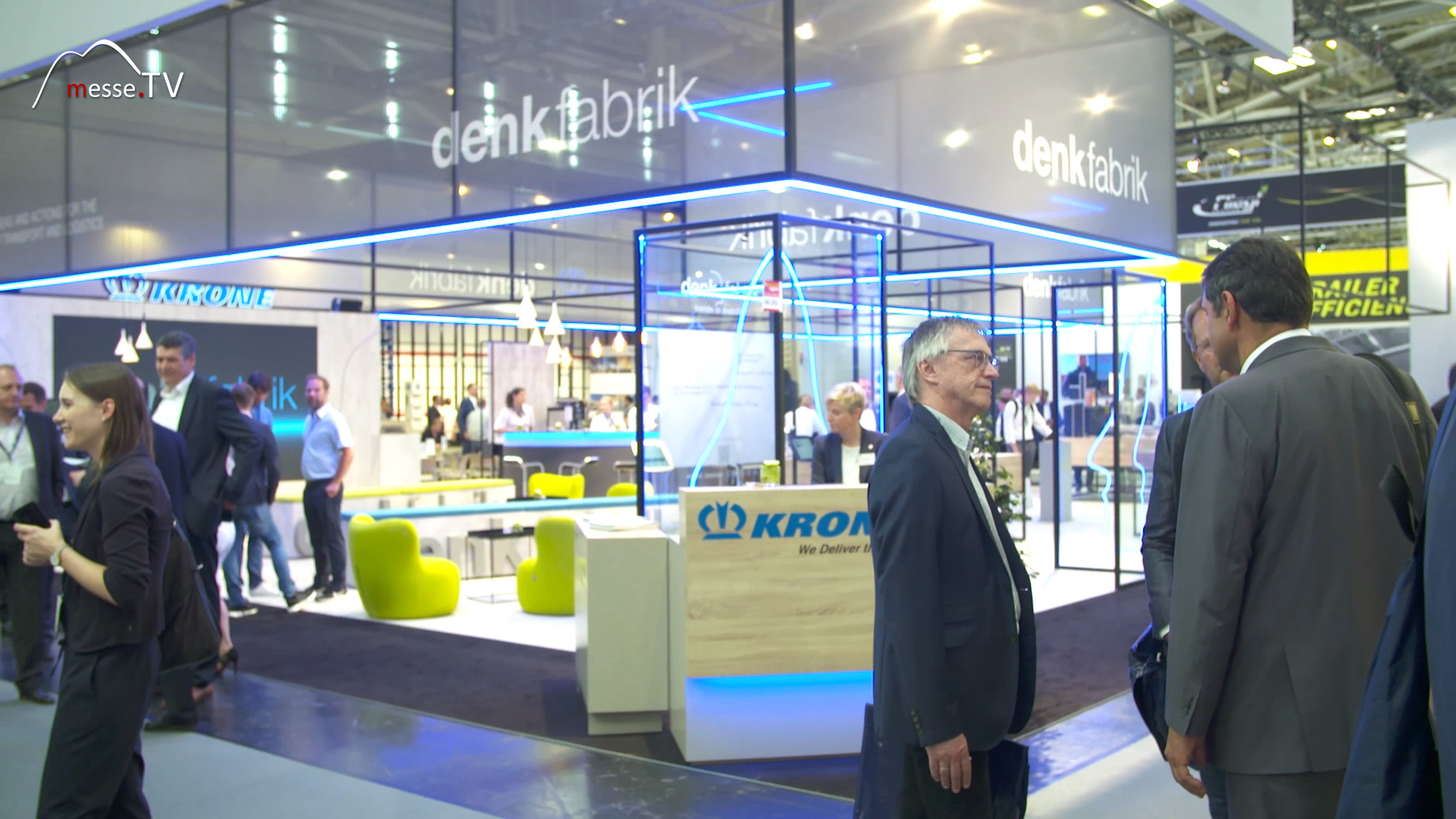
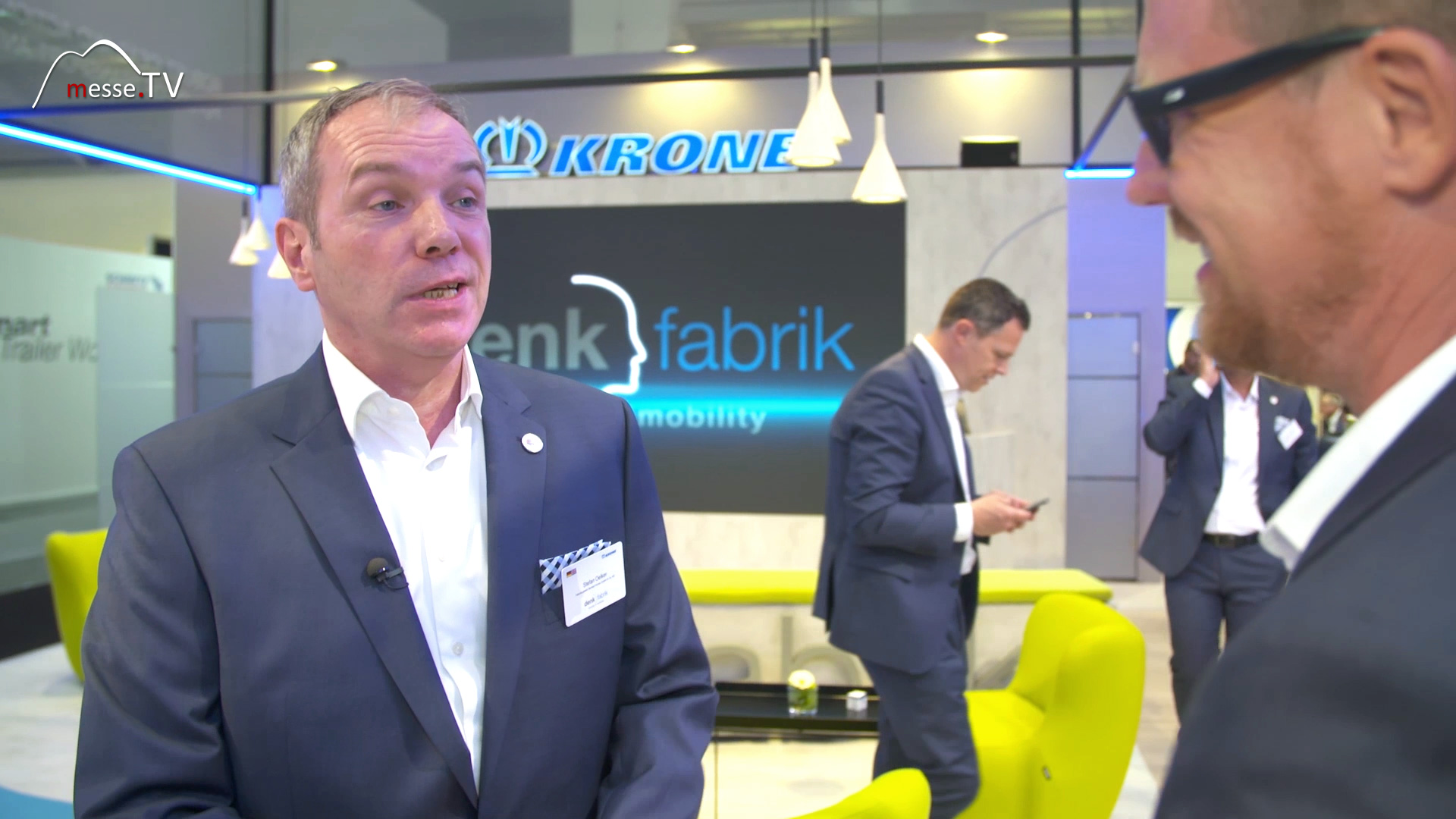
Mit der Denkfabrik hat Krone ein Entwicklungsprojekt angestoßen, das bewusst als Plattform angelegt ist. Ziel ist es, Industrieexperten, Praktiker und Fachleute aus unterschiedlichen Disziplinen zusammenzubringen. Nicht als klassisches Beratungsformat, sondern als Arbeitsraum für neue Perspektiven. Im Mittelpunkt stehen Fragen, die nicht nur das Morgen, sondern das Übermorgen der Logistik betreffen. Dabei geht es ausdrücklich nicht um unternehmensinterne Optimierung. Die Denkfabrik versteht sich als Ort für branchenweite Themen. Kunden, Partner und externe Experten sollen gleichermaßen profitieren. Der Anspruch ist hoch: Statt isolierter Ideen sollen tragfähige Ansätze entstehen, die einen echten Mehrwert für die Industrie liefern.
Grundsätzliche Fragen statt schneller Antworten
Viele Herausforderungen der Logistik lassen sich nicht mit einem neuen Produkt oder einer einzelnen Softwarelösung lösen. Themen wie Fahrermangel, Digitalisierung oder Datenhoheit sind struktureller Natur. Sie betreffen Unternehmen, Politik und Gesellschaft gleichermaßen. Genau hier setzt die Denkfabrik an. Der Fahrermangel ist längst kein temporäres Problem mehr. Demografische Entwicklungen, veränderte Arbeitsvorstellungen und steigende Belastungen verschärfen die Situation. Gleichzeitig wächst der Bedarf an Transportleistungen. Eine Denkfabrik kann diese Entwicklung nicht kurzfristig beheben, aber sie kann dazu beitragen, neue Denkansätze zu entwickeln. Etwa durch veränderte Fahrzeugkonzepte, neue Arbeitsmodelle oder eine stärkere Verzahnung von Technik und Organisation.
Digitalisierung der gesamten Logistikkette als Kernthema
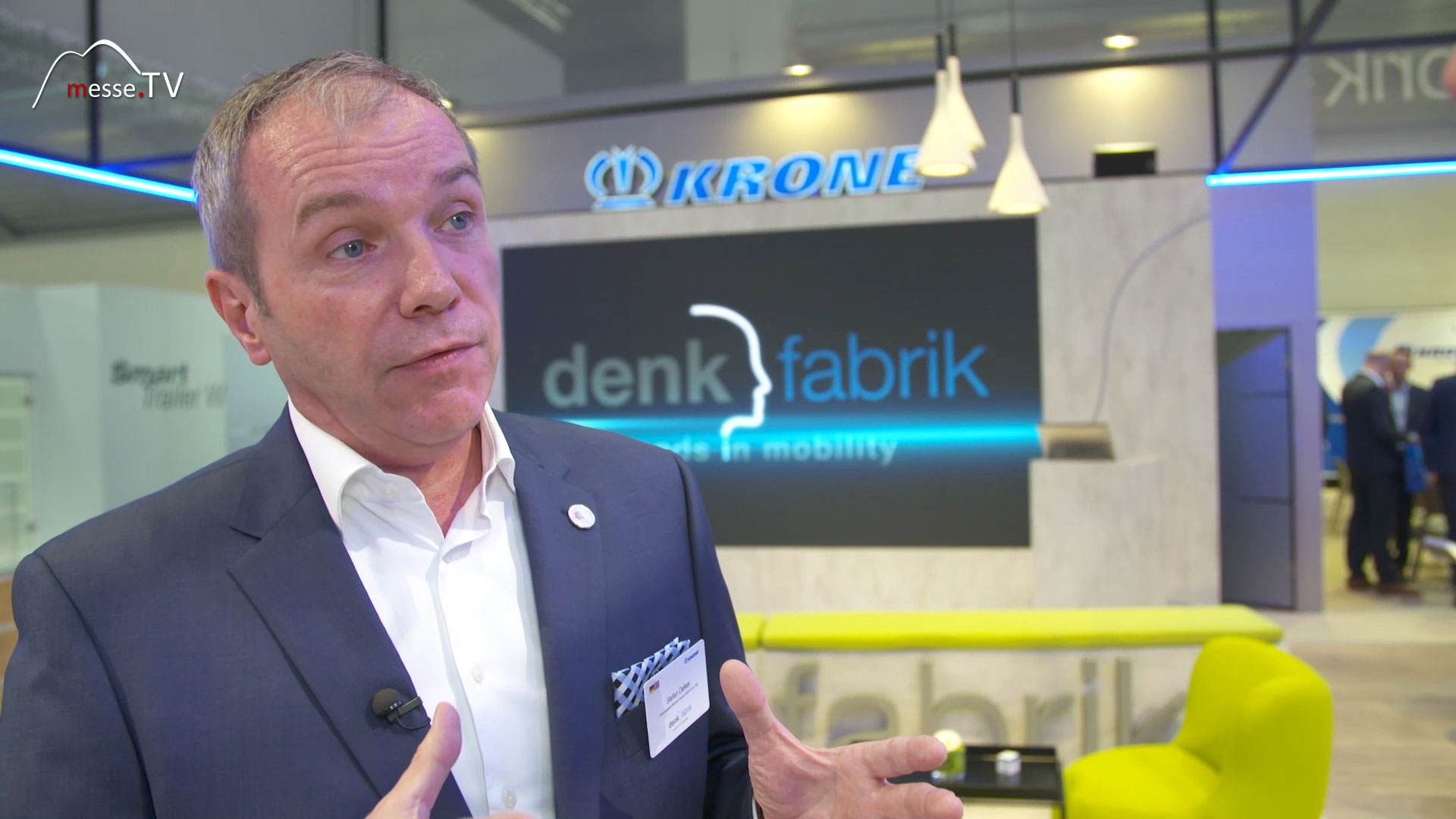
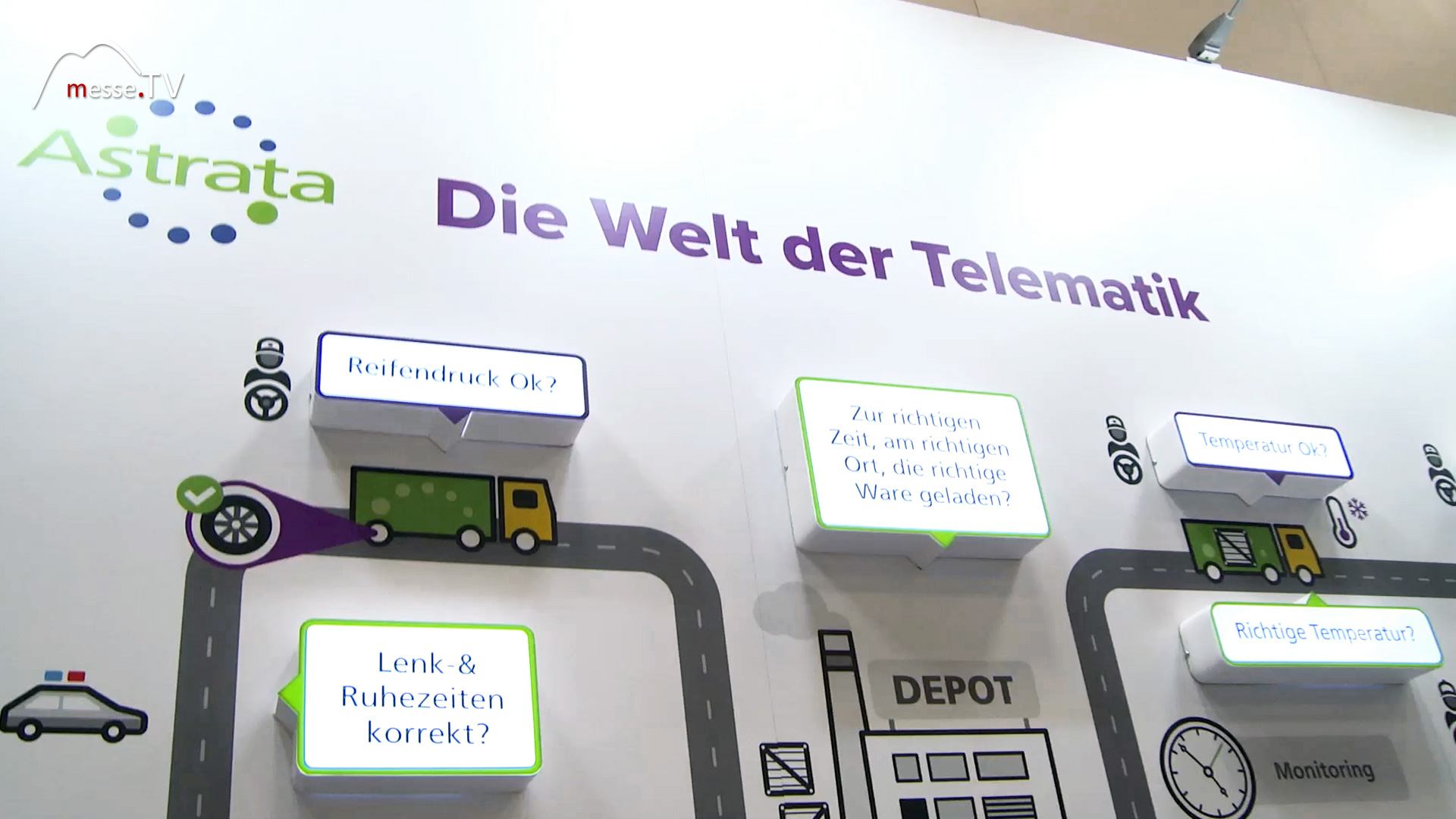
Ein weiteres zentrales Thema ist die Digitalisierung der Logistikkette. Technologisch ist vieles möglich. Sensorik, Telematik, Plattformen und datenbasierte Dienste sind längst verfügbar. Doch die entscheidende Frage lautet: Wohin führt diese Entwicklung? Wer kontrolliert die Daten, die entlang der Kette entstehen? Und wie lassen sich digitale Lösungen so gestalten, dass sie allen Beteiligten nutzen? Die Denkfabrik nimmt diese Fragen bewusst auf einer übergeordneten Ebene in den Blick. Es geht nicht um einzelne Anwendungen, sondern um das Zusammenspiel von Technik, Prozessen und Verantwortung. Daten sind zur zentralen Ressource geworden, doch ihre Nutzung ist oft ungeklärt. Eigentum, Zugriff und Auswertung sind Themen, die dringend einer gemeinsamen Verständigung bedürfen.
Von der Idee zum Proof of Concept
Ein wesentliches Merkmal der Denkfabrik ist ihr Anspruch auf Umsetzbarkeit. Es geht nicht um theoretische Gedankenspiele oder reine Ideensammlungen. Ziel ist es, aus Diskussionen konkrete Projekte zu entwickeln. Der Proof of Concept spielt dabei eine zentrale Rolle. Er soll zeigen, dass neue Ansätze nicht nur denkbar, sondern auch realisierbar sind. Dieser Anspruch unterscheidet die Denkfabrik von vielen klassischen Thinktanks. Zwar steht nicht der unmittelbare Umsatz im Vordergrund, doch die Ergebnisse sollen produktiv sein. Ideen sollen weitergedacht, getestet und im Idealfall in marktfähige Lösungen überführt werden. Der Weg von der Vision zur Anwendung ist dabei ausdrücklich Teil des Konzepts.

Langfristige Perspektive statt kurzfristiger Rendite
Die Denkfabrik ist kein klassisches Geschäftskonzept. Sie ist nicht darauf ausgelegt, kurzfristig Gewinne zu generieren. Vielmehr geht es um langfristige Orientierung. In einer Branche, die stark von operativen Zwängen geprägt ist, schafft sie Raum für strategisches Denken. Dieser langfristige Ansatz ist bewusst gewählt. Viele der diskutierten Themen lassen sich nicht innerhalb weniger Monate lösen. Sie erfordern Geduld, Offenheit und die Bereitschaft, etablierte Denkmuster zu hinterfragen. Die Denkfabrik bietet dafür den institutionellen Rahmen.
- Branchenübergreifender Austausch von Industrieexperten
- Fokus auf Fahrermangel und strukturelle Engpässe
- Grundsätzliche Auseinandersetzung mit Digitalisierung
- Klärung von Datenhoheit und Verantwortung
- Entwicklung konkreter Projekte mit Proof of Concept
Zusammenarbeit als Schlüssel für neue Lösungen
Ein zentrales Element der Denkfabrik ist die Zusammenarbeit. Komplexe Herausforderungen lassen sich nicht im Alleingang bewältigen. Unterschiedliche Perspektiven sind notwendig, um blinde Flecken zu vermeiden. Praktiker bringen andere Erfahrungen ein als Entwickler oder Strategen. Genau diese Vielfalt soll gezielt genutzt werden. Die Plattform bietet dafür einen geschützten Raum. Ideen können offen diskutiert werden, ohne sofort bewertet oder wirtschaftlich eingeordnet zu werden. Dieser Freiraum ist entscheidend, um neue Ansätze entstehen zu lassen. Gleichzeitig sorgt der Fokus auf Umsetzbarkeit dafür, dass Diskussionen nicht im Abstrakten verharren.
Logistik als System verstehen
Die Denkfabrik folgt einem systemischen Verständnis von Logistik. Transporte, Fahrzeuge, Daten, Menschen und Prozesse sind eng miteinander verknüpft. Veränderungen an einer Stelle wirken sich auf das gesamte System aus. Wer nachhaltige Lösungen entwickeln will, muss diese Zusammenhänge berücksichtigen. Gerade bei der Digitalisierung zeigt sich, wie wichtig ein ganzheitlicher Blick ist. Einzelne digitale Werkzeuge entfalten ihren Nutzen erst im Zusammenspiel. Die Denkfabrik schafft einen Rahmen, um diese Wechselwirkungen zu analysieren und gezielt zu gestalten.
Ein Blick in die kommenden Jahre
Die Ergebnisse der Denkfabrik werden sich nicht über Nacht zeigen. Sie sind auf mehrere Jahre angelegt. Doch genau darin liegt ihre Stärke. Statt kurzfristiger Effekte geht es um Orientierung in einer Phase tiefgreifender Veränderungen. Die Logistikbranche steht vor Entscheidungen, die ihre Struktur langfristig prägen werden. Die Denkfabrik bietet die Möglichkeit, diese Entscheidungen vorbereitet und reflektiert anzugehen. Sie ist ein Experimentierraum für Ideen, die heute noch vage erscheinen, morgen aber entscheidend sein könnten. Damit wird sie zu einem wichtigen Impulsgeber für eine Branche im Wandel.

Messe-Berichterstattung bundesweit - Messewissen, Termine & Veranstaltungen


