Vom Auflieger zur Systemwelt für den Trailerbetrieb
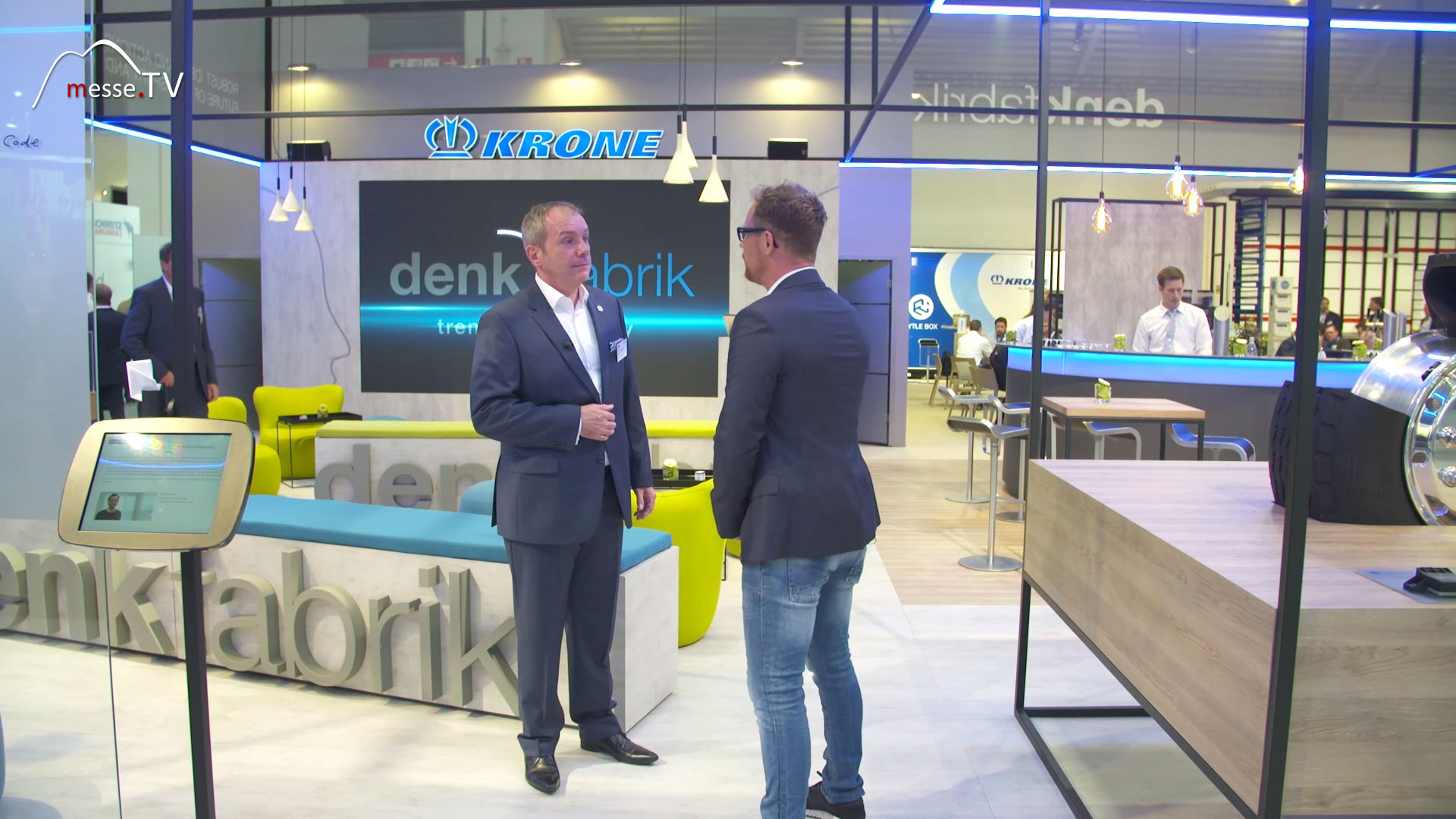
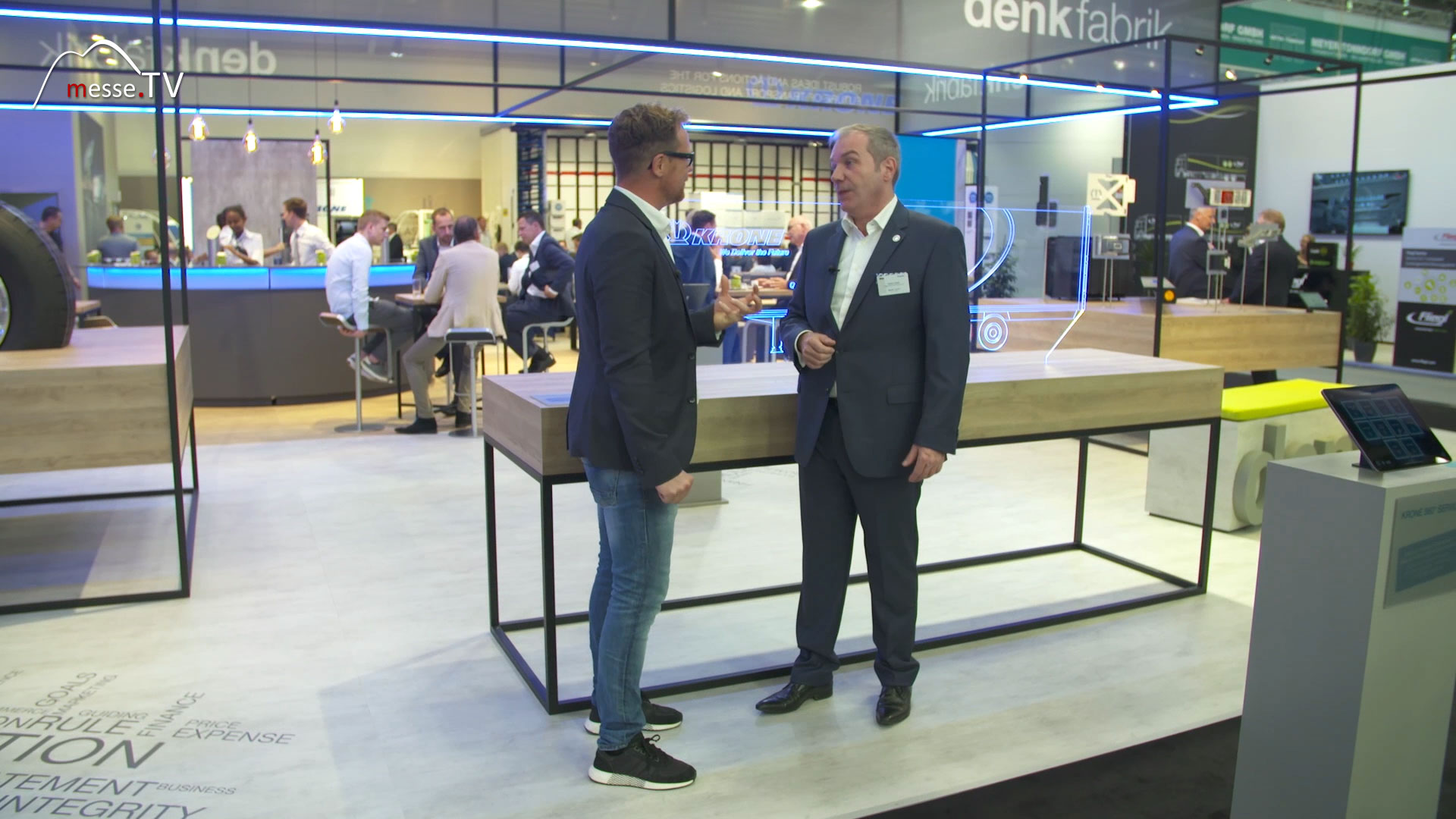
von Andreas Bergmeier - 2024-02-13Der Schriftzug Krone ist im Straßenbild allgegenwärtig. Wer sich im Nutzfahrzeugbereich bewegt, verbindet den Namen seit Jahrzehnten mit Trailern, Aufliegern und Wechselbrücken. Genau dort liegt der Ursprung, dort liegt der Kern des Unternehmens. Doch dieser Kern ist längst nicht mehr die ganze Geschichte.
Rund um das klassische Produkt hat sich schrittweise eine deutlich breiter aufgestellte Systemwelt entwickelt, die den Trailer nicht isoliert betrachtet, sondern als Teil eines betrieblichen Gesamtzusammenhangs. Der Ausgangspunkt bleibt dabei klar definiert. Trailer und Auflieger sind das Fundament, auf dem alles aufbaut. Sie prägen das Selbstverständnis, die technische Kompetenz und die Nähe zur Praxis. Gleichzeitig ist aber das Bewusstsein gewachsen, dass der wirtschaftliche Nutzen für den Kunden nicht allein im Fahrzeug selbst liegt. Entscheidend ist, wie zuverlässig, kalkulierbar und effizient dieses Fahrzeug über seinen gesamten Einsatz hinweg genutzt werden kann.
Der Ursprung im Trailerbau als technisches Fundament
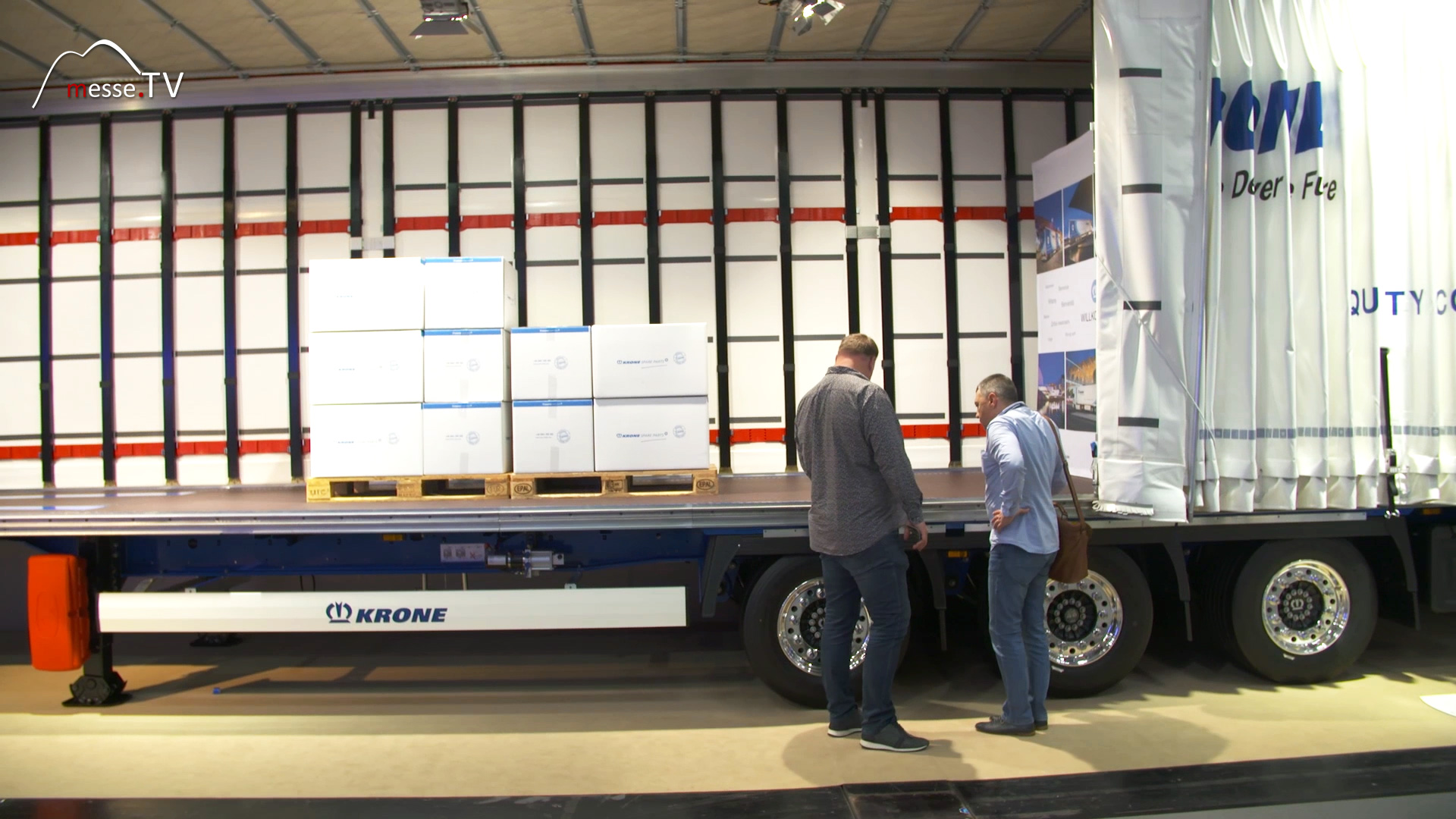
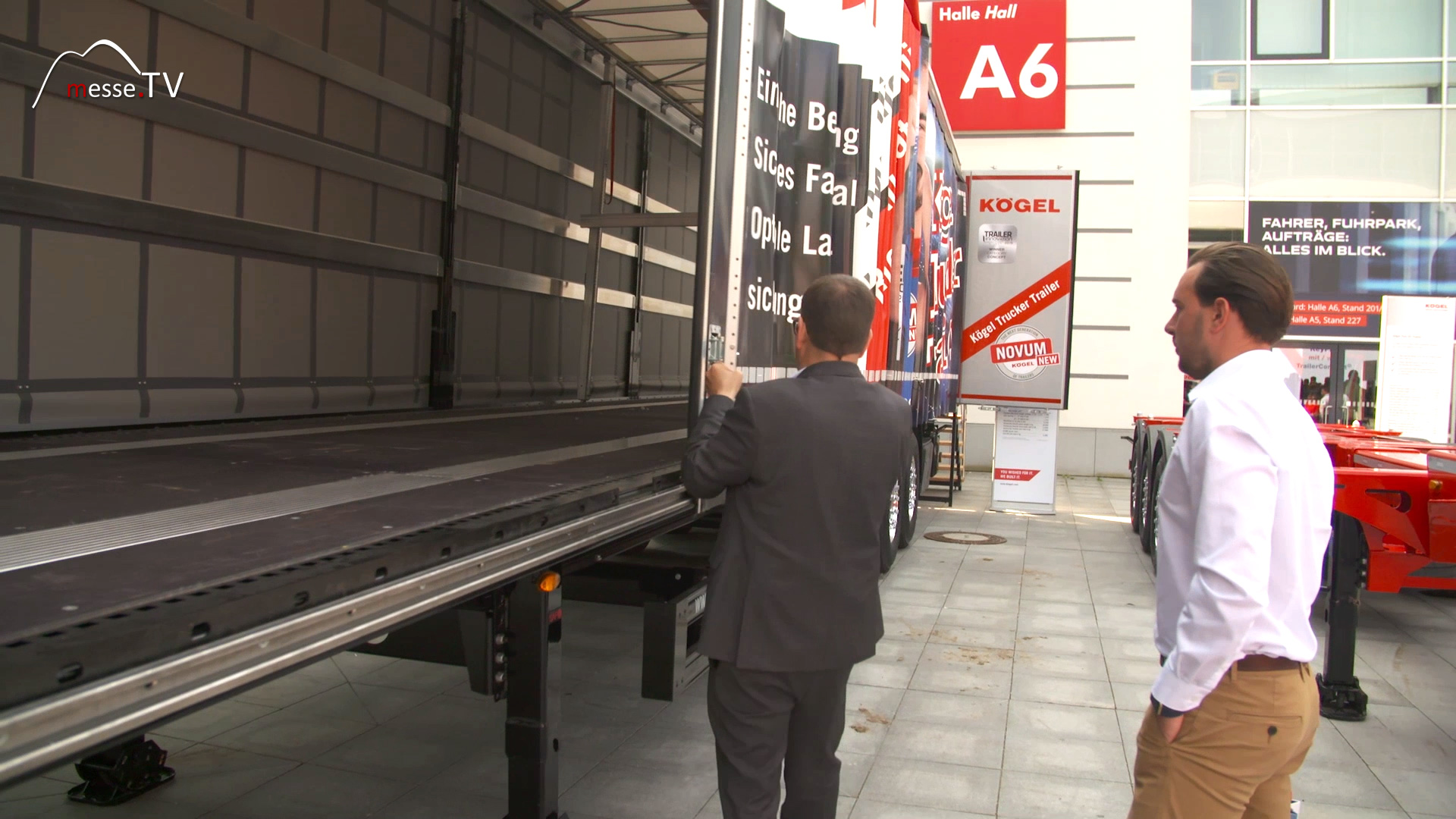
Im Nutzfahrzeugbereich ist die technische Basis entscheidend. Ein Auflieger muss robust, langlebig und wirtschaftlich sein. Diese Anforderungen bilden seit jeher den Maßstab. Trailer, Wechselbrücken und unterschiedliche Aufliegervarianten sind deshalb nicht nur Produkte, sondern Ausdruck eines tiefen Verständnisses für Transportprozesse. Dieses Verständnis ist die Voraussetzung dafür, weitere Leistungen sinnvoll anzudocken. Nur wer die Belastungen im Alltag kennt, kann Services entwickeln, die tatsächlich helfen. Die Nähe zum Produkt sorgt dafür, dass zusätzliche Angebote nicht abstrakt bleiben, sondern sich an realen Einsatzbedingungen orientieren.
Vom Einzelprodukt zur erweiterten Servicewelt
Rund um den Trailer ist im Laufe der Zeit ein deutlich erweitertes Angebot entstanden. Ziel ist es, dem Kunden dort Unterstützung zu bieten, wo Unsicherheiten, Kostenrisiken oder organisatorischer Aufwand entstehen. Dabei geht es nicht um eine vollständige Betreuung um jeden Preis, sondern um Leistungen, die für den Betrieb tatsächlich einen Mehrwert darstellen. Garantieverlängerungen gehören ebenso dazu wie umfassende Absicherungskonzepte. Der Gedanke dahinter ist einfach: Je besser Risiken kalkulierbar sind, desto stabiler lassen sich Flotten betreiben. Ausfallzeiten, unerwartete Reparaturen oder Qualitätsfragen wirken sich unmittelbar auf Kosten und Planung aus. Serviceangebote setzen genau an diesen Punkten an.
Faircare als Absicherung über den Lebenszyklus
Ein zentrales Element dieser Servicewelt ist Faircare. Dahinter verbirgt sich ein Rundumschutzkonzept, das dem Kunden Sicherheit über den gesamten Einsatzzeitraum geben soll. Im Kern geht es darum, Risiken zu reduzieren und Planbarkeit zu erhöhen. Wenn Schäden auftreten oder Komponenten ausfallen, greift eine klar definierte Absicherung. Für Flottenbetreiber ist dieser Ansatz besonders relevant. Je größer der Fuhrpark, desto stärker wirken sich einzelne ungeplante Ereignisse aus. Ein standardisiertes Schutzkonzept vereinfacht Prozesse, reduziert administrativen Aufwand und schafft Vertrauen in die kalkulatorische Basis des Betriebs.
Ersatzteile und Qualität als zentrale Säule
Neben Versicherungs- und Garantieangeboten spielen Ersatzteile eine zentrale Rolle. Sie sind ein klassisches, aber unverzichtbares Geschäftsfeld. Für Betreiber ist es entscheidend, im Reparaturfall schnell und zuverlässig auf passende Komponenten zugreifen zu können. Gleichzeitig steht die Qualität im Vordergrund. Minderwertige Teile führen zu Folgeschäden, längeren Standzeiten und höheren Gesamtkosten. Die Verfügbarkeit geprüfter Ersatzteile ist deshalb mehr als ein logistischer Service. Sie ist Teil eines Qualitätsversprechens, das den wirtschaftlichen Betrieb des Trailers absichert. Gerade im harten Transportalltag zahlt sich diese Konsequenz aus.

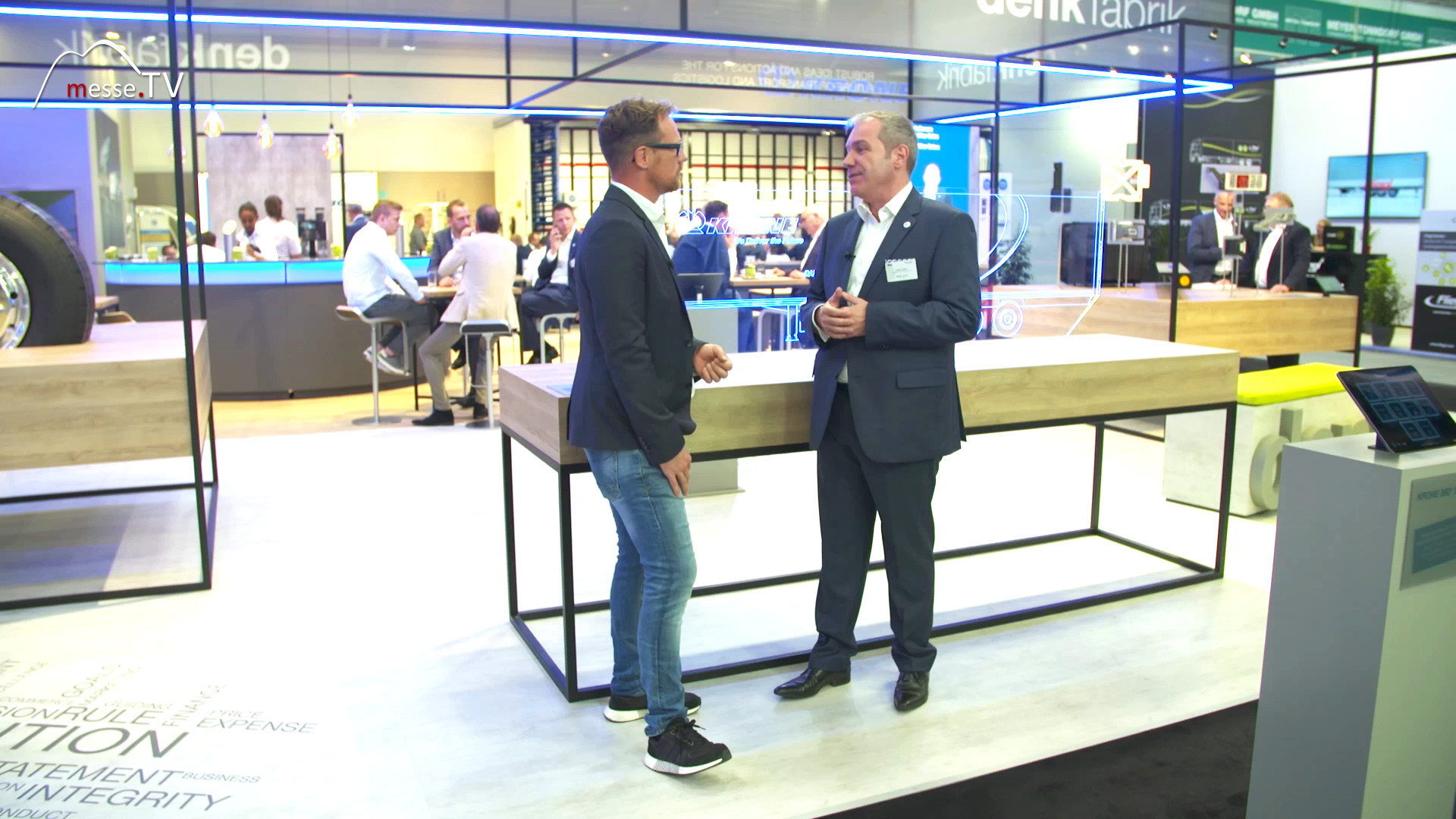
Telematik als neuer Zugang zum Trailerbetrieb
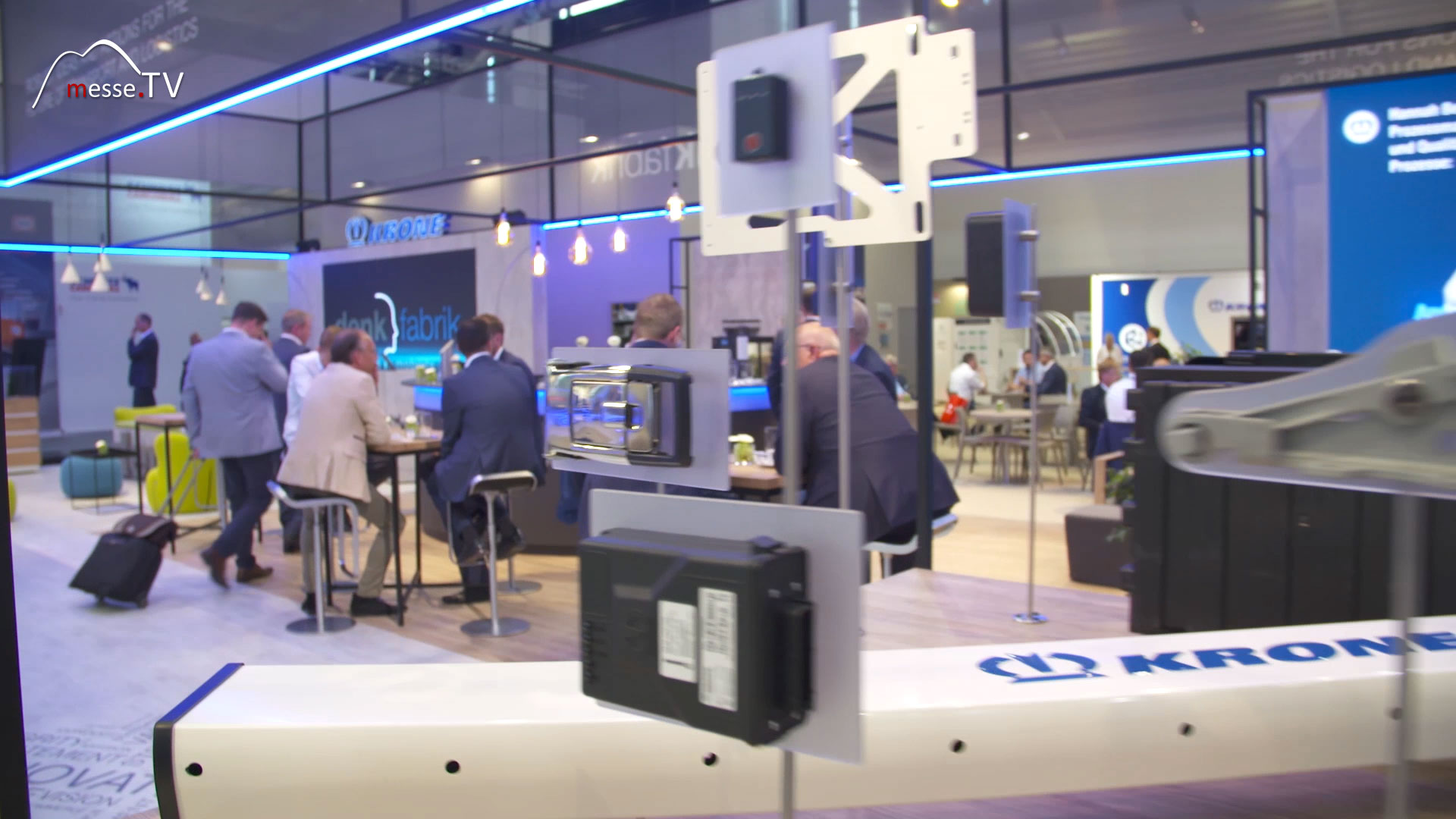
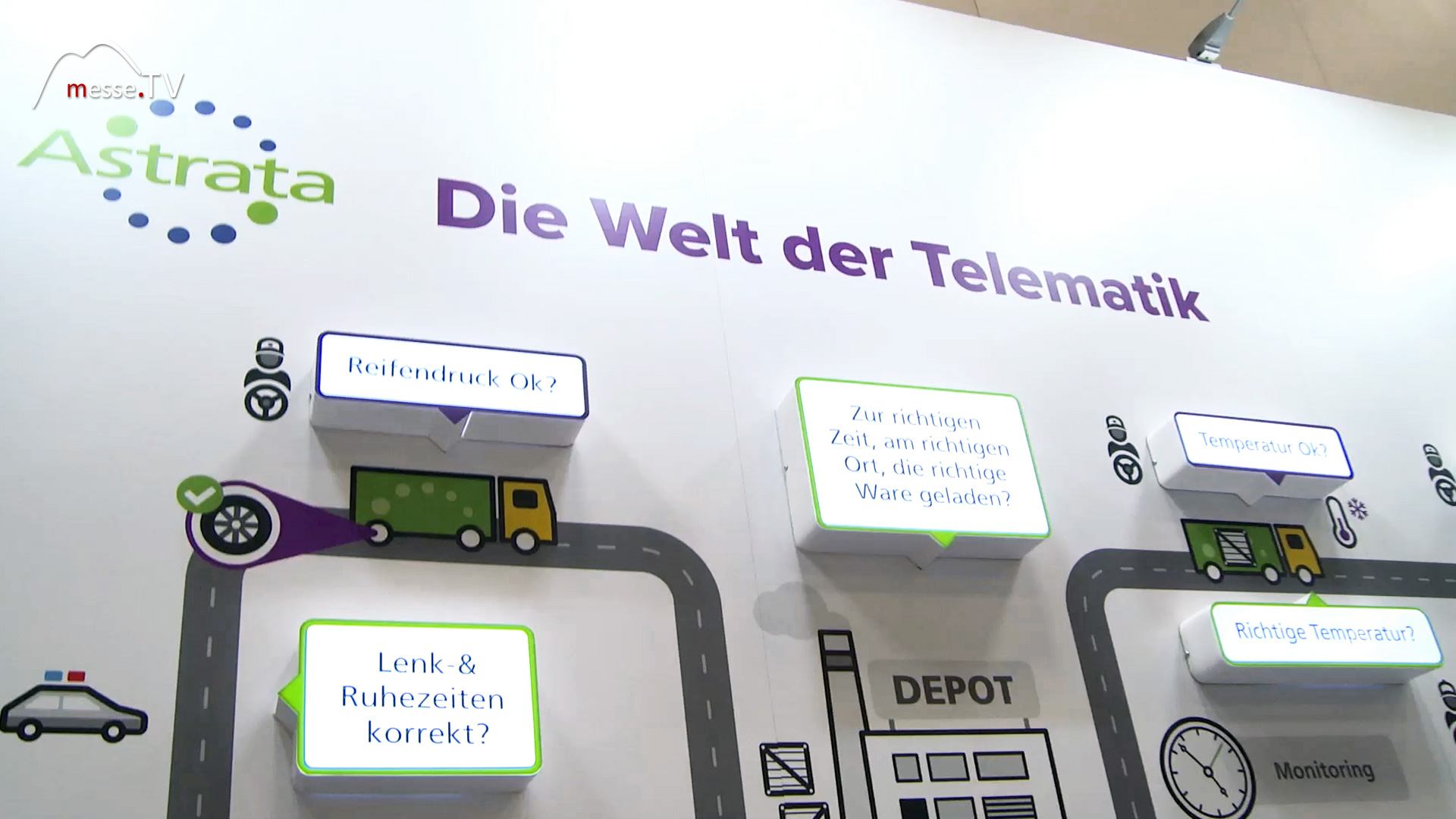
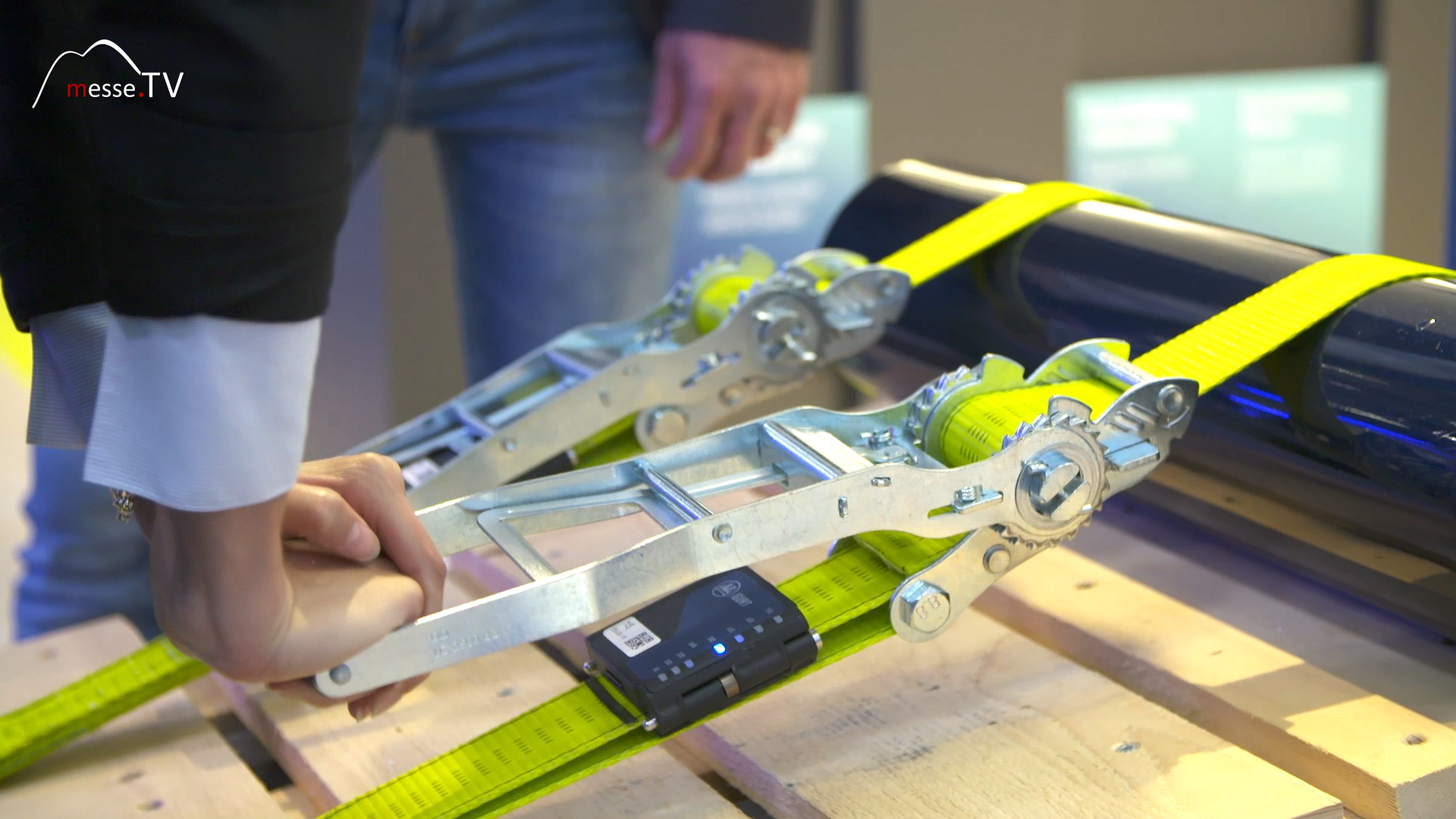
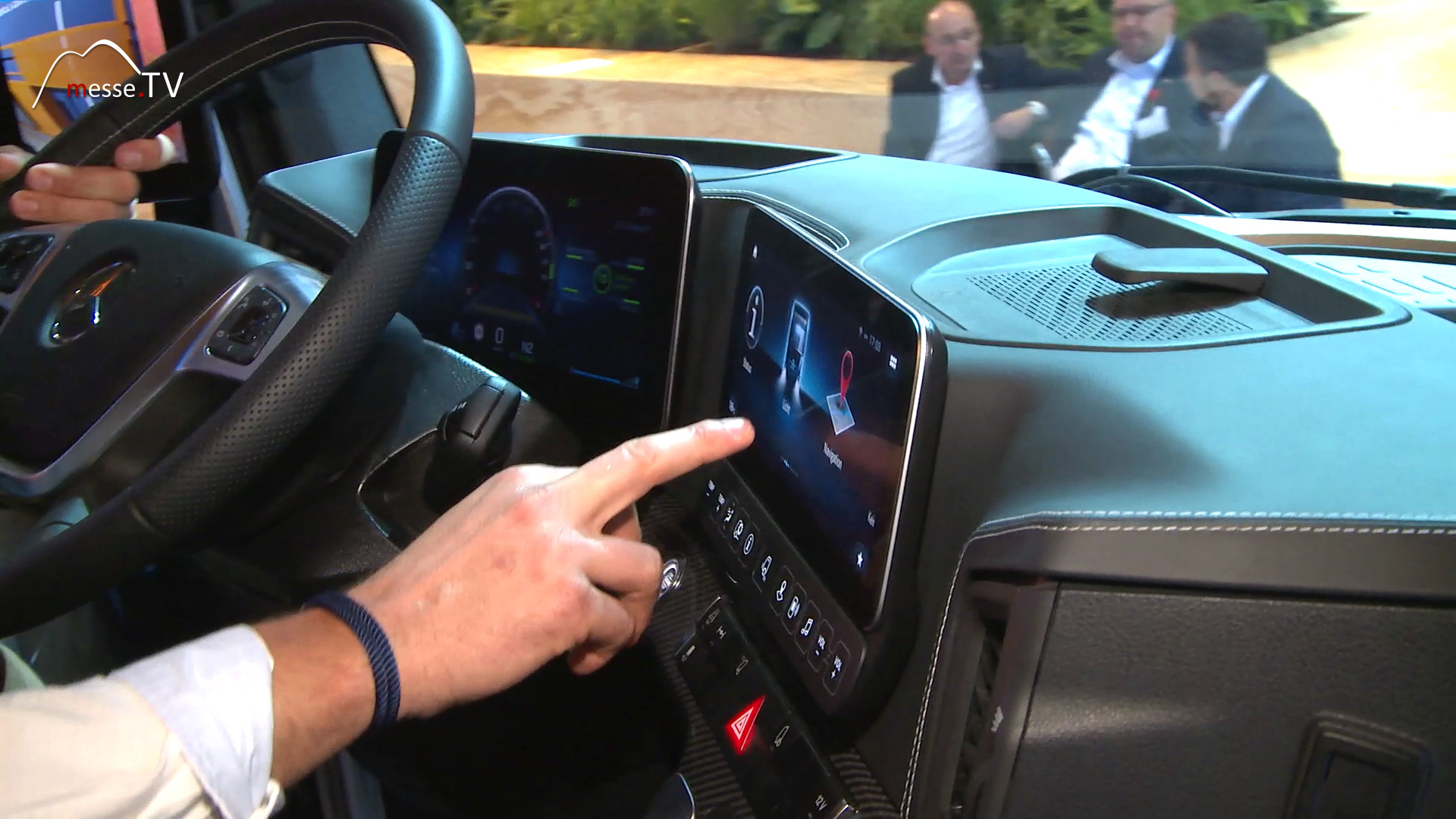
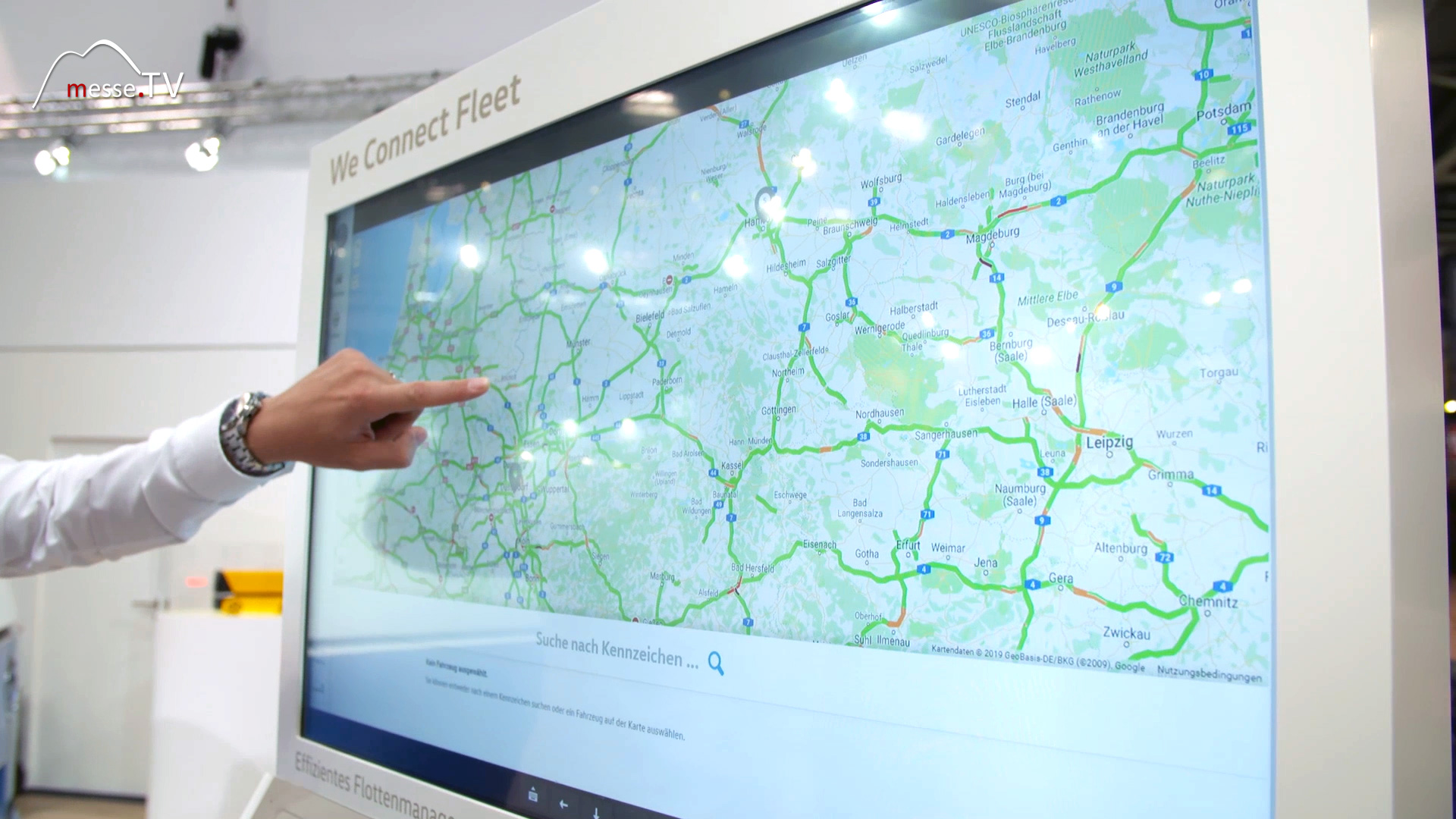
Einen deutlichen Schritt über klassische Serviceleistungen hinaus markieren Telematiklösungen. Sie eröffnen einen neuen Blick auf den Trailer als Datenquelle. Position, Zustand und Nutzung lassen sich digital erfassen und auswerten. Damit wird der Trailer transparent und steuerbar, auch aus der Distanz. Für Flottenbetreiber bedeutet das eine neue Form der Kontrolle. Trailer können lokalisiert werden, Standzeiten lassen sich analysieren, Abläufe besser koordinieren. Telematik ist dabei kein Selbstzweck, sondern ein Werkzeug zur Optimierung. Sie hilft, Ressourcen effizienter einzusetzen und Prozesse besser zu verstehen.
Digitale Services als Ergänzung zum physischen Produkt
Digitale Services bauen auf diesen Daten auf. Sie bieten Auswertungen, Übersichten und Entscheidungsgrundlagen. Wo befinden sich die Trailer, wie werden sie genutzt, wo entstehen Engpässe oder unnötige Leerläufe? Solche Fragen lassen sich datenbasiert deutlich präziser beantworten als mit manuellen Methoden. Diese digitalen Angebote sind bewusst als Ergänzung gedacht. Sie ersetzen nicht das physische Produkt, sondern erweitern dessen Nutzen. Der Trailer bleibt das Herzstück, die digitalen Services liefern den zusätzlichen Informationsgewinn.
- Trailer, Auflieger und Wechselbrücken als technisches Fundament
- Garantieverlängerungen zur besseren Kostenplanung
- Faircare als umfassendes Absicherungskonzept
- Ersatzteile mit Fokus auf geprüfte Qualität
- Telematik zur Transparenz im Flottenbetrieb
- Digitale Services zur datenbasierten Optimierung
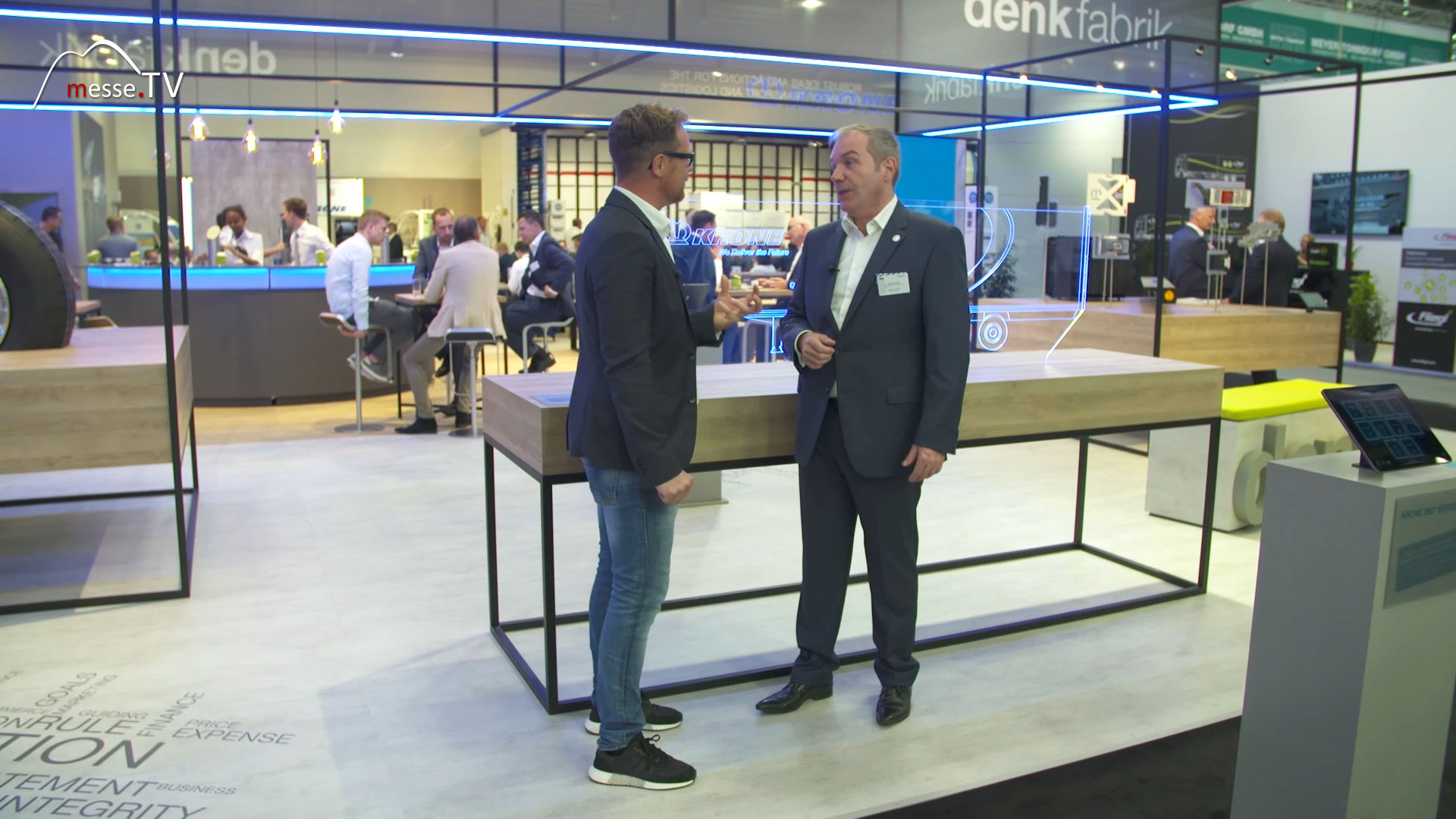
Den Kunden ganzheitlich denken
Der Anspruch, den Kunden von vorne bis hinten zu begleiten, ist bewusst pragmatisch formuliert. Nicht alles, was möglich wäre, ist automatisch sinnvoll. Entscheidend ist der konkrete Nutzen. Services werden dort angeboten, wo sie Abläufe vereinfachen, Risiken reduzieren oder Transparenz schaffen. Dieser ganzheitliche Blick verändert auch die Beziehung zwischen Hersteller und Betreiber. Aus der reinen Produktlieferung wird eine längerfristige Partnerschaft. Der Trailer ist nicht mehr nur ein Investitionsgut, sondern Teil eines kontinuierlich begleiteten Systems.
Qualität, Nutzen und Verlässlichkeit als Leitlinien
Trotz der zunehmenden Vielfalt bleibt die Ausrichtung klar. Qualität steht im Mittelpunkt, ebenso die Verlässlichkeit der angebotenen Leistungen. Digitale Lösungen, Servicepakete und Absicherungskonzepte müssen sich im Alltag bewähren. Nur dann rechtfertigen sie ihre Integration in den Betrieb. Der Weg vom klassischen Trailerhersteller hin zu einer umfassenden Systemwelt ist kein Bruch mit der Vergangenheit, sondern eine konsequente Weiterentwicklung. Der Ursprung im Fahrzeugbau bleibt sichtbar, wird aber ergänzt durch Leistungen, die den Trailerbetrieb insgesamt effizienter und planbarer machen.
Messe-Berichterstattung bundesweit - Messewissen, Termine & Veranstaltungen


