Logistiksoftware und Volumenerfassung als Grundlage moderner Versandprozesse
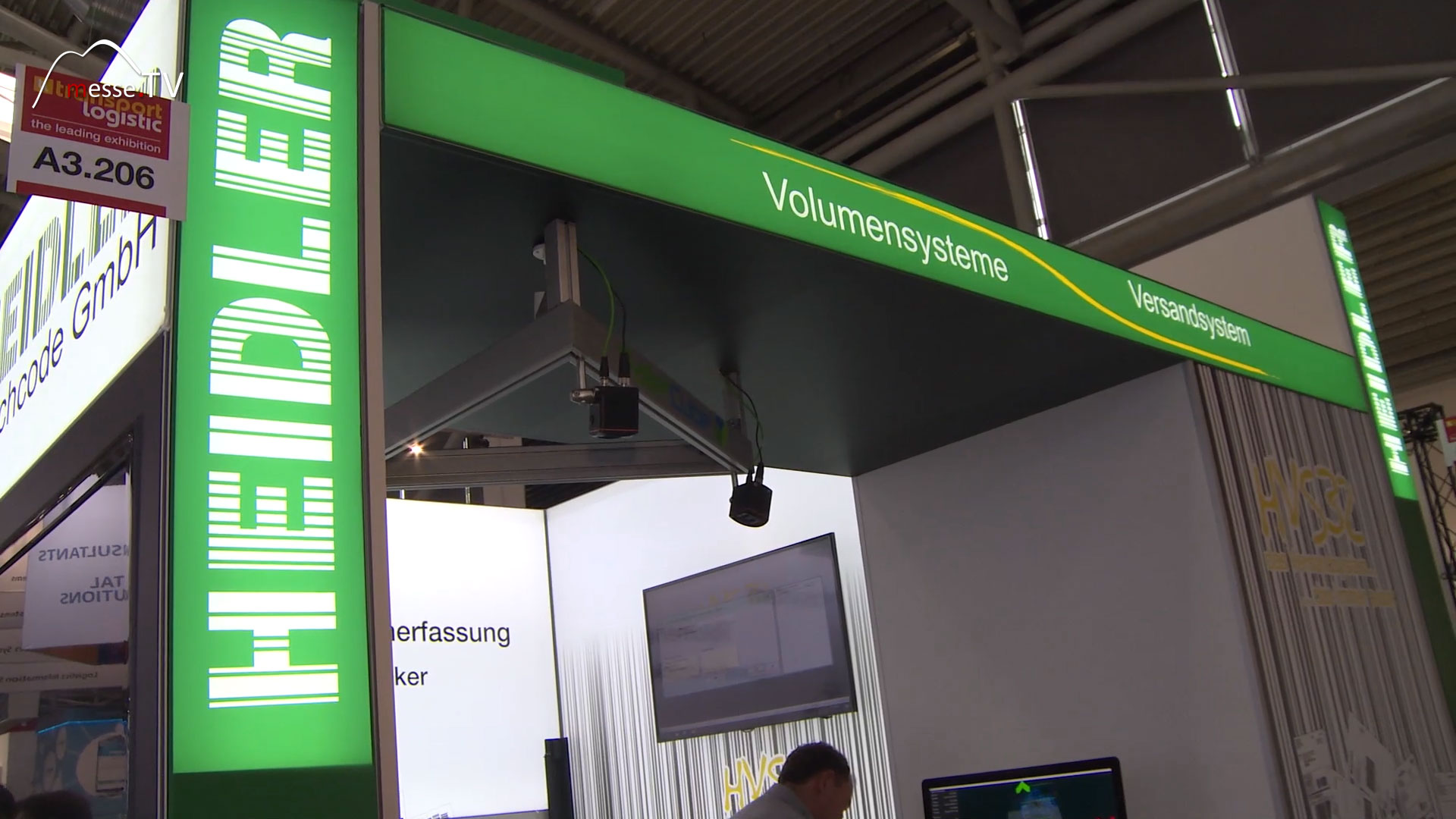
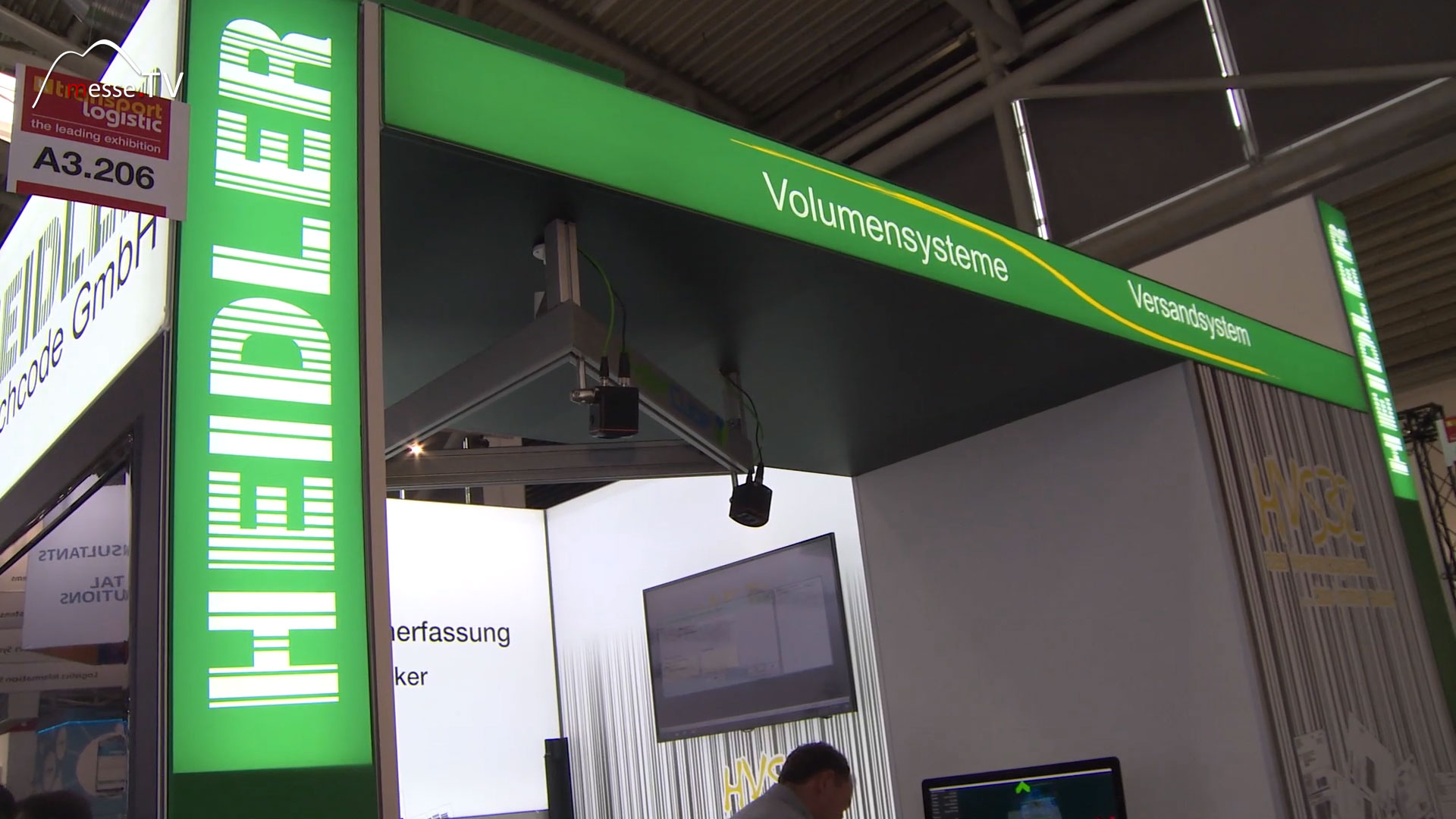
von Jürgen Groh - 2024-02-13Die Anforderungen an Logistiksoftware haben sich in den vergangenen Jahren spürbar verändert. Versand ist längst kein isolierter Schritt mehr am Ende einer Wertschöpfungskette, sondern integraler Bestandteil komplexer Prozesse. Wer heute Waren bewegt, muss Daten erzeugen, verarbeiten und zuverlässig weitergeben. Genau in diesem Spannungsfeld zwischen Software, Hardware und operativer Praxis positioniert sich Heidler als Anbieter ganzheitlicher Lösungen für den Logistikbereich.
Das Unternehmen ist als Familienunternehmen gewachsen und blickt auf eine lange Entwicklung zurück. Gegründet Anfang der neunziger Jahre, hat sich Heidler kontinuierlich entlang der praktischen Bedürfnisse von Versendern, Logistikdienstleistern und Industrieunternehmen weiterentwickelt. Mit dem Generationswechsel in der Geschäftsführung wurde dieser Kurs fortgesetzt und inhaltlich erweitert. Der Fokus liegt weiterhin klar auf Software, ergänzt um Produkte, die im täglichen Logistikbetrieb benötigt werden.
Heidler als Familienunternehmen mit technologischem Fokus
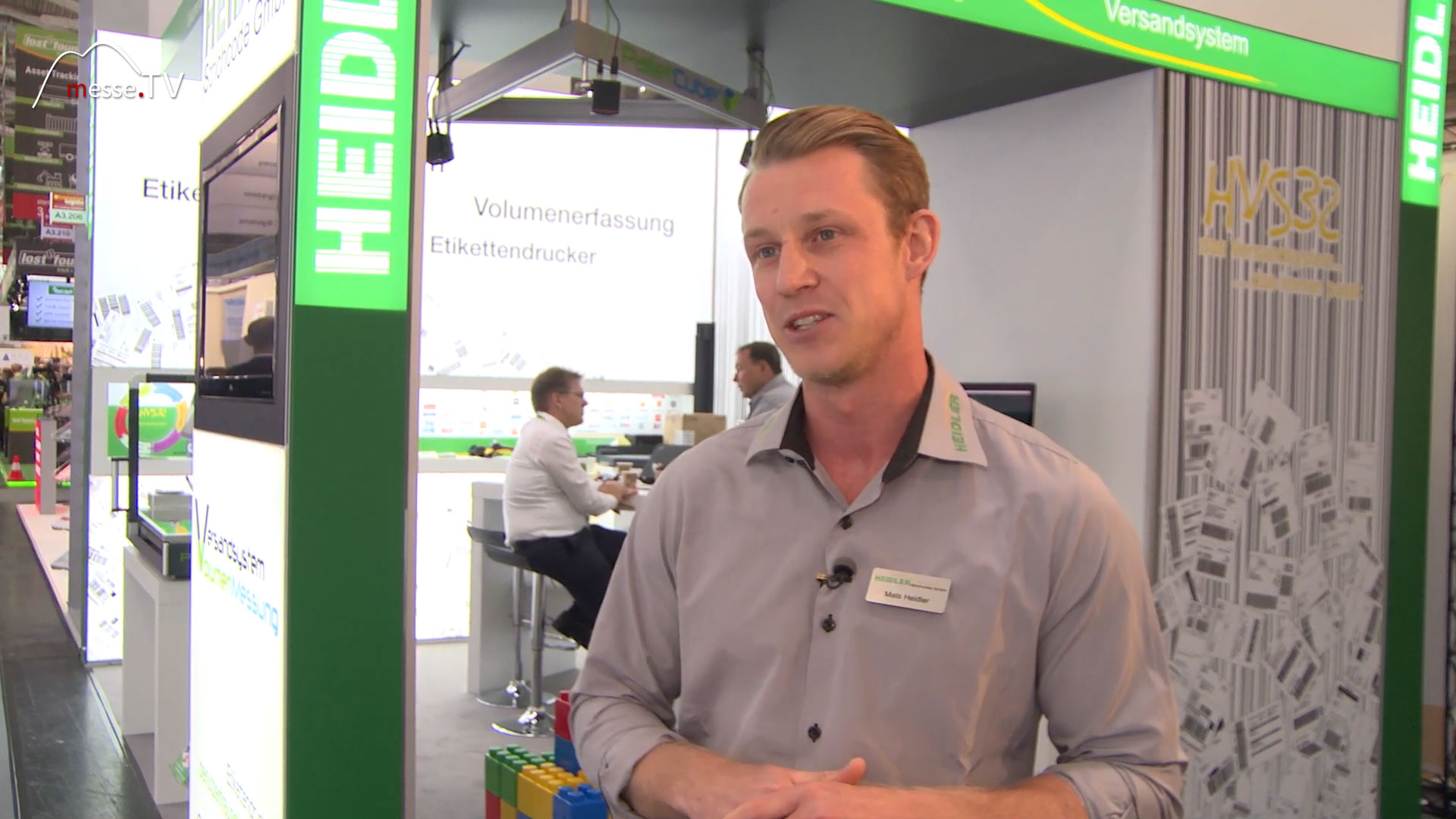
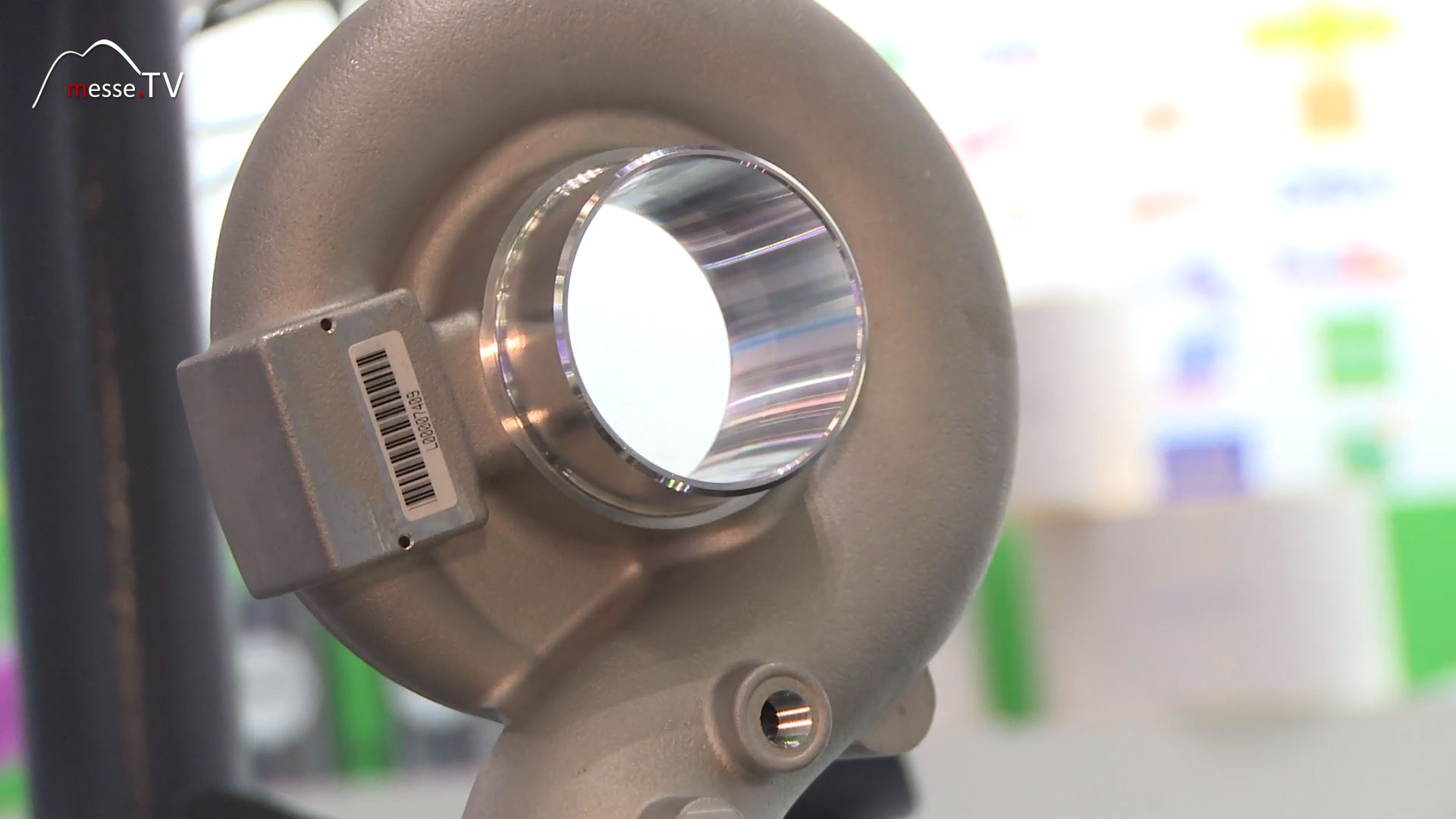
Die Struktur als Familienunternehmen prägt die Ausrichtung spürbar. Entscheidungen werden nicht kurzfristig getroffen, sondern entlang langfristiger Entwicklungen im Logistikmarkt. Das Team ist vergleichsweise klein, arbeitet jedoch hoch spezialisiert. Der Schwerpunkt liegt auf der Entwicklung von Softwarelösungen, insbesondere im Versandumfeld, ergänzt um Systeme zur Datenerfassung und Prozessunterstützung. Diese Kombination ist kein Zufall. Versandsoftware entfaltet ihren Nutzen nur dann vollständig, wenn die zugrunde liegenden Daten korrekt sind. Abmessungen, Gewichte und eindeutige Identifikationen bilden die Basis für Preisberechnungen, Laufzeiten und die Auswahl passender Transportdienstleister. Heidler setzt deshalb bewusst auf eine enge Verzahnung von Software und Datenerfassung.

Multicarrier Versandsoftware Hvs32 im täglichen Einsatz
Ein zentrales Produkt ist das Multicarrier-Versandsystem Hvs32. Die Software ist darauf ausgelegt, eine Vielzahl unterschiedlicher Frachtführer innerhalb eines Systems abzubilden. In der Praxis bedeutet das, dass Versender nicht für jeden Dienstleister eigene Prozesse pflegen müssen. Stattdessen werden die Anforderungen zentral gesteuert. Besonders relevant ist dabei die Unterstützung von Strichcodes. Unterschiedliche Frachtführer arbeiten mit unterschiedlichen Spezifikationen. Labels müssen exakt den jeweiligen Vorgaben entsprechen, um reibungslose Abläufe sicherzustellen. Das Versandsystem übernimmt diese Aufgabe automatisiert. Die Strichcodes werden entsprechend der Spezifikation erzeugt und direkt auf die Versandlabels gedruckt. Fehlerquellen im manuellen Prozess werden so reduziert. Die große Anzahl integrierter Frachtführermodule zeigt, wie stark sich der Versandmarkt fragmentiert hat. Nationale und internationale Dienstleister, Expressanbieter und spezialisierte Carrier müssen gleichermaßen angebunden werden. Die Versandsoftware bildet diese Vielfalt ab und sorgt für einheitliche Prozesse im Hintergrund.
Volumenerfassung im Wareneingang und Warenausgang
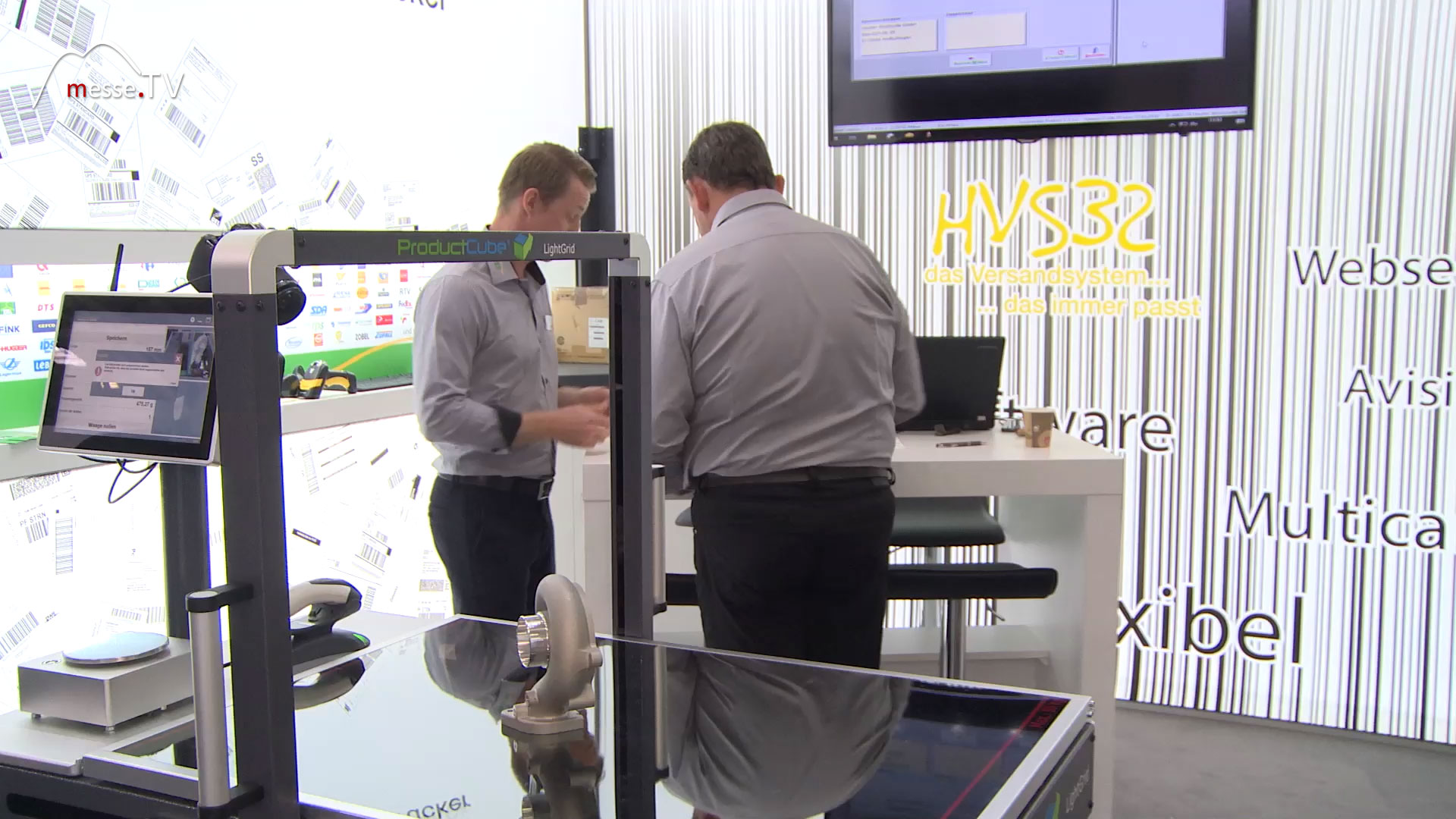
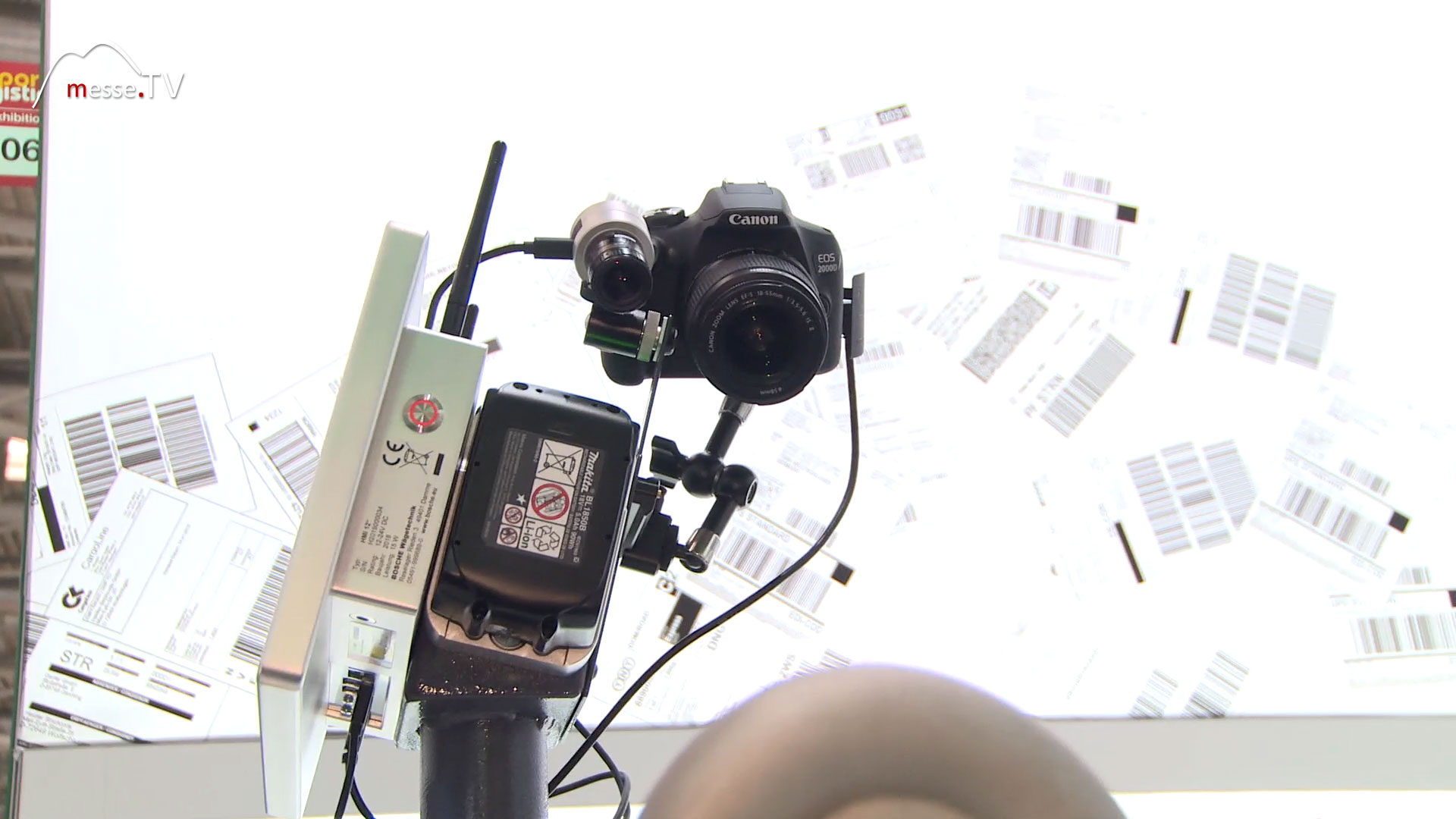
Neben der Versandsoftware spielt die Volumenerfassung eine zentrale Rolle im Portfolio. Sie ist sowohl im Wareneingang als auch im Warenausgang relevant. Im Wareneingang dient sie dazu, Masterdaten zu generieren. Länge, Breite, Höhe und Gewicht werden erfasst und als Stammdaten hinterlegt. Diese Informationen sind später für Lagerung, Kommissionierung und Versand entscheidend. Im Warenausgang kommt die Volumenerfassung erneut zum Einsatz. Paletten und Packstücke müssen vermessen werden, insbesondere im Luftfracht- und Expressbereich. Abweichungen zwischen tatsächlichen und angenommenen Abmessungen führen dort schnell zu Nachberechnungen. Durch eine systemgestützte Erfassung lassen sich solche Effekte vermeiden. Die Erfassung erfolgt nicht als isolierter Schritt, sondern ist in die bestehenden Prozesse integriert. Ziel ist es, Daten dort zu erzeugen, wo sie ohnehin benötigt werden, ohne zusätzliche manuelle Aufwände.
Datenqualität als Voraussetzung für effiziente Logistik
Ein wiederkehrendes Thema in der Logistik ist die Qualität der Daten. Ungenaue oder fehlende Angaben wirken sich entlang der gesamten Kette aus. Heidler adressiert dieses Problem, indem die Datenerfassung möglichst nah am physischen Objekt erfolgt. Statt Schätzungen oder nachträglicher Korrekturen stehen belastbare Messwerte zur Verfügung. Diese Daten fließen direkt in die Softwareprozesse ein. Versandentscheidungen basieren nicht auf Annahmen, sondern auf realen Abmessungen und Gewichten. Das erhöht die Planungssicherheit und reduziert Konflikte mit Frachtführern.
- Zentrale Steuerung unterschiedlicher Frachtführer
- Automatisierte Erzeugung korrekter Versandlabels
- Erfassung von Länge, Breite, Höhe und Gewicht
- Nutzung der Daten im Wareneingang und Warenausgang
Integration in bestehende Logistikprozesse
Ein wichtiger Aspekt ist die Integrationsfähigkeit der Lösungen. Logistiksysteme stehen selten für sich allein. Sie müssen mit Warenwirtschaftssystemen, Lagerverwaltung und übergeordneten IT-Strukturen zusammenspielen. Die Lösungen von Heidler sind darauf ausgelegt, sich in bestehende Systemlandschaften einzufügen. Dabei geht es nicht nur um technische Schnittstellen, sondern auch um Prozesslogik. Die Software orientiert sich an realen Abläufen im Lager und im Versand. Ziel ist es, Mitarbeiter zu unterstützen, nicht zusätzliche Komplexität zu schaffen. Prozesse sollen schneller, transparenter und weniger fehleranfällig werden.

Versandsoftware als strategischer Faktor
Versand wird in vielen Unternehmen noch immer als operativer Kostenfaktor betrachtet. Tatsächlich ist er zunehmend ein strategischer Hebel. Lieferzeiten, Zuverlässigkeit und Transparenz wirken sich direkt auf Kundenzufriedenheit und Wettbewerbsfähigkeit aus. Versandsoftware übernimmt dabei eine Schlüsselrolle. Heidler positioniert sich in diesem Kontext nicht als reiner Softwareanbieter, sondern als Partner für logistische Prozesse. Die Kombination aus Multicarrier-Versandsystem und Volumenerfassung zeigt, dass Effizienz nicht durch einzelne Tools entsteht, sondern durch abgestimmte Lösungen.
Logistiklösungen mit Blick auf zukünftige Anforderungen
Die Logistik steht weiter unter Veränderungsdruck. Steigende Volumina, zunehmende Internationalisierung und höhere Anforderungen an Transparenz prägen den Markt. Gleichzeitig werden Daten immer wichtiger, um Prozesse zu steuern und zu optimieren. Heidler entwickelt seine Lösungen vor diesem Hintergrund kontinuierlich weiter. Der Fokus auf Software, ergänzt um Systeme zur Datenerfassung, zeigt einen klaren strategischen Ansatz. Logistik wird nicht isoliert betrachtet, sondern als Zusammenspiel aus Technik, Daten und operativer Realität. Genau darin liegt die Stärke moderner Logistiksoftware, die über den reinen Versand hinausdenkt und Prozesse ganzheitlich unterstützt.









Messe-Berichterstattung bundesweit - Messewissen, Termine & Veranstaltungen


