Rail as the backbone of modern mobility between technology and infrastructure
Rail has been a key element of modern transport systems for more than a century. It connects regions, structures economic areas and enables mobility on a scale that goes far beyond individual travel. Rail transport is not a by-product of technical development, but the result of long-term planning, political decisions and considerable investment. Today, rail transport is once again at the centre of public debate because issues of capacity, reliability and climate protection are converging. The importance of rail stems less from visions than from its real performance in everyday life.
Contributions relating to rail transport on Messe.TV
Virtual planning for public transport infrastructure
Public transport is under increasing pressure. Passengers expect simple fare systems, clear signage and journeys that are as seamless as possible through complex transport infrastr... AIT showcases intelligent fare system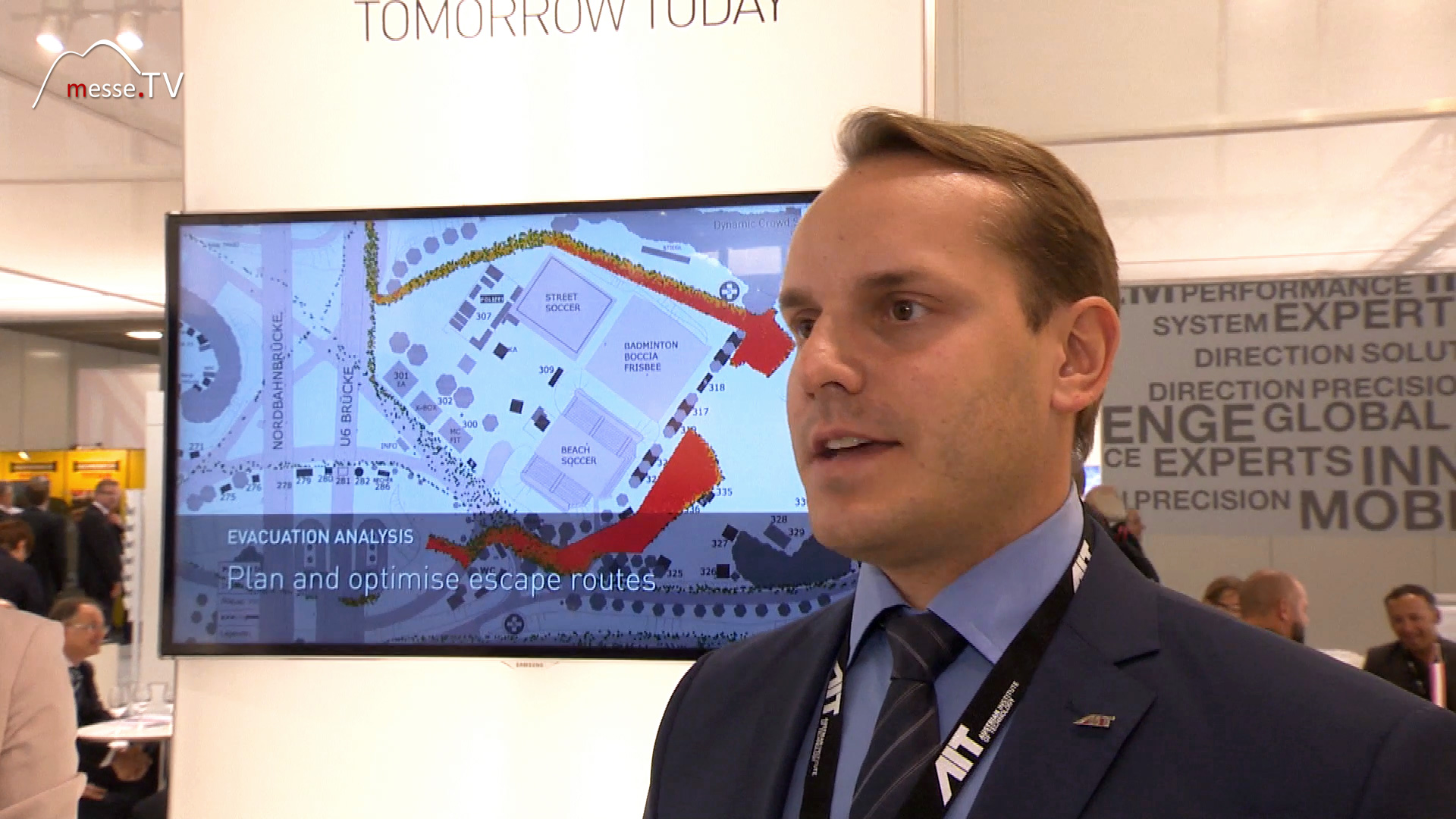
Autonomous warning systems for greater safety in rail transport
Rail transport is one of the most heavily regulated transport systems in existence. Nevertheless, serious train accidents repeatedly demonstrate that even modern safety technology ... Autonomous collision warning system for trains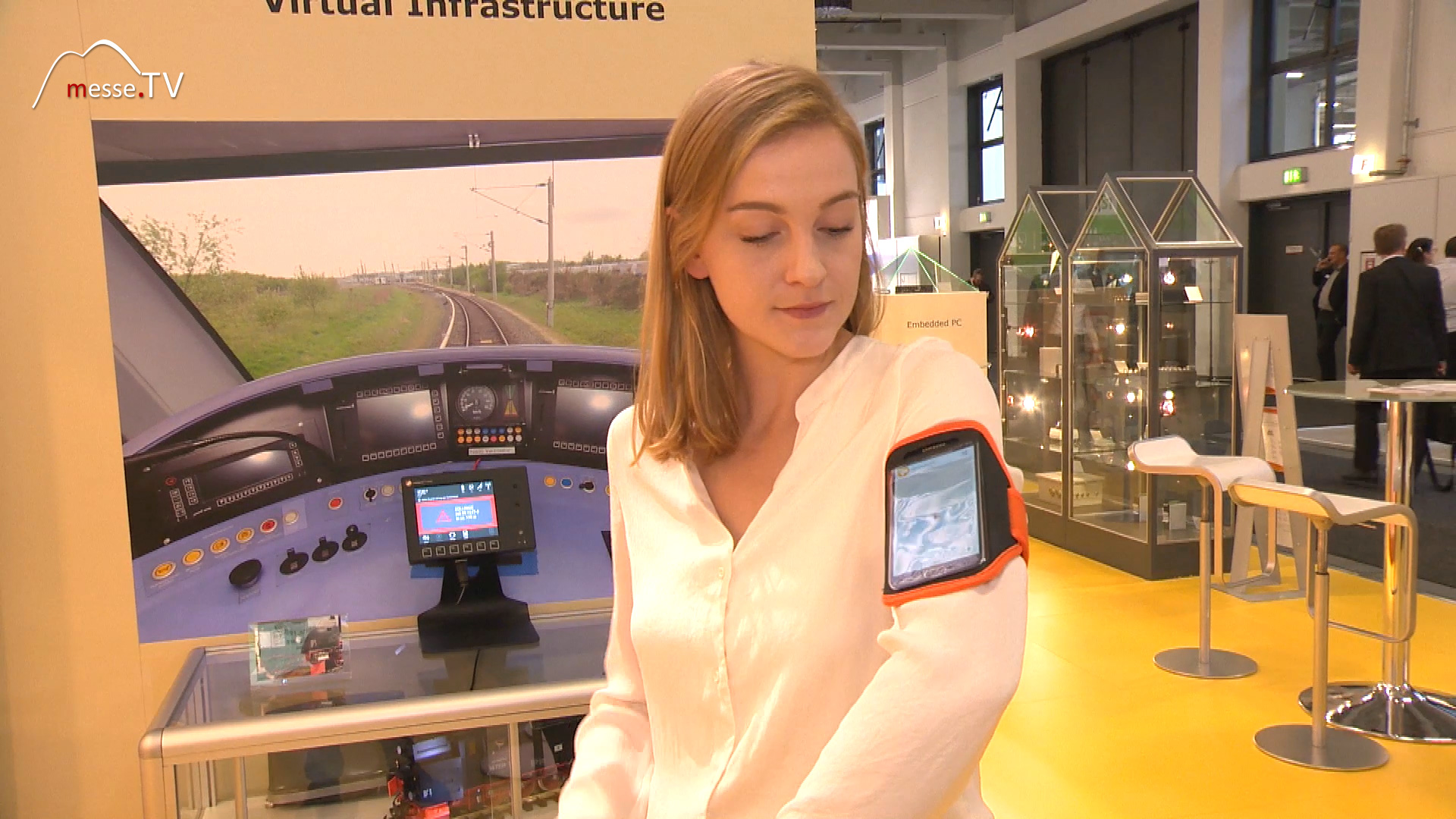

Fibre-optic technology and local transport for transport infrastructure
Modern transport infrastructure is no longer limited to railways or roads. Behind the scenes, increasingly complex networks comprising fibre-optic technology, data transmission and... Systems for railway fibre-optic networks
Modular electric buses for autonomous mobility
Public local transport is under pressure worldwide. Cities are growing, traffic flows are becoming increasingly dynamic throughout the day, and traditional bus systems are increasi... Modular vehicle structure for the local transport of the future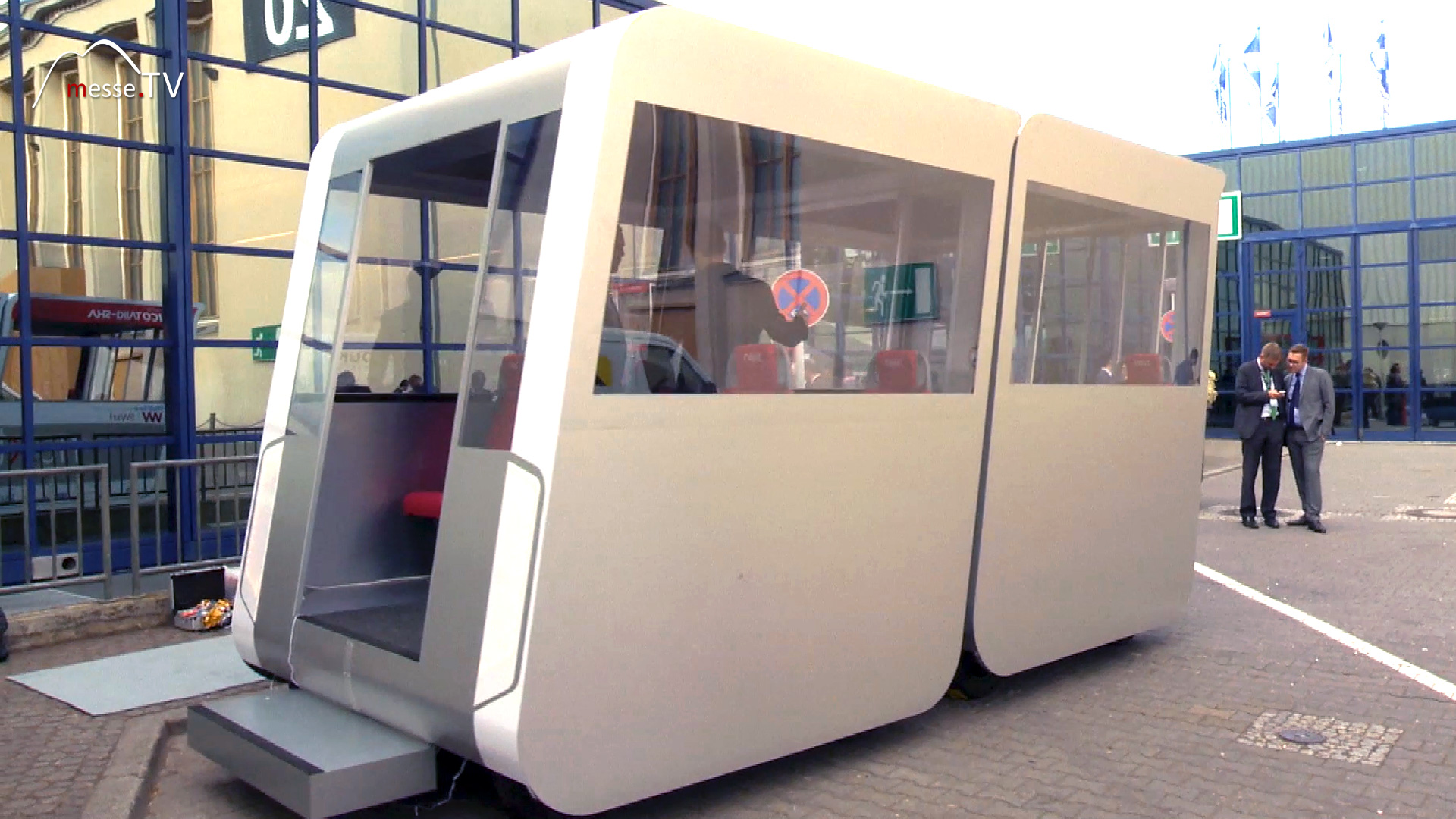
Track inspection and safety systems for heavy-haul rail transport
Rail freight transport is growing worldwide – and with it, the demands on infrastructure, maintenance and safety technology. In heavy-haul transport in particular, enormous forces ... Heavy-haul applications in railway technology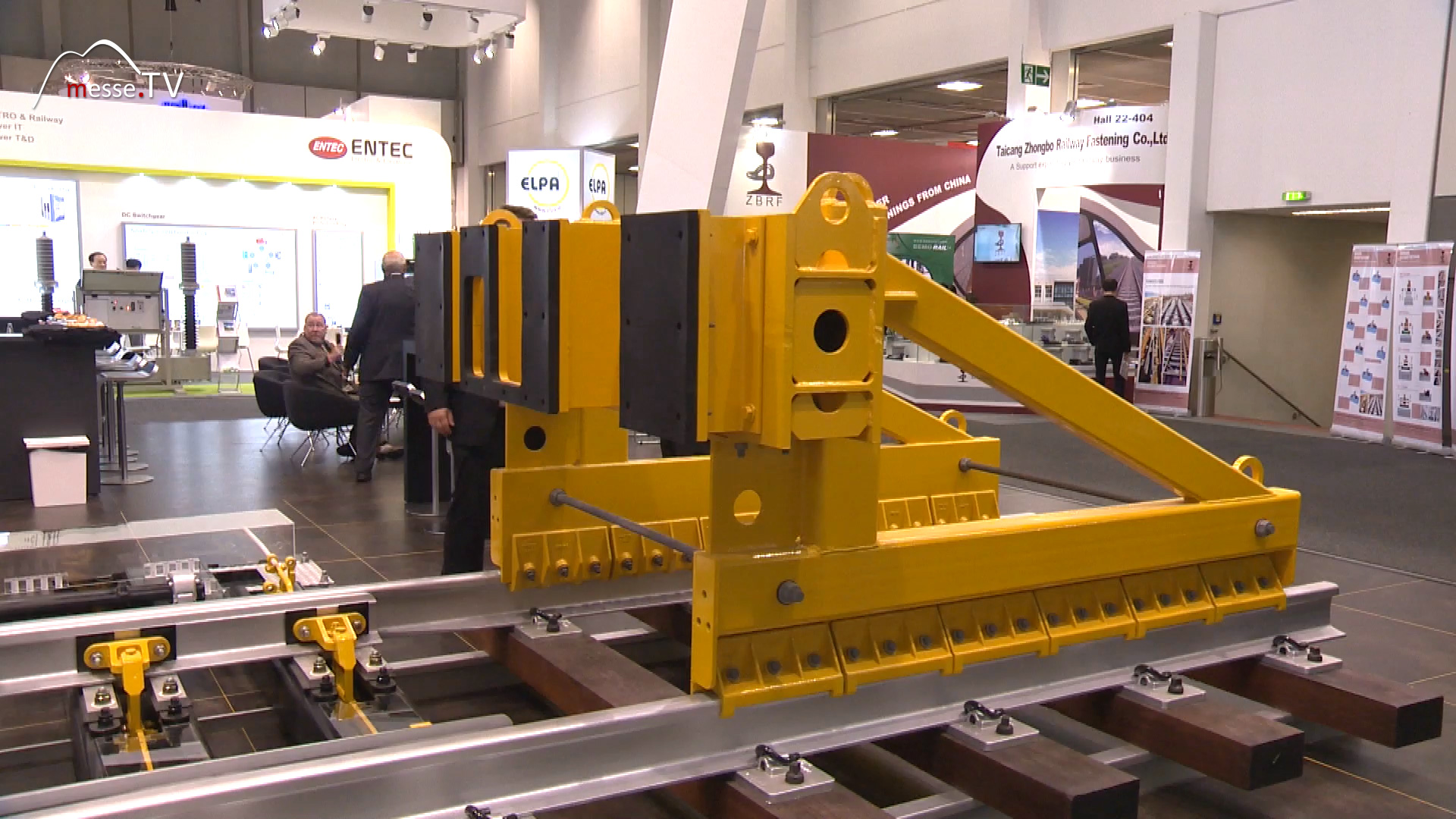
Green track technology for cities and local transport
The expansion of urban rail and tram networks is presenting many cities with a difficult dilemma. On the one hand, local public transport is seen as the key solution to traffic pro... Green track systems and noise barrier solutions
The EC250 combines high-speed travel with tunnel technology
Cross-border rail transport is still considered technically challenging in Europe today. Different power systems, national signalling systems and varying approval requirements comp... Comfort, travel speed and direct international connections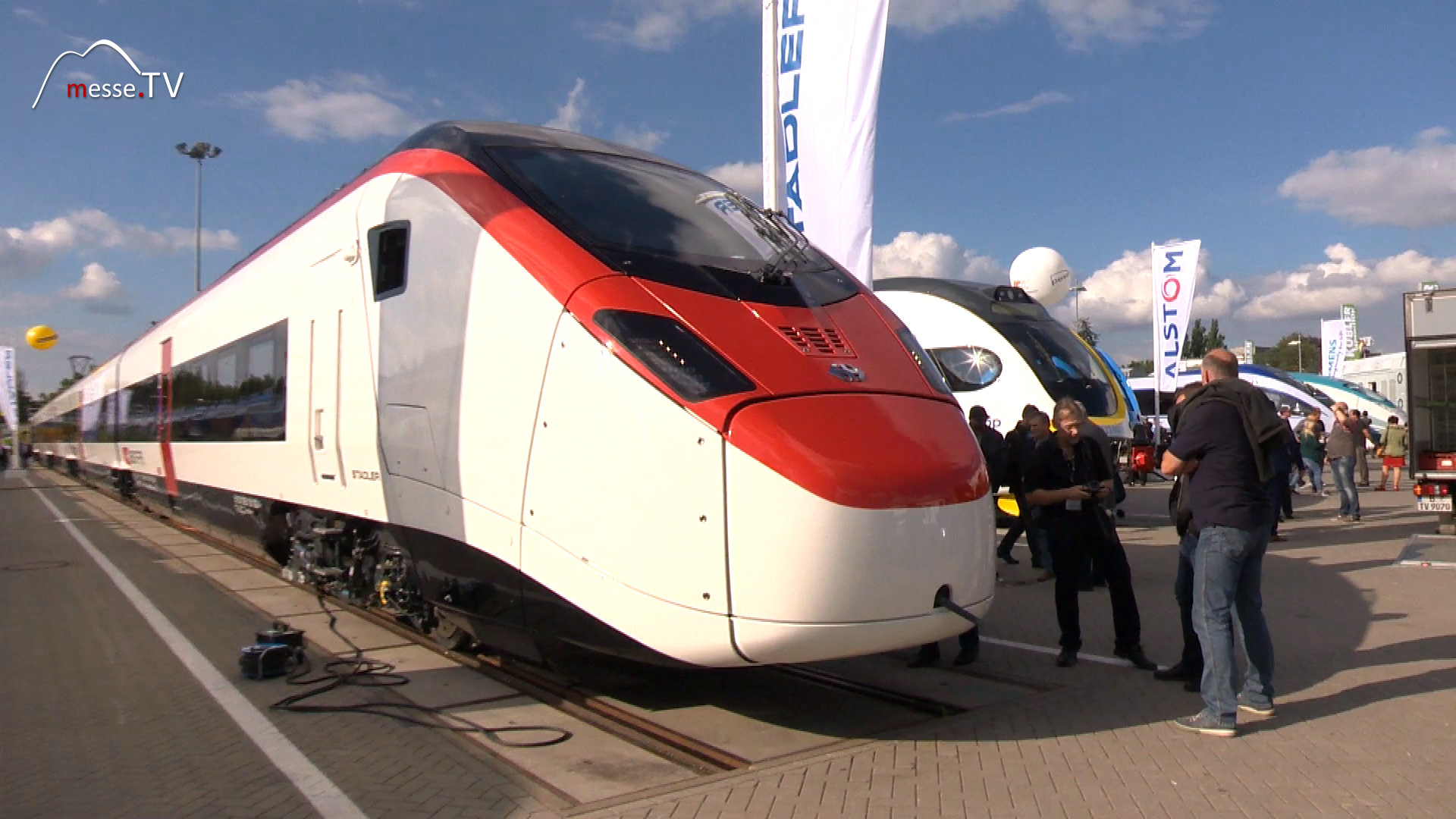
Power supply for battery trains on the railways
The discussion about the future of rail transport is no longer just about new vehicles or faster connections. The focus is increasingly on how existing networks can be used more ef... Battery trains: Power supply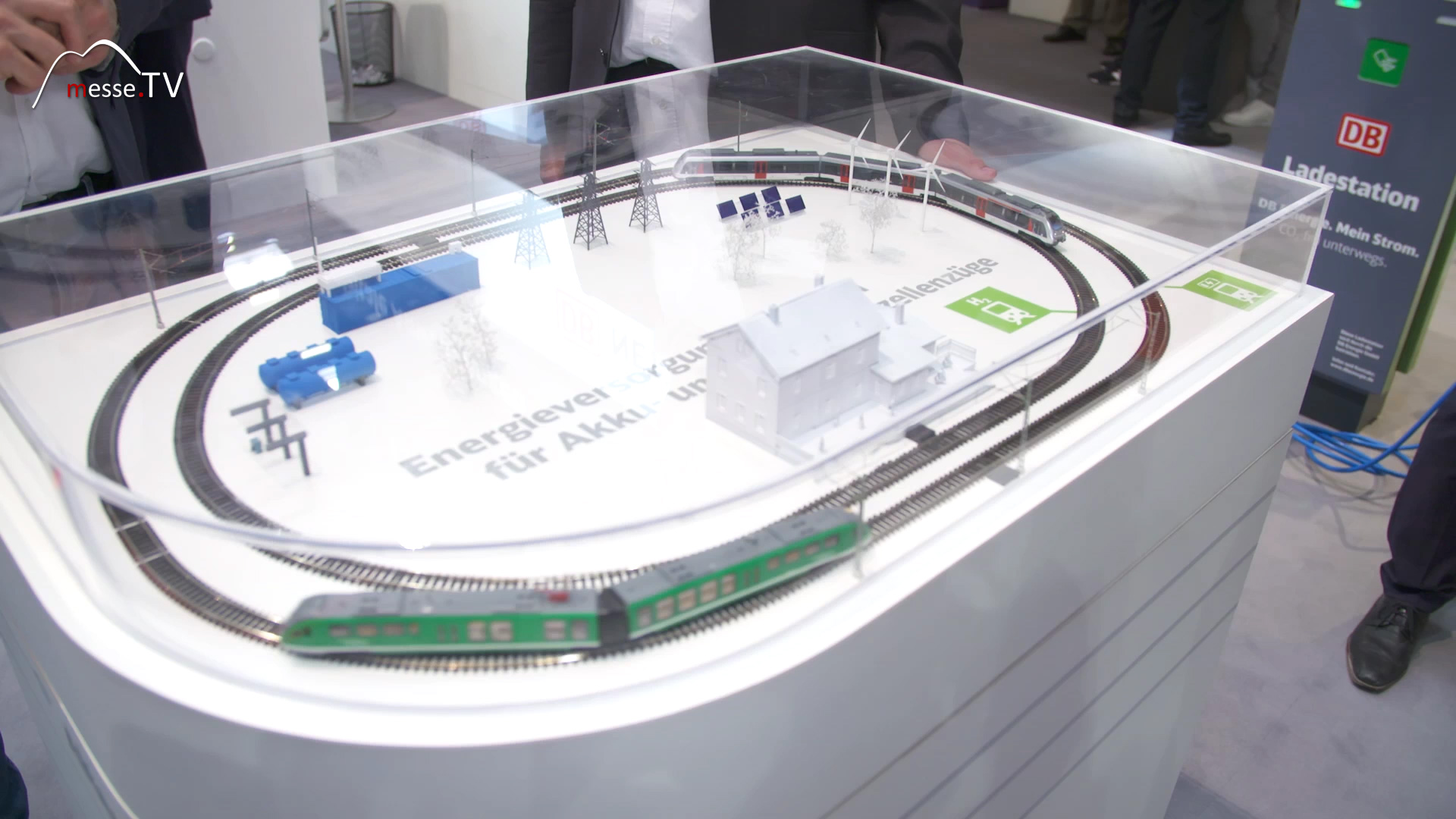
Digital train path booking at DB Netze
People who travel by train usually focus on passenger transport. Some are also familiar with freight transport under the name DB Cargo. Far less visible, however, is the area that ... Train path planning with the Click & Ride app
Hydrogen in rail transport
The discussion about alternative drive systems in rail transport has gained considerable momentum in recent years. While overhead lines have long been established on many routes, a... DB Netze: Hydrogen train
Smartron locomotive for standardised freight transport
Anyone buying a locomotive usually expects individual configuration options. Additional equipment, technical options or country-specific adaptations have been standard in the railw... Siemens Smartron locomotive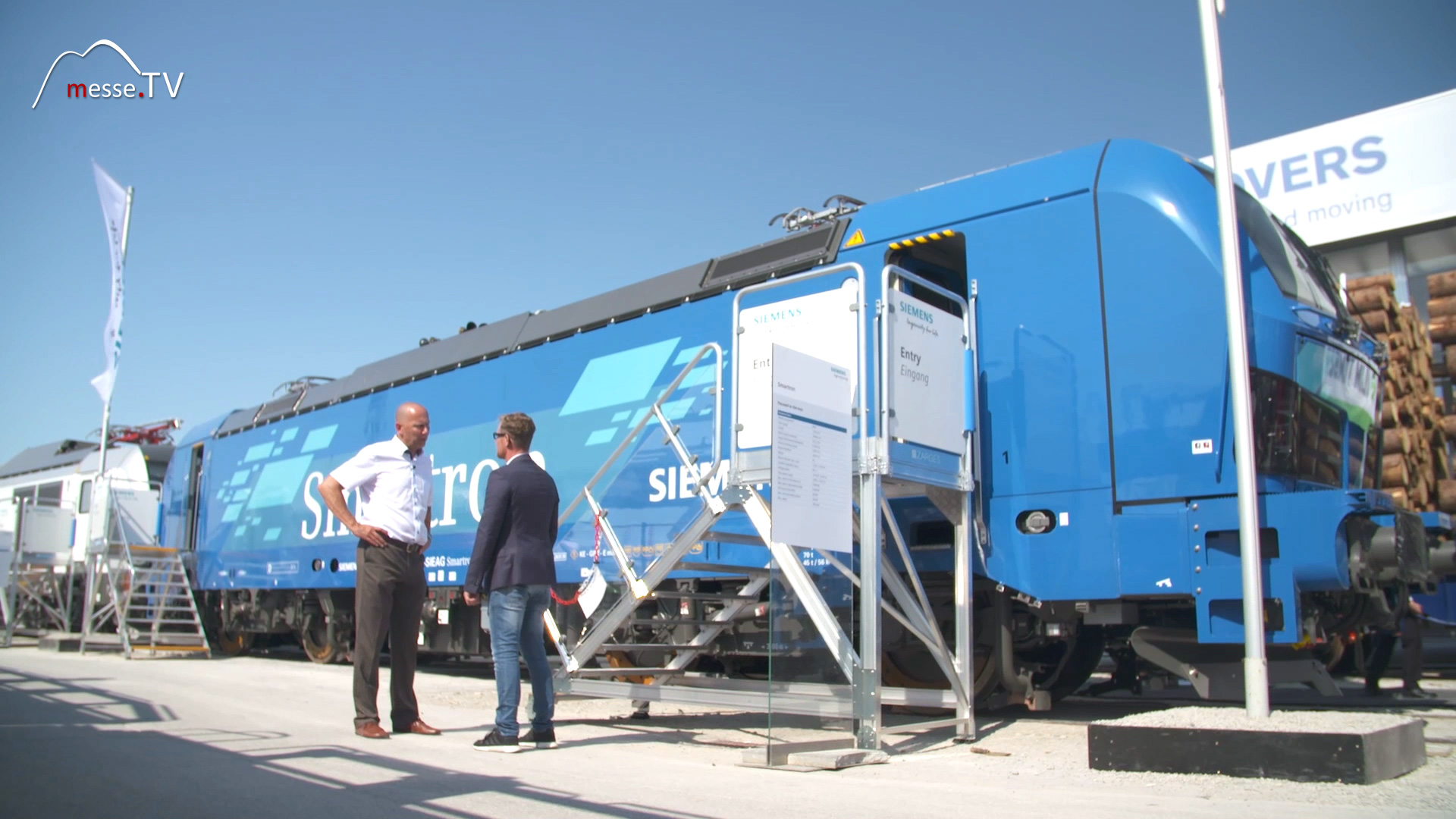
Dual-mode locomotive for flexible freight transport
Rail transport is under growing pressure to become more efficient, flexible and economical. In freight transport in particular, different realities collide: electrified main lines ... Siemens Vectron dual-mode locomotive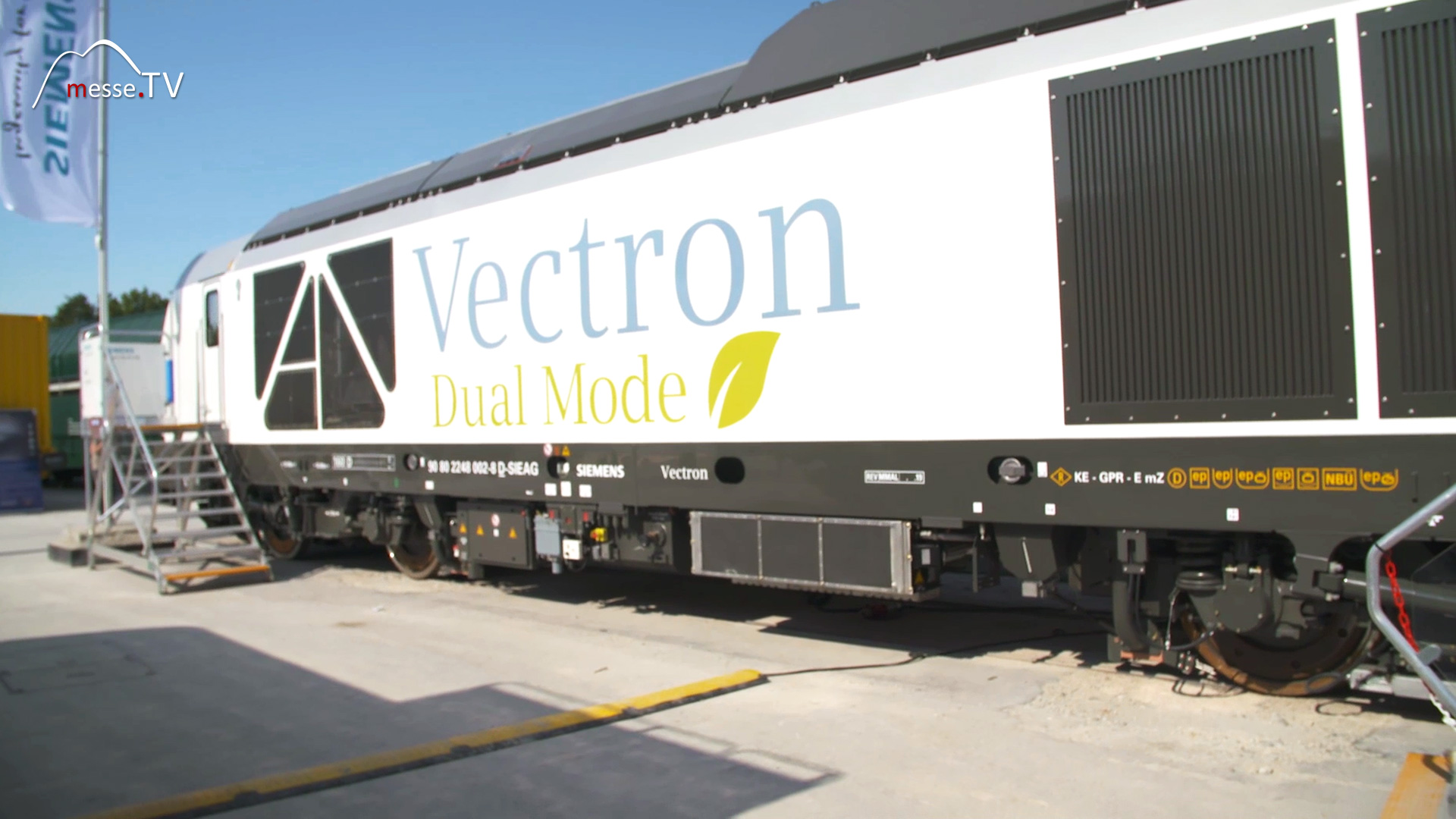
The role of rail in the transport system
Rail transport plays a special role in the overall mobility system. It is strong where large numbers of people or goods have to be moved regularly over medium and long distances. Commuter traffic in conurbations, long-distance connections between metropolitan regions and freight transport on fixed corridors are classic areas of application. In contrast to road transport, operations are highly concentrated, timed and clearly defined in terms of infrastructure. This structure brings advantages, but also dependencies. Where routes are congested or outdated, this has a direct impact on reliability and punctuality. At the same time, it is clear that efficient rail transport relieves pressure on roads and connects areas without creating additional land use. Rail is therefore less flexible than other modes of transport, but efficient where continuity and predictability are required.
Infrastructure as a decisive factor
The performance of the railways stands and falls with their infrastructure. Tracks, points, stations and signalling technology form a complex system that requires ongoing maintenance and modernisation. Neglect often has a delayed effect, but then all the more pronounced. Bottlenecks do not arise overnight, but are the result of years of underinvestment or misplaced priorities. This is particularly evident in heavily used networks, where long-distance, regional and freight trains converge and compete for tracks. Any disruption has a knock-on effect because there are limited alternatives. Expanding the infrastructure is therefore not a matter of individual projects, but a long-term task. Planning, construction and operation must be considered together in order to maintain the network as a reliable system. Typical infrastructural challenges can be summarised as follows:
- Overloaded junctions in conurbations
- Ageing facilities with high maintenance requirements
- Inadequate separation of fast and slow traffic
- Dependence on fault-prone signalling technology
Technical development and digitalisation
In addition to the physical infrastructure, technology is playing an increasingly important role. Modern control systems, digital signal boxes and automated processes are designed to increase capacity and reduce disruptions. The digitalisation of the railways promises more efficient processes, more precise control and better information for passengers. At the same time, it is clear that technical changes are particularly challenging during ongoing operations. Trains, routes and safety systems must remain compatible for decades. Unlike in IT, updates cannot simply be installed. Every change has a profound impact on existing structures. Technical development in the rail sector is therefore evolutionary, not disruptive. Progress is achieved in many small steps, the effects of which often only become apparent in the long term. Nevertheless, technological change is indispensable. Without modern control systems, it is almost impossible to tap into additional capacity. Rail transport is faced with the task of implementing innovation without jeopardising the stability of the system. This requires time, money and political patience.
Rail transport caught between politics and society
Hardly any other mode of transport is as politically influenced as rail transport. Expansion projects, timetable concepts and financing models are the result of public decisions. At the same time, society holds rail to high standards. Punctuality, reliability and affordability are taken for granted, even when the conditions are complex. In the public perception, rail often symbolises the efficiency of the state. Disruptions are not seen as isolated incidents, but as an expression of structural problems. These expectations increase the pressure on operators and politicians alike. At the same time, the importance of rail transport is growing in the context of climate targets. Shifting traffic to rail is seen as a key strategy for reducing emissions without restricting mobility. This aspiration conflicts with the reality of limited capacity. Increasing traffic on existing networks is only possible to a limited extent. Expansion takes time, causes construction sites and leads to additional burdens in the short term. Acceptance can therefore only be achieved if long-term goals are communicated transparently and progress is traceable.
Freight, commuters and long-distance connections
The strength lies in versatility. Freight trains transport large quantities efficiently over long distances, relieve roads and reduce dependence on lorry traffic. At the same time, passenger transport is a central component of everyday mobility. Commuters depend on reliable connections, long-distance travellers on predictable travel times. Online systems make it easier to find information on prices and purchase tickets. These different requirements come together in the same network. Freight transport requires different time slots than passenger transport, and fast trains require different routes than slower ones. Coordinating these interests is one of the biggest challenges in operations. It shows that rail transport is not a monolithic system, but a finely balanced interplay of different uses.
Future prospects for rail
The future of rail transport will not be decided by a single project or technology. It depends on whether we succeed in consistently developing infrastructure, technology and operations. The demand for efficient rail transport is growing, driven by urbanisation, economic interdependence and environmental requirements. At the same time, the scope for action is limited because networks have grown historically and are spatially fixed. Rail will not solve all mobility problems in the future either. It is not a substitute for every journey, but it is an indispensable part of a balanced transport system. Its strength lies in the efficient movement of large numbers of people and goods. Between technology, infrastructure and political control, rail is asserting its role as the backbone of modern mobility – not as a vision, but as a functional necessity.
Trade fair reporting Germany - Trade fair knowledge, dates & events


