EC250 high-speed train for Alpine traffic
by B. Velonavy - 2024-02-14Cross-border rail transport is still considered technically challenging in Europe today. Different power systems, national signalling systems and varying approval requirements complicate the seamless operation of many connections.
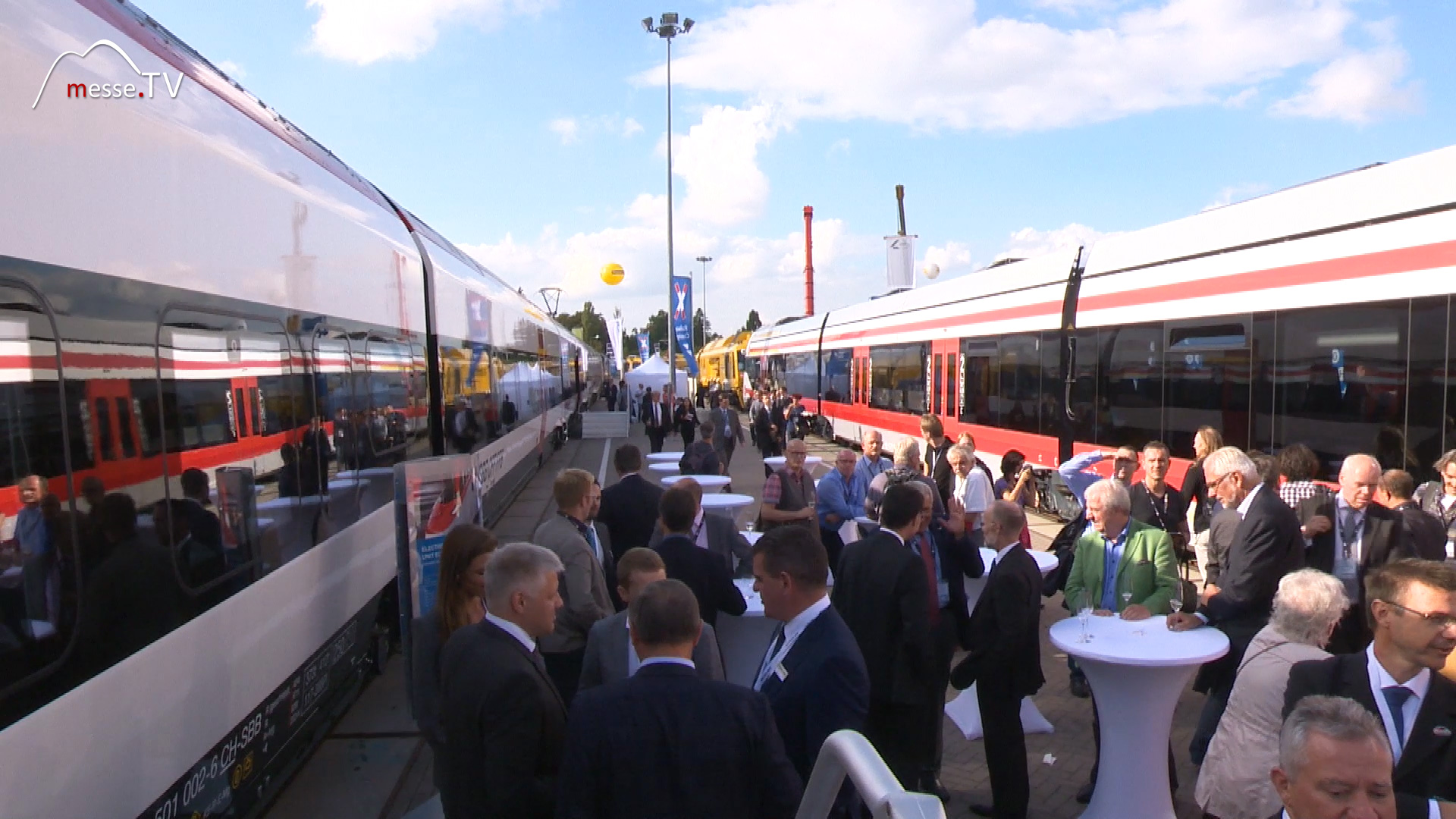
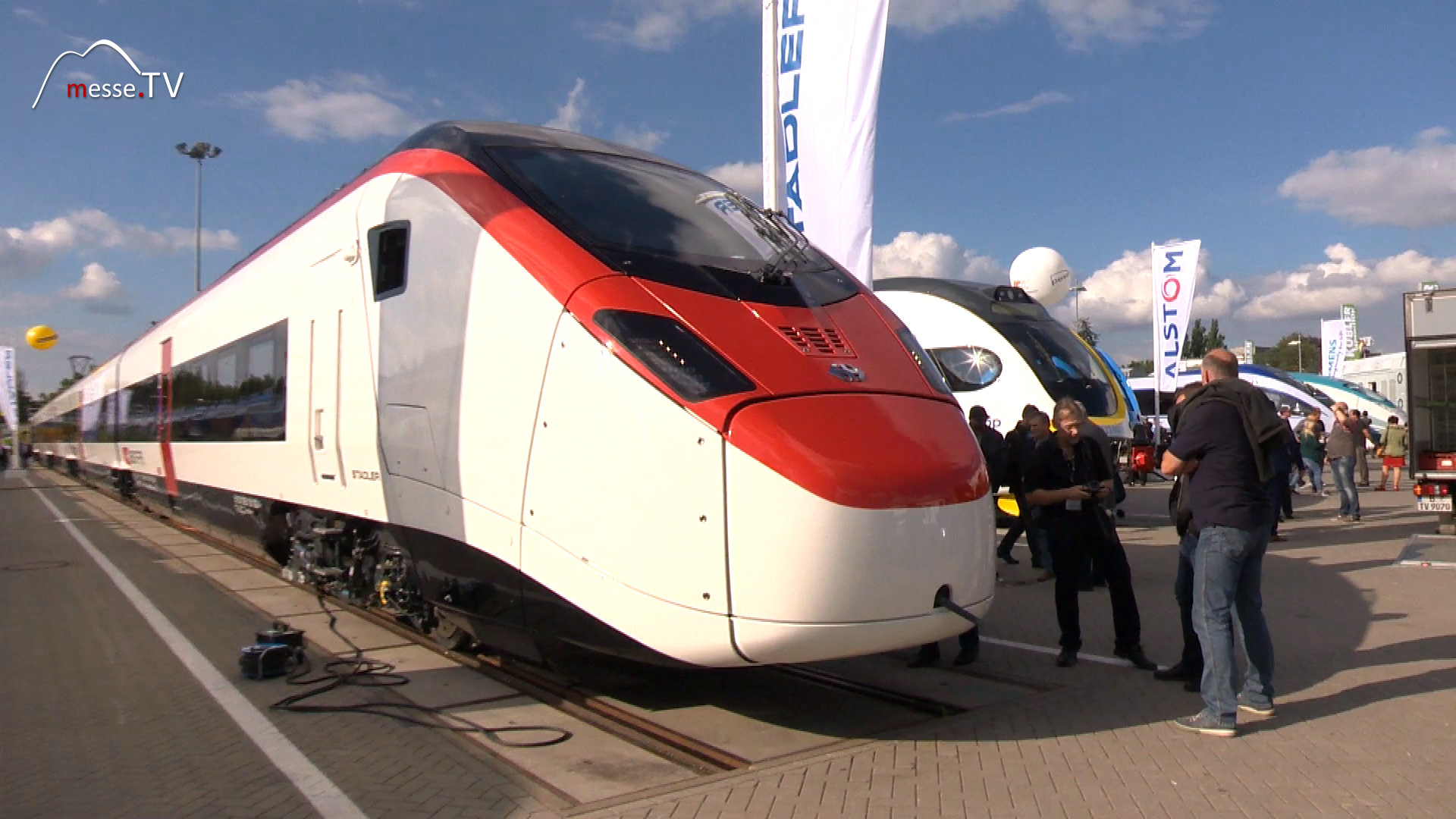
At the same time, expectations regarding comfort, travel speed and direct international connections are rising. At InnoTrans in Berlin, Stadler is therefore showcasing the EC250 – a high-speed train developed specifically for international connections through several European countries. A five-car configuration of the train was on display. In future, the train is set to operate at speeds of up to 250 kilometres per hour on routes between Zurich and Milan, and eventually also between Frankfurt and Milan. The project is thus primarily aimed at the growing north-south traffic through the Alps. What is striking is not only the speed, but above all the technical design for different national infrastructures. The EC250 was designed for operation in Switzerland, Germany, Italy and Austria – including various power and signalling systems.
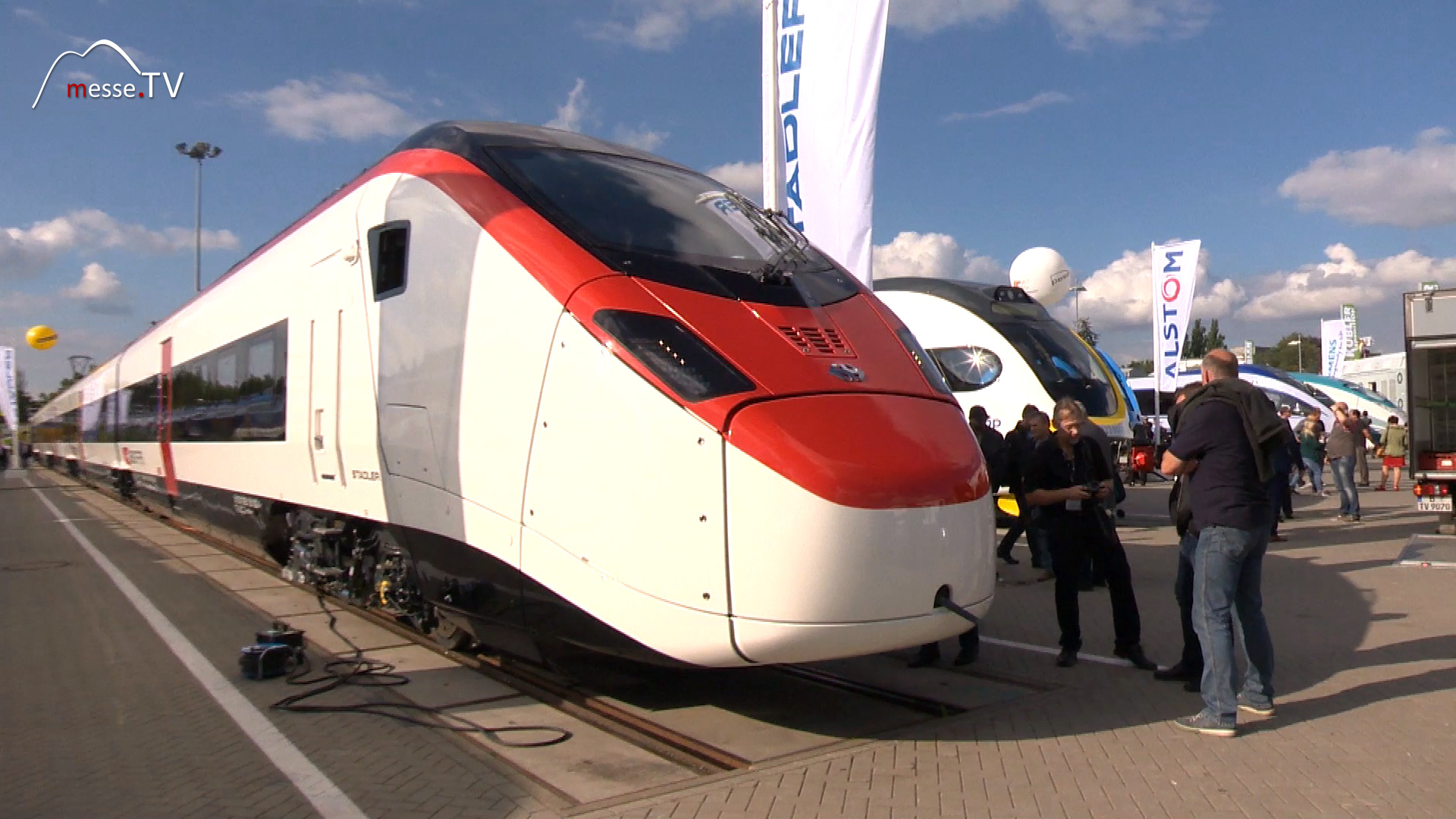
Stadler develops high-speed train for four countries
International operation is one of the vehicle’s key features. Whilst many trains require a change of locomotive or technical switching at national borders, the EC250 is designed to handle these transitions whilst in motion. This is made possible by so-called ‘on-the-move transitions’. The train can switch between different signalling systems without having to stop. At the same time, the technology accommodates the different voltage systems of the countries involved.
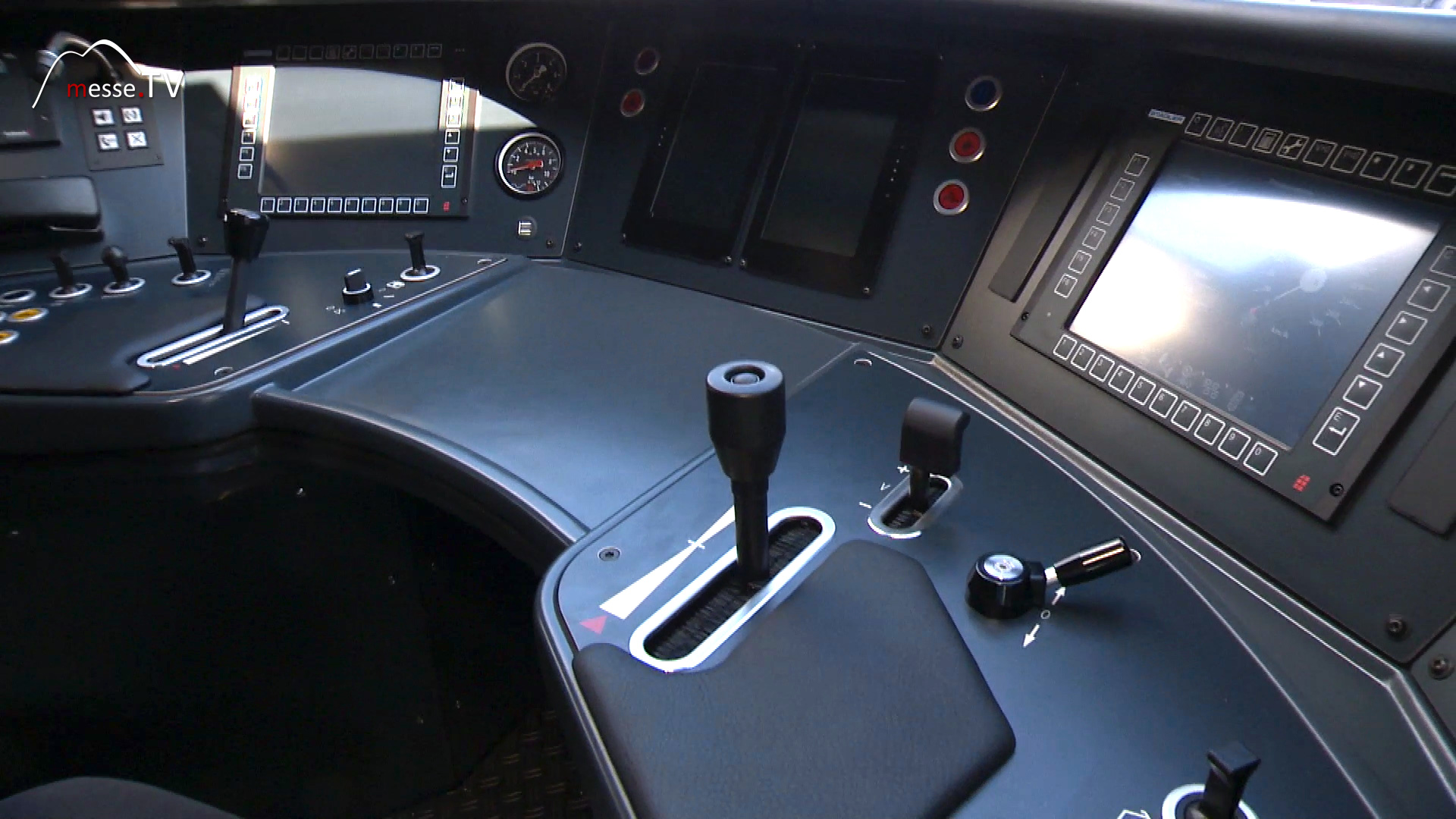
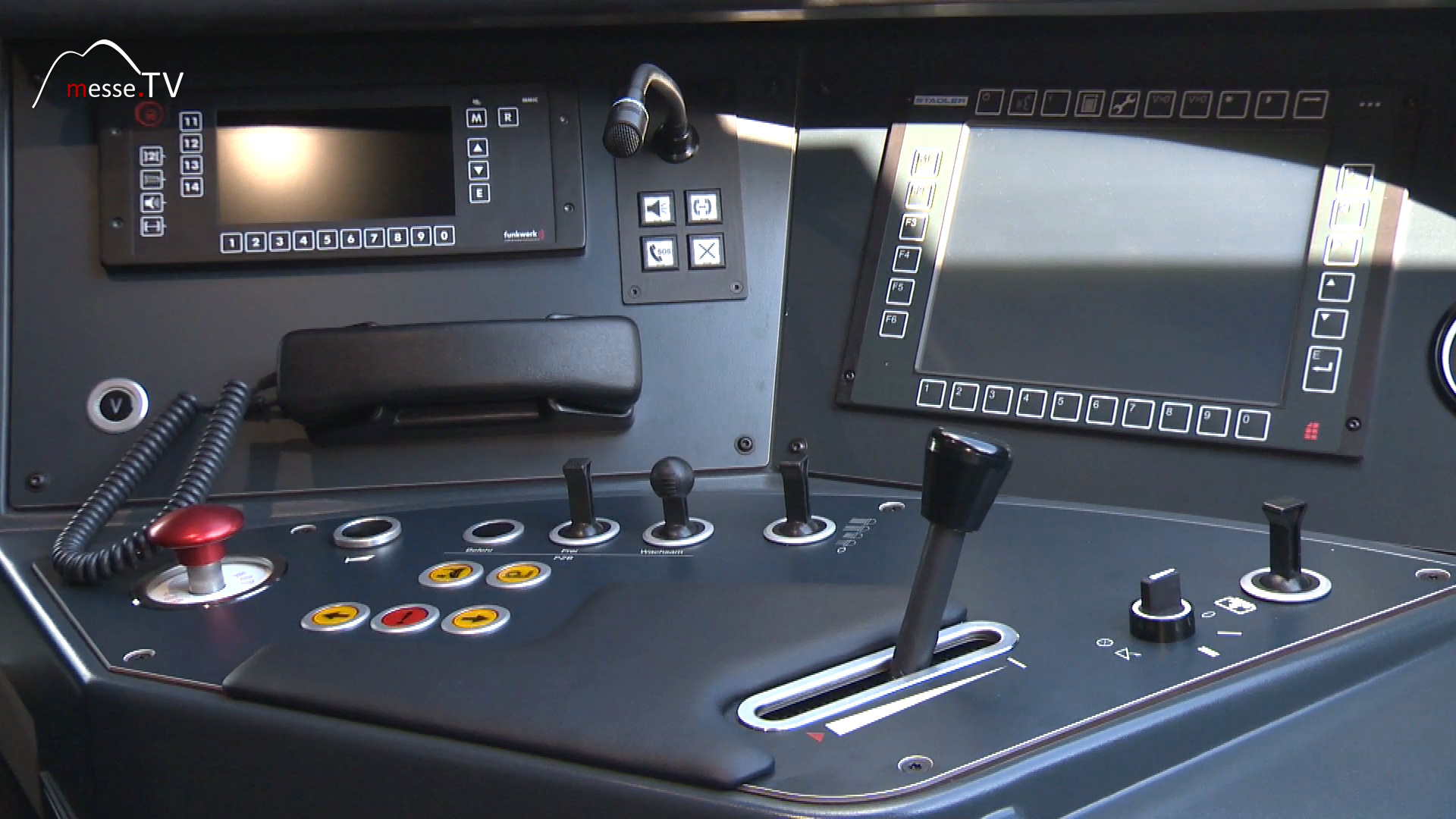
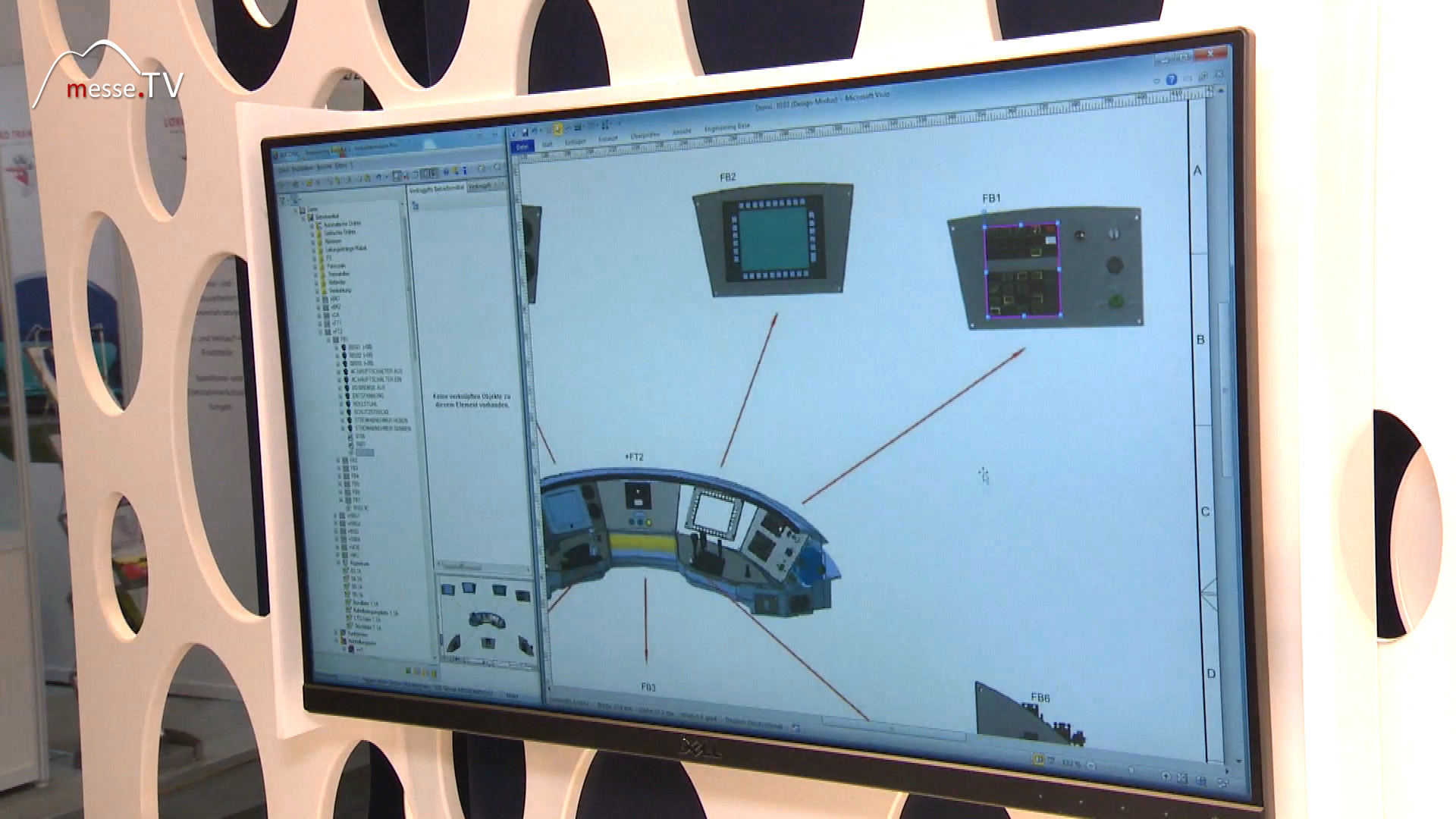
This is considered a major advantage, particularly on international high-speed routes. Stops at borders extend journey times and reduce the appeal of rail travel compared to flying or driving. Through services without technical interruptions are therefore becoming increasingly important. The vehicle’s cockpit is also designed to meet these requirements. The driver’s console integrates all control elements for the various systems and combines traditional train control with international safety functions. In addition to the drive and brake levers, this includes monitoring devices for the respective train control system as well as redundant braking systems. The safety logic is particularly important. If the system detects a lack of confirmation from the driver, an emergency brake application can be triggered automatically. Such functions are now among the key requirements of modern high-speed trains.
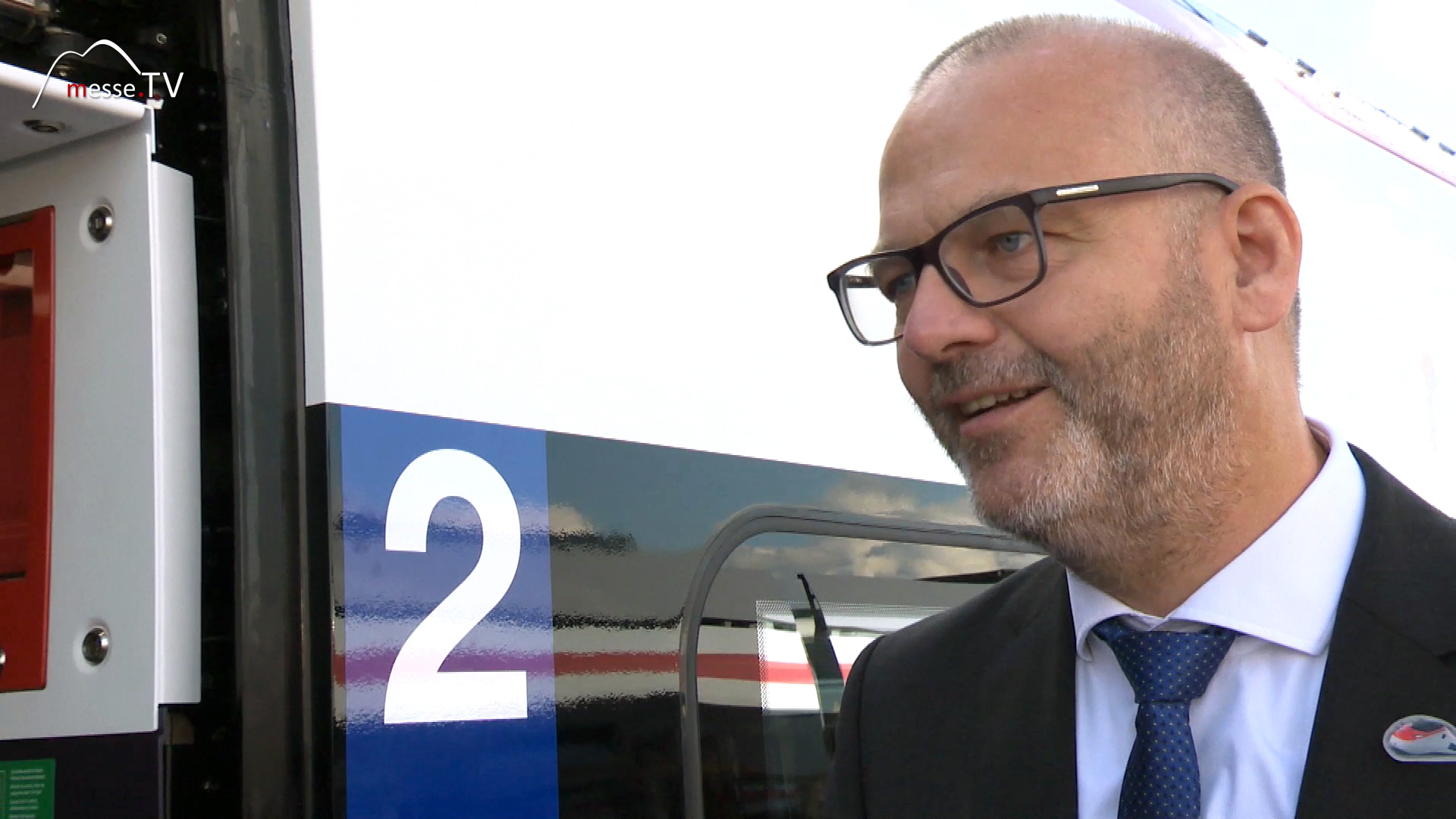

EC250 combines high speed and tunnel technology
Of particular technical interest is the train’s design for tunnel sections. High-speed travel through long Alpine tunnels places special demands on aerodynamics and pressure-tightness. When passing through large tunnels, strong pressure waves are generated which can be unpleasant for passengers. The EC250 has therefore been designed to be pressure-tight, so that changes in air pressure are felt as little as possible inside the carriage.
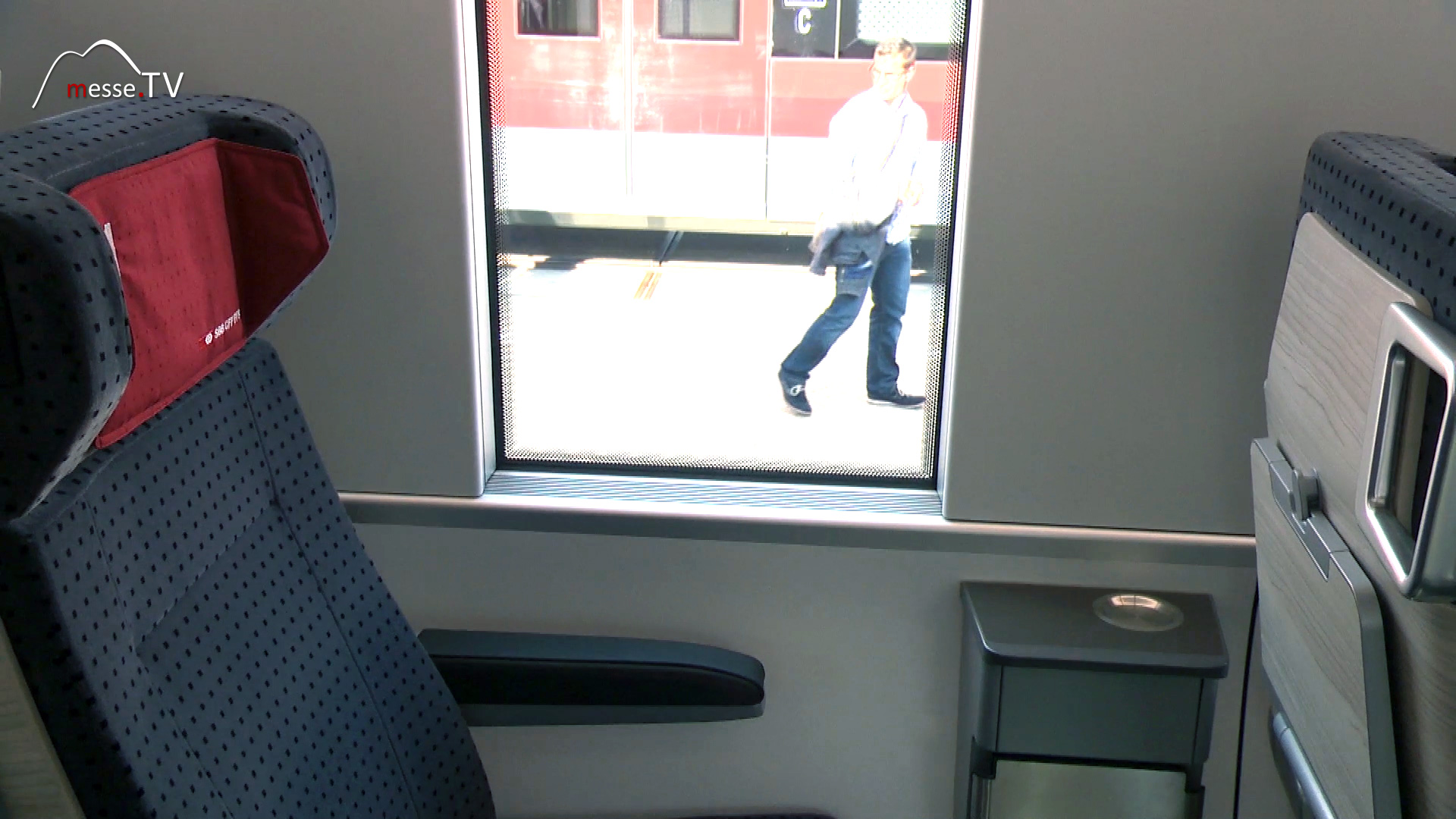
At the same time, the vehicle must handle high speeds with stability. Running dynamics, weight distribution and aerodynamics play a decisive role in this. Especially at 250 kilometres per hour, even minor irregularities have a significantly greater impact on handling and comfort. Key features of the EC250:
- High-speed train with speeds of up to 250 km/h
- Approved for Switzerland, Germany, Italy and Austria
- Seamless transition between different signalling systems
- Pressure-tight construction for tunnel sections
- Multilingual and international passenger facilities
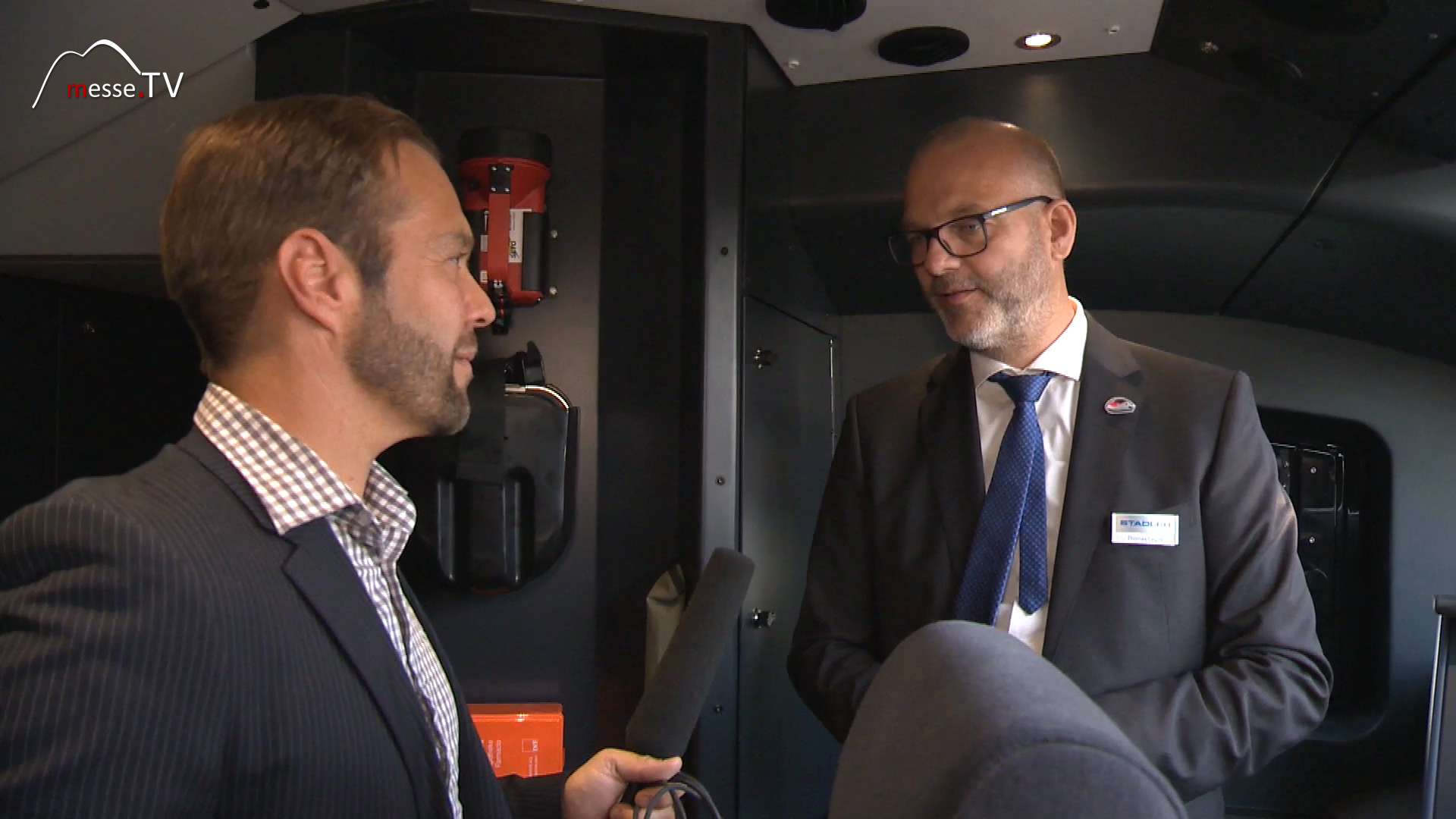
The interior of the EC250 focuses on build quality
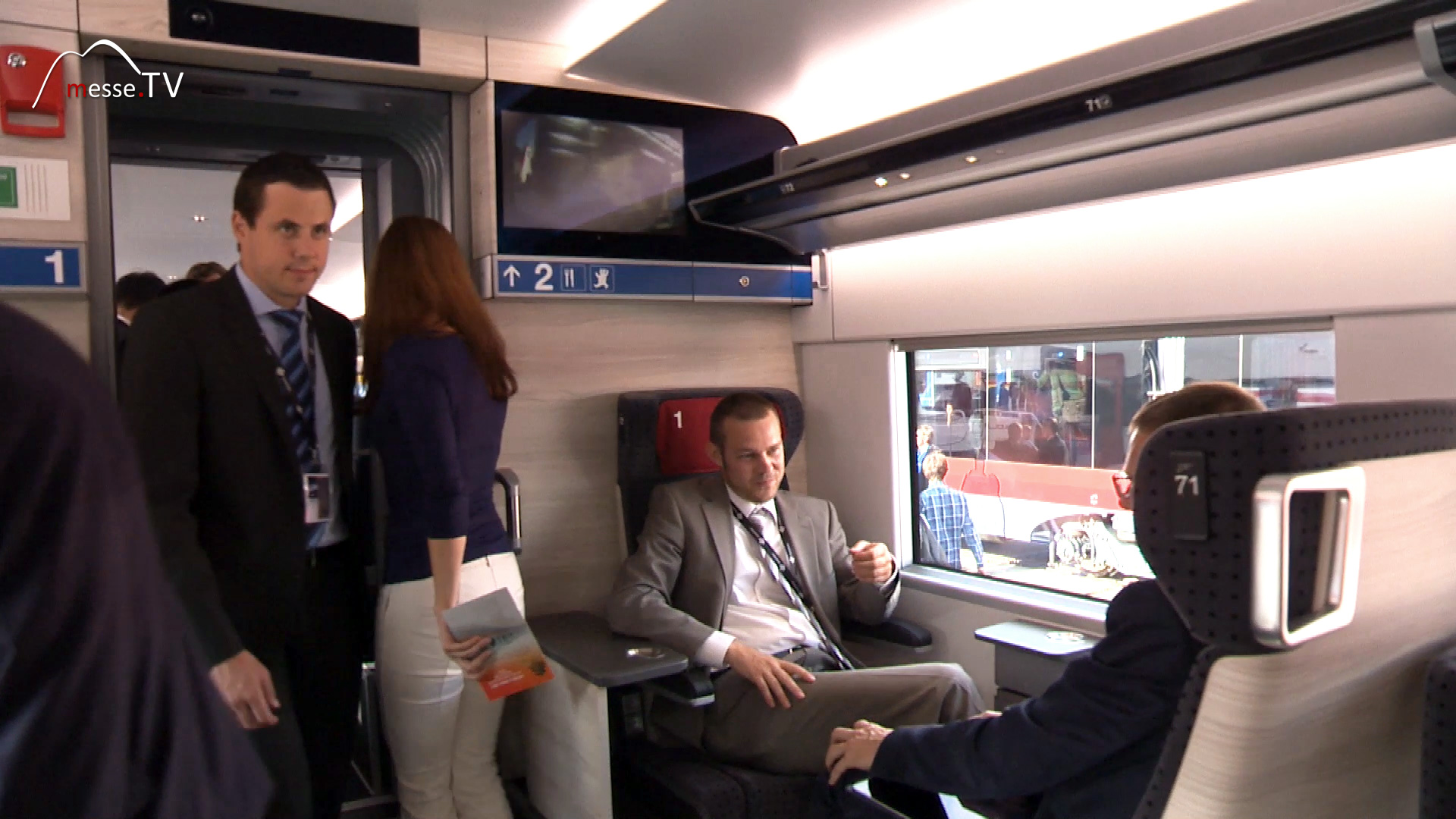
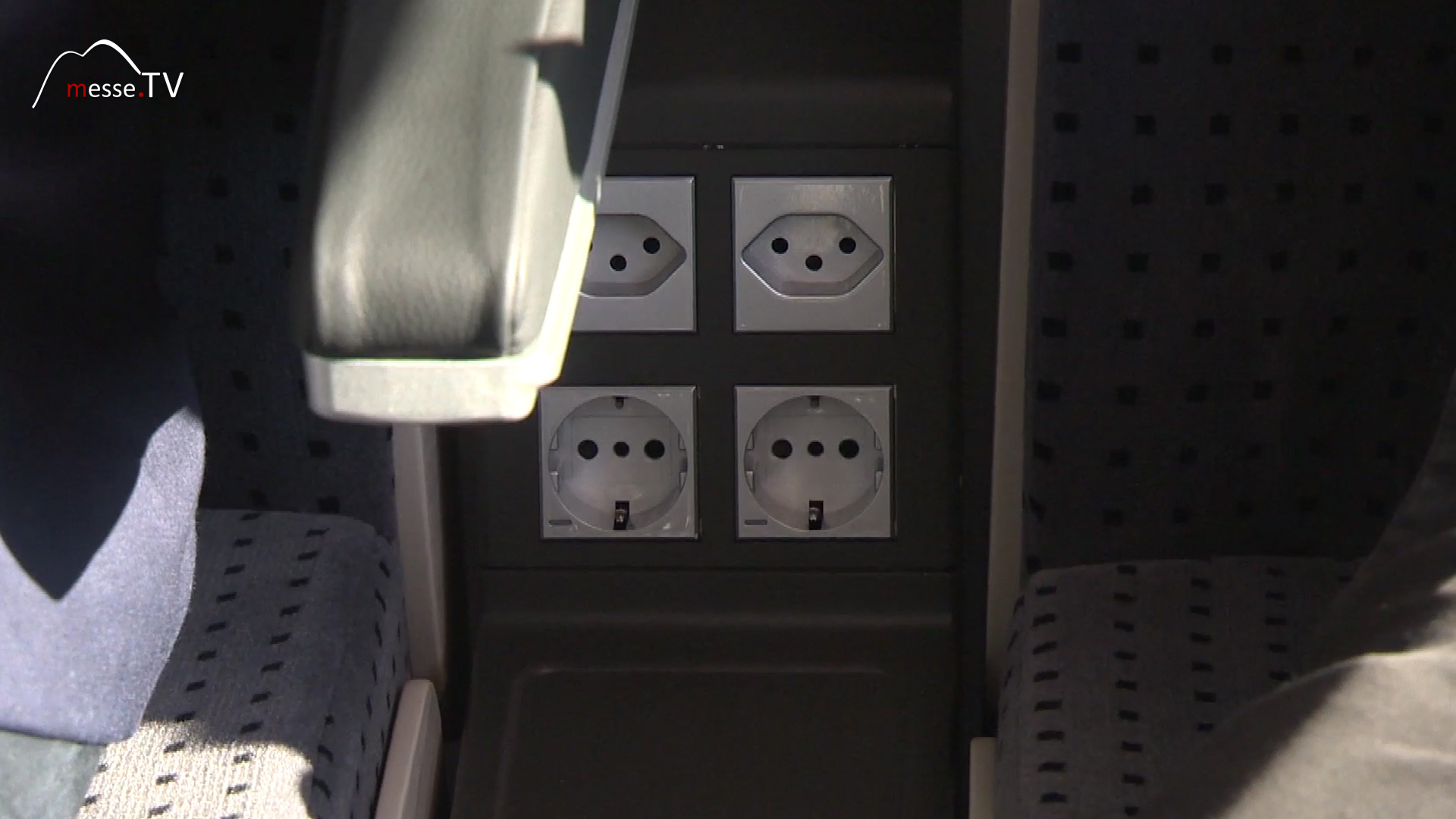
In addition to the technology, the interior also plays an important role. Stadler particularly emphasises the high build quality of the vehicle. Visible transitions, surfaces and details in the interior are deliberately designed to be of high quality. This applies to both first and second class. Various power socket systems have been integrated into the vehicle to meet both Swiss and European standards. Particularly in international transport, such practicality is considered an important comfort factor.
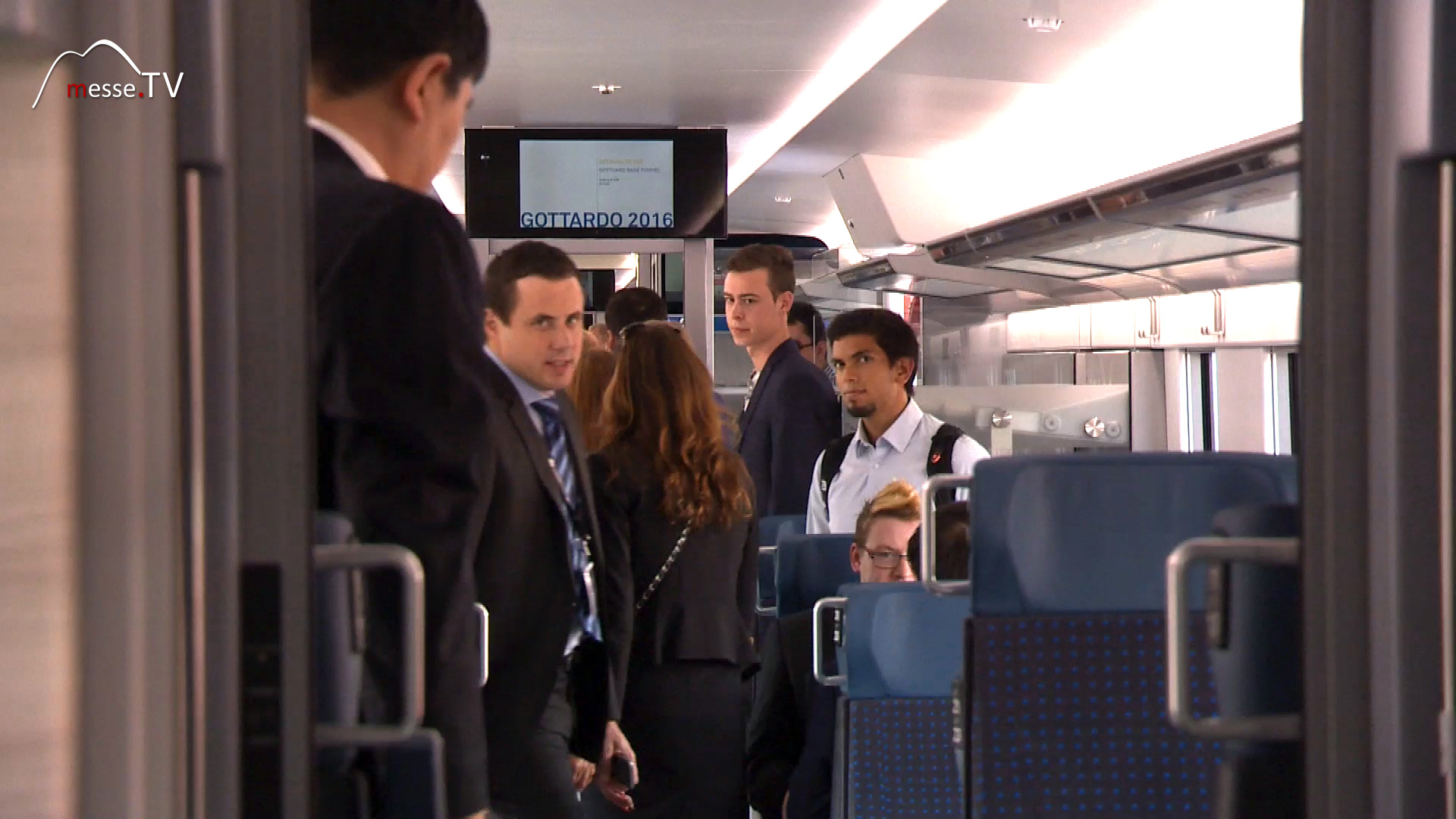
In addition, there are large information screens designed to be visible from as many seating areas as possible. This ensures passengers receive information on stops and the route at all times. According to the manufacturer, the visibility of these displays was an explicit requirement of Swiss Federal Railways. What is interesting here is the development of modern passenger information. Whilst loudspeaker announcements used to dominate, the focus is now shifting more towards real-time visual information. International services with different languages and long journey times benefit particularly from this.
European rail transport demands new vehicle concepts
The train presented here exemplifies a major shift in European rail transport. High-speed connections are increasingly being conceived on an international scale. Individual national solutions are losing importance, whilst interoperable vehicles are becoming more crucial. The Alpine corridors between Germany, Switzerland and Italy, in particular, are developing into strategic axes for passenger and freight transport. New tunnel routes and modernised infrastructure are significantly increasing the demands placed on vehicles in these areas. Stadler is deliberately positioning the EC250 within this market environment. The train combines high speed with international certification and tunnel-optimised design. At the same time, the project demonstrates just how complex modern rail vehicles have become. Traditional train construction has long since ceased to be limited to mechanics and drive technology. Software, international safety systems, aerodynamics, pressure management and digital passenger information are now just as much a part of the development process as the actual vehicle platform. In European high-speed rail in particular, the ability to reliably integrate all these systems is becoming increasingly crucial.
Trade fair reporting Germany - Trade fair knowledge, dates & events


