Autonomous modular buses for flexible mobility
by A. Bergmeier - 2024-02-14Public local transport is under pressure worldwide. Cities are growing, traffic flows are becoming increasingly dynamic throughout the day, and traditional bus systems are increasingly reaching their economic limits.
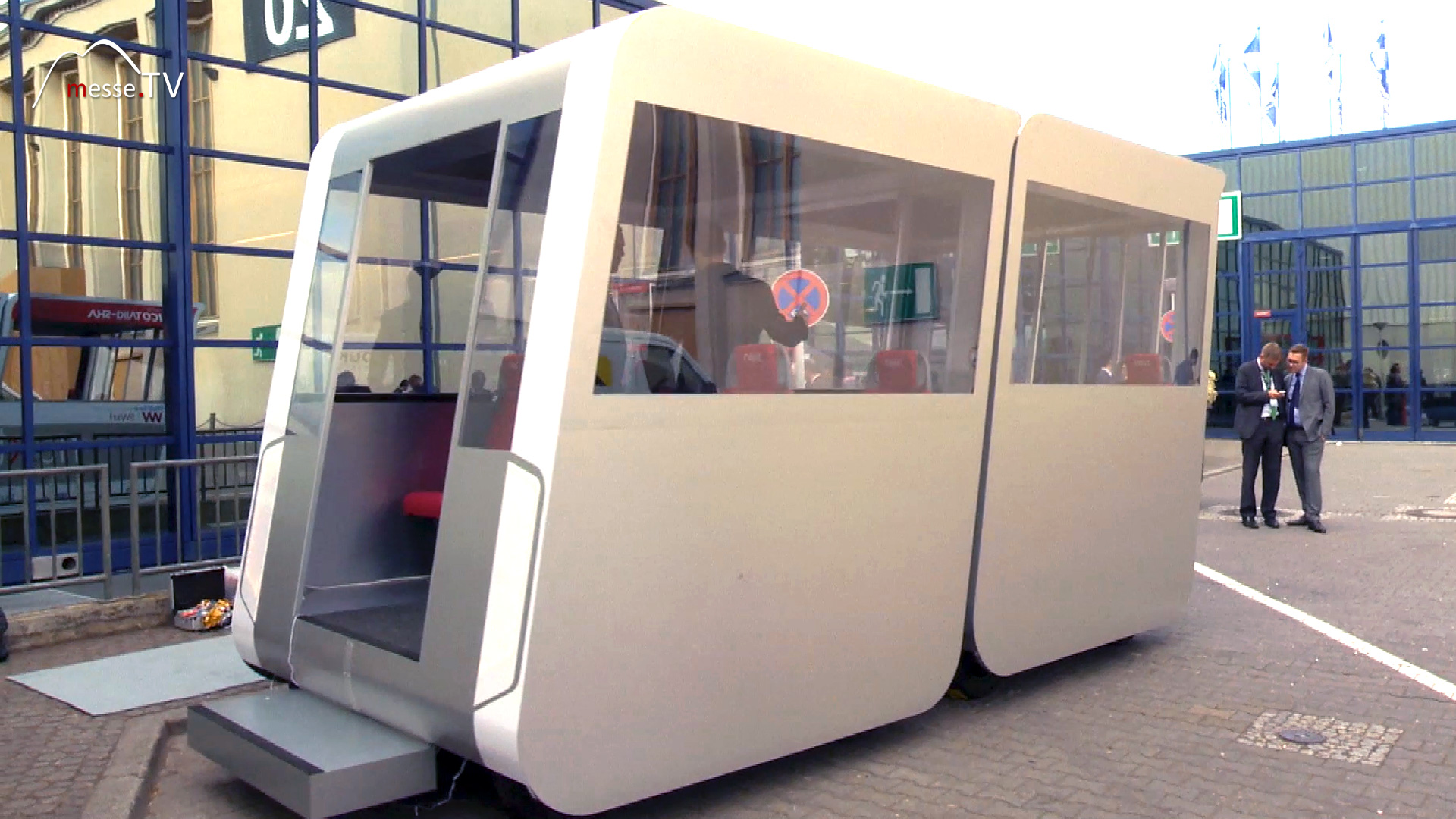
Large vehicles often run at low capacity outside peak hours, whilst additional capacity is lacking at peak times. At InnoTrans in Berlin, Next Future Transportation is therefore showcasing a concept designed to make bus transport fundamentally more flexible: a modular electric bus with autonomous coupling technology. The idea behind it seems unusual at first. Instead of a single long vehicle, the system consists of several compact units that can be connected or disconnected as required. This is intended to allow the vehicle’s capacity to adapt dynamically to the actual passenger volume. A single unit is only slightly longer than a Smart car, yet offers space for up to ten people inside. During periods of low demand, individual modules could operate independently. During peak hours, however, up to seven units can be coupled together to form a longer vehicle.
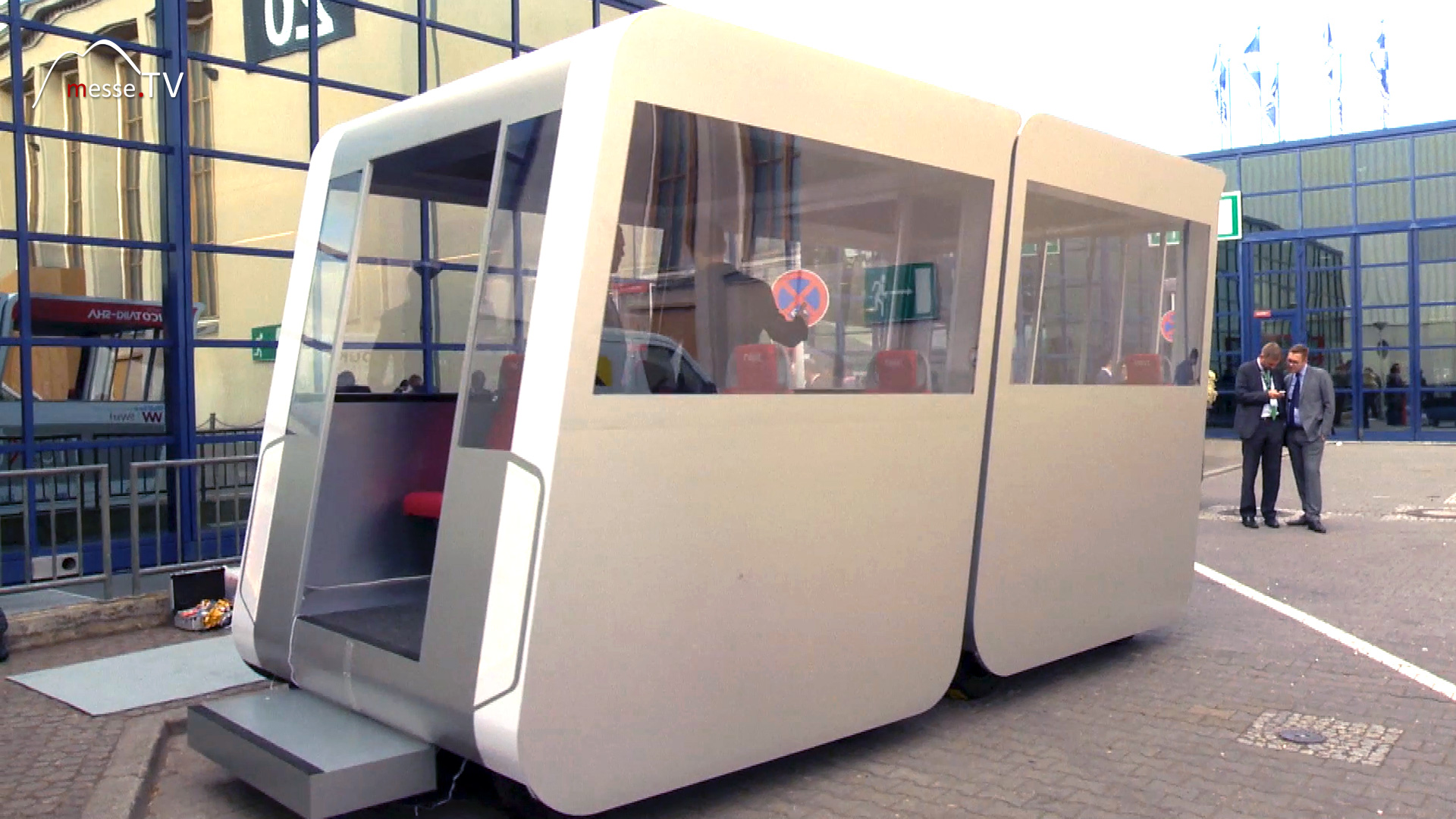

Next Future Transportation focuses on modular vehicle structure
The concept presented combines several developments currently regarded as key future themes in the mobility sector: electric mobility, autonomous driving and flexible vehicle architectures. Each module has its own electric drive system with four in-wheel motors, its own battery and complete control electronics. This ensures that each unit remains technically independent and can operate autonomously. However, the automatic coupling of the vehicles is particularly interesting. The modules recognise each other via special tags and sensors. They can then couple together autonomously, steer in sync and drive as a rigid unit. Even uncoupling whilst driving is technically possible.
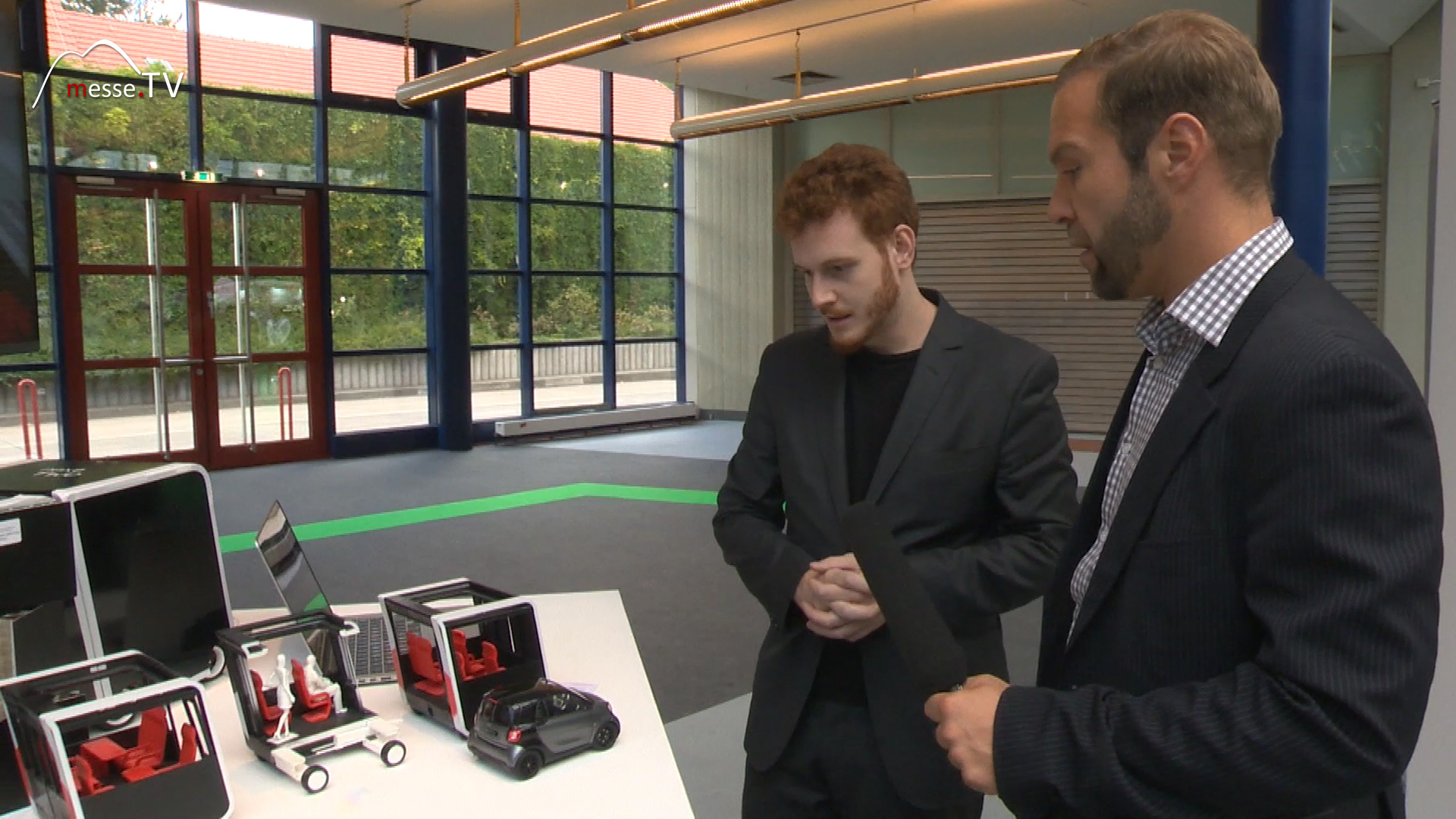
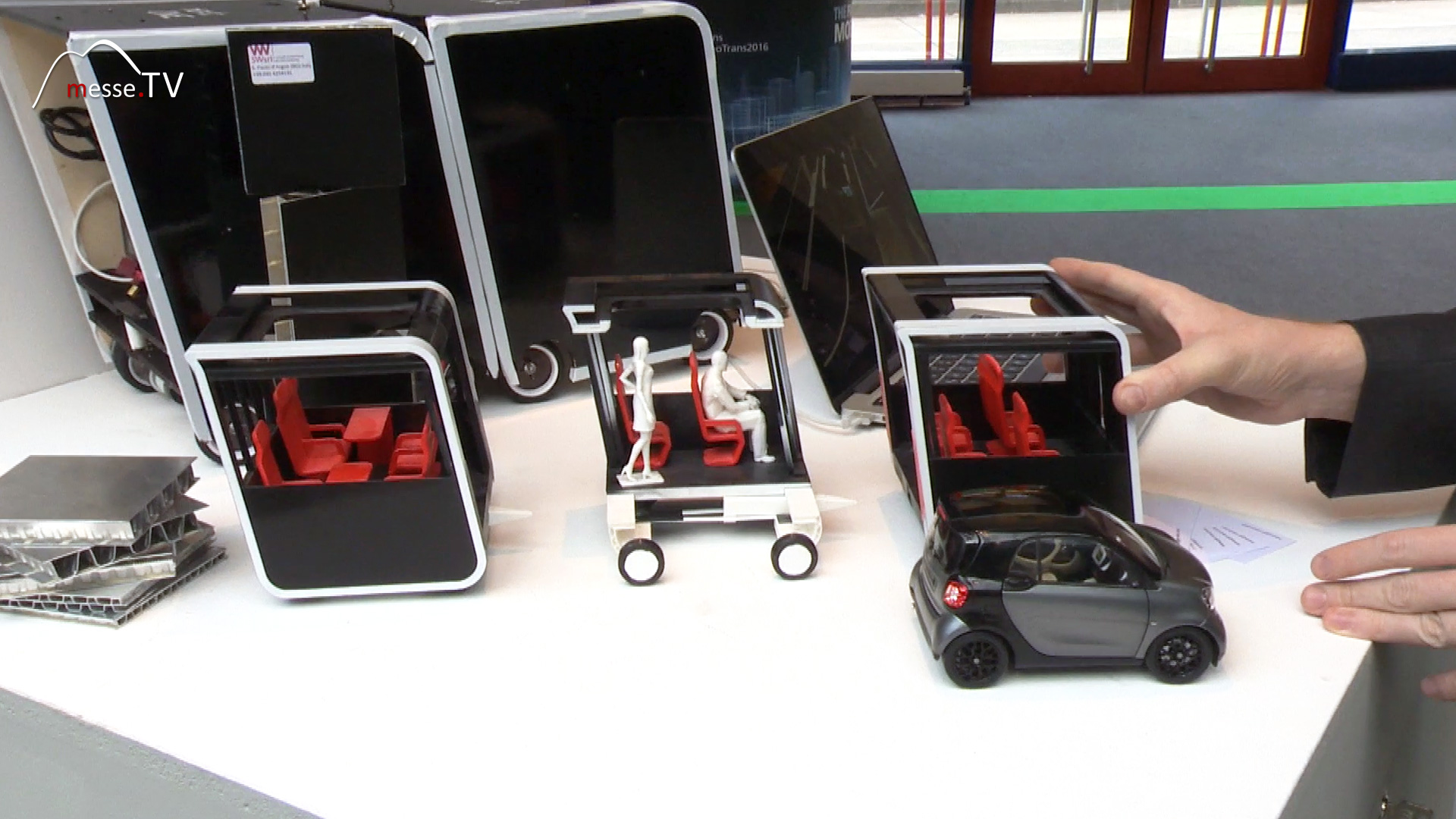
The system operates not only mechanically but, above all, on a software basis. Camera systems analyse the surroundings, detect road surfaces and coordinate the vehicles’ positions relative to one another. Key features of the concept:
- modular electric vehicles with variable capacity
- autonomous coupling and uncoupling of vehicle modules
- four wheel-hub motors per unit
- independent batteries and drive systems
- scalable transition from driver-operated to autonomous transport
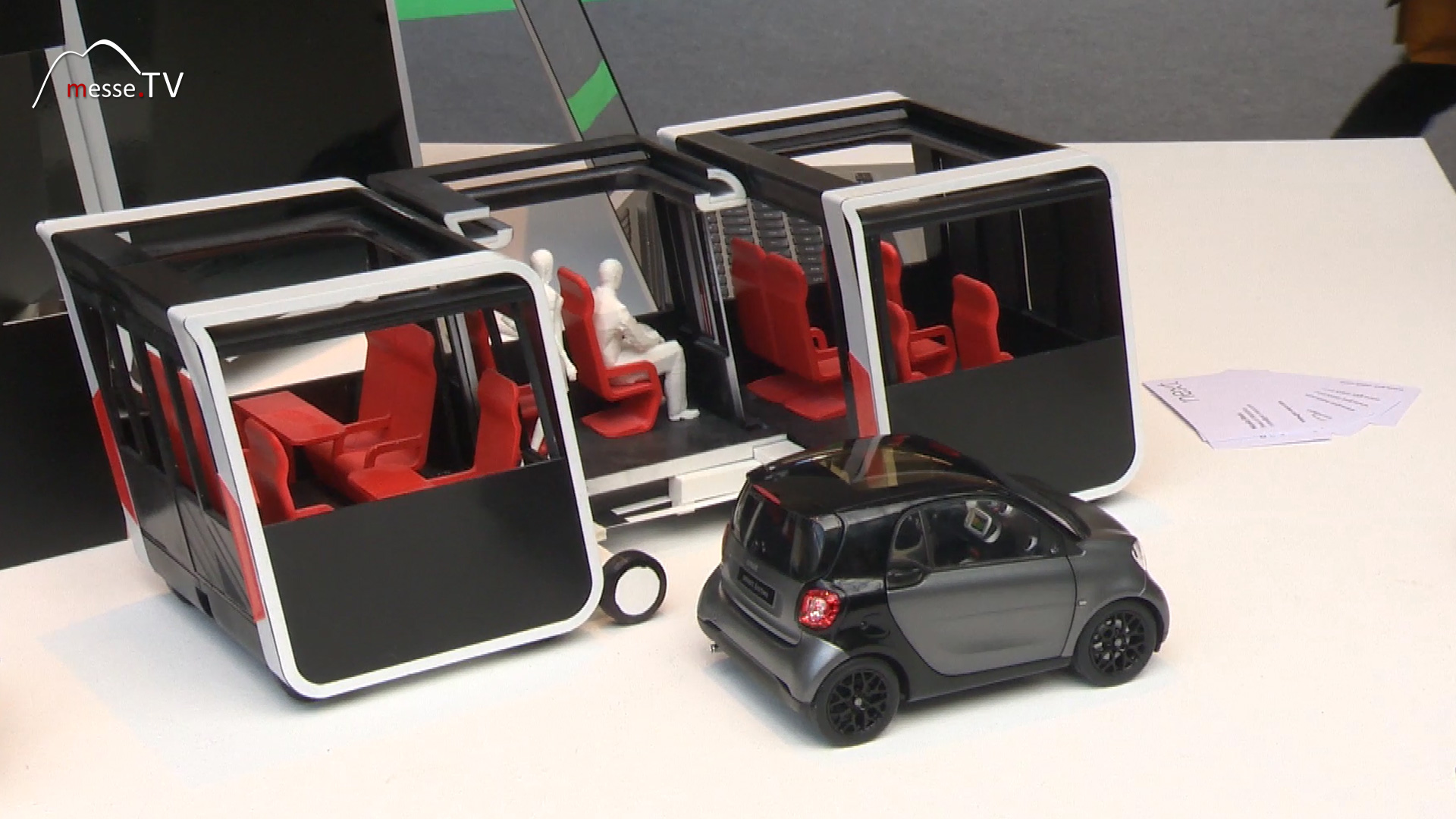
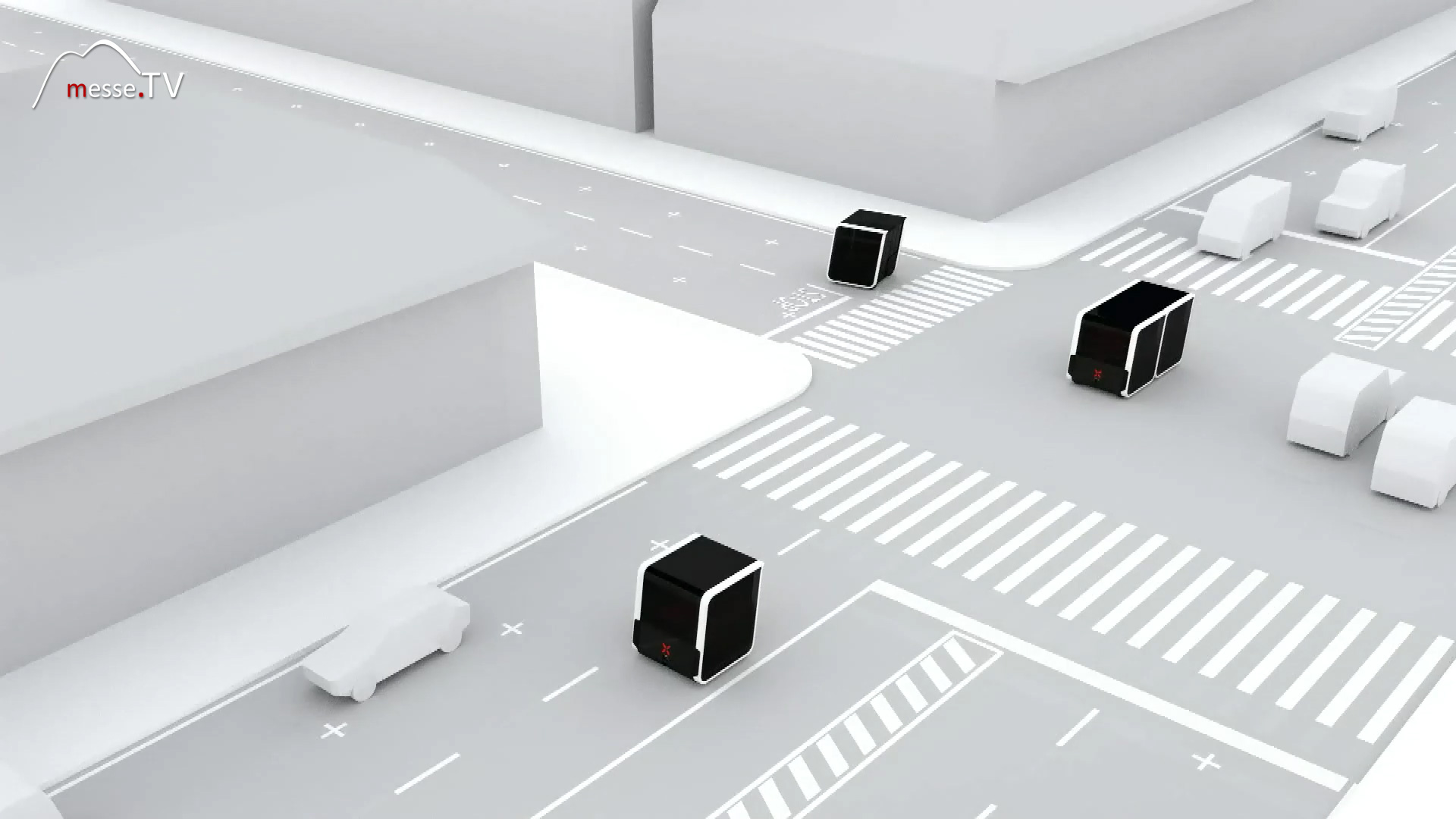
Autonomous driving initially with a driver as a transitional solution
Despite its futuristic appearance, the company is pursuing a comparatively pragmatic approach. Whilst the ultimate goal is a fully autonomous Level 4 bus without a driver, the market launch is initially planned to involve conventional drivers. The plan is for a system in which several coupled units are controlled by a driver in the front cabin. The autonomous functions are primarily used for the flexible configuration of the vehicle modules. For instance, vehicles could be automatically uncoupled outside peak hours, whilst additional modules could dock on when demand is higher. Only once autonomous systems have been approved by regulators worldwide will the software be updated to enable fully driverless fleets. It is precisely this transitional approach that distinguishes the project from many other visions of autonomous mobility. Instead of relying on an abrupt technological shift, Next Future Transportation is attempting to create an economically viable intermediate stage.

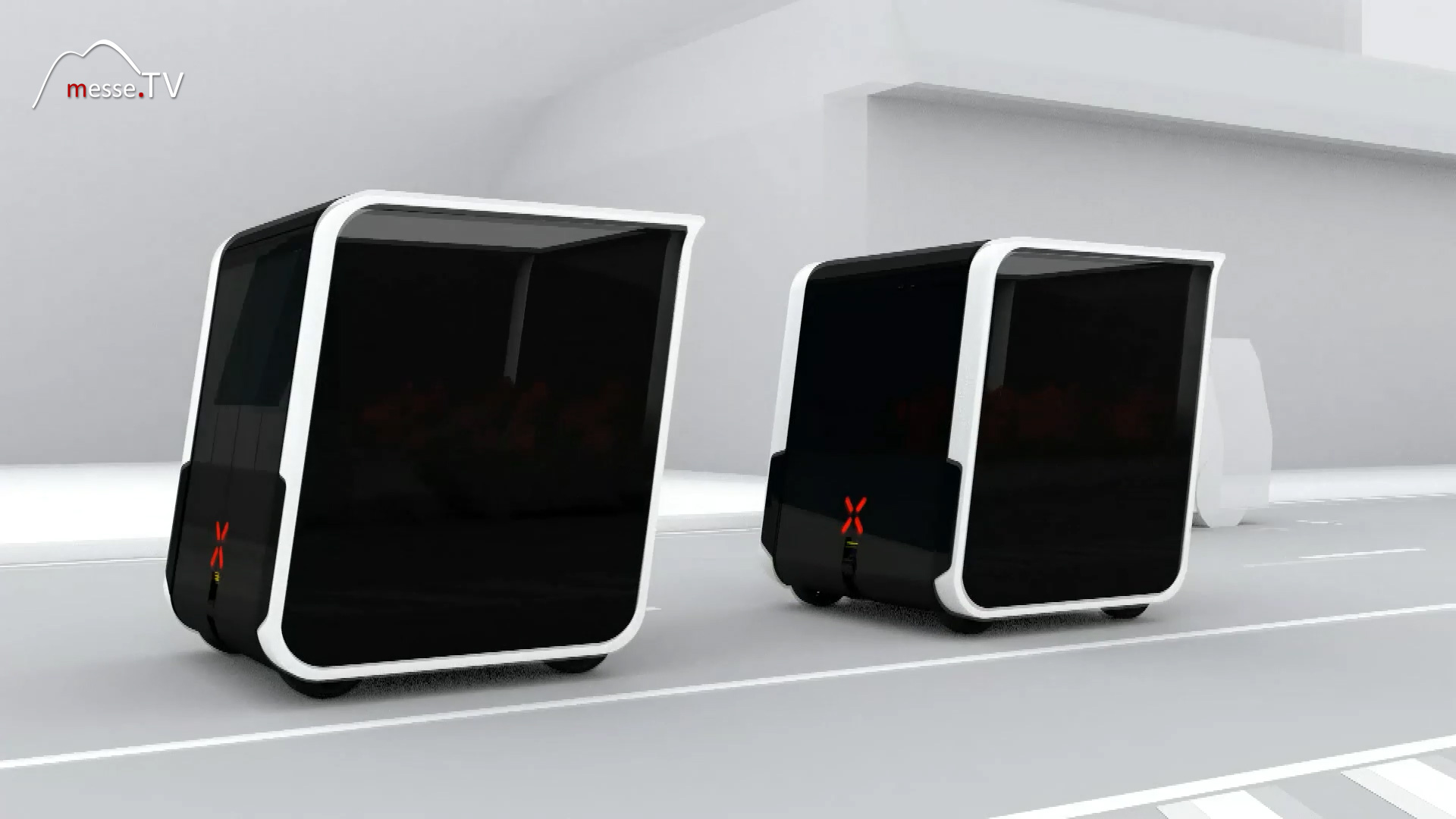
Speed and scope of application extend beyond urban traffic
The target operating speed is also of interest. For safety reasons, automatic coupling and uncoupling takes place at around 25 kilometres per hour. In regular operation, however, individual modules can reach speeds of up to 60 kilometres per hour. When several units are coupled, speeds of up to 120 kilometres per hour are even said to be possible. This would make the system not only suitable for city centres or traditional bus routes, but potentially also for motorways and regional transport corridors. The vehicle concept thus lies somewhere between a traditional bus, a people mover and a semi-automated train system on the road. It is precisely this hybrid form that makes the project interesting from a transport engineering perspective. This is because many urban transport systems today suffer from a structural problem: large vehicles are inefficient outside peak hours, whilst small vehicles are overwhelmed during peak times. A modular approach could balance out these fluctuations more flexibly.
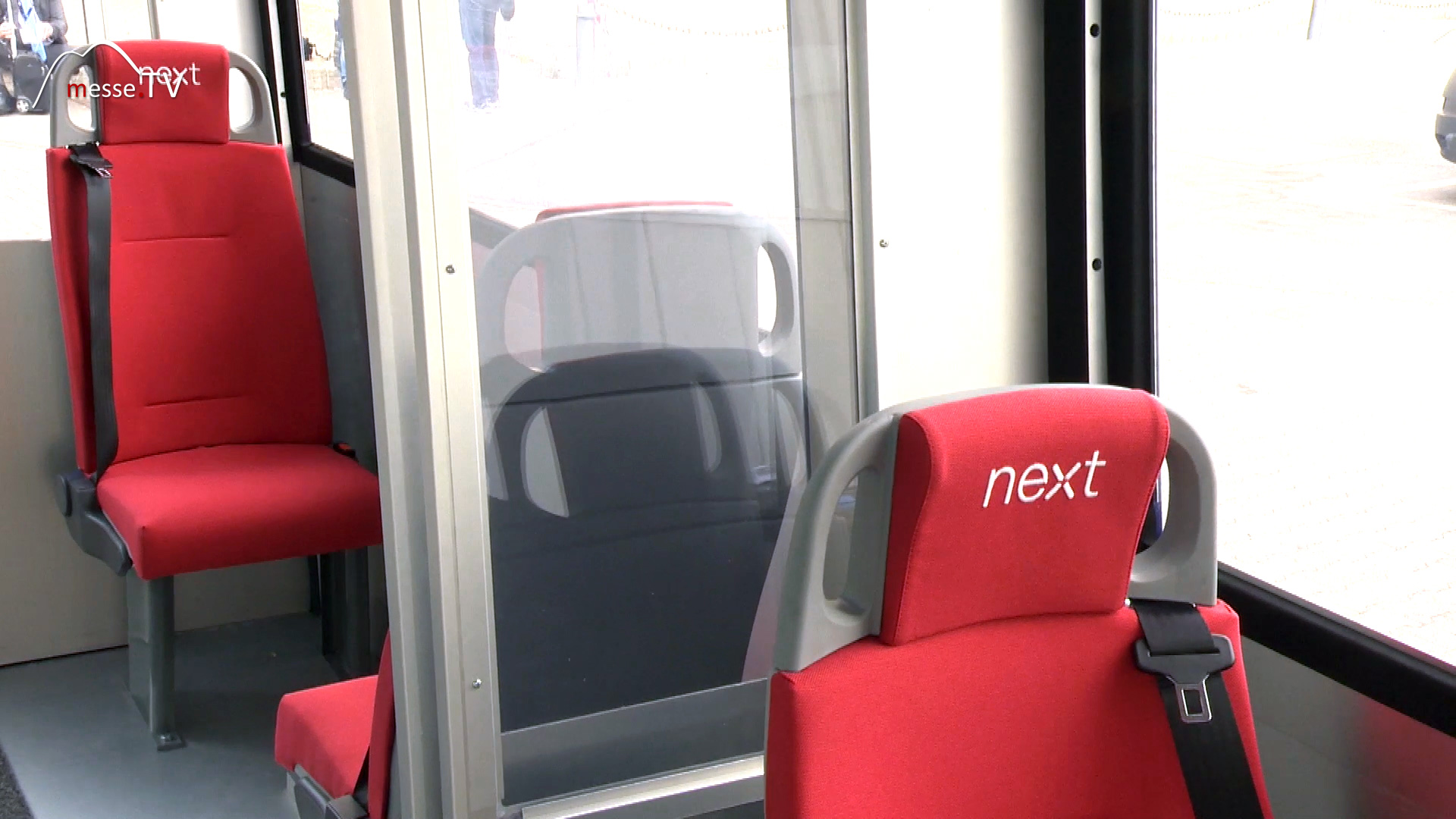
Interior concept with a lounge feel
The interior also differs significantly from traditional bus systems. The modules appear wider and taller than conventional vehicles. This creates a surprising amount of freedom of movement. The prototype shown features seating groups, facing seats and a planned lounge or café area with table modules. At the same time, there is space for standing passengers and luggage racks in the upper section. Also striking is the integration of seatbelts – an unusual feature in public transport. The vehicle concept appears to be more closely aligned with car and shuttle solutions than with traditional public buses. The construction itself is based on lightweight aluminium structures with a honeycomb design. This so-called honeycomb structure combines low weight with high stability and plays a central role in energy efficiency and range.
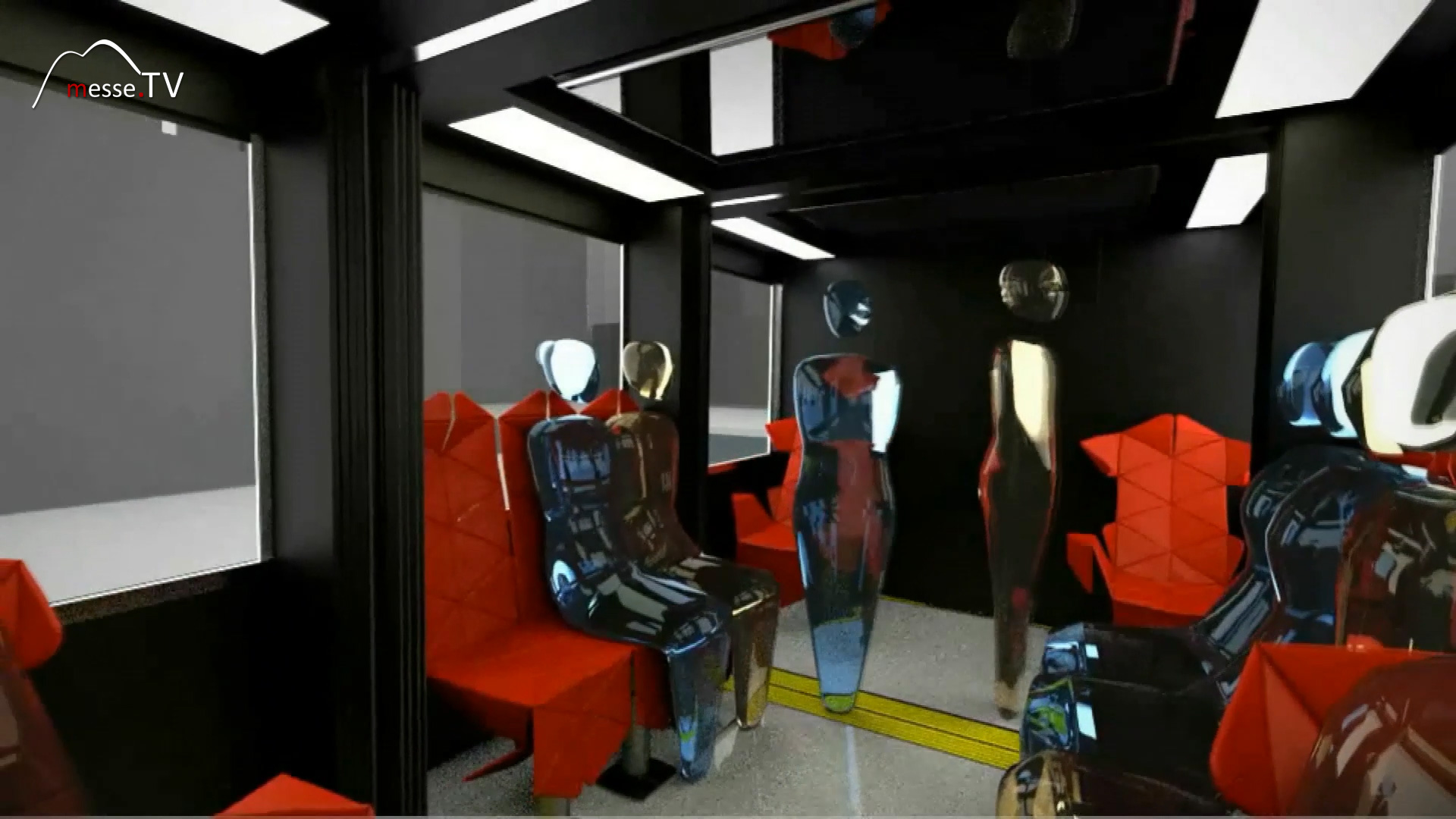
Modular transport systems could transform cities
The presentation at InnoTrans highlights a broader trend in the mobility sector. Transport systems are increasingly moving away from rigid vehicle concepts towards flexibly scalable platforms. Autonomous technologies in particular could accelerate this development. If vehicles are able to coordinate, link up and distribute themselves autonomously in future, traditional notions of bus routes and vehicle sizes will also change. Whether the Next Future Transportation concept actually makes it into everyday life, however, depends not only on the technology. Regulatory approvals, infrastructure, safety standards and cost-effectiveness will be decisive. The company itself speaks of less than two years until the first commercial fleet. Should this goal be achieved, the modular bus could become one of the most unusual mobility concepts currently heading towards practical implementation.
Trade fair reporting Germany - Trade fair knowledge, dates & events


