Collision warning systems for greater safety in rail transport
Rail transport is one of the most heavily regulated transport systems in existence. Nevertheless, serious train accidents repeatedly demonstrate that even modern safety technology cannot completely rule out every potential error.
At InnoTrans in Berlin, Intelligence on Wheels is therefore presenting a system that functions as an additional layer of safety and operates independently of existing infrastructure. At the heart of the system is an autonomous collision warning system for trains. The technology is designed to warn train drivers of other vehicles on the same track or approaching dangerously. The system was developed specifically for situations where existing safety systems fail or human errors cannot be corrected in time. In doing so, the company is pursuing an approach that differs significantly from traditional control and safety systems. Instead of centralising intelligence in infrastructure or signal boxes, Intelligence on Wheels shifts the decision-making logic directly into the vehicle.
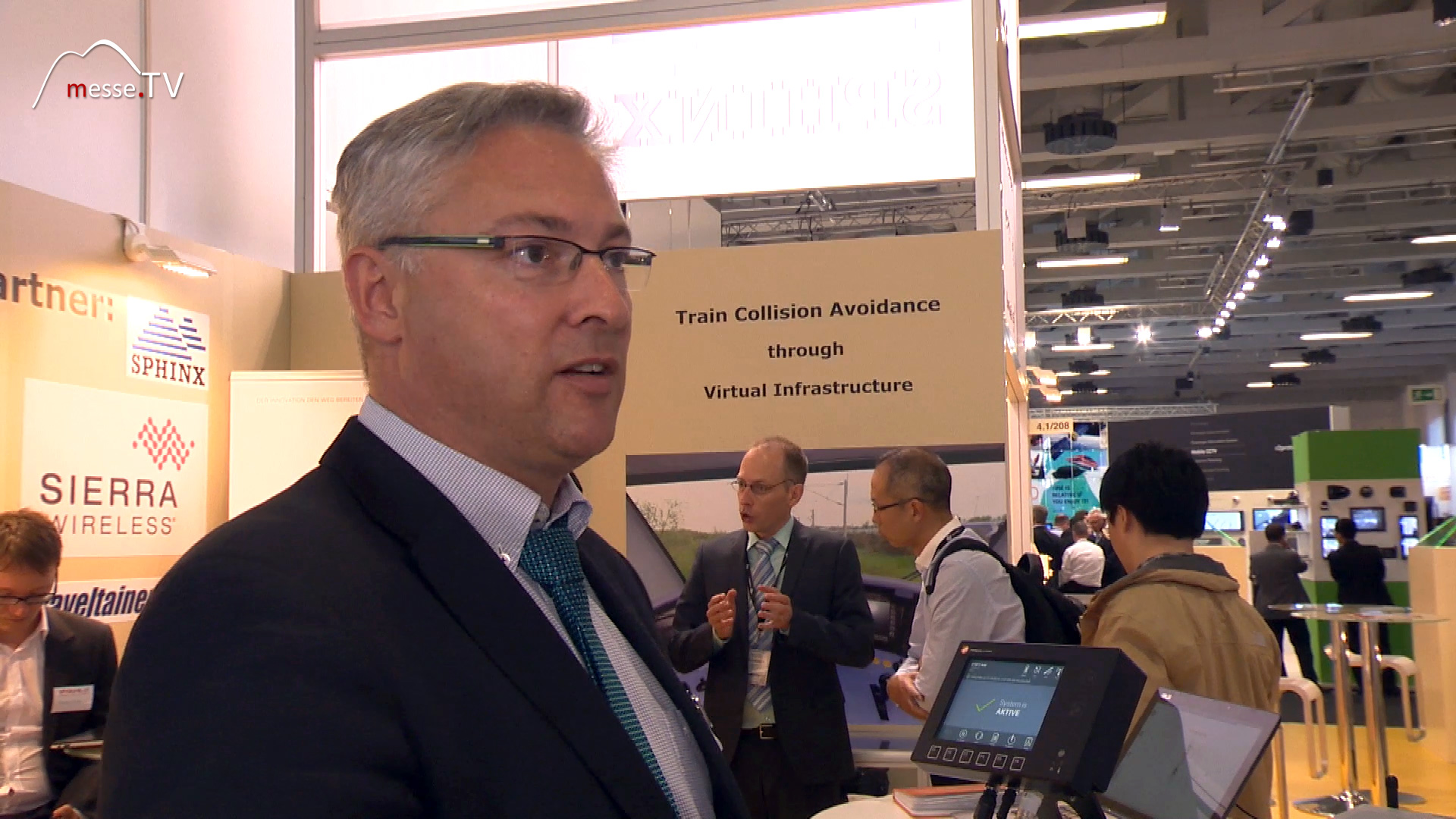

Intelligence on Wheels develops autonomous warning system
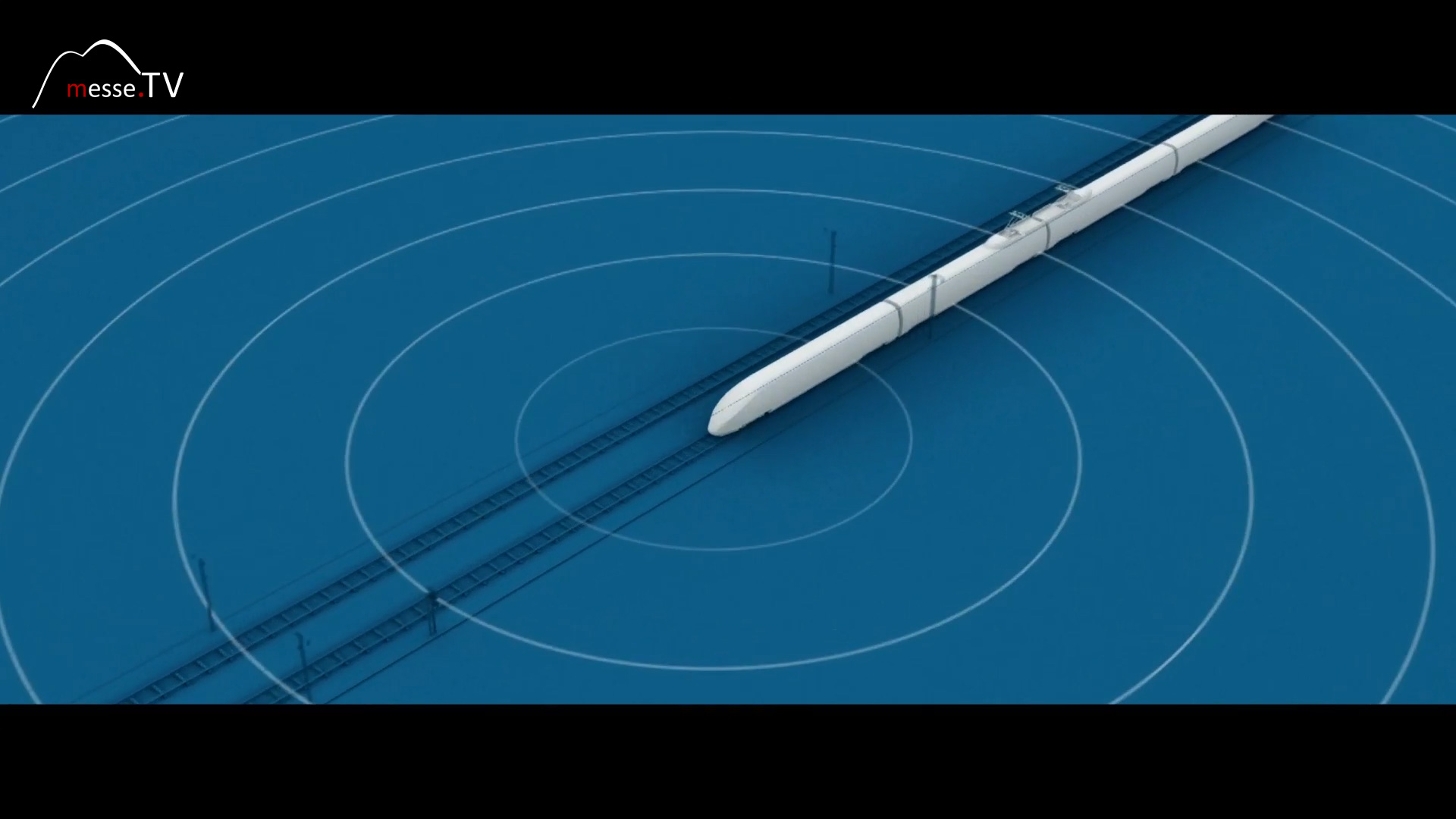
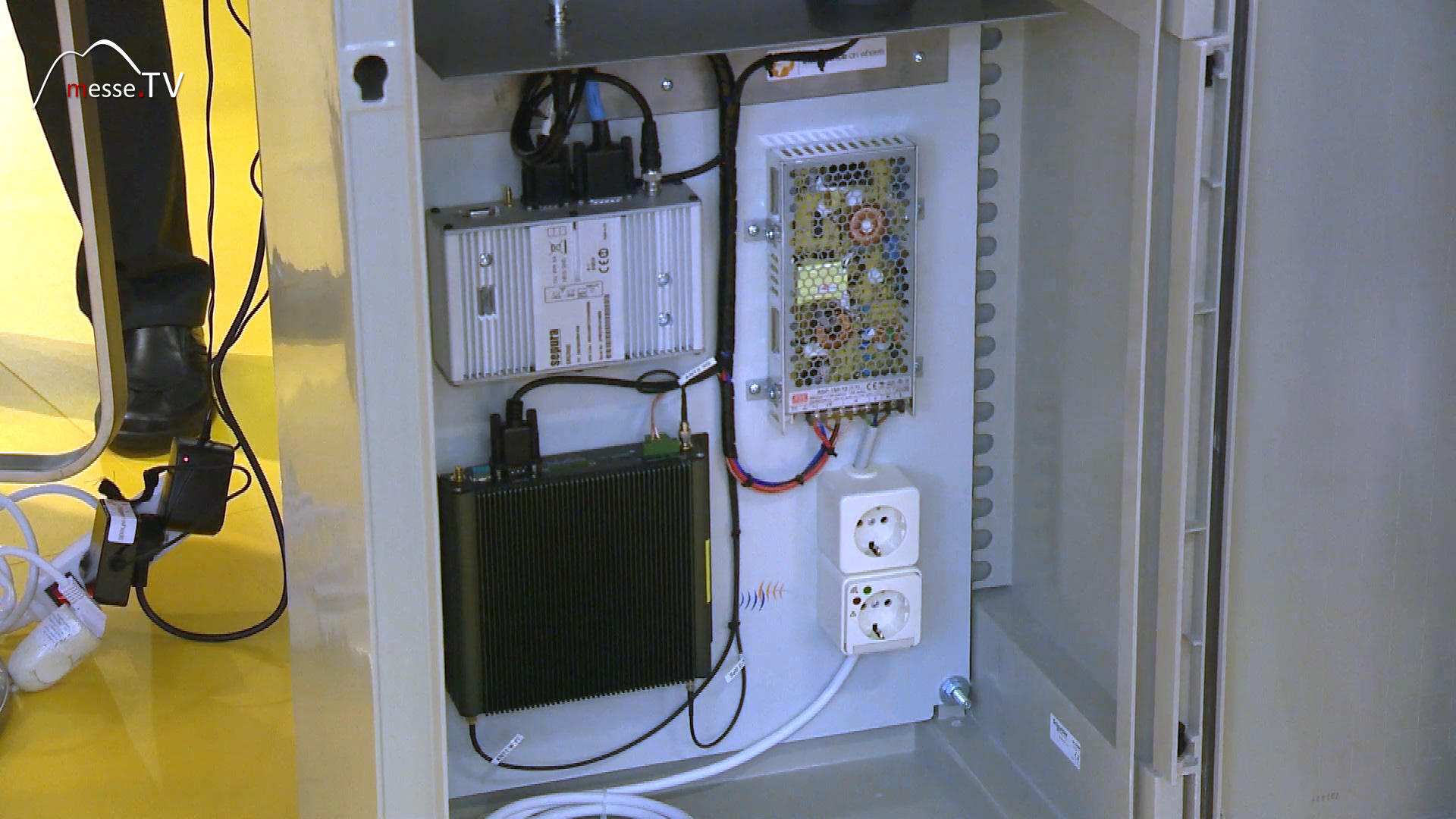
The system presented operates completely autonomously and requires no additional track infrastructure. The technology is integrated directly into the train and communicates via radio with other equipped vehicles in the vicinity. Each train continuously transmits information on its position, speed and direction of travel. Other vehicles receive this data immediately and independently calculate whether there is a potential risk of collision.
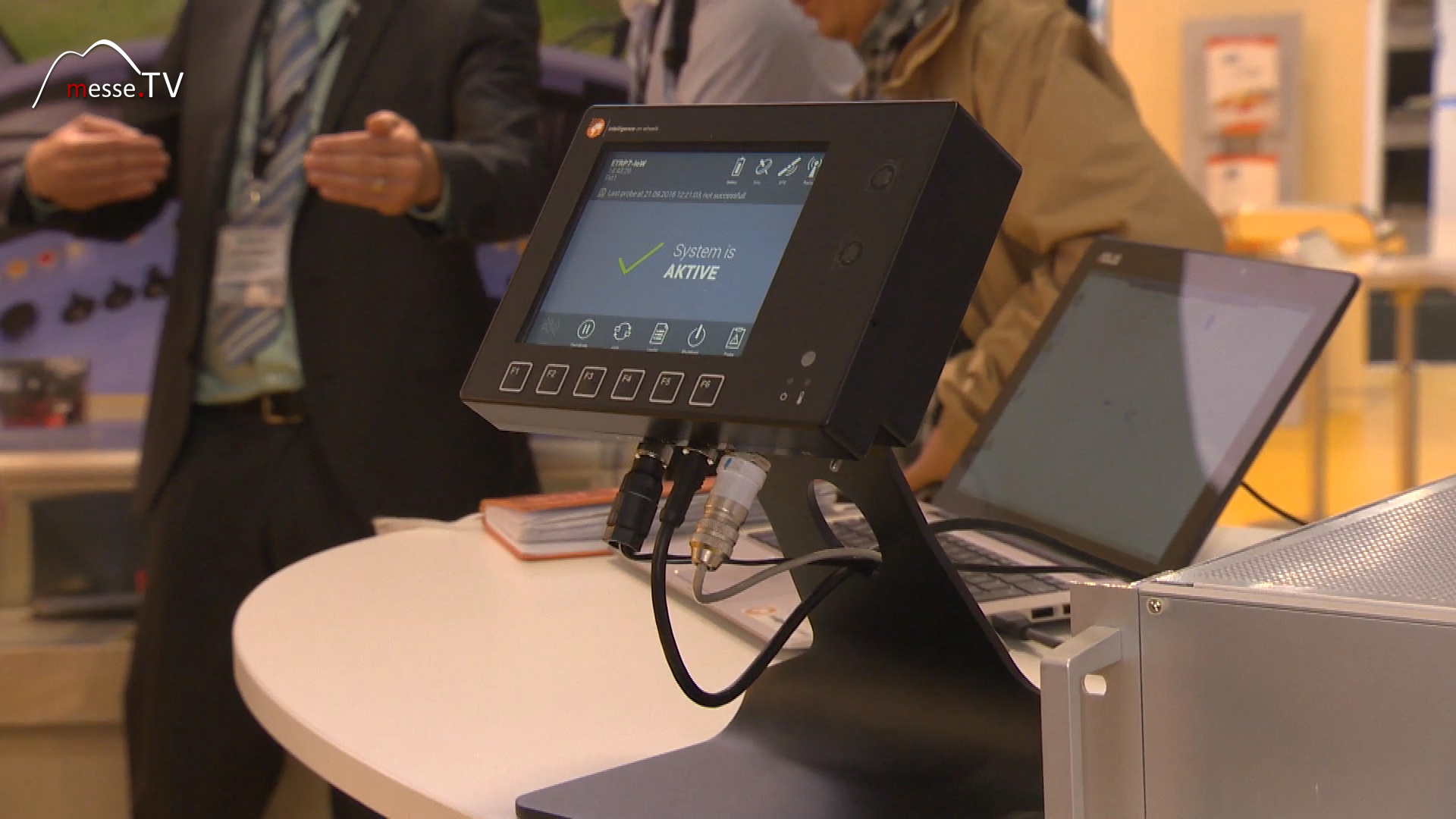
Particularly striking is the system’s independence from traditional communication networks. Neither GSM-R nor other background systems are required. Communication takes place exclusively via radio frequencies between the vehicles themselves. This is precisely where the company sees the system’s key advantage. It creates an additional layer of safety that operates independently of existing infrastructure and therefore remains active even if other systems fail or provide faulty information. In some respects, the approach is reminiscent of decentralised safety concepts from aviation or autonomous road transport. Decisions are not made exclusively in a control centre, but directly where the danger arises – within the vehicle itself.

Virtual infrastructure replaces centralised networks
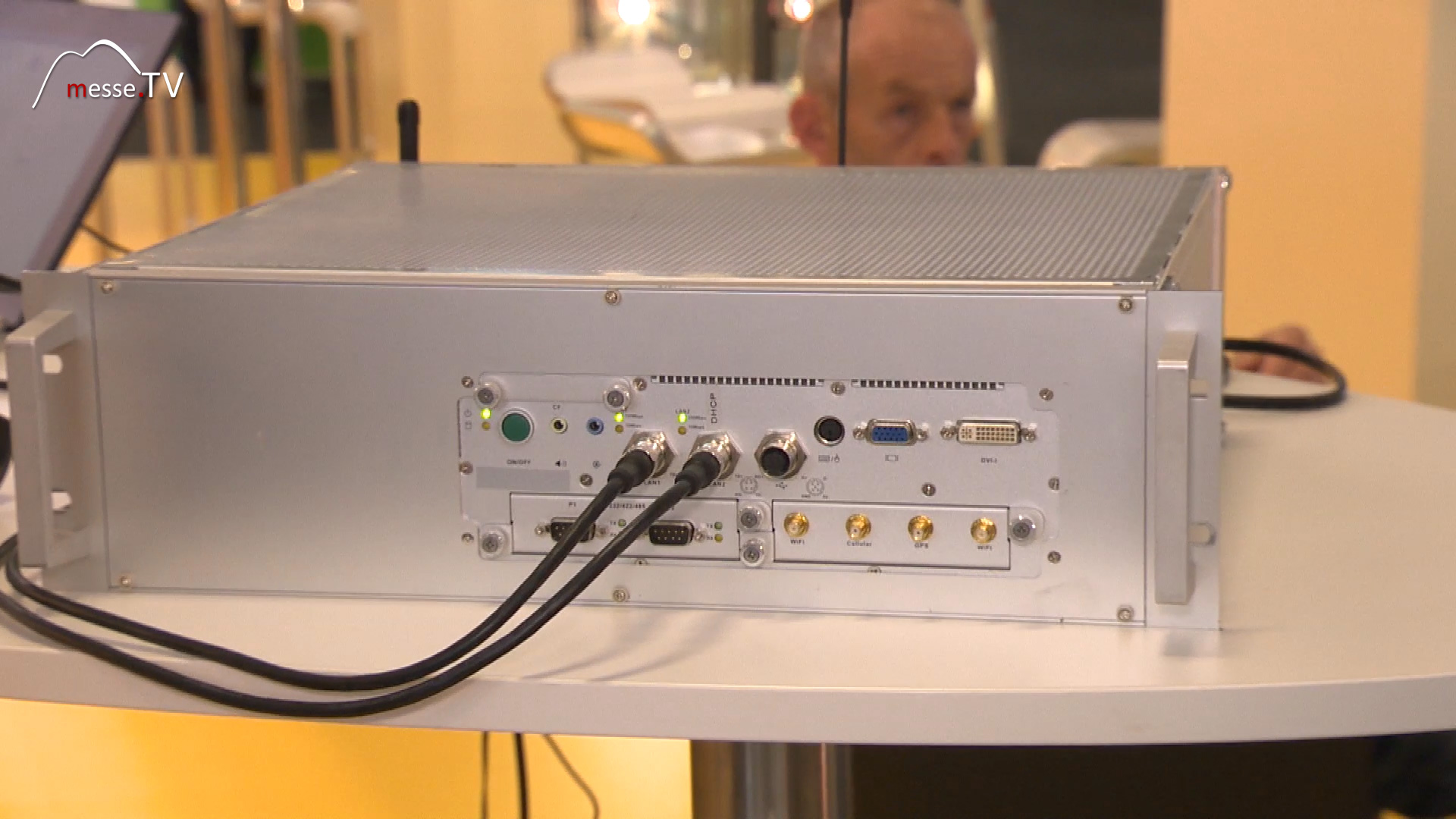
In principle, the system functions like a virtual infrastructure. As soon as a train is equipped with the technology, it becomes part of the safety network and exchanges information directly with other vehicles. This also offers advantages in international or mixed networks. Guest vehicles, for example, can be integrated via portable versions of the system without the need for extensive technical retrofitting or adjustments to the infrastructure. Although the portable version has lower performance specifications than permanently installed systems, it significantly expands the scope of application. This approach could prove particularly interesting for temporary operations or cross-border traffic. Key features of the system:
- autonomous communication between trains
- no dependence on GSM-R or central networks
- additional safety layer independent of existing technology
- portable variants for guest vehicles
- direct warning of potential collision risks
Safety Overlay rather than competition with existing systems
Of particular interest is the company’s reasoning regarding competing systems. Intelligence on Wheels does not view its technology as an alternative to existing safety or control systems, but rather as a so-called ‘Safety Overlay’. This refers to an additional layer of protection that operates independently of other systems and is designed to safeguard against their vulnerabilities. The idea behind this is that no technical system is completely error-free. Safety is therefore enhanced, particularly when independent technologies operate in parallel. This principle plays a major role in the rail sector. Whilst modern safety systems achieve a very high level of safety, they are often closely linked to central infrastructure and complex networks. If part of this structure fails or misconfigurations occur, critical situations can arise. An autonomously operating supplementary system could detect such scenarios at an early stage and warn drivers before an accident occurs. According to the company, the technology was developed precisely for these situations.
Smartphone app aims to protect track workers
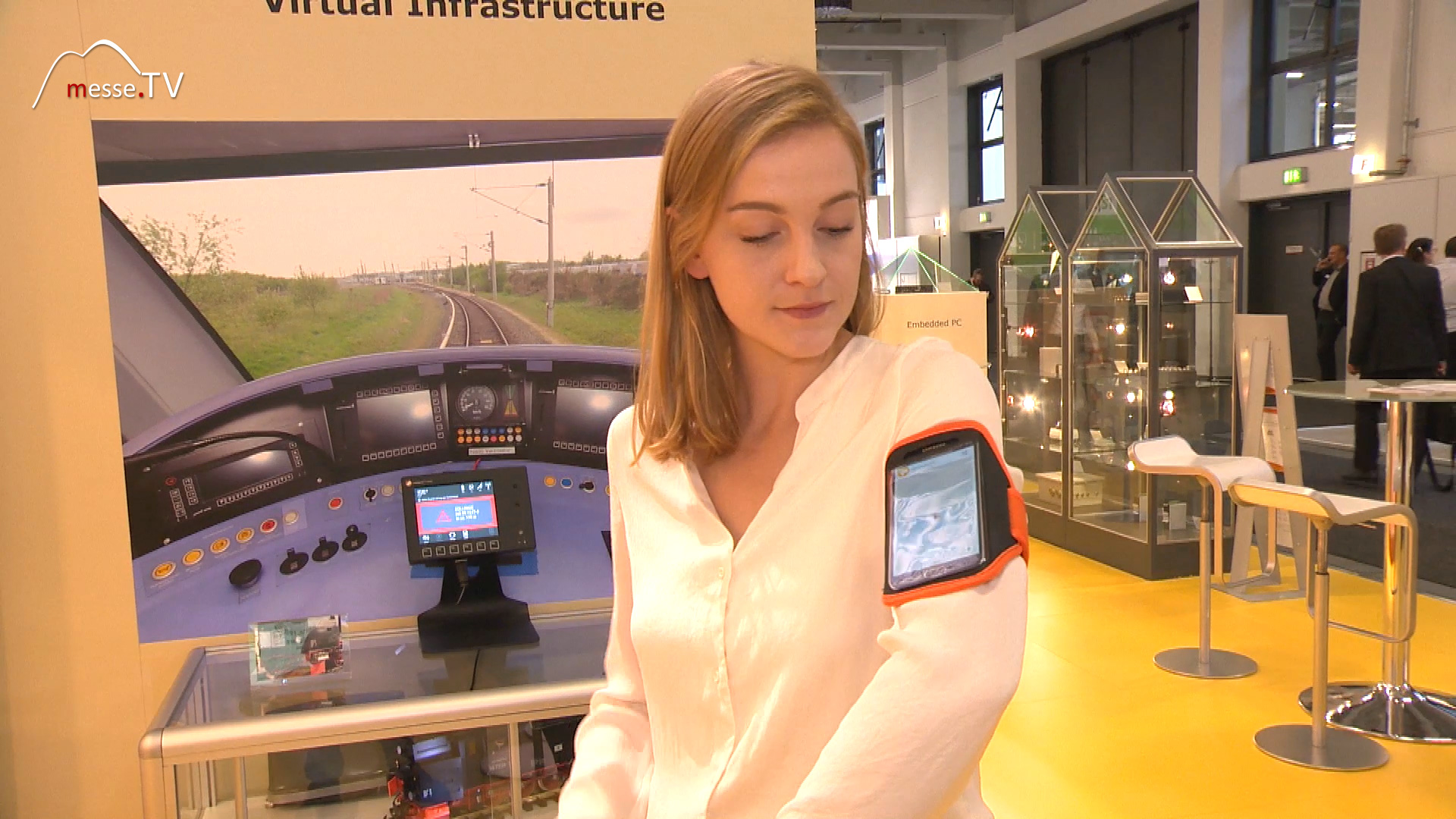
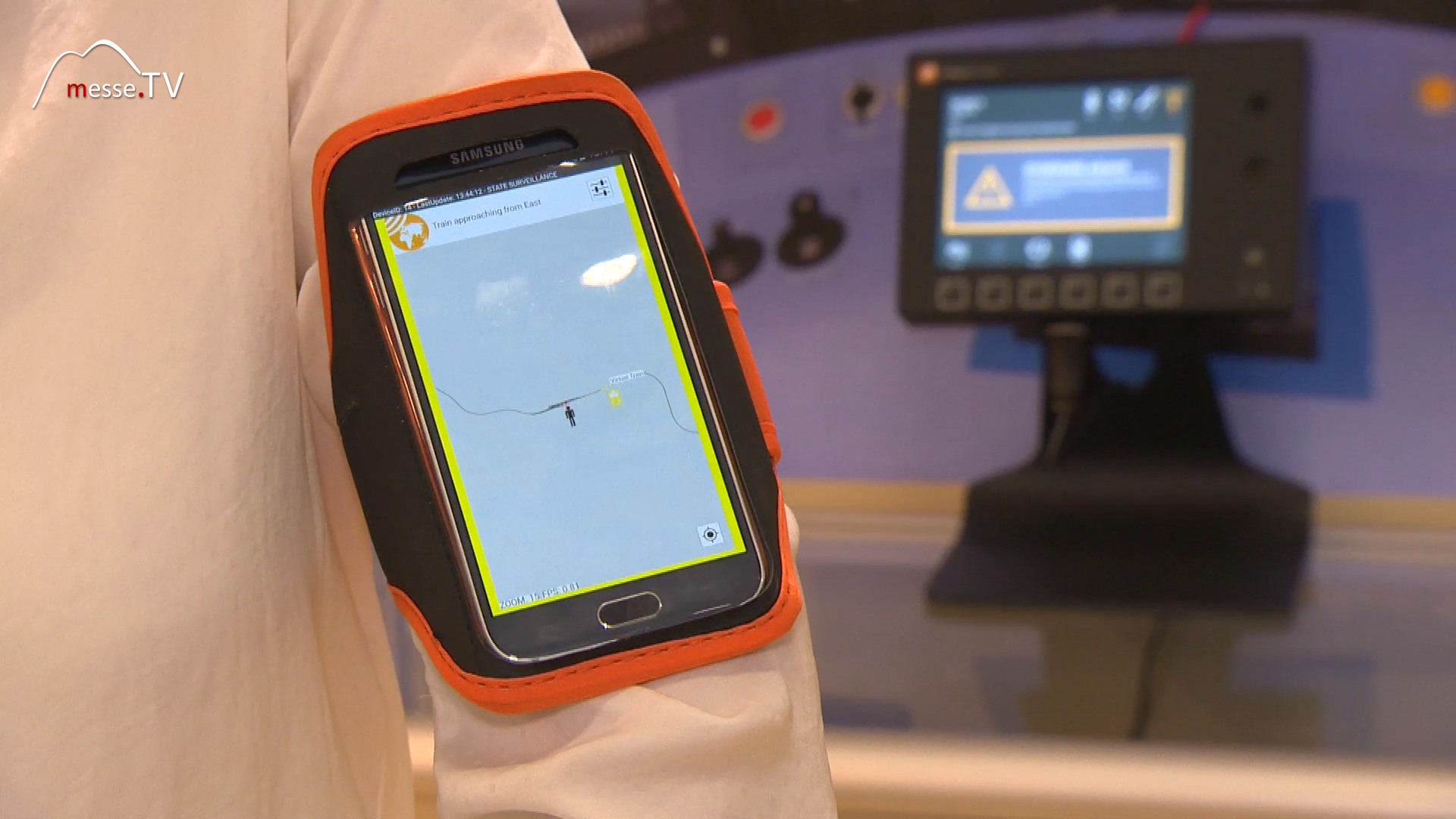
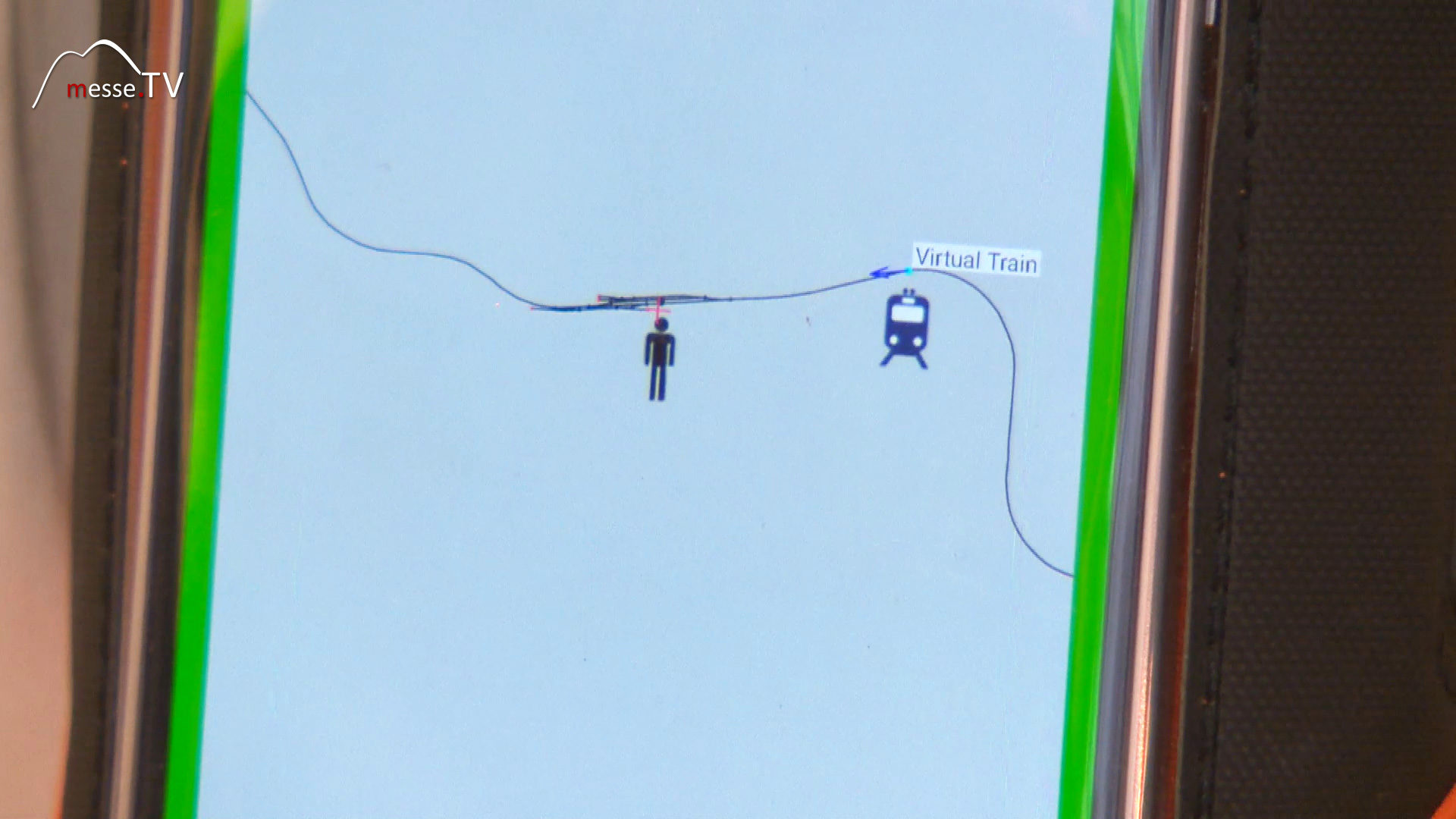
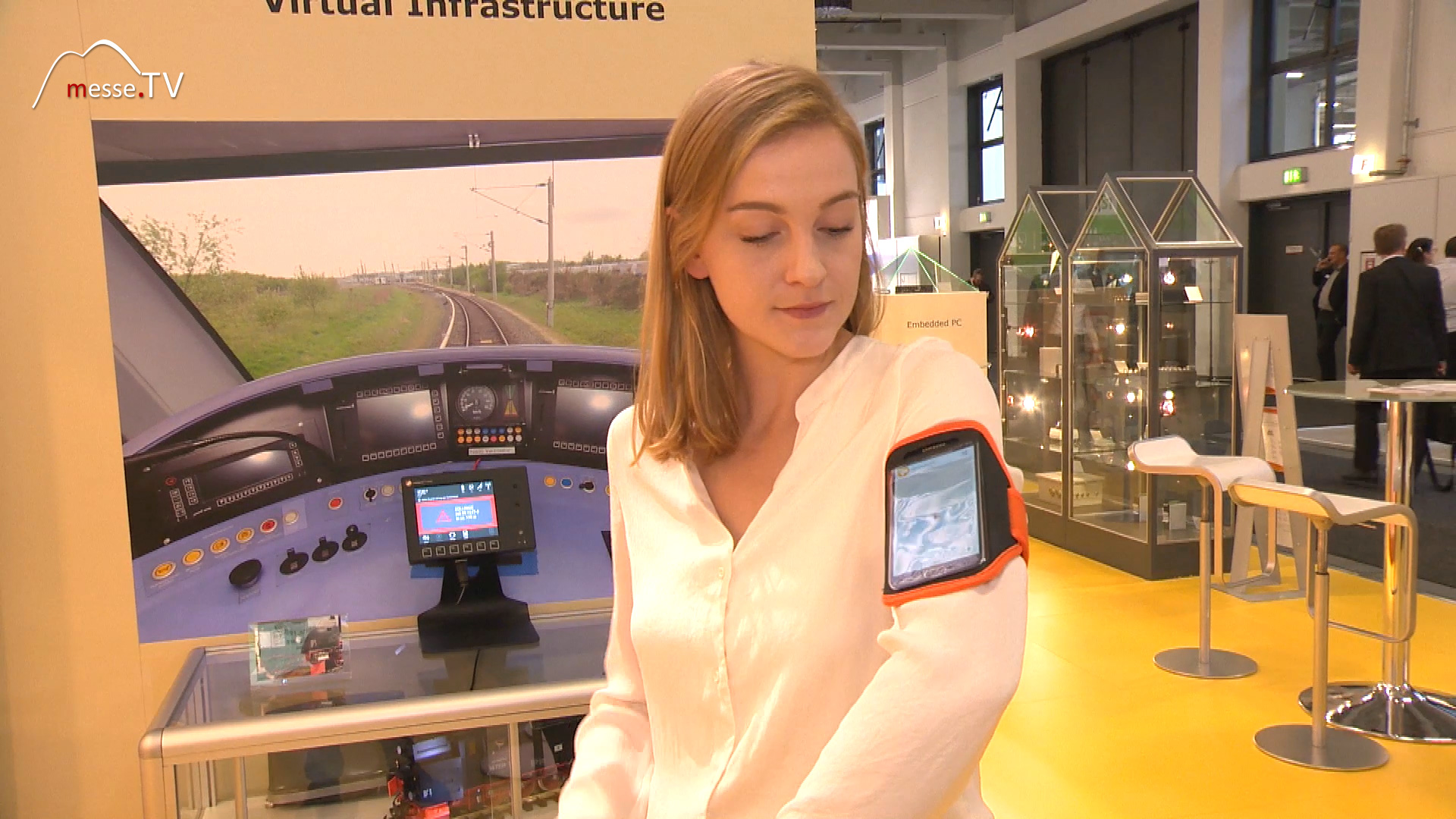
In addition to train-to-train communication, Intelligence on Wheels is also showcasing a new smartphone application for track workers at InnoTrans. The aim is to warn people in the track area at an early stage of approaching vehicles. The app uses the same basic principle as the collision warning system for trains. If the system detects a train moving towards the worker’s position that could pose a risk, a warning is automatically sent via the smartphone. The design of the user interface is particularly noteworthy. Instead of complicated menus or small controls, the app relies on greatly simplified interactions. A simple tap on the arm is said to be enough to trigger certain functions. This approach could be crucial, particularly in day-to-day work on railway lines. Track workers often work with high levels of concentration, whilst wearing gloves or in noisy environments. Traditional smartphone operation quickly reaches its limits in such situations.
Decentralised safety systems are gaining in importance
The presentation at InnoTrans also highlights a broader trend in the rail sector. Safety functions are increasingly moving from central control centres directly into vehicles, mobile devices and decentralised systems. As digitalisation increases, so does the complexity of modern rail networks. At the same time, new requirements are emerging due to international traffic, mixed vehicle fleets and temporary infrastructure projects. Autonomous warning systems could therefore play a significantly greater role in the future – particularly as an independent complement to existing safety technologies. The Intelligence on Wheels approach illustrates just how much safety concepts in rail transport are currently changing: away from purely centralised structures, towards intelligent, interconnected vehicles and mobile systems.


Trade fair reporting Germany - Trade fair knowledge, dates & events


