Infrastrukturtechnik für Glasfaser und Nahverkehr
von Bastian Velonavy - 2024-02-14Moderne Verkehrsinfrastruktur entsteht längst nicht mehr nur auf Schienen oder Straßen. Hinter dem sichtbaren Betrieb arbeiten zunehmend komplexe Netze aus Glasfasertechnik, Datenübertragung und intelligenten Steuerungssystemen.
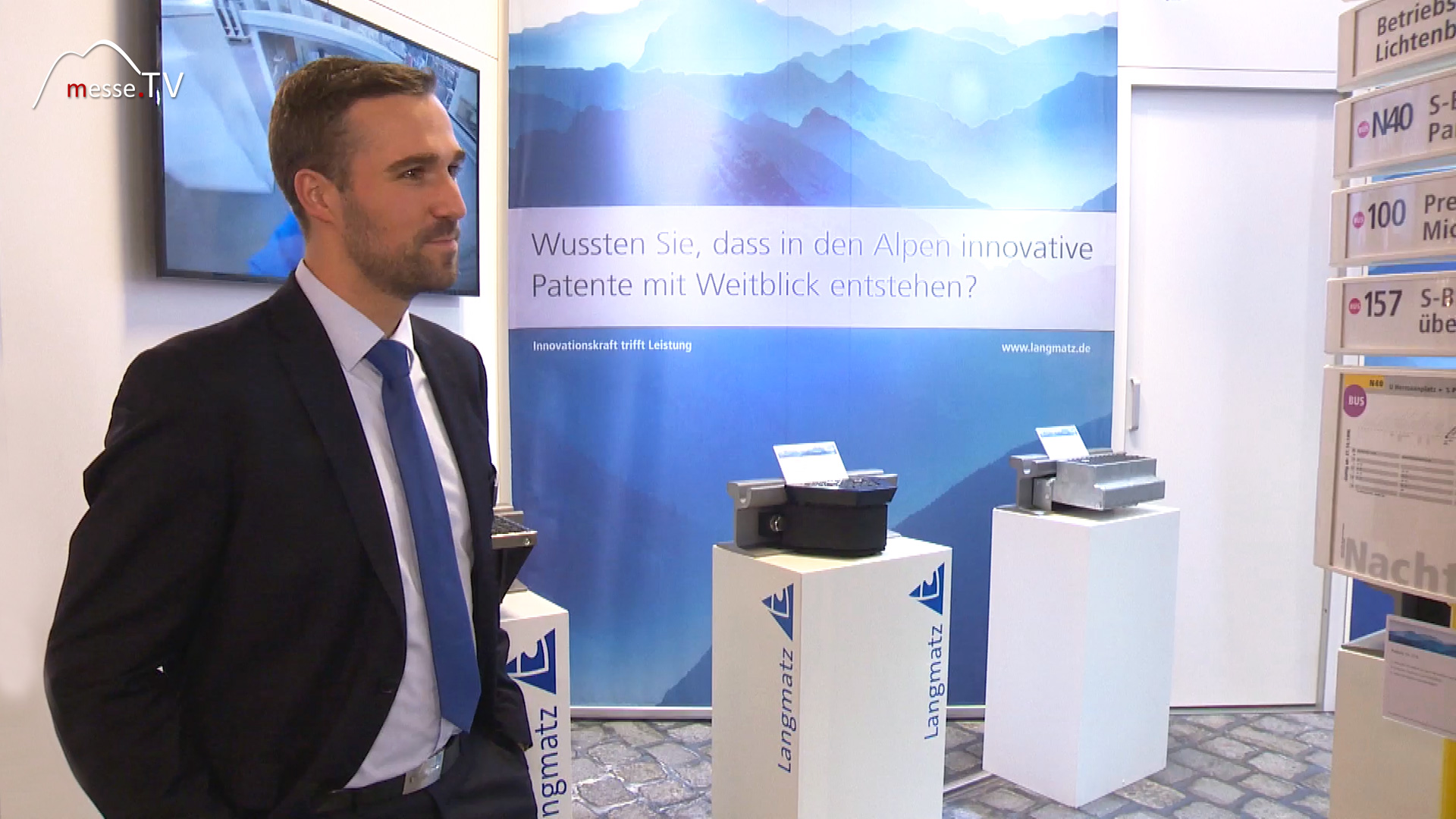
Auf der InnoTrans in Berlin zeigt Langmatz deshalb Lösungen, die auf den ersten Blick unscheinbar wirken, im Hintergrund jedoch zentrale Funktionen für Telekommunikation, Energieversorgung und öffentlichen Nahverkehr übernehmen. Das Unternehmen aus Garmisch-Partenkirchen entwickelt und produziert technische Gehäuse-, Schacht- und Infrastrukturlösungen für unterschiedliche Branchen. Im Zentrum stehen dabei weniger standardisierte Massenprodukte als kundenspezifische Systeme, die gemeinsam mit Netzbetreibern, Kommunen oder Infrastrukturunternehmen entwickelt werden. Gerade im Bereich Verkehrstechnik zeigt sich dabei ein wachsender Bedarf an wartungsfreundlicher und flexibel anpassbarer Infrastruktur. Digitalisierung, Glasfaserausbau und intelligente Verkehrssteuerung verändern die Anforderungen an Städte und Verkehrsnetze erheblich.
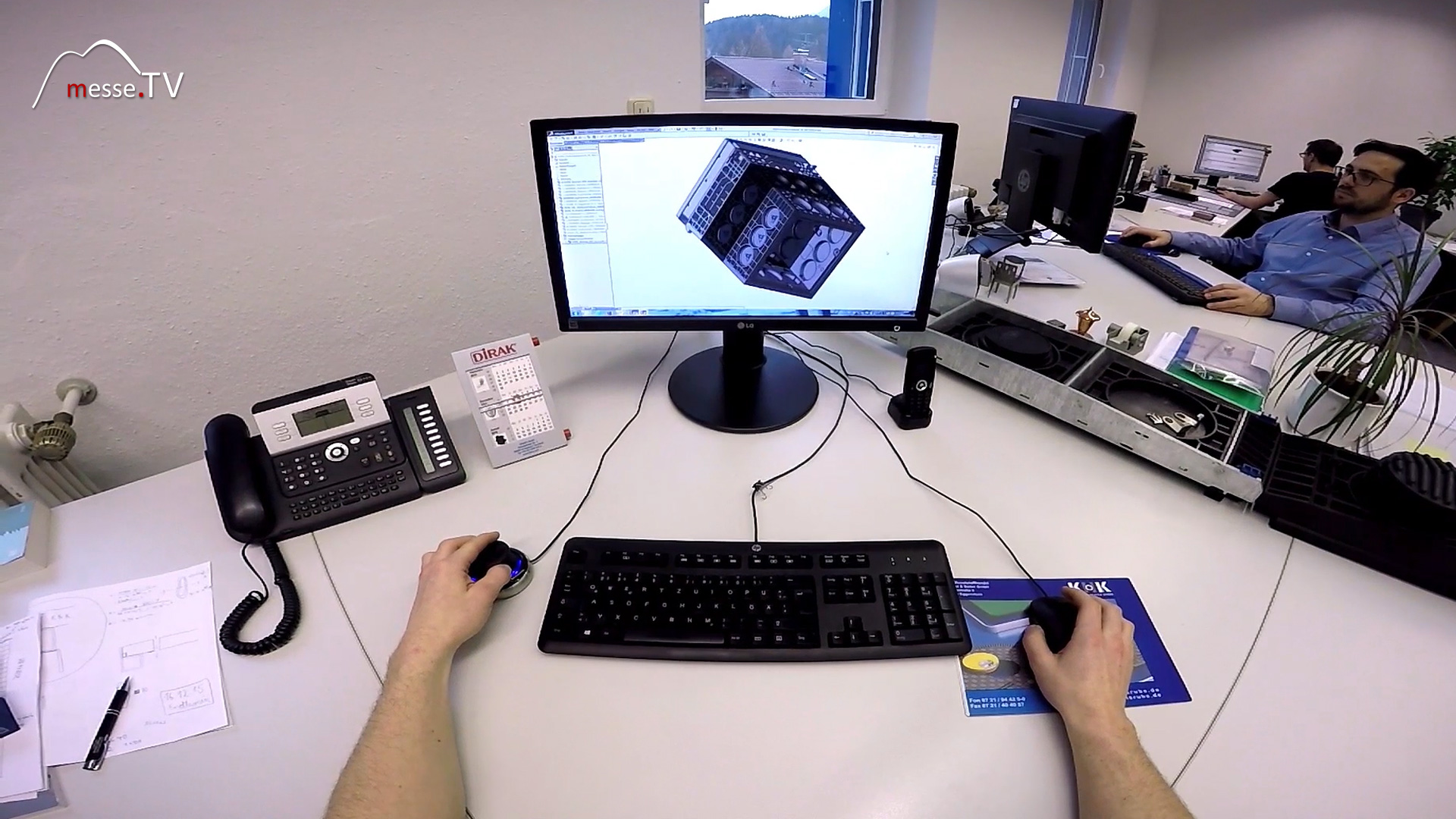

Langmatz entwickelt Systeme für Glasfasernetze der Bahn
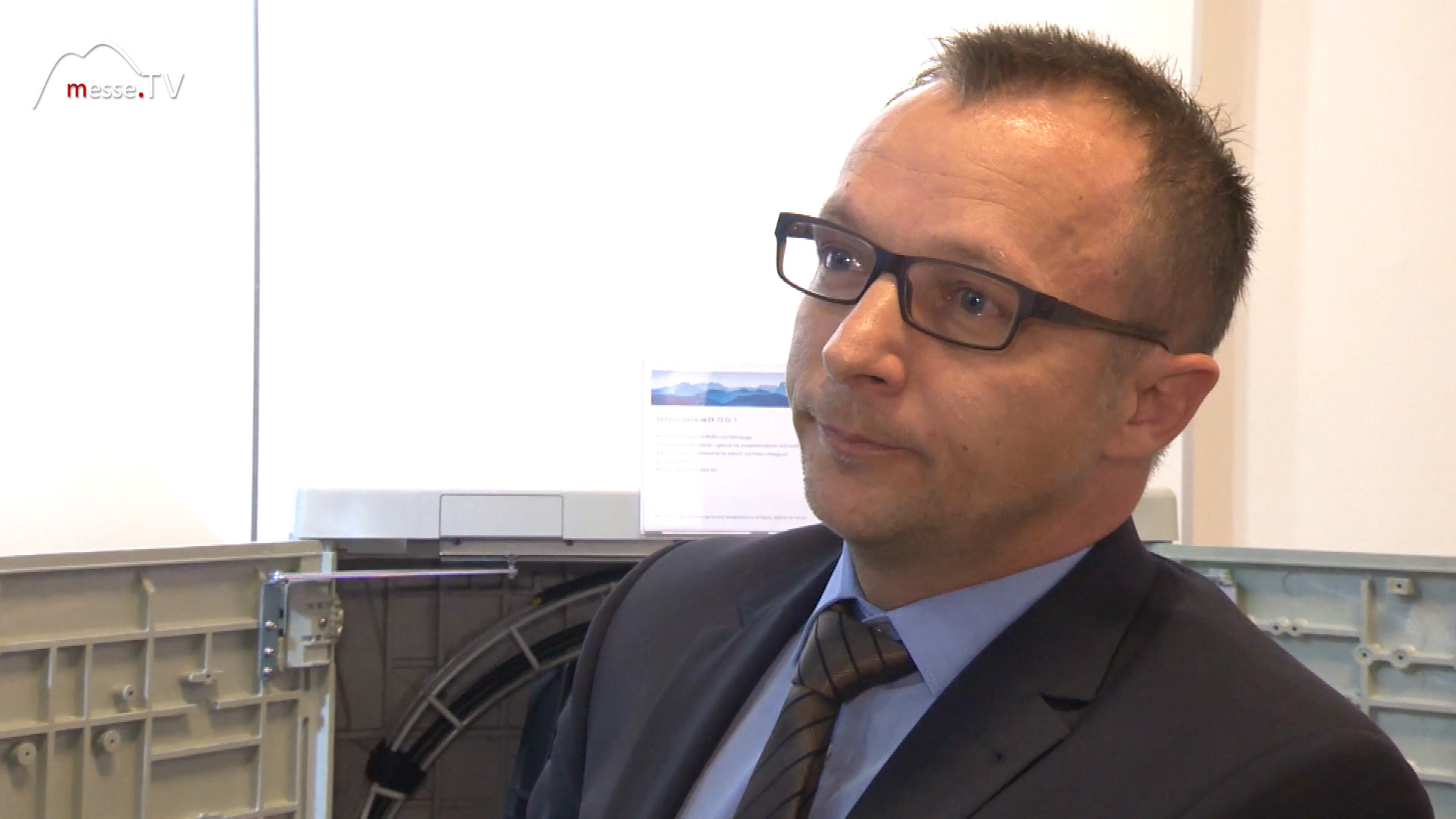
Ein Schwerpunkt auf dem Messestand ist ein gemeinsam mit der Deutschen Bahn entwickelter Muffen- und Mehrlängenschrank für den Glasfaserausbau entlang von Bahnstrecken. Seit Jahren modernisiert die Bahn ihre Kommunikationsinfrastruktur und erweitert bestehende Netze um leistungsfähige Glasfaserverbindungen. Entlang der Strecken entstehen dafür zahlreiche technische Knotenpunkte, die Wartung, Reparatur und Erweiterungen ermöglichen sollen. Die von Langmatz entwickelten Schränke dienen dabei als dezentrale Zugangspunkte für Glasfasermuffen und Leitungsverbindungen. Müssen Reparaturen durchgeführt oder neue Leitungen integriert werden, können Techniker direkt vor Ort auf die Infrastruktur zugreifen. Gerade bei kilometerlangen Streckennetzen spielt diese Zugänglichkeit eine wichtige Rolle. Glasfasernetze gelten zwar als vergleichsweise wartungsarm, reagieren jedoch empfindlich auf Beschädigungen oder Unterbrechungen. Punktuell verteilte Zugangssysteme vereinfachen deshalb Instandhaltung und Netzmanagement erheblich. Das Unternehmen beschreibt seine Produkte dabei bewusst als technisch anpassbare Plattformen. Die eigentliche Besonderheit liegt weniger im Gehäuse selbst als in den kundenspezifischen Ausbauten und technischen Integrationen.
Koppelspulenschächte steuern den Nahverkehr
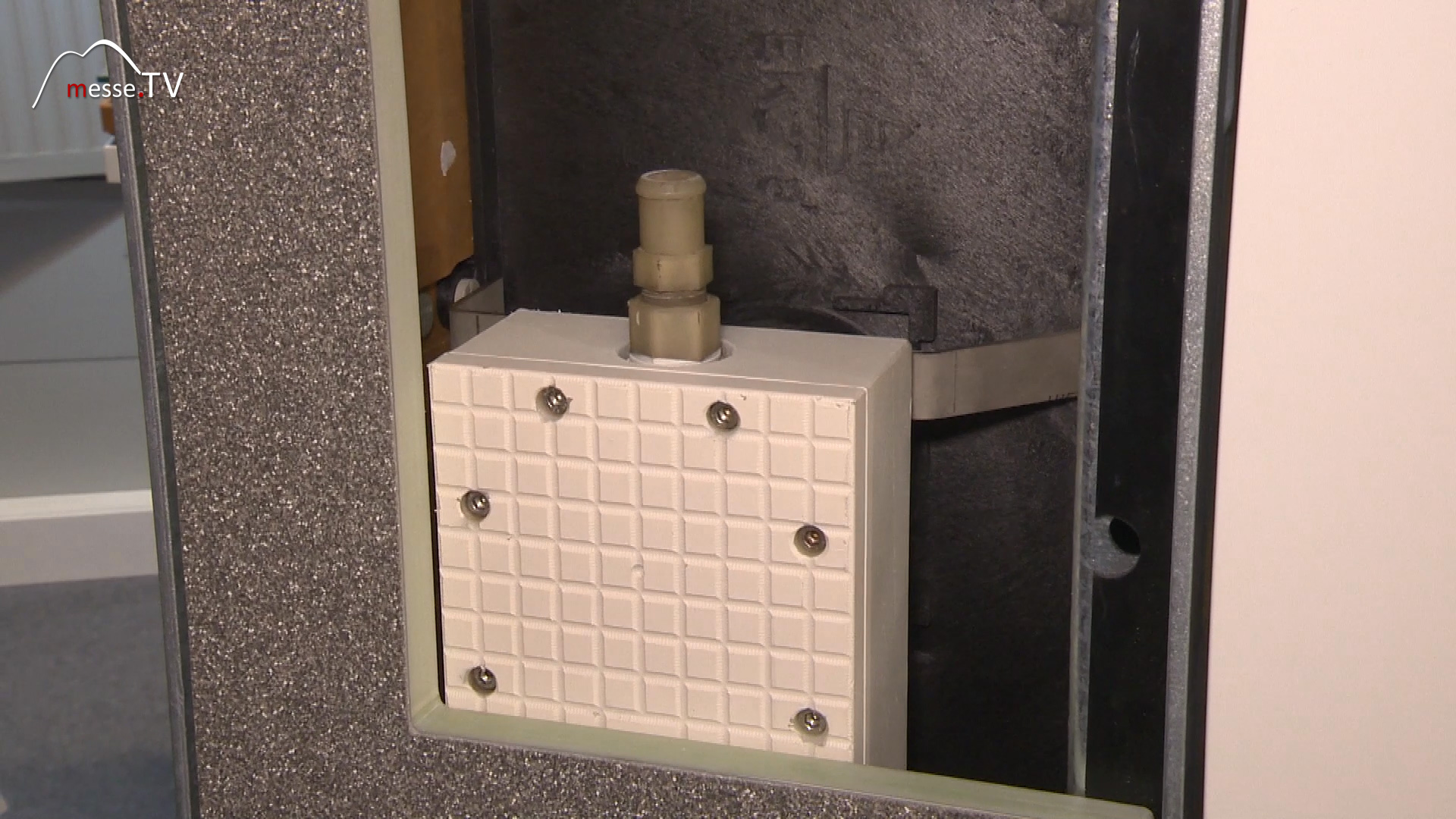
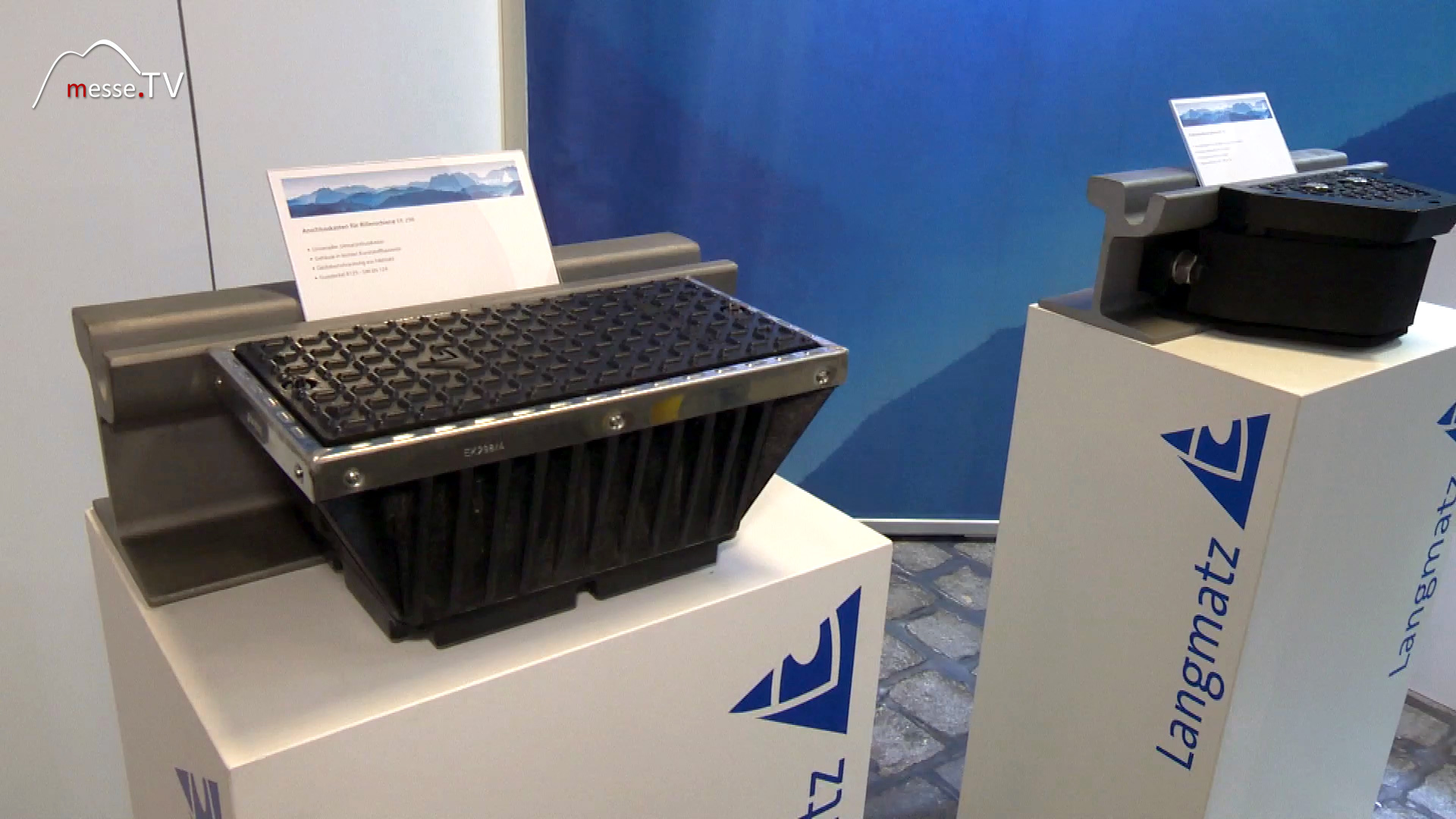
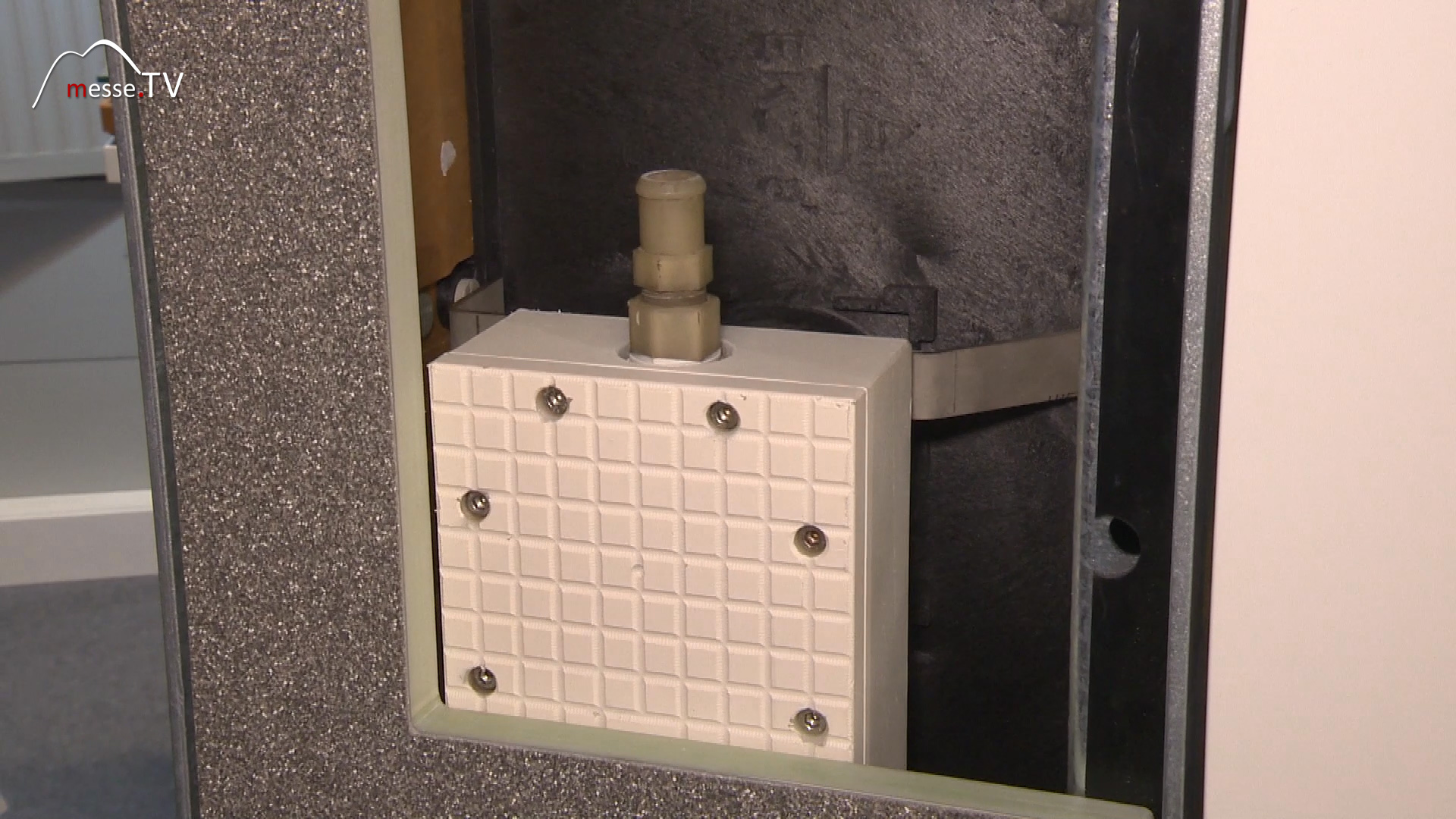
Ein zweites großes Themenfeld betrifft Kunststoffkabelschächte für den öffentlichen Nahverkehr. Besonders interessant ist dabei ein sogenannter Koppelspulenschacht, der zur Beschleunigung des Straßenbahnverkehrs eingesetzt wird. Die Technik ermöglicht die Kommunikation zwischen Infrastruktur und Fahrzeug. Koppelspulen übertragen Informationen direkt an herannahende Straßenbahnen oder Triebfahrzeuge. Dadurch kann beispielsweise eine bevorzugte Grünphase an Ampelanlagen ausgelöst werden. Für Städte und Verkehrsbetreiber entsteht daraus ein erheblicher Vorteil. Straßenbahnen verlieren weniger Zeit an Kreuzungen, Fahrpläne werden stabiler und der öffentliche Nahverkehr wird insgesamt effizienter. Das System liegt dabei unsichtbar unter der Straßenoberfläche. Sichtbar bleibt lediglich die Abdeckung des Schachts. Wichtige Eigenschaften des Systems:
- Koppelspulen zur Datenübertragung an Triebfahrzeuge
- Bevorzugung des Nahverkehrs an Ampelanlagen
- wartungsfreundliche Schachtlösung statt direkter Straßenintegration
- nachträglicher Austausch defekter Komponenten möglich
- Einsatz in Straßenbahn- und Verkehrsinfrastruktur

Glasfaserverbundwerkstoffe und WPC im Einsatz
Technisch interessant ist außerdem die Materialwahl der Schachtabdeckungen. Zum Einsatz kommen unter anderem Glasfaserverbundwerkstoffe sowie sogenannte WPC-Materialien. WPC steht für „Wood-Plastic-Compound“ – einen Verbundwerkstoff aus Kunststoff und Holzfasern. Laut Unternehmen liegt der Holzanteil bei bis zu 45 Prozent. Für Kommunen gewinnt dieser Ansatz zunehmend an Bedeutung, weil Nachhaltigkeit und CO₂-Bilanz auch bei Infrastrukturprojekten stärker berücksichtigt werden. Die Kombination aus Kunststoff und Holzfasern verbindet mehrere Eigenschaften: hohe Stabilität, Korrosionsbeständigkeit und geringeres Gewicht gegenüber klassischen Betonsystemen. Gleichzeitig spielen solche Werkstoffe gerade im innerstädtischen Bereich eine Rolle, weil Infrastrukturkomponenten zunehmend langlebig und wartungsarm ausgelegt werden müssen. Straßen, Kreuzungen und Gleisbereiche zählen zu den kostenintensivsten Wartungszonen kommunaler Infrastruktur.
Verkehrstechnik wird stärker datengetrieben
Die Präsentation auf der InnoTrans zeigt zugleich, wie stark sich Verkehrsinfrastruktur derzeit verändert. Während früher vor allem mechanische oder elektrotechnische Komponenten im Mittelpunkt standen, dominieren heute Kommunikationssysteme, Datenübertragung und digitale Vernetzung. Koppelspulen, Glasfasernetze und intelligente Steuerungssysteme werden zunehmend zu Grundvoraussetzungen moderner Verkehrssysteme. Gerade im Nahverkehr entscheiden digitale Prozesse darüber, wie effizient Fahrzeuge durch Städte bewegt werden können. Hinzu kommt der Ausbau urbaner Infrastruktur. Städte investieren verstärkt in Straßenbahnen, intelligente Ampelsteuerungen und digitale Verkehrsnetze, um Staus und Emissionen zu reduzieren. Dadurch wächst auch der Bedarf an robusten technischen Komponenten im Untergrund.

Kundenspezifische Entwicklung bleibt zentraler Faktor
Auffällig ist dabei, dass Langmatz keine festen Produktlinien in den Vordergrund stellt, sondern die enge Zusammenarbeit mit Kunden betont. Viele Projekte entstehen direkt aus konkreten Anforderungen von Kommunen, Netzbetreibern oder Verkehrsunternehmen. Gerade in der Infrastrukturtechnik sind Standardlösungen oft nur begrenzt einsetzbar. Unterschiedliche Straßenaufbauten, Netzstrukturen oder technische Anforderungen erfordern individuelle Anpassungen. Das Unternehmen verweist deshalb auch auf zahlreiche laufende Entwicklungsprojekte, ohne bereits konkrete zukünftige Produkte zu benennen. Die Richtung neuer Lösungen entsteht häufig erst aus aktuellen Anforderungen der Kunden. Damit zeigt sich ein typisches Merkmal moderner Infrastrukturtechnik: Innovation entsteht weniger über spektakuläre Einzelprodukte als über kontinuierliche Weiterentwicklung bestehender Systeme. Gerade dort, wo Infrastruktur unsichtbar im Hintergrund arbeitet, entscheidet oft die technische Detailarbeit über Effizienz, Wartungsaufwand und langfristige Betriebskosten.
Messe-Berichterstattung bundesweit - Messewissen, Termine & Veranstaltungen


