Tunnelbau zwischen Metroprojekten und Megamaschinen
von Andreas Bergmeier - 2024-02-14Der weltweite Ausbau von Metro- und Bahninfrastruktur sorgt seit Jahren für einen Boom im Tunnelbau. Neue U-Bahn-Systeme entstehen in Metropolen, bestehende Strecken werden erweitert und immer mehr Verkehrsinfrastruktur wandert unter die Erde. Auf der InnoTrans zeigt Herrenknecht, welche technische Dimension diese Entwicklung inzwischen erreicht hat.
Das Unternehmen zählt zu den bekanntesten Herstellern von Tunnelbohrmaschinen weltweit und sieht die Branche derzeit in einer außergewöhnlich dynamischen Phase. Von einem „goldenen Zeitalter“ des Tunnelbaus ist auf dem Messestand die Rede. Tatsächlich entstehen aktuell weltweit mehr große Tunnelprojekte als jemals zuvor – vom urbanen Metroausbau bis zu transnationalen Bahnverbindungen. Auffällig ist dabei vor allem die Internationalität des Geschäfts. Projekte in Europa, Asien oder im Mittleren Osten unterscheiden sich geologisch und infrastrukturell teils erheblich. Entsprechend entstehen auch die Maschinen nicht als Serienprodukte, sondern als individuell entwickelte Systeme für konkrete Bauvorhaben.
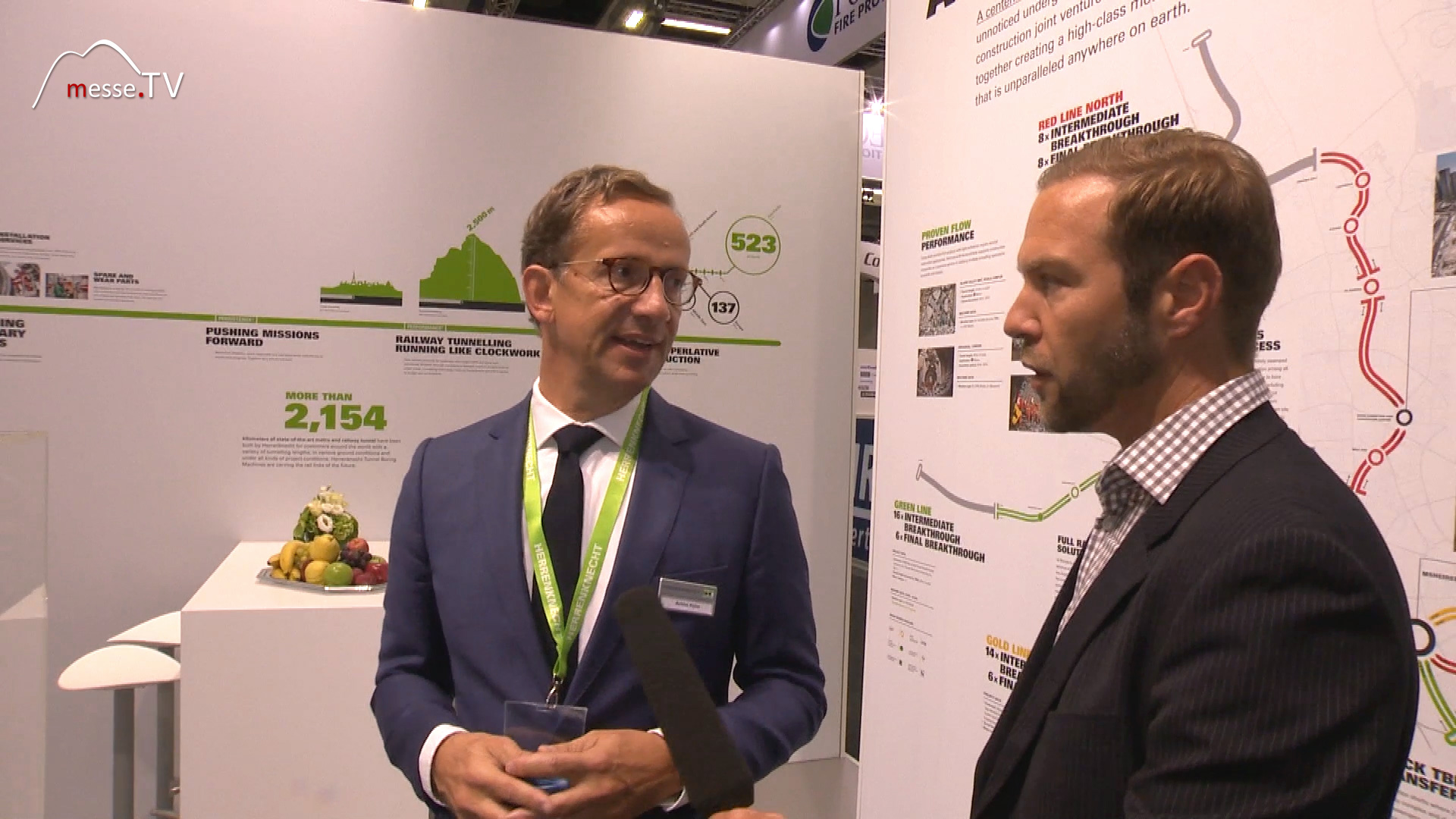

Herrenknecht entwickelt Tunnelbohrmaschinen als Unikate
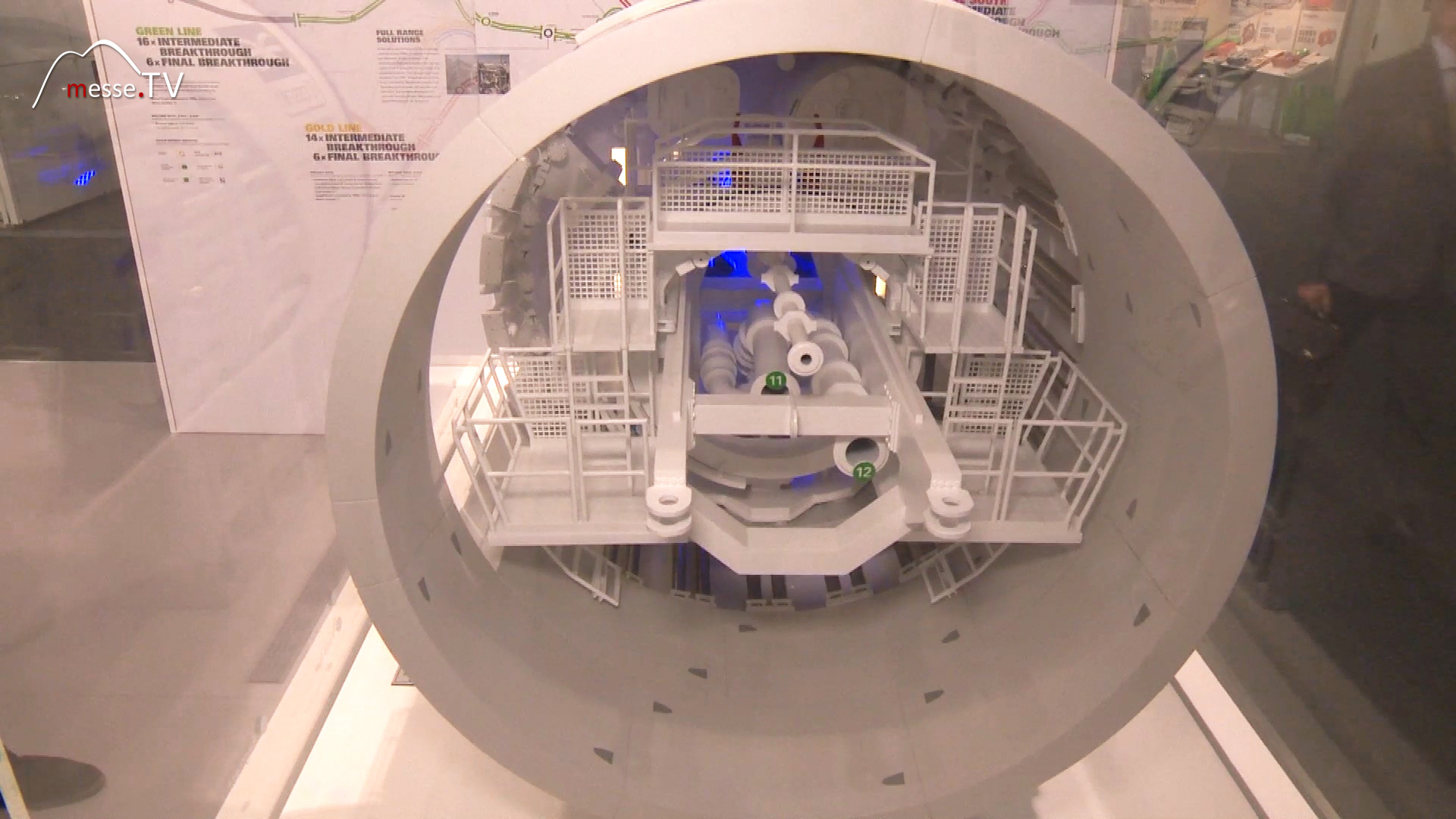
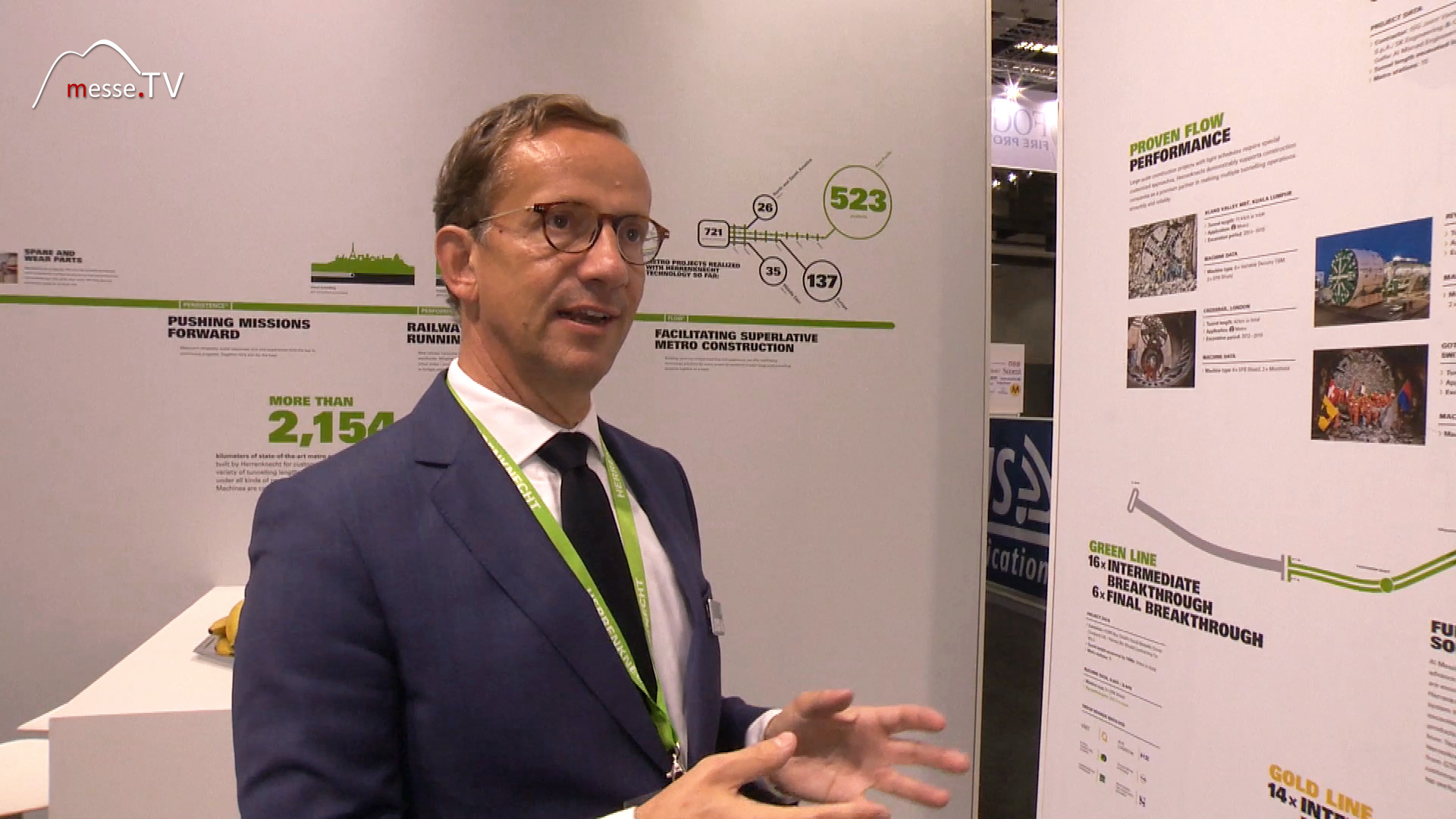
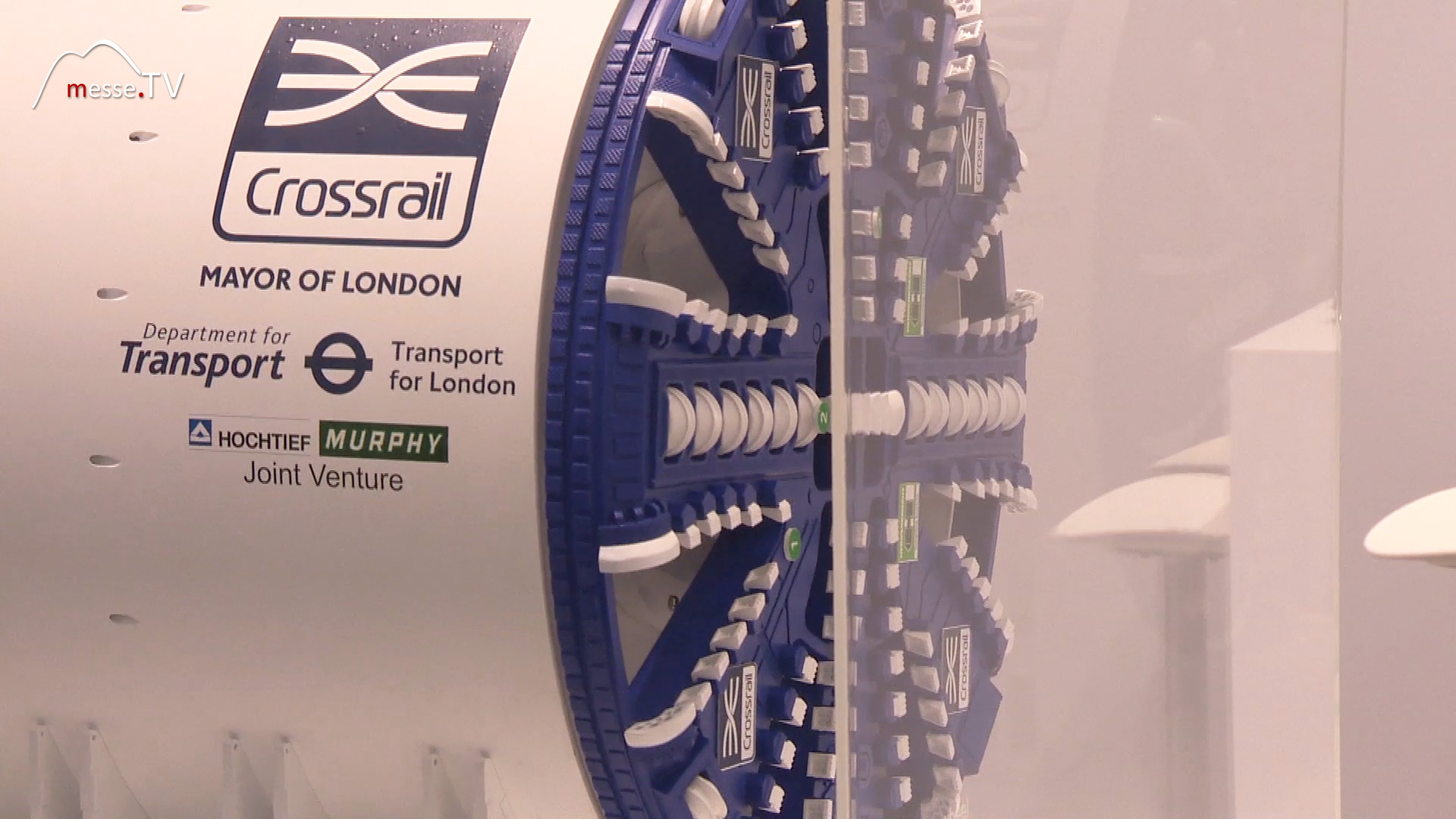
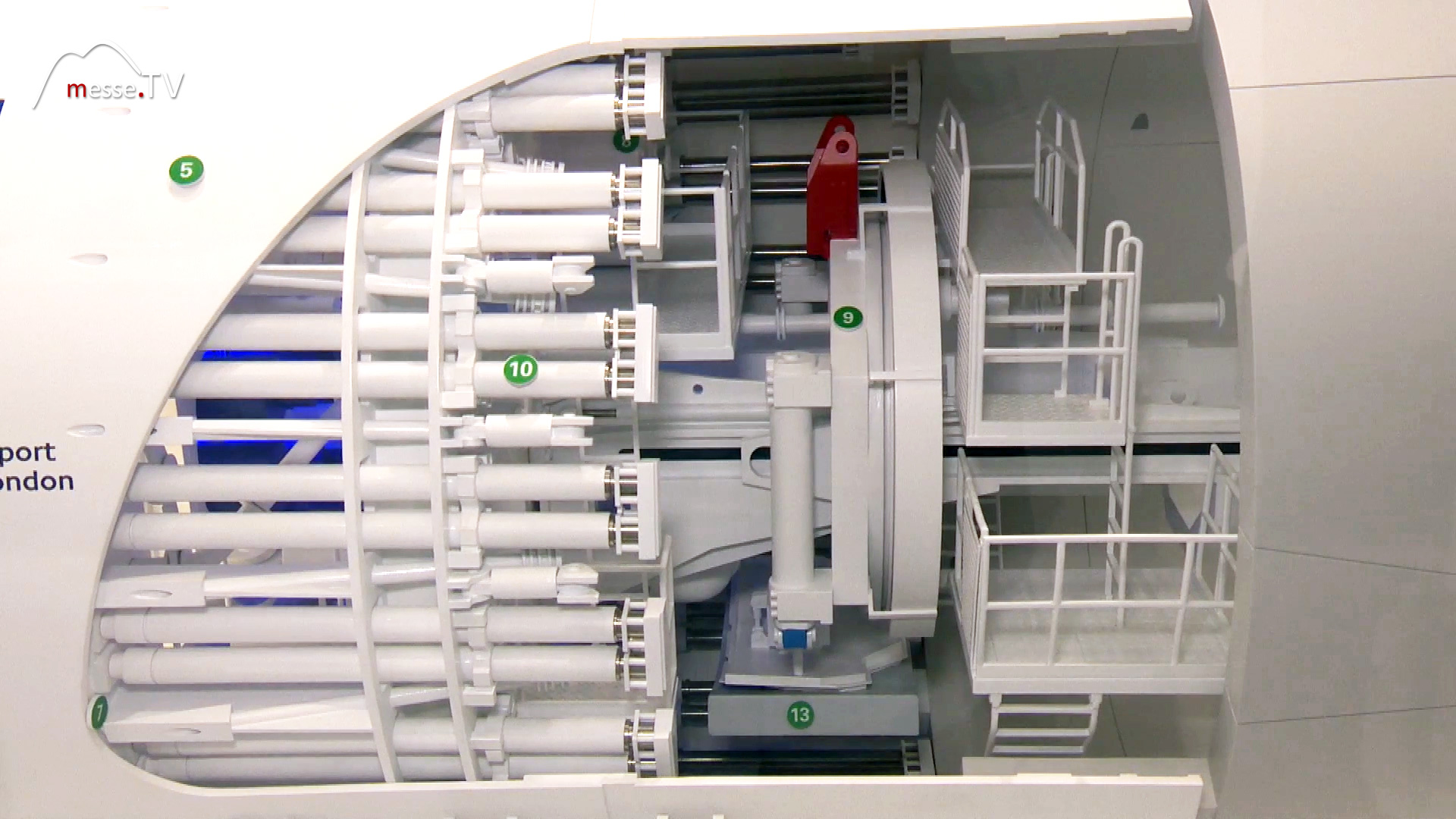
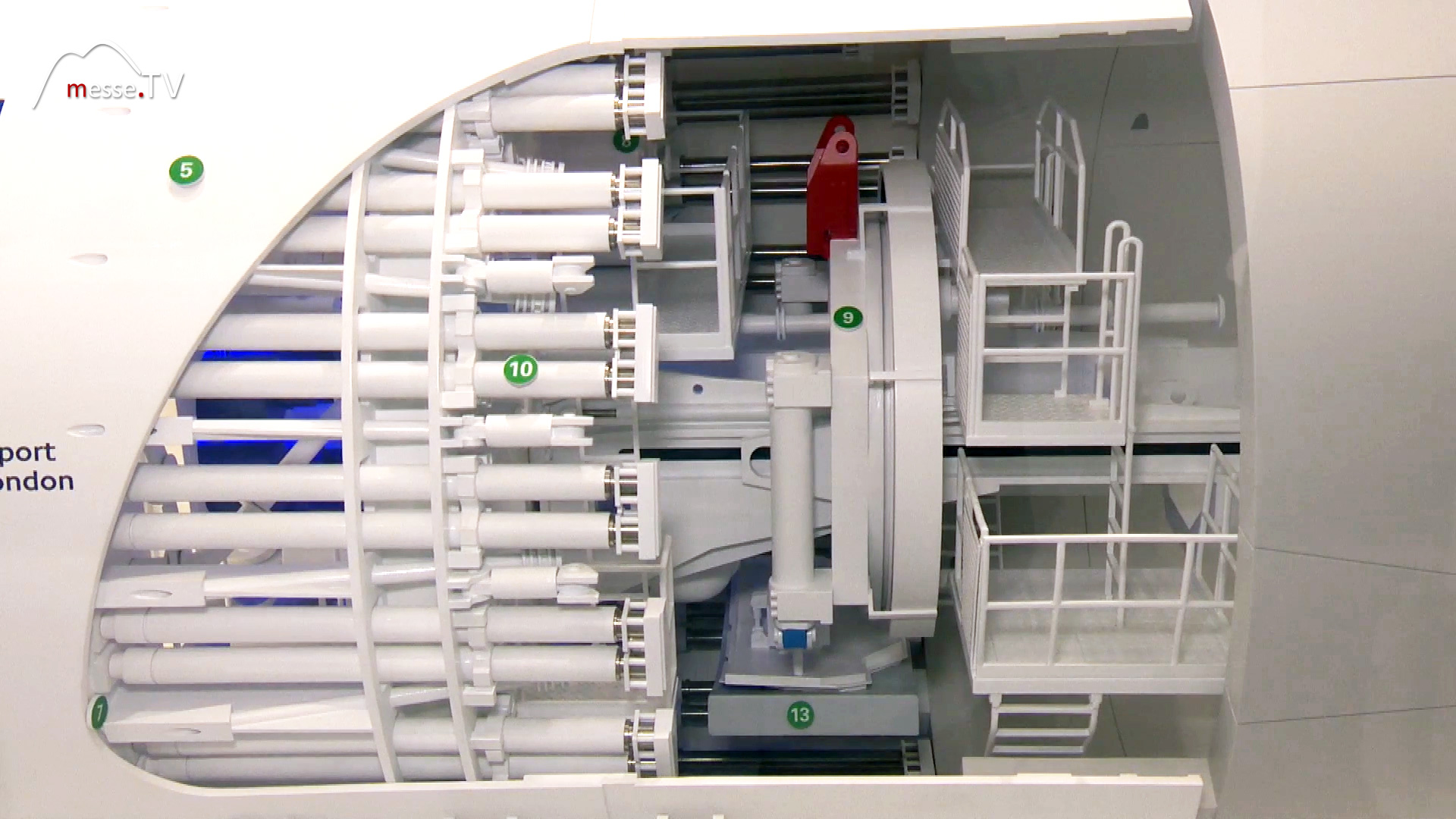
Tunnelbohrmaschinen gehören zu den komplexesten Spezialmaschinen im Infrastrukturbaubereich. Jede Maschine wird auf die geologischen Bedingungen und die Anforderungen eines Projekts abgestimmt. Genau darin liegt laut Herrenknecht ein zentraler Erfolgsfaktor. Am Messestand wird unter anderem das Modell einer Tunnelbohrmaschine gezeigt, die beim Crossrail-Projekt in London eingesetzt wurde. Die Maschine bohrte Tunnelröhren unter der Themse hindurch – mitten durch eine der dichtesten Metropolen Europas. Besonders wichtig ist dabei die Konstruktion des Schneidrads. Dieses muss exakt an die Bodenverhältnisse angepasst werden. Im Fall Londons spielte dabei der sogenannte London Clay eine entscheidende Rolle – ein tonhaltiger Untergrund, der spezielle Anforderungen an Abbau und Materialtransport stellt. Das Schneidrad trägt unterschiedliche Werkzeuge:
- Schneidzähne zum Abtragen des Erdreichs
- Cutter Discs zur Zerkleinerung härterer Gesteinsanteile
- Fluidsysteme zum Abtransport des Materials
- geschützte Schildkonstruktionen für weiche Baugründe
- Segmenttechnik für den Aufbau der Tunnelröhre
Maschinen mit 18 Metern Durchmesser
Die Größenordnungen moderner Tunnelbohrtechnik wirken selbst für Branchenkenner beeindruckend. Das auf der Messe gezeigte Modell besitzt einen Durchmesser von sieben Metern. Die größten bislang gebauten Maschinen erreichen dagegen nahezu 18 Meter und gelten als Weltrekordhalter. Hinter dem eigentlichen Bohrschild folgen zusätzlich umfangreiche Nachläufersysteme. Diese können zwischen 120 und 400 Meter lang werden und übernehmen Versorgung, Logistik und Materialtransport. Gerade bei langen Tunnelprojekten entscheidet diese Infrastruktur über Effizienz und Baugeschwindigkeit. Über die Nachläufersysteme gelangen Baumaterialien, Werkzeuge und sogenannte Rolling-Stock-Einheiten in den Tunnel hinein und wieder hinaus. Trotz der enormen technischen Dimensionen bleibt der Personalbedarf vergleichsweise überschaubar. Für den Betrieb einer Tunnelbohrmaschine werden laut Herrenknecht in der Regel etwa 20 spezialisierte Mitarbeiter benötigt. Zusätzlich begleiten Elektriker und Hydraulikexperten den Betrieb, um die Systeme stabil am Laufen zu halten.

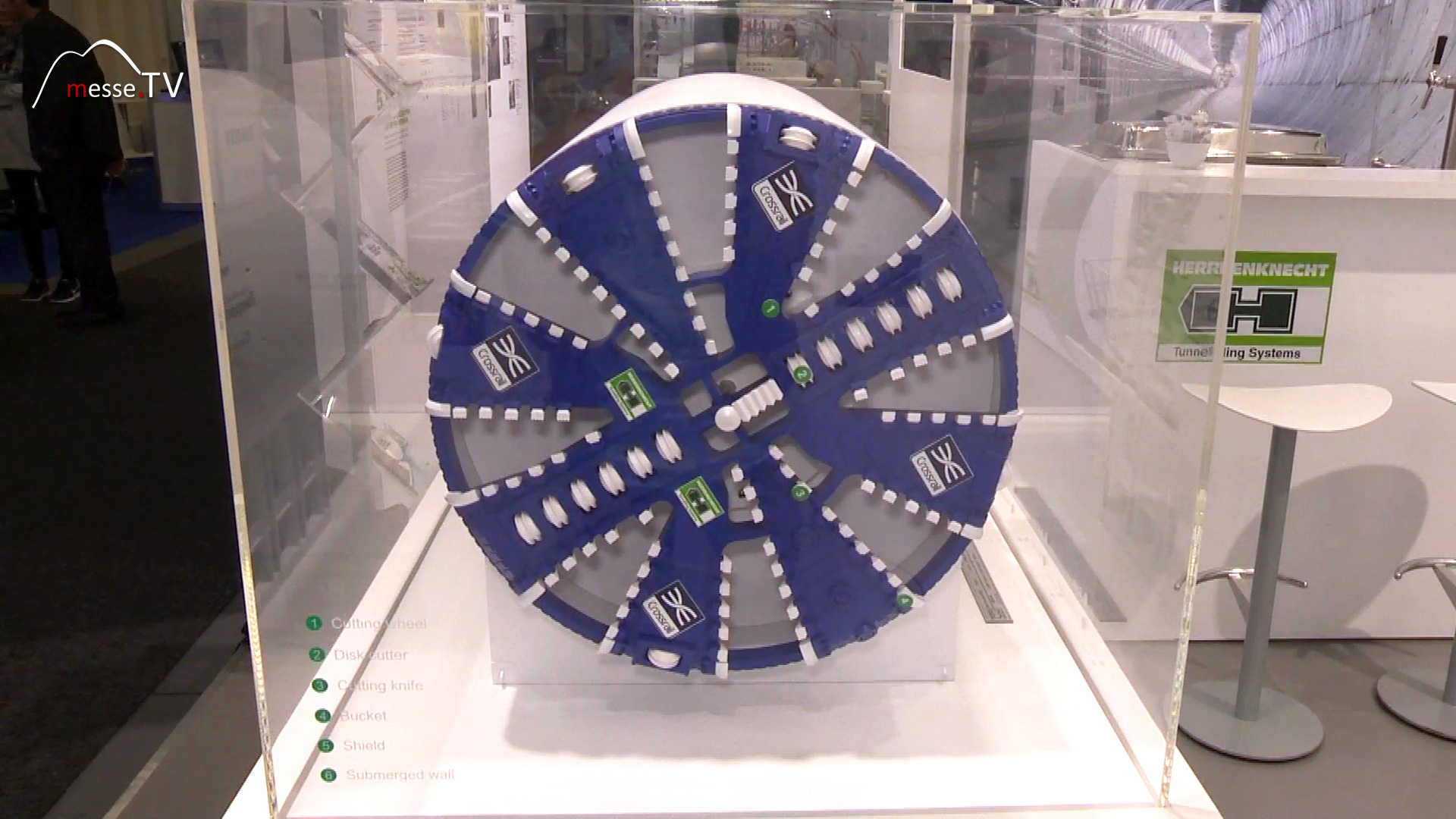
Asien und der Mittlere Osten treiben den Markt
Besonders stark wächst der Markt derzeit im asiatisch-pazifischen Raum. Vor allem China investiert seit Jahren massiv in Metro- und Bahninfrastruktur. Herrenknecht verweist auf mehr als 600 Projekte allein in den vergangenen zehn Jahren. Auch der Mittlere Osten zählt inzwischen zu den wichtigsten Wachstumsmärkten. Städte und Staaten investieren dort massiv in neue Metrosysteme und unterirdische Verkehrsinfrastruktur. Ein Beispiel dafür ist das Metroprojekt in Doha. Katar entschied sich Anfang der 2010er Jahre für den Aufbau eines groß angelegten Tunnelnetzes. Für die erste Ausbauphase lieferte Herrenknecht insgesamt 21 Tunnelvortriebsmaschinen. Die Dimension des Projekts war außergewöhnlich:
- 112 Kilometer neue Tunnelstrecken
- 21 Tunnelvortriebsmaschinen
- 20 Maschinen gleichzeitig im Einsatz
- Realisierung in nur 26 Monaten
- Eintrag ins Guinness-Buch der Rekorde

Gotthard und Crossrail als europäische Großprojekte
Auch Europa erlebt derzeit eine neue Phase großer Infrastrukturprojekte. Der Gotthard-Basistunnel in der Schweiz gilt dabei als eines der bekanntesten Beispiele moderner Tunneltechnik. Herrenknecht war an diesem Projekt mit Tunnelbohrmaschinen beteiligt. Der Tunnel wurde sogar früher als ursprünglich geplant eröffnet. Ein weiteres Referenzprojekt ist Crossrail in London. Dort entstanden zwei große Tunnelröhren quer durch die Stadt. Ziel war die Entlastung des Nahverkehrs und die Verbesserung der regionalen Infrastruktur. Solche Projekte verdeutlichen, wie wichtig Tunnelbau für wachsende Metropolen geworden ist. Oberirdische Verkehrssysteme stoßen vielerorts an ihre Kapazitätsgrenzen. Unterirdische Lösungen schaffen zusätzlichen Raum, ohne bestehende Stadtstrukturen massiv verändern zu müssen.
Wettbewerb und Technologietransfer nehmen zu
Der internationale Wettbewerb im Tunnelbau hat sich in den vergangenen Jahren deutlich verändert. Während früher vor allem westliche Hersteller aus Europa und Nordamerika dominierten, treten inzwischen zunehmend chinesische Wettbewerber auf den Markt. Herrenknecht sieht diese Entwicklung als normalen Teil eines globalen Wettbewerbs. Technologietransfer lasse sich in einer internationalen Industrie kaum vollständig verhindern. Entscheidend sei deshalb vor allem die Fähigkeit, schneller und innovativer als die Konkurrenz zu bleiben. Gleichzeitig bleibt deutsches Engineering bei vielen Großprojekten weiterhin gefragt. Gerade beim Metroprojekt in Doha spielte die Nachfrage nach deutscher Maschinenbaukompetenz laut Unternehmen eine wichtige Rolle. Damit zeigt sich auch im Tunnelbau ein Muster, das viele industrielle Großbranchen prägt: Der Wettbewerb wird internationaler, die Projekte größer und die technischen Anforderungen komplexer. Für Hersteller von Tunnelbohrmaschinen bedeutet das kontinuierliche Weiterentwicklung – und einen Markt, der weltweit weiter wächst.
Messe-Berichterstattung bundesweit - Messewissen, Termine & Veranstaltungen


