Innovations in transport technology - InnoTrans 2016 Berlin
Immerse yourself in the world of rail transportation with us. We show you the latest news about rail and transportation technology directly from the leading trade fair InnoTrans in Berlin. In our videos and articles, we present highlights and trends from the trade fair!
Virtual planning for public transport infrastructure
Public transport is under increasing pressure. Passengers expect simple fare systems, clear signage and journeys that are as seamless as possible through complex transport infrastructure. AIT showcases intelligent fare system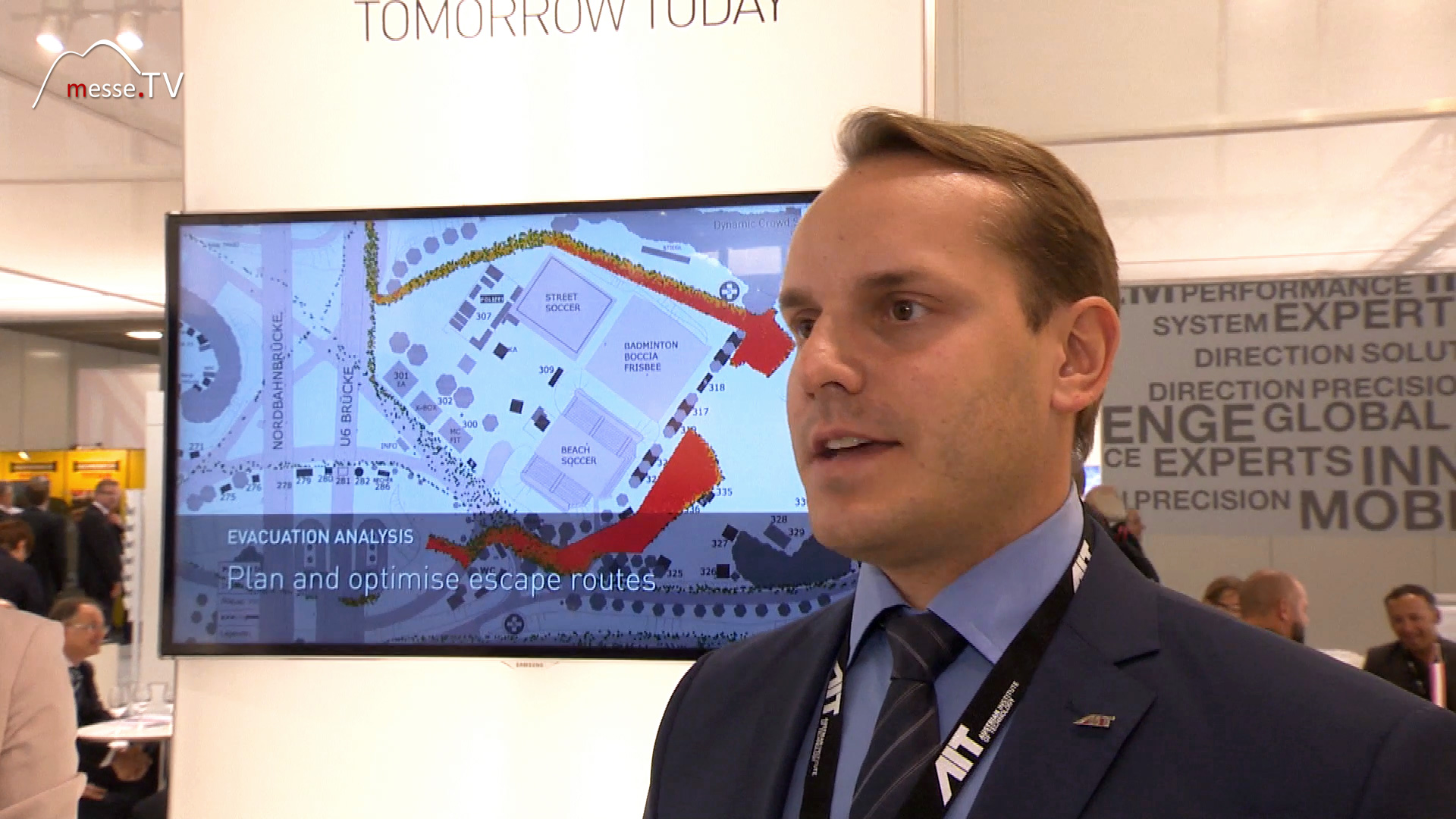
Engineering software for rail vehicles
The development of modern rail vehicles has long been one of the most complex tasks in industrial engineering. Today, trains consist of highly integrated systems in which electrical architecture, control technology, power supply and vehicle... Variant management reduces the workload in engineering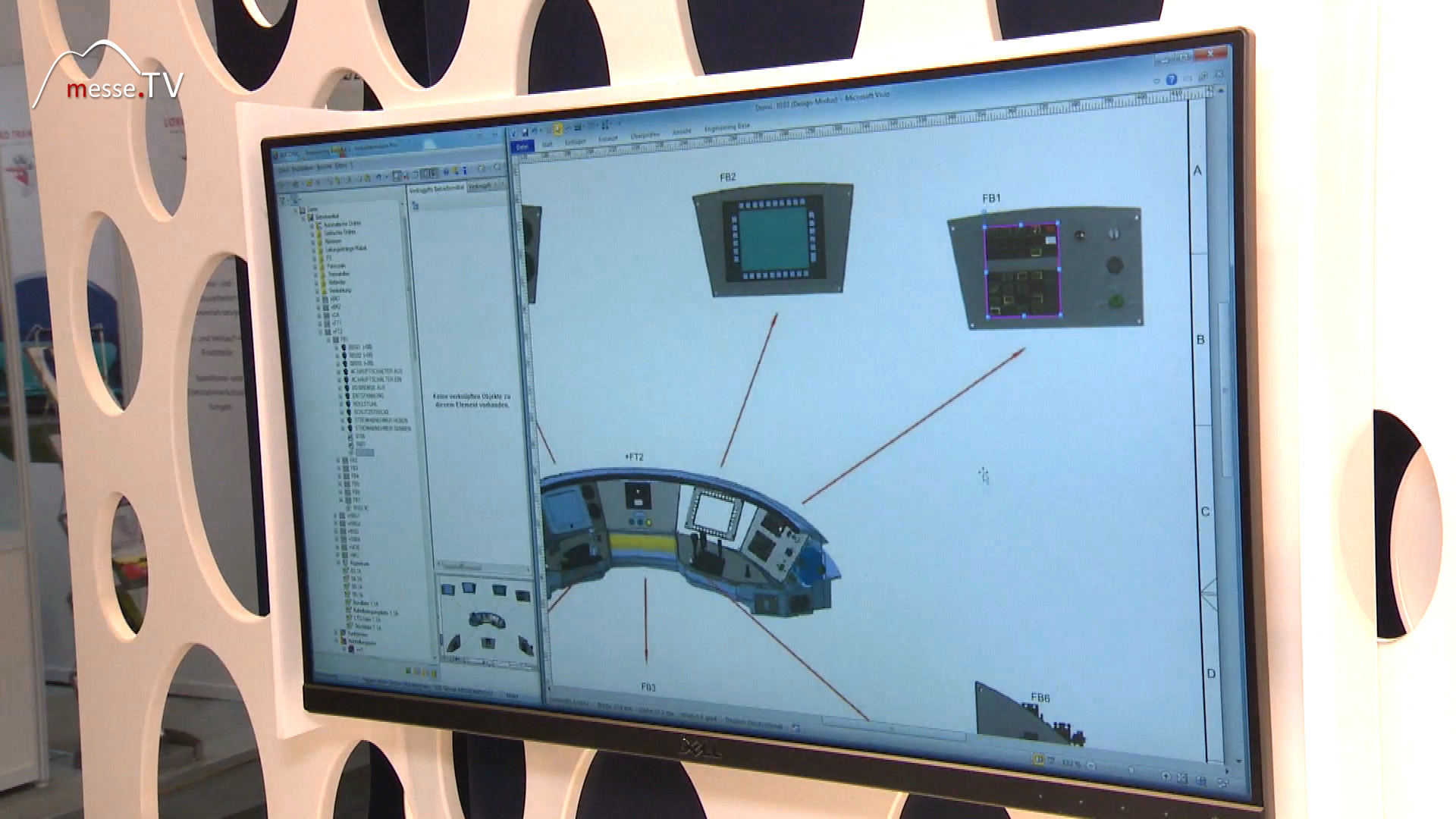
Tunnel construction using tunnel boring machines for metro projects
The global expansion of metro and rail infrastructure has been driving a boom in tunnel construction for years. New metro systems are being built in major cities, existing lines are being extended and more and more transport infrastructure ... Herrenknecht and the boom in tunnel construction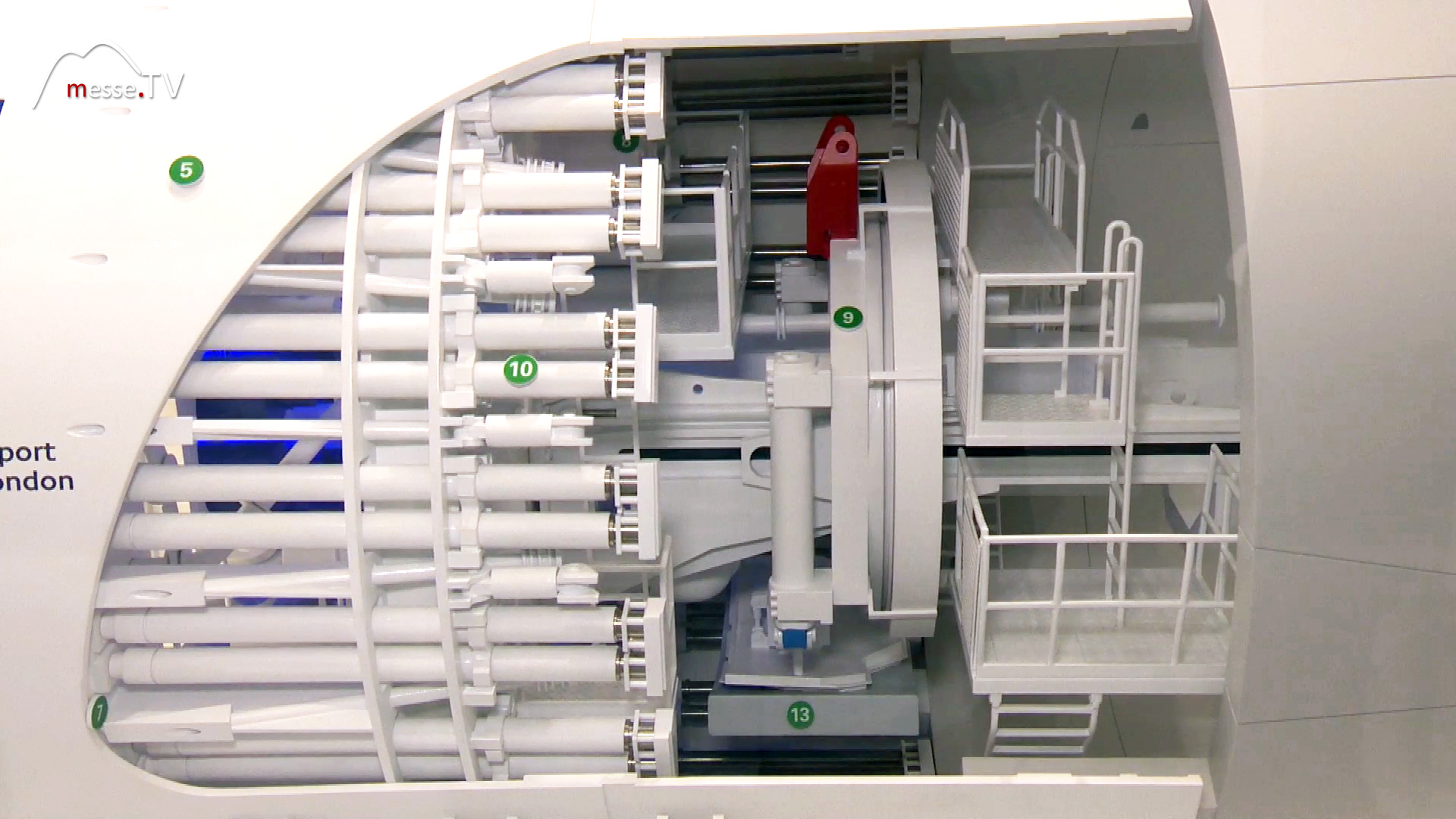

Autonomous warning systems for greater safety in rail transport
Rail transport is one of the most heavily regulated transport systems in existence. Nevertheless, serious train accidents repeatedly demonstrate that even modern safety technology cannot completely rule out every potential error. Autonomous collision warning system for trains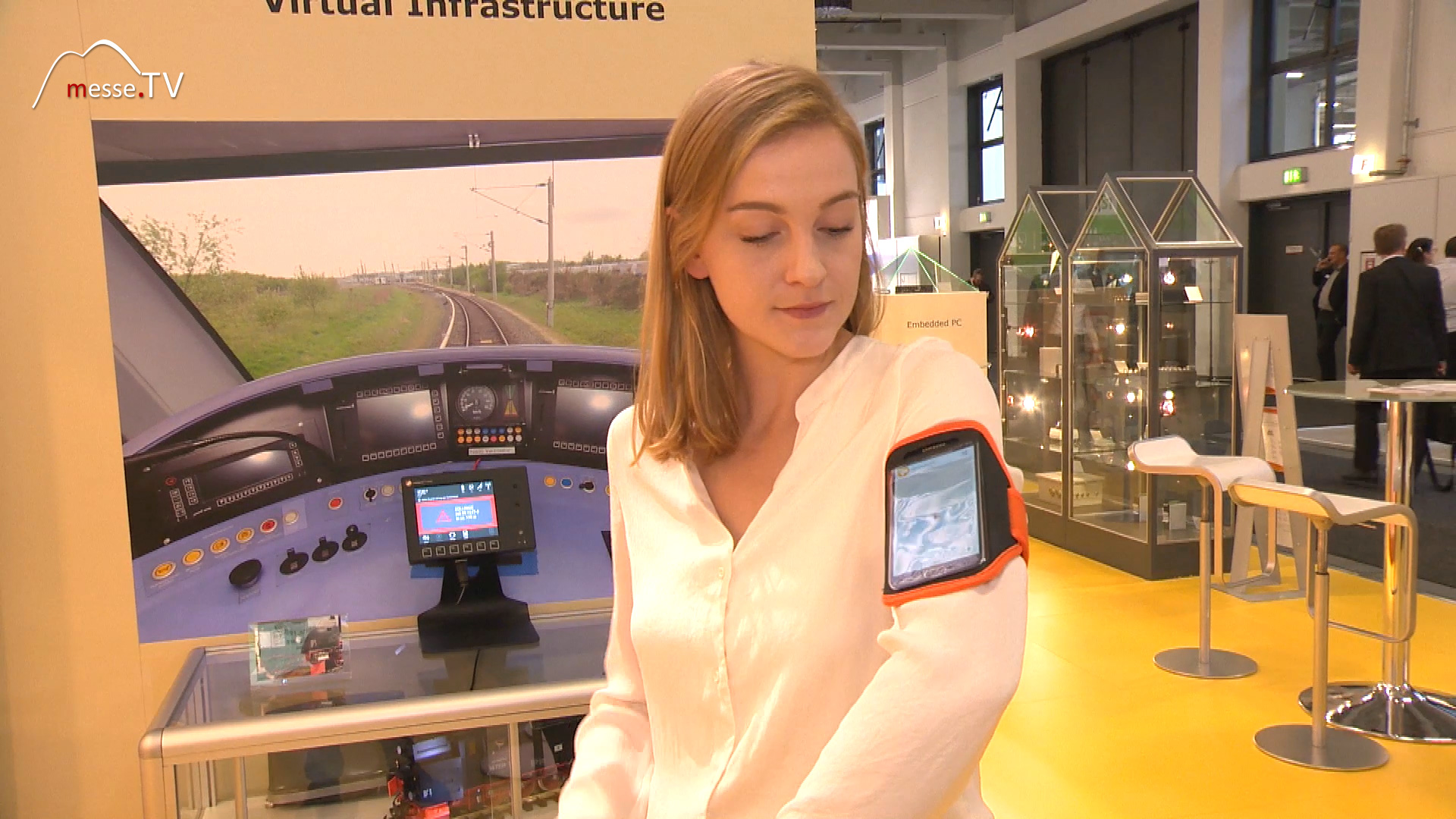
Fibre-optic technology and local transport for transport infrastructure
Modern transport infrastructure is no longer limited to railways or roads. Behind the scenes, increasingly complex networks comprising fibre-optic technology, data transmission and intelligent control systems are at work. Systems for railway fibre-optic networks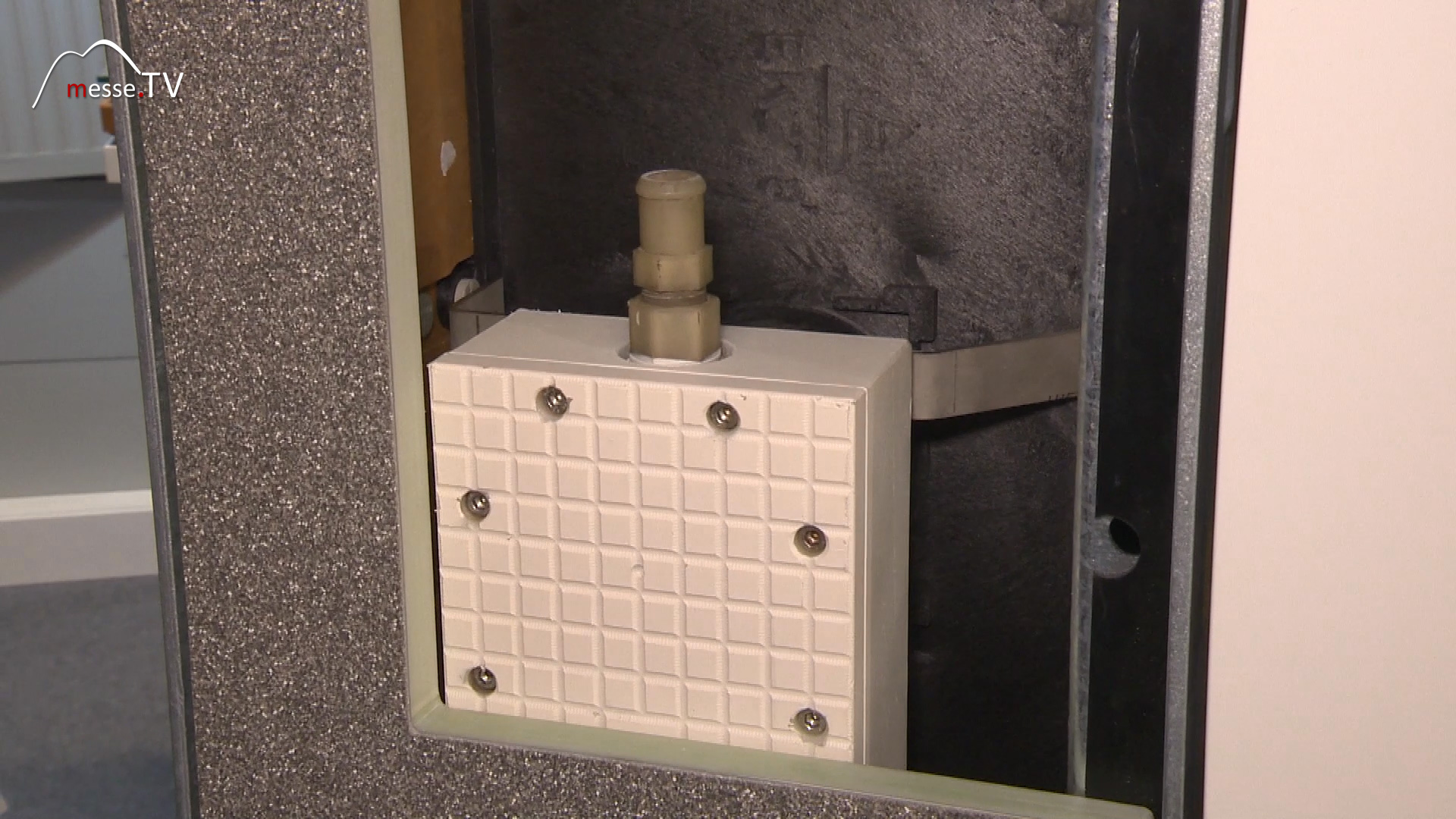
Modular electric buses for autonomous mobility
Public local transport is under pressure worldwide. Cities are growing, traffic flows are becoming increasingly dynamic throughout the day, and traditional bus systems are increasingly reaching their economic limits. Modular vehicle structure for the local transport of the future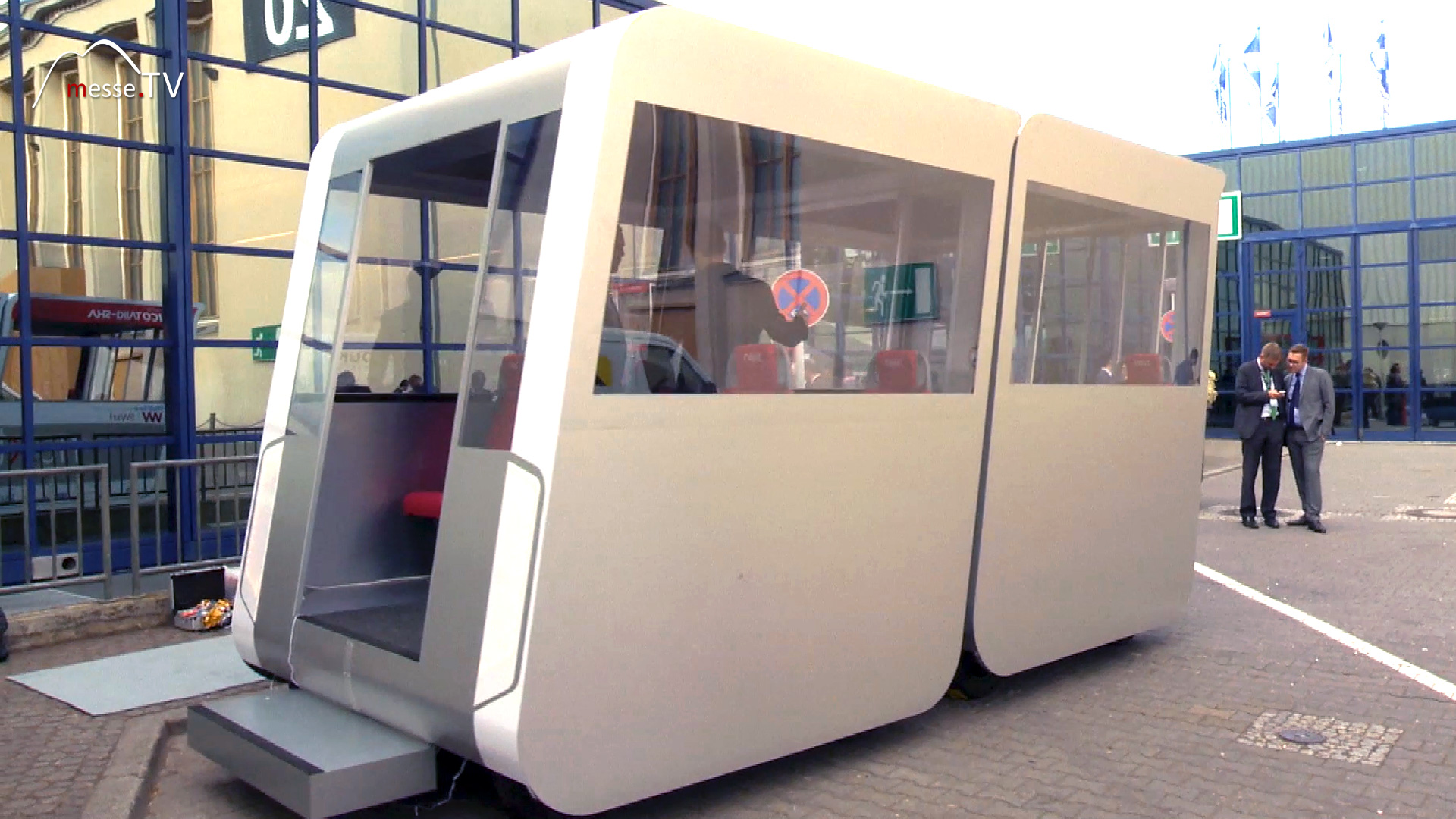
Track inspection and safety systems for heavy-haul rail transport
Rail freight transport is growing worldwide – and with it, the demands on infrastructure, maintenance and safety technology. In heavy-haul transport in particular, enormous forces act on tracks, points and vehicles. Heavy-haul applications in railway technology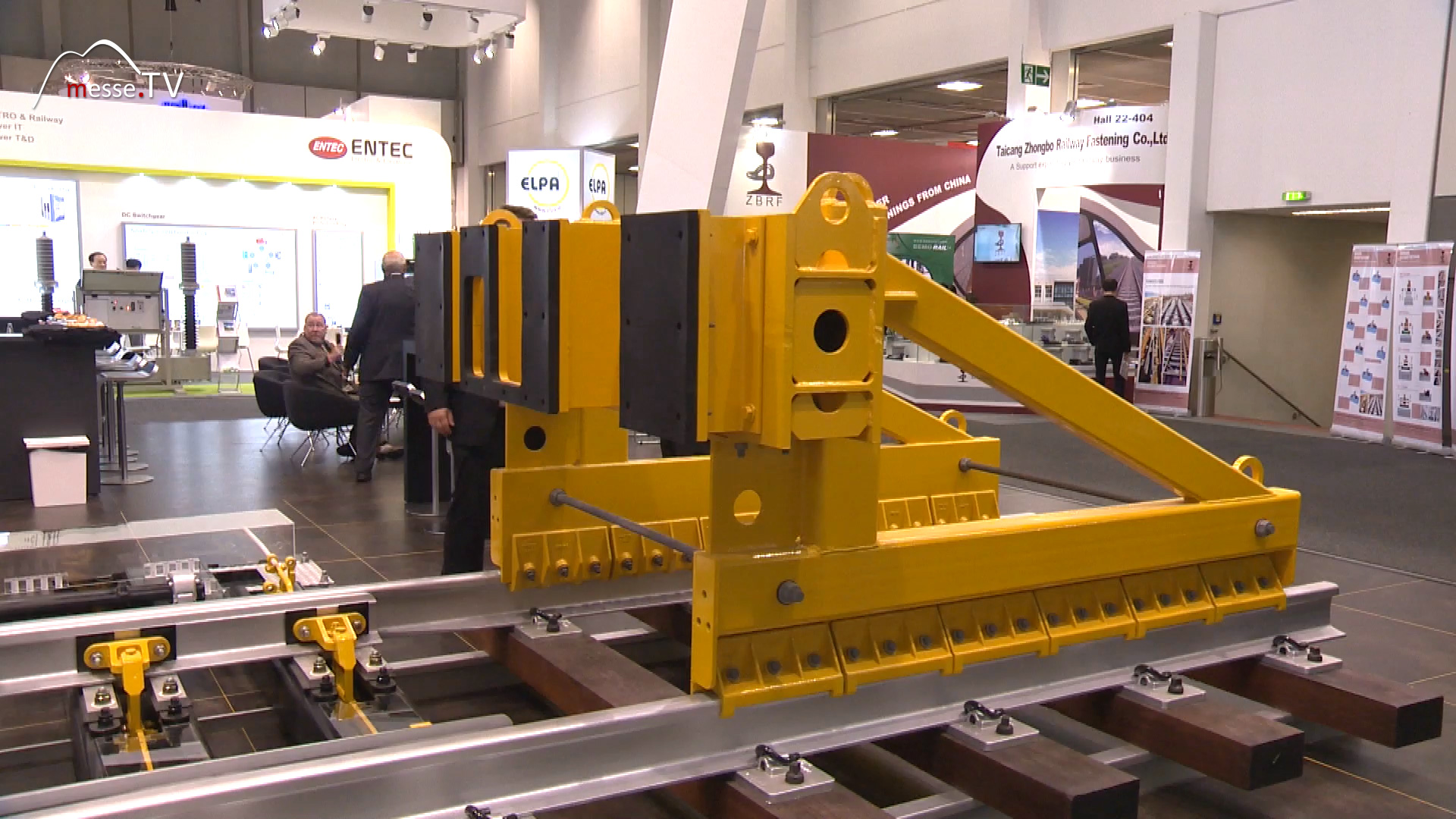

Green track technology for cities and local transport
The expansion of urban rail and tram networks is presenting many cities with a difficult dilemma. On the one hand, local public transport is seen as the key solution to traffic problems and emissions issues. Green track systems and noise barrier solutions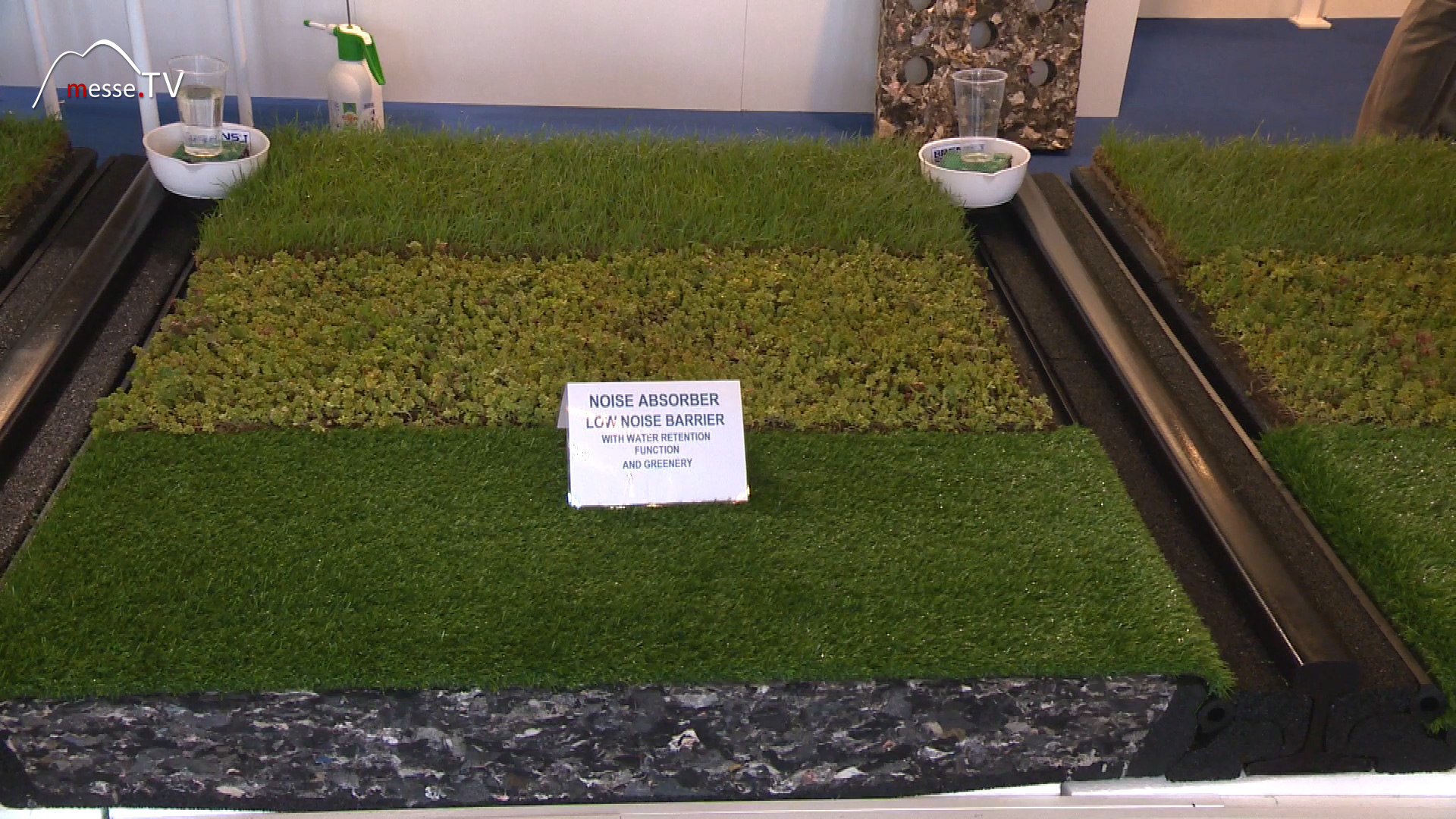
The EC250 combines high-speed travel with tunnel technology
Cross-border rail transport is still considered technically challenging in Europe today. Different power systems, national signalling systems and varying approval requirements complicate the seamless operation of many connections. Comfort, travel speed and direct international connections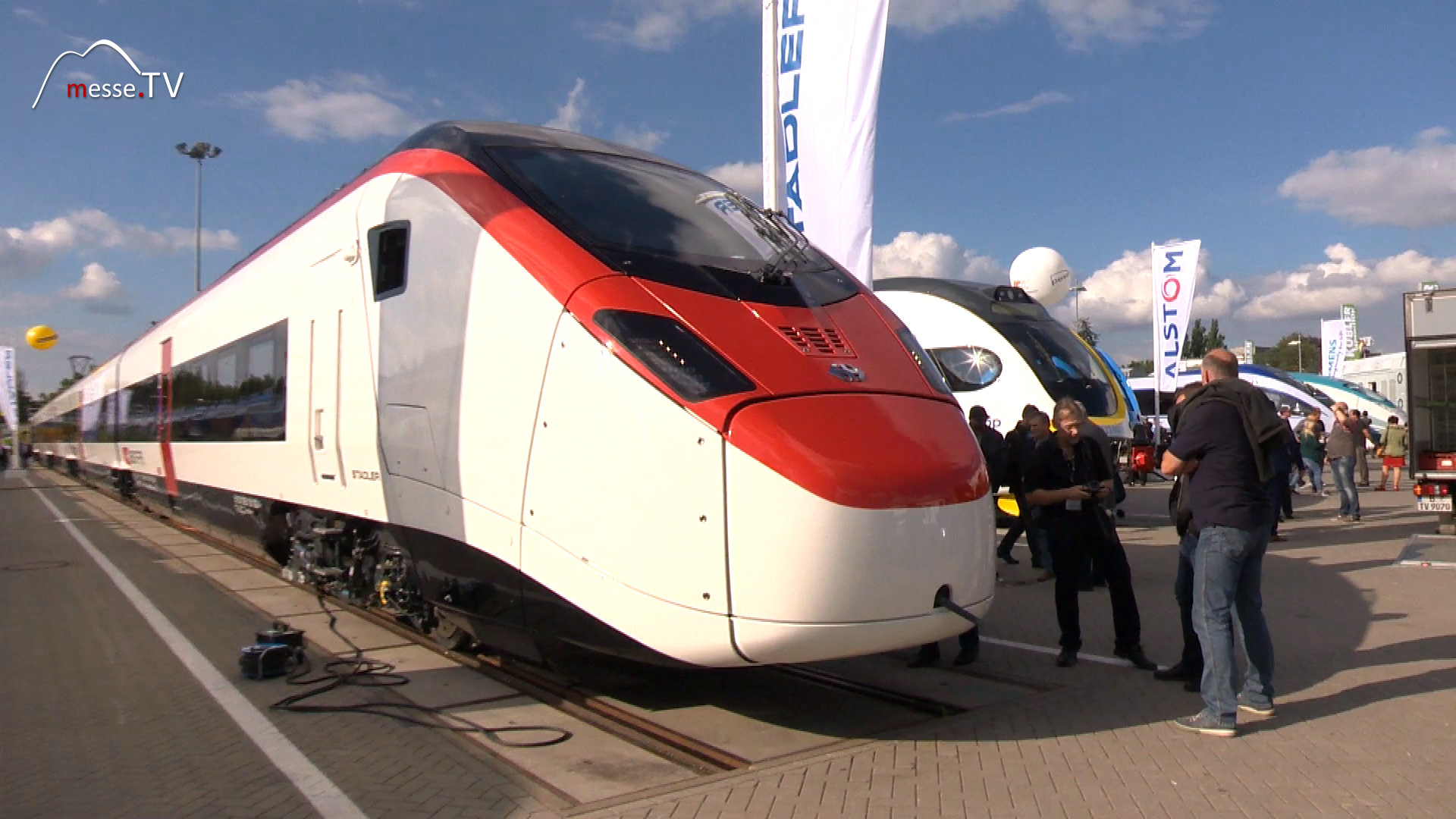
General facts and figures about InnoTrans at Messe Berlin
InnoTrans in Berlin is the world's largest trade fair for rail and transportation technology. It takes place every two years, mainly for an international trade audience. The traditional general public days were scheduled for September 24 and 25 in 2016. On these two days, the open-air site hosted the popular Railway Festival. Exciting games were on offer for the little ones, while the grown-ups were able to get to grips with railroad technology and virtually put themselves in a driver's cab on a simulator and navigate stations without a train driving license. At the opening press conference, Mr. Christian Göke, Chairman of the Board of Management of the trade fair, announced that InnoTrans 2016 was the "biggest InnoTrans ever". 2950 exhibitors from 60 countries were expected at the 112,000 square meter exhibition area, which was 8% larger than in 2014. Visitor numbers also reached superlatives, with 145,000 visitors from all over the world coming to Berlin, while the public days attracted a further 16,000 interested visitors from the private sector.
149 impressive world premieres at the 11th InnoTrans in Berlin
149 impressive world premieres were presented at this 11th InnoTrans, including a new Coradia Lint regional train with fuel cell drive from Alstom. Siemens was successful with two world premieres: With the "Velaro Turkey" high-speed train and the "Metro Riyadh" subway train. Other highlights among the new products were a new tunnel inspection vehicle from Plasser & Theurer, the new EC250 "Giruno" Eurocity train from Stadler and a new road-rail Unimog from Mercedes-Benz Special Trucks. On the open-air and track area, 127 rail vehicles on 3500 meters of track were available for viewing and inspection. The portfolio of exhibitors in the halls included brand new technology and innovative equipment elements as well as the latest vehicle generations. In 2016, InnoTrans once again proved itself to be the leading global marketplace for the rail transport industry. Almost two thirds of the exhibitors came from abroad, business delegations from 20 countries visited the trade fair in Berlin and the trade visitors were characterized by absolute decision-making competence, as evidenced by the pleasingly high number of business deals and cooperation agreements.
InnoTrans as a communication interface between politics and industry
149 impressive world premieres were presented at this 11th InnoTrans, including a new Coradia Lint regional train with fuel cell drive from Alstom. Siemens was successful with two world premieres: With the "Velaro Turkey" high-speed train and the "Metro Riyadh" subway train. Other highlights among the new products were a new tunnel inspection vehicle from Plasser & Theurer, the new EC250 "Giruno" Eurocity train from Stadler and a new road-rail Unimog from Mercedes-Benz Special Trucks. On the open-air and track area, 127 rail vehicles on 3500 meters of track were available for viewing and inspection. The portfolio of exhibitors in the halls included brand new technology and innovative equipment elements as well as the latest vehicle generations. In 2016, InnoTrans once again proved itself to be the leading global marketplace for the rail transport industry. Almost two thirds of the exhibitors came from abroad, business delegations from 20 countries visited the trade fair in Berlin and the trade visitors were characterized by absolute decision-making competence, as evidenced by the pleasingly high number of business deals and cooperation agreements.
Trailer for InnoTrans 2016 at the trade fair
International rail and transport technology at a glance
InnoTrans 2016 presented itself as a global platform for innovations in rail transportation. From high-speed trains and smart safety systems to digital signaling technology, a wide range of developments were presented. The outdoor area in particular, with more than a hundred vehicles, offered the opportunity to experience technology up close.
- Vehicle systems and high-speed trains
- Digital control and monitoring solutions
- Signaling technology, switch systems, track infrastructure
Innovations for infrastructure and safety
The trade fair also showcased technical solutions that are not directly in demand on the rails, but at the interfaces to road traffic or in construction projects. Tunnel construction, noise and vibration protection as well as modular systems for passenger transportation showed how diverse modern infrastructure can be.
- Infrastructure technology for tunnels and railroad stations
- Safety solutions for rail transportation
- New materials for noise reduction and maintenance optimization
Rail vehicles and alternative drive concepts
A key topic at InnoTrans 2016 was the energy efficiency of new vehicles. Whether hydrogen trains, battery-electric railcars or modular expandable bus and rail systems - the trade fair made it clear how intensively work is being done on solutions for climate-friendly mobility.
- Fuel cell and hybrid drives in rail transport
- Modular vehicle concepts for cities and regions
- New vehicle generations for metro, regional rail and long-distance transport
Digitalization in rail transport
InnoTrans 2016 clearly demonstrated the extent to which digital technologies are being integrated into rail technology. Networked systems ensure greater efficiency in maintenance, operations management and passenger information systems. There is a clear trend towards automated processes, real-time data exchange and modular software solutions.
- Automated control systems for train control and traffic flow
- Predictive maintenance concepts to reduce unplanned outages
- digital interfaces for real-time communication between vehicles and infrastructure
Infrastructure technology and energy efficiency
In addition to rolling stock, the focus in 2016 was also on solutions for track construction, overhead lines and traction power supply. Energy efficiency, resource conservation and intelligent maintenance concepts played a key role here. Modular solutions that can be flexibly adapted to existing infrastructures are particularly in demand.
- new switch and signaling technology with energy-saving potential
- intelligent power supply systems for operation and maintenance
- Vibration and noise reduction technologies along the track
Trade fair reporting Germany - Trade fair knowledge, dates & events


