Sustainable track technology to combat noise and heat
by J. Groh - 2024-02-14The expansion of urban rail and tram networks is presenting many cities with a difficult dilemma. On the one hand, local public transport is seen as the key solution to traffic problems and emissions issues.
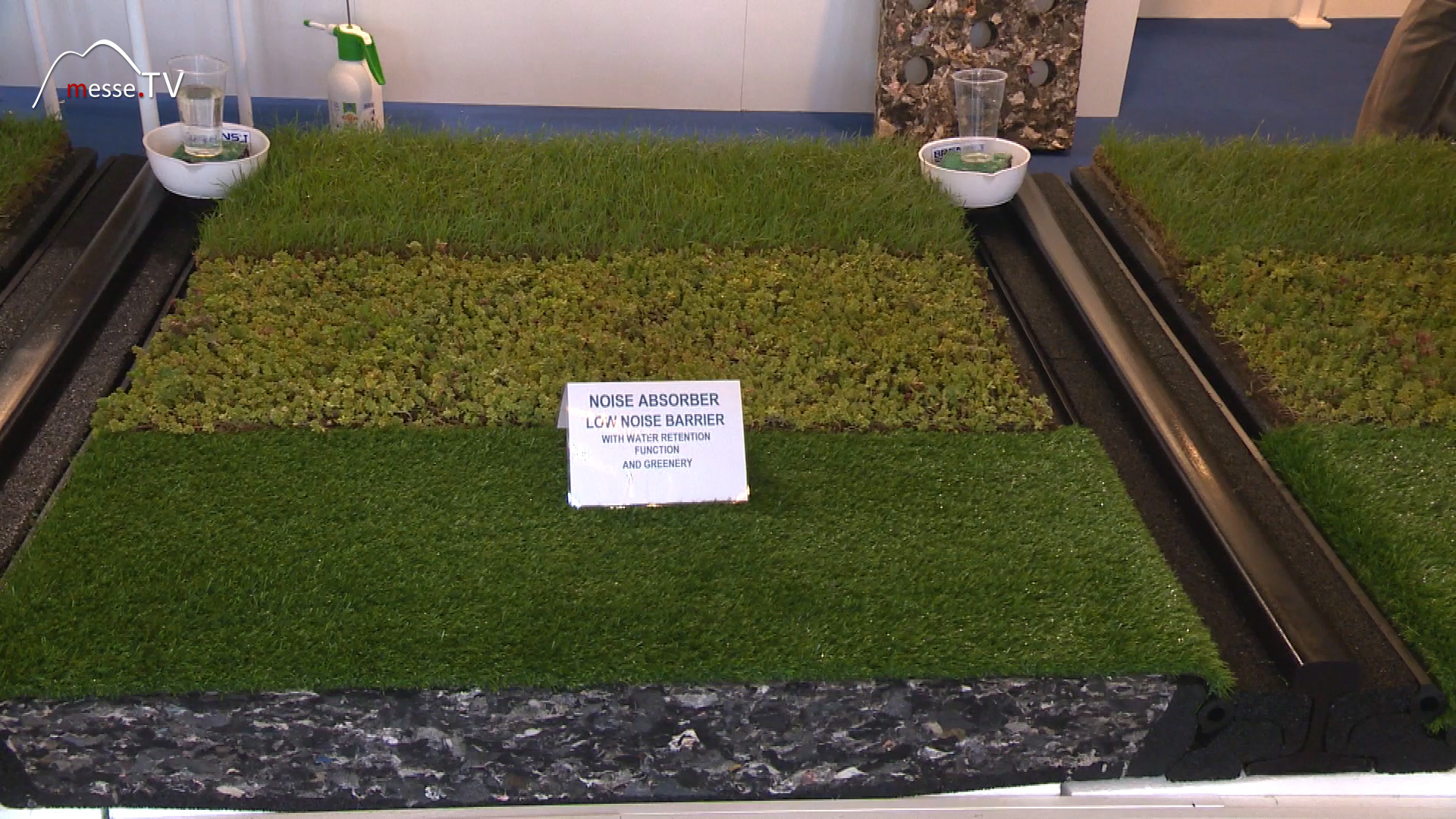
On the other hand, conflicts over noise, land sealing and summer overheating are growing along many routes. At InnoTrans in Berlin, Prokop Rail is therefore presenting a concept that rethinks traditional track infrastructure: green track systems and noise protection solutions made from recycled vehicle textiles. The technology presented partially replaces conventional green track areas. The focus is not only on the acoustic effect, but on a combination of noise protection, water storage and microclimatic improvement. The material approach is particularly striking. Instead of mineral building materials or conventional plastic systems, the company relies on recycled synthetic textiles from vehicles. This combination of infrastructure technology and climate adaptation is becoming increasingly important, particularly in urban areas. Tram tracks often run through densely built-up neighbourhoods where noise, heat and sealed surfaces are already a problem.

Prokop Rail relies on recycled vehicle textiles
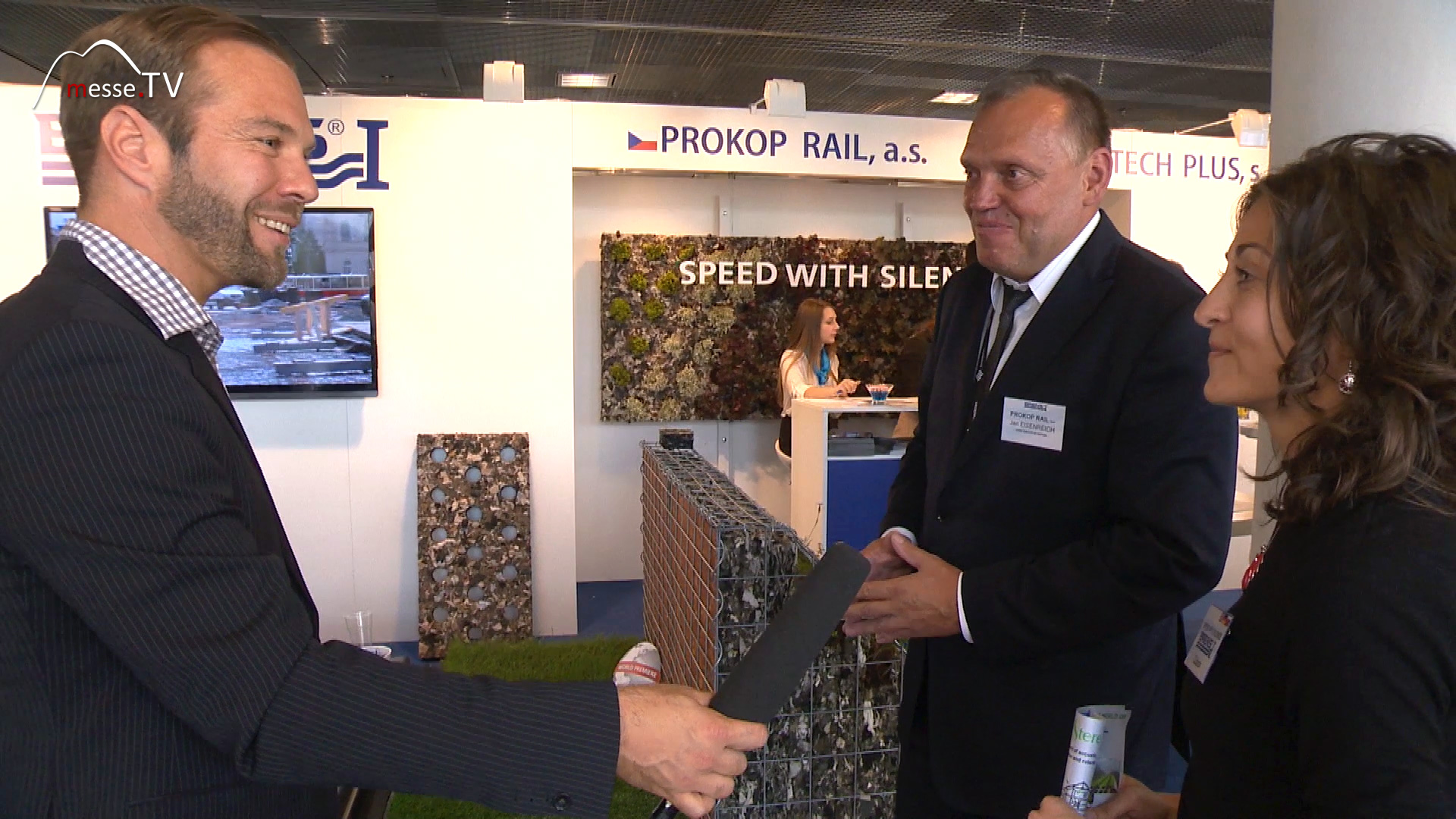
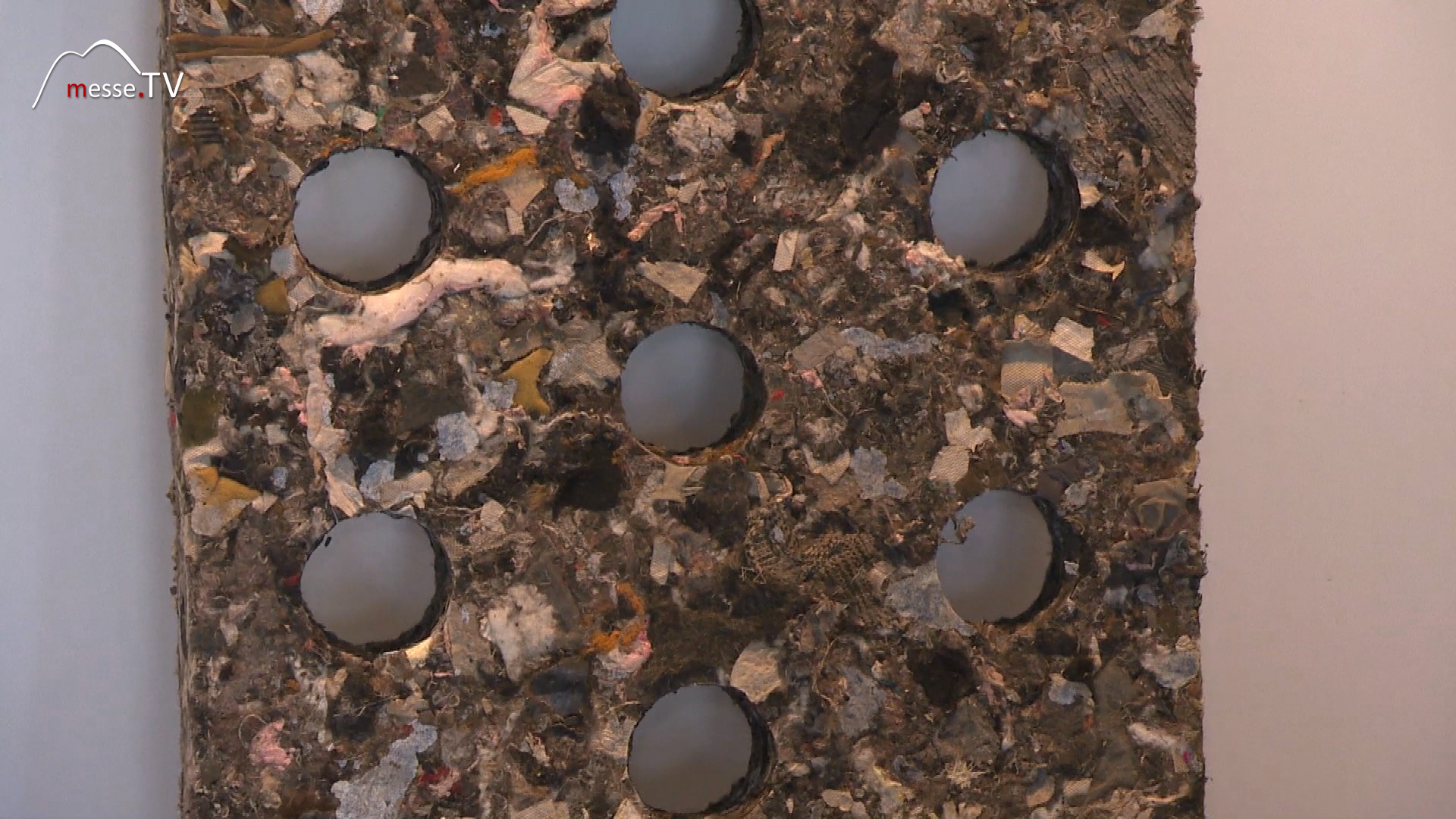
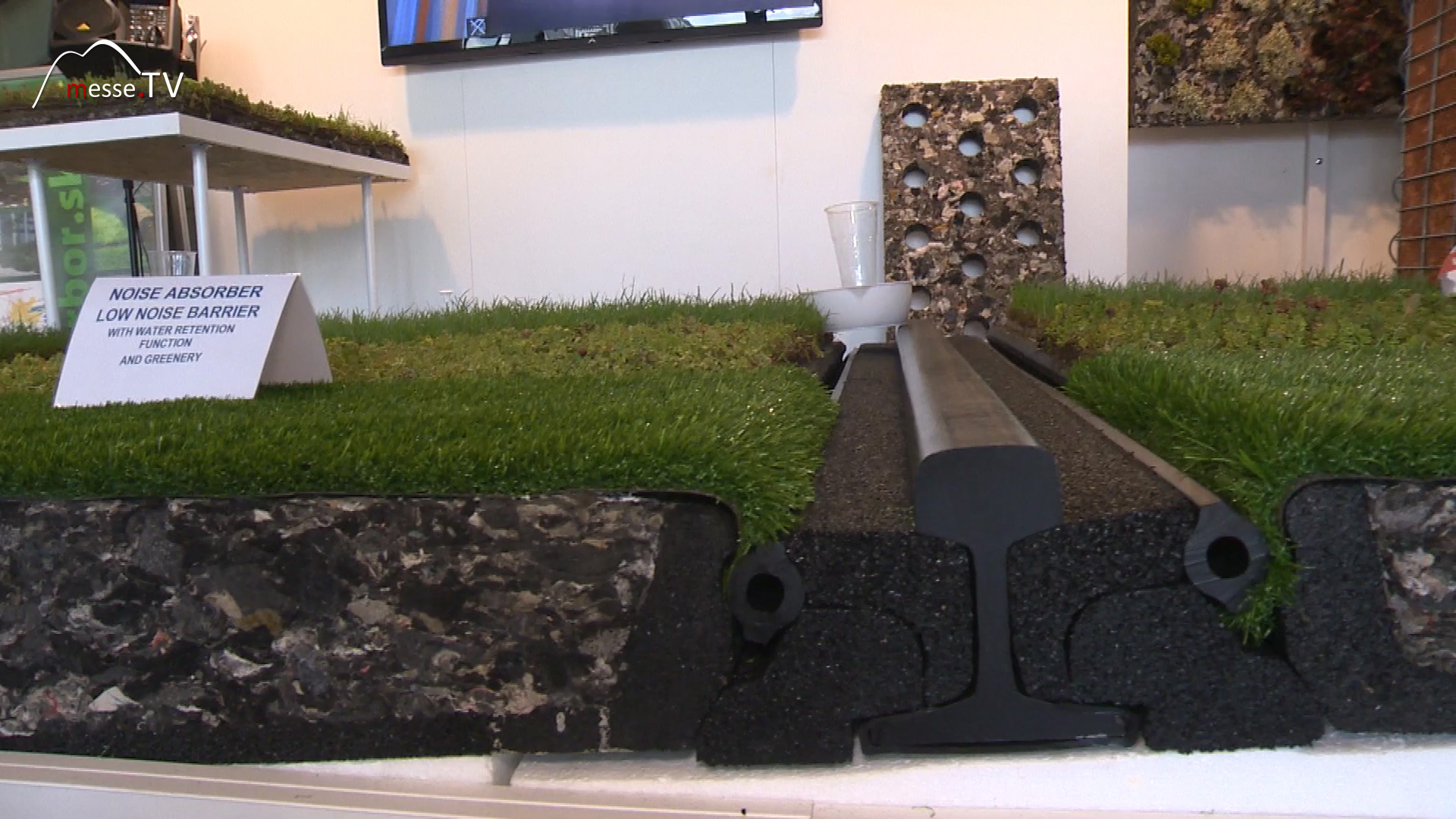
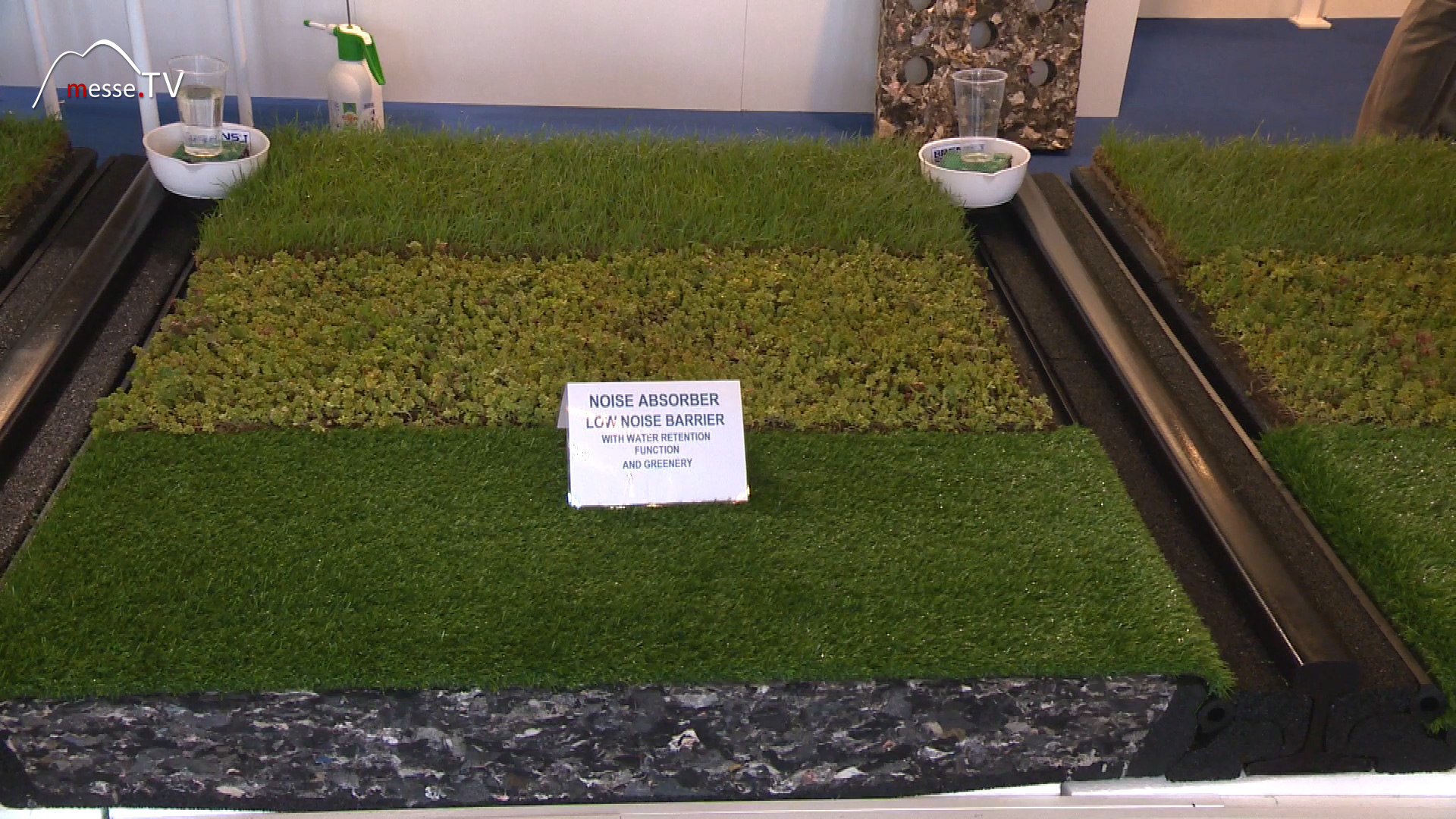
The system is based on synthetic textile materials recycled from vehicle components. These materials perform several functions simultaneously. On the one hand, they absorb sound; on the other, they store water and contribute to the greening of track areas. According to the company, the material has a pronounced water-retention function. Rainwater is absorbed and retained within the system, rather than draining uncontrollably into the sewer system or onto adjacent road surfaces. This effect could play a particularly important role during heavy rainfall or prolonged dry spells. Unlike traditional ballast or concrete solutions, this results in a significantly greener track area. At the same time, the stored moisture is intended to help reduce ambient temperatures. The idea behind this addresses a problem that now concerns many cities: sealed surfaces store heat and exacerbate heatwaves. Green and water-retaining infrastructure elements are therefore increasingly regarded as an integral part of modern urban planning.
Water storage improves the microclimate along the route
The combination of water retention and temperature regulation is particularly interesting. The stored water remains within the material and evaporates only slowly. This creates a cooling effect in the immediate vicinity of the tracks. Tram routes in particular often run through heavily heated inner-city areas with high traffic volumes and few green spaces. In such locations, infrastructure components are increasingly taking on additional functions that go beyond the actual transport operation. Key features of the system:
- Noise-reducing track environment for rail and tram routes
- Use of recycled vehicle textiles
- Rainwater storage within the material
- Improvement of the microclimate in urban areas
- greened surfaces instead of concrete or plastic finishes

Noise barriers are designed to absorb rolling noise
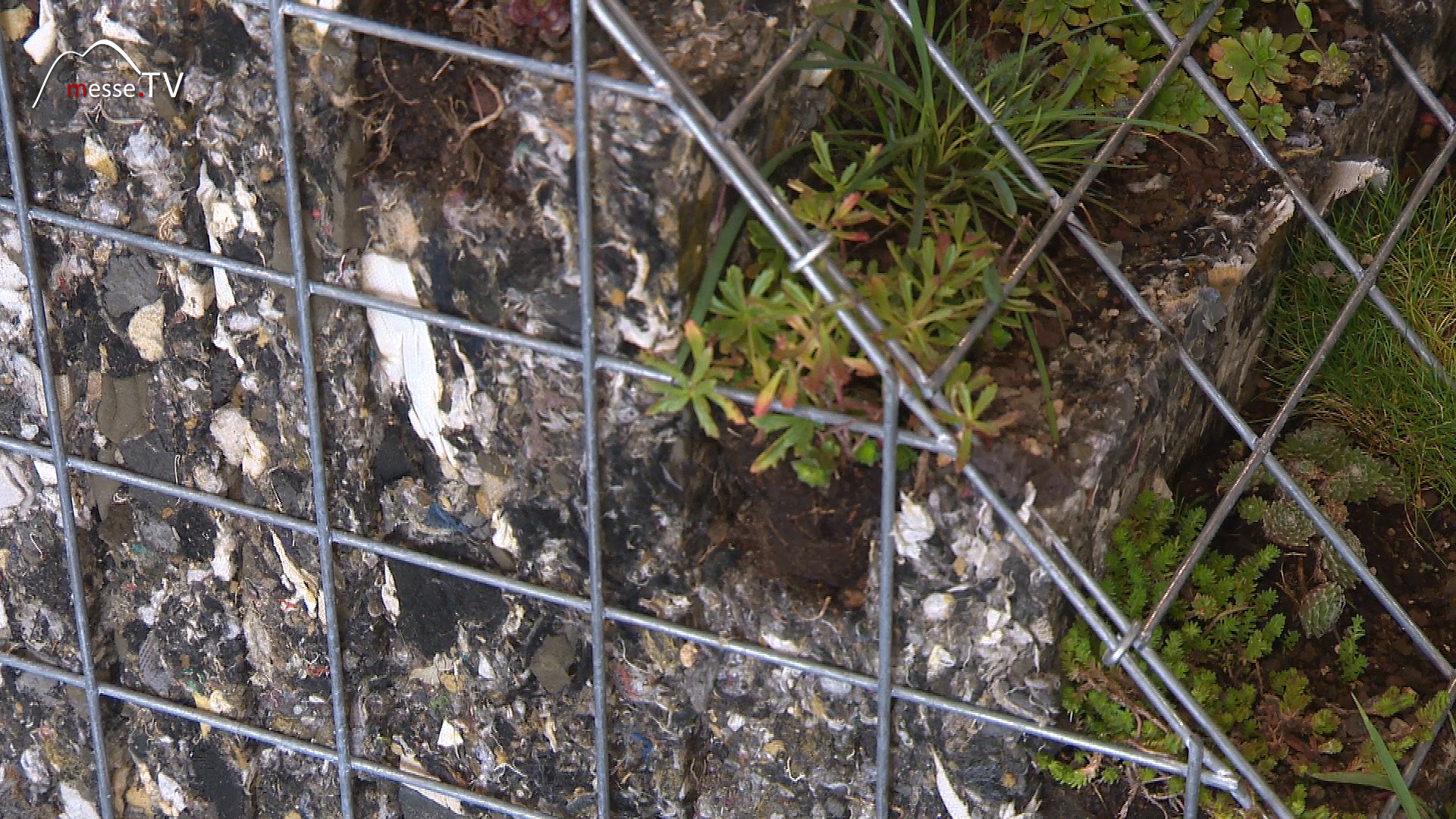
Alongside track technology, Prokop Rail is also presenting a noise-reducing sound barrier at InnoTrans. Here too, recycled synthetic textiles from vehicles are being used. The focus is on absorbing typical rail and tram noises. These include, in particular, rolling noise between wheel and rail, as well as braking at stops or junctions. The design approach is particularly interesting. The exterior of the noise barrier is naturally greened and is intended to stand out from traditional concrete or plastic barriers. The company explicitly states its aim of creating a more natural environment. Conventional noise barriers are coming under increasing criticism, particularly in urban areas. Massive concrete surfaces often act as dividing barriers and significantly alter the cityscape. Green solutions could offer a more discreet design alternative in such contexts.
Cities are seeking quieter and greener transport solutions
This development reflects a broader trend in modern transport infrastructure. Whilst the focus used to be primarily on load-bearing capacity and technical function, environmental impacts and quality of life are now gaining in importance. Tram and rail projects are now being assessed much more closely from the perspective of urban quality of life. Noise pollution, soil sealing and summer overheating influence the acceptance of new infrastructure projects in many places. At the same time, political pressure is mounting to make existing transport systems more sustainable. Greened track systems are seen as a potential building block for making cities more climate-resilient. The material cycle of the system presented is therefore particularly interesting. The use of recycled vehicle textiles combines waste recovery with infrastructure technology and urban climate adaptation.
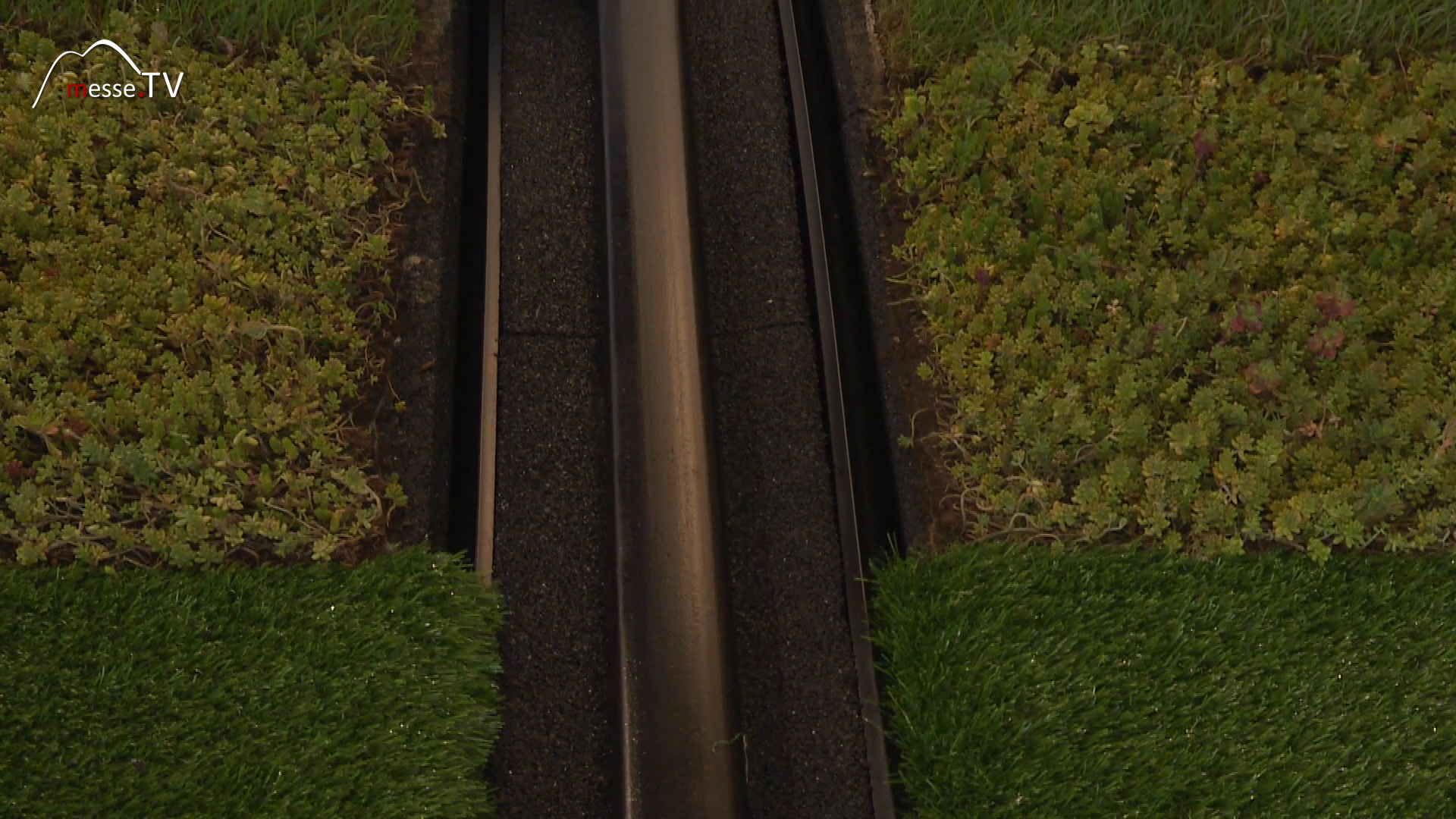
Initial projects are already underway in the Czech Republic
According to the company, an initial section of track has already been implemented in the Czech Republic. Further projects are apparently in the pipeline. It remains to be seen how quickly such systems will become established on a larger scale. In the rail sector in particular, there are high demands regarding maintenance, durability and fire safety. At the same time, however, expectations for quieter and more environmentally friendly infrastructure are growing. The presentation at InnoTrans makes it clear that track construction is undergoing significant change. Infrastructure is no longer seen merely as a technical necessity, but increasingly as part of urban environmental and climate strategies.
Trade fair reporting Germany - Trade fair knowledge, dates & events


