Trends Spielwarenmesse 2018 zwischen Natur Teamgeist und Spass
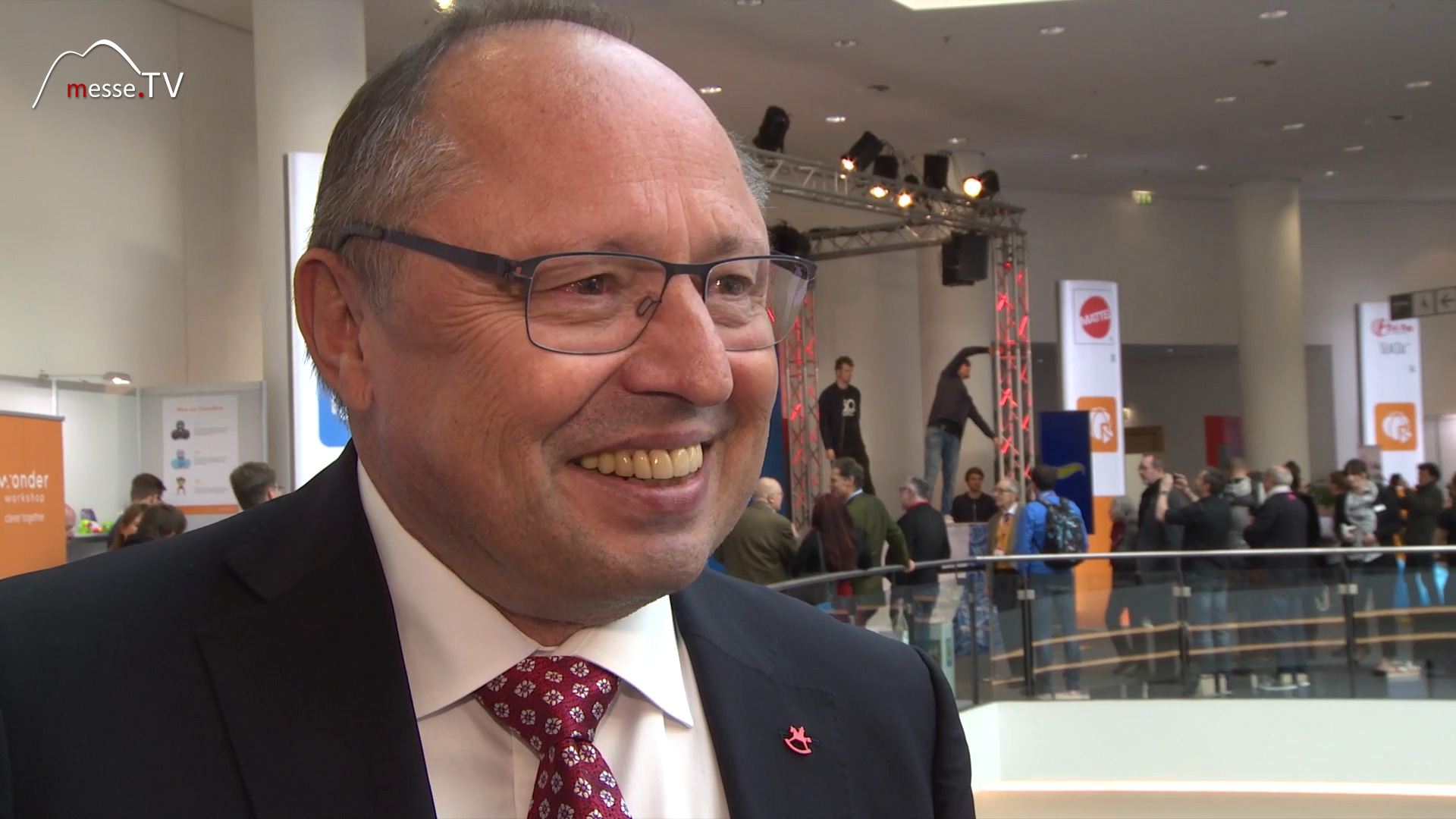
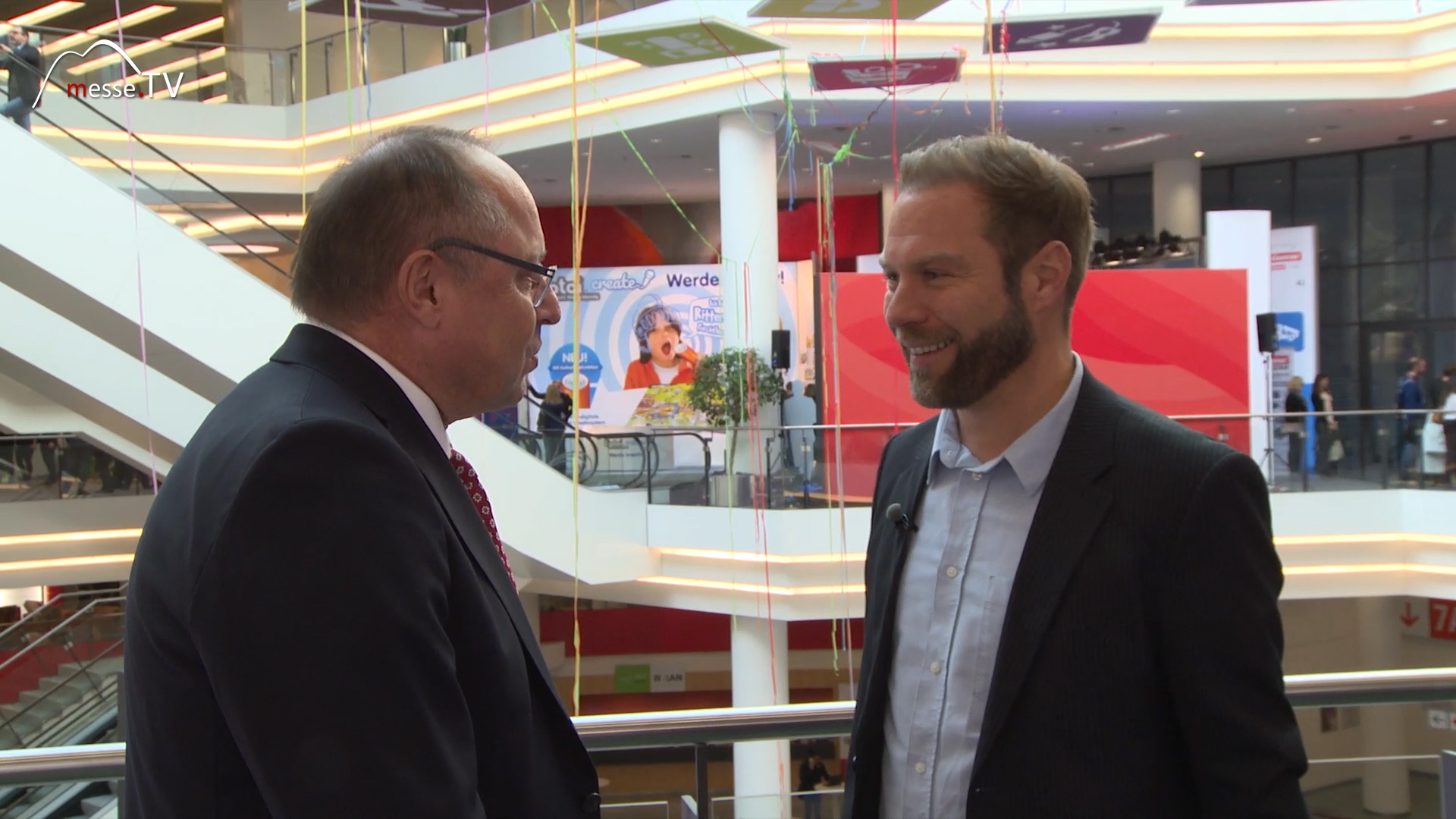
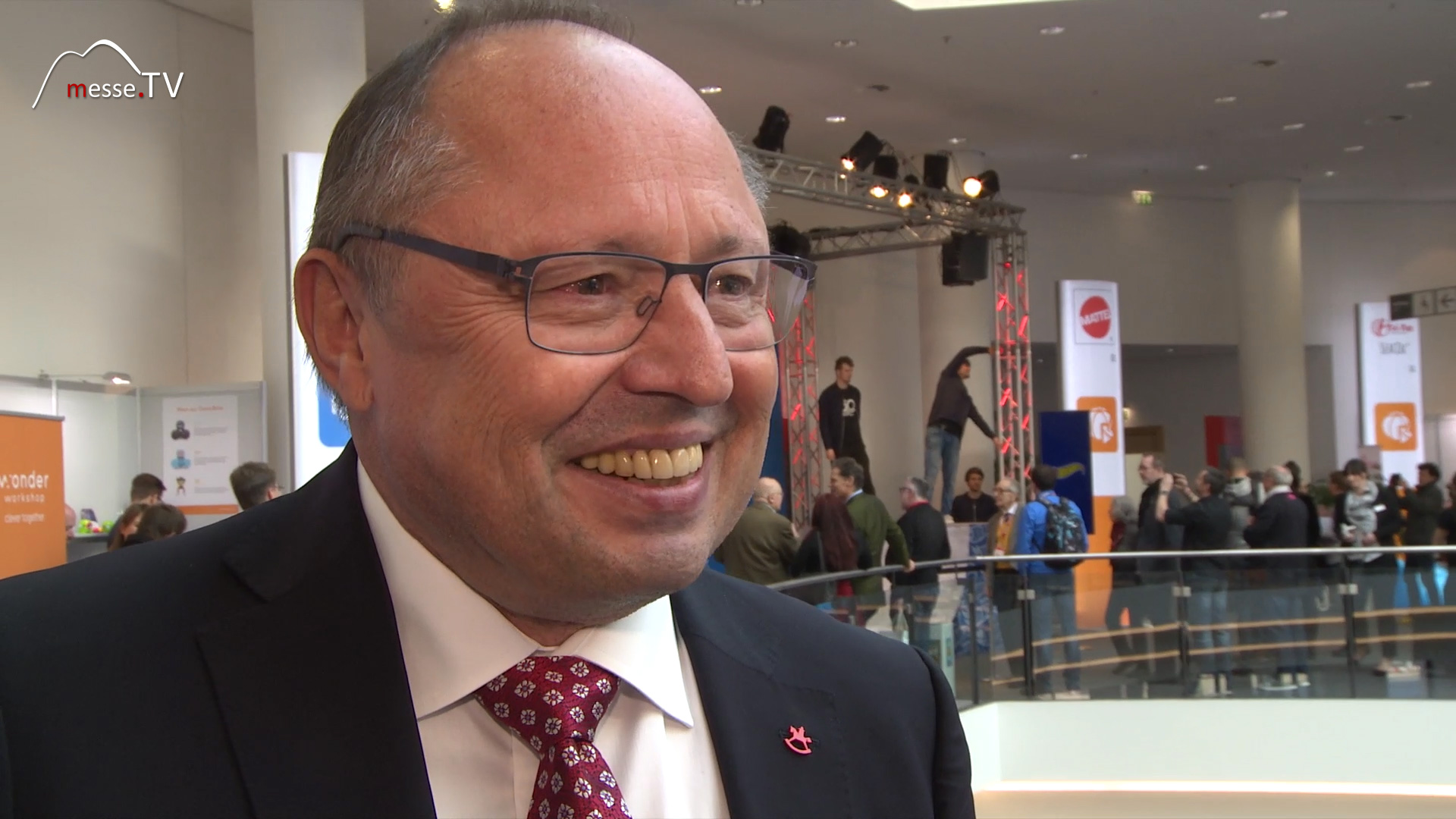
Die Spielwarenmesse 2018 stand deutlich unter dem Eindruck eines veränderten Blicks auf das Spielen. Im Gespräch mit Ernst Kick wurde schnell klar, dass sich Trends nicht am Reißbrett entwerfen lassen, sondern aus gesellschaftlichen Entwicklungen heraus entstehen.
Spielen spiegelt das große Leben im Kleinen, das Kinderzimmer wird zum Experimentierraum für das, was Erwachsene vorleben. Genau daraus leiten sich die drei zentralen Themen ab, die die Veranstaltung prägten: Natur, Teamgeist und ein bewusst unverkrampfter Zugang zum Spielen.
Natur als Rückkehr zu einfachen Erfahrungen
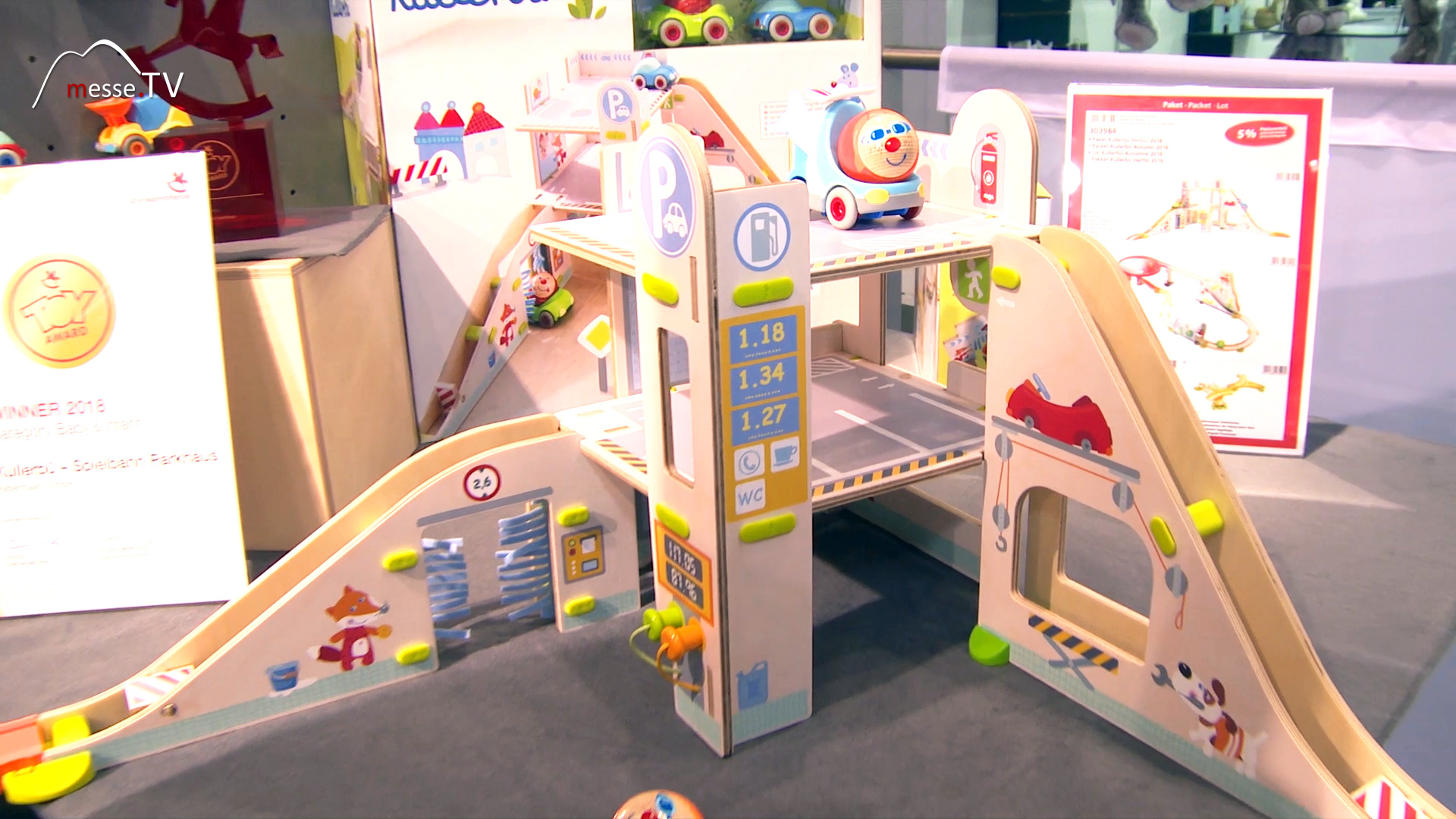
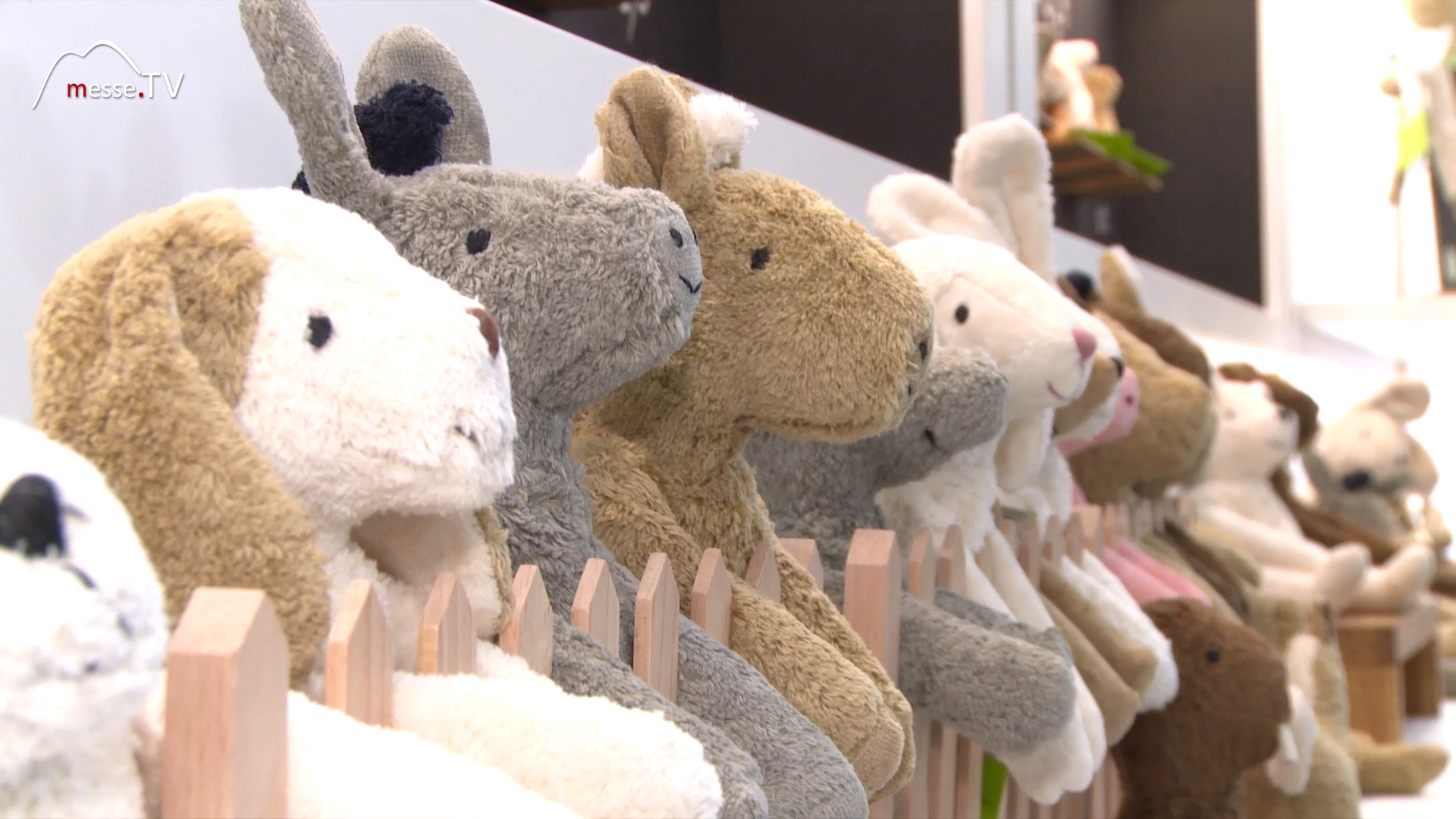
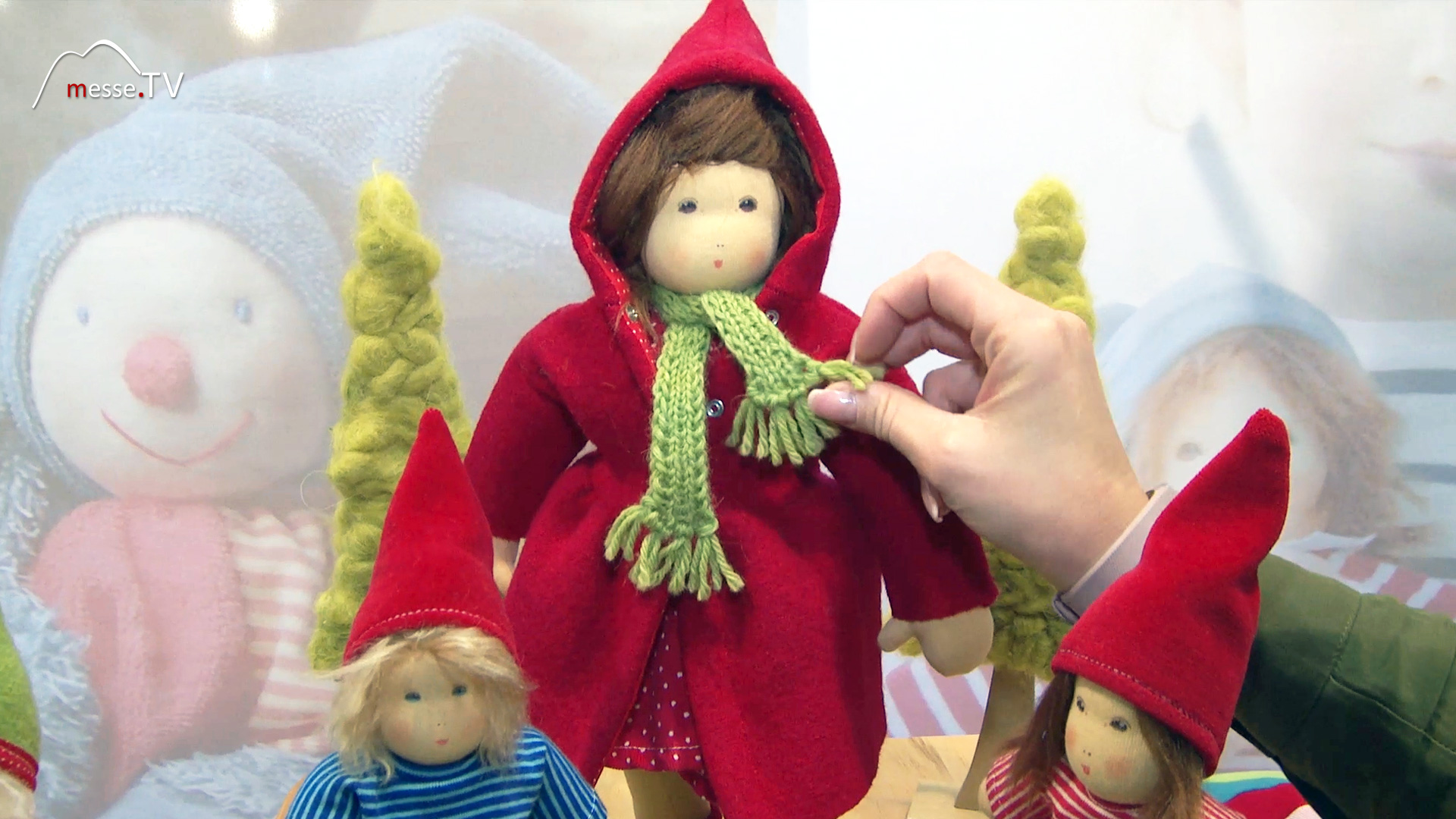
Der erste große Trend lässt sich unter dem Begriff Natur zusammenfassen. Gemeint ist damit kein romantisierender Rückzug, sondern ein spielerischer Zugang zu elementaren Erfahrungen. Vom kleinen Gärtner über Experimentierkästen bis hin zu einfachen biologischen Zusammenhängen reicht das Spektrum. Kinder sollen Pflanzen ziehen, beobachten, wie etwas wächst, und verstehen, dass Prozesse Zeit brauchen. Dieser Trend ist eng mit einem Bedürfnis nach Entschleunigung verbunden. In einer zunehmend digitalen Welt gewinnen analoge Erfahrungen an Bedeutung. Naturbezogene Spielideen schaffen einen Gegenpol zur Reizüberflutung und bieten zugleich Lernanreize, ohne belehrend zu wirken. Entscheidend ist, dass das Entdecken nicht als Pflichtaufgabe daherkommt, sondern als Einladung zum Ausprobieren.
Teamgeist statt Gegeneinander
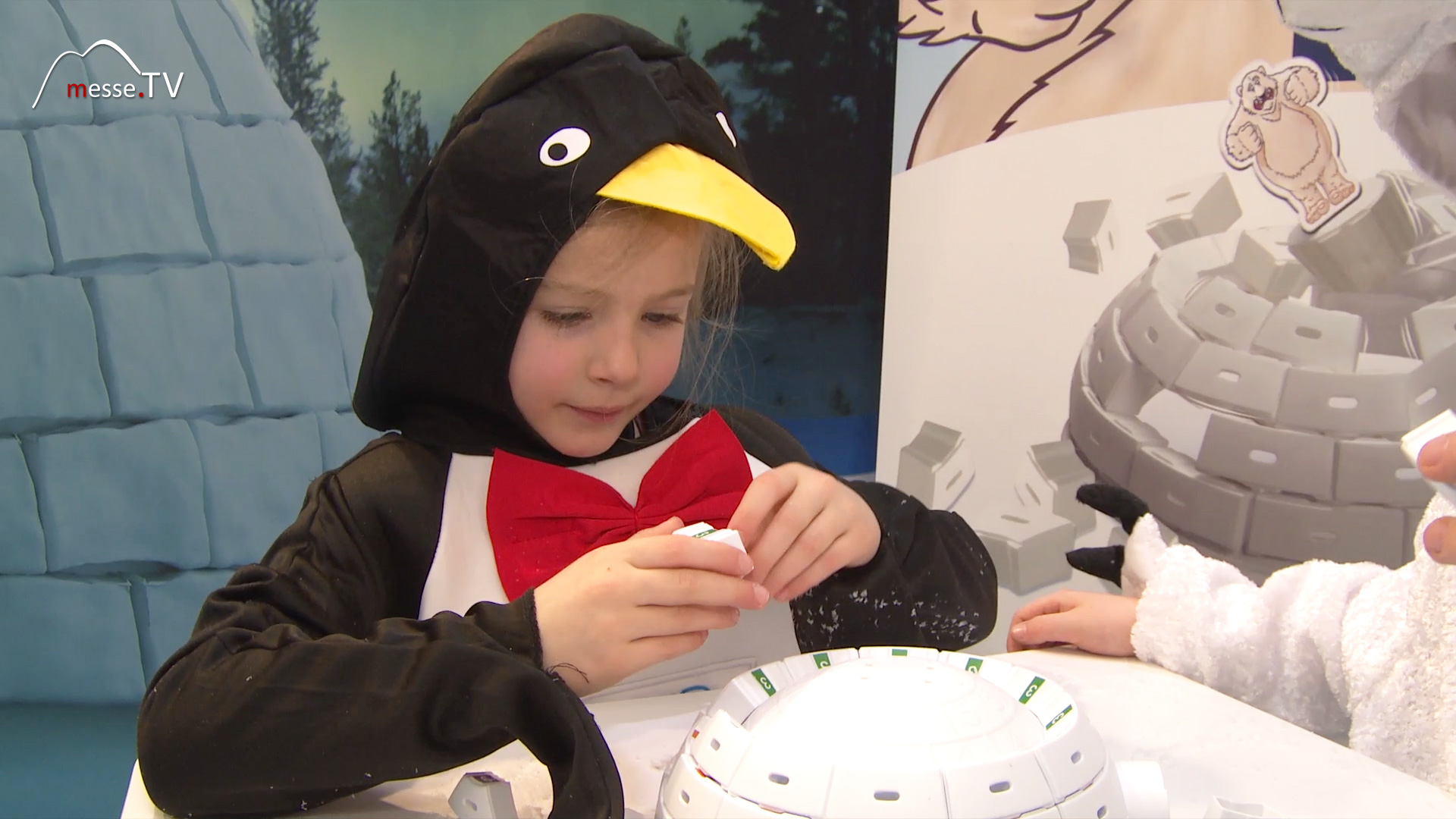
Der zweite Schwerpunkt liegt auf dem Teamgeist. Viele neue Spiele folgen nicht mehr dem klassischen Prinzip von Gewinnern und Verlierern, sondern setzen auf Kooperation. Ziele lassen sich nur gemeinsam erreichen, Rollen ergänzen sich, Kommunikation wird zum zentralen Element des Spiels. Dieser Ansatz spiegelt gesellschaftliche Entwicklungen wider, in denen Zusammenarbeit immer wichtiger wird. Kinder lernen, sich in Gruppen einzubringen, Verantwortung zu übernehmen und Rücksicht zu nehmen. Gleichzeitig entsteht ein anderes Spielgefühl: weniger Konkurrenzdruck, mehr gemeinsames Erleben. Teamgeist wird so nicht theoretisch vermittelt, sondern praktisch erfahren.
Spass ohne erhobenen Zeigefinger
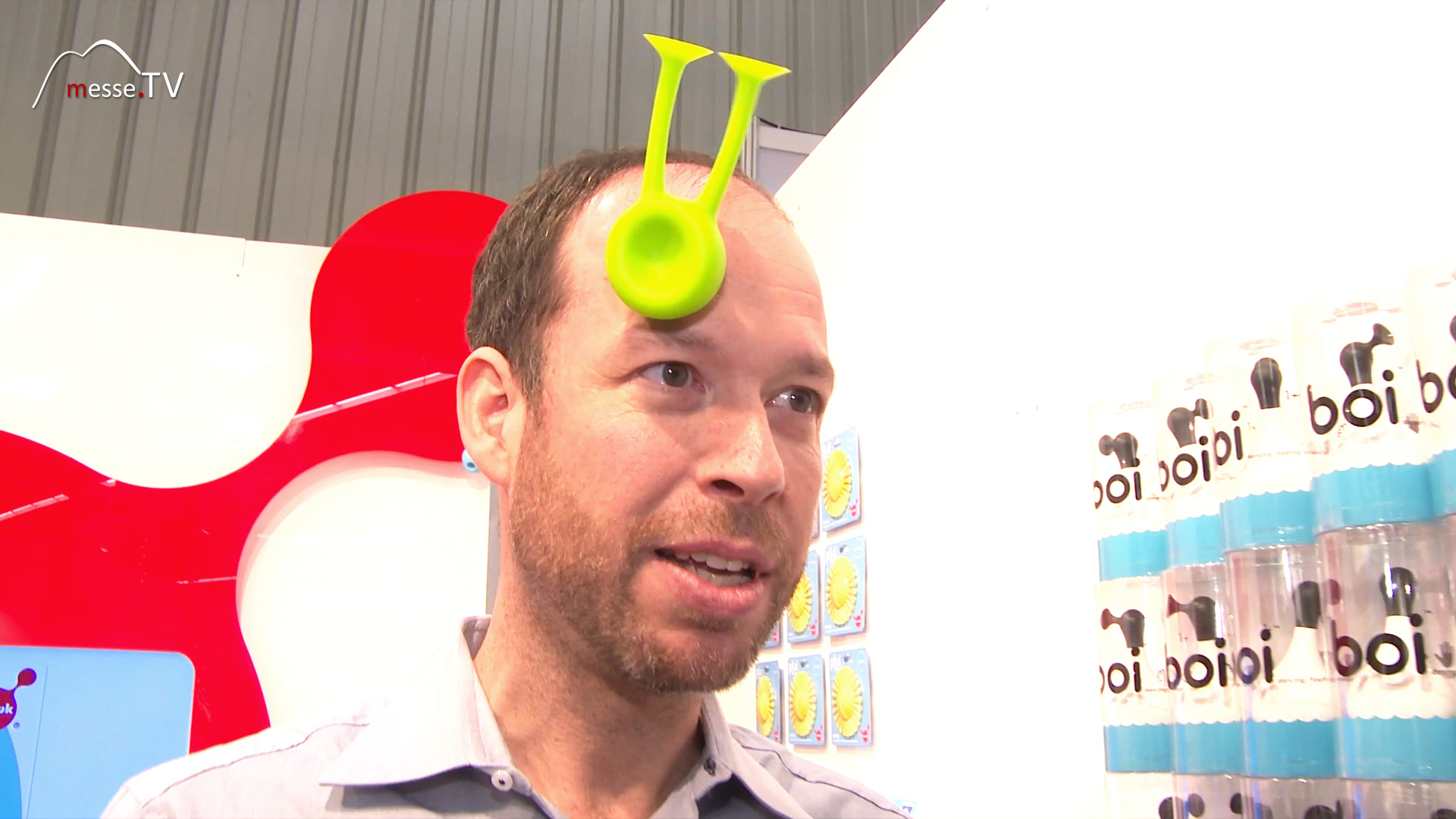
Besonders deutlich betont wurde der dritte Trend: Spass um des Spielens willen. Just for fun bedeutet, dass nicht jedes Spiel einen pädagogischen Anspruch erfüllen muss. Der erhobene Zeigefinger tritt zurück, das unmittelbare Vergnügen rückt in den Vordergrund. Dabei geht es nicht um Beliebigkeit, sondern um die Akzeptanz, dass Spielen auch Selbstzweck sein darf. Lachen, Überraschung und Leichtigkeit sind zentrale Bestandteile. Gerade diese Haltung sorgt dafür, dass Kinder freiwillig spielen und sich auf neue Inhalte einlassen. Spass wird damit nicht zum Gegensatz von Lernen, sondern zur Voraussetzung dafür.
Wie Trends entstehen und sich verändern
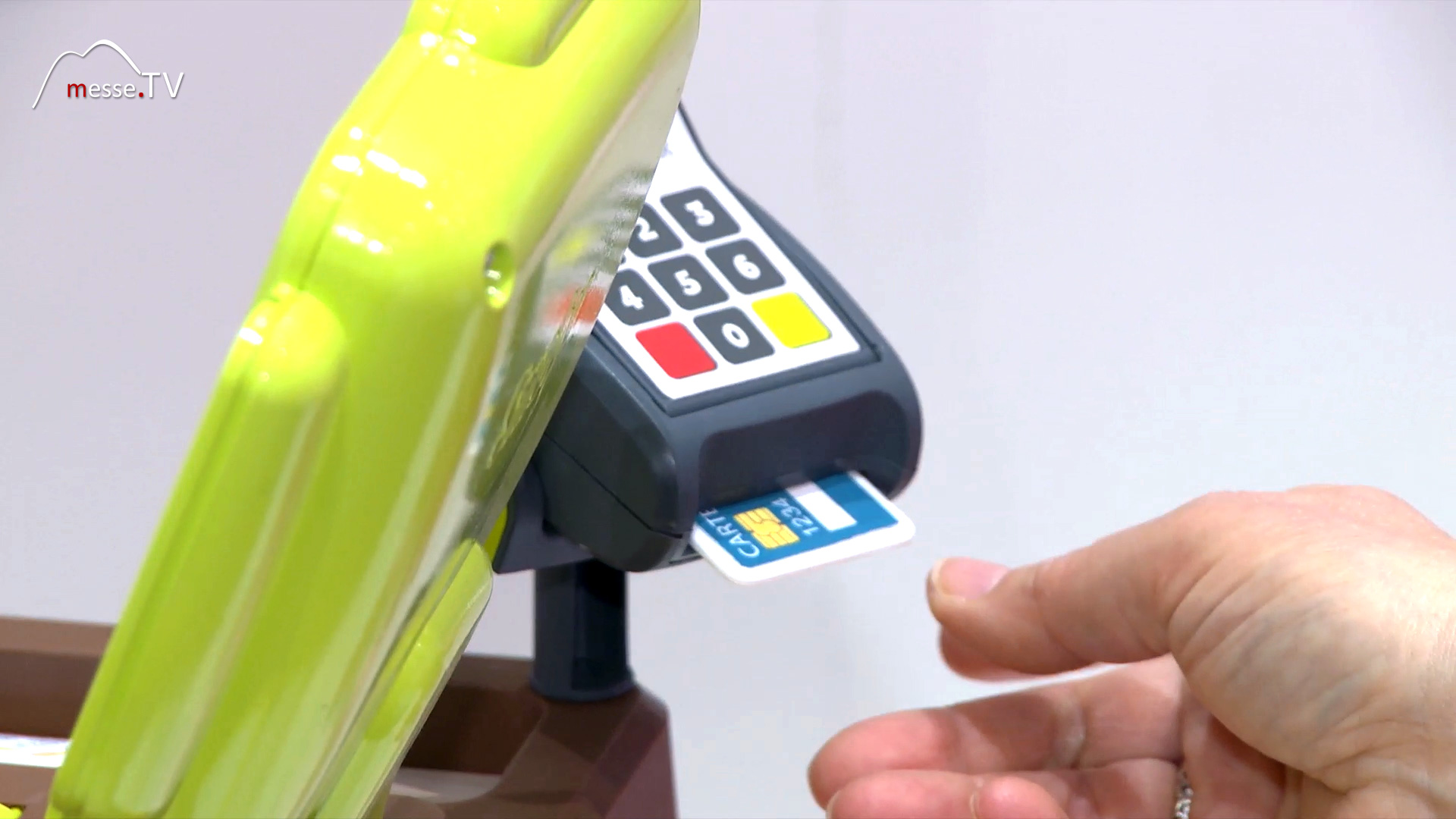
Trends entstehen laut Ernst Kick nicht isoliert innerhalb der Branche. Sie entwickeln sich aus dem Alltag, aus technischen Neuerungen, aus gesellschaftlichen Diskussionen. Kinder beobachten Erwachsene, wollen deren Welt verstehen und nachahmen. Was im großen Leben relevant wird, findet früher oder später seinen Weg ins Spiel. Elektronik, Kleidung, Berufe oder neue Formen der Kommunikation werden spielerisch übersetzt. Die Spielwarenmesse fungiert dabei als Seismograf. Sie bündelt Strömungen, macht Entwicklungen sichtbar und zeigt, welche Themen eine kritische Masse erreicht haben.
Pädagogik als fester Bestandteil des Spiels
Die Frage nach dem pädagogischen Gehalt zieht sich durch viele Gespräche. Dabei wird deutlich, dass edukative Elemente nichts Neues sind. Spielen war schon immer ein Mittel, um Fähigkeiten zu vermitteln. Zahlen, Buchstaben, Sprachen oder Erlebniswelten lassen sich spielerisch erschließen, ohne den Charakter des Spiels zu verlieren. Entscheidend ist die Balance. Pädagogische Inhalte dürfen das Spielerische nicht verdrängen. In Europa, insbesondere im nördlichen Teil, legen Eltern großen Wert auf Qualität, Material und Sinnhaftigkeit. In anderen Regionen stehen Spass oder digitale Aspekte stärker im Vordergrund. Diese Unterschiede prägen auch die Ausrichtung der Produkte.
Digitalisierung als langfristige Entwicklung
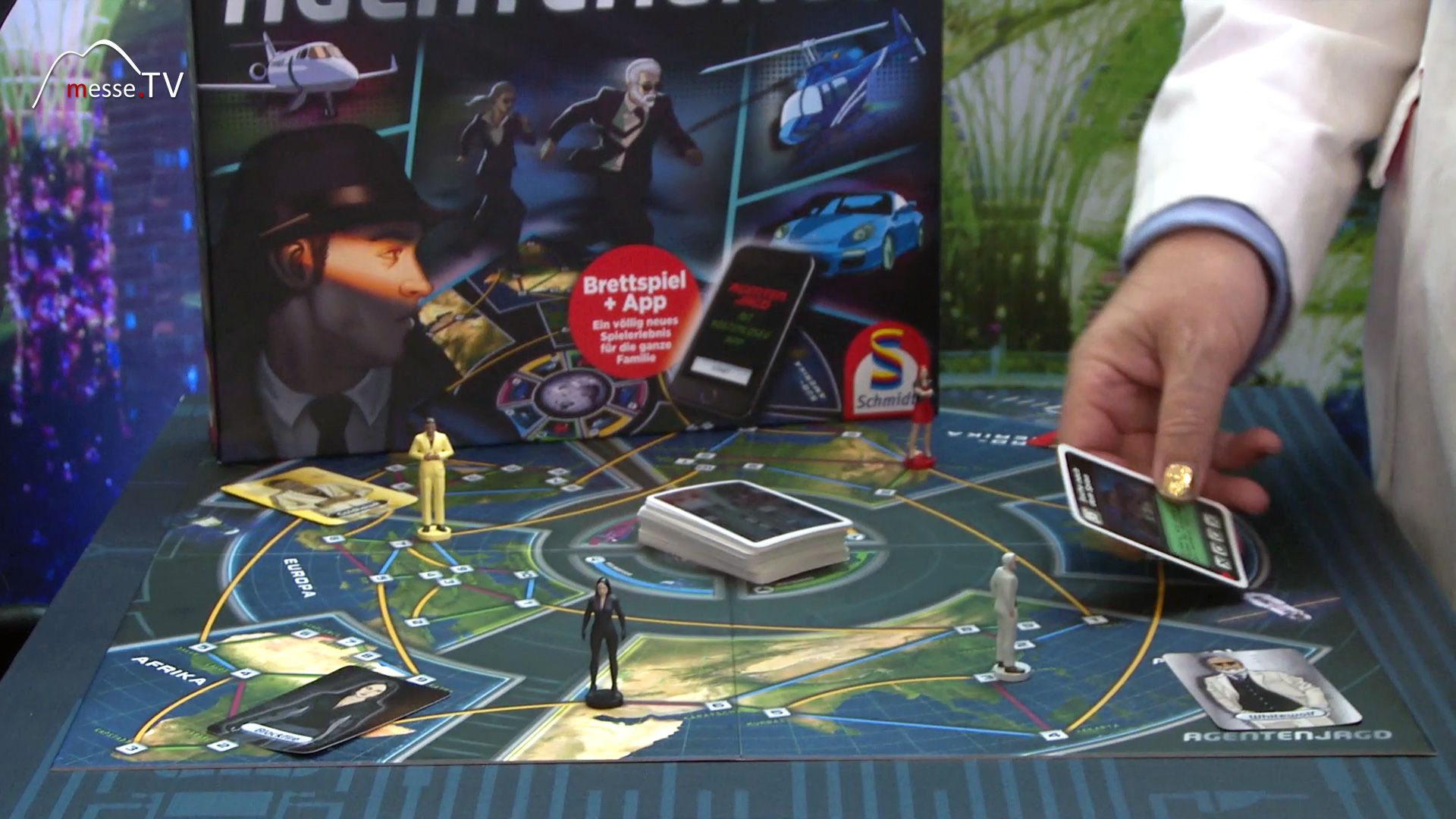
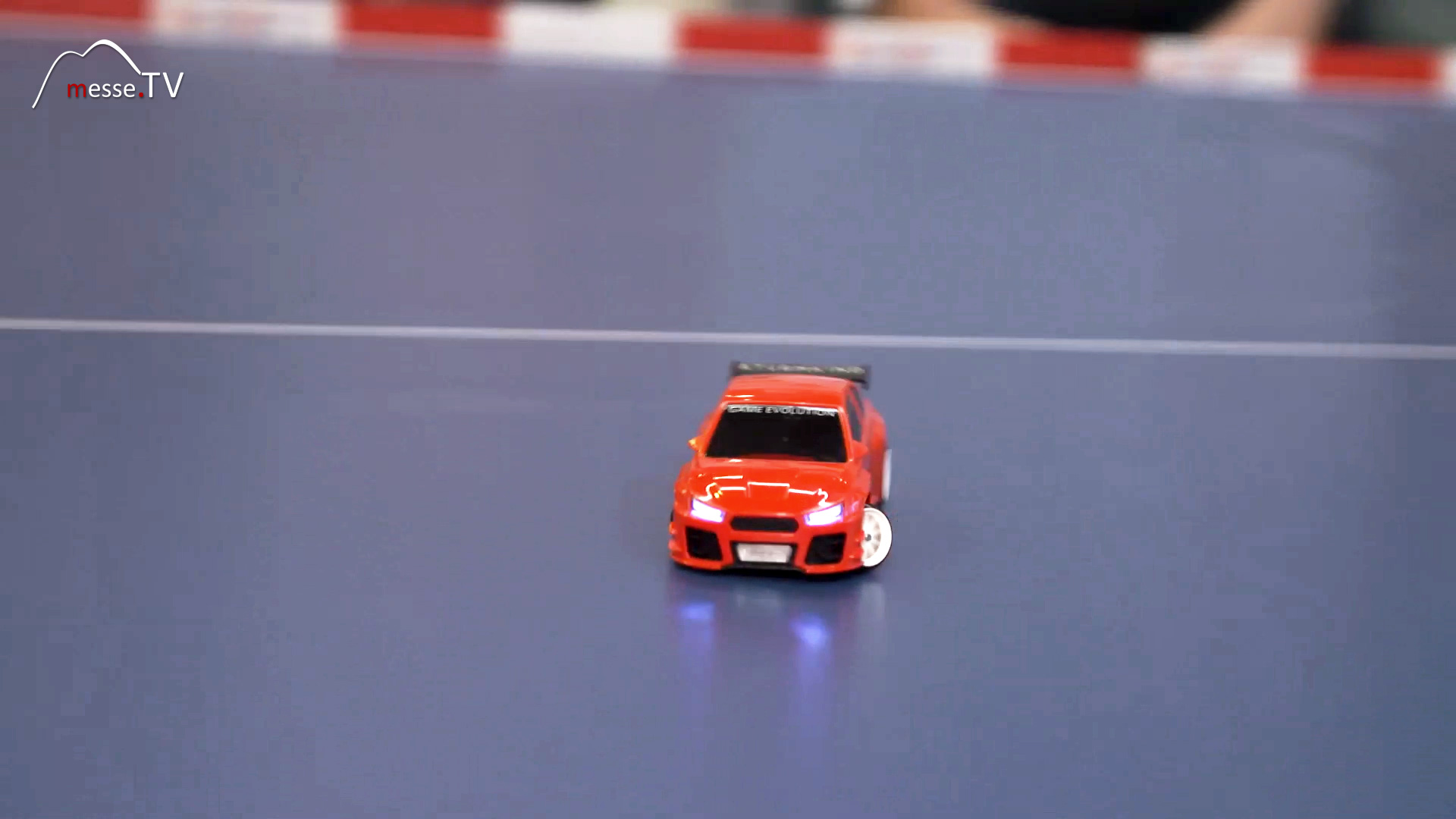
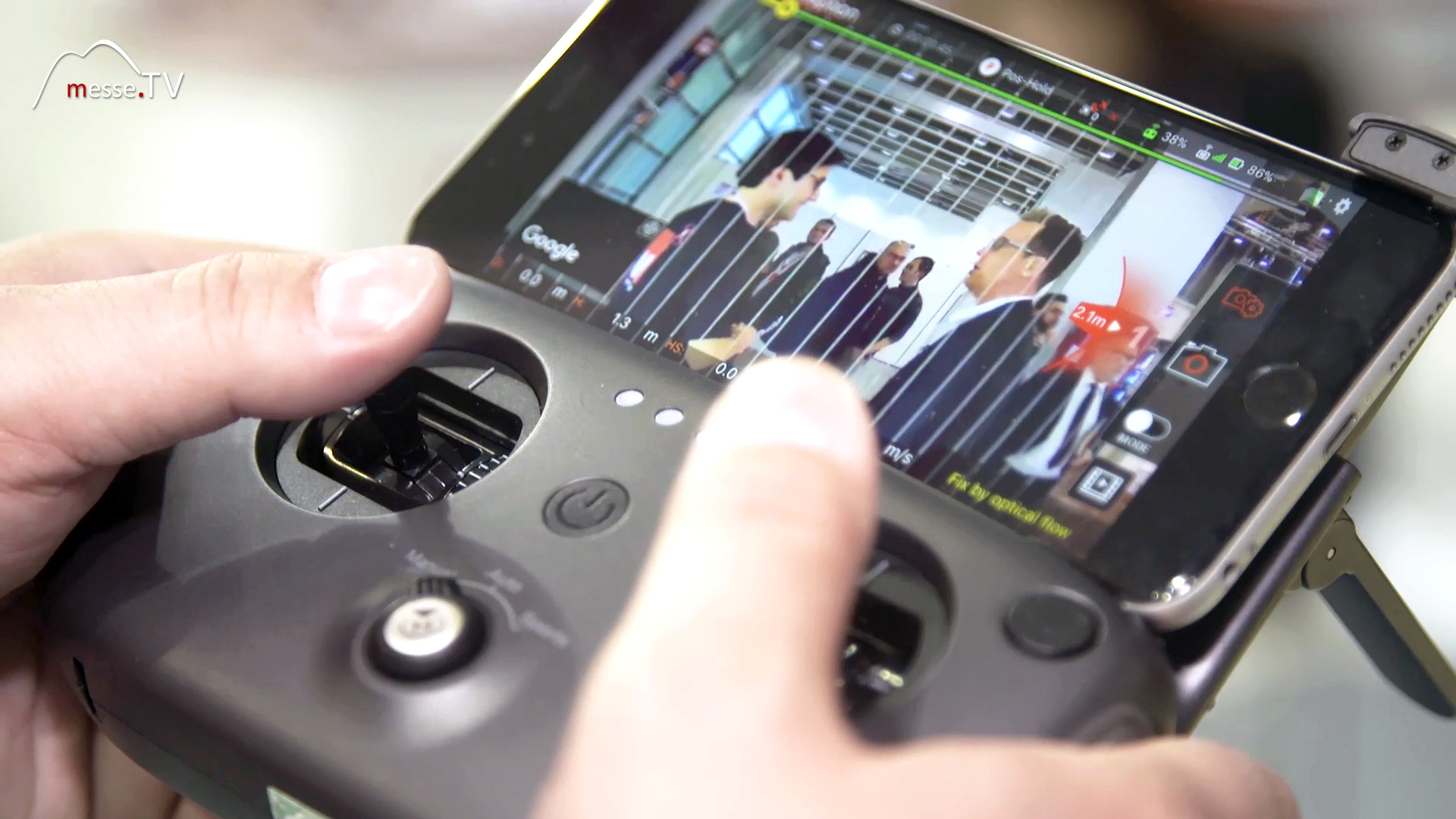
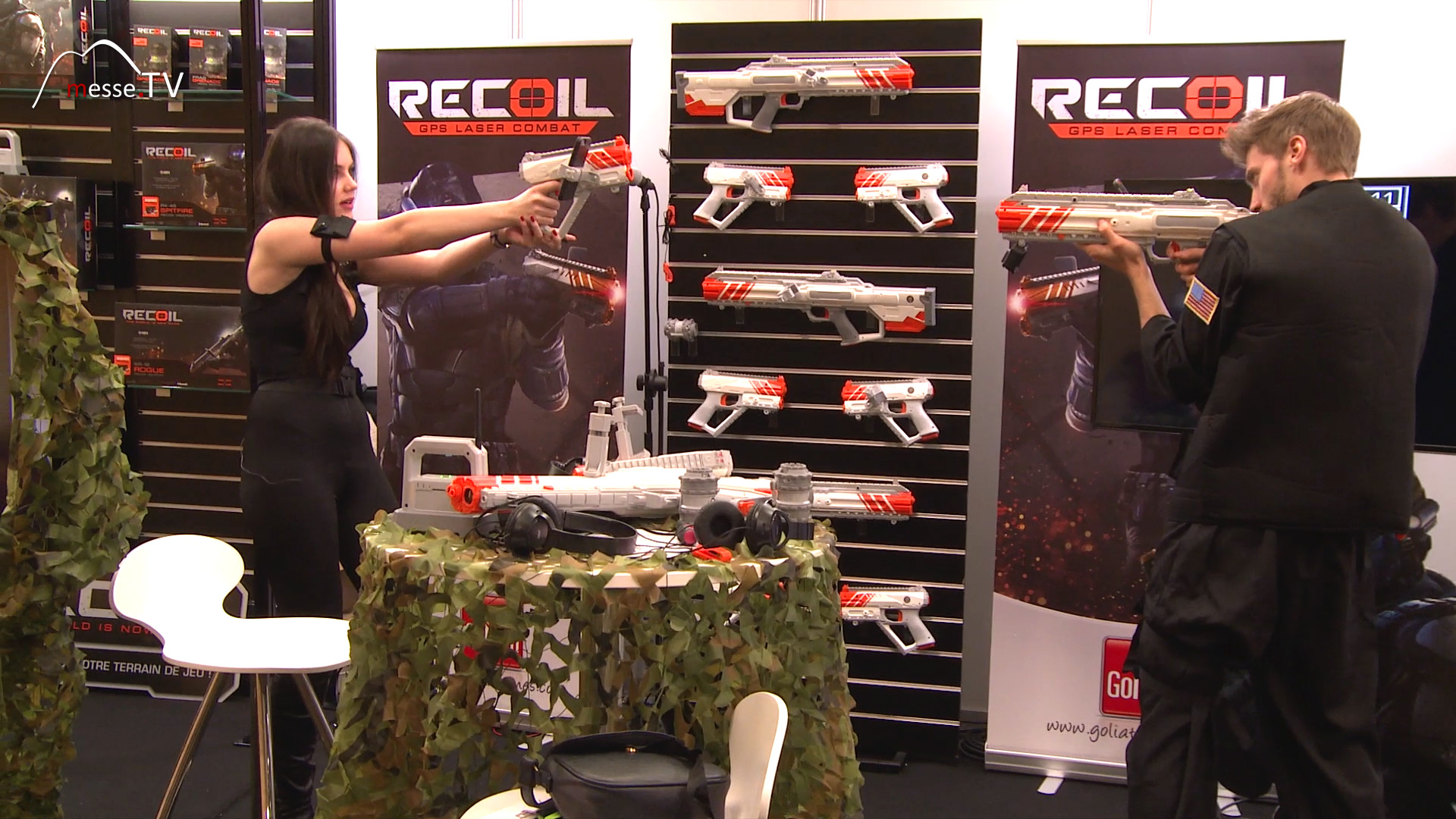
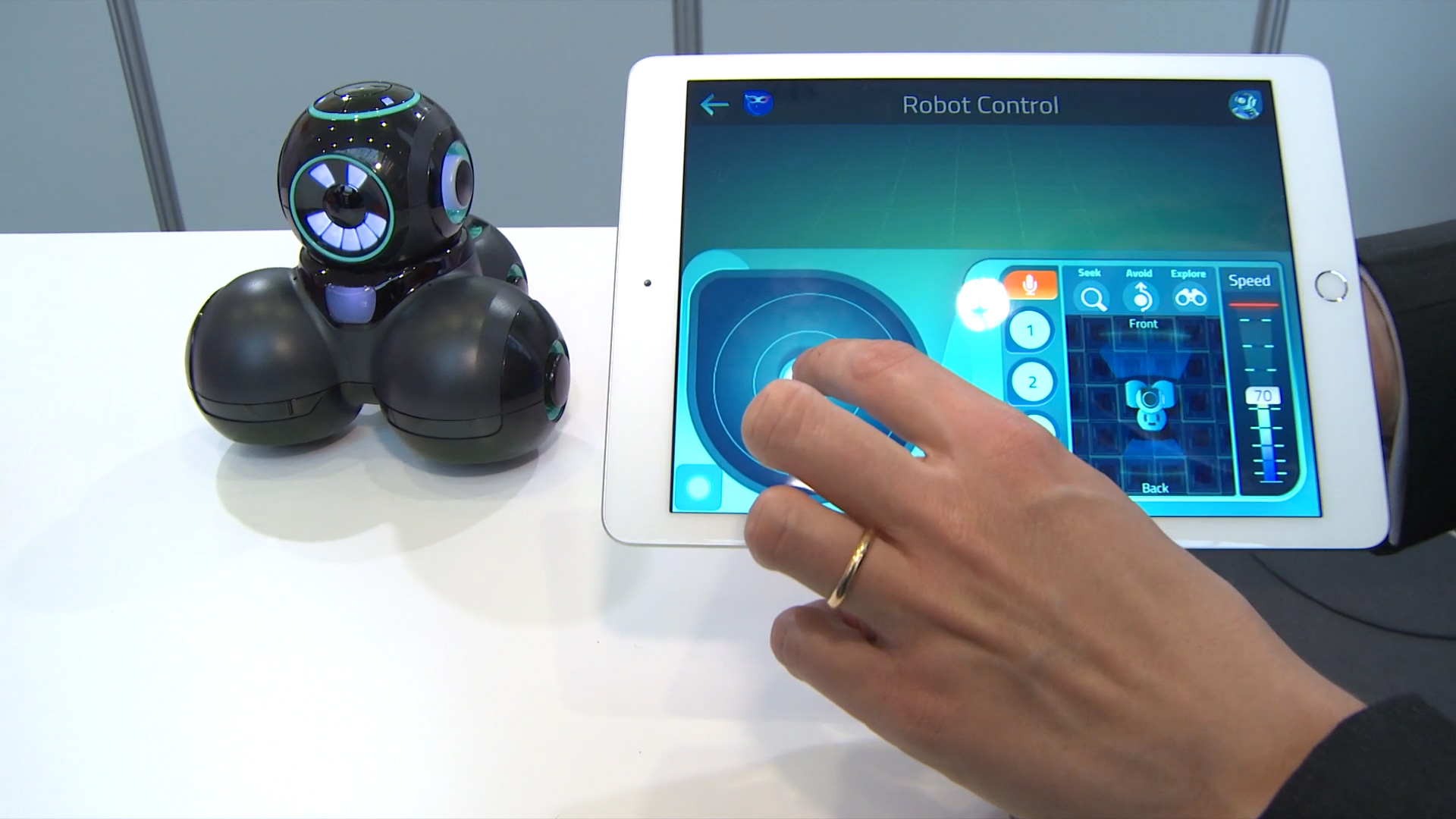
Ein weiterer Aspekt, der 2018 allgegenwärtig war, ist die Verbindung von klassischen Spielwaren mit digitalen Elementen. Laptops, Smartphones und Apps tauchen zunehmend auch im Kinderzimmer auf. Diese Entwicklung wird nicht als kurzfristiger Trend verstanden, sondern als dauerhafte Veränderung. Digitale Komponenten eröffnen neue Spielwelten, ermöglichen Geräusche, Bewegungen und dreidimensionale Effekte. Gleichzeitig behalten traditionelle Spielwaren ihre Berechtigung. Die Zukunft liegt in der Verbindung beider Welten, nicht im Ersatz des einen durch das andere.
Förderung von Startups und Innovation
Neben etablierten Herstellern bietet die Spielwarenmesse auch Raum für junge Unternehmen. Spezielle Bereiche ermöglichen es Startups, ihre Produkte erstmals zu präsentieren und Messeerfahrung zu sammeln. Ergänzend dazu existieren staatliche Förderprogramme, die innovative Unternehmen über mehrere Jahre finanziell unterstützen. Diese Struktur sorgt dafür, dass neue Ideen sichtbar werden und sich weiterentwickeln können. Innovation entsteht nicht nur in großen Konzernen, sondern oft an den Rändern der Branche.
Ein Markt mit klaren Grenzen
Trotz steigender Umsätze stößt das Wachstum an räumliche und wirtschaftliche Grenzen. Das Messegelände ist ausgelastet, Expansion kaum möglich. Auch die Preisgestaltung erfordert Augenmaß. Die Branche bewegt sich auf hohem Niveau, mit begrenztem Spielraum nach oben. Die Spielwarenmesse 2018 zeigt damit ein differenziertes Bild. Natur, Teamgeist und Spass sind keine kurzlebigen Schlagworte, sondern Ausdruck tieferliegender Entwicklungen. Sie markieren eine Branche im Wandel, die Tradition und Innovation miteinander verbindet und das Spielen als Spiegel der Gesellschaft versteht.
Messe-Berichterstattung bundesweit - Messewissen, Termine & Veranstaltungen


