Polar Smash as an analogue children's game combining strategy and skill
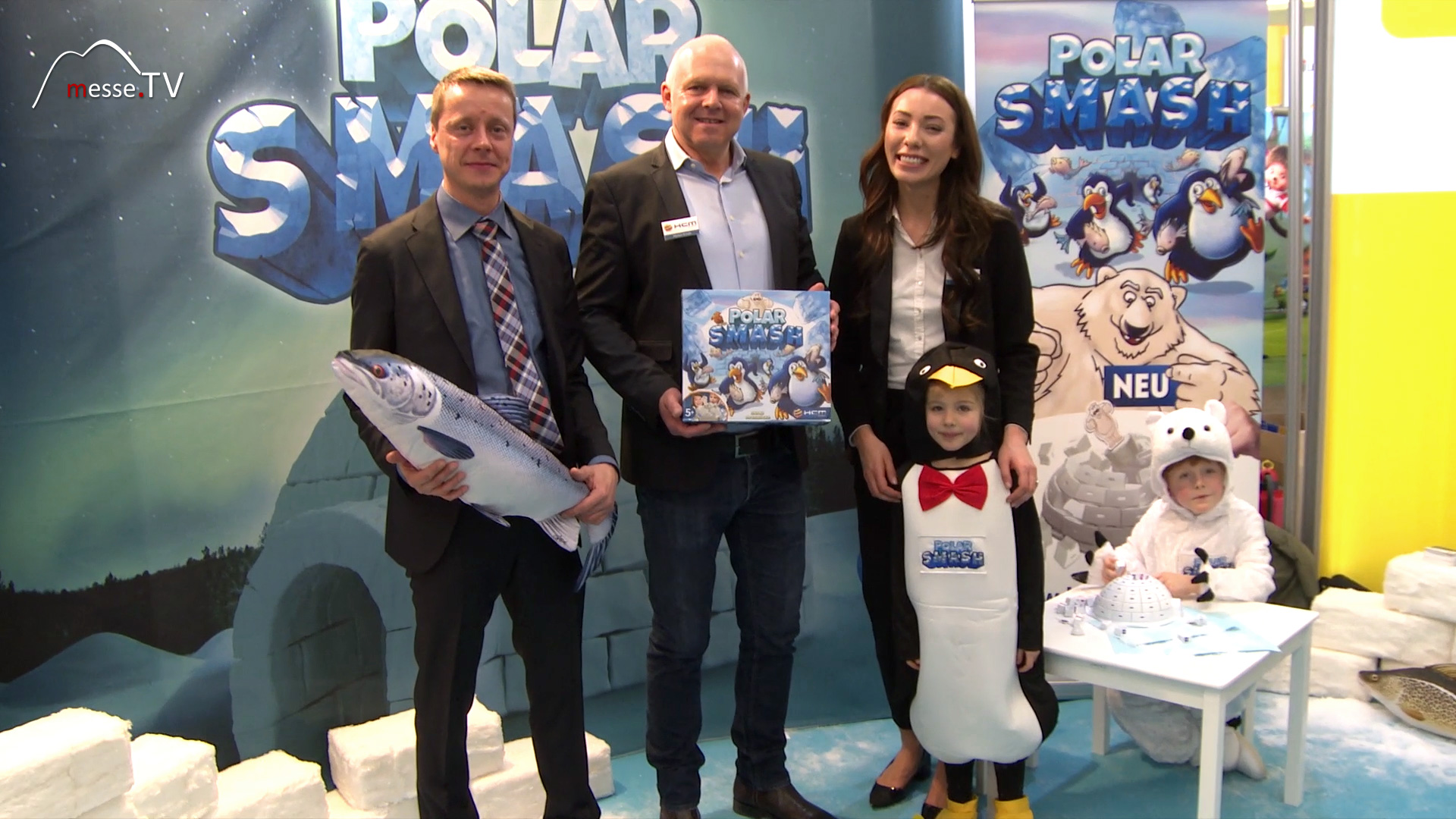
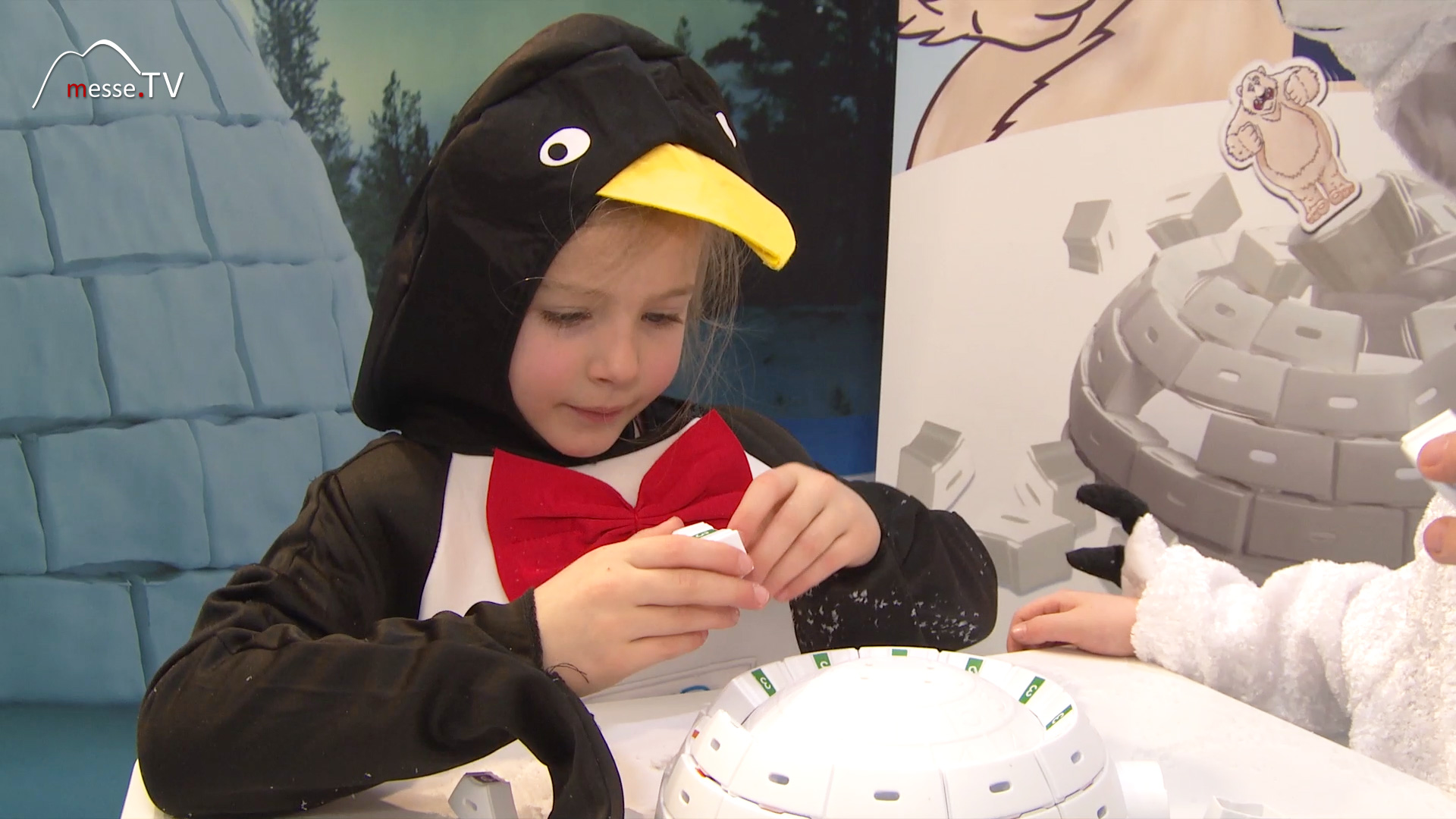
At first glance, little polar bears, penguins and a wobbly igloo look like a friendly scene from a toy world. But behind Polar Smash lies a game principle that goes far beyond mere cuteness.
It exemplifies a conscious return to analogue game ideas that focus on haptics, concentration and social interaction. At a time when digital games dominate the everyday lives of many families, this children's game provides a clear counterpoint. Polar Smash is aimed at children aged five and above and combines dexterity with logical thinking. From the very first encounter, it is clear that no screen, app or electronic device is required. Instead, the game demands attention, tact and strategic decisions – skills that are particularly important in free, analogue play.
HCM Kinzel and the conscious focus on analogue play
Behind Polar Smash is HCM Kinzel, a publisher that clearly positions itself as a friend of analogue play. This stance is less nostalgic than pedagogical. Digital games have become increasingly important in recent years, often at the expense of haptic experiences. The company sees this as a trend that needs to be counterbalanced – not only in children's rooms, but also in the adult world. Decisions in the game should be tangible again. When you move a game piece, you get immediate feedback. When you make a risky decision, you see the consequences right in front of you. It is precisely this immediacy that is considered the strength of classic board and skill games. The development of new games does not take place in a vacuum, but is based on customer feedback and intensive discussions with experts at international congresses and trade fairs.
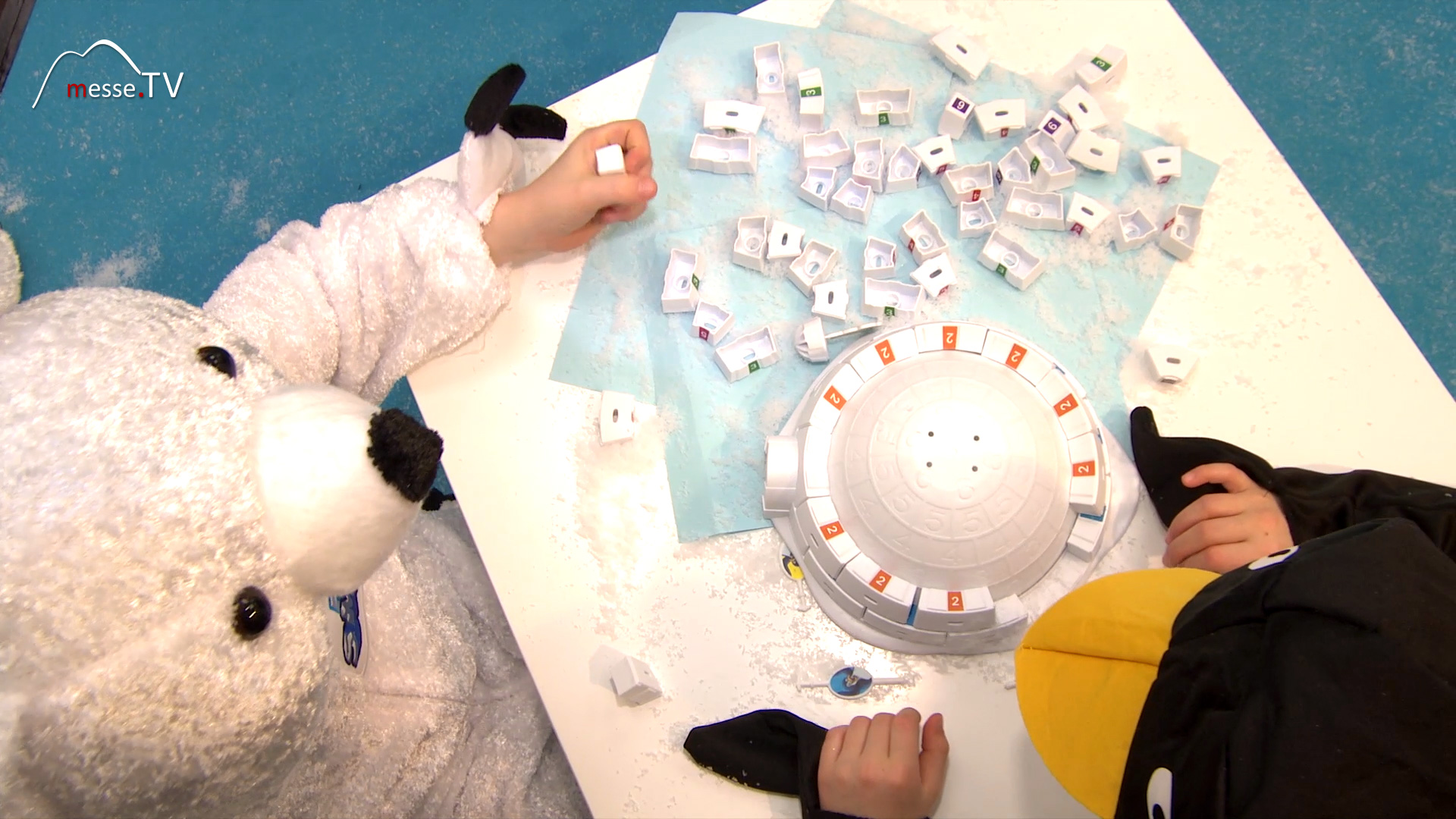

Polar Smash as a new product for the Toy Fair
Polar Smash is one of the new products with which the publisher is represented at the Toy Fair. This is not a one-off product without context, but a conscious step within a growing game portfolio. The publisher has only been active as a game publisher for a few years, but is continuously expanding its range with new titles. At first glance, the game seems simple, almost self-explanatory. However, this is where a certain deception lies. The rules are easy to understand, but the actual game only unfolds with increasing experience. Children and adults quickly realise that every move must be carefully considered.
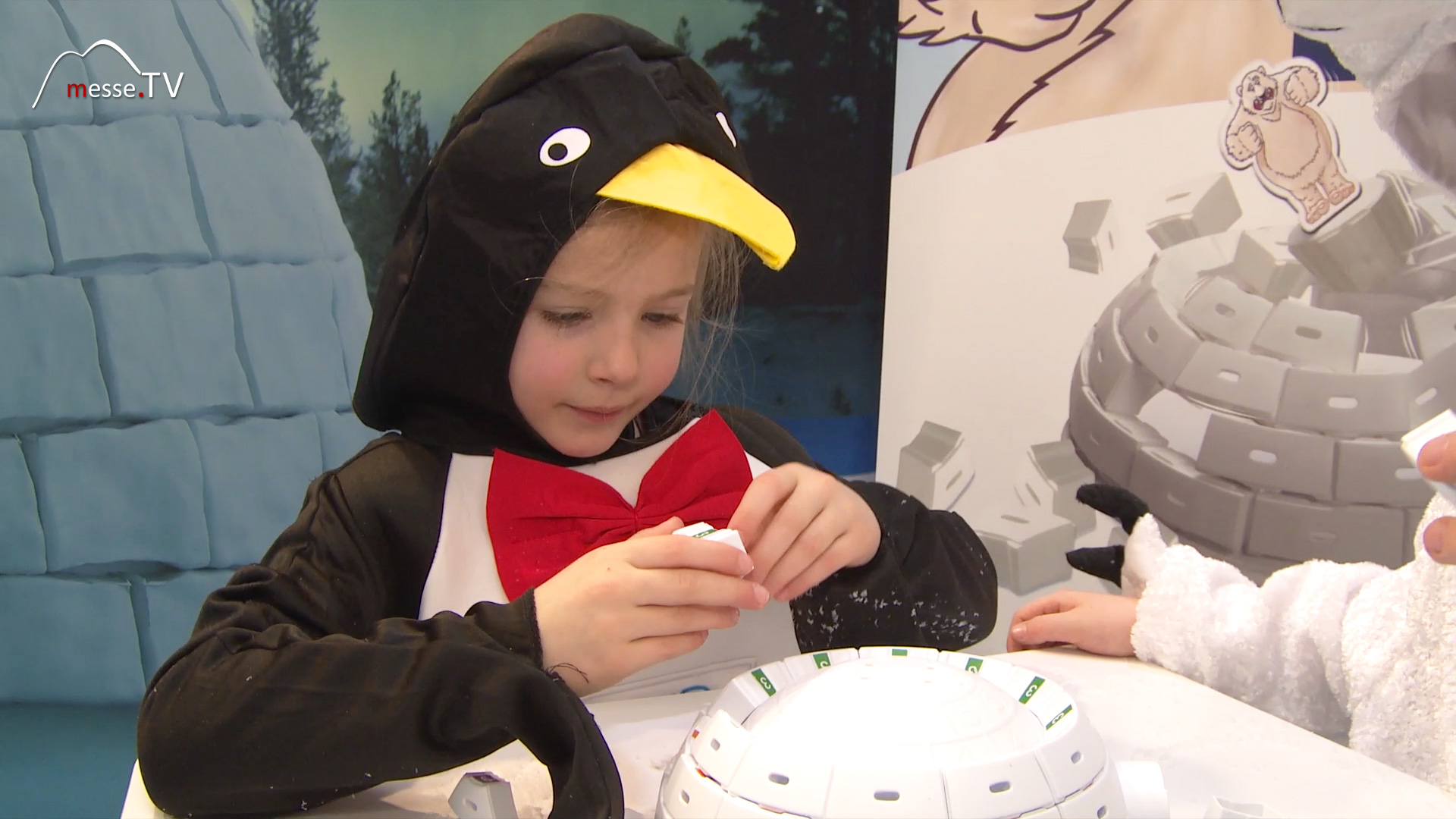
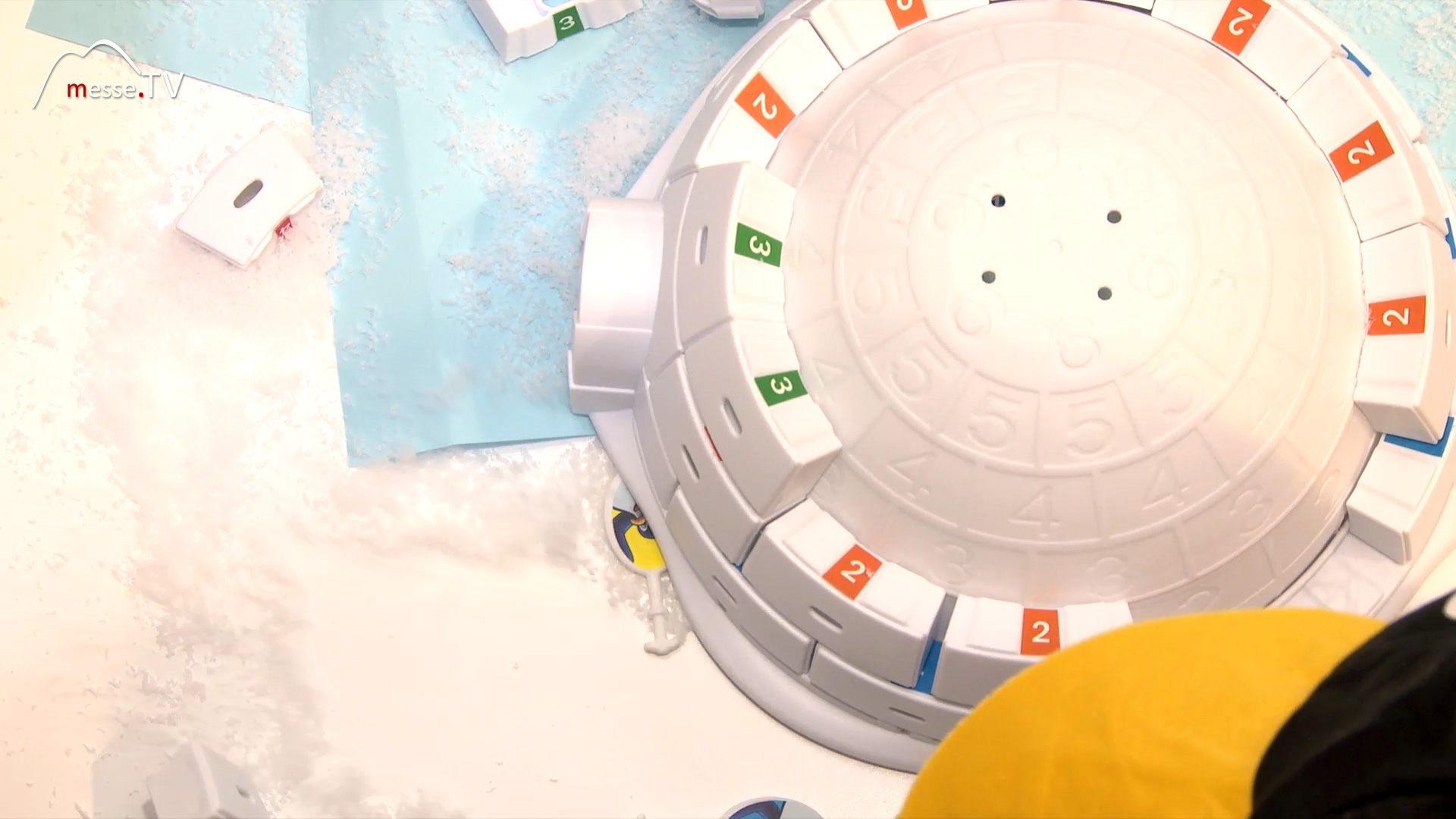
Polar Smash Game principle based on the igloo
At the centre of the game is an igloo, which is first assembled with the help of a construction aid. Two to four players take on the role of penguins moving around this igloo. The structure is guarded by a polar bear, which sits enthroned at the top and symbolically marks the goal of the riskiest moves. The individual igloo building blocks are numbered. This numbering determines their point value. Blocks in the lower area count for fewer points, while the upper blocks, closer to the polar bear, are particularly valuable. This creates a constant tension between safety and risk. In turn, the players each remove a block from the igloo. The aim is to collect as many points as possible without destroying the fragile balance. Whoever causes the igloo to collapse is eliminated from the round. The remaining players count their points, and whoever has the highest score at the end wins.

Polar Smash: a combination of skill and logic
The appeal of the game lies in this clear balance. On the one hand, Polar Smash requires fine motor skills. On the other hand, it demands strategic thinking. Should you choose a safe stone that scores few points, or is it worth reaching for a valuable but risky building block? These decisions make each round different and prevent monotonous gameplay.
- Analogue game mechanics without digital aids
- Combination of skill and strategic thinking
- Short rules with long-term appeal
- Suitable for children and adults
A game world of ice, animals and excitement
The visual design contributes significantly to the game's impact. The characters from the ice world – penguins, polar bears and igloos – create a clear game world that is easily accessible and leaves room for imagination. Children identify with their game characters, while adults appreciate the calm, focused atmosphere that quickly develops. The game remains free of overloaded effects. The excitement arises solely from the situation at the table, from the silence before a risky move and from the moment when the igloo sways dangerously. This quality distinguishes Polar Smash from many fast-paced games that rely on constant stimulation.
Why Polar Smash remains relevant in the long term
Polar Smash is not a game that aims only for a short surprise effect. It thrives on repetition, variation and shared experience. Each round is different because decisions vary and players learn from each other. It is precisely this learning curve that makes the game interesting for adults as well. With this title, Hcm Kinzel shows that analogue games are by no means outdated. On the contrary, they are gaining in importance because they offer a conscious counterpoint to everyday digital life. Polar Smash thus represents a game concept that combines simplicity, excitement and educational value – without being preachy, but with a clear message. The result is a children's game that not only entertains, but also promotes concentration, patience and strategic thinking. These are qualities that should have a place in every gaming world.




Trade fair reporting Germany - Trade fair knowledge, dates & events


