A ball made of modules: a new approach to playing, building and movement
Toys that combine movement, creativity and construction operate in a special area of tension. They must be robust, intuitive to use and at the same time leave room for imagination. At a time when many play ideas are either purely digital or clearly defined for a single use, concepts that allow for openness are particularly interesting.
The system presented here follows precisely this approach: a few elements can be used to create different shapes that are not only attractive to look at, but can also be played with. The first impression is reminiscent of a jigsaw puzzle. Flat, two-dimensional pieces that initially reveal little about their future function. But that is precisely what makes them so appealing. A wide variety of structures can be assembled from individual elements. Only in the next step does the shape become a play device that can be thrown, kicked or juggled. Construction and movement are directly interlinked.
The ball as a construction kit: from puzzle to football
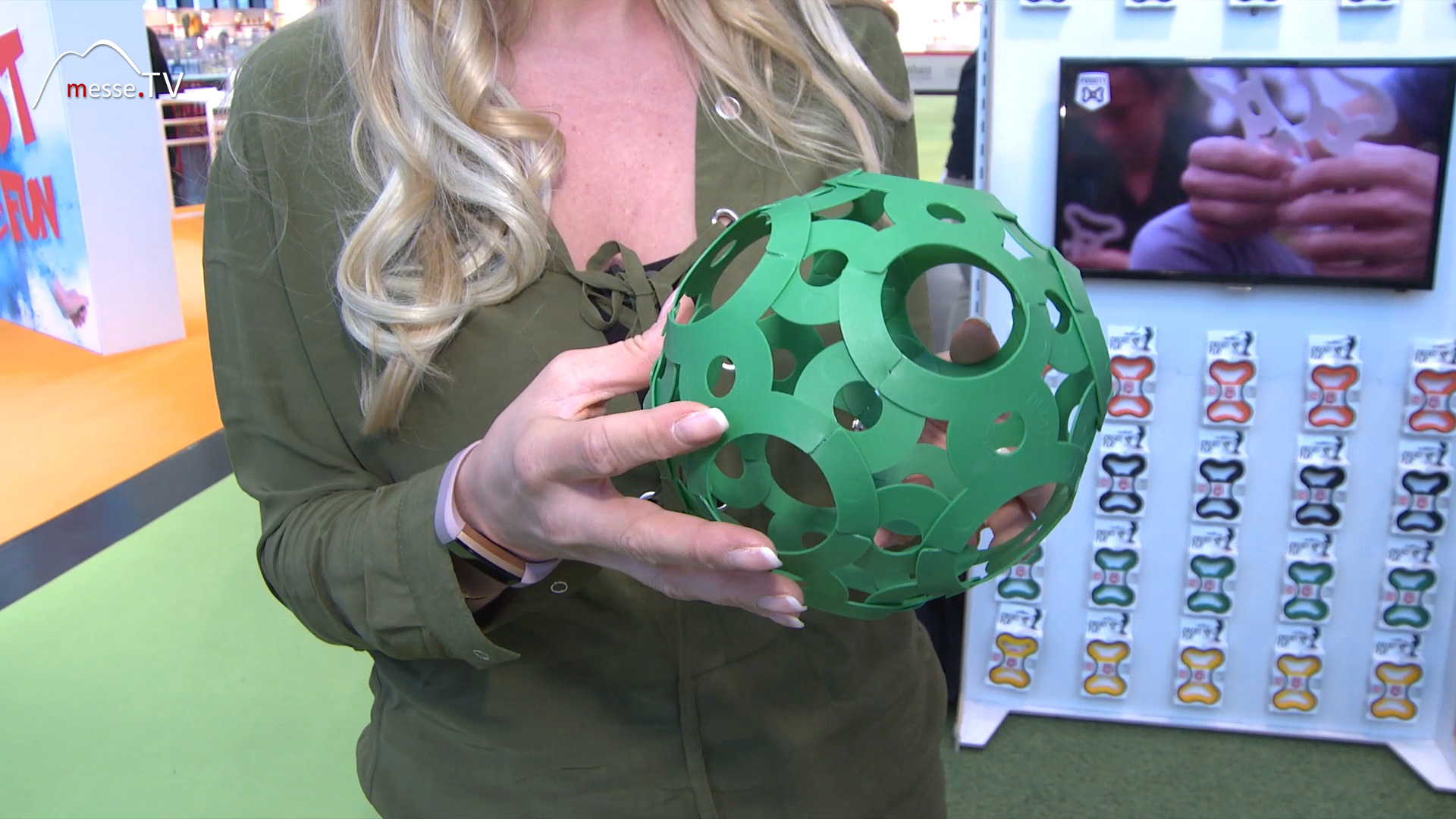
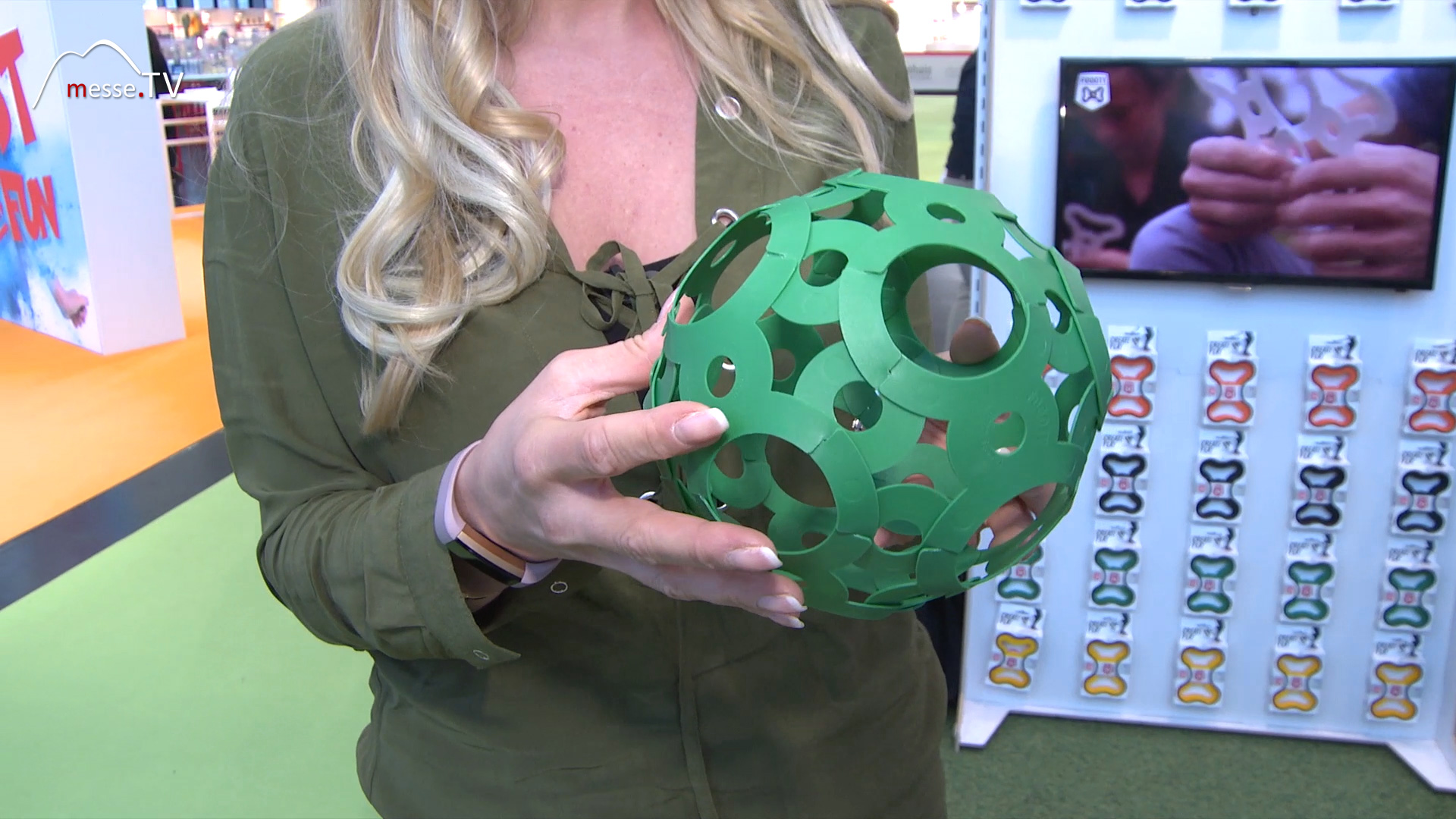
At the heart of the concept is a two-dimensional base element that can be connected using a simple click mechanism. The pieces are elastic, stable and designed so that they can be assembled without tools. The key is that the same element is always used. There are no special additional parts for individual shapes. The variation comes solely from the number and arrangement of the pieces. This is how a ball is made from just a few parts. Depending on the combination, not only the appearance but also the function changes. Ten elements create a football, eight a rugby ball, six a Frisbee. Even a juggling ball can be formed. So the game doesn't start with throwing or shooting, but already with assembly.
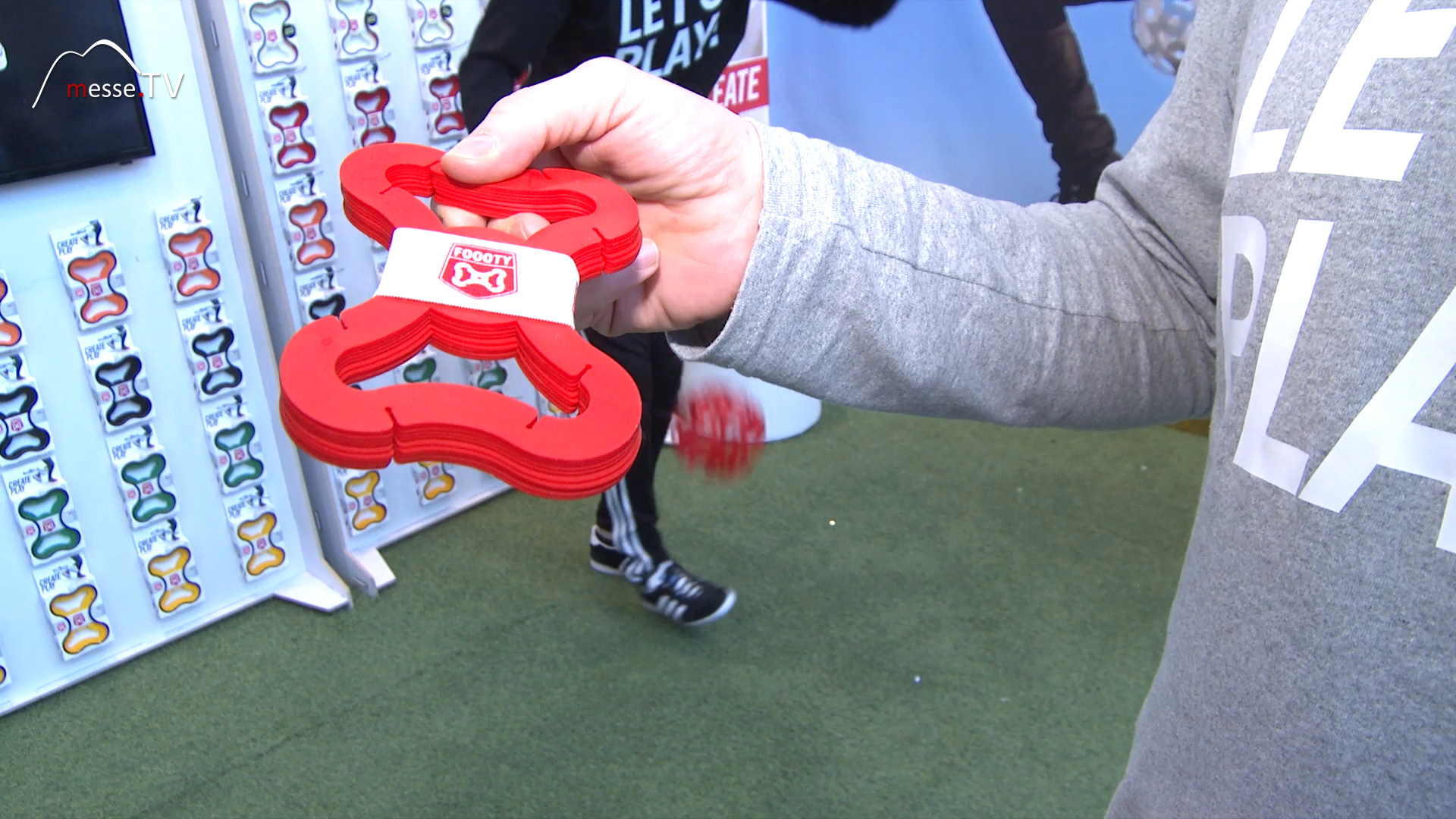

Foooty as a modular game system
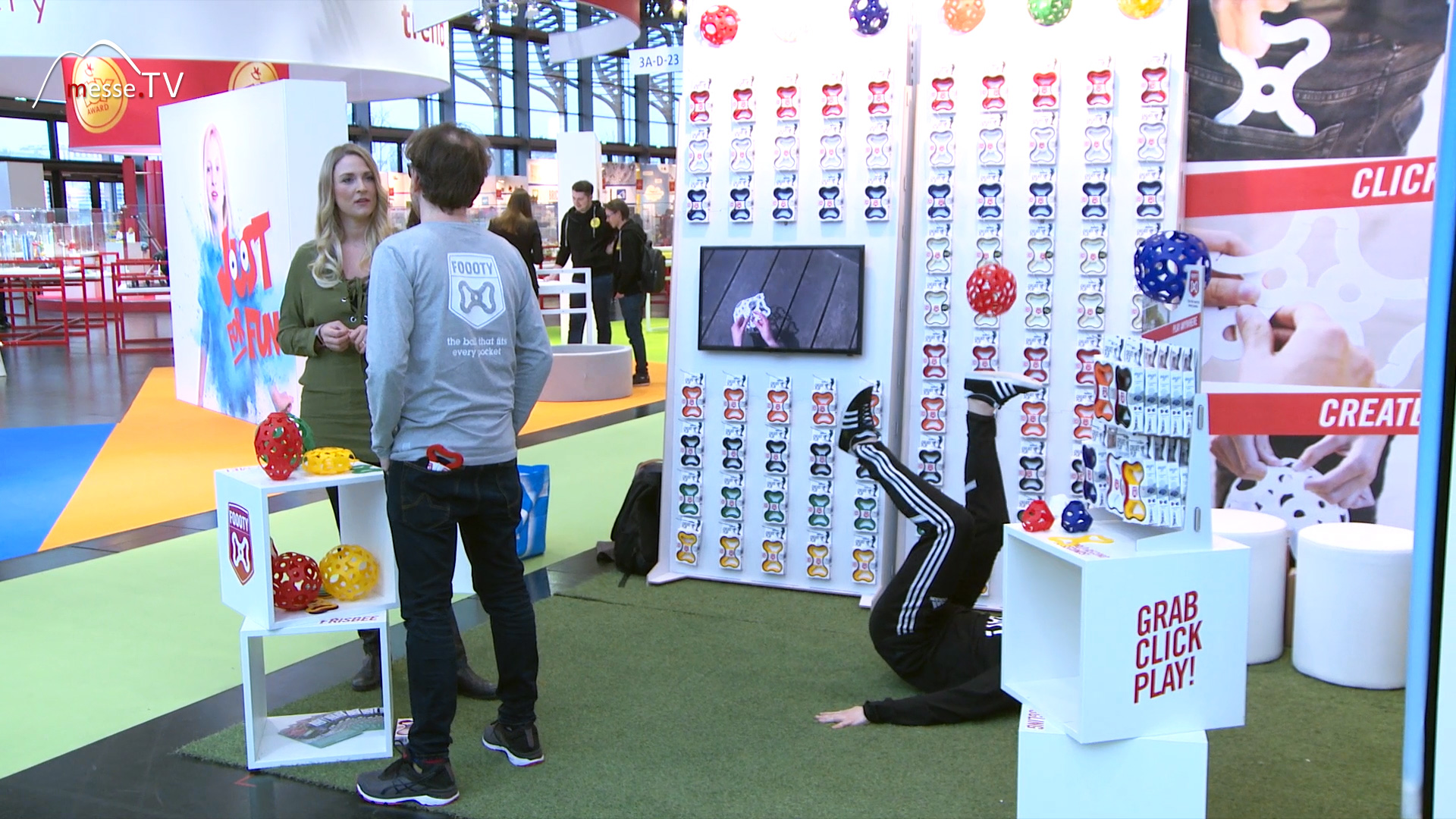
Behind this approach is Foooty, a game system that deliberately focuses on versatility. The idea did not arise from a gap in the market, but from an everyday problem. A child wants to play football all the time, indoors and outdoors, at home or on holiday. But balls are bulky, get lost or left behind. The solution was a toy that can be folded up small and taken anywhere. Foooty consists of ten identical parts that can be stored compactly. When folded up, they fit easily into a rucksack or suitcase. They are only assembled at their destination, where they are transformed into a play device. This not only saves space, but also expands the game itself. Children are actively involved in the creation process and experience how individual parts are turned into something that works.
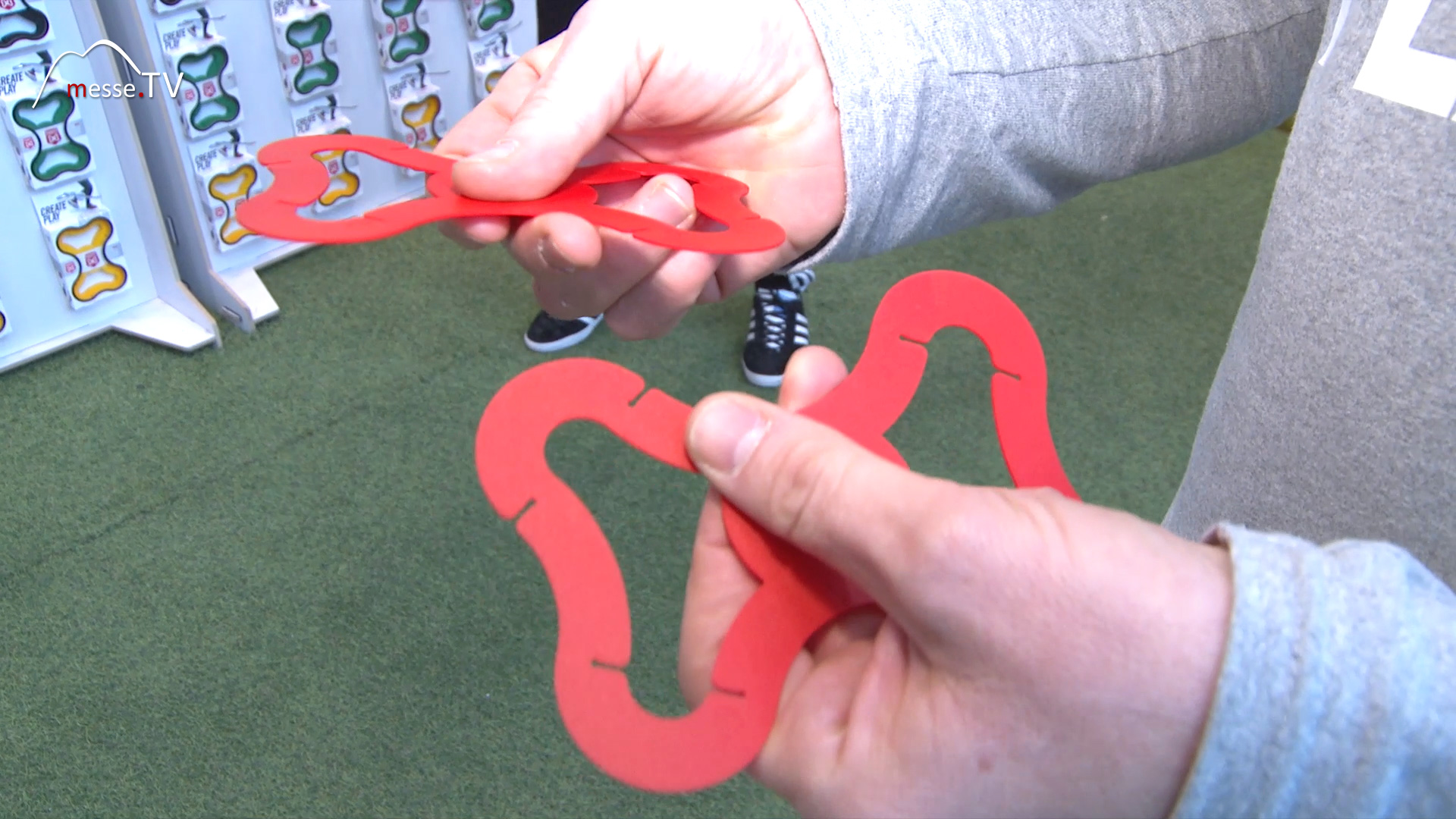
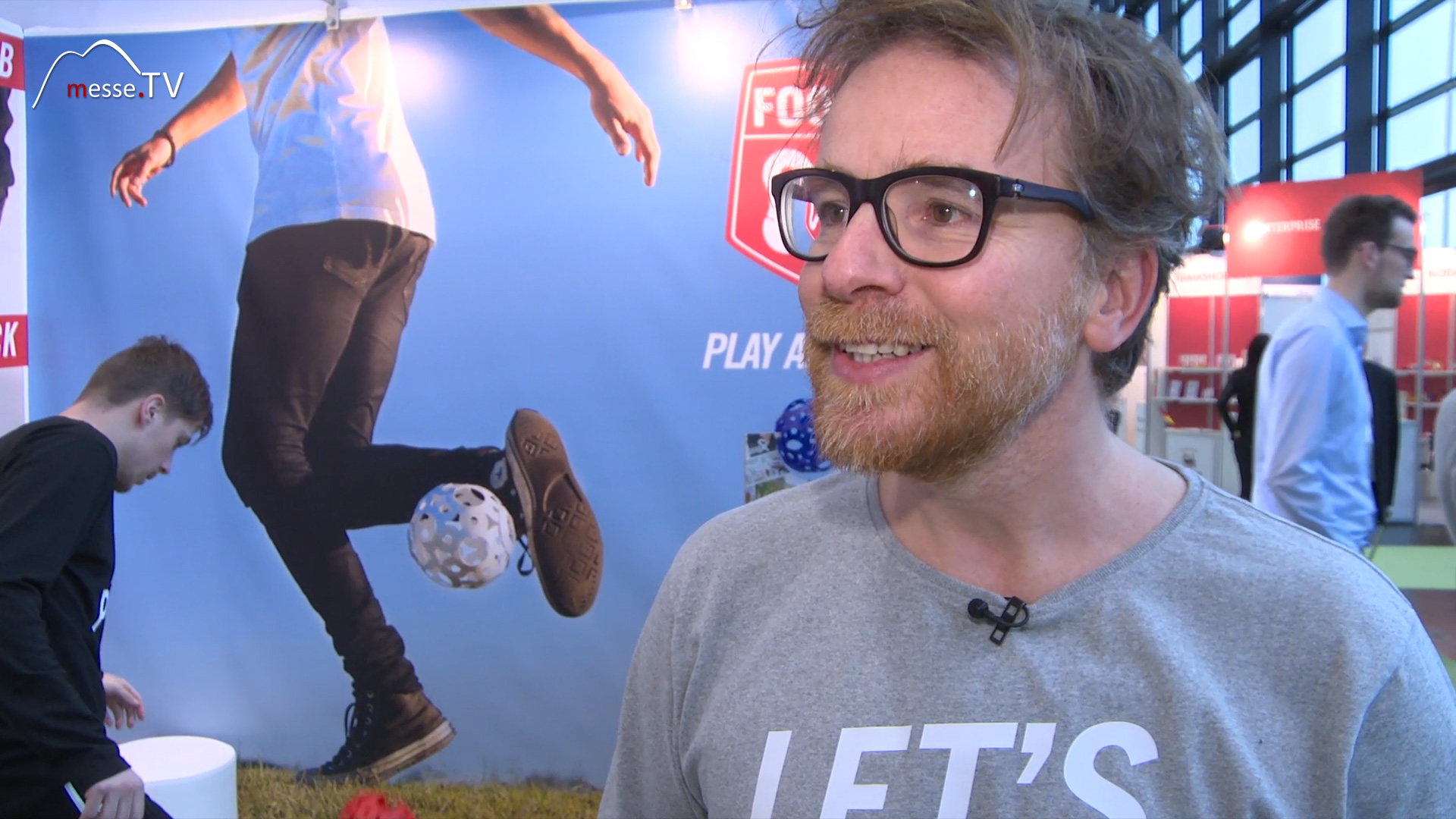
Playing indoors and outdoors
Another aspect is its suitability for everyday use. The individual elements have many small openings. This allows air to enter the interior, which has several advantages. When playing indoors, the shapes are lighter and softer. Furniture and furnishings are protected, even if the ball hits a wall. At the same time, the structure ensures that the shapes remain stable and do not deform during play. A similar effect can be seen outdoors. The balls are robust enough for movement, but not hard or heavy. This makes them suitable for different age groups and play environments. Play becomes more spontaneous because no special requirements are necessary.

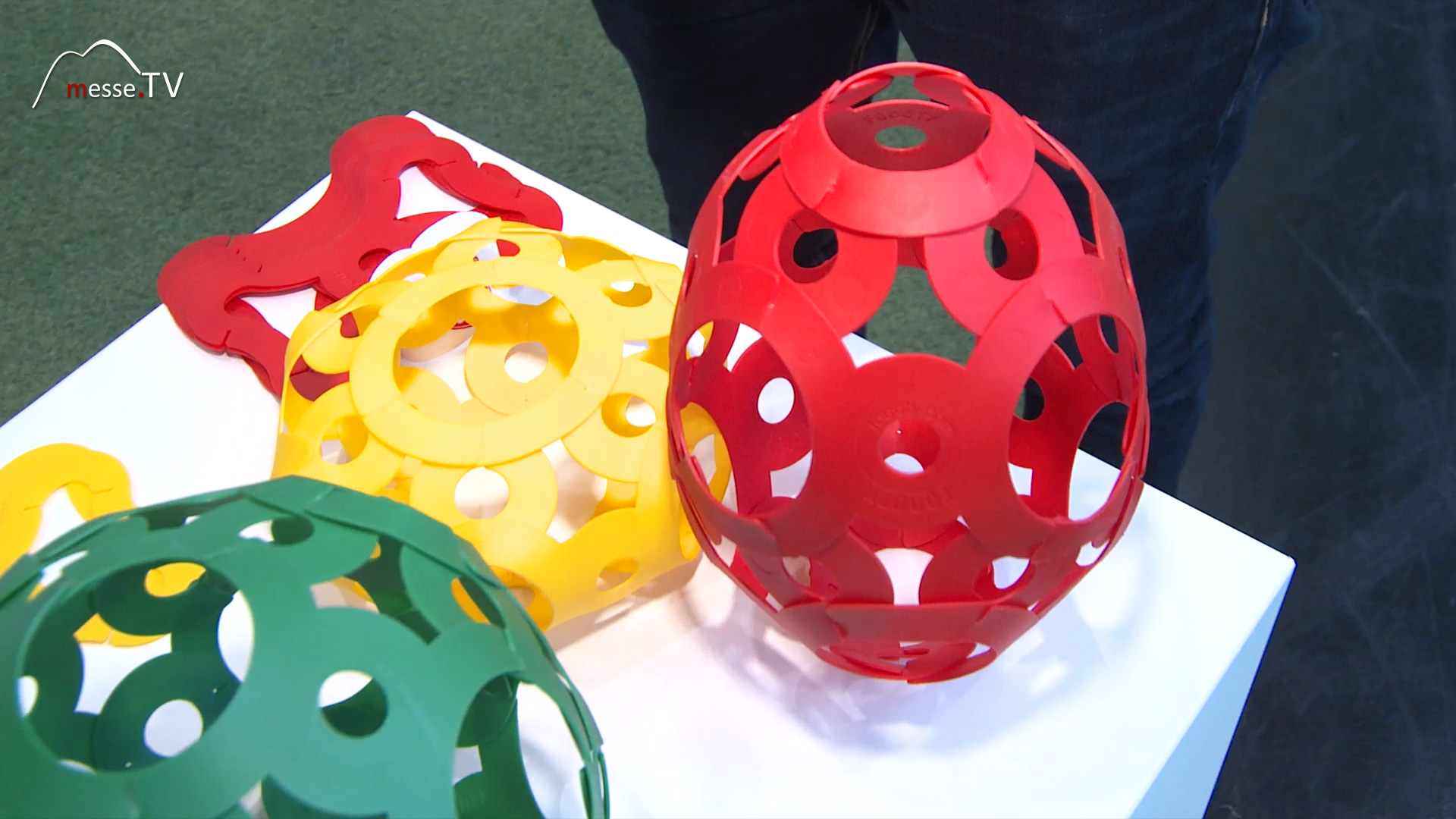
Construction as part of the play experience
A central feature of this concept is that building is not a preliminary mandatory step, but part of the game. Children engage with the elements, try out combinations and develop a feel for shape and stability. In the process, they learn how flat parts can be turned into a three-dimensional object. This type of play not only promotes motor skills, but also spatial thinking. Putting the parts together requires attention and imagination. At the same time, it remains easy to get started. There are no complicated instructions, just a system that can be understood through trial and error.
- Uniform, elastic base elements
- Different sports forms based on the same foundation
- Compact, foldable and easy to transport
- Suitable for indoor and outdoor play
Price and value
The price is also part of the overall concept. With a retail price of £12.95, the product is deliberately positioned in the classic play ball segment. The difference, however, lies in the added value. Children are not just consumers of a finished toy, but are actively involved in its creation. Parents get a toy that is versatile and does not lose its appeal after a short time. Foooty thus becomes an example of play ideas that combine simplicity and function. The reduction to a few parts is not a shortcoming, but a prerequisite for flexibility. Precisely because everything is based on one element, the system remains open to new forms and ways of playing.
Movement play reimagined
The concept shows that movement play does not necessarily depend on a fixed object. Instead, dynamism arises from changeability. A ball is no longer just a ball, but the result of a process. Children switch between building and playing, between thinking and moving. These changes are what make it appealing and extend its useful life. Foooty is thus an example of a toy idea that combines everyday experience, creativity and physical activity. Without technical overload, without digital enhancement, but with a clear understanding of how children want to play. This is precisely where the strength of this approach lies, showing that innovation in the toy sector often arises when everyday problems are taken seriously and thought through to their logical conclusion.


Trade fair reporting Germany - Trade fair knowledge, dates & events


