Spielzeug zwischen Objekt, Experiment und freiem Spiel
Es regnet draußen, doch auf dem Messestand entsteht sofort Bewegung. Vor dem Tisch liegen keine klassischen Spielfiguren, keine klaren Rollenbilder, keine erklärenden Schilder. Stattdessen einfache Formen, ungewöhnliche Farben und Materialien, die sich nicht sofort einordnen lassen.
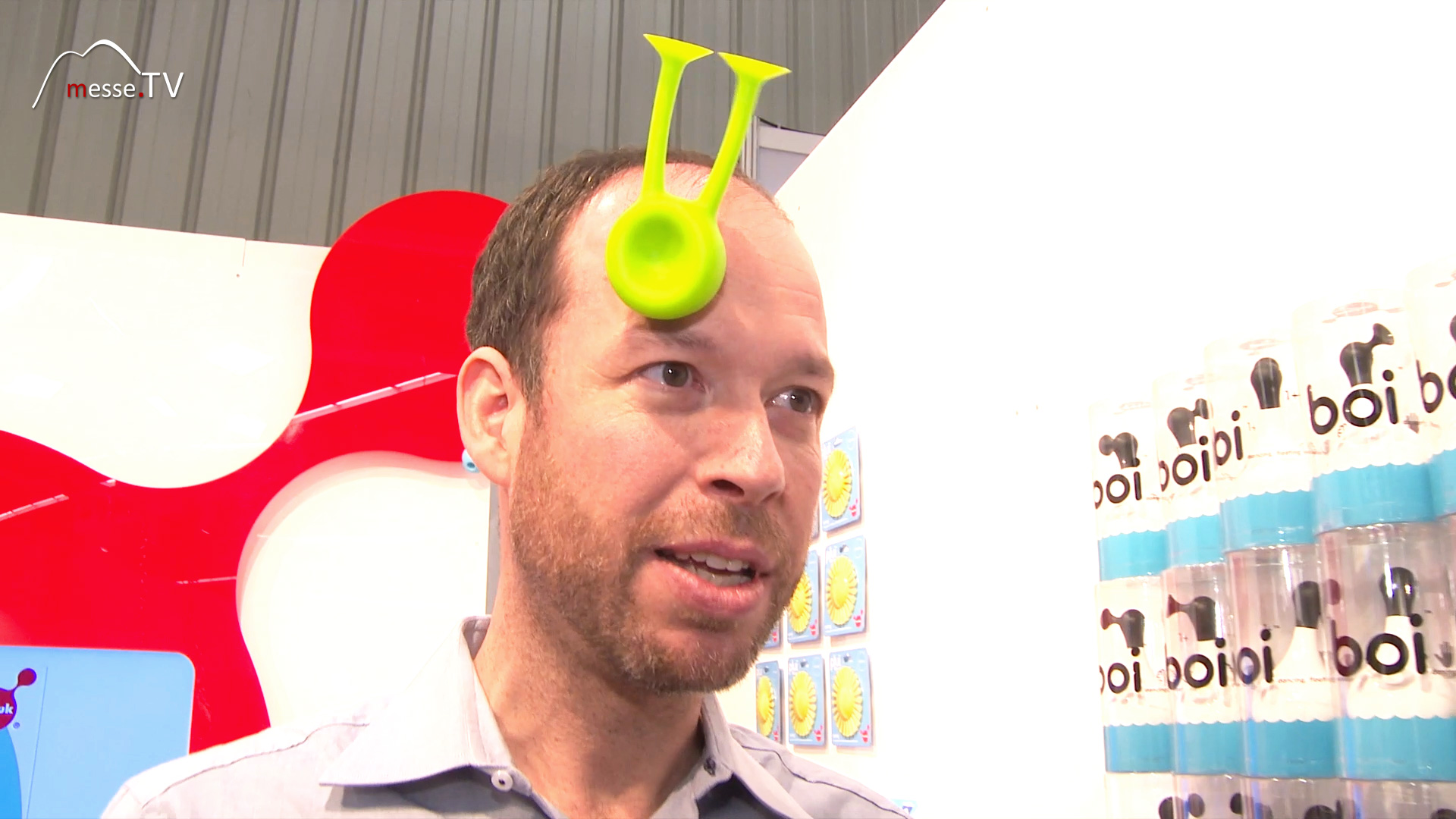
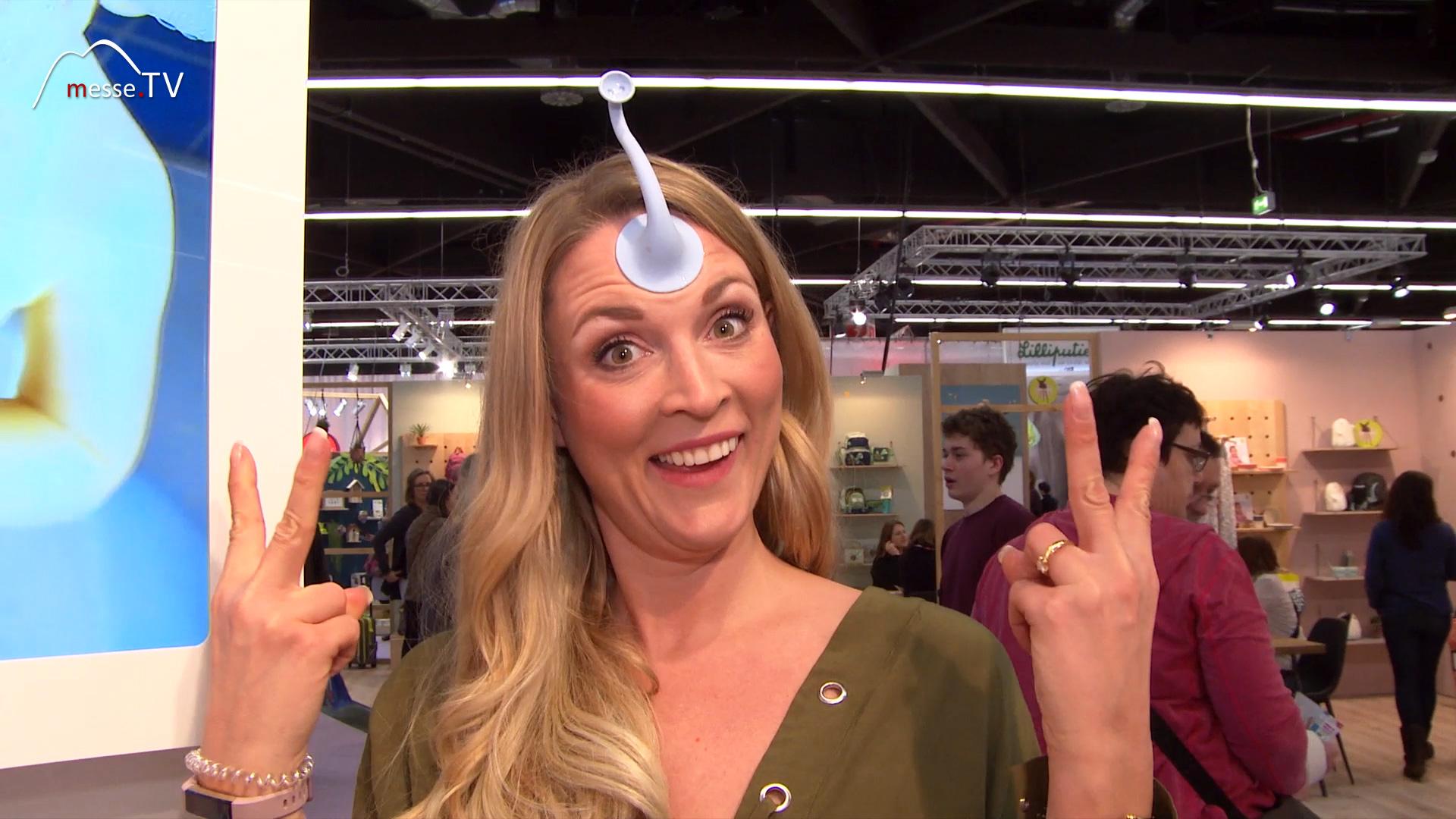
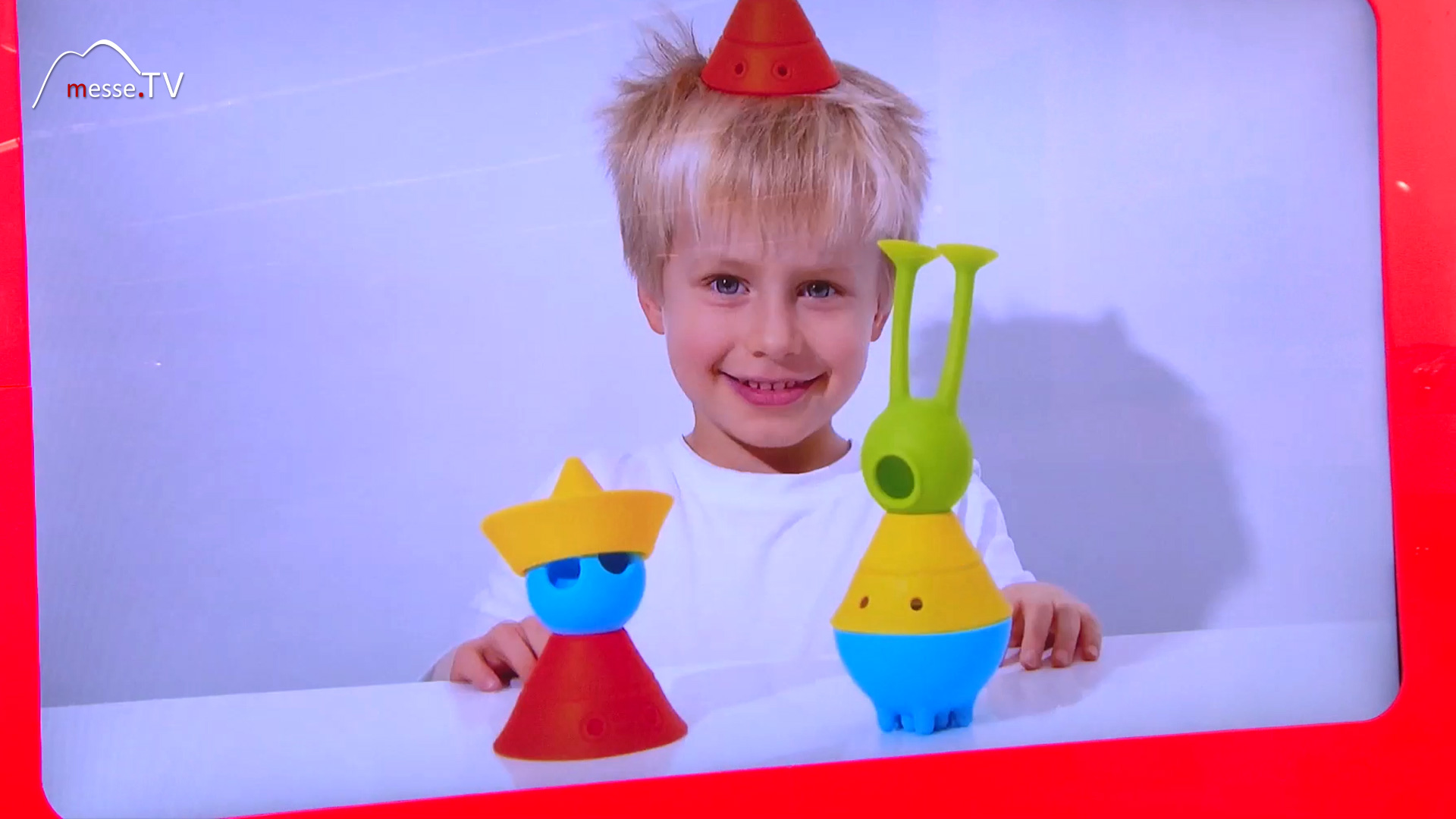
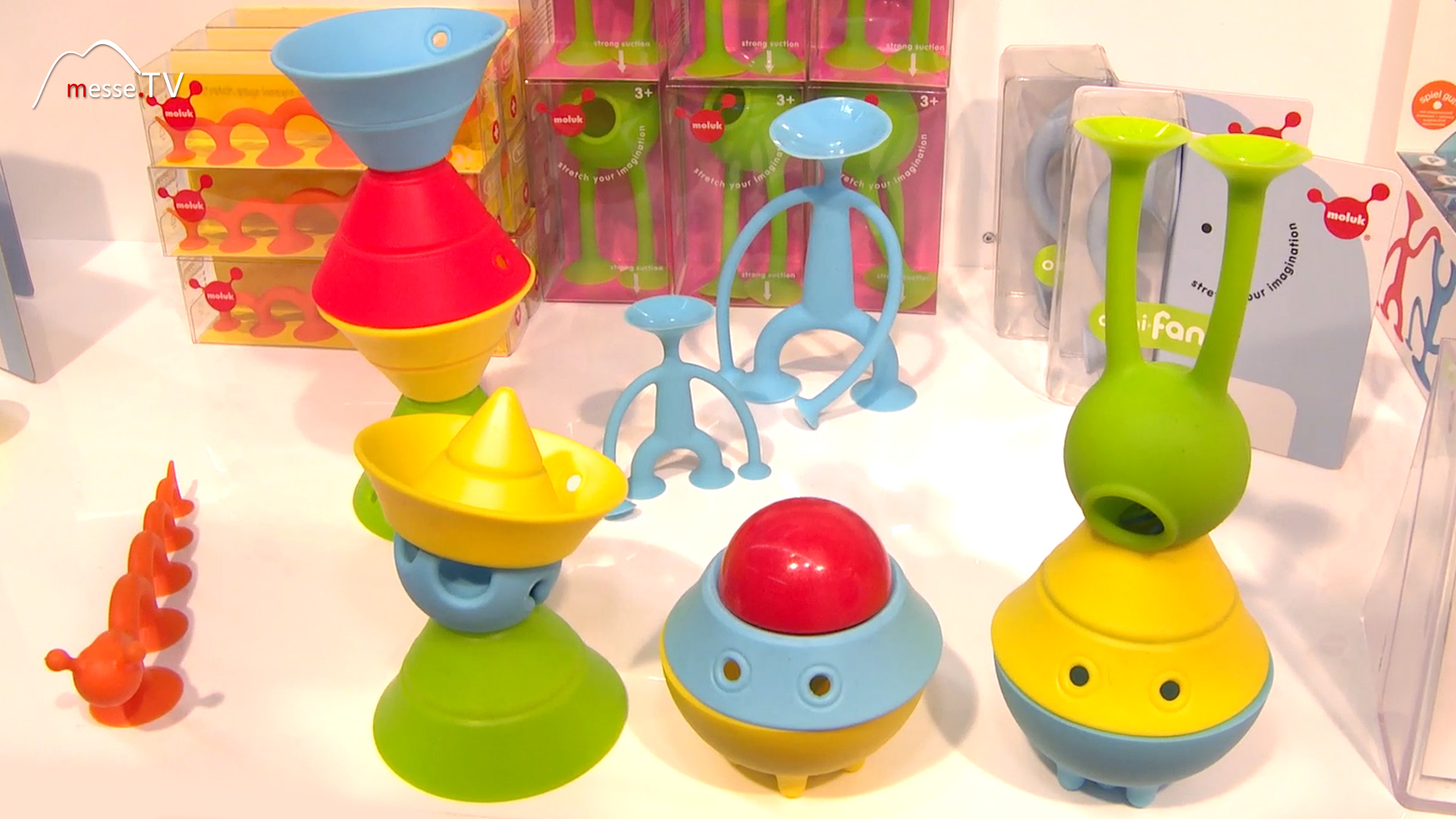
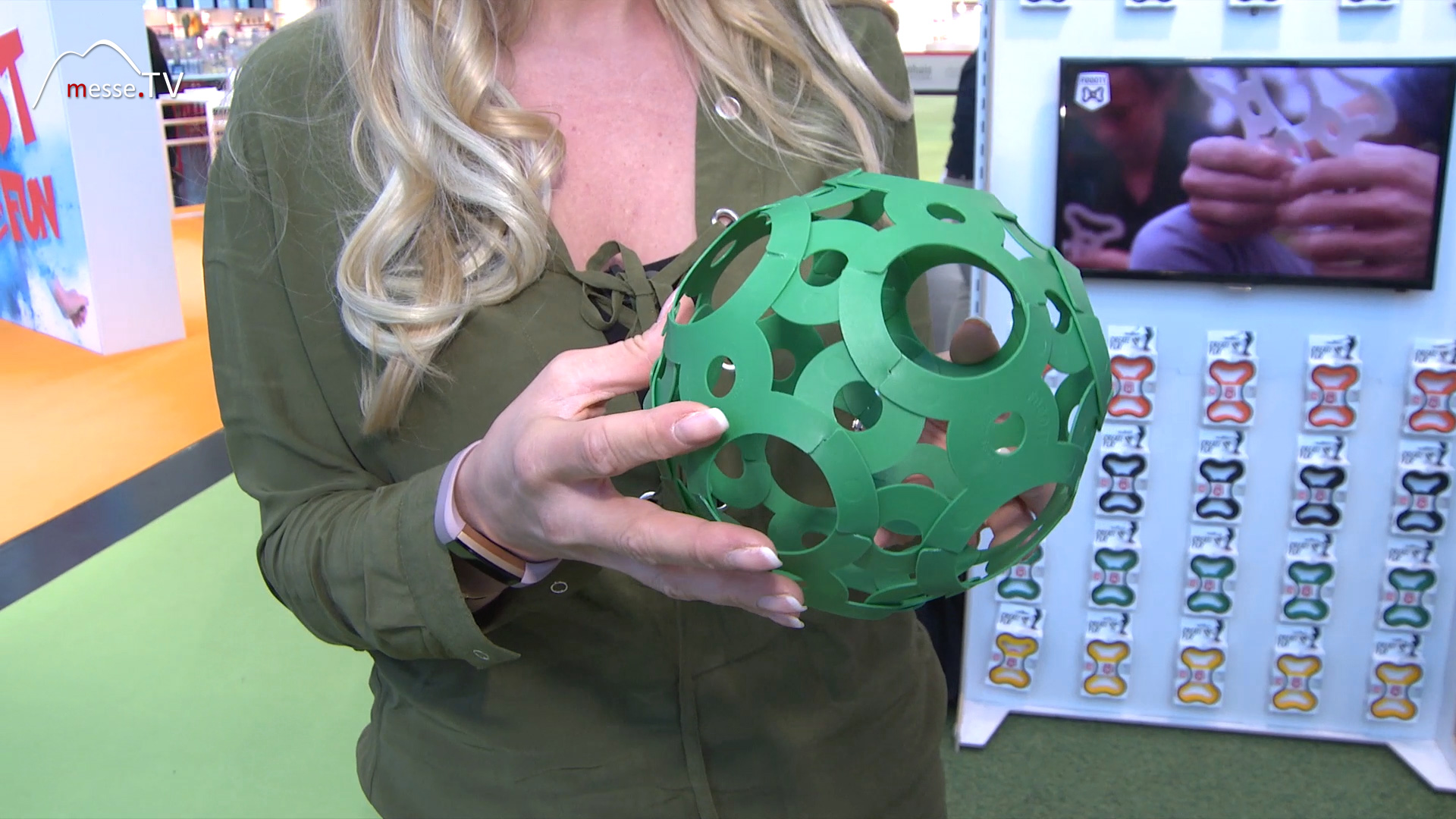
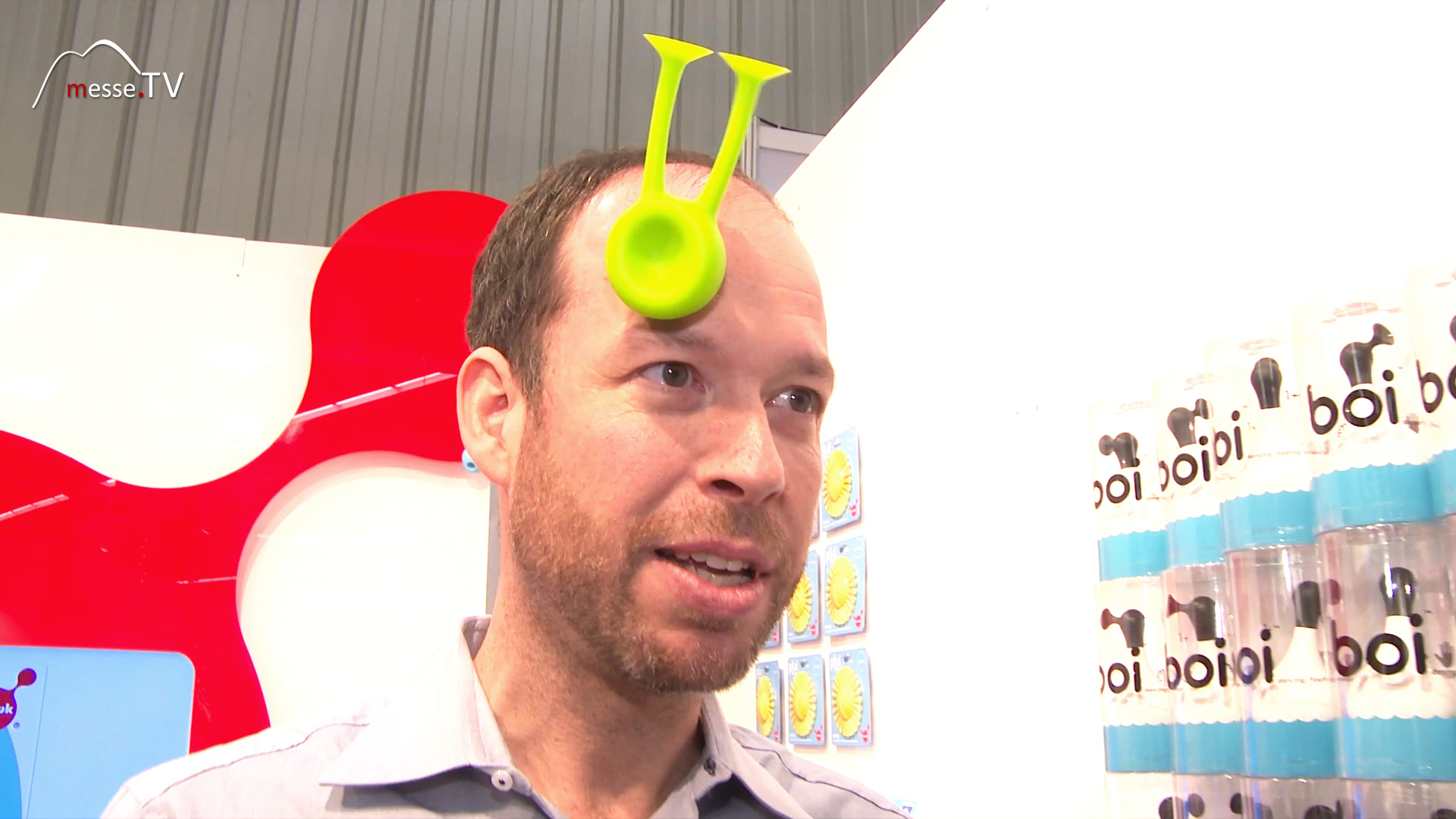
Genau darin liegt der Reiz dieser Produkte: Sie fordern Kinder nicht mit Regeln heraus, sondern mit Offenheit. Was auf den ersten Blick rätselhaft wirkt, entfaltet im Spiel seine Wirkung – durch Anfassen, Ausprobieren und Kombinieren. Im Zentrum steht die Idee, Spielzeug nicht als fertige Geschichte zu begreifen, sondern als Einladung zum eigenen Denken. Kinder sollen nicht konsumieren, sondern entdecken, wie etwas funktioniert. Saugnäpfe, flexible Oberflächen, haptische Elemente und modulare Formen regen dazu an, Verbindungen herzustellen, Bedeutungen zu verändern und neue Funktionen zu erfinden. Ein grünes Objekt mit Saugnäpfen wird zum Alien, zur Antenne, zum Baustein oder einfach zum Geräuscherzeuger. Das Spiel entsteht im Moment.
Spielobjekte ohne festgelegte Funktion
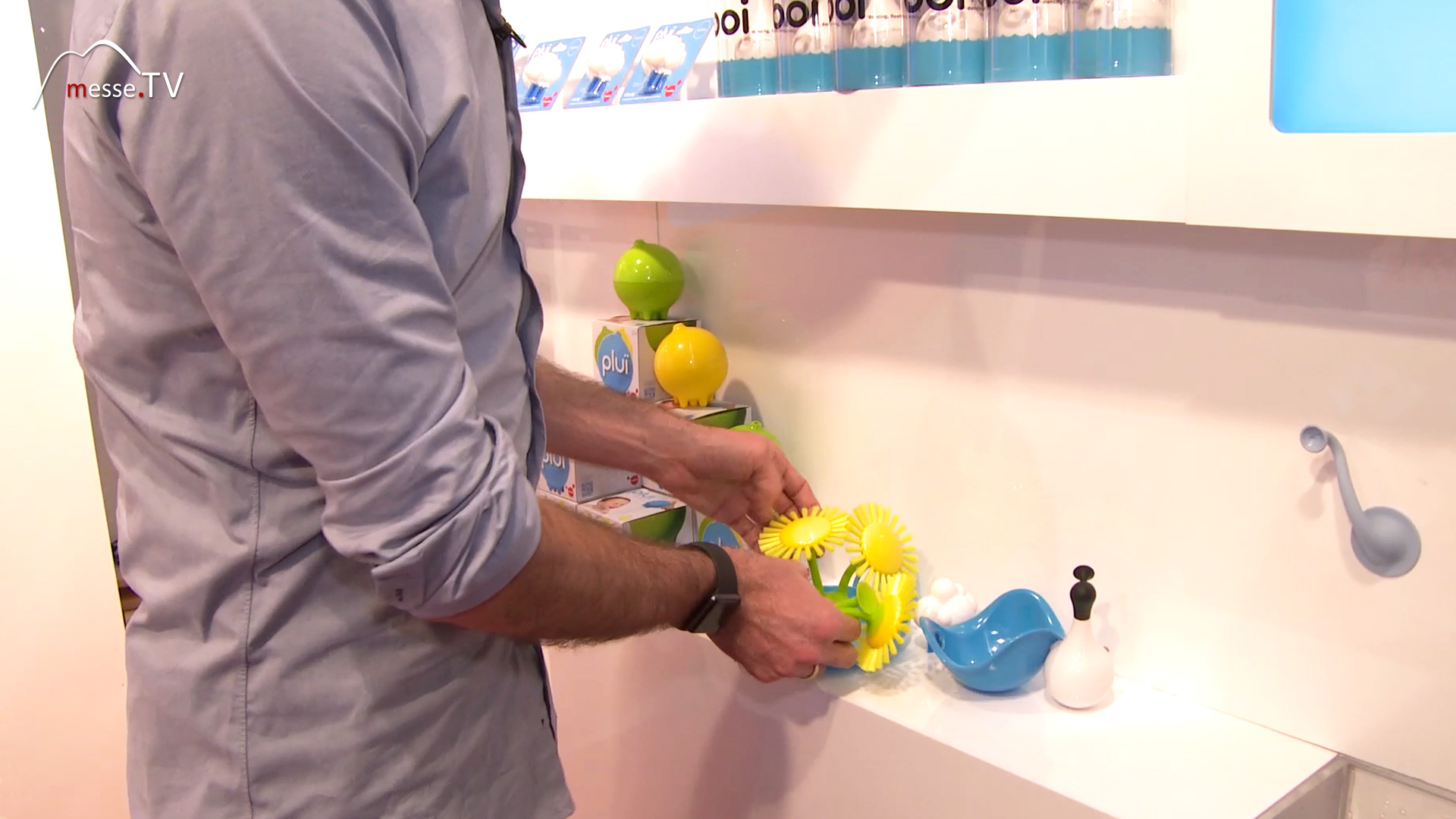
Viele Produkte der klassischen Spielwarenbranche sind klar definiert: Altersempfehlung, Geschlechterzuordnung, Spielziel. Hier wird bewusst ein anderer Weg gewählt. Die Objekte sind einfach gehalten, aber vielseitig einsetzbar. Ein Element kann Kreisel sein, Griff, Figur oder Verbindungsteil. In Kombination mit anderen Formen entstehen neue Bilder – aus Sonne und Alien wird eine Blume, aus Wolke und Bürste ein Fahrzeug oder Fantasiewesen. Diese Offenheit fördert nicht nur Kreativität, sondern auch Ausdauer. Kinder kehren zu den gleichen Objekten zurück, weil sie jedes Mal etwas anderes darin sehen. Das Spiel wächst mit dem Alter. Was im Vorschulalter haptisches Erkunden ist, wird später zu konstruktivem Experimentieren oder gestalterischem Ausdruck.
Moluk und das Prinzip des offenen Spielraums
Hinter diesem Ansatz steht Moluk, ein Hersteller, der sich bewusst gegen laute Effekte und vorgegebene Spielmechaniken positioniert. Der Fokus liegt auf Reduktion und Materialqualität. Die Produkte wirken fast abstrakt und eröffnen gerade dadurch einen großen Spielraum. Moluk verfolgt das Ziel, Spielzeug zu entwickeln, das nicht erklärt werden muss, sondern Fragen stellt. Dabei geht es nicht um Innovation im technischen Sinn, sondern um eine andere Haltung zum Spielen. Kinder sollen selbst herausfinden, was ein Objekt sein kann. Diese Philosophie zeigt sich auch darin, dass viele Elemente miteinander kompatibel sind und sich kombinieren lassen. Das Spiel ist nicht linear, sondern organisch.
Spielzeug für unterschiedliche Altersstufen
Der ursprüngliche Fokus liegt im Vorschulalter, doch die Praxis zeigt ein breiteres Bild. Viele ältere Kinder behalten die Objekte über Jahre hinweg. Sie stehen im Regal, auf dem Schreibtisch oder werden Teil neuer Spielideen. Auch Erwachsene greifen zu – als haptisches Objekt, als Denkspiel oder schlicht als Gegenstand, der Spaß macht.
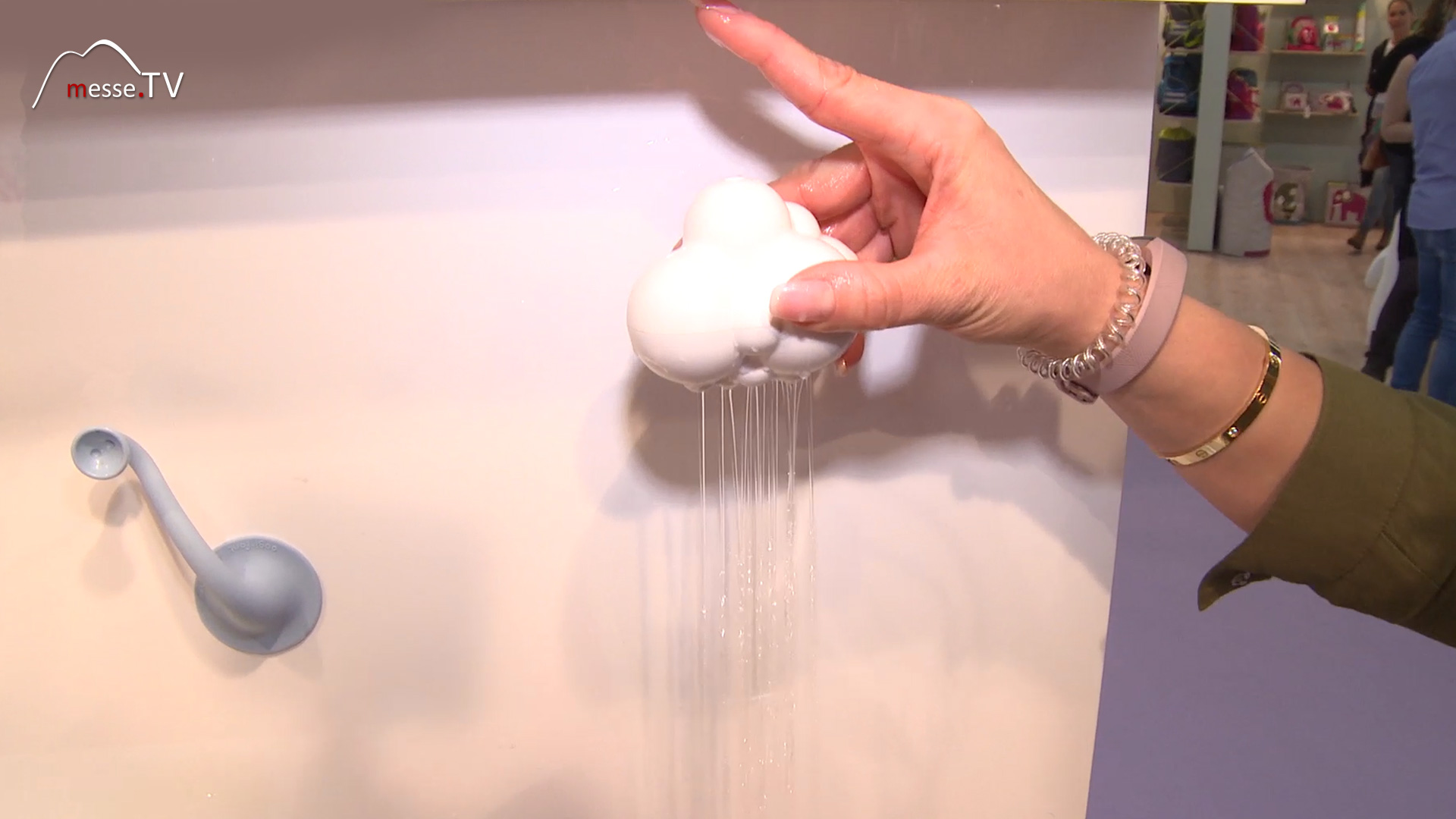
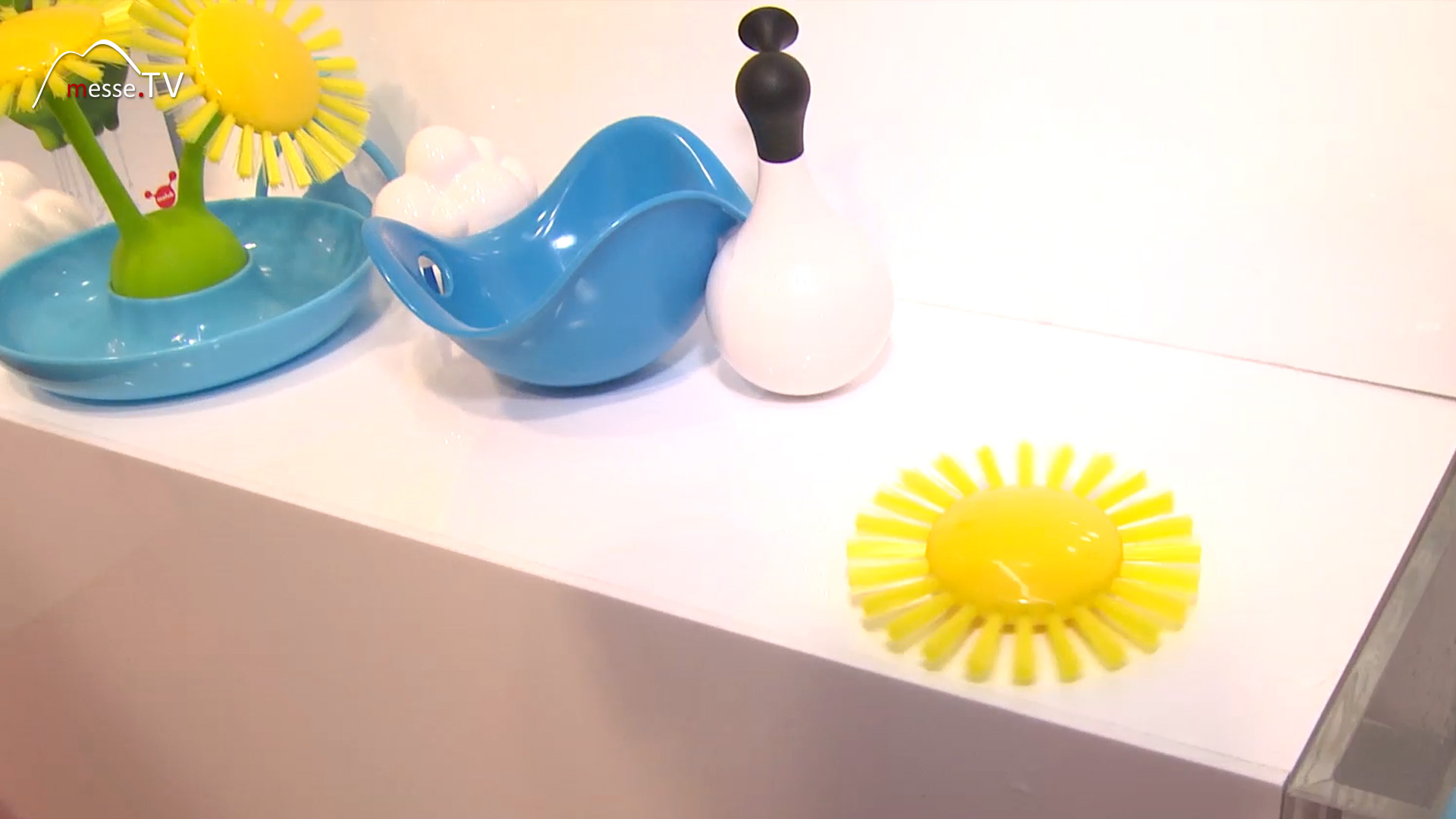
Das zeigt sich besonders bei Produkten, die sowohl im Wasser als auch an Land funktionieren. Ein Stehaufmännchen, das an einen Pinguin erinnert, wird zum Badebegleiter, Kreisel oder Dekorationsobjekt. Ein reduzierter Elefant, der nur aus einem Rüssel besteht, verwandelt Alltagsgegenstände und schafft humorvolle Momente. Typische Eigenschaften dieser Spielobjekte sind:
- offene Spielmöglichkeiten ohne feste Regeln
- kombinierbare Elemente mit haptischem Fokus
- Nutzung im Alltag, im Kinderzimmer oder im Bad
- lange Verweildauer über verschiedene Altersstufen hinweg

Spiel als Prozess statt Produkt
Was diese Spielideen verbindet, ist der Gedanke, dass Spiel kein Ziel braucht. Kinder geben den Objekten Sinn, nicht umgekehrt. Dadurch altern die Produkte nicht im klassischen Sinn. Sie werden nicht ersetzt, sondern neu interpretiert. Ein Spielzeug, das Raum lässt, bleibt relevant. In einer Branche, die oft auf schnelle Reize setzt, wirkt dieser Ansatz beinahe leise. Doch genau darin liegt seine Stärke. Die Objekte fordern Aufmerksamkeit, ohne sie zu erzwingen. Sie laden ein, ohne zu lenken. Das Spiel entsteht aus Neugier, nicht aus Anleitung. Moluk zeigt damit, dass Reduktion kein Verzicht ist, sondern eine bewusste Entscheidung. Für weniger Vorgaben, mehr Freiheit und ein Spiel, das mit den Kindern wächst.
Messe-Berichterstattung bundesweit - Messewissen, Termine & Veranstaltungen


