Analoges Bauen und digitale Bildung im Spiel zwischen Technik und Alltag
Spielen hat sich in den vergangenen Jahren grundlegend verändert. Kinder wachsen heute in einer Welt auf, in der digitale Anwendungen ebenso selbstverständlich sind wie klassische Bauklötze.
Die Spielzeugindustrie steht damit vor einer zentralen Frage: Wie lassen sich analoge und digitale Erfahrungsräume sinnvoll miteinander verbinden, ohne eines von beidem zu verdrängen. Genau an diesem Punkt setzt die aktuelle Entwicklung im Konstruktionsspiel an, bei der nicht das Entweder-oder zählt, sondern das Zusammenspiel beider Welten. Kinder unterscheiden im Alltag kaum noch zwischen digitalen und analogen Elementen. Beides gehört für sie zusammen, fließt ineinander und wird intuitiv genutzt. Spielzeug, das diesen Ansatz aufgreift, kann abstrakte Themen greifbar machen und zugleich den Spaß am Konstruieren erhalten. Dabei geht es nicht um reine Bildschirmnutzung, sondern um das Verstehen realer Zusammenhänge durch eigenes Tun.
Digitale und analoge Welt im Spiel vereint
Im Zentrum moderner Konstruktionssysteme steht der Anspruch, Technik begreifbar zu machen. Digitale Komponenten werden nicht als Selbstzweck integriert, sondern als Erweiterung klassischer Spielprinzipien. Bauen, Konstruieren und Ausprobieren bleiben die Grundlage. Ergänzt werden sie durch digitale Steuerungen, Sensoren oder Apps, die Prozesse sichtbar machen. Diese Verbindung spiegelt die reale Welt wider. Auch dort sind digitale Systeme längst Teil physischer Abläufe, etwa im Smart Home oder in der Industrie. Kinder lernen so früh, dass Technik nicht losgelöst existiert, sondern immer in einen konkreten Kontext eingebettet ist. Genau diese Erfahrung soll das Spiel vermitteln.
Fischertechnik und der Ansatz der Sensorstation
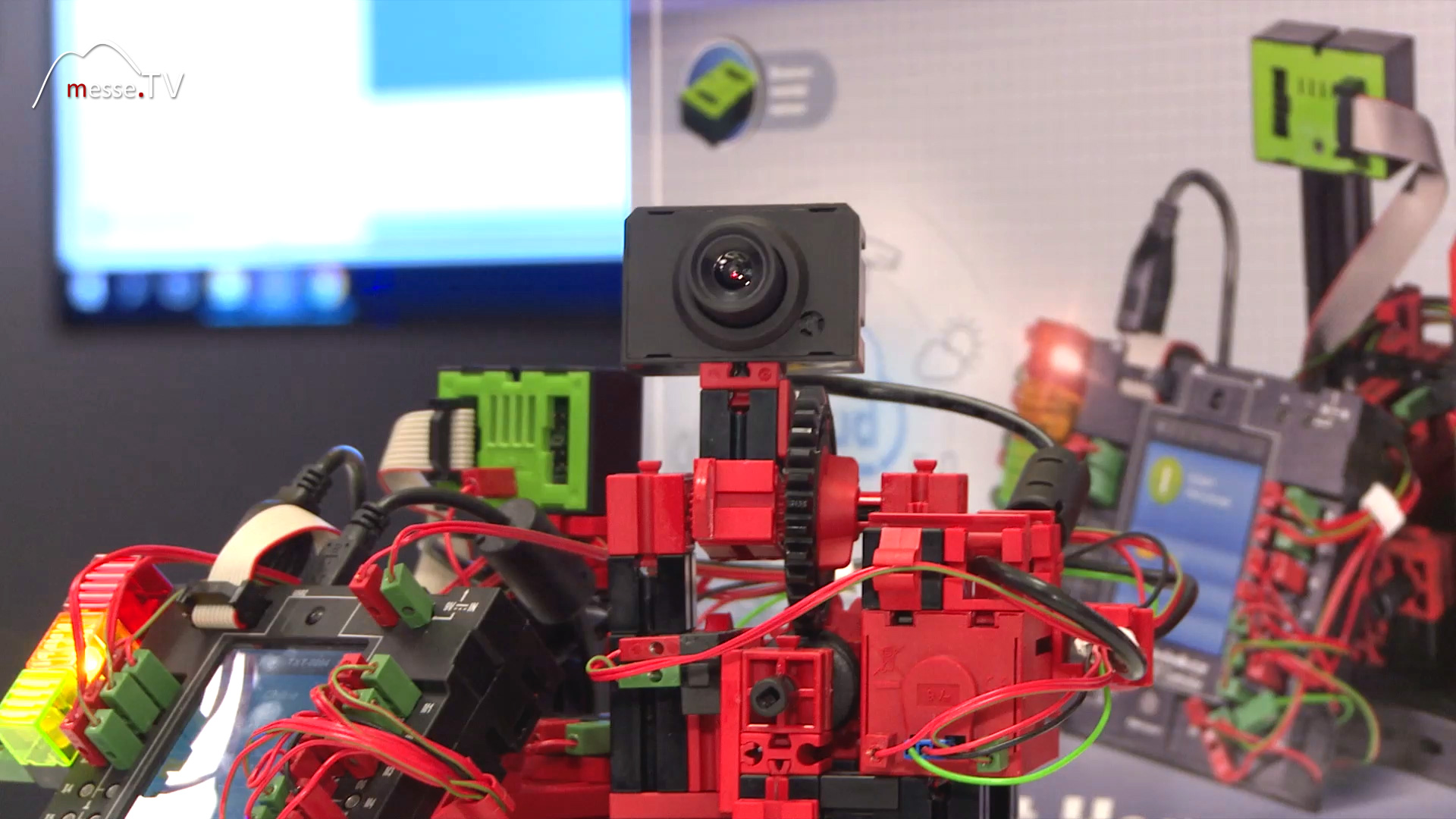
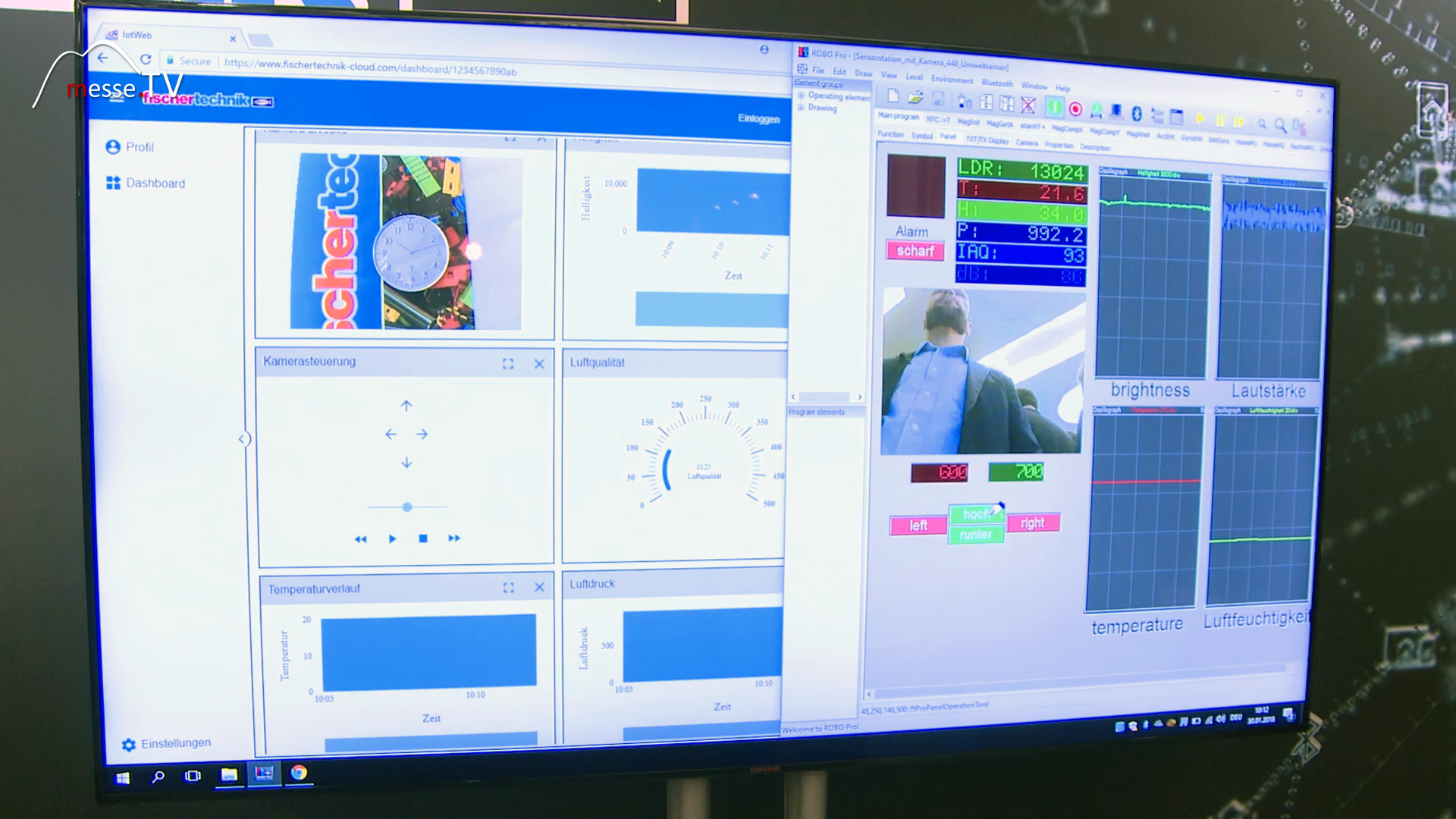
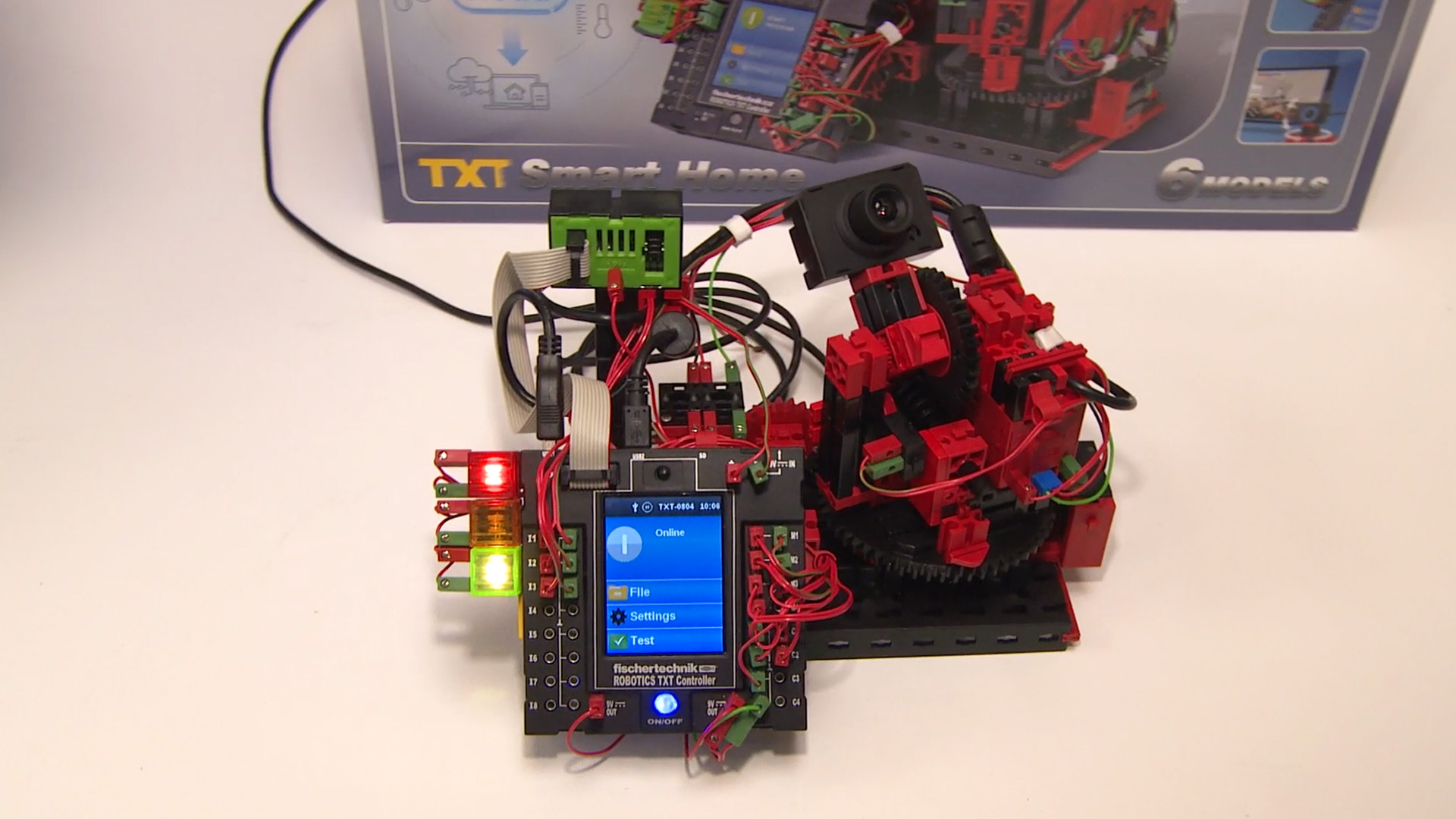
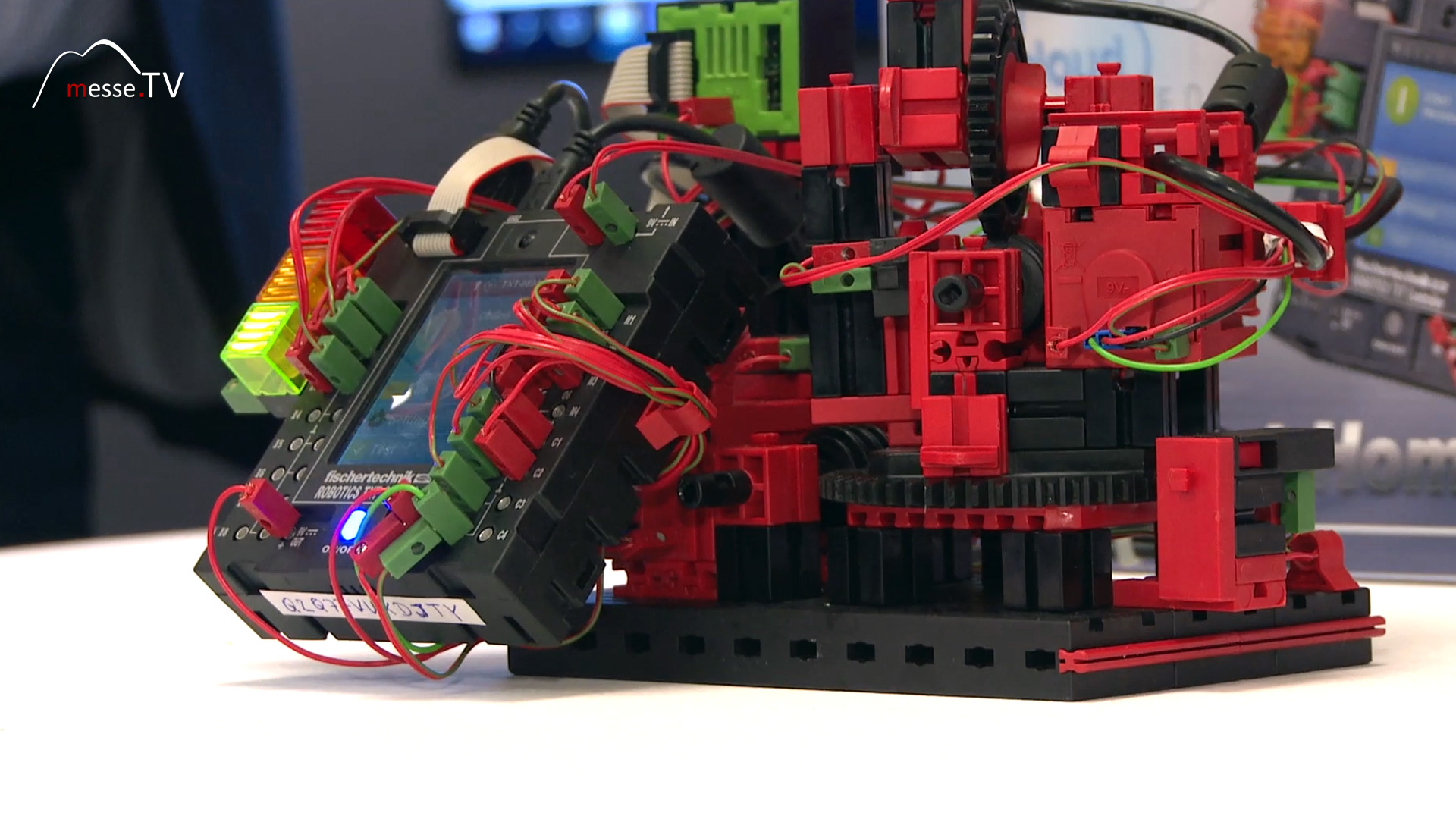
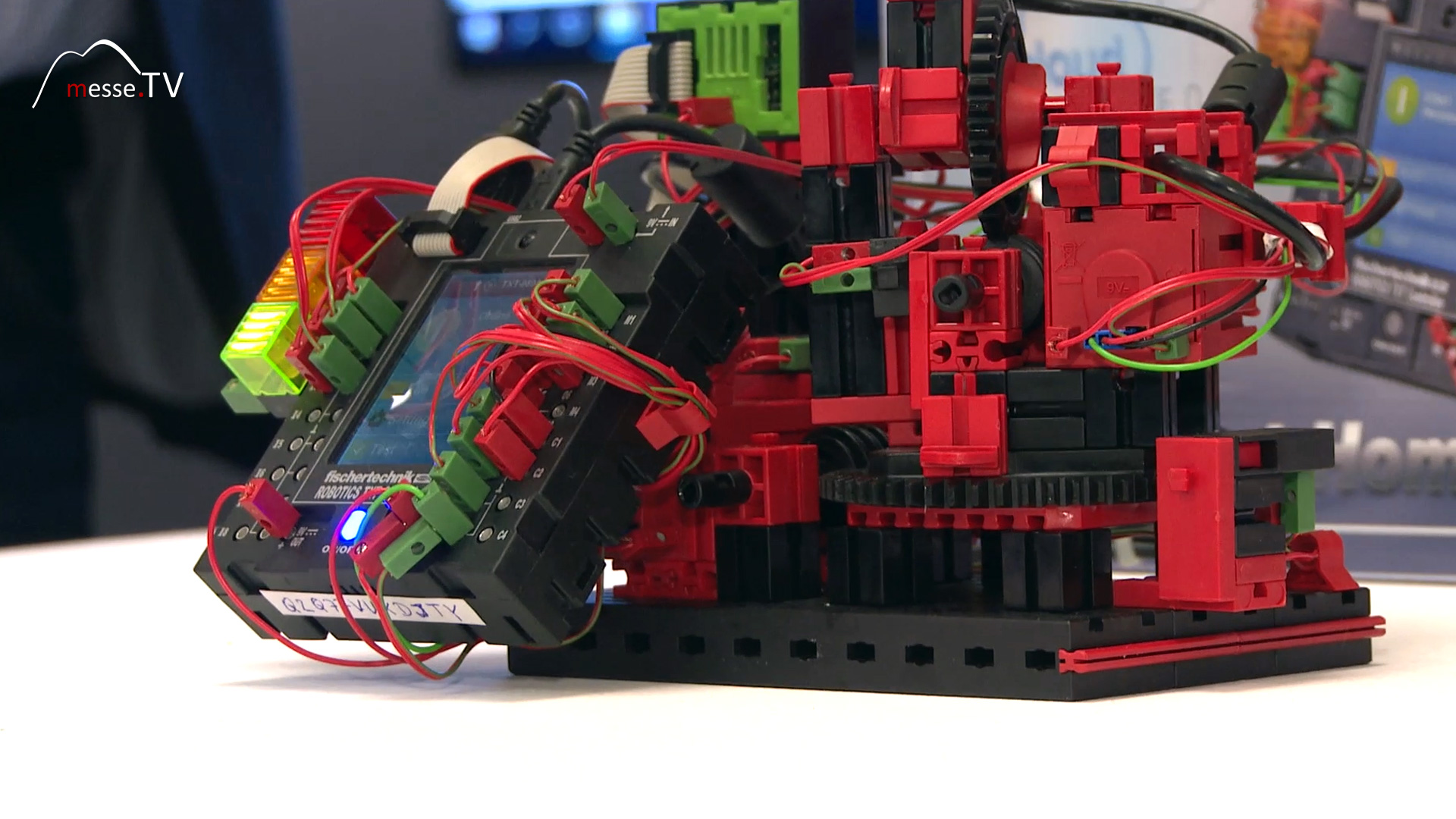
Ein konkretes Beispiel für diesen Ansatz ist die Sensorstation von Fischertechnik. Das Unternehmen verfolgt das Ziel, komplexe technologische Themen wie das Internet der Dinge verständlich aufzubereiten. Dabei geht es ausdrücklich nicht um Überwachung oder Kontrolle, sondern um das Erfassen, Auswerten und Interpretieren von Messwerten. Die Sensorstation ermöglicht es, verschiedene Daten zu erfassen und sichtbar zu machen. Dazu gehören etwa Luftqualität, Luftfeuchtigkeit oder Kamerabilder. Kinder lernen, wie Sensoren arbeiten, wie Daten entstehen und wie diese Informationen genutzt werden können. Entscheidend ist dabei, dass sie selbst experimentieren und Zusammenhänge erkennen.
Lernen durch Experimente mit der Sensorstation
Der spielerische Zugang steht im Vordergrund. Kinder können eigene Experimente durchführen und beobachten, wie sich bestimmte Werte verändern. Die Einbindung in eine Cloud erlaubt es, Daten auch aus der Ferne abzurufen. Über eine App lassen sich Messreihen darstellen und Entwicklungen nachvollziehen. Ein typisches Anwendungsszenario ist etwa ein Schulprojekt zum Pflanzenwachstum. Die Kamera der Station wird auf eine Pflanze gerichtet, mehrmals täglich wird automatisch ein Bild aufgenommen und gespeichert. So entsteht eine visuelle Dokumentation, ergänzt durch Messwerte wie Luftfeuchtigkeit oder Temperatur. Kinder sehen nicht nur das Ergebnis, sondern auch den Prozess dahinter.
- Erfassung von Umweltwerten wie Luftqualität und Feuchtigkeit
- Dokumentation von Veränderungen über Bildreihen
- Einbindung der Daten in eine Cloud zur Auswertung
- Nutzung für Schulprojekte und Experimente
Altersgerechter Einstieg in Technik und Robotik
Wichtig ist die Einordnung der Zielgruppe. Für sehr junge Kinder ist diese Art des Spielens noch nicht geeignet. Erst ab einem gewissen Alter, etwa ab zehn Jahren, entsteht das notwendige Verständnis für Themen wie Programmierung, Sensorik oder Robotik. Dann aber bietet das System einen niedrigschwelligen Einstieg in komplexe Inhalte. Gerade in Deutschland wird häufig darüber diskutiert, wie der digitale Nachwuchs besser gefördert werden kann. Spielerische Ansätze gelten dabei als besonders wirkungsvoll, weil sie Hemmschwellen abbauen. Technik wird nicht als abstrakt oder kompliziert wahrgenommen, sondern als etwas, das Spaß macht und zur eigenen Kreativität anregt.
Kreativität statt reiner Bildschirmnutzung
Ein zentraler Punkt in der Diskussion um digitale Spielzeuge ist die Sorge vor zu viel Bildschirmzeit. Der hier verfolgte Ansatz setzt bewusst anders an. Digitale Elemente unterstützen das Spiel, ersetzen es aber nicht. Das physische Bauen, Konstruieren und Gestalten bleibt erhalten. Kinder arbeiten mit realen Bausteinen, bauen Modelle und erweitern diese um digitale Funktionen. Diese Kombination fördert nicht nur technisches Verständnis, sondern auch Problemlösungsfähigkeit. Kinder überlegen, wie ein System aufgebaut sein muss, welche Sensoren sinnvoll sind und wie Daten interpretiert werden können. Das Spiel wird damit zu einem Lernprozess, der weit über reine Unterhaltung hinausgeht.
Warum analoges Spielen Bestand haben wird
Trotz aller Digitalisierung wird die reale Welt nicht verschwinden. Dinge anfassen, verstehen und selbst gestalten zu wollen, bleibt ein grundlegendes menschliches Bedürfnis. Klassisches Bauen und Konstruieren wird deshalb auch künftig eine wichtige Rolle spielen. Digitale Elemente erweitern diese Erfahrung, ohne sie zu ersetzen. Fischertechnik setzt genau auf diesen Gedanken. Analoge Spielprinzipien werden angereichert durch digitale Inhalte, die den Bezug zur Realität herstellen. So entsteht ein Spiel, das sowohl zeitgemäß als auch nachhaltig ist und Kinder dazu ermutigt, Technik nicht nur zu konsumieren, sondern aktiv zu begreifen und zu gestalten.
Ausblick auf das Spielen von morgen
Die Entwicklung zeigt, wohin die Reise geht. Spielzeug wird zunehmend zu einem Medium, das Bildung, Kreativität und Alltag miteinander verbindet. Analoge und digitale Komponenten wachsen zusammen und eröffnen neue Möglichkeiten des Lernens. Entscheidend bleibt dabei, dass das Spiel kindgerecht, verständlich und sinnstiftend bleibt. Nur dann kann es einen Beitrag dazu leisten, Neugier zu wecken und die Ingenieure von morgen spielerisch auf ihre Welt vorzubereiten.





Messe-Berichterstattung bundesweit - Messewissen, Termine & Veranstaltungen


