Why simple play ideas often develop the greatest appeal
It is not always the most complex concepts that remain in the memory the longest on the toy shelf. Sometimes all it takes is a simple idea, a clear mechanism and a harmonious interplay of movement, reaction and reward. It is precisely this combination that makes some games so incredibly appealing – even to adults who only wanted to try the product out briefly. The appeal lies less in a multitude of functions and more in the directness of the gaming experience.
The special charm of simple game mechanics
Simple games usually follow a clear logic: few rules, immediate feedback and an action that can be understood without lengthy explanations. This is precisely where their strength lies. Players don't have to think, they can act immediately. The fun of the game comes from repetition, small successes and the joy of optimising processes or simply observing them. Many successful toys of the past decades follow precisely this principle. They dispense with overloaded technology and instead rely on a core mechanism that works intuitively. When this creates a certain pull, people are quick to talk about the so-called addiction factor – not in a problematic sense, but as an expression of high motivation and enjoyment of the game.

The idea behind the digital chameleon
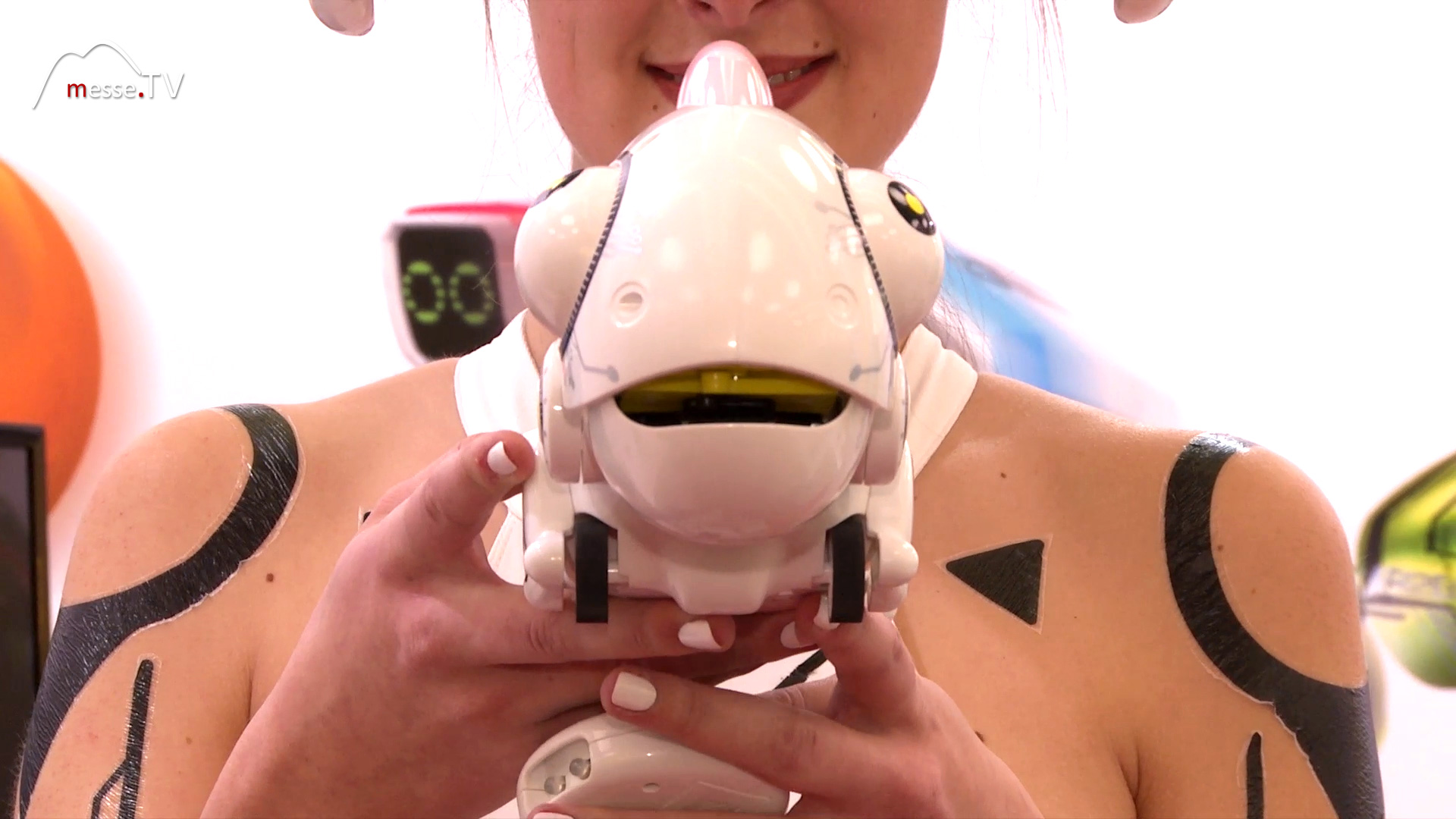
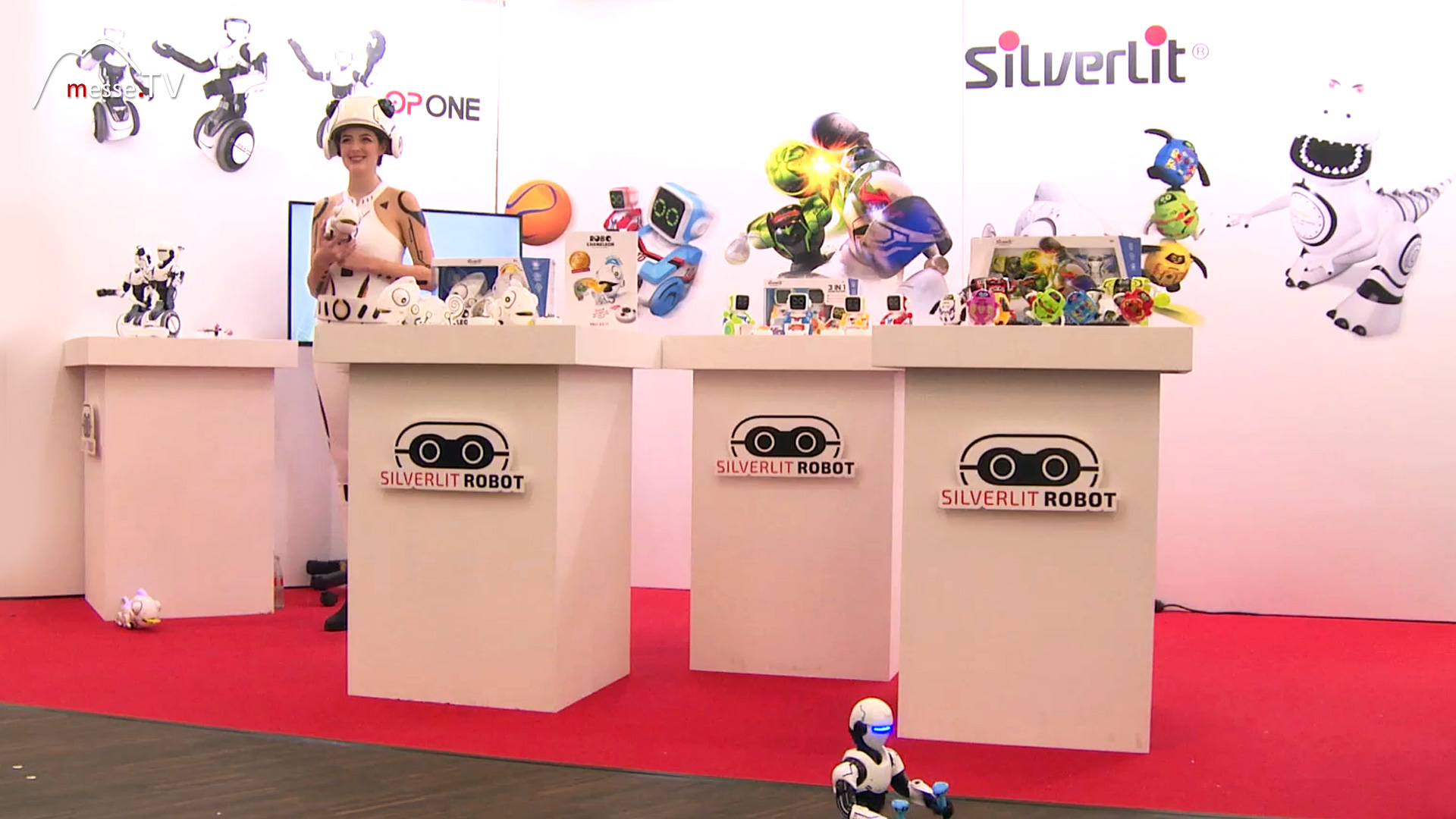
The toy presented here takes up precisely this idea and combines it with a motif that is rather unusual in the toy sector. Instead of a dog, cat or dinosaur, the focus is on a chameleon. The decision to choose this animal was by no means obvious. Precisely because it is not a classic pet, the idea initially met with scepticism. But it was precisely this special feature that became the starting point for an independent concept. The development is the work of the Silverlit team, which has been working intensively on digital pet friends in recent years. The question was how to take this segment further without simply repeating familiar patterns. The chameleon offered a suitable projection surface for this: exotic, playful and with a natural characteristic that can be used in a playful way – colour change.
Game controls and everyday functions
The chameleon is controlled via a remote control. The movements are deliberately kept simple so that children can quickly understand how the toy reacts. Forward, turn, stop – that's all it takes to create a feeling of control. This is supplemented by individual additional functions that can be used selectively. Buttons can be used to change colours or trigger small movements, such as wiggling the tail. However, the central moment of the game is feeding. Small insect tokens serve as food, which the chameleon picks up with its long tongue. This process is visually clear and forms the emotional climax of the game. This is precisely where bonding occurs: the toy appears to react as if it were alive and rewards interaction.
Why observation is just as important as action
An interesting aspect of this toy is that it is not only active control that is fun. Pure observation also plays a role. Children and adults alike enjoy watching the chameleon react, change colours or snap at food. This mixture of action and passive experience distinguishes the product from classic remote-controlled toys, where speed and competition are the focus. This approach is particularly important for younger children. The game is not overwhelming, but leaves room for repetition and free experimentation. Mistakes are not possible; every attempt leads to a reaction.
Target group and cross-generational appeal
The core target group is aged between four and seven. This is the age range where curiosity, motor development and enjoyment of simple connections come together. At the same time, however, it is clear that adults are by no means excluded. Many parents end up playing for longer than they had originally planned. This speaks for a concept that does not work purely on the basis of age, but appeals to universal play patterns.

Availability and positioning in the market
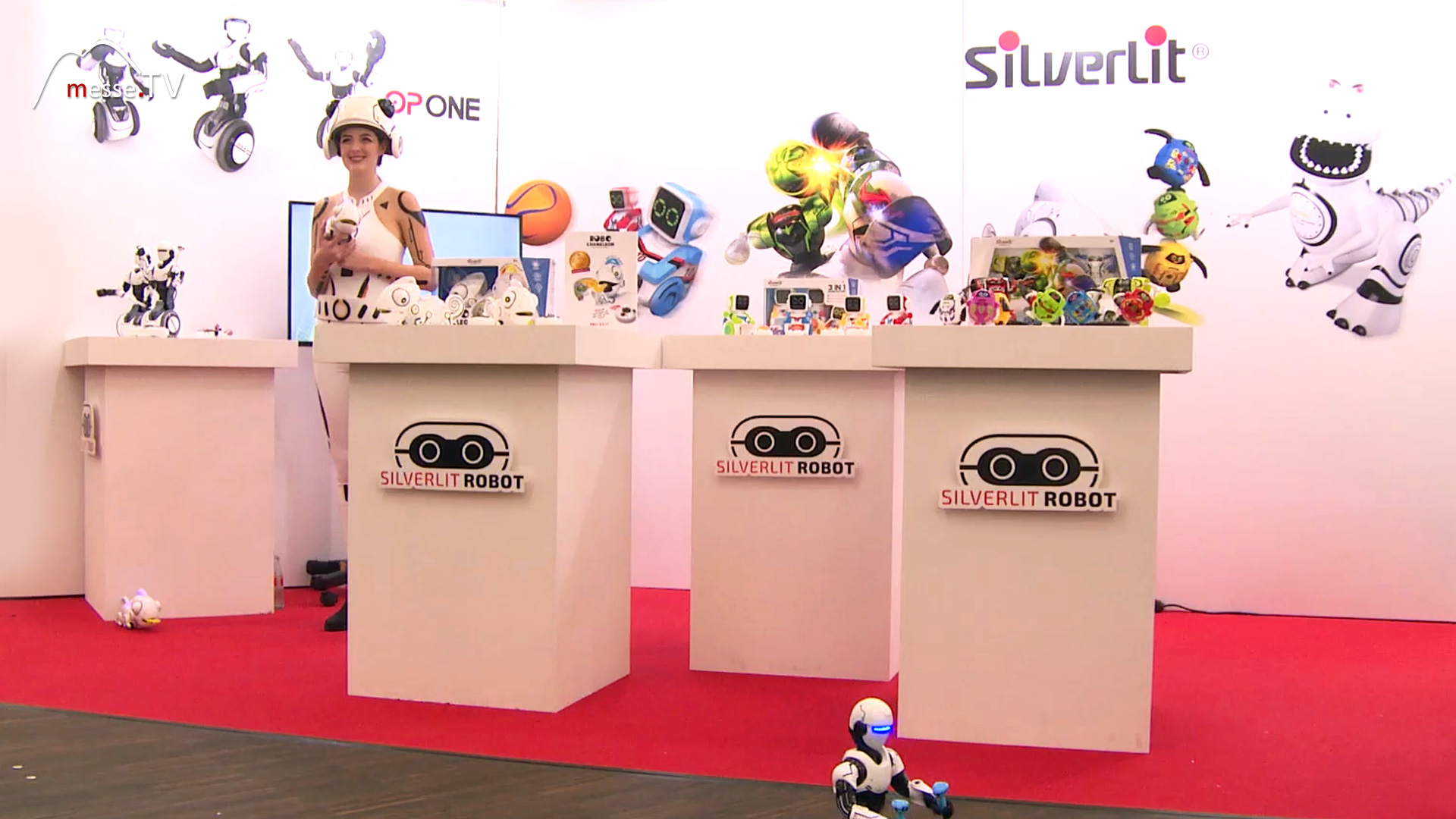
The digital chameleon is expected to be available in stores from September and will be on the shelves of well-known toy retailers. The price positioning remains deliberately moderate in order to appeal to a broad target group and keep the entry threshold low. This means that the product is in a segment that works both as a gift and as a spontaneous purchase. With this toy, Silverlit is focusing on a mixture of digital ideas and analogue experiences. Technology is present, but does not take centre stage. The experience itself is what matters, not the number of functions.
Why reduction often has a more lasting effect
This example shows that successful toys do not necessarily have to become more complex. On the contrary: reduction, clear design and an understandable core mechanism can be more convincing in the long term. The chameleon does not thrive on effects, but on repetition and emotional appeal. Especially in a market characterised by fast-moving trends, this form of simplicity can be an advantage. Silverlit consciously uses this approach and shows that innovation does not always have to be loud. Sometimes a good idea, cleanly implemented, is enough to create fun that lasts beyond the first impression.







Trade fair reporting Germany - Trade fair knowledge, dates & events


