Einrad-Skateboard mit Selbstbalance zwischen Technik und Körpergefühl
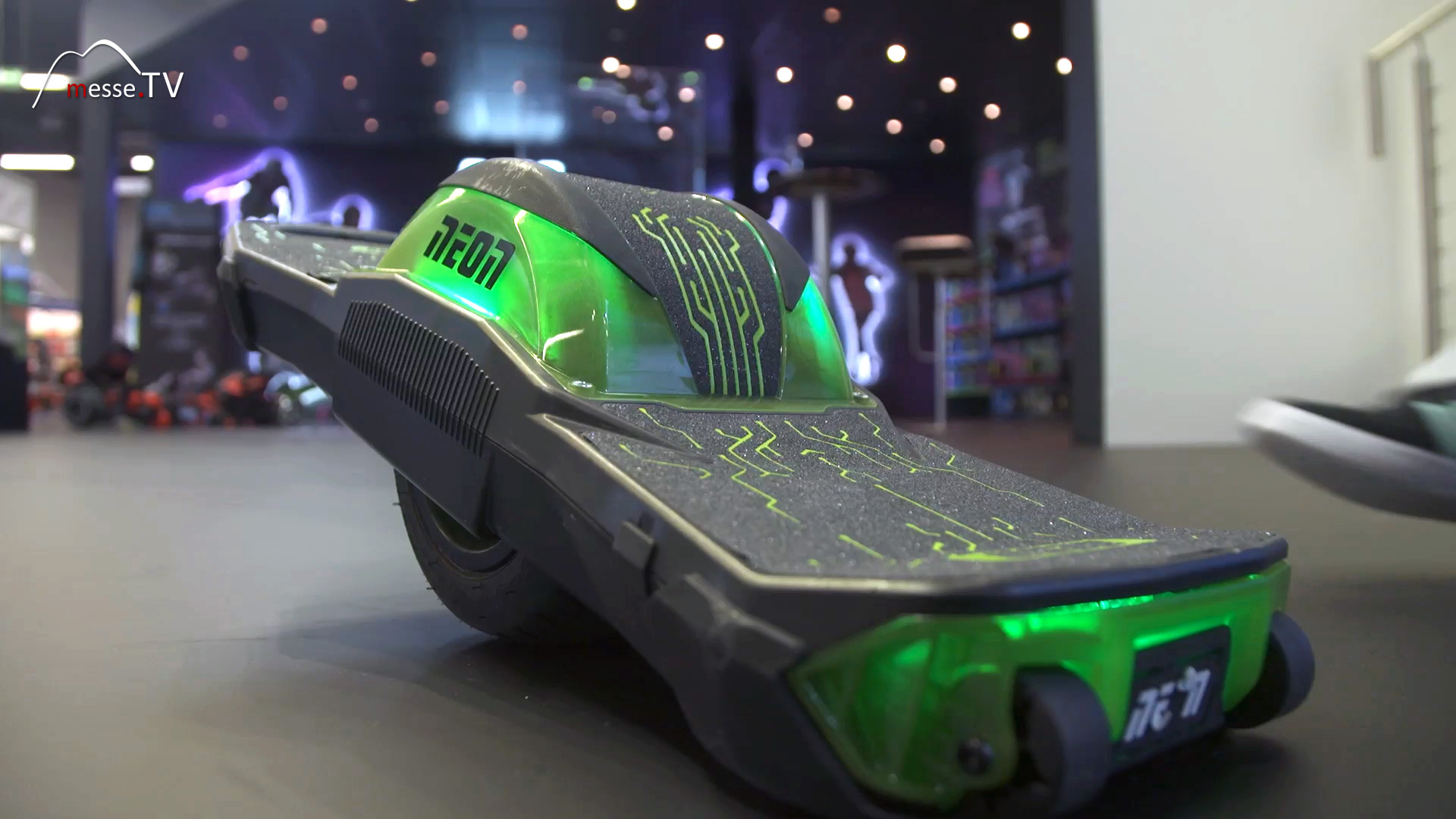
Auf den ersten Blick wirkt es wie ein Spielzeug aus der Zukunft, doch schon nach wenigen Sekunden auf dem Board wird klar, dass hier mehr dahintersteckt als ein kurzlebiger Messegag. Das einrädrige, selbstbalancierende elektronische Skateboard verbindet Elemente aus Skateboarding, Surfen und moderner Sensortechnik. Es richtet sich an Jugendliche, die Bewegung nicht als reinen Transport verstehen, sondern als Ausdruck von Stil, Kontrolle und Körpergefühl.
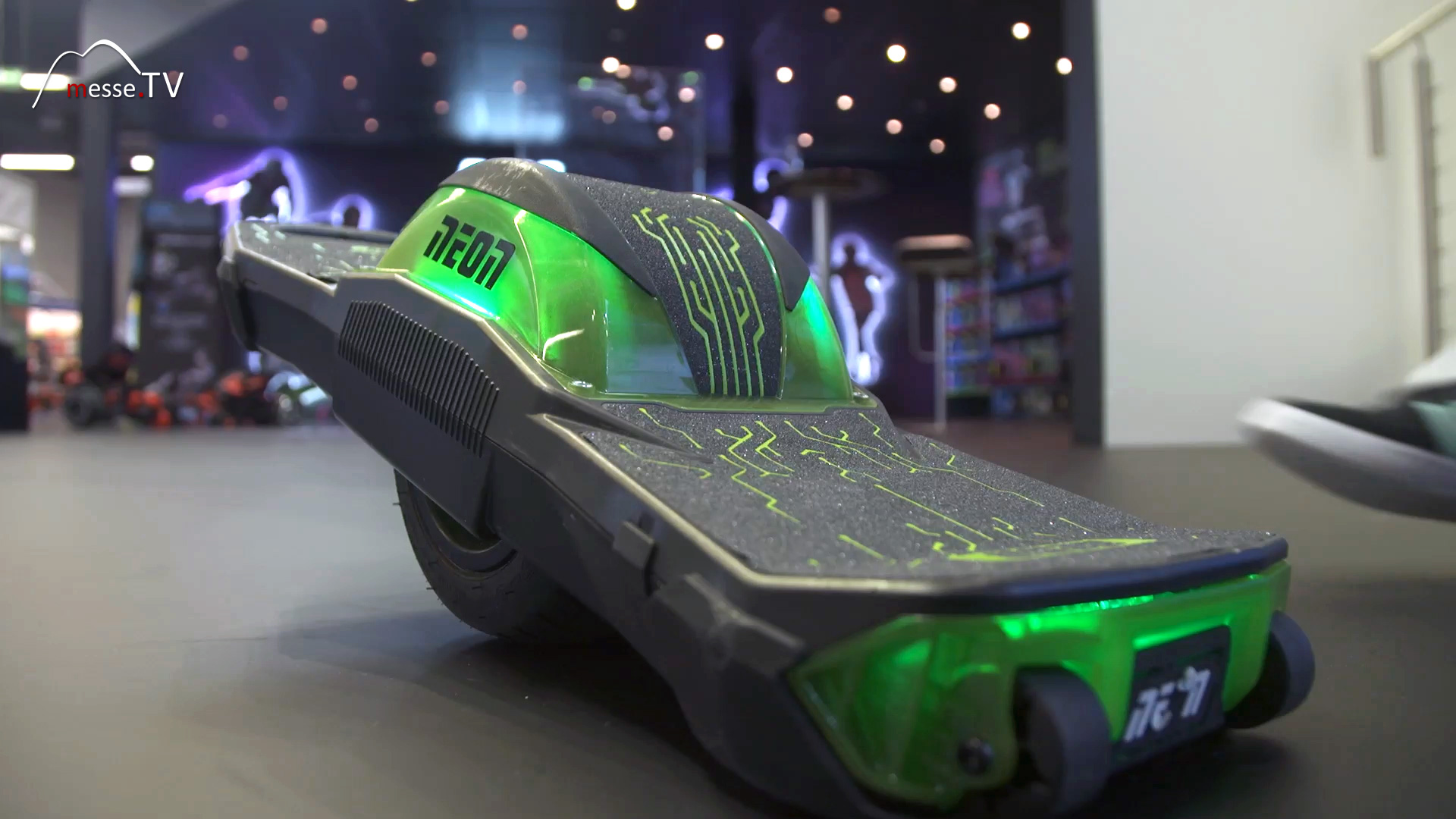
Das Grundprinzip ist schnell erklärt, aber nicht banal. Statt vier Rollen trägt das Board nur ein einziges Rad, das mittig unter der Standfläche sitzt. Stabilität entsteht nicht durch Mechanik im klassischen Sinn, sondern durch Elektronik. Sensoren erfassen permanent Lage, Neigung und Bewegung des Fahrers. Das System reagiert in Echtzeit und gleicht aus, was der Mensch vorgibt. Vorwärts, rückwärts und Richtungswechsel erfolgen allein durch Gewichtsverlagerung. Der Fahrer steuert nicht über Knöpfe oder Lenker, sondern über Haltung und Balance.
Selbstbalancierende Technik als Grundlage
Im Inneren arbeitet eine Kombination aus inertialen Messeinheiten und Software-Algorithmen. Vereinfacht gesagt handelt es sich um Gyroskope, die jede kleinste Veränderung registrieren. Sobald das Board horizontal belastet wird, aktiviert sich das System und beginnt zu stabilisieren. Der Fahrer muss nicht lernen, wie man das Board einschaltet, sondern wie man loslässt. Entspannung ist ein zentraler Faktor, denn das Board übernimmt den technischen Teil der Arbeit. Gerade dieser Punkt unterscheidet das Einrad-Skateboard von klassischen Elektrofahrzeugen. Es zwingt nicht zur Kontrolle, sondern belohnt Vertrauen. Viele Nutzer kommen bereits nach wenigen Minuten Übung zurecht. Die Lernkurve ist steil, aber nicht abschreckend. Kleine Bewegungen reichen aus, um Fahrt aufzunehmen oder Richtungswechsel einzuleiten. Das Fahrgefühl erinnert an das sogenannte Carven, wie man es vom Surfen oder Snowboarden kennt.
Fahren statt Steuern
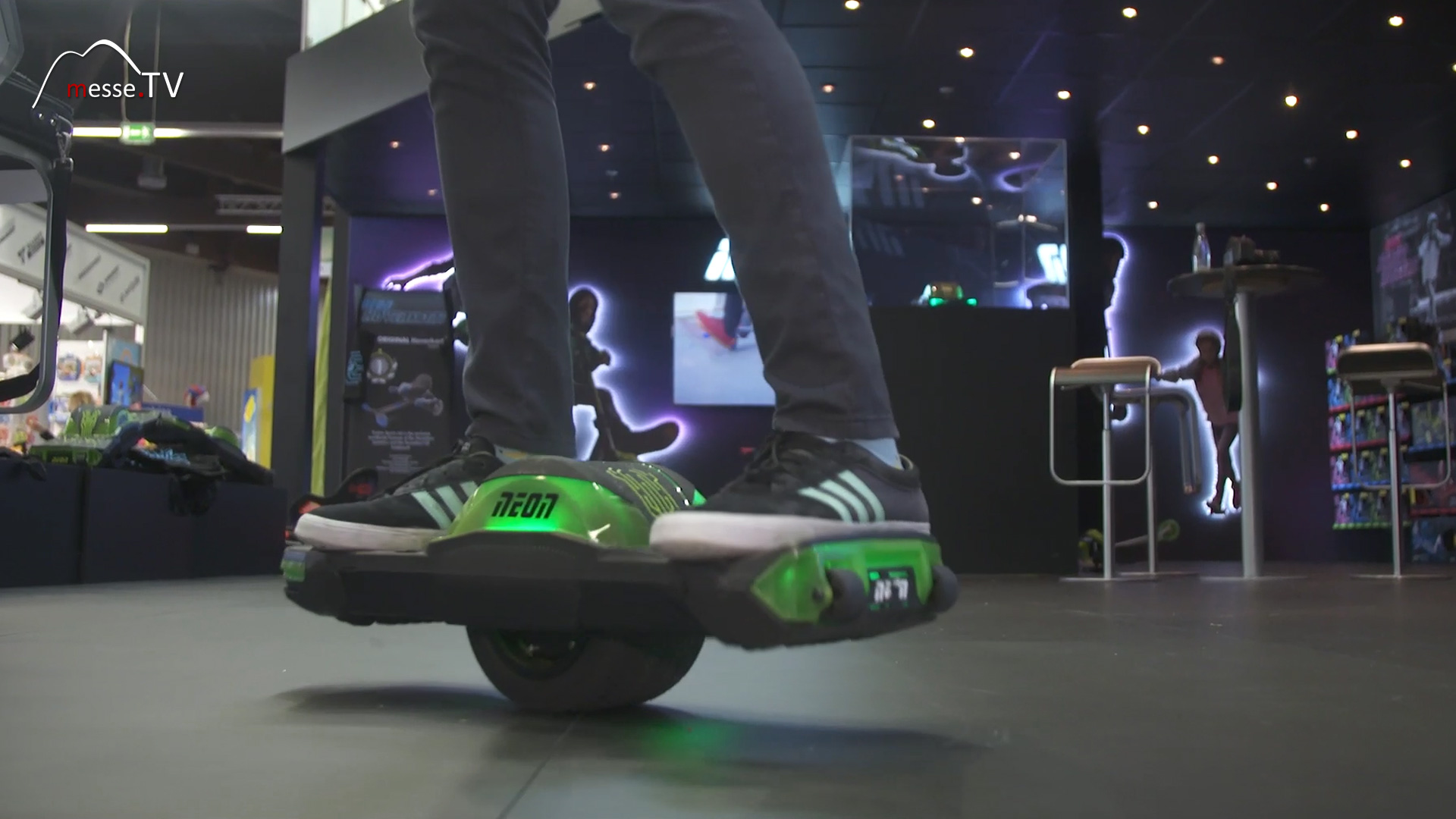
Wer das Board zum ersten Mal betritt, wird meist geführt. Ein Arm zur Stabilisierung genügt, bis das System greift. Danach übernimmt das Zusammenspiel aus Technik und Körper. Besonders auffällig ist, wie direkt das Board reagiert. Es gibt keine Verzögerung, kein künstliches Fahrgefühl. Stattdessen entsteht eine sehr unmittelbare Rückmeldung, die Vertrauen aufbaut. Typische Bewegungen beim Fahren sind:
- Vorwärtsfahren durch leichtes Verlagern des Oberkörpers
- Abbremsen durch Rückverlagerung des Gewichts
- Richtungswechsel durch Druck auf Zehen oder Fersen
- Feinsteuerung über Hüfte und Knie
Zielgruppe und Positionierung
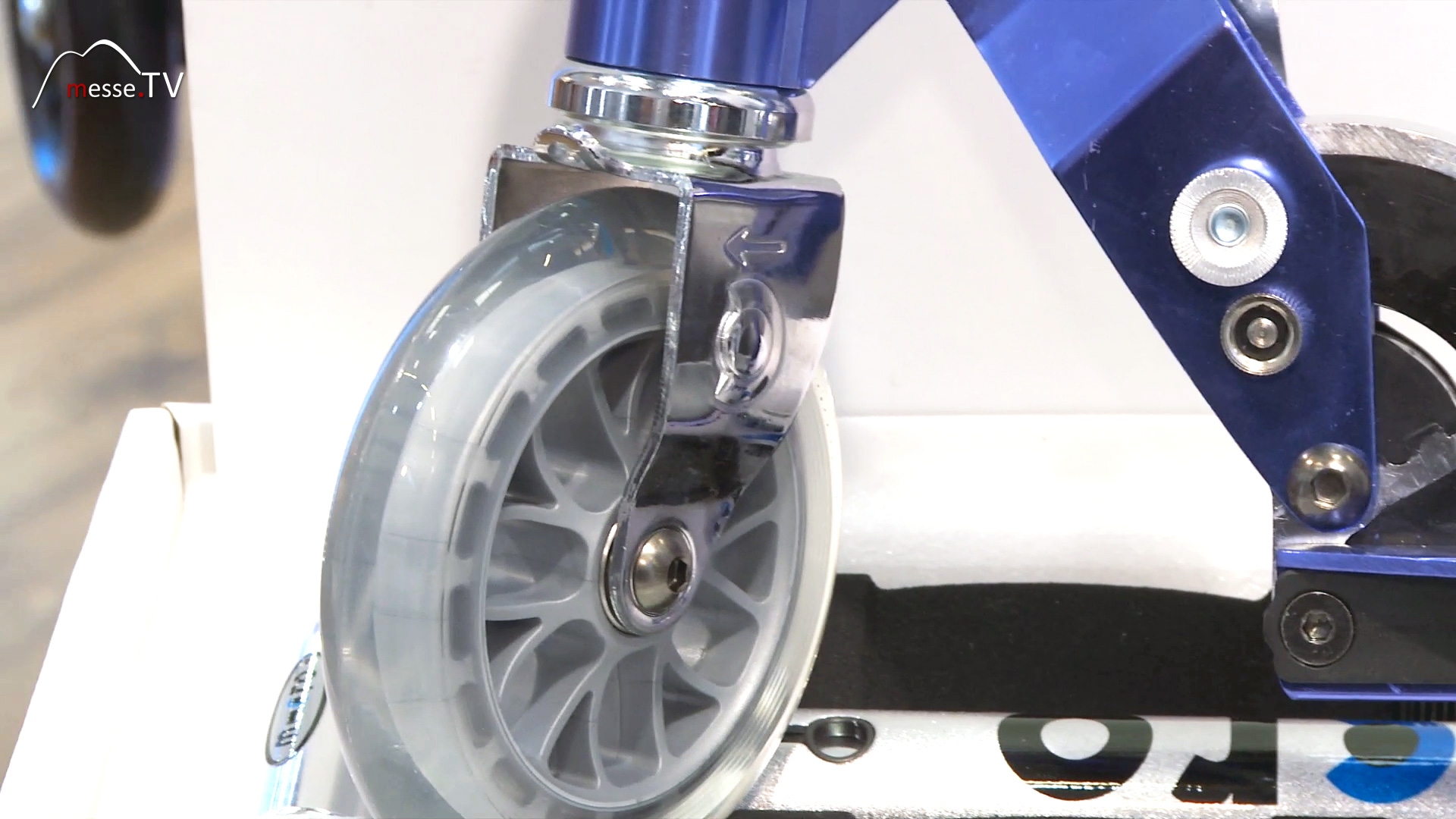
Gedacht ist das Board nicht für kleine Kinder, sondern für Jugendliche ab etwa vierzehn Jahren. Die Zielgruppe sind Teenager, die sich bewusst von klassischen Spielzeugen abgrenzen wollen. Das Produkt wird als erwachsen, urban und leicht rebellisch positioniert. Es geht nicht um reines Fahren von A nach B, sondern um Selbstausdruck im öffentlichen Raum. Die Marke Neon ordnet das Board entsprechend ein. Es soll nicht niedlich wirken, sondern technisch, klar und ein wenig edgy. Das Design ist reduziert, Materialien sind robust, die Oberfläche griffig. Auch das Rad selbst ist aus widerstandsfähigem Gummi gefertigt, um Stösse abzufangen und leise zu rollen. Neon richtet sich damit an eine Zielgruppe, die Technik nicht erklärt haben will, sondern erleben möchte.
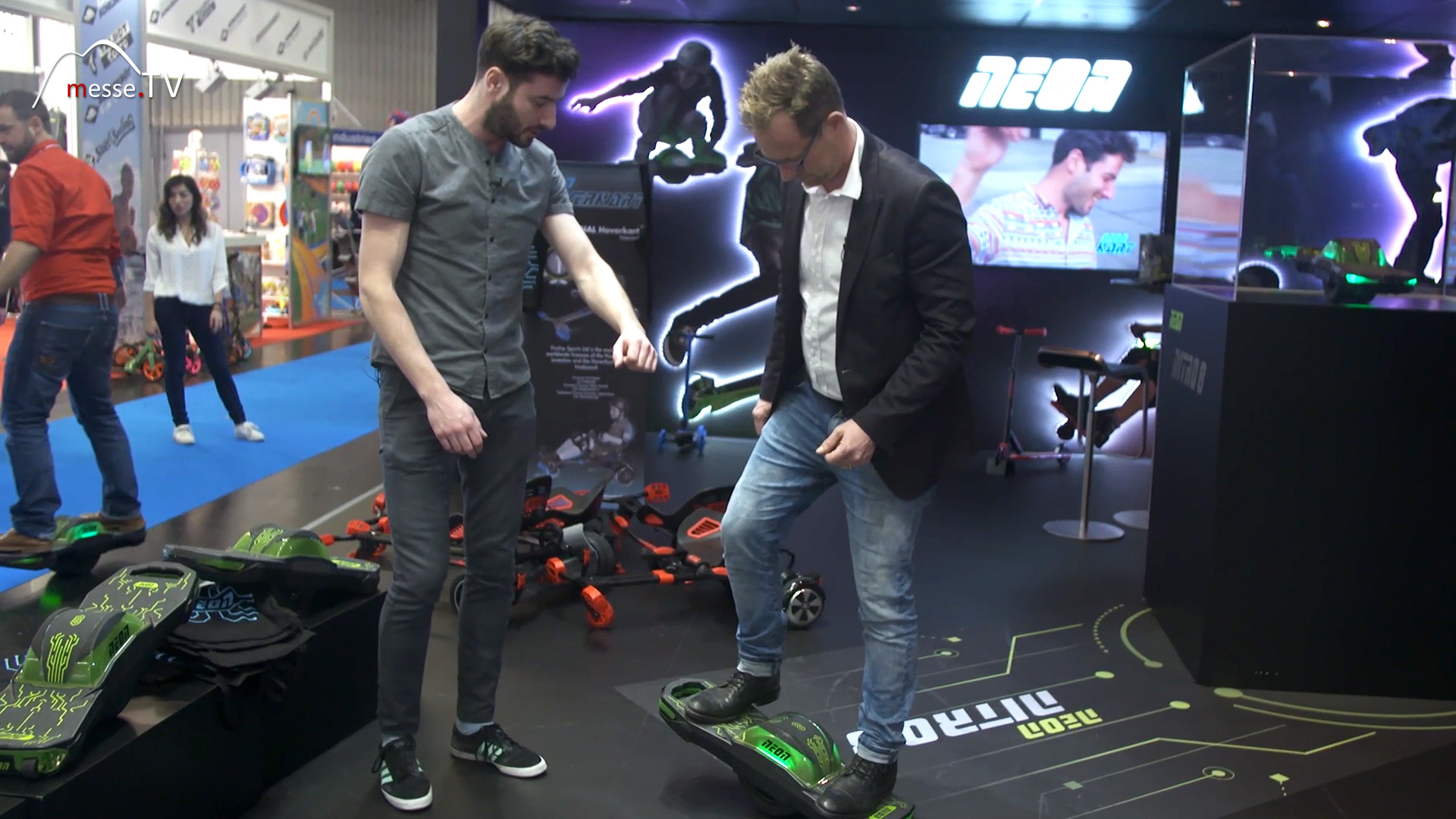
Neon Selbstbalance Skateboard: Zwischen Spielzeug und Fortbewegungsmittel
Spannend ist die Grenzposition des Produkts. Einerseits wirkt es verspielt, fast wie ein Gadget. Andererseits erfordert es Körperkontrolle, Übung und Aufmerksamkeit. Es ist kein Fahrzeug, das man nebenbei nutzt. Wer fährt, ist präsent. Genau darin liegt auch die Stärke. Das Board fordert aktive Teilnahme und belohnt sie mit einem intensiven Fahrerlebnis. Im Gespräch zeigt sich, dass viele Nutzer das Board zunächst unterschätzen. Was einfach aussieht, verlangt Koordination. Gleichzeitig baut sich schnell ein Erfolgserlebnis auf. Schon kurze Strecken vermitteln das Gefühl, etwas Neues zu beherrschen. Dieses Zusammenspiel aus Herausforderung und schneller Belohnung ist ein zentraler Faktor für die Attraktivität.
Verfügbarkeit und Marktausblick
Zum Zeitpunkt der Vorstellung ist das Board bereits in den USA erhältlich, unter anderem bei grossen Spielwarenhändlern. Parallel dazu wird der Aufbau von Vertriebsstrukturen in Europa und Asien vorangetrieben. Der Markteintritt in Deutschland ist für das Frühjahr angekündigt. Damit zielt Neon bewusst auf eine Phase, in der Bewegung im Freien wieder attraktiver wird. Langfristig ist denkbar, dass sich solche selbstbalancierenden Boards als eigene Kategorie etablieren. Sie passen in eine Zeit, in der Technik unsichtbarer wird und sich stärker an den Menschen anpasst. Nicht der Nutzer lernt die Maschine, sondern die Maschine reagiert auf den Nutzer. Das einrädrige elektronische Skateboard steht damit exemplarisch für eine Entwicklung, bei der Mobilität, Spiel und Technik ineinandergreifen. Es ist weder klassisches Spielzeug noch reines Fortbewegungsmittel. Es ist ein Gerät, das Bewegung neu interpretiert und dabei genau dort ansetzt, wo Jugendliche offen sind für Neues: beim Gefühl, etwas selbst zu kontrollieren, ohne es technisch kontrollieren zu müssen.


Messe-Berichterstattung bundesweit - Messewissen, Termine & Veranstaltungen


