Soundquiz and tiptoi Create open up new possibilities at Ravensburger
Playing with sounds has always been one of the most intuitive forms of learning. Children respond early on to sounds, voices and recognisable things, long before they can read or understand abstract rules. This is precisely where a new game concept comes in, combining classic quiz mechanics with recording technology and allowing children to create their own content. Soundquiz and tiptoi Create expand the familiar tiptoi system to include a level in which listening, speaking and matching intertwine.
The focus is no longer just on tapping the right information, but on actively working with sounds. Children hear a sound, assign it to a picture and immediately check whether their decision is correct. This principle seems simple, but it has an astonishing depth because it addresses several skills at the same time. Perception, concentration, memory and language are linked without the learning aspect being in the foreground.
Sound quiz as a playful hearing test
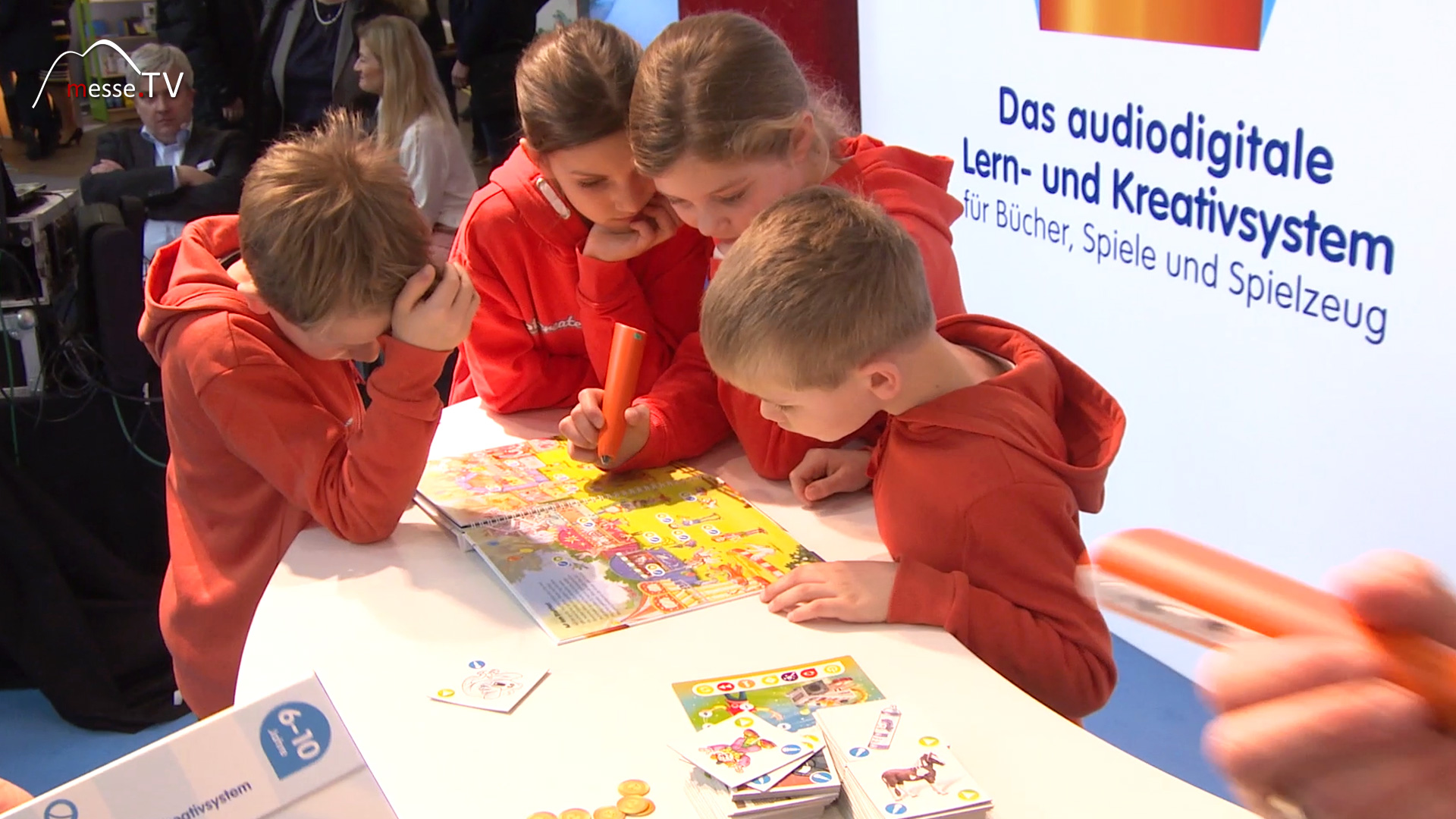
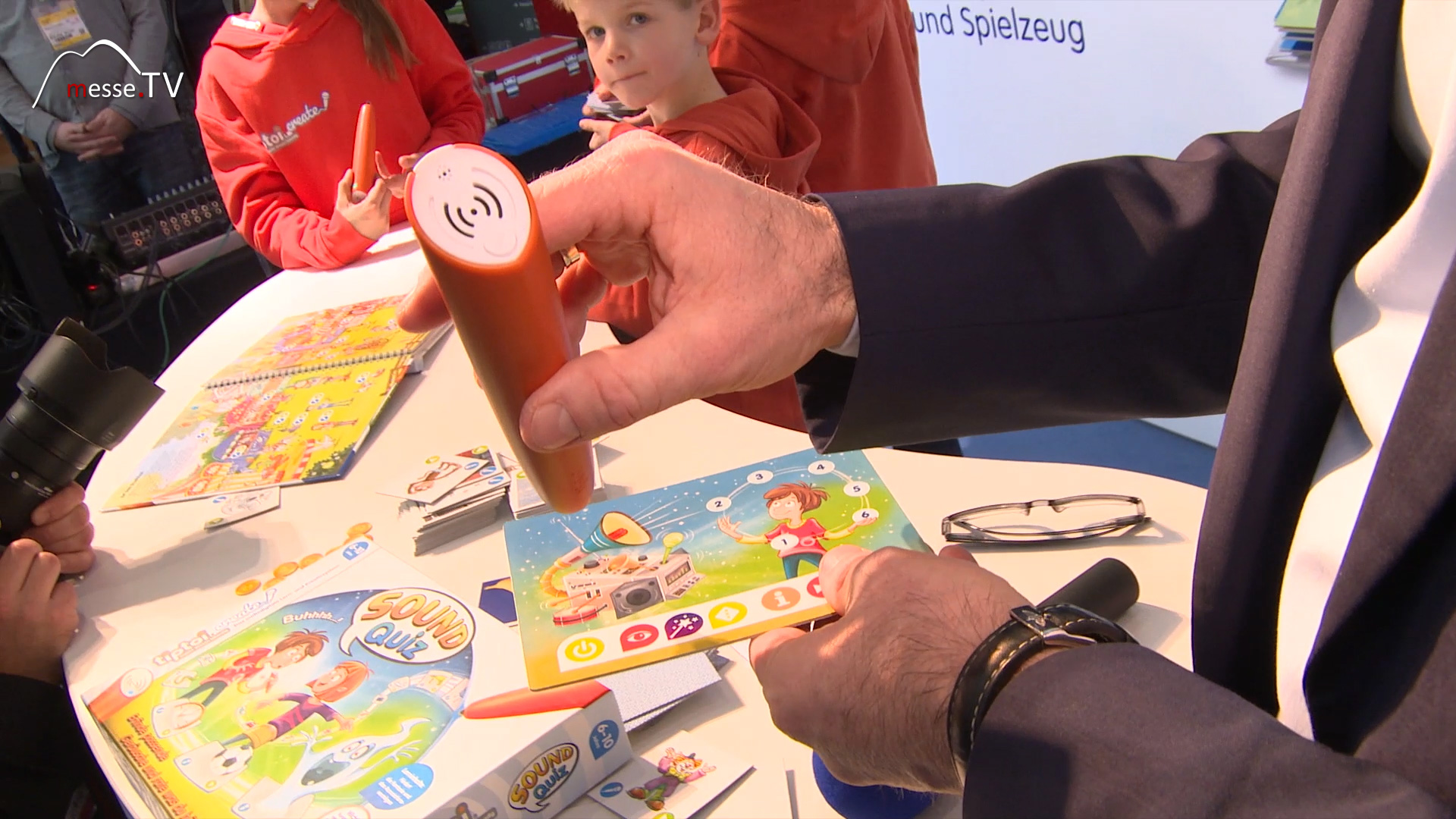
The sound quiz is based on cards, each of which is assigned specific sounds. The children's task is to match the sound they hear to the appropriate motif. This can be an animal sound, an everyday noise or a situational sound sequence. The key thing is that the game is not purely passive. The children don't just listen, they have to actively decide and react. Correct assignments are confirmed immediately, while incorrect decisions invite the children to listen again. This creates a natural learning process without frustration. The game keeps moving, with the focus on the sound itself, not on abstract rules. This direct feedback is an important motivational factor, especially for younger children.
tiptoi Create as an open play system
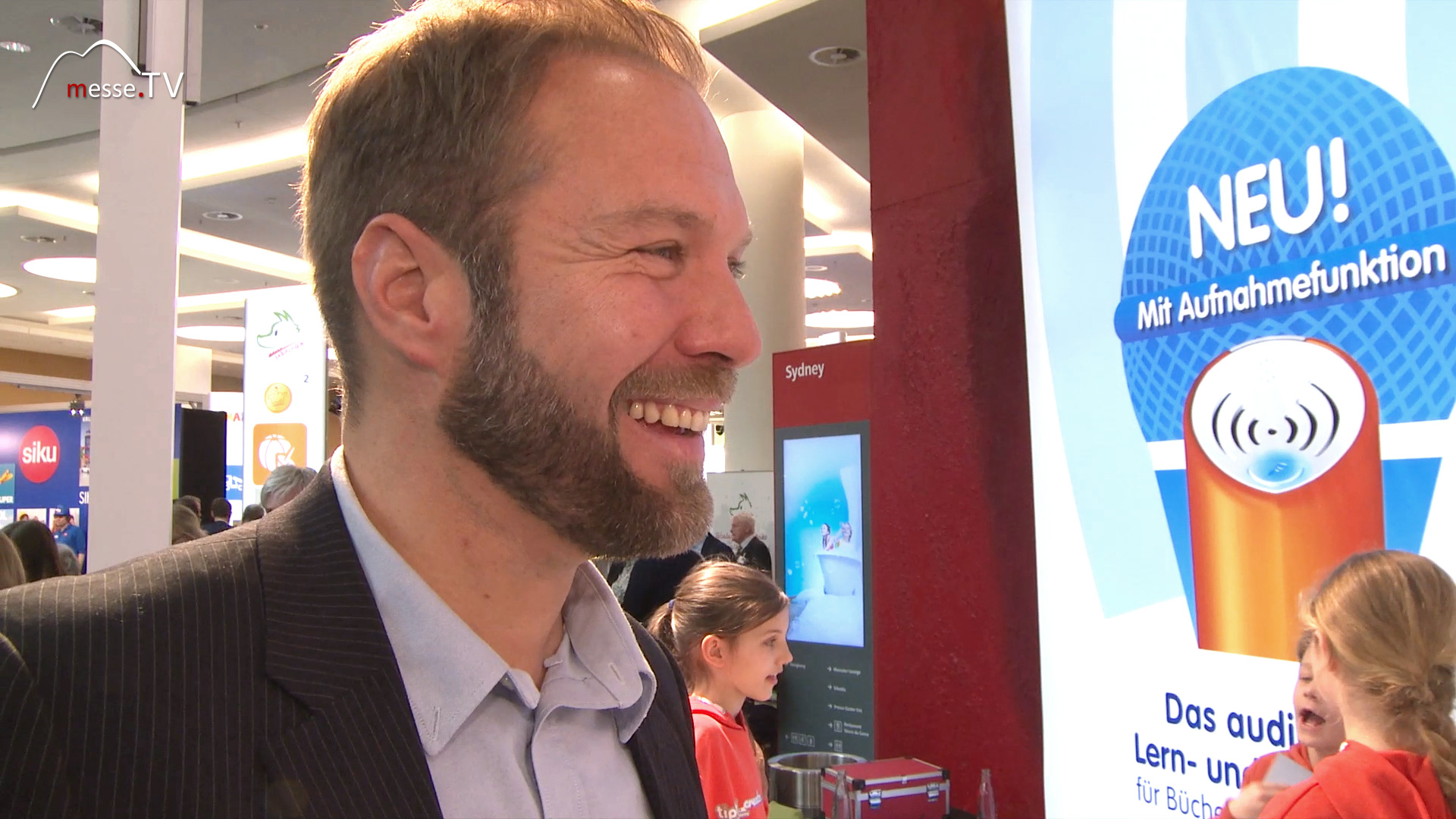
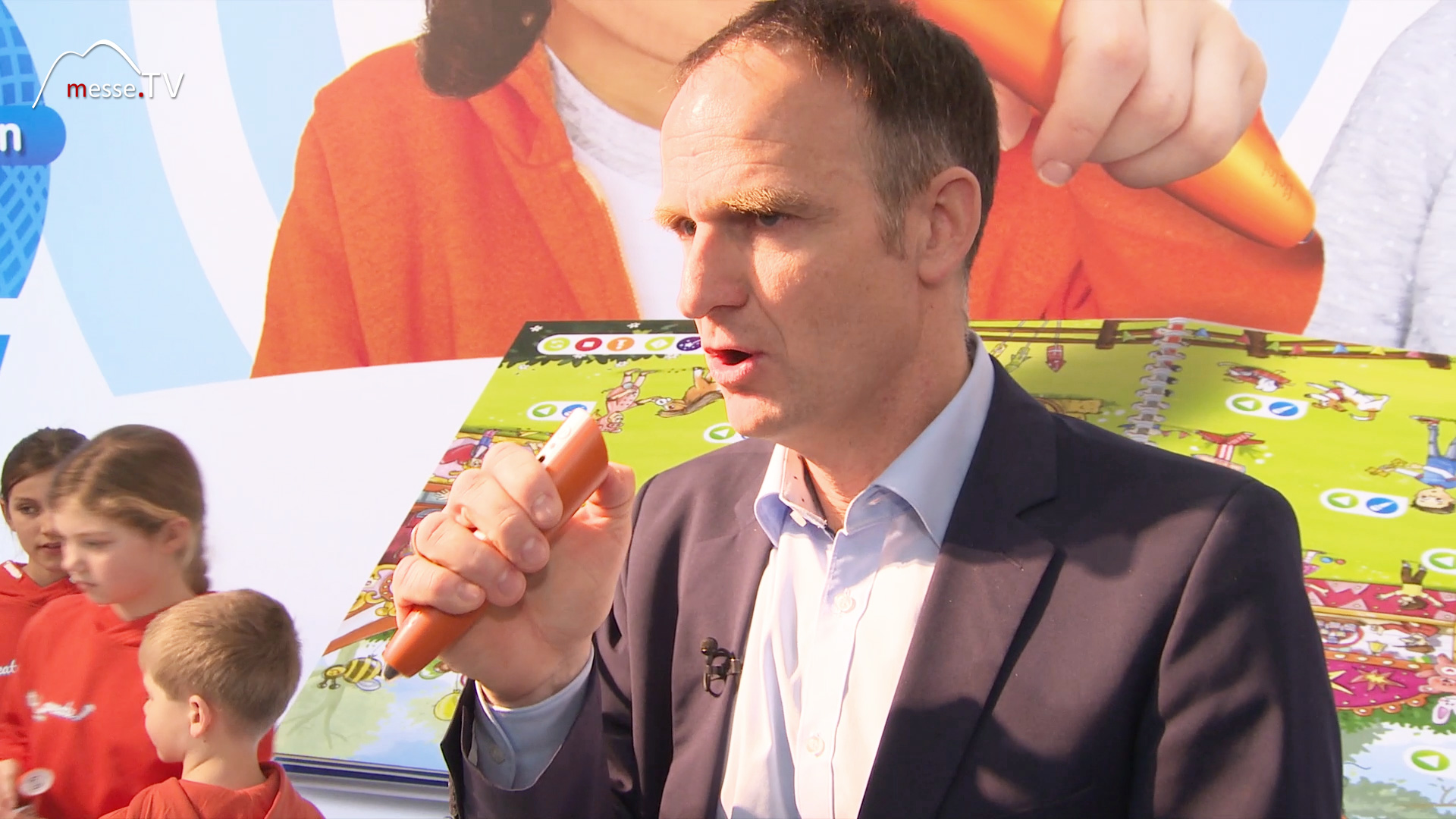
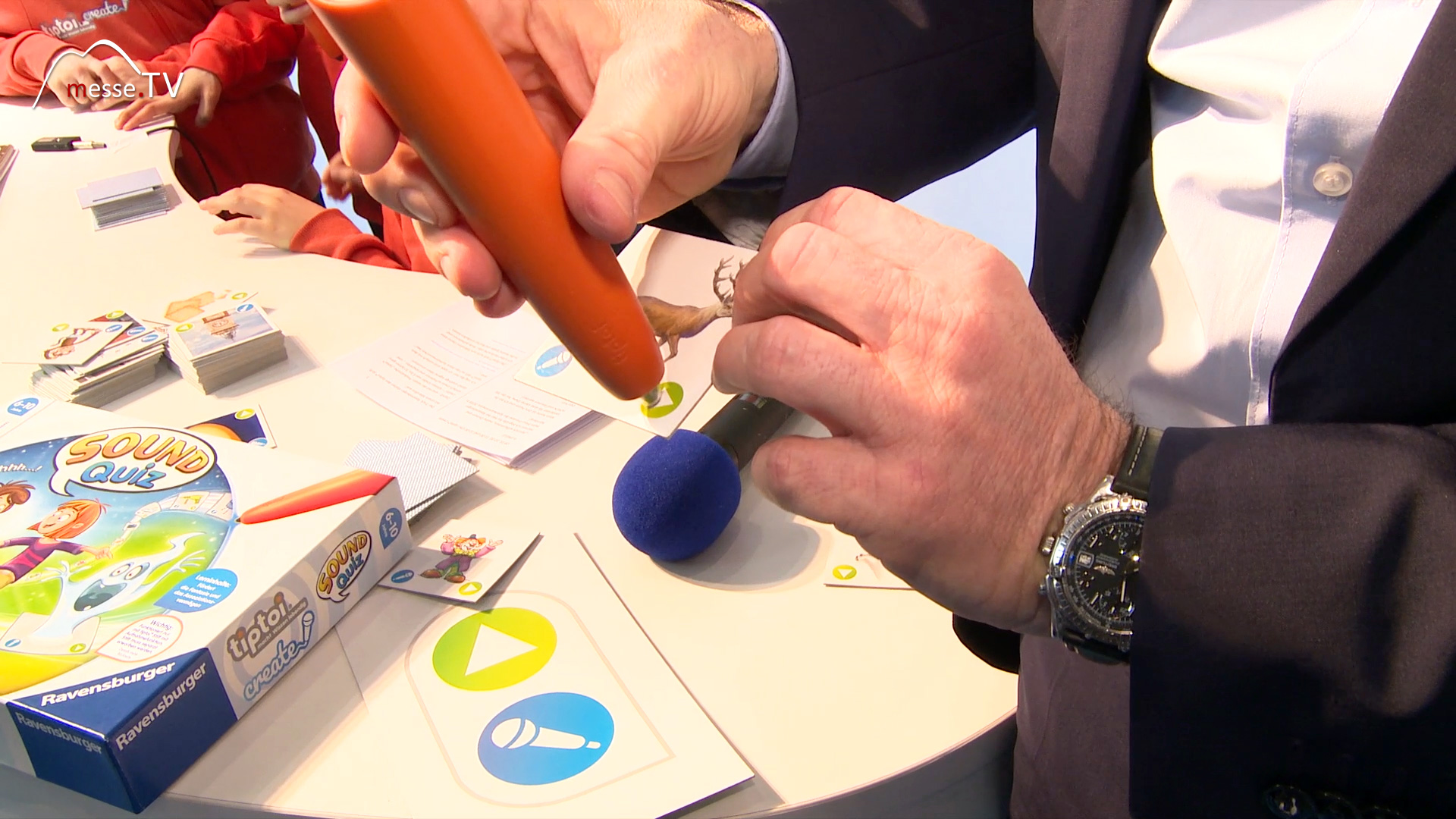
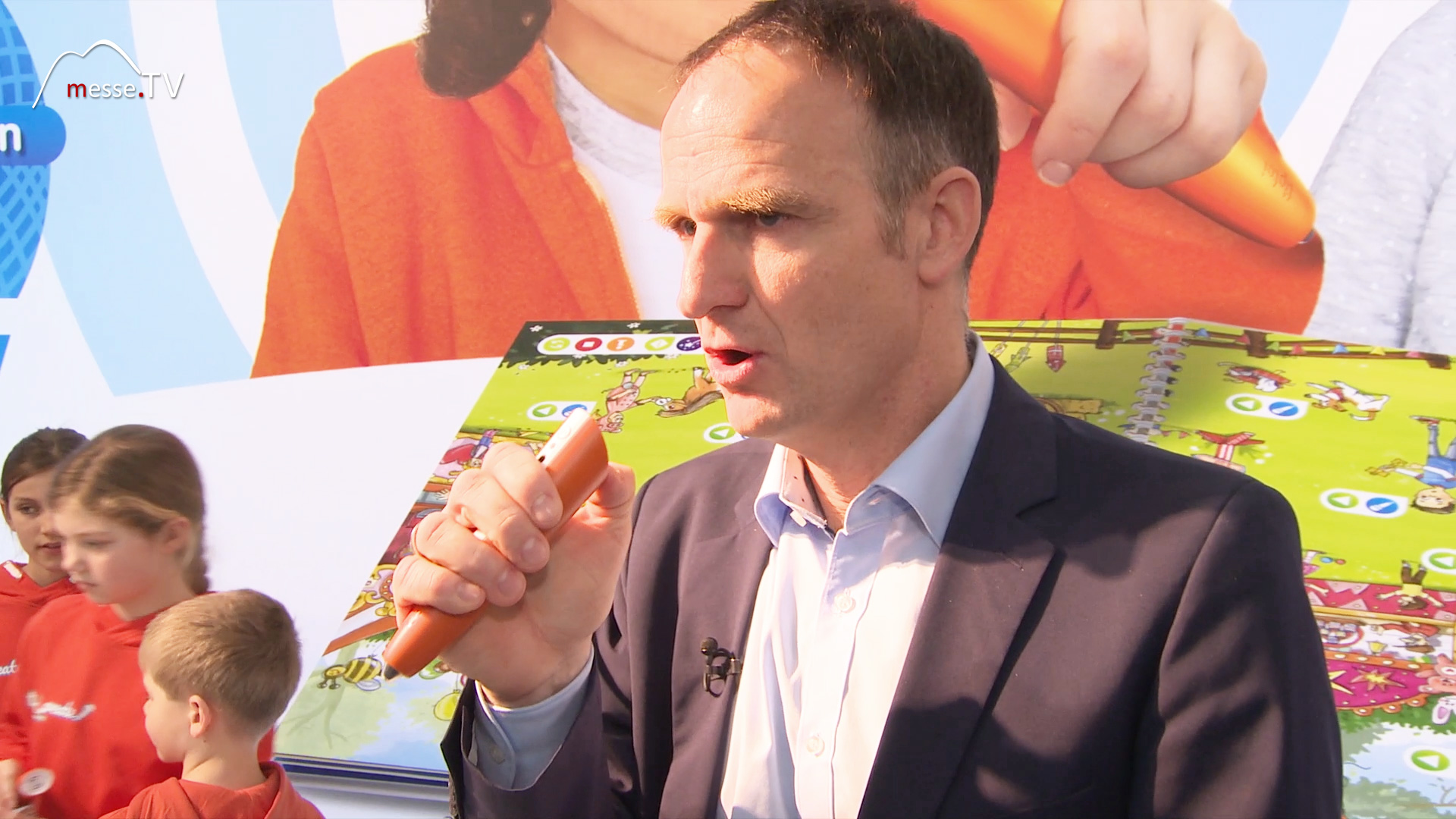
tiptoi Create significantly expands on this principle. The new tiptoi pen has an integrated microphone that allows children to make their own recordings. They can use it to record sounds, voices or short sentences and assign them to individual cards, pages or stickers. Animal sounds no longer have to be pre-recorded; children can record them themselves. There is also room for imaginary sounds or made-up stories. The process is deliberately kept simple. A symbol is tapped, the recording starts, the sound is saved and played back later. This creates a direct connection between the child's own voice and the game action. The game score shows whether an assignment was correct without seeming patronising. Learning happens incidentally, embedded in curiosity and a joy of experimentation.

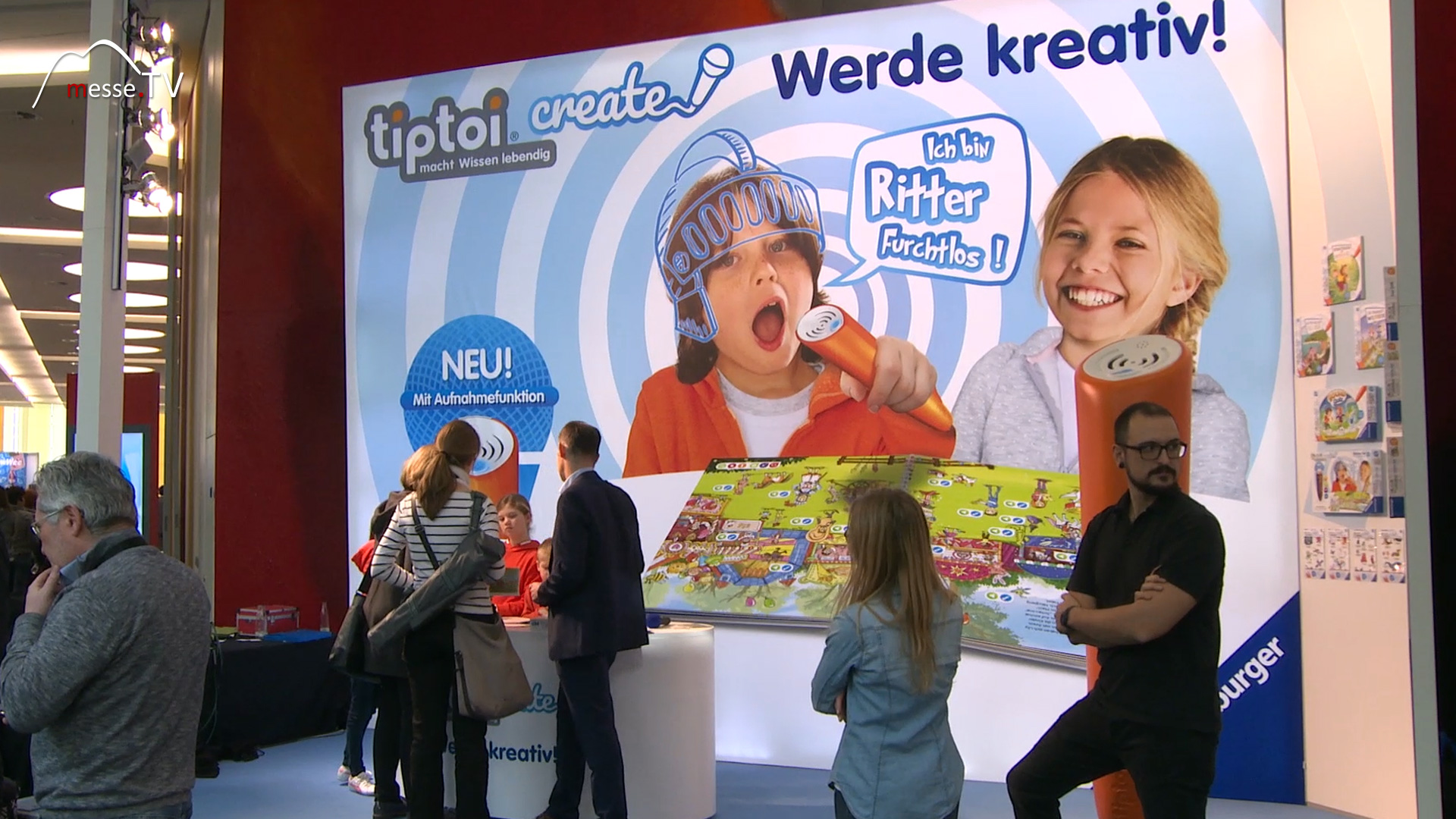
Ravensburger tiptoi Create with new game worlds
Ravensburger is launching tiptoi Create not as a single product, but as an entire system. In addition to the actual game, several new books, a starter set and, for the first time, sticker sheets are being released. These stickers extend the game principle into everyday life. Children can write their own messages on them and attach them to doors, cupboards or objects. This creates a new form of communication. A sticker on the bedroom door can signal that the child wants some quiet time. Another can contain a short message to the parents. Language is not only learned here, but also used. Children experience that their voice has an effect, even outside of the actual game. Typical uses for tiptoi Create include:
- Recording their own animal voices and nature sounds
- Inventing short audio stories to accompany pictures
- Discussing stickers for everyday messages
- Creatively designing your own quiz questions
Creativity instead of pure knowledge testing
A significant difference from conventional quiz games lies in the role reversal. Children are not just respondents, but creators. They decide which sounds are important, which stories are told and how content is linked together. This not only promotes creativity, but also a sense of self-efficacy. At the same time, the system remains structured enough to provide orientation. The technology takes a back seat, while the gaming experience remains in the foreground. Adults don't have to explain much because the operation is intuitive. This makes it easy to get started and ensures that children can quickly play independently.
Price and classification for parents
For parents, the financial outlay remains manageable. A starter set with a book and game is in the mid-price range, and individual games are available at lower prices. Ravensburger has deliberately positioned itself between classic toys and digital learning offerings. The value lies not only in the materials, but also in the open-ended concept.
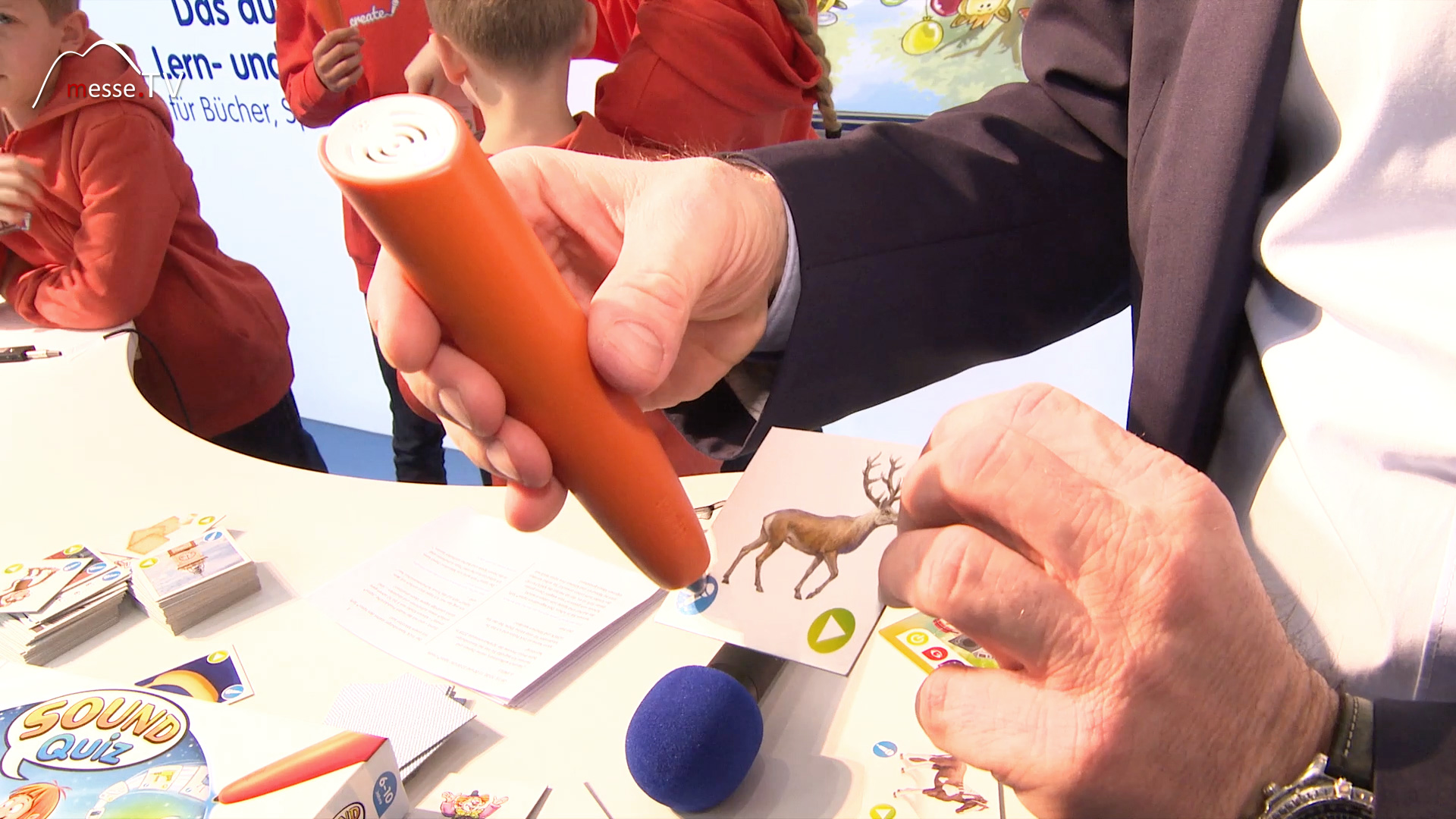
The key thing is that tiptoi Create does not dictate how long or how intensively the game should be played. There is no goal to be achieved, no conclusion that ends the game. Instead, it is a tool that can be used again and again, depending on the age, interests and imagination of the children. Ravensburger is thus continuing a long tradition of combining play and learning, but is expanding this approach to include a contemporary dimension. Sounds, language and personal content take centre stage. The sound quiz and tiptoi Create show that learning does not need to be explained in order to be effective. It is often enough to open up a space where children can discover, try things out and tell stories for themselves.

Trade fair reporting Germany - Trade fair knowledge, dates & events


