Horse Club by Schleich: four girls, horses and a world of their own
A new chapter is beginning at Schleich. With the Horse Club, the company is introducing a product world that is not limited to a single playset or figure, but was conceived from the outset as a coherent narrative system.
At its heart are four girls and their horses, connected by friendship, a thirst for adventure and their shared everyday life at the riding stable. The Horse Club is less an isolated product and more the starting point for a long-term play world.
Horse Club figures and their horses as a starting point
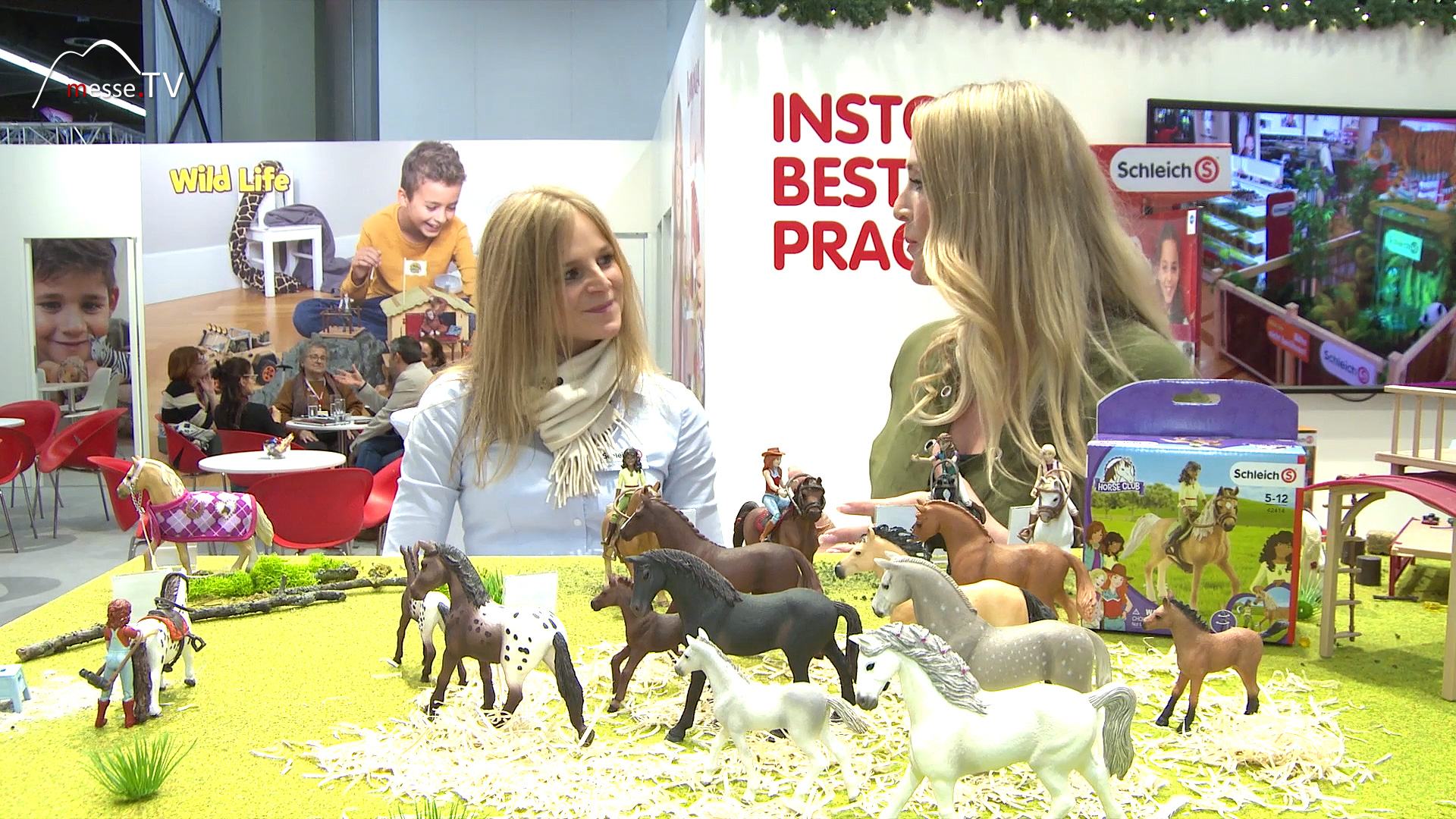
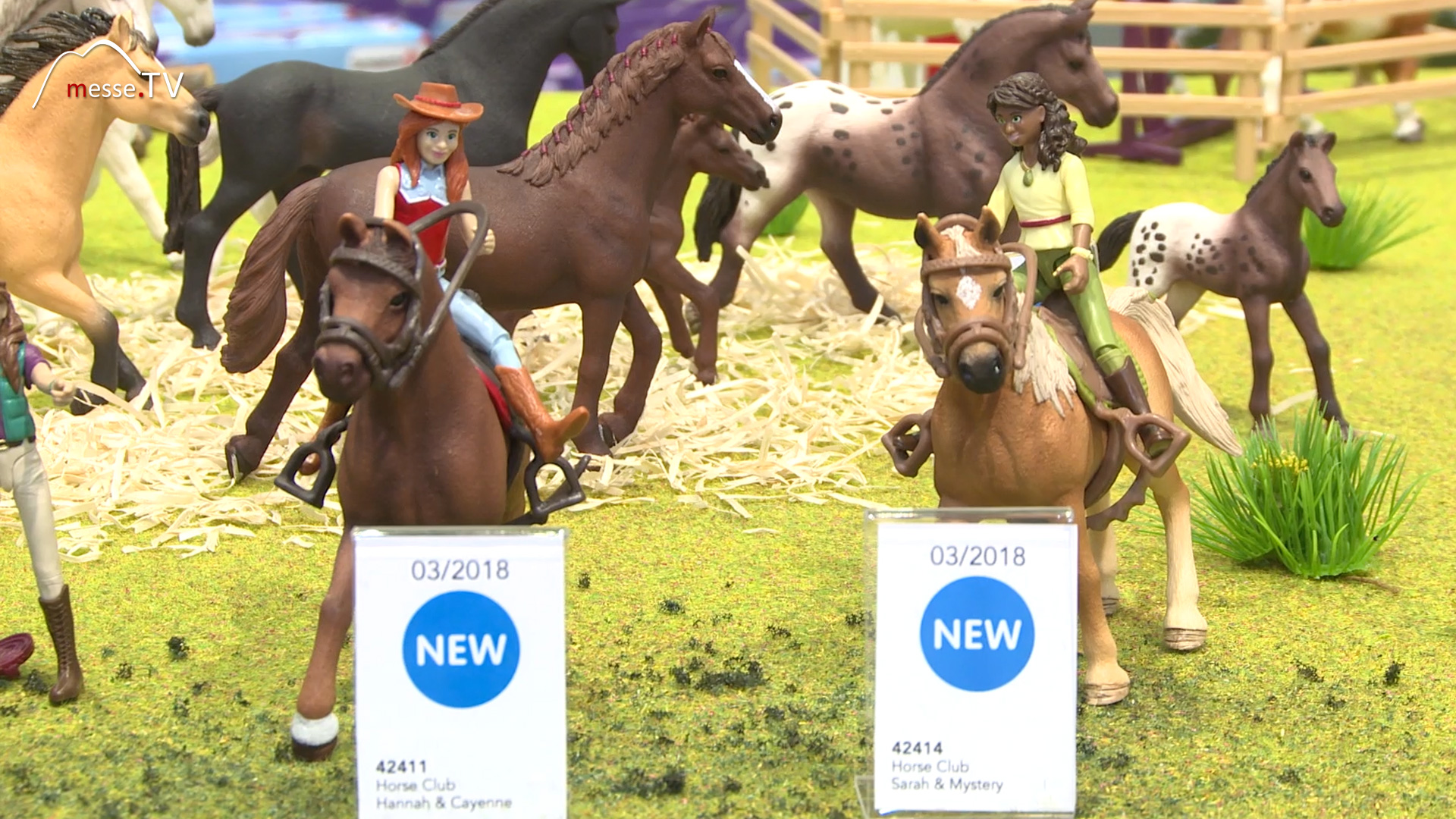
The Horse Club consists of four girls, each with their own personality and horse. Sofia rides Blossom, Lisa rides Storm, Sarah rides Mystery and Hannah rides Cayenne. This constellation forms the core of the new series. The girls are portrayed as a clique who spend time together, have adventures and solve problems. Horses are not just accessories, but equal companions within the stories.
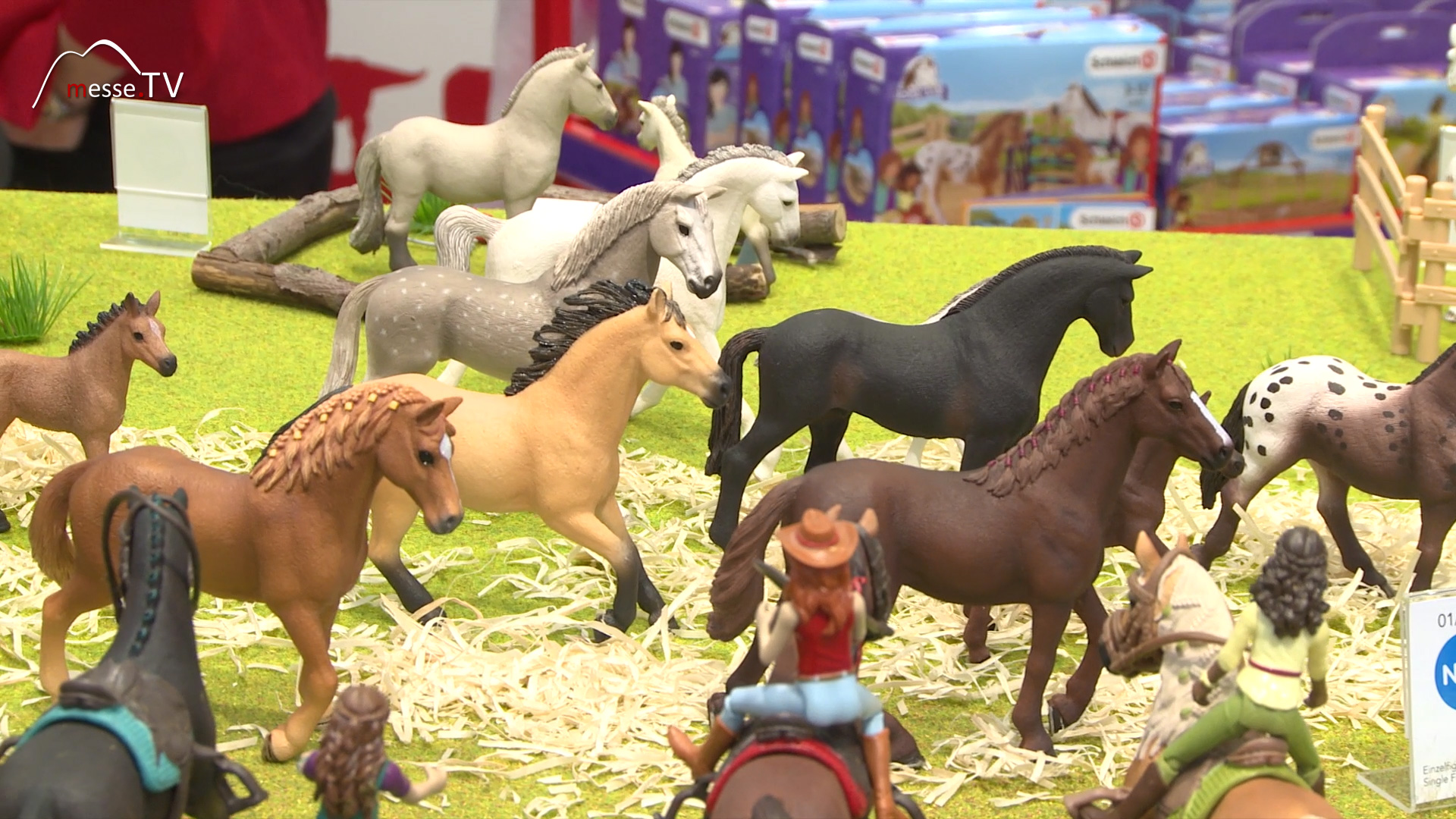

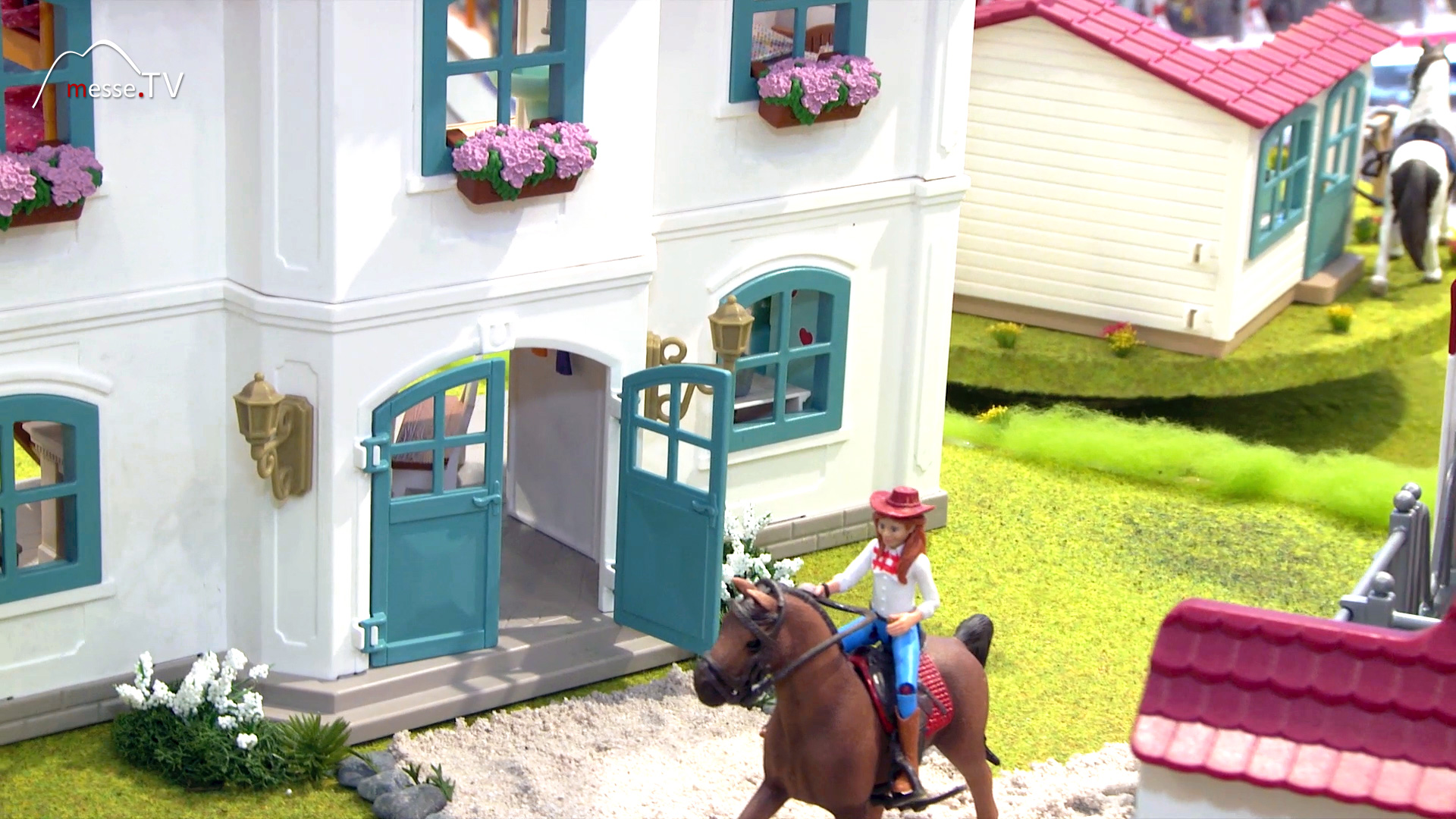
The figures are fully articulated. Arms, legs and knees can be positioned to enable realistic riding. This means that play is not limited to static scenes, but allows for dynamic sequences based on real riding situations. This articulation has been deliberately chosen to enhance role play and give the figures more expression.
Storytelling around the Horse Club
A central element of the Horse Club is the accompanying storytelling. Schleich does not limit itself to physical products, but supplements them with books, audio books and other licensed items. Four books tell the girls' stories, deepen their relationship with the horses and set the stage for new adventures. This gives the play world a narrative foundation that goes beyond pure play.

Children can read or listen to the stories and then continue or change them in their play. The toys thus become an extension of the narrated content. The Horse Club is not just a backdrop, but a narrative space that can be expanded further and further.
Accessories and locations within the Horse Club world
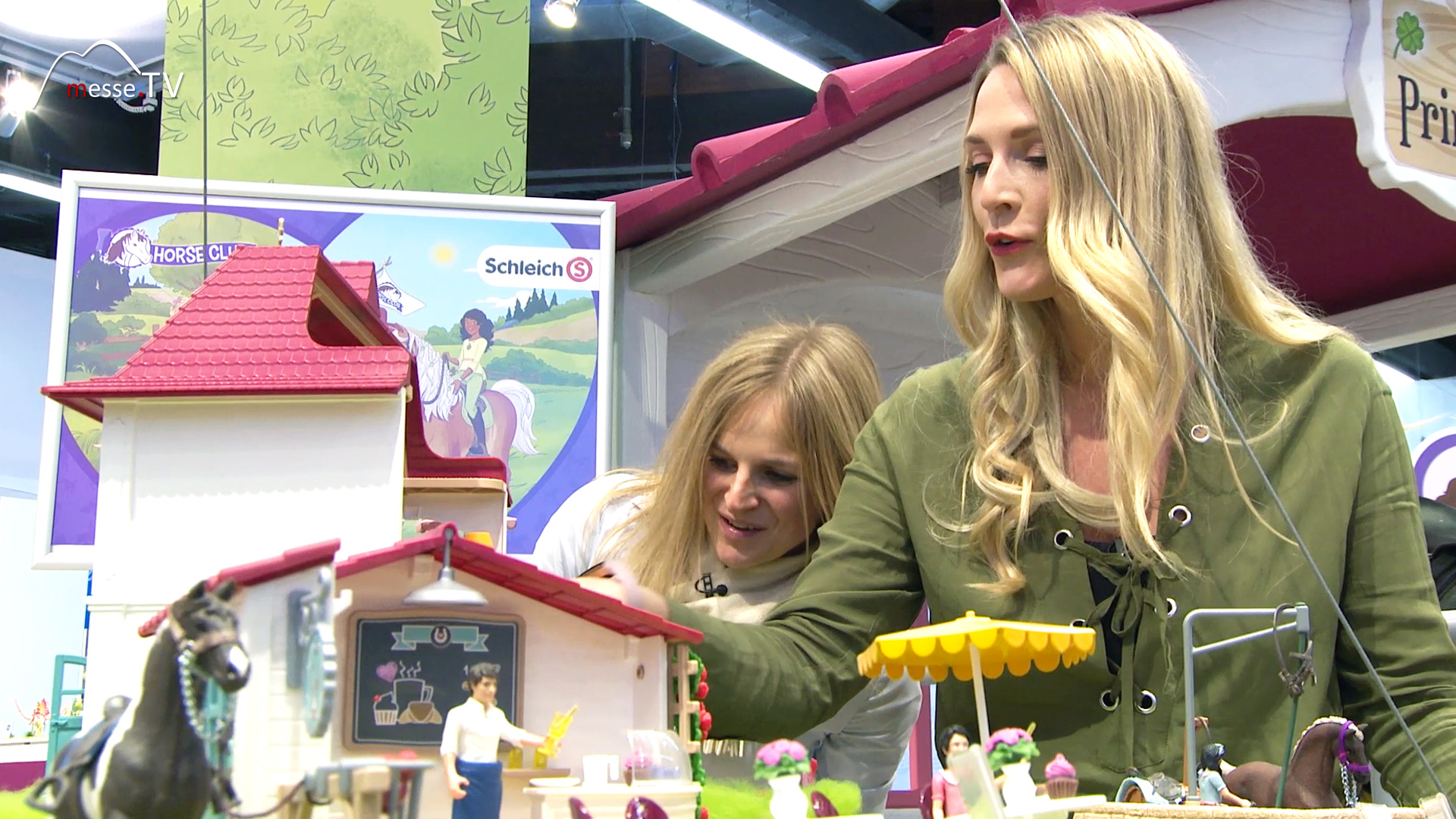
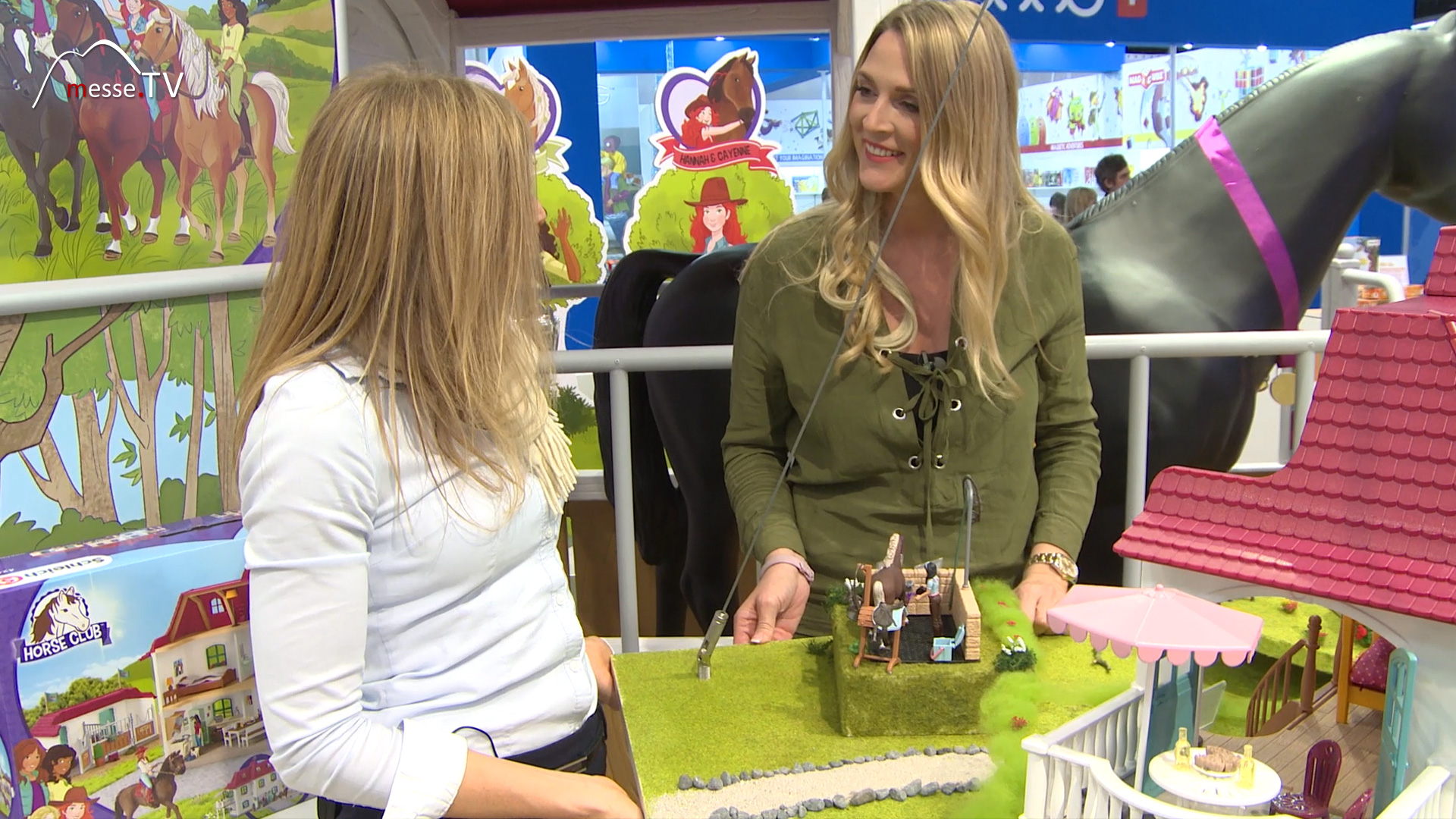
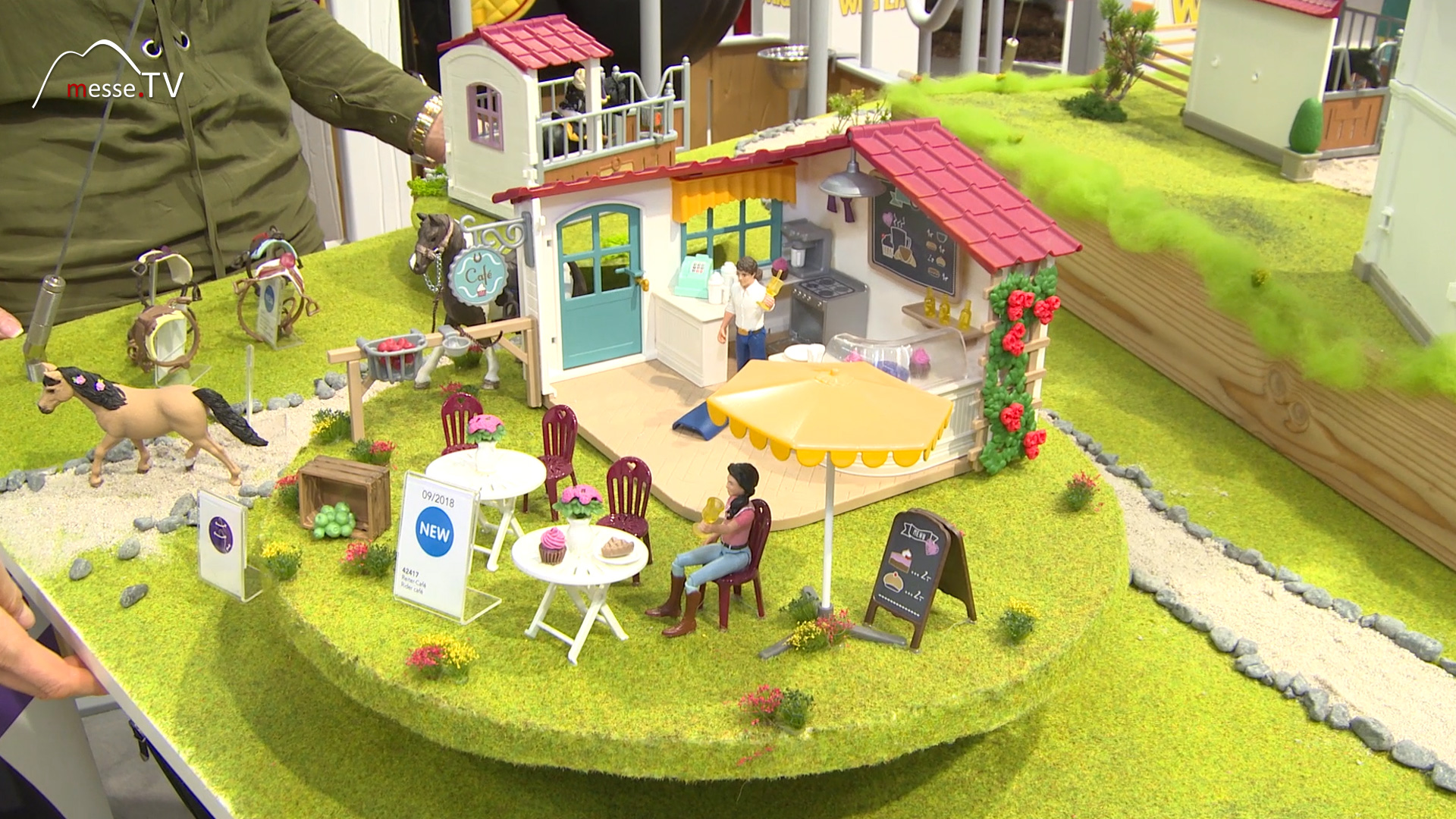
An extensive landscape is created around the four main characters. This consists of several locations that structure the girls' everyday lives. These include stables, a residential building and leisure venues where the clique meets. Each of these locations fulfils its own function within the play world and contributes to the credibility of the overall concept.
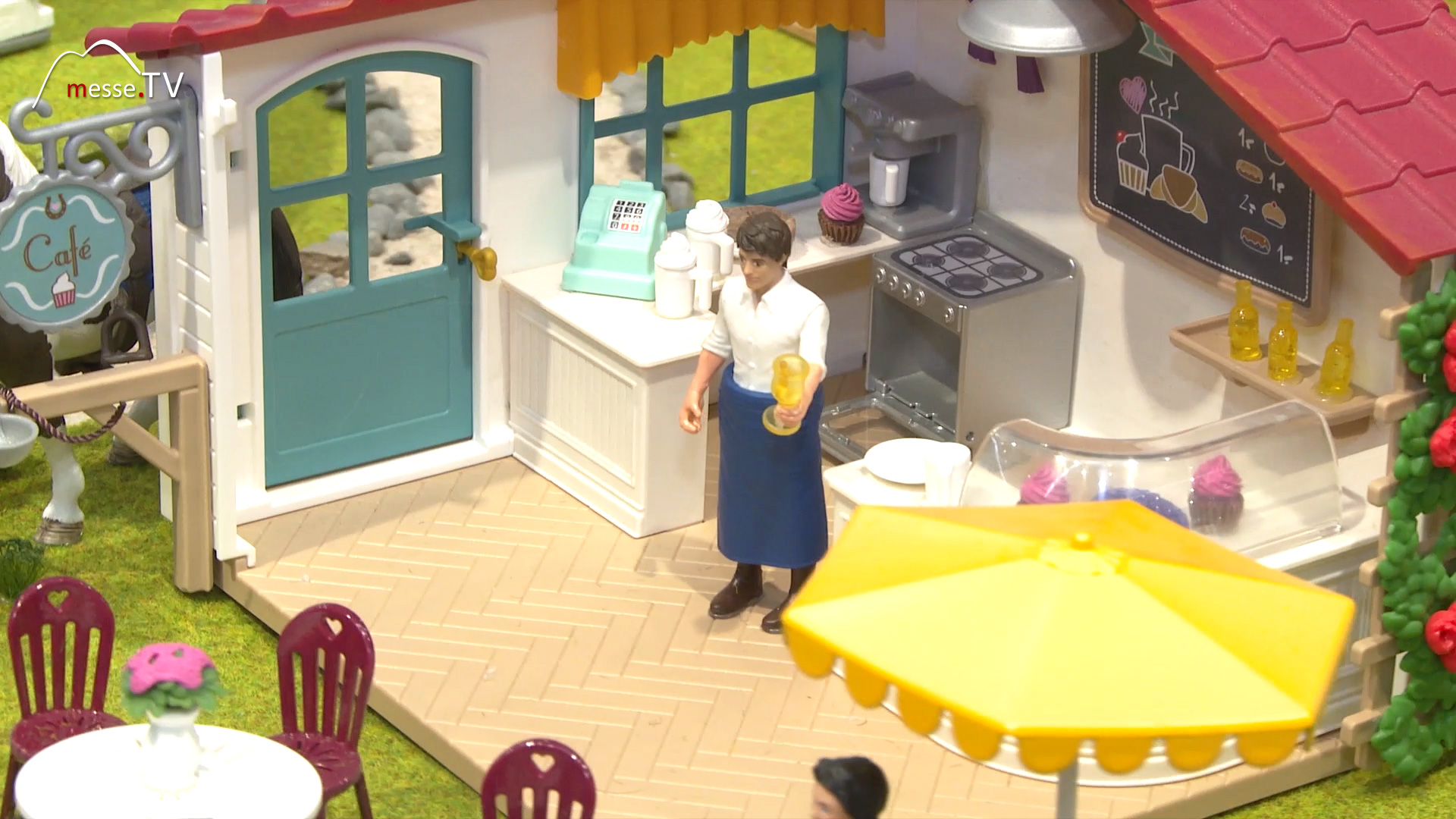
One example is the Horse Club Café, which serves as a meeting place. Here, the girls can sit together, enjoy cupcakes and tether their horses nearby. The café is complemented by characters such as Tom, who helps with the service and is also part of the story on the farm. Such secondary characters expand the game without taking the focus away from the four girls.
Stables, house and everyday life with horses
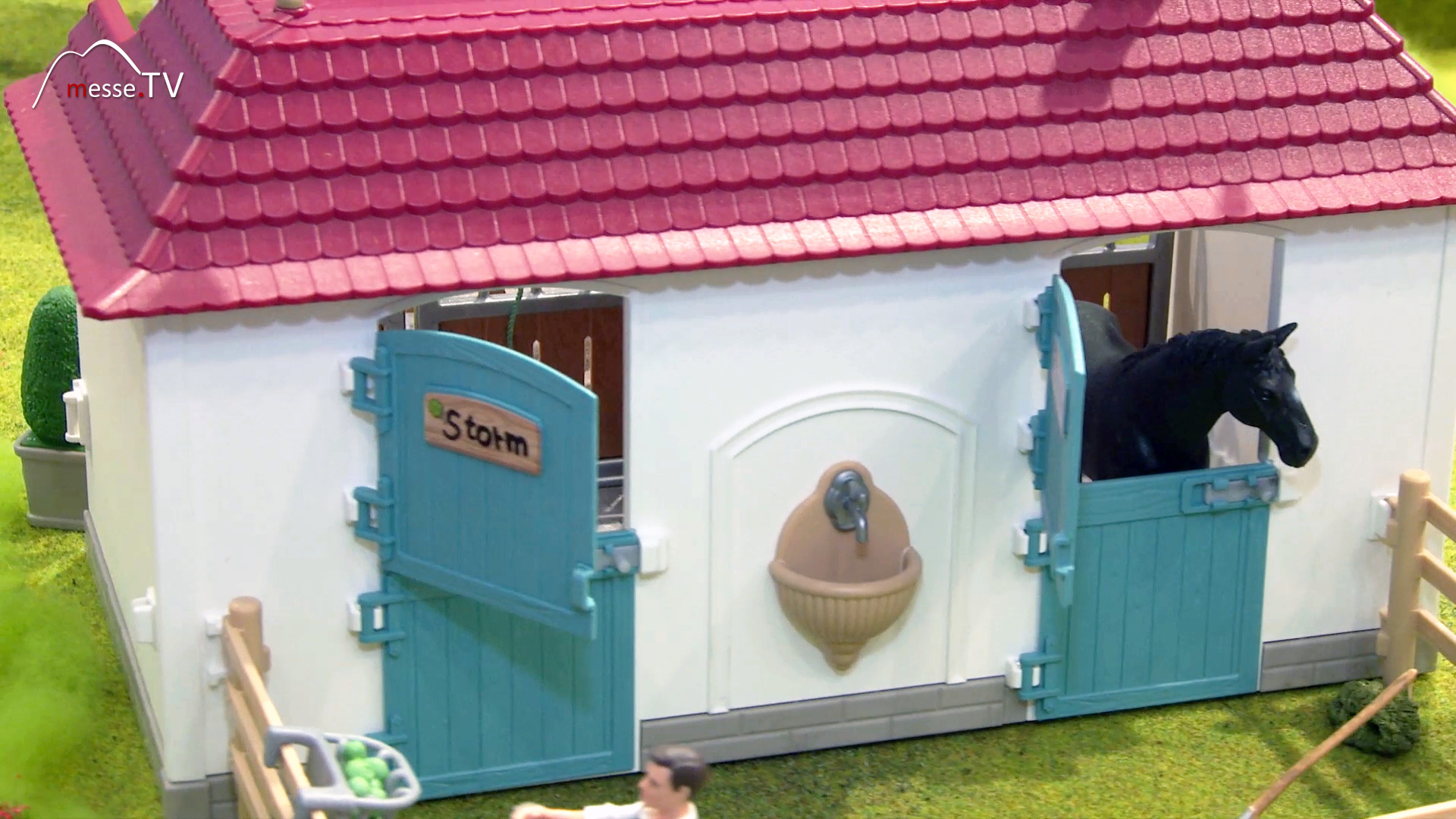
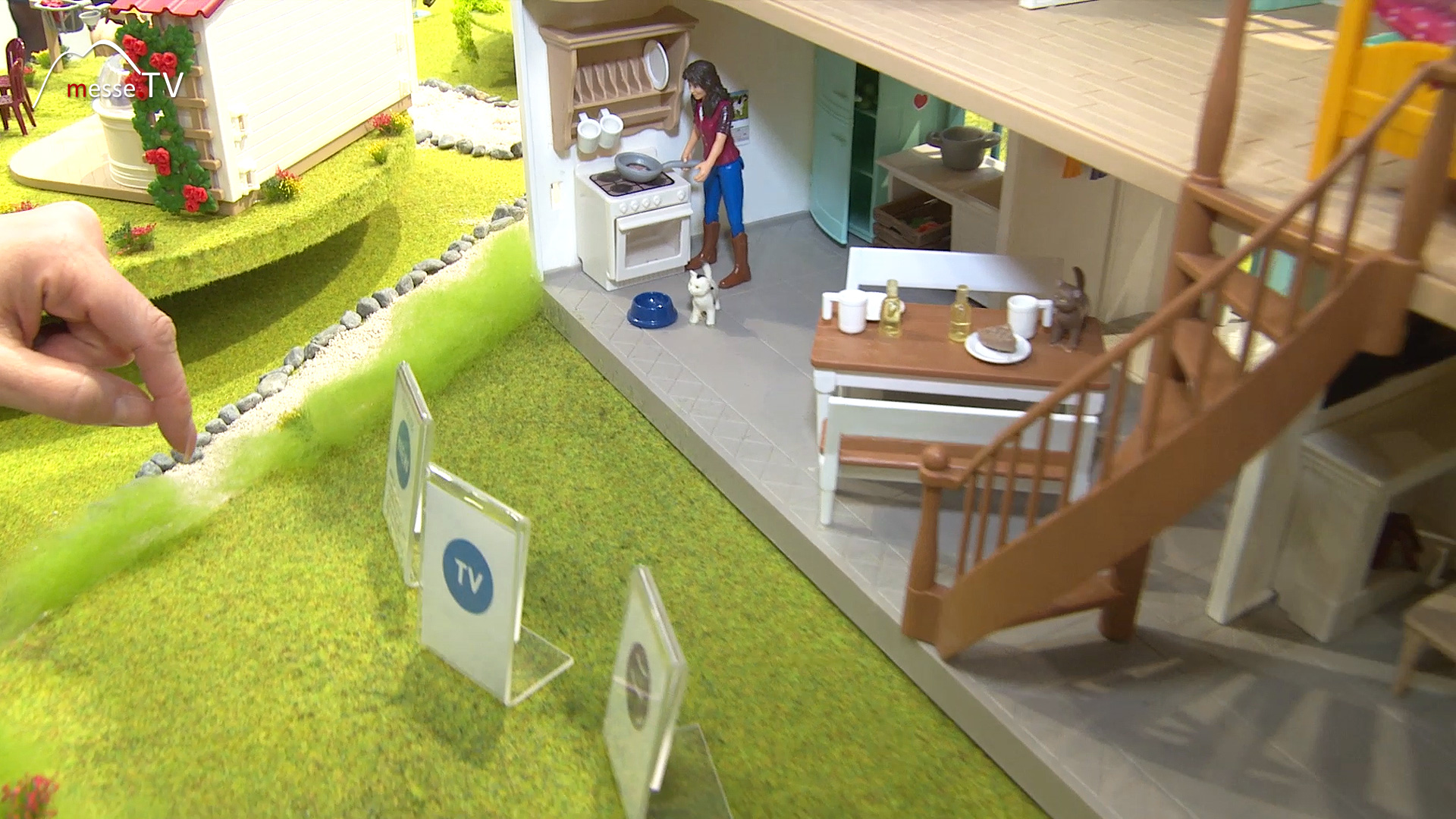
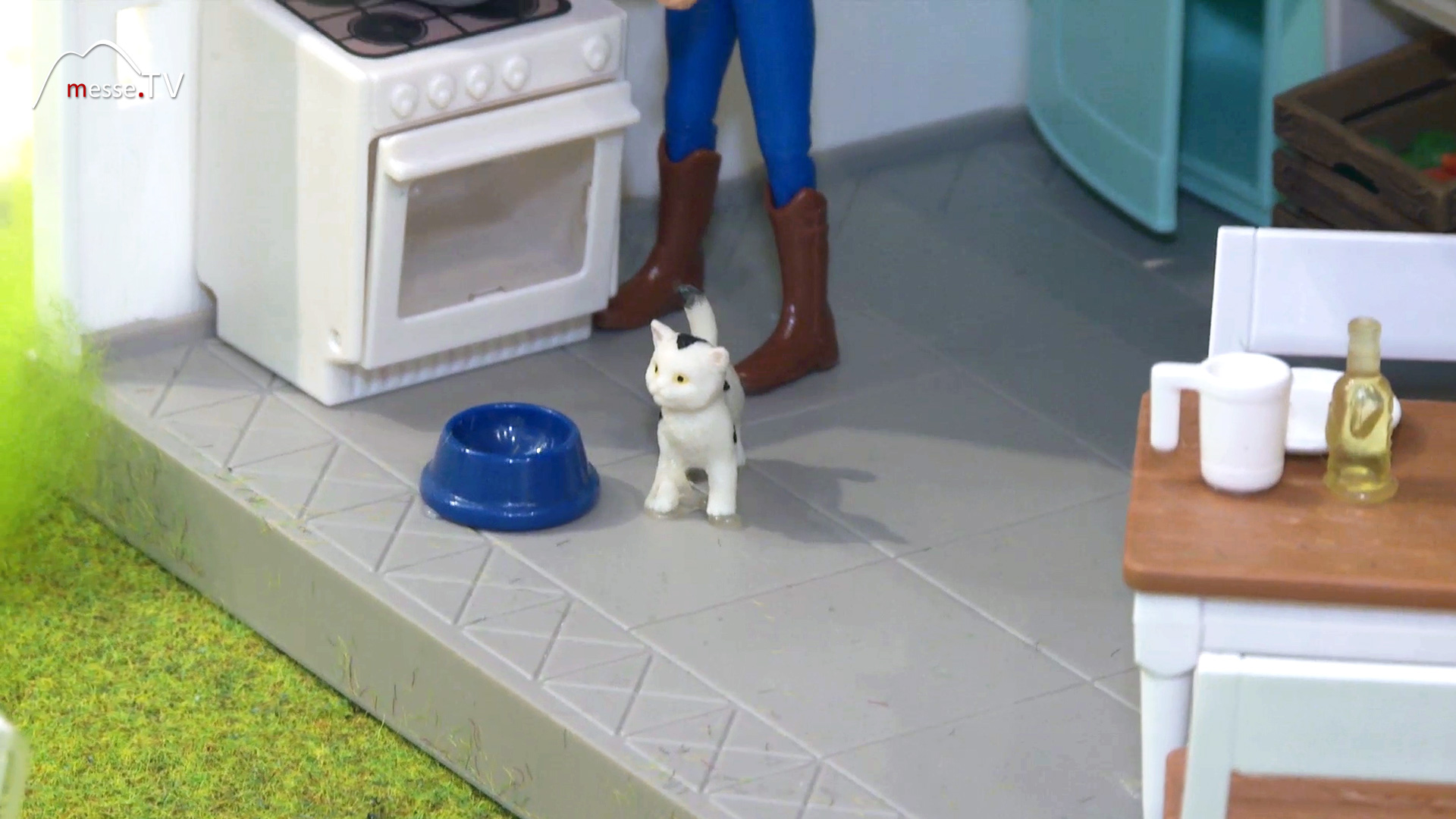
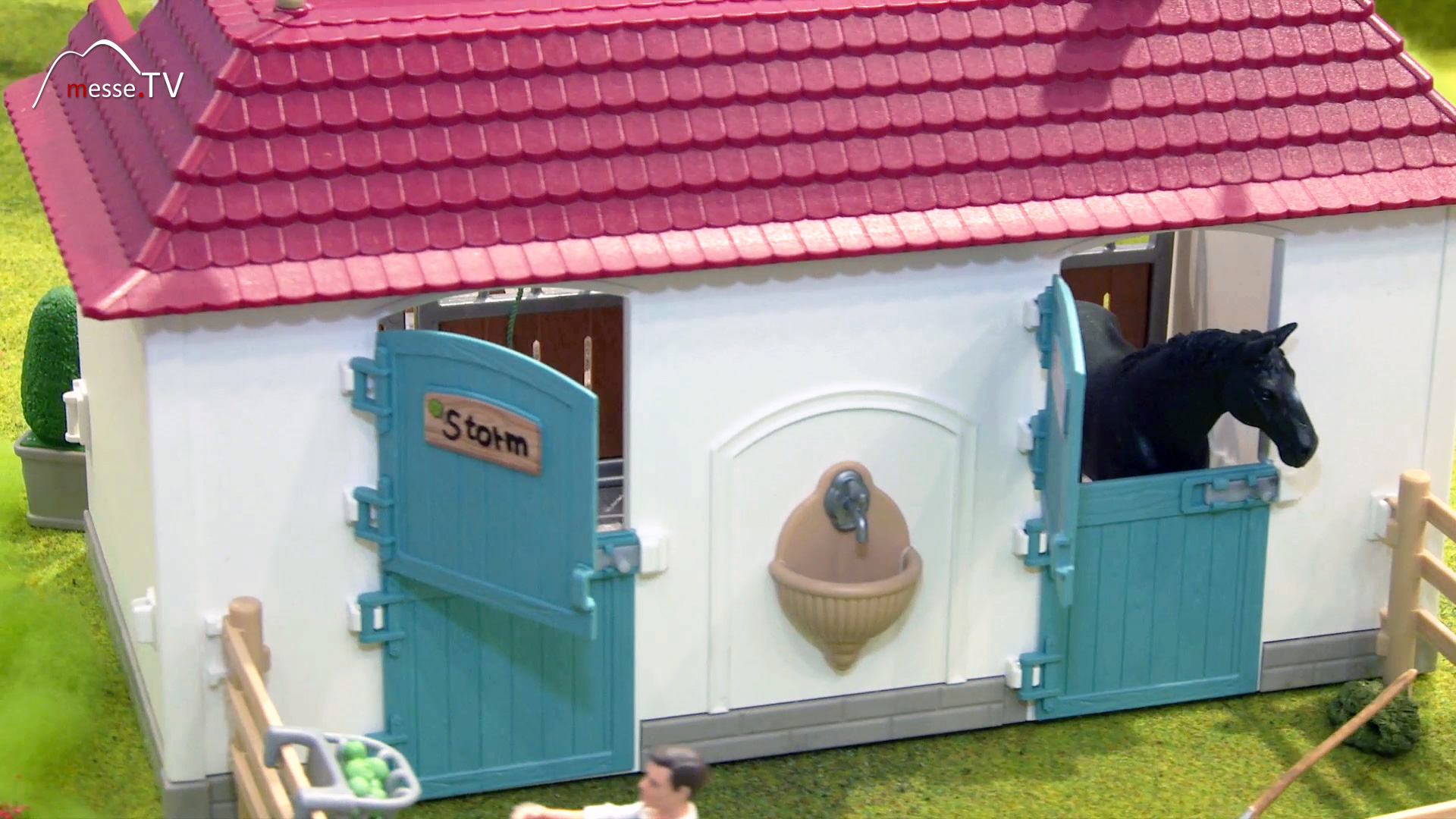
Another central component is the combination of stables and house. The horses have their own stalls, can be cared for and are given exercise. Details such as labelled stables or horses' heads peeking out show how much importance was placed on realistic representation. At the same time, the house offers space for everyday scenes away from riding. The house contains typical elements that make the game varied. These include secret passages, an attic with binoculars for stargazing and lovingly designed interiors. Small details such as a cat on the table or a burning fireplace create atmosphere and invite you to tell stories beyond the riding arena.
Play options and contents at a glance
- Four fully movable girl figures with individual horses
- Extensive accessories from the stable to the leisure area
- Books and audiobooks as part of the storytelling
- Detailed residential and stable buildings for role-playing games
Horse Club as a long-term play world
With Horse Club, Schleich is pursuing an approach that focuses on continuity. The four girls form the starting point around which further products are developed. New buildings, figures and accessories expand the world without changing the basic concept. Friendship, horses and shared experiences remain the constants. The appeal of Horse Club lies precisely in this mixture of structure and openness. The world is clearly defined, but leaves enough room for children to create their own stories. Children can re-enact familiar scenes or invent completely new ones. This makes Horse Club not just a toy, but a platform for long-term, creative play.


Trade fair reporting Germany - Trade fair knowledge, dates & events


