Große Drohnen, lange Flugzeiten und neue Einsatzfelder
Wer über die Messe geht und sich die üblichen Drohnenstände ansieht, erkennt schnell ein vertrautes Muster: kompakte Multikopter, kurze Flugzeiten, klarer Fokus auf Freizeit und Consumer. Umso stärker wirkt der Moment, in dem man vor einem Copter steht, der mit diesem Bild bricht.
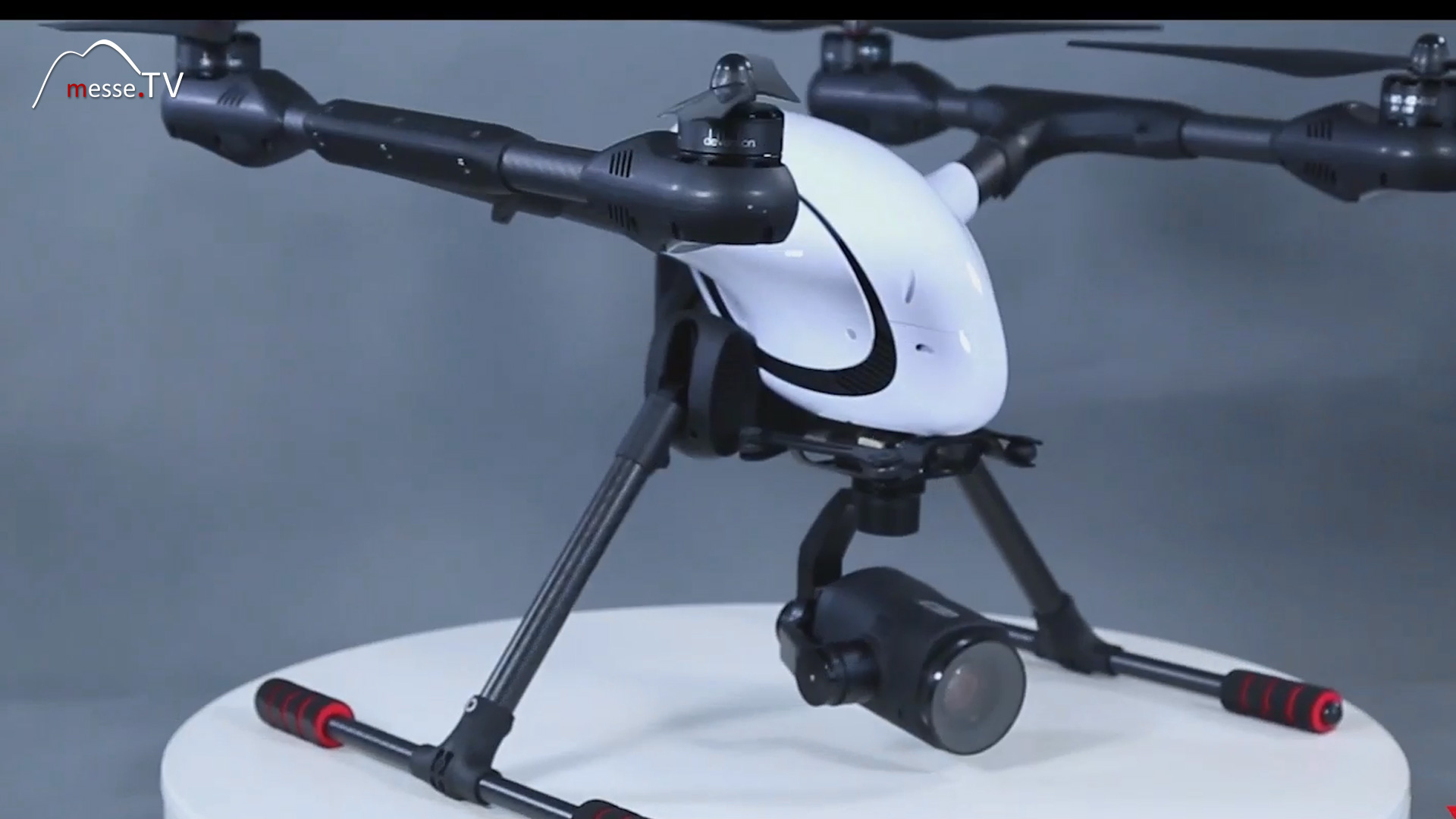
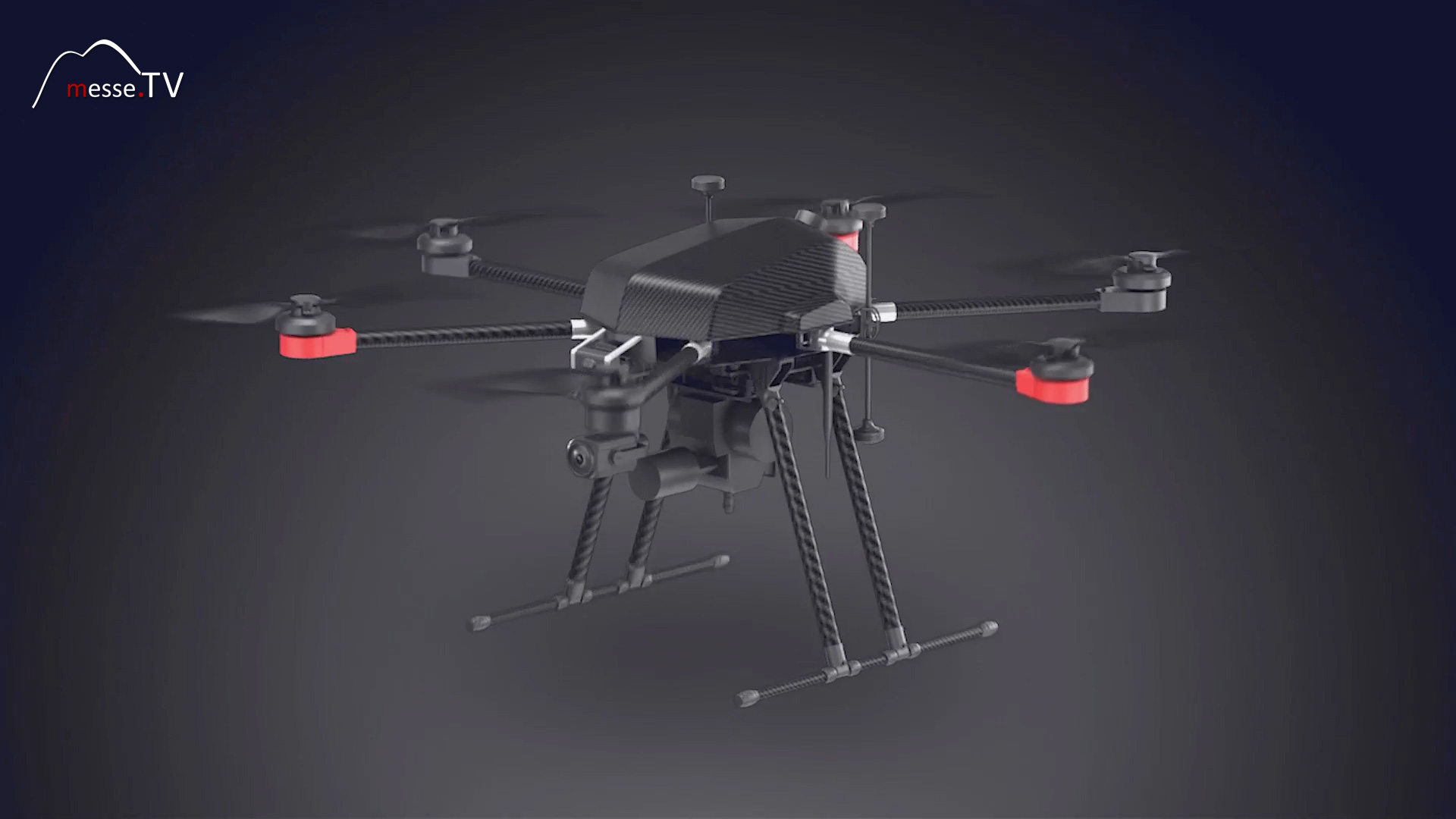
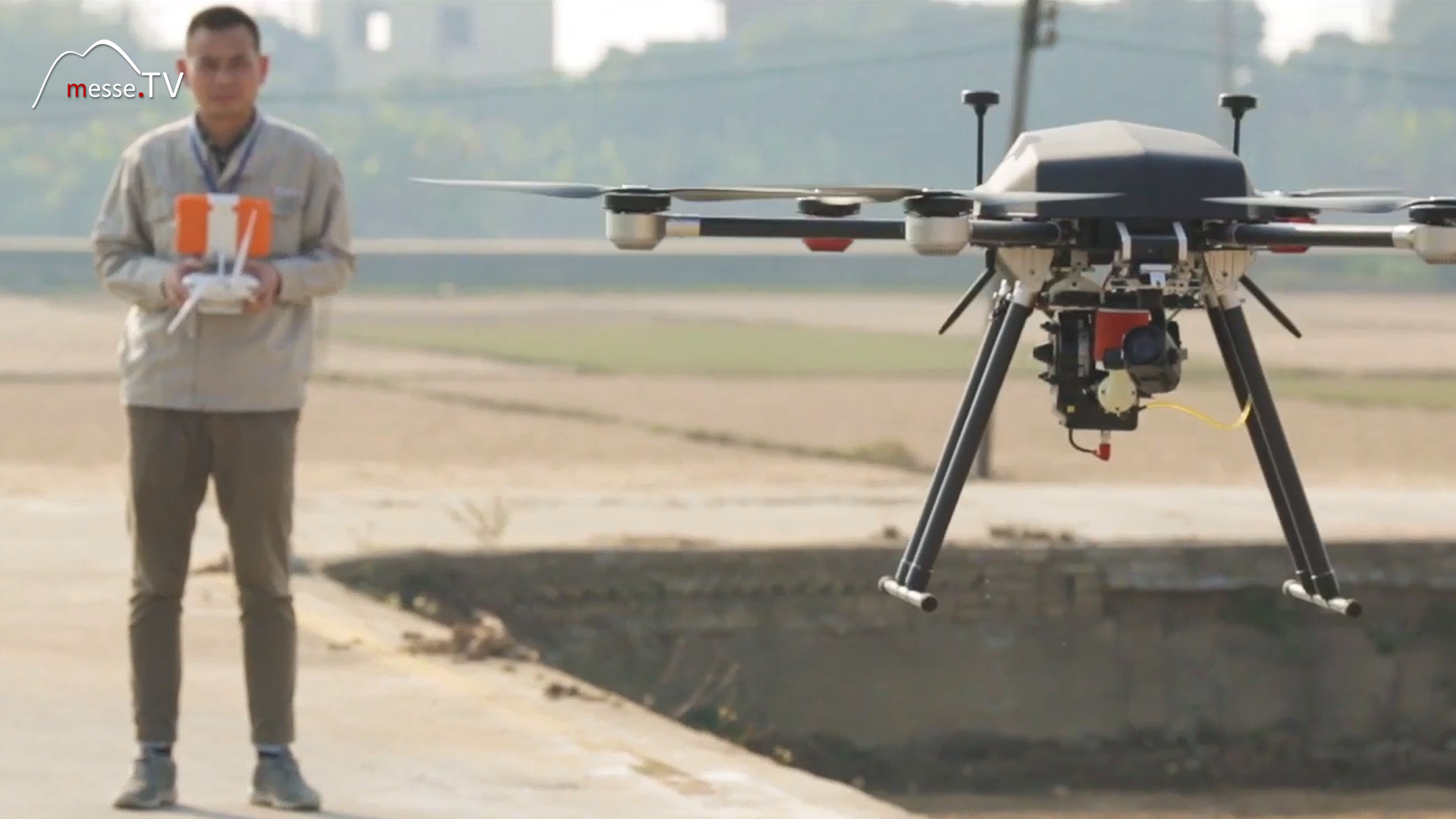
Die hier vorgestellte Drohne fällt nicht nur durch ihre schiere Größe auf, sondern durch ein technisches Konzept, das deutlich über das hinausgeht, was man im Spielwarenumfeld erwartet. Schon der erste Eindruck macht klar, dass es sich nicht um ein Produkt für spontane Flugversuche handelt, sondern um ein Arbeitsgerät mit klar definierter Aufgabe. Im Mittelpunkt steht ein Multikopter mit einem Rahmen von rund einem Meter zwanzig Durchmesser. Allein diese Dimension verschiebt die Wahrnehmung. Statt Leichtbau und Minimalismus dominiert Stabilität. Der Copter wirkt massiv, technisch, fast industriell. Genau dieser Eindruck passt zu seiner Funktion.
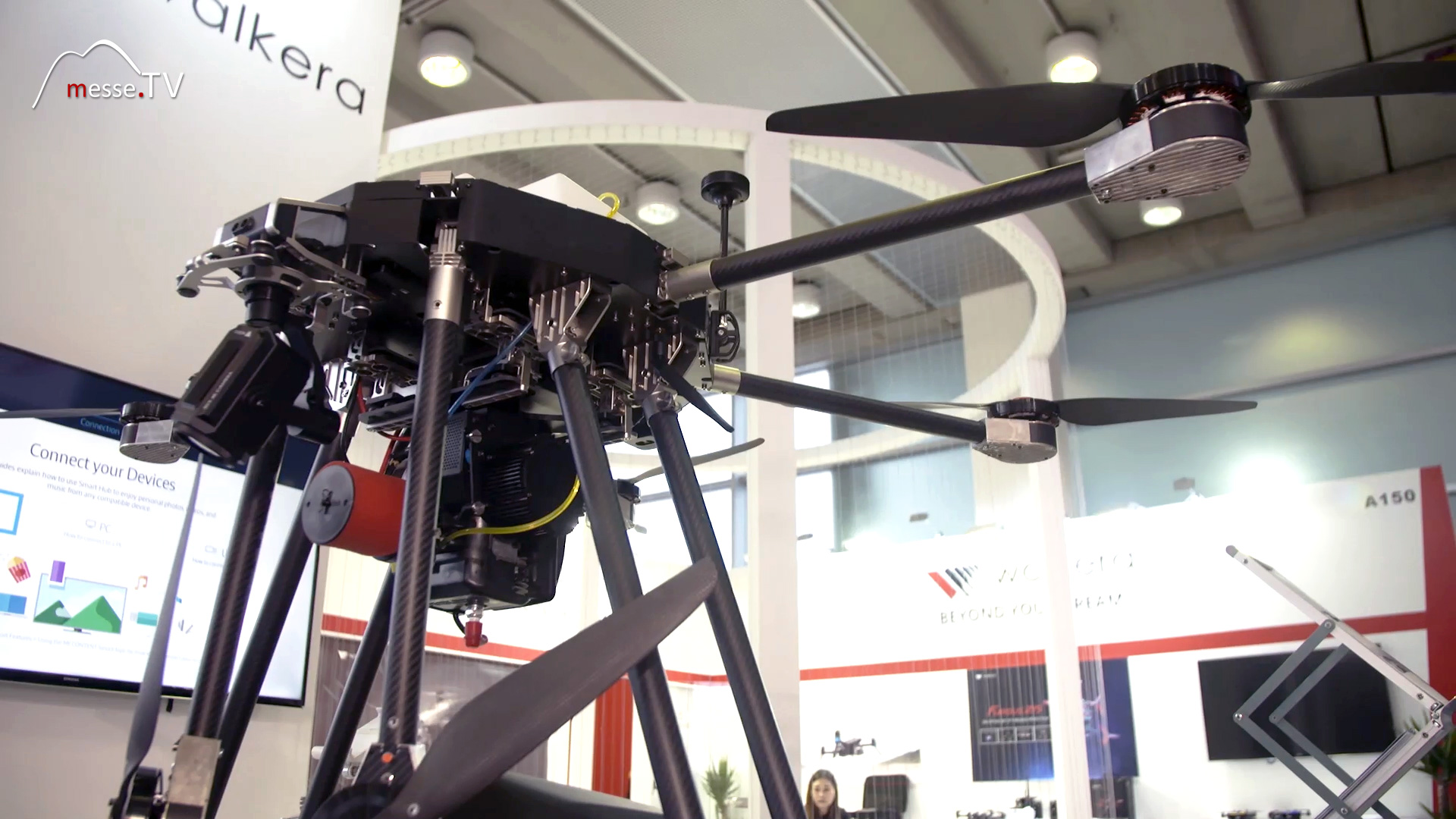
Hybrid Multikopter von Walkera mit Generatorantrieb
Das zentrale Merkmal dieses Systems ist sein hybrider Antrieb. Anders als bei klassischen Drohnen, die ausschließlich auf Akkus setzen, arbeitet dieser Multikopter mit einer Kombination aus Batterie und integriertem Generator. Ein kleiner Verbrennungsmotor mit rund zweiunddreißig Kubikzentimetern erzeugt während des Fluges Energie und versorgt die Batterie kontinuierlich mit Strom. Dadurch entsteht ein entscheidender Vorteil: die Flugzeit.
Statt der üblichen zwanzig bis dreißig Minuten kann dieser Copter mehr als zwei Stunden in der Luft bleiben. Für viele professionelle Anwendungen ist genau das der entscheidende Faktor. Lange Standzeiten, große Flächen und komplexe Inspektionsaufgaben lassen sich so ohne permanente Landungen realisieren. Trotz des Gewichts von rund achtzehn Kilogramm bleibt der Copter stabil in der Luft, da er nicht auf hohe Zuladung ausgelegt ist, sondern ausschließlich sich selbst, den Generator und ein Kamerasystem trägt.
Einsatzbereiche jenseits des Spielwarenmarkts
Die Frage nach dem Einsatzgebiet stellt sich sofort. Ein derartiges System ist nicht für Luftaufnahmen aus Hobbyinteresse gedacht. Vielmehr zielt es auf professionelle Anwendungen. Inspektionen von Solaranlagen, Hochspannungsleitungen oder Industrieanlagen gehören zu den typischen Szenarien. Auch in der chemischen Industrie oder bei thermischen Analysen spielt die lange Flugzeit eine zentrale Rolle. Der Copter kann mit verschiedenen Kamerasystemen ausgestattet werden, darunter hochauflösende 4K-Kameras mit starkem optischem Zoom. Ein dreißigfacher optischer Zoom ermöglicht es, Details aus sicherer Entfernung zu erfassen, ohne die Drohne nahe an kritische Strukturen heranführen zu müssen. Ergänzend kommen Wärmebildkameras zum Einsatz, etwa zur Analyse von Materialverhalten oder zur Erkennung von Wärmeverlusten.
- Hybridantrieb mit Generator und Batterie
- Flugzeit von über zwei Stunden
- Abfluggewicht von rund achtzehn Kilogramm
- 4K-Kamerasysteme mit starkem optischem Zoom
- Einsatz für Inspektion und Industrieanwendungen
Warum so eine Drohne auf einer Spielwarenmesse steht
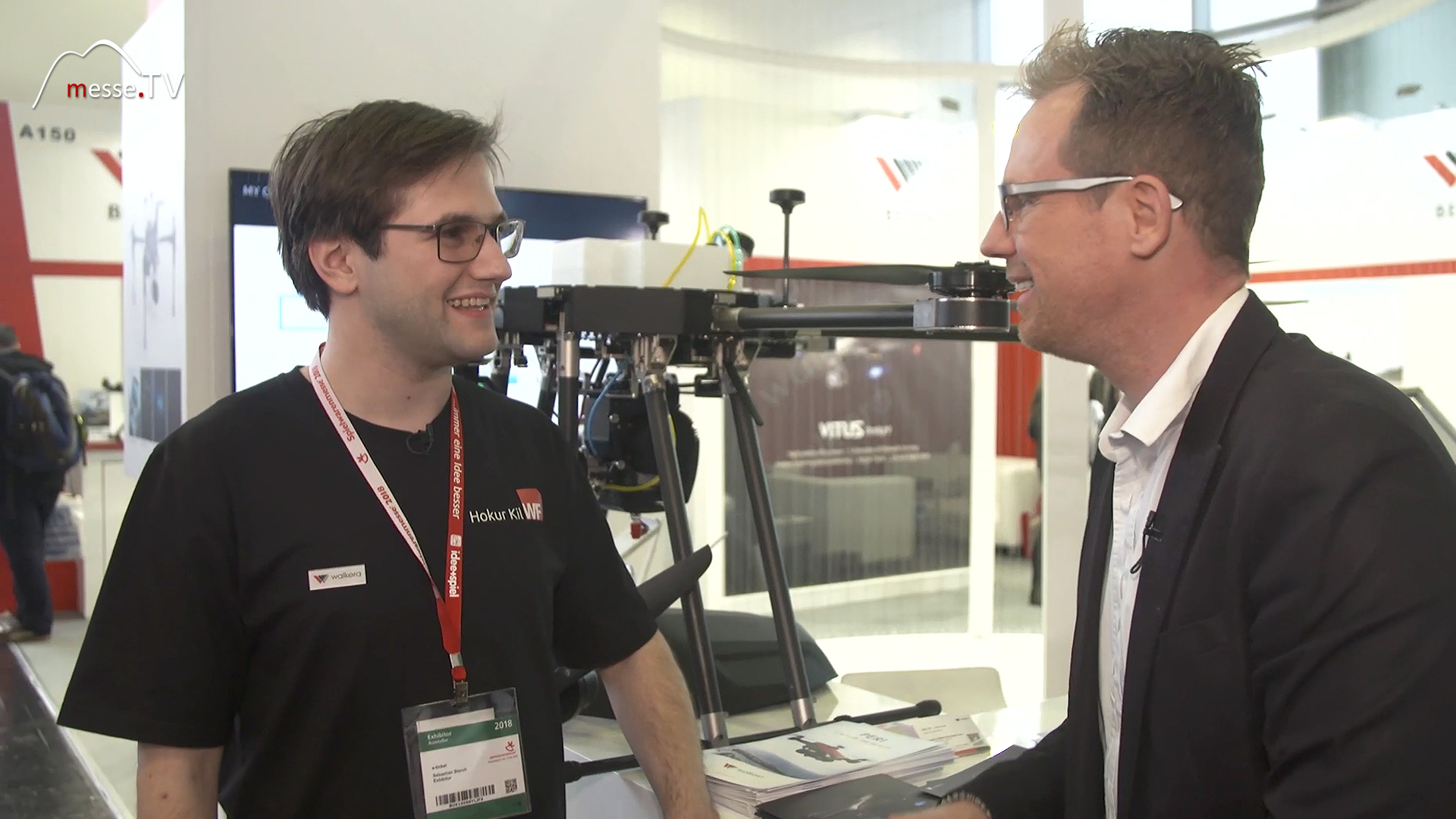
Angesichts dieser Eigenschaften wirkt der Auftritt auf einer Spielwarenmesse zunächst widersprüchlich. Der Hersteller selbst beschreibt das System nicht als Hauptprodukt für dieses Umfeld, sondern als bewusst eingesetzten Blickfang. Die große Drohne zieht Aufmerksamkeit auf den Stand und schafft Gesprächsanlässe. Erst im zweiten Schritt werden die kompakteren Modelle gezeigt, die sich stärker am Consumerbereich orientieren. Diese Strategie funktioniert. Der Kontrast zwischen dem großen Hybrid-Copter und den kleineren, klappbaren Drohnen verdeutlicht die technologische Bandbreite. Gleichzeitig wird klar, dass die Grenzen zwischen Spielware, Technikprodukt und professionellem Werkzeug zunehmend verschwimmen.

Consumer Drohnen mit Kollisionsschutz und intelligenter Sensorik
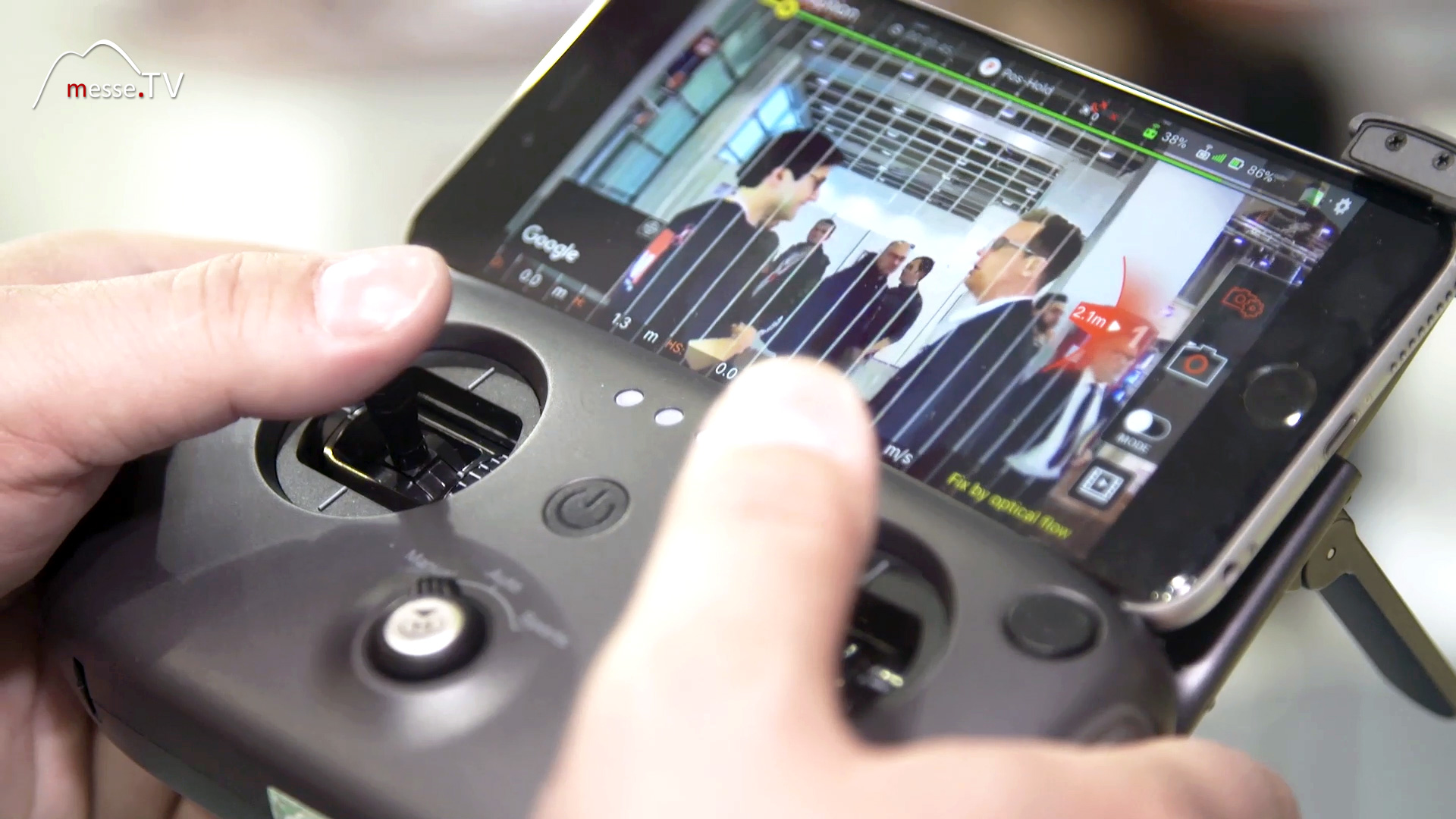
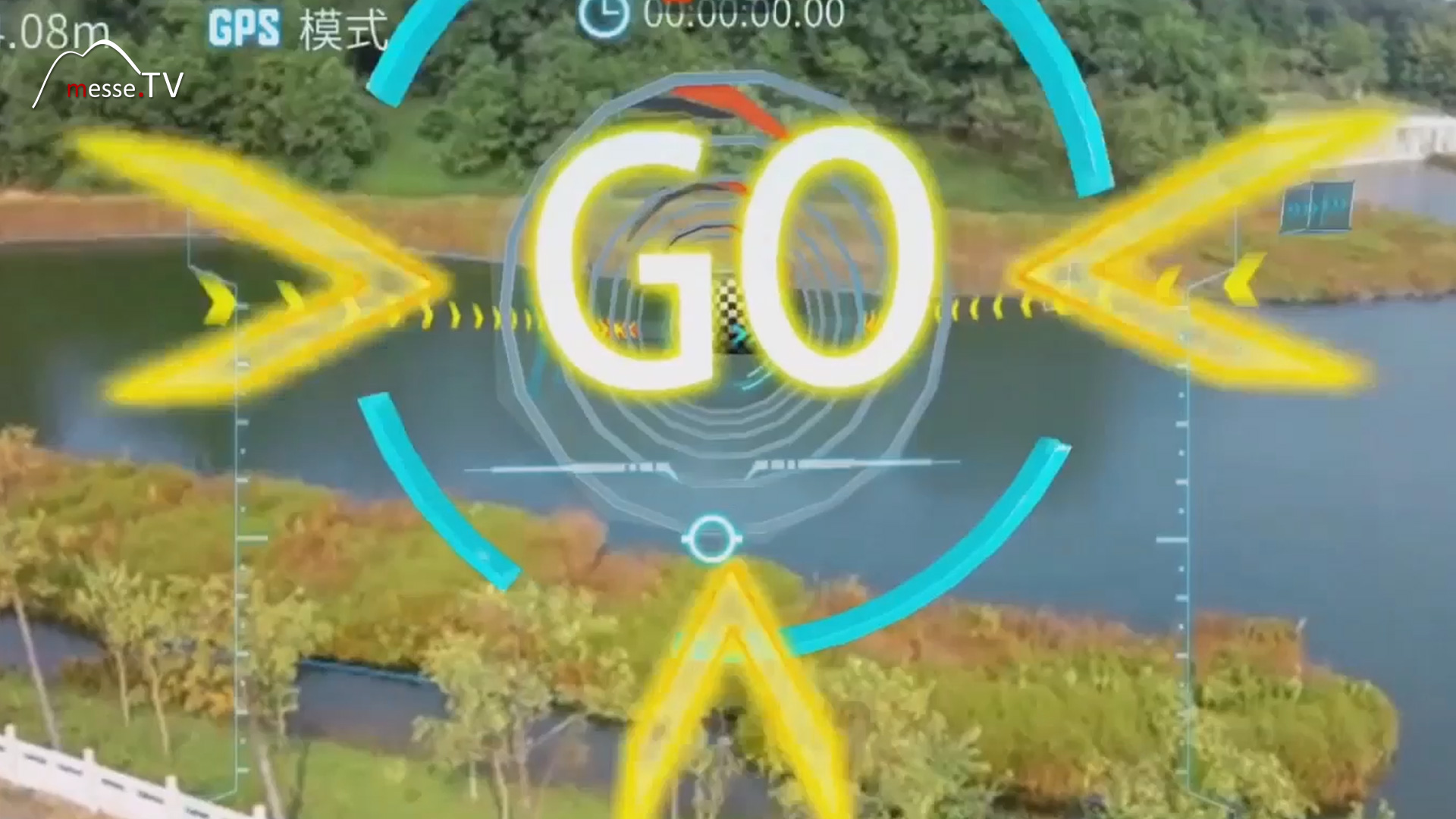
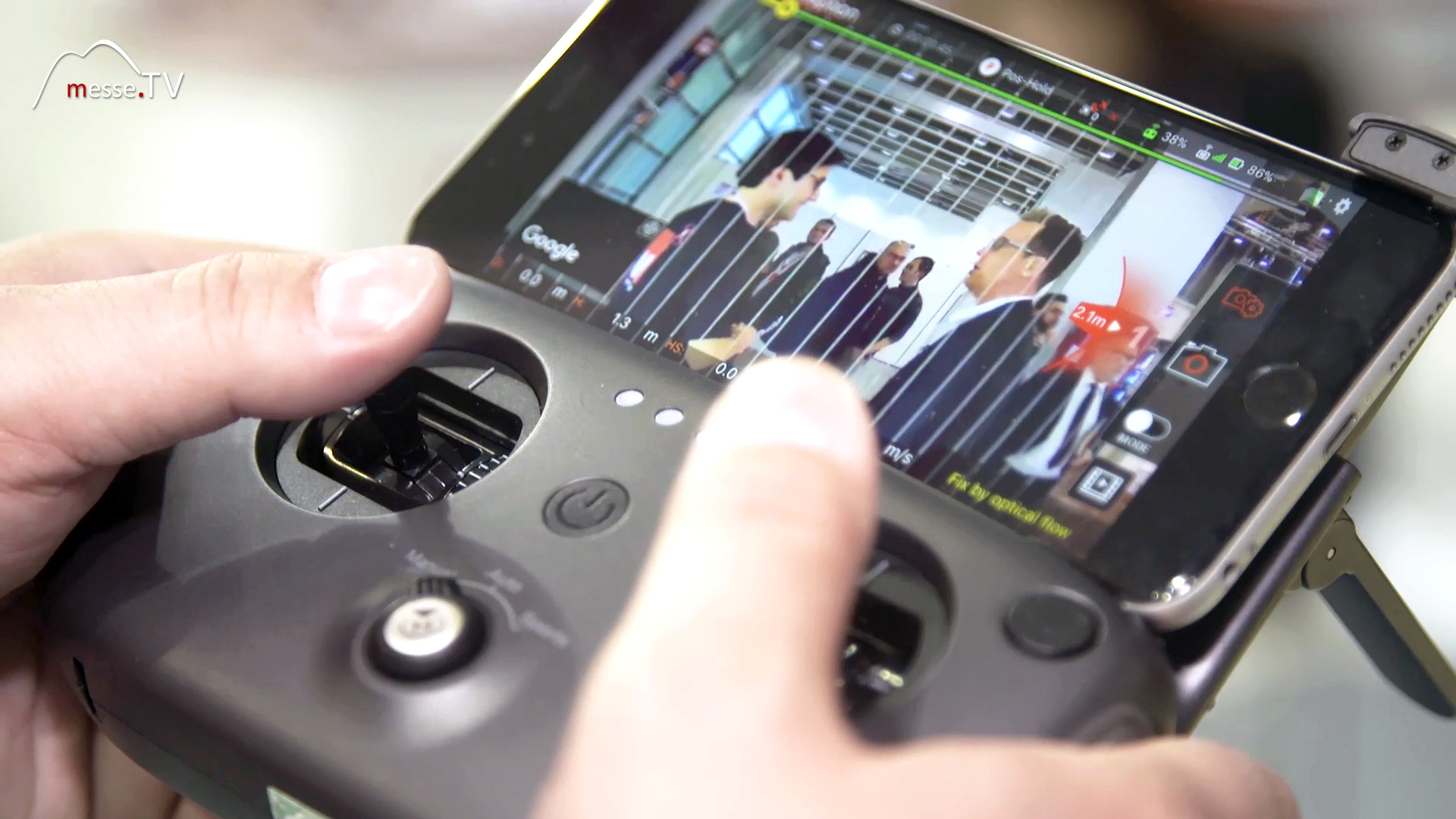
Neben dem großen Multikopter werden auch kleinere Modelle präsentiert, die preislich im höheren dreistelligen Bereich liegen. Diese Drohnen richten sich an ambitionierte Nutzer, die mehr erwarten als einfache Steuerung. Klappmechanismen, Kollisionsvermeidung und hochwertige Kameras gehören hier zum Standard. Ein zentrales Element moderner Systeme ist die Sensorik. Kameras und Sensoren erkennen Hindernisse, stoppen den Copter rechtzeitig oder leiten Ausweichbewegungen ein. Besonders interessant ist dabei die Fähigkeit, auch ohne GPS stabil zu fliegen. Über sogenannte Optical-Flow-Systeme analysiert eine nach unten gerichtete Kamera die Bewegung des Untergrunds. So kann die Drohne ihre Position halten, selbst in Innenräumen oder Bereichen ohne Satellitensignal. Diese Technik eröffnet neue Einsatzmöglichkeiten, etwa in Hallen oder komplexen Innenstrukturen. Gleichzeitig zeigt sie, wie stark sich die Drohnentechnik in kurzer Zeit entwickelt hat.
Walkera zwischen Consumer und professioneller Technik
Die Marke Walkera bewegt sich genau in diesem Spannungsfeld. Einerseits stehen Produkte für ambitionierte Privatnutzer, andererseits Systeme, die klar auf professionelle Anwendungen zugeschnitten sind. Der große Hybrid-Multikopter fungiert dabei als technisches Aushängeschild. Er zeigt, was möglich ist, wenn Flugzeit, Stabilität und Sensorik konsequent aufeinander abgestimmt werden. Die präsentierten Systeme machen deutlich, dass Drohnen längst mehr sind als fliegende Kameras für Freizeitaufnahmen. Sie sind Werkzeuge geworden, deren Einsatz sich an klaren Anforderungen orientiert. Ob Inspektion, Analyse oder Überwachung, entscheidend sind Ausdauer, Präzision und Zuverlässigkeit.
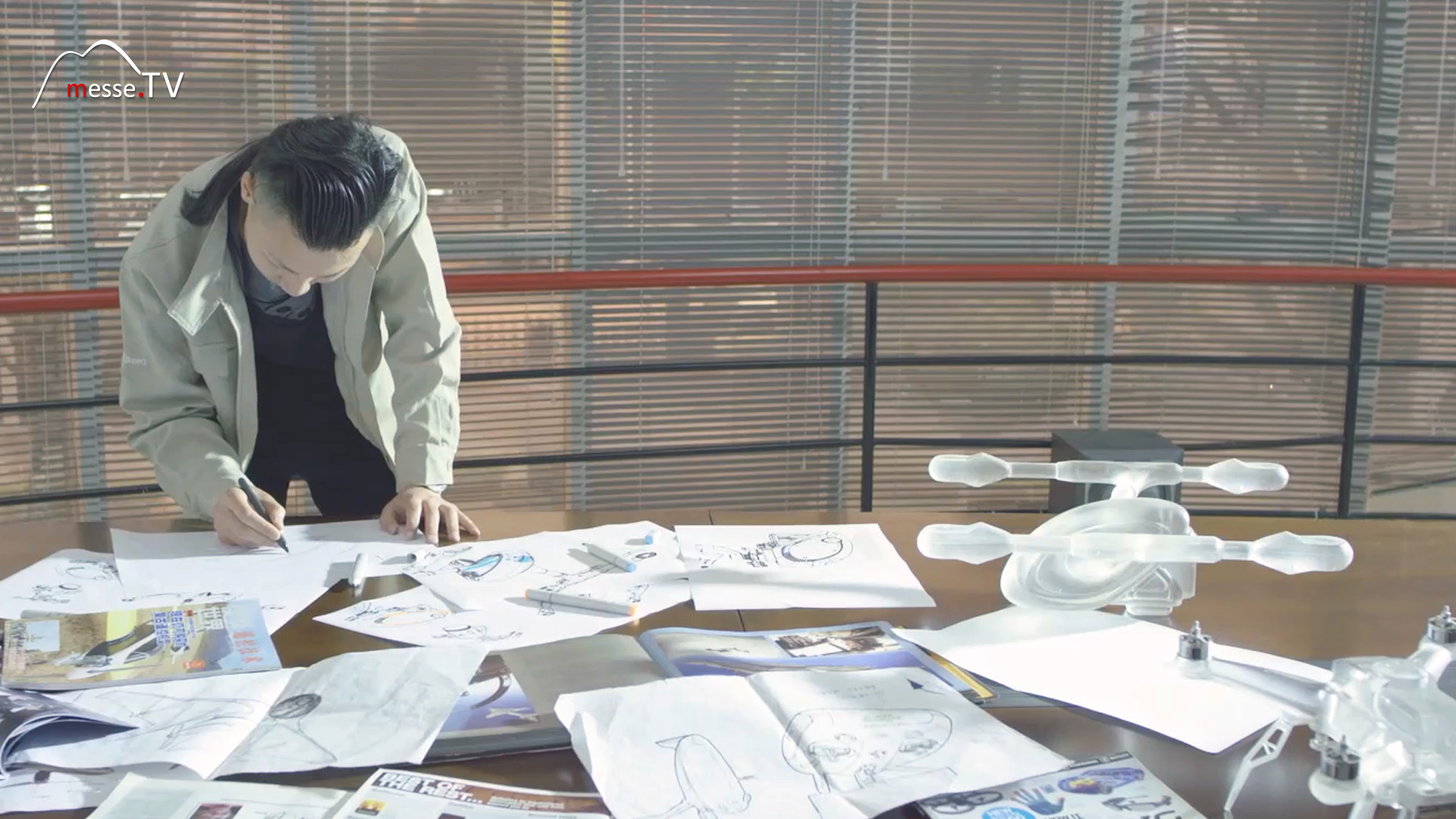
Blick in die technische Entwicklung
Im Gespräch wird auch deutlich, dass die Entwicklung nicht abgeschlossen ist. Verbesserungen bei Akkulaufzeiten, Kameratechnik und Software gelten als gesetzt. Hinzu kommen Ansätze aus der Gamification und der erweiterten Realität, die neue Steuerungs- und Anwendungskonzepte ermöglichen könnten. Welche Schritte konkret folgen, bleibt offen, doch die Richtung ist klar: mehr Autonomie, bessere Bildqualität und längere Einsatzzeiten. Gerade deshalb wirkt der Auftritt dieser Drohnen auf einer Spielwarenmesse weniger fremd, als er zunächst scheint. Die Messe wird zur Bühne für technologische Entwicklungen, die ihren Ursprung im Spiel haben, längst aber in professionellen Bereichen angekommen sind.





Messe-Berichterstattung bundesweit - Messewissen, Termine & Veranstaltungen


