Öko Plüschtiere: Natürliche Materialien statt synthetischer Fasern
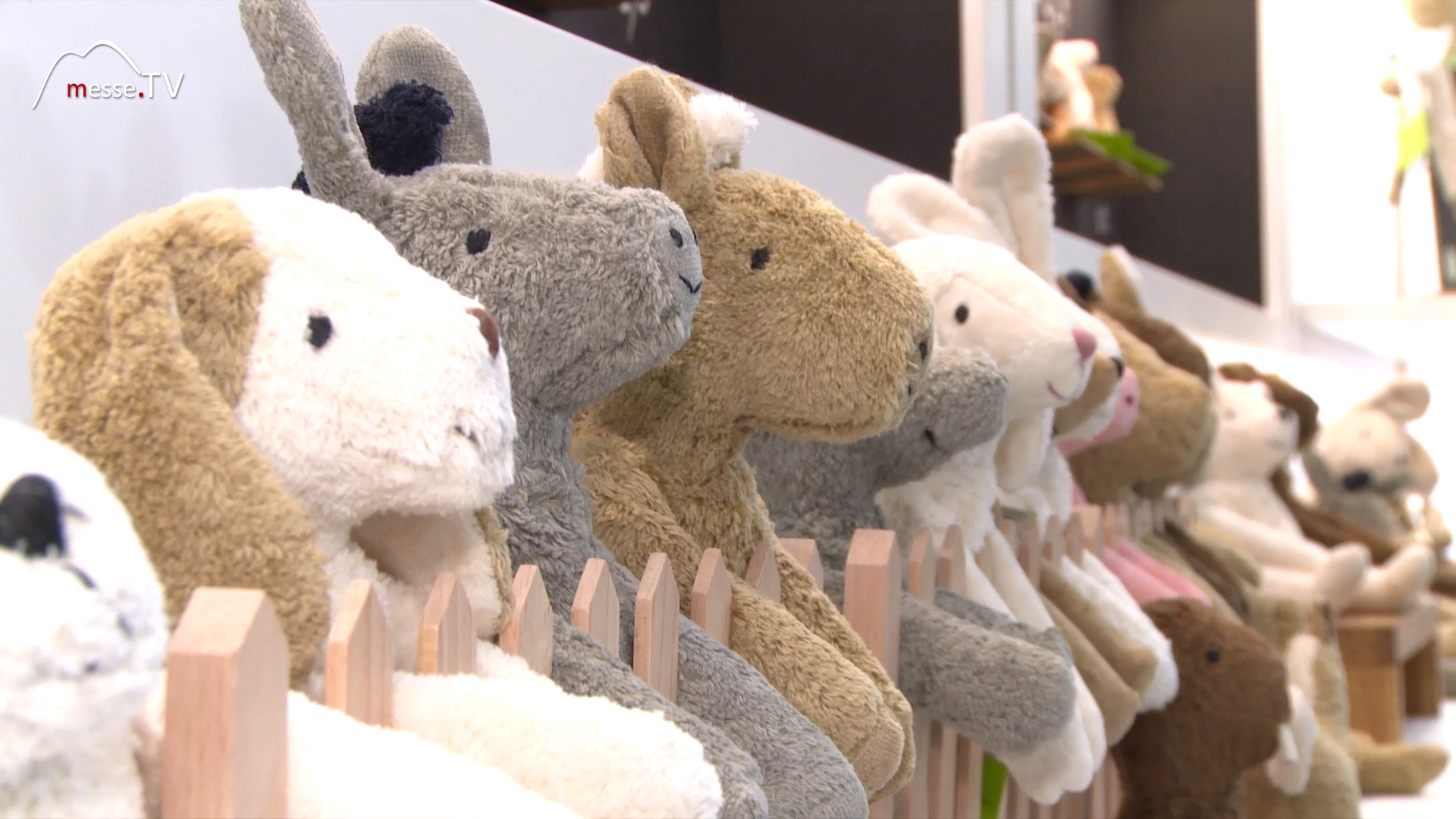
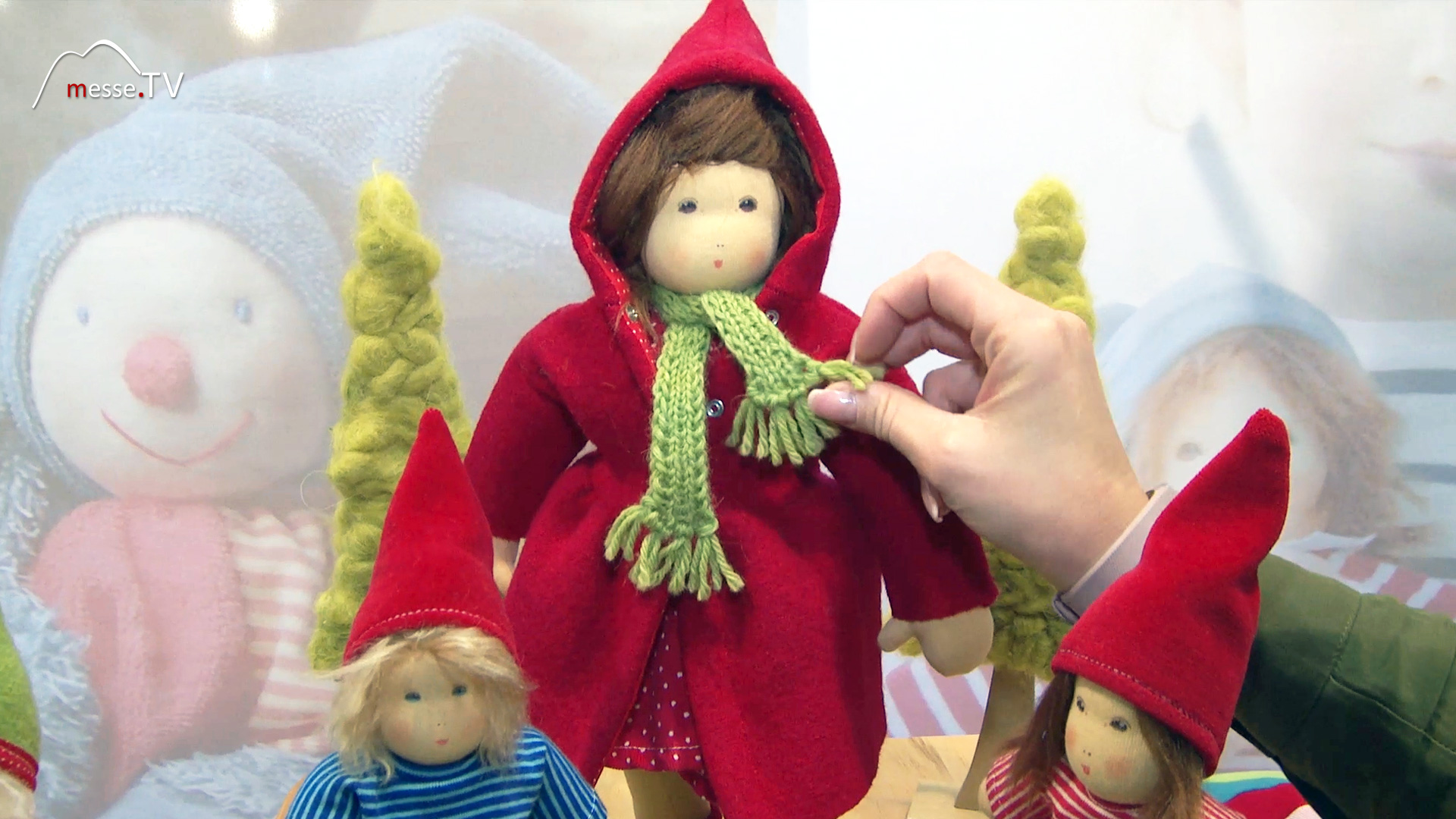
Zwischen grellen Farben, Comicoptik und immer neuen Figuren wirken manche Plüschtiere auf den ersten Blick überraschend zurückhaltend. Gedämpfte Farbtöne, ruhige Formen und ein bewusst reduziertes Erscheinungsbild fallen auf – und genau darin liegt ihr Konzept. Statt optischer Reize steht bei diesen Plüschtieren ein anderer Anspruch im Vordergrund: Materialqualität, gesundheitliche Unbedenklichkeit und ein möglichst naturbelassener Umgang mit Farbe und Oberfläche.
Farbauswahl als bewusste Entscheidung
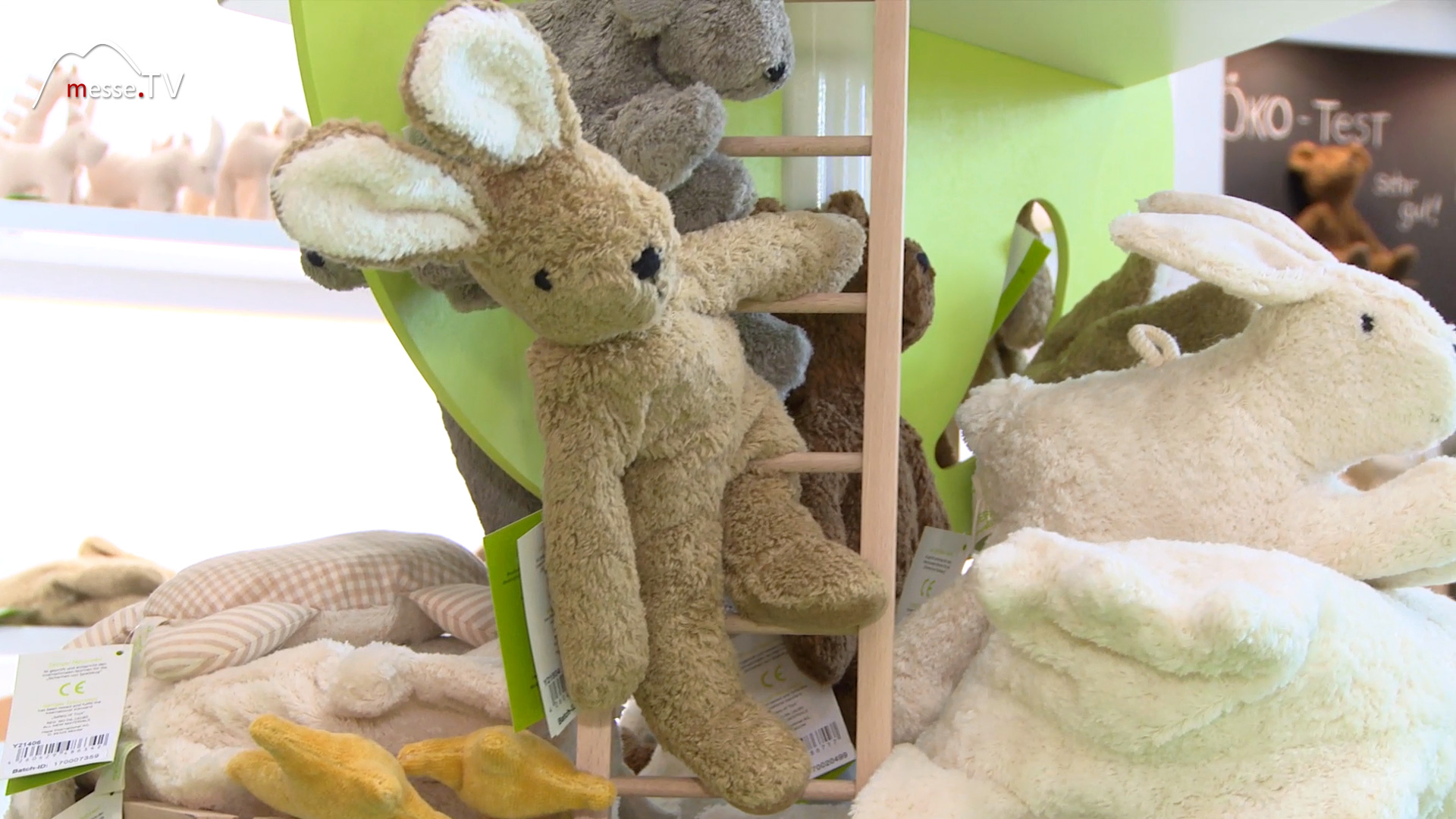
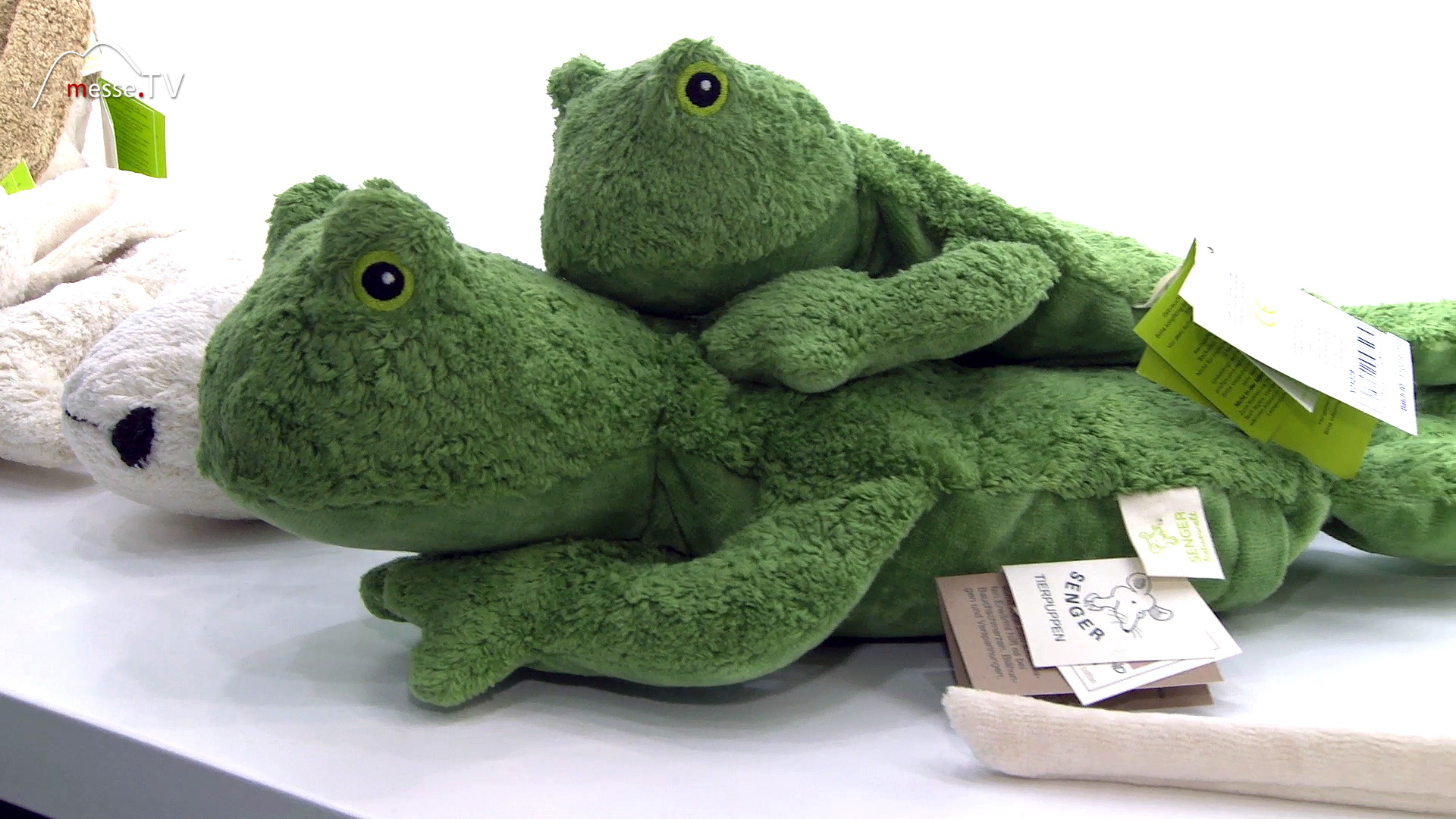
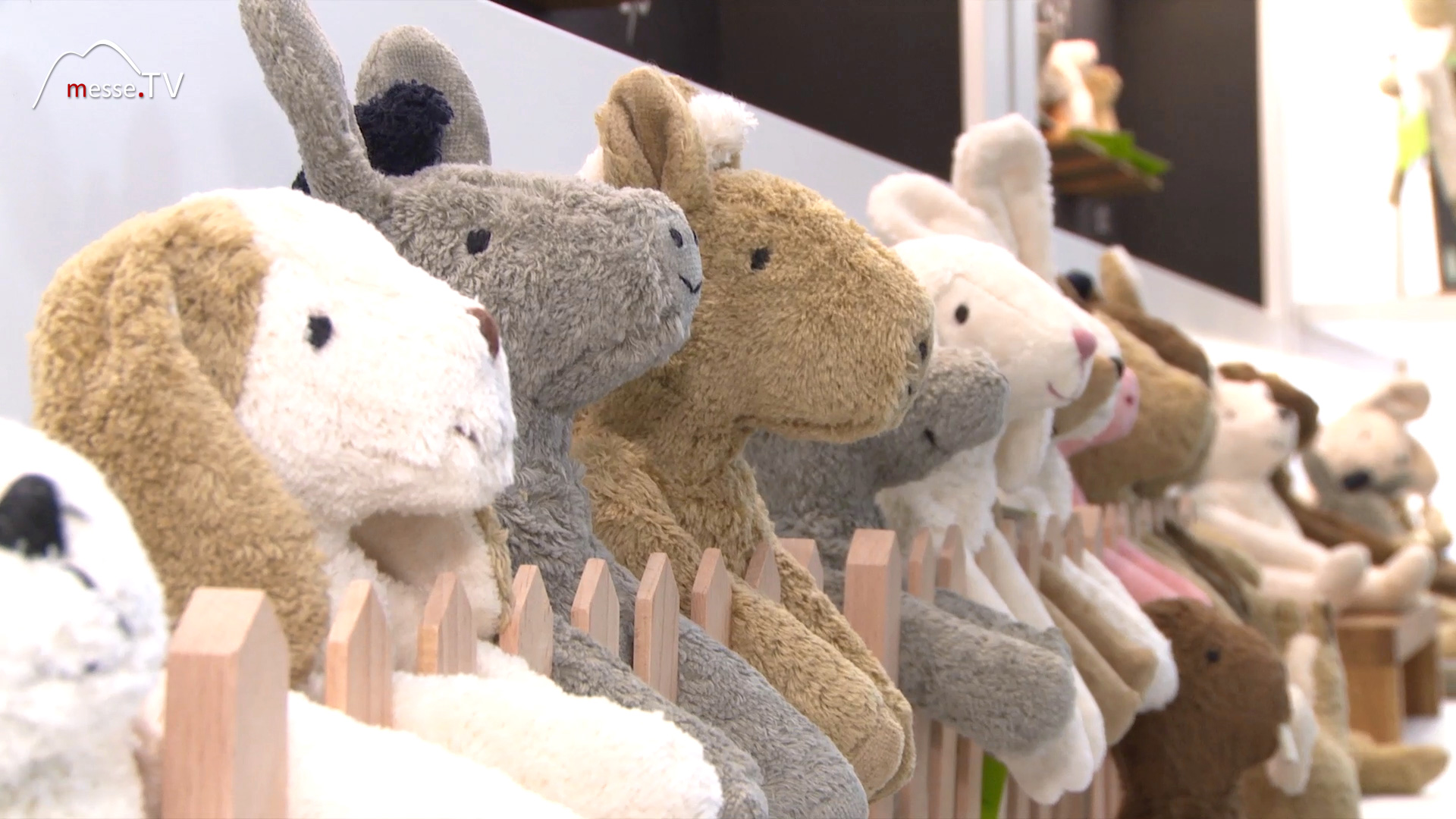
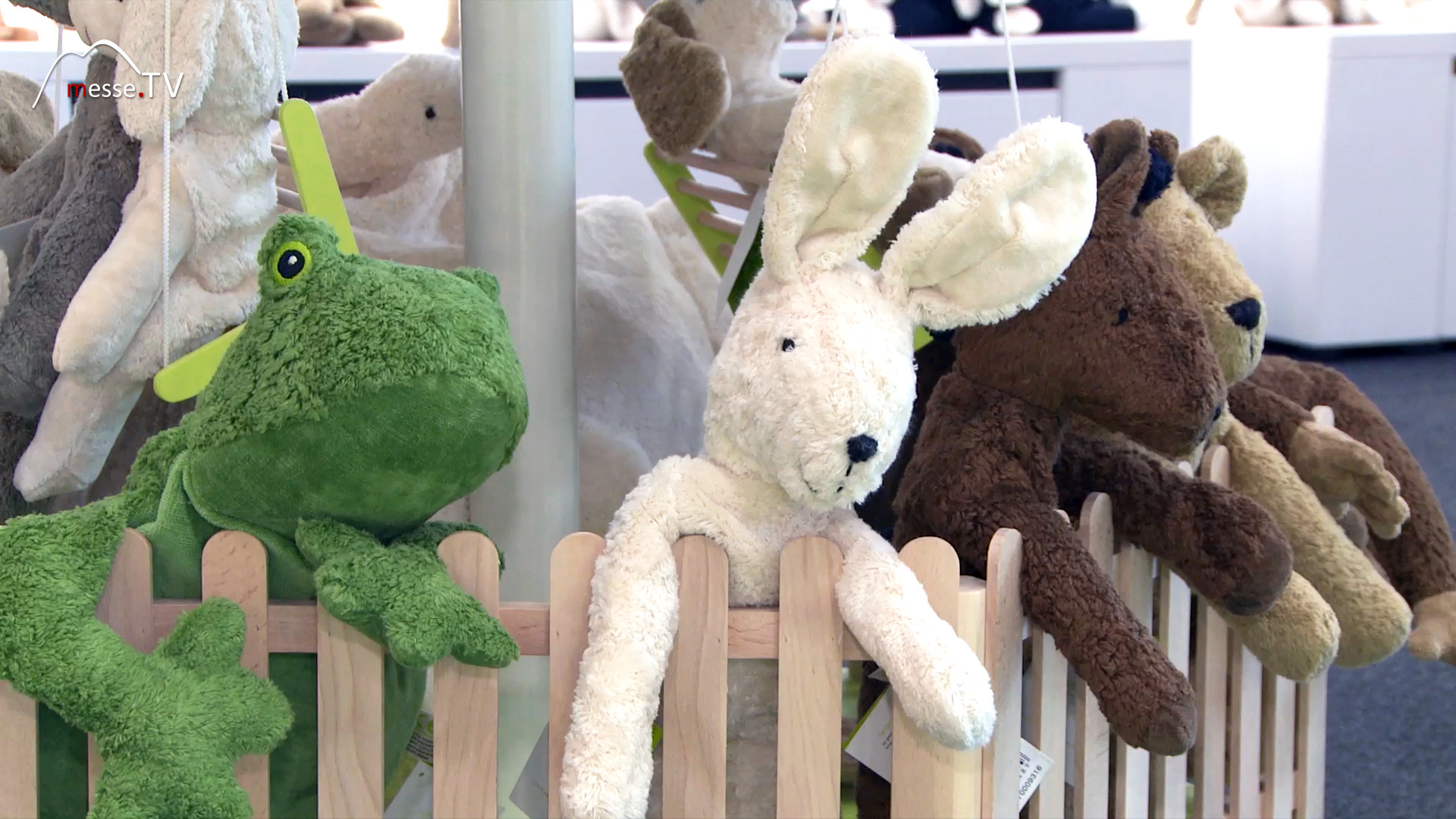
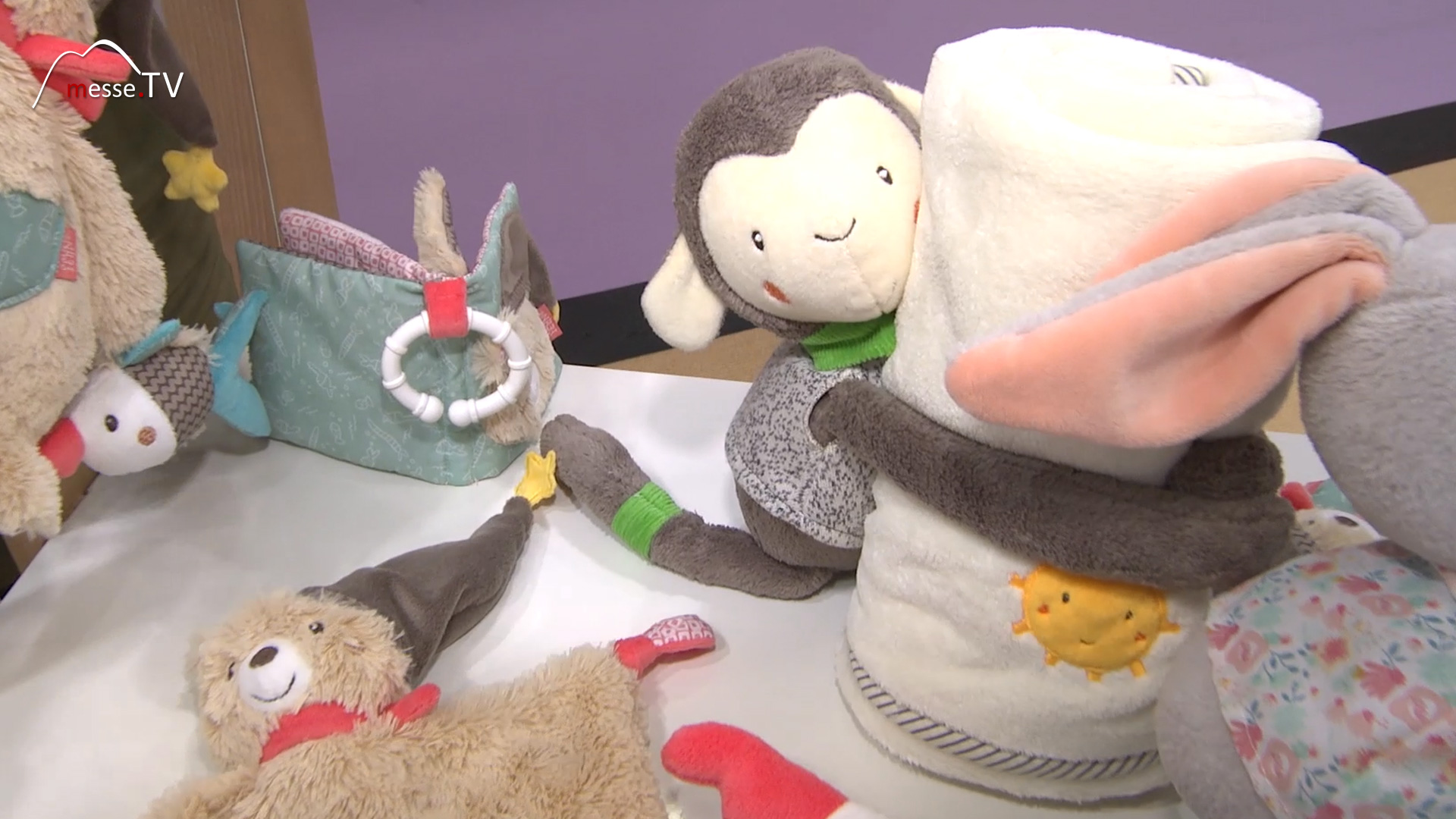
Die Farbgebung ist kein Nebeneffekt, sondern Teil einer klaren gestalterischen Haltung. Während viele Produkte auf kräftige, teils grelle Farben setzen, orientiert sich diese Linie an natürlichen Farbtönen. Neonfarben werden bewusst ausgeschlossen, nicht aus modischen Gründen, sondern aus materialtechnischen und ökologischen Überlegungen. Natürliche Fasern lassen sich zwar färben, reagieren jedoch sensibel auf aggressive Farbstoffe. Die Farbpalette bleibt deshalb gedeckt, aber nicht leblos: sanfte Grüntöne, warme Erdfarben und zurückhaltende Nuancen prägen das Erscheinungsbild. Dieser Ansatz verändert auch die Wahrnehmung. Plüschtiere sollen nicht dominieren oder visuell überfordern, sondern sich in den Alltag einfügen – ins Kinderzimmer ebenso wie in Wohnräume, in denen Spielzeug oft sichtbar bleibt.
Natürliche Materialien statt synthetischer Fasern
Im Zentrum steht der konsequente Einsatz ökologischer Materialien. Statt Polyesterplüsch kommen Naturfasern zum Einsatz, die ohne chemische Weichmacher auskommen. Entscheidend ist dabei nicht nur das Ausgangsmaterial, sondern auch die Verarbeitung. Die Weichheit der Oberfläche entsteht nicht durch Zusätze, sondern durch rein mechanische Verfahren. Die Stoffe werden gedampft und geklopft, bis sie ihre gewünschte Haptik erreichen. Dieser Unterschied ist für den Verbraucher nicht immer sofort sichtbar, hat aber spürbare Folgen. Das Material fühlt sich anders an, weniger glatt, dafür wärmer und natürlicher. Gleichzeitig reduziert sich das Risiko von Rückständen, die beim engen Kontakt – etwa beim Schlafen oder Kuscheln – relevant werden können.
Senger Naturwelt und der Verzicht auf Chemie
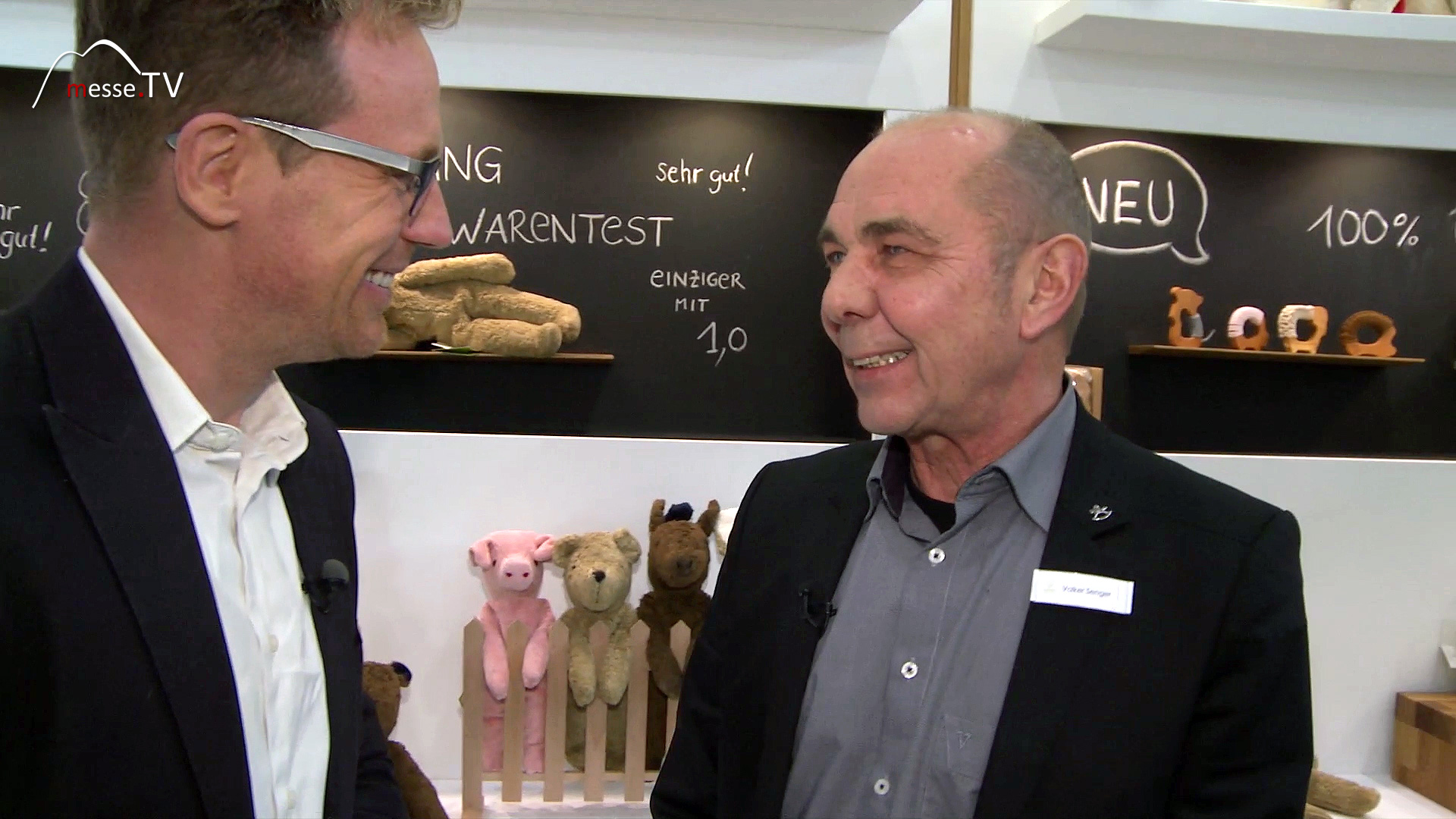
Senger Naturwelt verfolgt diesen Ansatz konsequent und grenzt sich damit klar vom Massenmarkt ab. Der bewusste Verzicht auf Weichmacher und chemische Hilfsstoffe ist kein Marketingargument, sondern Teil der Produktentwicklung. Während viele Hersteller Grenzwerte einhalten, geht Senger Naturwelt darüber hinaus und verzichtet vollständig auf entsprechende Zusätze. Das betrifft nicht nur die Stoffe, sondern auch Füllmaterialien. Die eingesetzten Naturmaterialien kommen ohne synthetische Beimischungen aus und werden so verarbeitet, dass ihre Eigenschaften erhalten bleiben. Die Plüschtiere bleiben weich und formstabil, ohne dass chemische Prozesse nötig sind.
Prüfungen und unabhängige Bewertungen
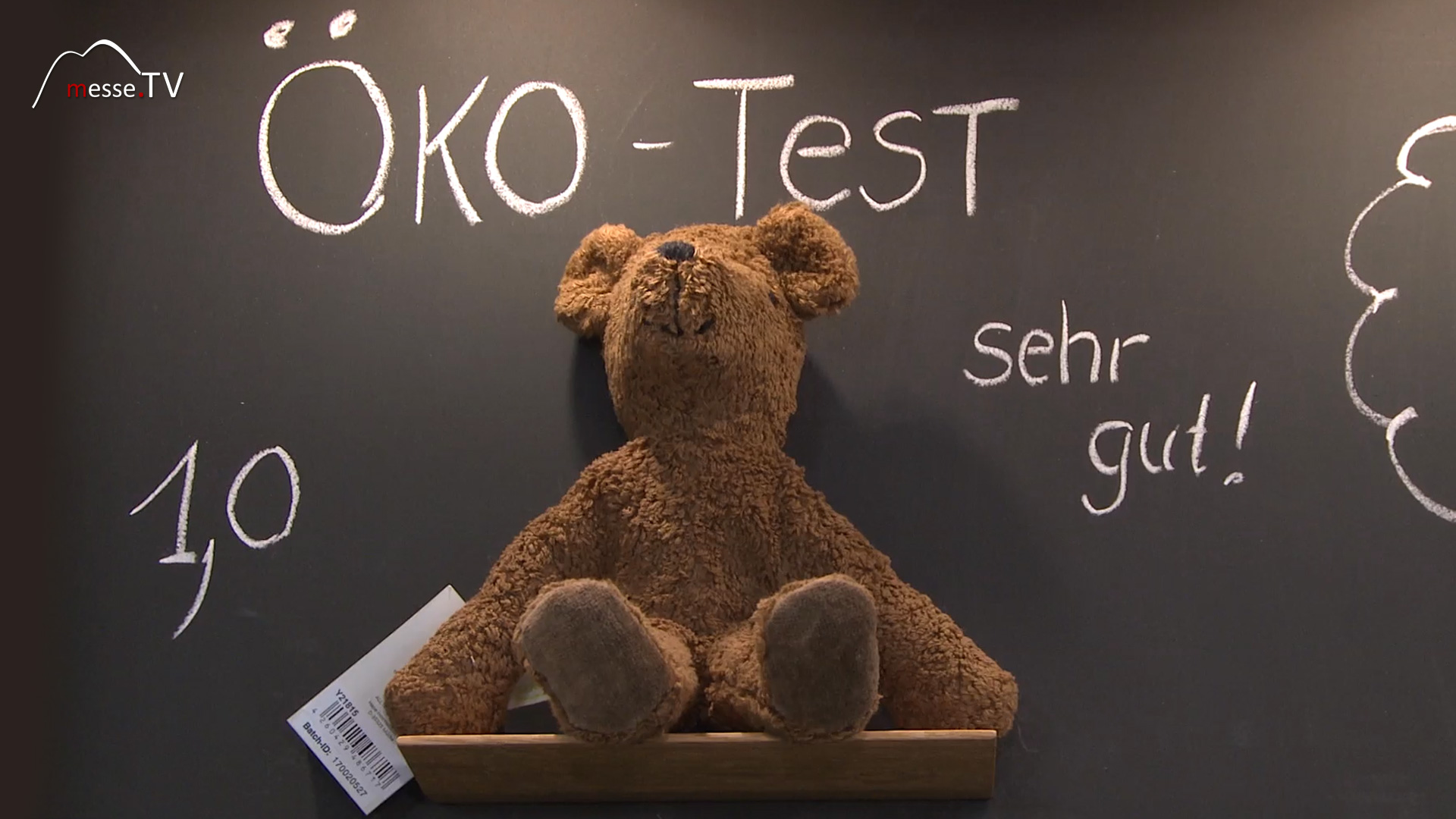
Ein zentrales Thema bei Naturprodukten ist die Überprüfbarkeit der Versprechen. Hier spielen unabhängige Tests eine wichtige Rolle. Sehr gute Bewertungen bei bekannten Prüfinstitutionen zeigen, dass keine gesundheitsrelevanten chemischen Verbindungen nachweisbar sind. Solche Ergebnisse sind besonders im Spielzeugbereich relevant, da Kinder Materialien nicht nur anfassen, sondern oft auch in direkten Kontakt mit Gesicht und Mund bringen. Die Bedeutung dieser Prüfungen liegt weniger in der Note selbst als in der Aussage dahinter: Das Materialkonzept funktioniert auch unter strengen Testbedingungen. Für Eltern wird damit eine Unsicherheit reduziert, die bei vielen herkömmlichen Plüschtieren bestehen bleibt.
Unterschiede zum klassischen Plüschtiermarkt
Der Vergleich mit konventionellen Produkten macht die Unterschiede deutlich. Viele Plüschtiere bestehen aus Polyesterfasern, die mithilfe von Weichmachern und chemischen Verfahren ihre typische Flauschigkeit erhalten. Diese Stoffe sind kostengünstig, farbintensiv und vielseitig einsetzbar. Gleichzeitig bringen sie Abhängigkeiten von Zusatzstoffen mit sich, die zwar reguliert sind, aber dennoch Bestandteil des Materials bleiben. Naturbasierte Plüschtiere setzen andere Prioritäten:
- Verzicht auf synthetische Weichmacher
- Mechanische statt chemischer Weichmachung
- Gedämpfte, naturorientierte Farbpalette
- Fokus auf langfristige Materialverträglichkeit
- Reduzierte Reizwirkung durch ruhige Gestaltung
Haptik, Sicherheit und Alltagstauglichkeit
Im Alltag zeigt sich der Unterschied vor allem im Umgang. Die Plüschtiere werden intensiv genutzt: Sie werden gedrückt, gewaschen, mit ins Bett genommen und über Jahre hinweg begleitet. Die Kombination aus natürlicher Weichheit und robuster Verarbeitung sorgt dafür, dass sie diese Belastungen aushalten, ohne an Qualität zu verlieren. Für Eltern spielt dabei weniger die Optik als das Vertrauen eine Rolle. Die Gewissheit, dass ein Produkt ohne problematische Stoffe auskommt, wiegt schwerer als kurzfristige Trends. Gerade bei sehr jungen Kindern rückt dieser Aspekt stärker in den Vordergrund.
Ein bewusster Gegenentwurf zum lauten Spielzeugmarkt
Senger Naturwelt steht damit exemplarisch für einen Gegenentwurf zum dominanten Spielzeugmarkt. Statt auffälliger Gestaltung und schneller Reize geht es um Zurückhaltung, Materialehrlichkeit und gesundheitliche Sicherheit. Die Produkte drängen sich nicht auf, sondern überzeugen im Gebrauch. Diese Haltung wirkt im ersten Moment unspektakulär, entfaltet ihre Stärke jedoch im Alltag. Die Plüschtiere werden nicht wegen greller Farben geliebt, sondern wegen ihrer Weichheit, ihrer Unbedenklichkeit und ihrer Verlässlichkeit. Genau darin liegt ihr langfristiger Wert – jenseits kurzlebiger Trends und lauter Designs.




Messe-Berichterstattung bundesweit - Messewissen, Termine & Veranstaltungen


