Kaufladen Rollenspiel rund um Essen, Kaffee und Alltag im Kinderzimmer
Essen gehört zu den frühesten Erfahrungen, die Kinder im Alltag bewusst wahrnehmen. Es strukturiert den Tag, schafft Rituale und ist immer auch sozial aufgeladen. Genau an diesem Punkt setzt das hier gezeigte Spielkonzept an: Ein Coffee House, ergänzt um einen kleinen Supermarkt, übersetzt vertraute Abläufe aus der Erwachsenenwelt in eine kindgerechte, überschaubare Form.
Der Reiz entsteht weniger durch Effekte als durch Wiedererkennung. Kinder wissen sehr genau, wie ein Café funktioniert, wie eingekauft wird und was es bedeutet, Gast oder Gastgeber zu sein. Im Zentrum steht dabei nicht das einzelne Zubehörteil, sondern das Zusammenspiel vieler kleiner Handlungen. Kaffee zubereiten, Hörnchen auswählen, bezahlen, gemeinsam essen – all das wird nicht erklärt, sondern ausprobiert. Das Spiel folgt keinem festen Ablauf, sondern lässt Raum für Improvisation. Genau darin liegt seine Stärke.
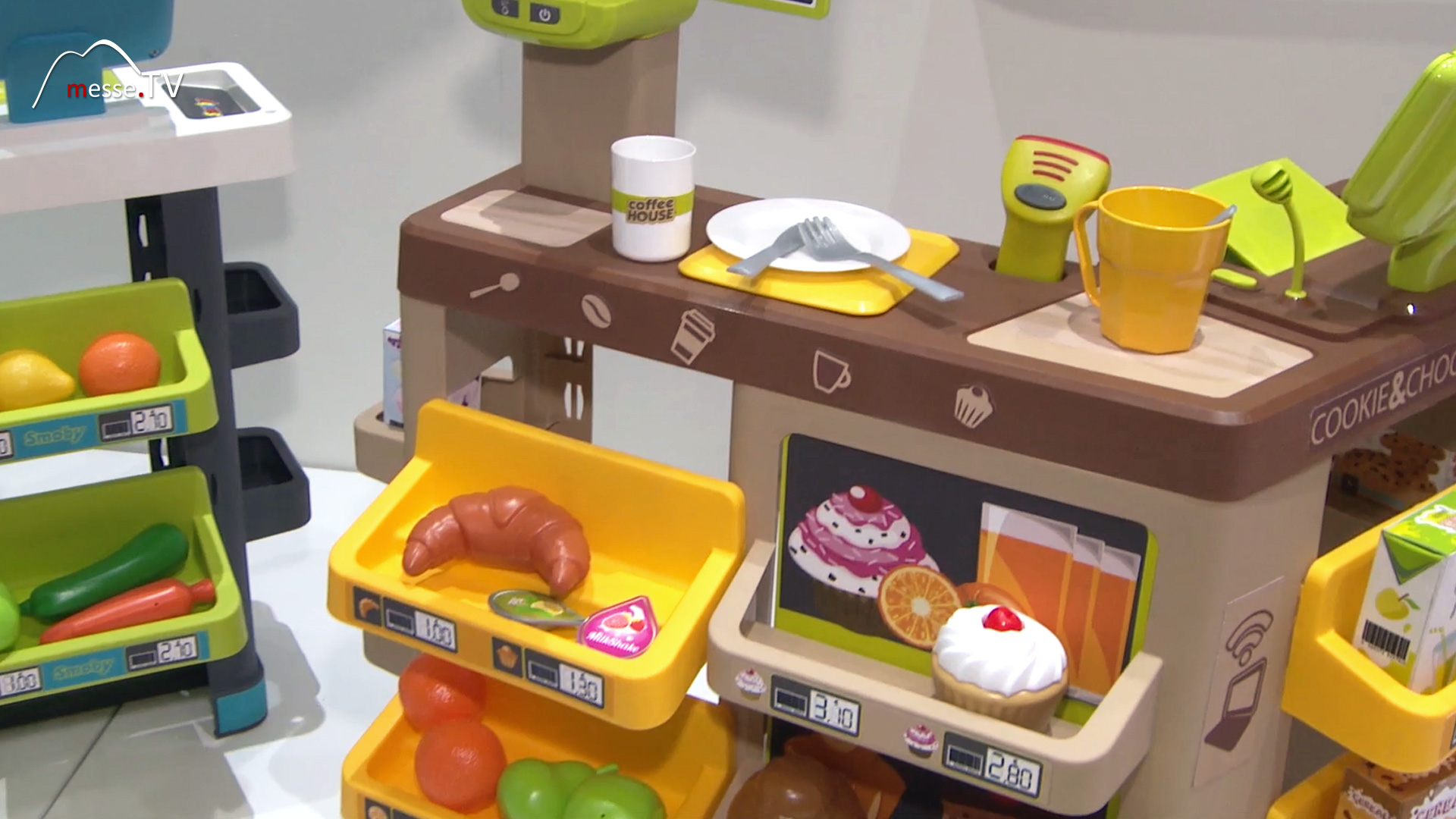

Coffee House als Spielwelt mit klaren Rollen
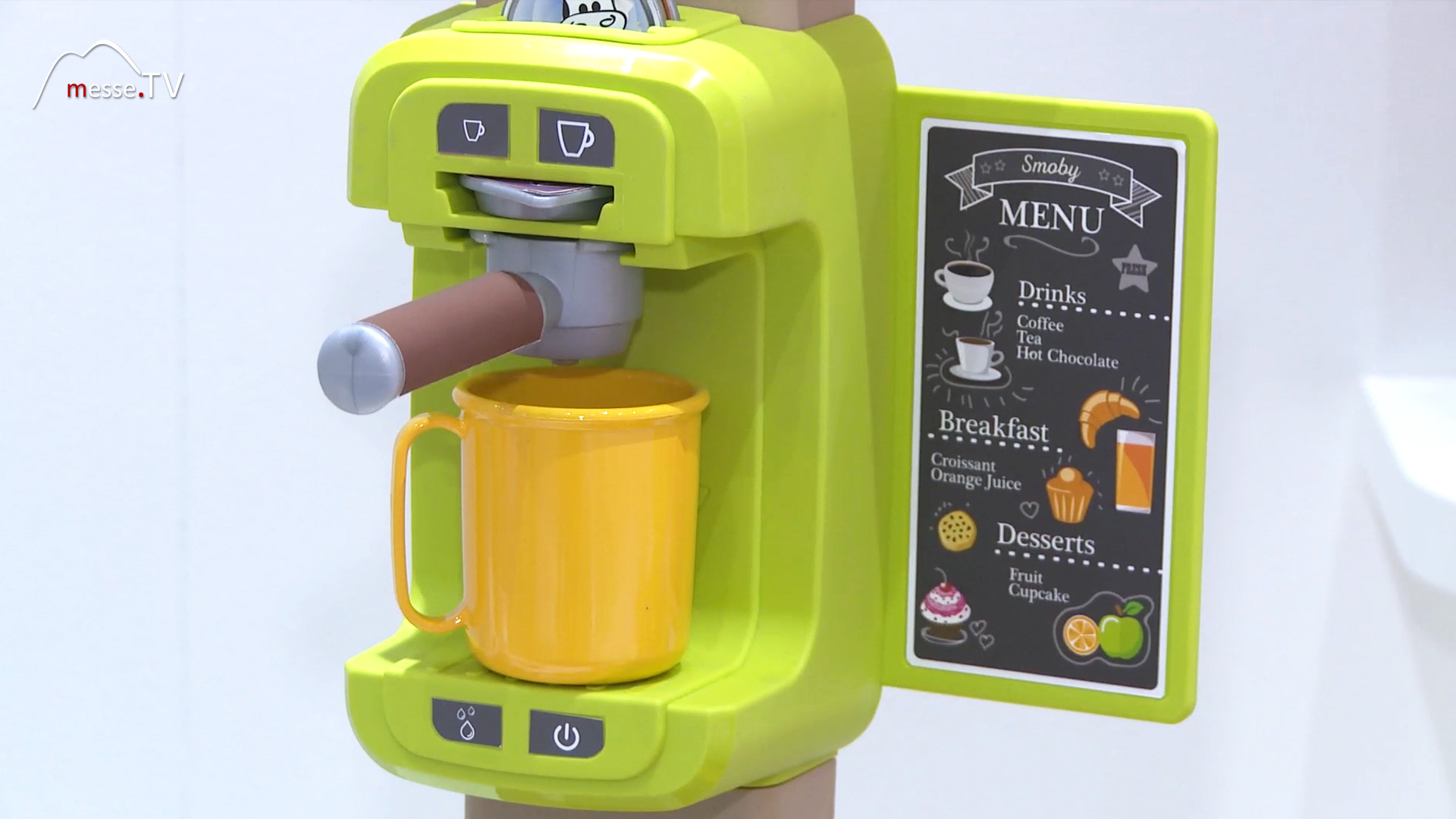
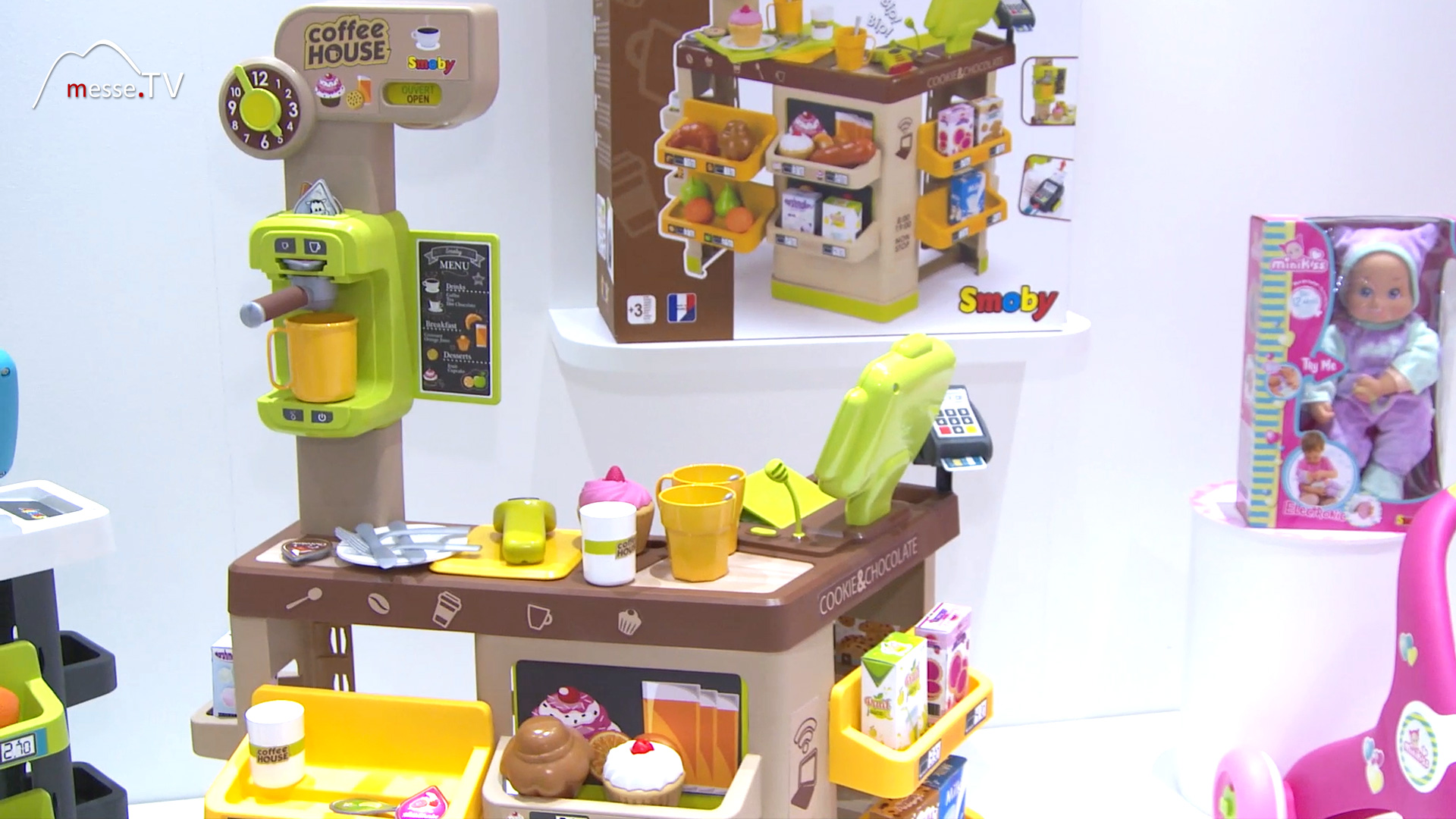
Der Coffee House ist so aufgebaut, dass Kinder sofort eine Rolle einnehmen können. Wer hinter der Theke steht, bedient. Wer davorsteht, bestellt. Es gibt Tassen, Teller, Besteck und eine Kaffeemaschine, bei der sich Elemente abnehmen und wieder einsetzen lassen. Besonders wichtig ist dabei, dass Handlungen sichtbar und nachvollziehbar bleiben. Ein Tab wird eingesetzt, der Kaffee „entsteht“, die Tasse wird weitergereicht. Für Kinder ist das kein abstraktes Spiel, sondern eine Abfolge logischer Schritte. Das Spiel lebt davon, dass jeder Gast eingeladen ist. Niemand wird ausgeschlossen, alle können mitmachen. Diese Offenheit ist kein Nebeneffekt, sondern Teil des Konzepts. Essen ist hier kein Wettbewerb, sondern ein gemeinsamer Moment. Selbst der Preis am Ende – ein kleiner Betrag – ist Teil des Spiels und vermittelt ein erstes Gefühl für Wert und Austausch.
Einkaufen, auswählen, entscheiden
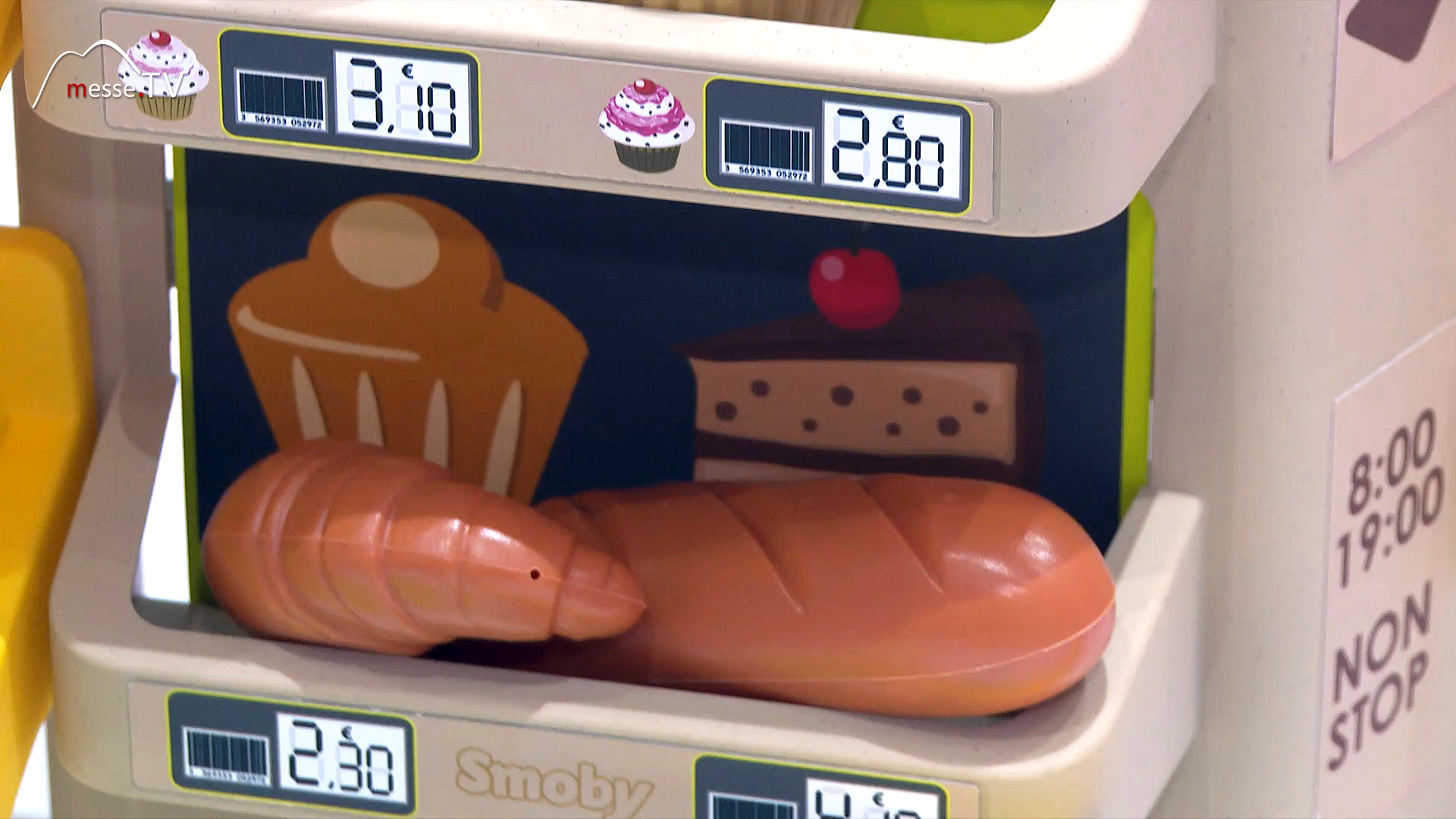
Der Übergang vom Coffee House zum Supermarkt ist fließend. Statt nur zu konsumieren, wird eingekauft. Obst, Hörnchen, Saft – alles wird bewusst ausgewählt. Kinder entscheiden, was sie brauchen, was gesund ist und was vielleicht einfach gut schmeckt. Besonders auffällig ist dabei, dass nicht nur Süßes im Mittelpunkt steht, sondern auch Obst und Gemüse eine Rolle spielen. Das ist keine pädagogische Belehrung, sondern Teil eines realistischen Alltagsbildes.

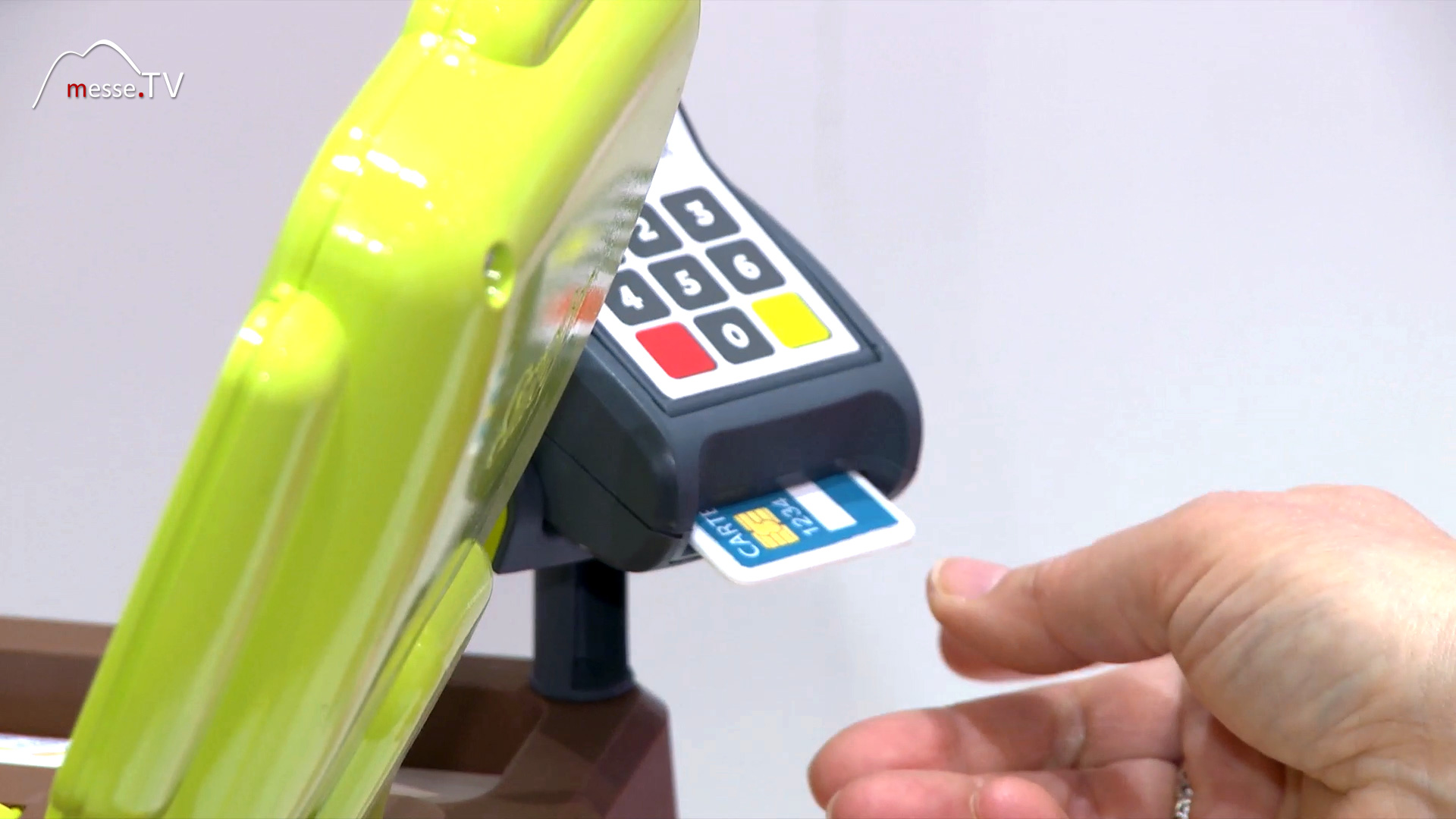
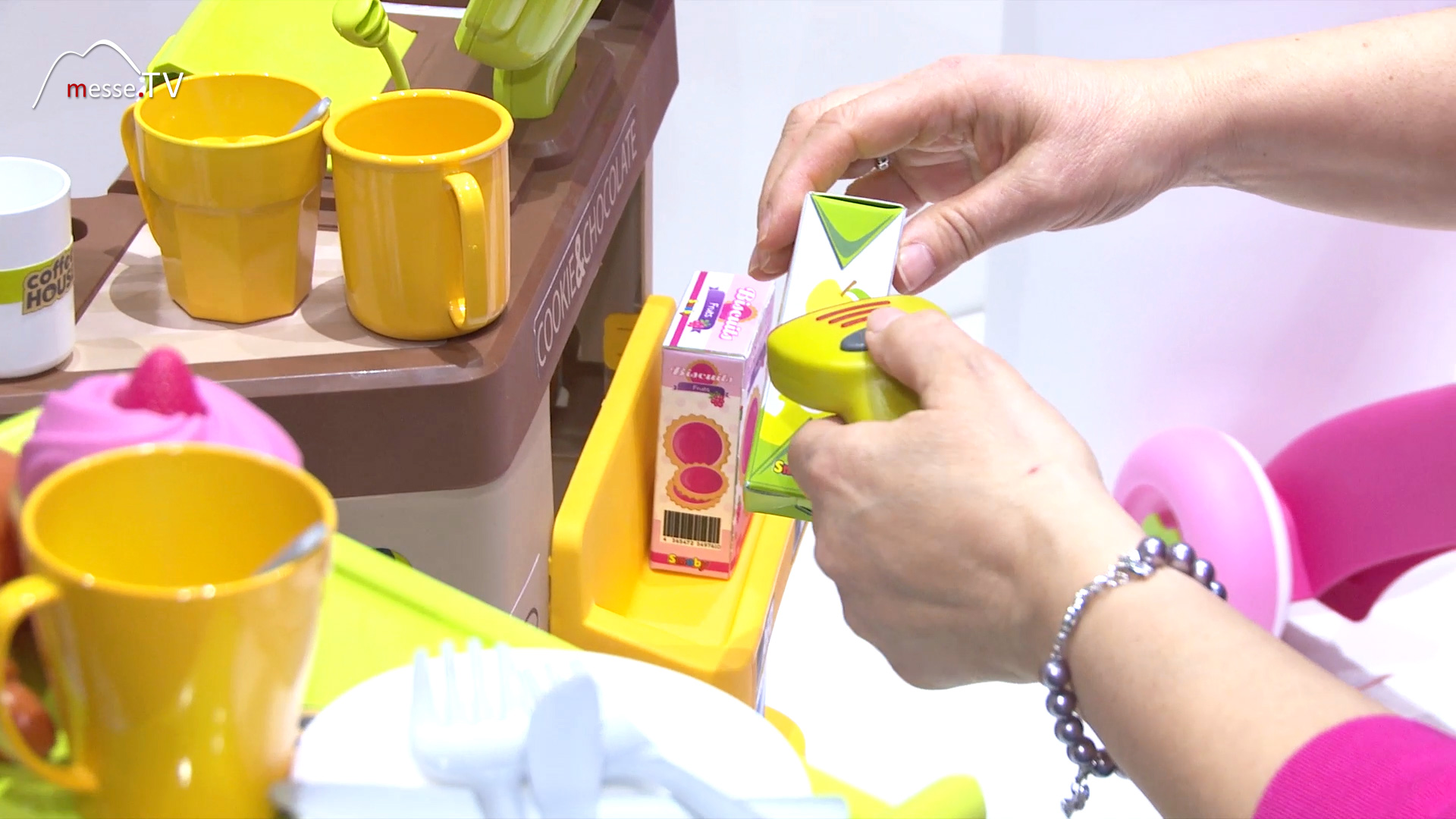
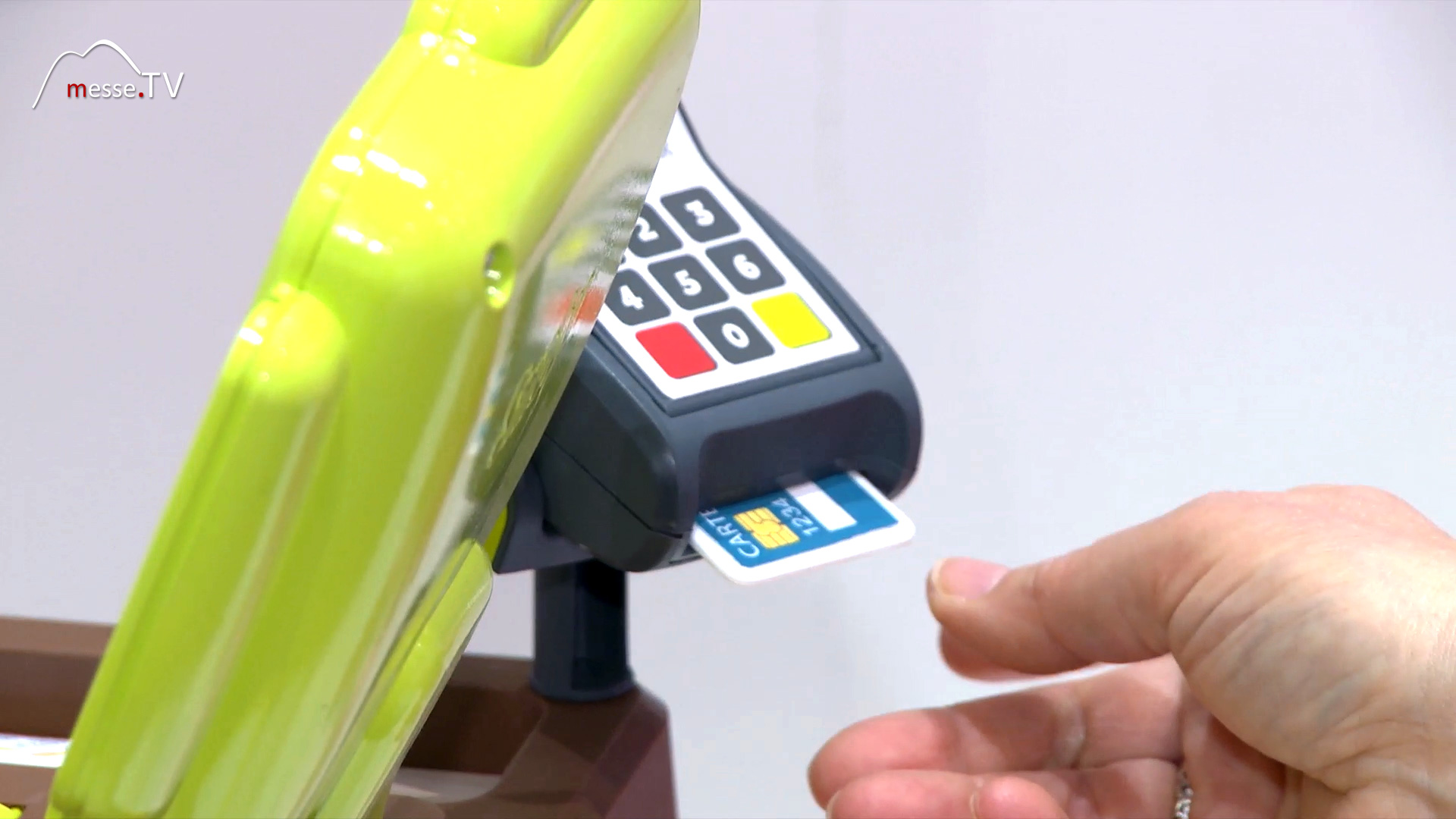
Die Einkaufssituation erweitert das Spiel um eine weitere Ebene. Es geht nicht mehr nur um Zubereitung, sondern um Planung. Was fehlt noch? Was nehmen wir mit? Dass dabei eine Kasse mit Scanner und Piepssystem integriert ist, verstärkt den Realitätsbezug. Kinder kennen diese Geräusche aus dem echten Leben und übertragen sie intuitiv ins Spiel.
- Kaffeemaschine mit wechselbaren Elementen
- Tassen, Teller und Besteck für mehrere Personen
- Kasse mit Scanner und akustischem Signal
- Lebensmittel wie Hörnchen, Obst und Getränke
- Einkaufswagen als mobiles Spielelement
Alltag nachspielen ohne Belehrung
Was an diesem Spiel auffällt, ist die Abwesenheit von Anleitung. Niemand erklärt, wie man „richtig“ spielt. Stattdessen ergibt sich der Ablauf aus dem Alltag der Kinder. Sie wissen, dass man bezahlt, bevor man isst. Sie wissen, dass man gemeinsam am Tisch sitzt. Sie wissen auch, dass man einkauft, bevor der Kühlschrank leer ist. Die realitätsnahe Spielwelt greift dieses Wissen auf, ohne es zu kommentieren. Gerade dadurch entsteht eine erstaunliche Tiefe. Kinder verhandeln Rollen, wechseln Perspektiven und üben soziale Abläufe. Wer heute kassiert, ist morgen Gast. Wer heute bestellt, serviert morgen selbst. Diese Wechsel sind nicht vorgegeben, sondern entstehen im Spiel.

Smoby als Rahmen, nicht als Hauptdarsteller
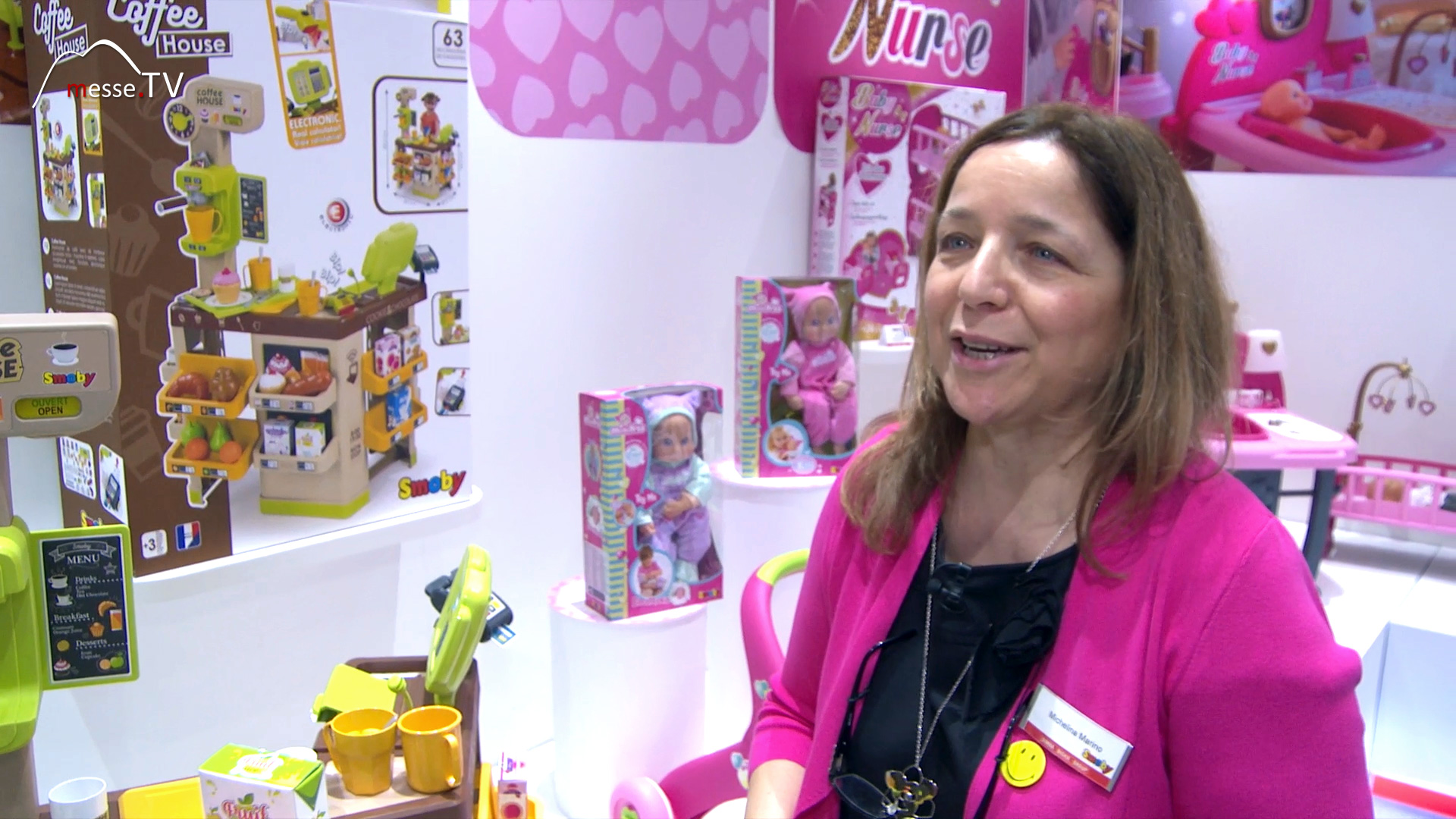
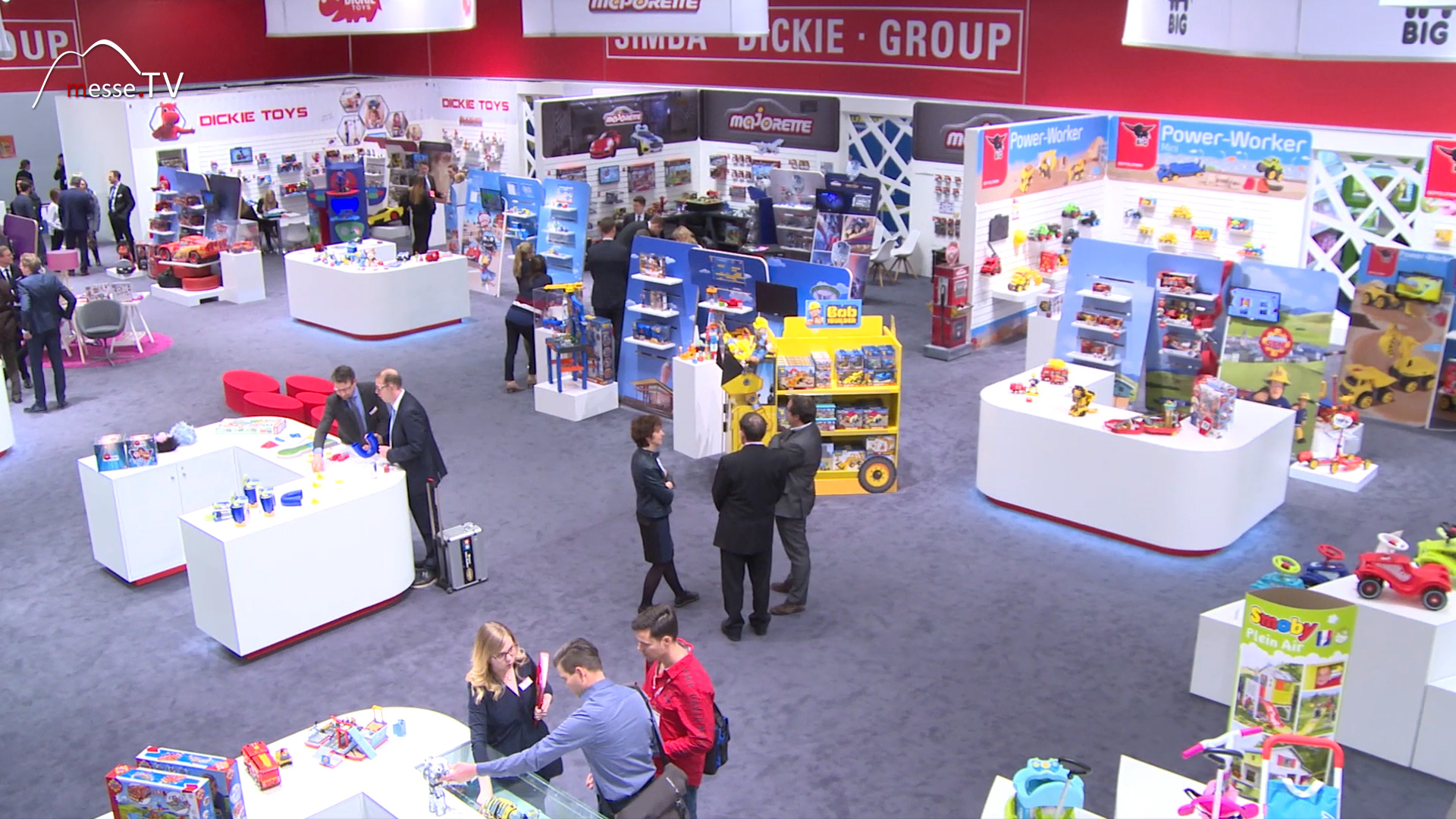
Das Konzept stammt von Smoby, tritt aber bewusst nicht in den Vordergrund. Die Marke fungiert eher als Rahmengeber für eine Spielidee, die sich aus dem Alltag speist. Entscheidend ist nicht der Name, sondern die Stimmigkeit der einzelnen Elemente. Dass der Coffee House mit einem Supermarkt kombinierbar ist und in unterschiedlichen Farben angeboten wird, zeigt, dass hier an Erweiterbarkeit gedacht wurde, ohne das Grundprinzip zu überladen.
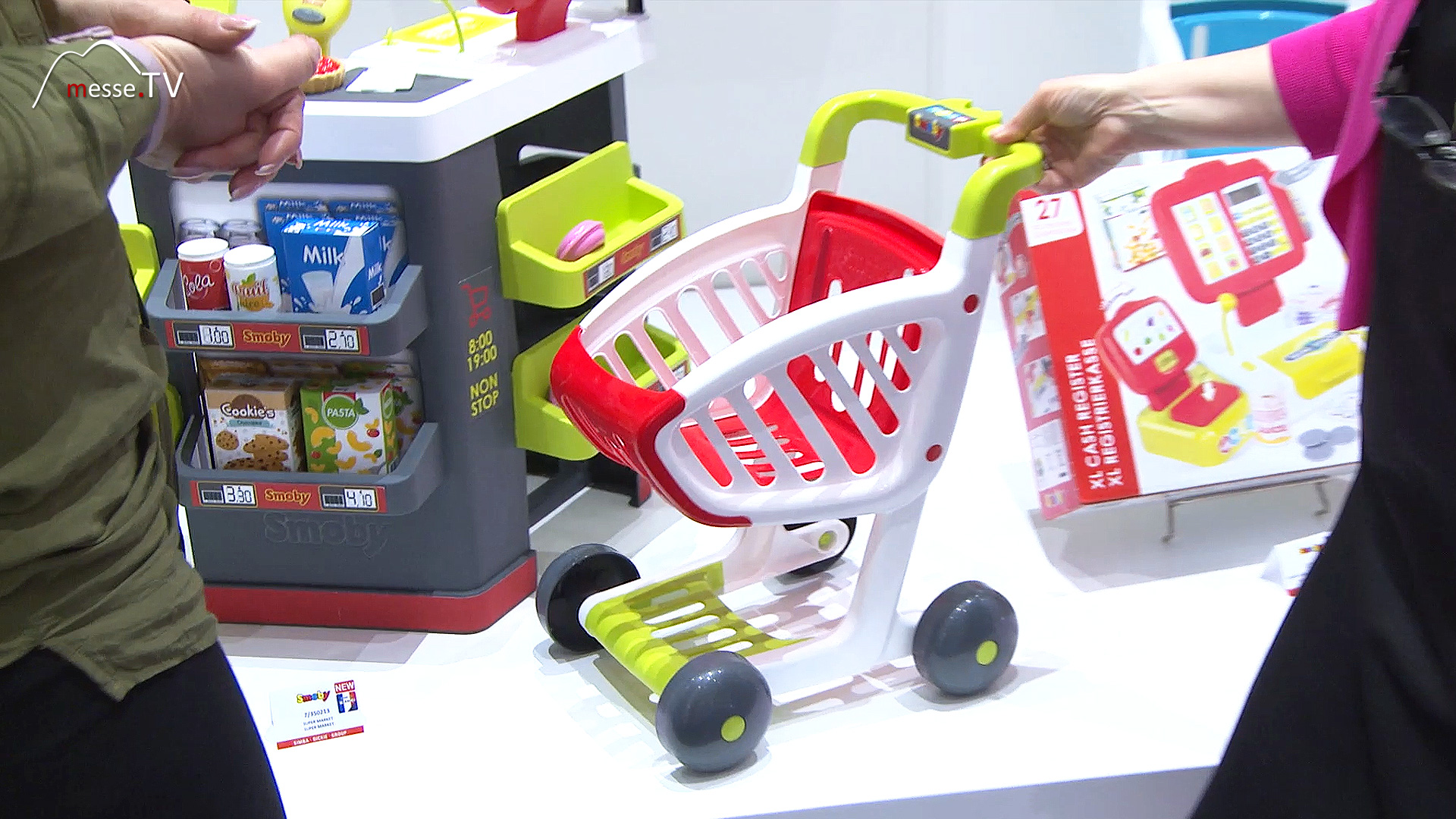
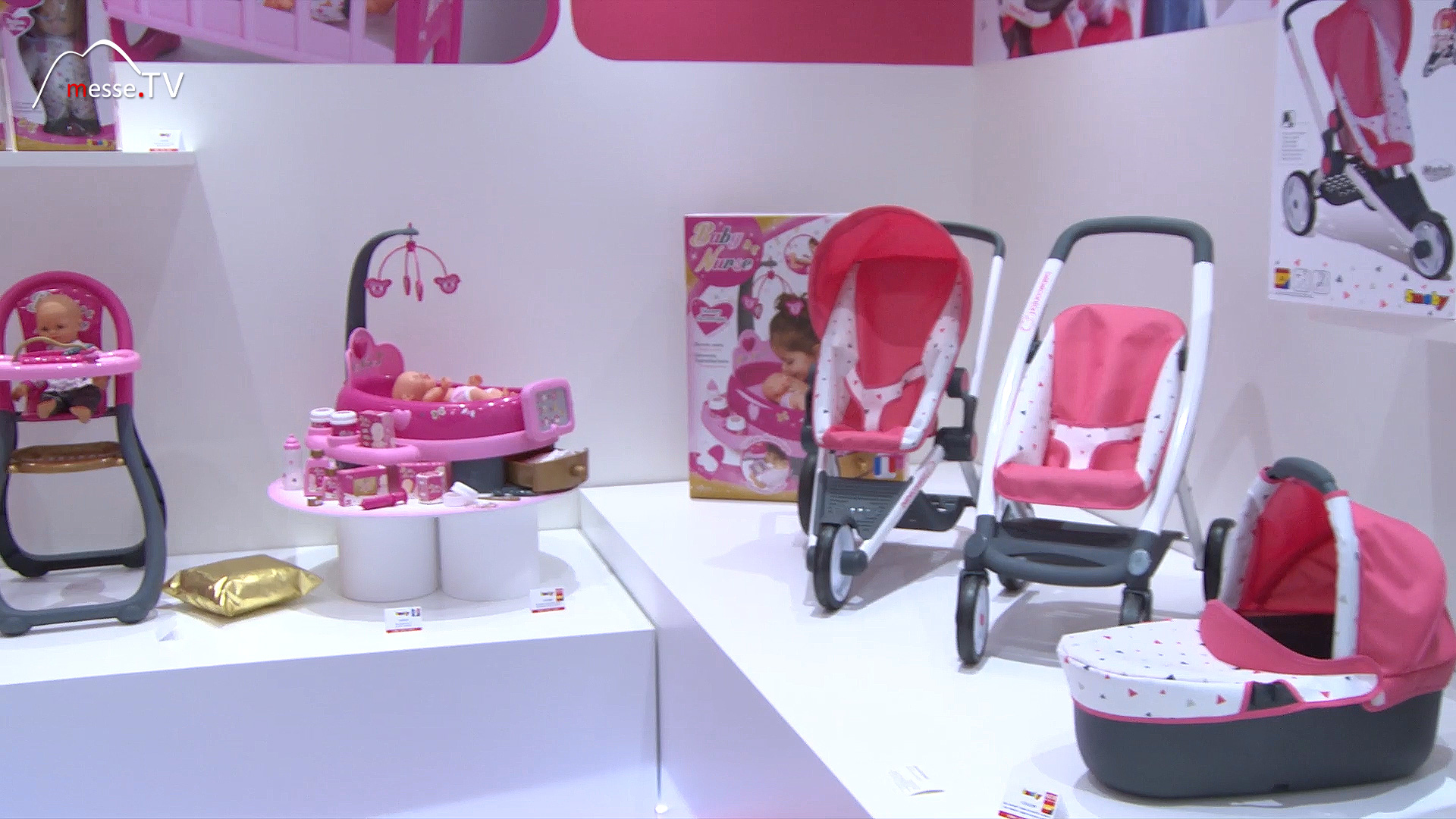
Smoby positioniert sich damit weniger als reiner Spielwarenhersteller, sondern als Anbieter von Spielräumen, die bekannte Lebenssituationen abbilden. Das gelingt vor allem deshalb, weil das Spiel nicht auf ein Alter festgelegt ist. Jüngere Kinder spielen einfache Abläufe, ältere entwickeln komplexere Szenarien mit Gästen, Preisen und gemeinsamen Mahlzeiten.
Warum Essen als Spielthema funktioniert
Essen ist emotional besetzt, aber nie abstrakt. Jeder hat damit Erfahrungen, jeder bringt eigene Vorlieben mit. Im Spiel wird daraus ein neutraler Raum, in dem ausprobiert werden darf. Niemand macht etwas falsch, niemand verliert. Dass am Ende jemand sagt, er komme gerne wieder, ist mehr als eine Floskel. Es beschreibt genau das, was das Spiel auslöst: Wiederholung aus Freude, nicht aus Pflicht. Der Coffee House und der angeschlossene Supermarkt zeigen, wie stark Rollenspiel sein kann, wenn es nah an der Lebenswelt der Kinder bleibt. Ohne Effekthascherei, ohne übertriebene Technik, dafür mit klaren Abläufen und viel Raum für eigene Ideen. Genau darin liegt der nachhaltige Reiz dieses Spielkonzepts.










Messe-Berichterstattung bundesweit - Messewissen, Termine & Veranstaltungen


