Wenn ein Modell-Lkw kein Spielzeug mehr ist, sondern ein Projekt
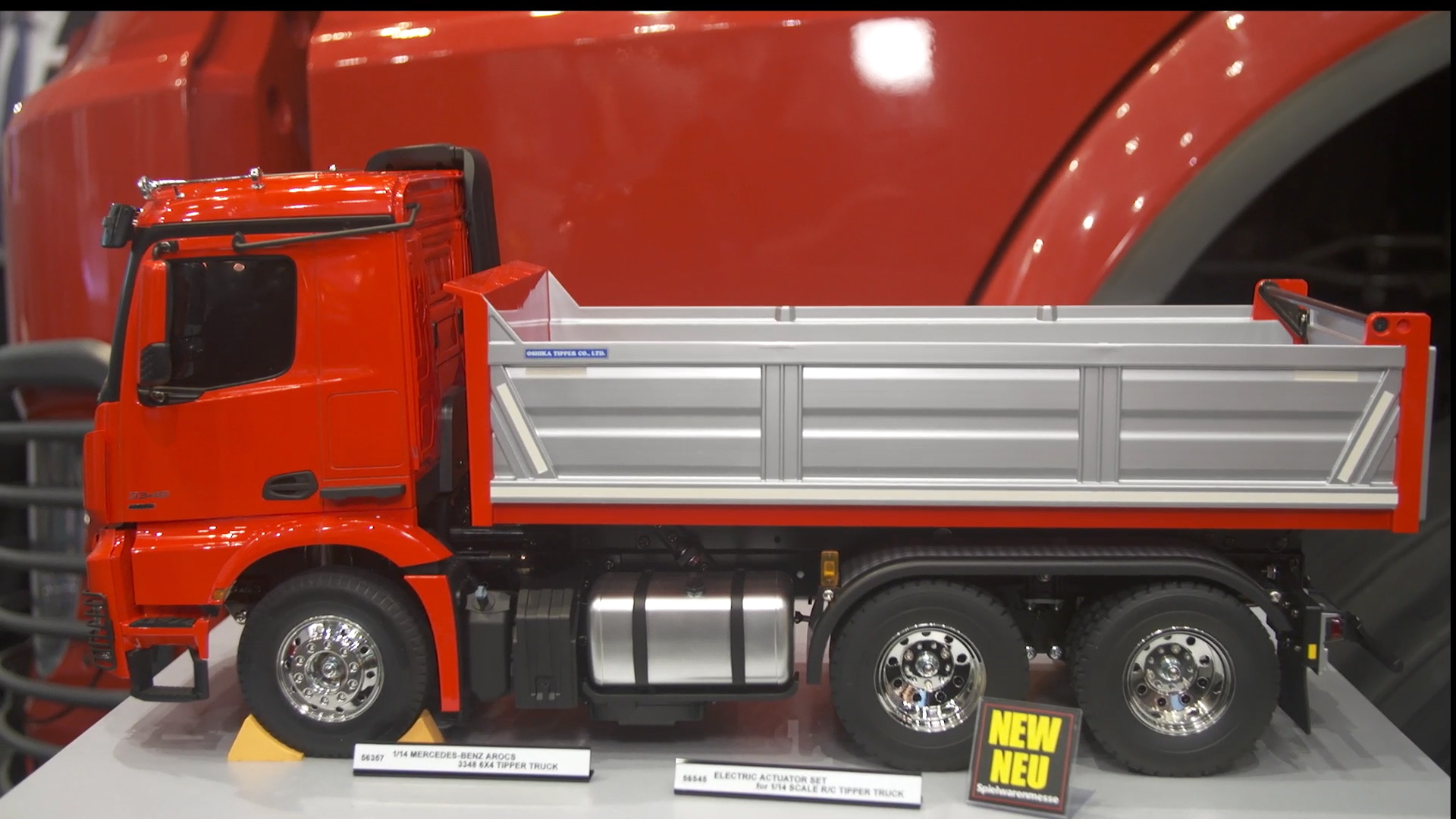
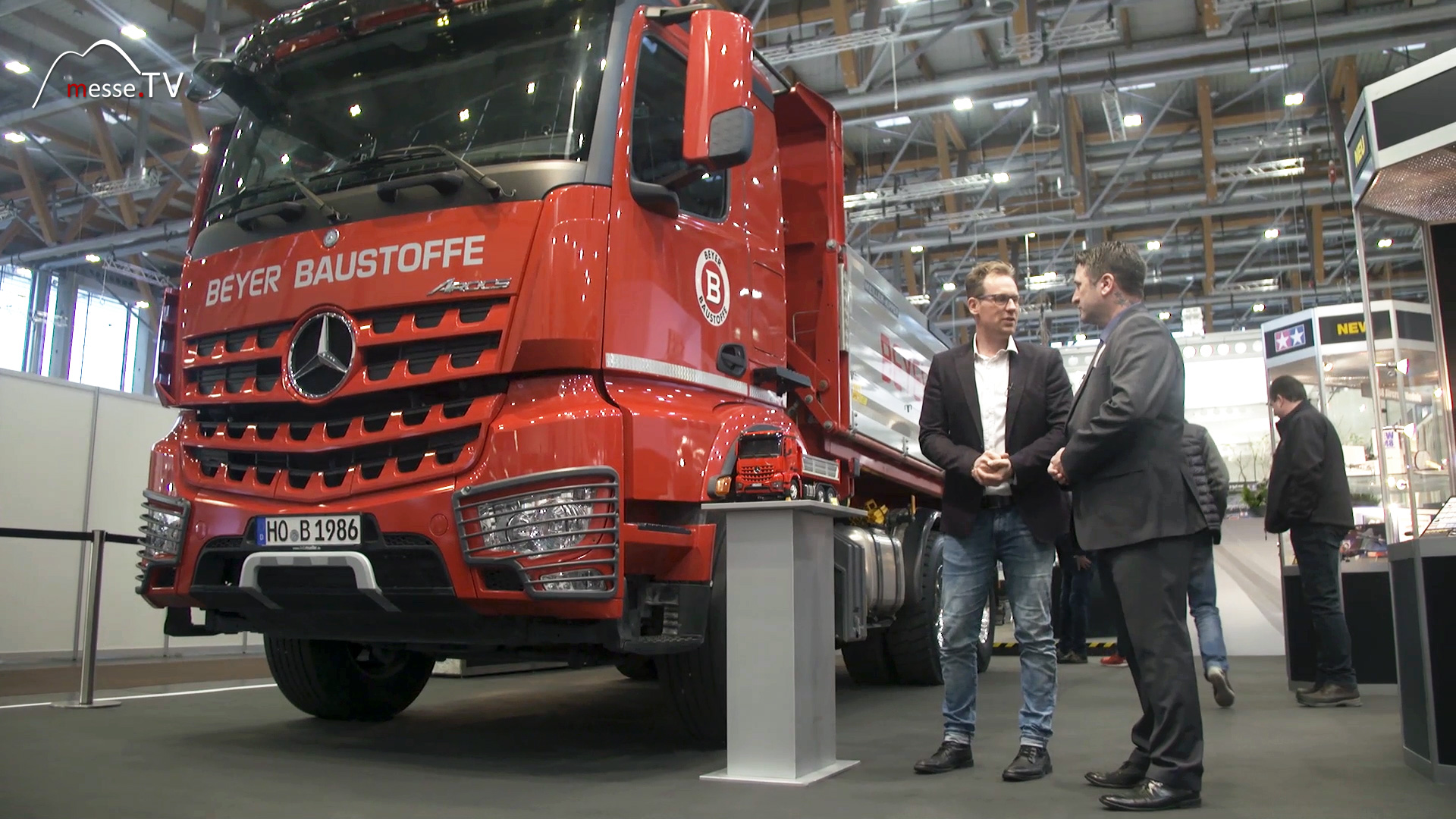
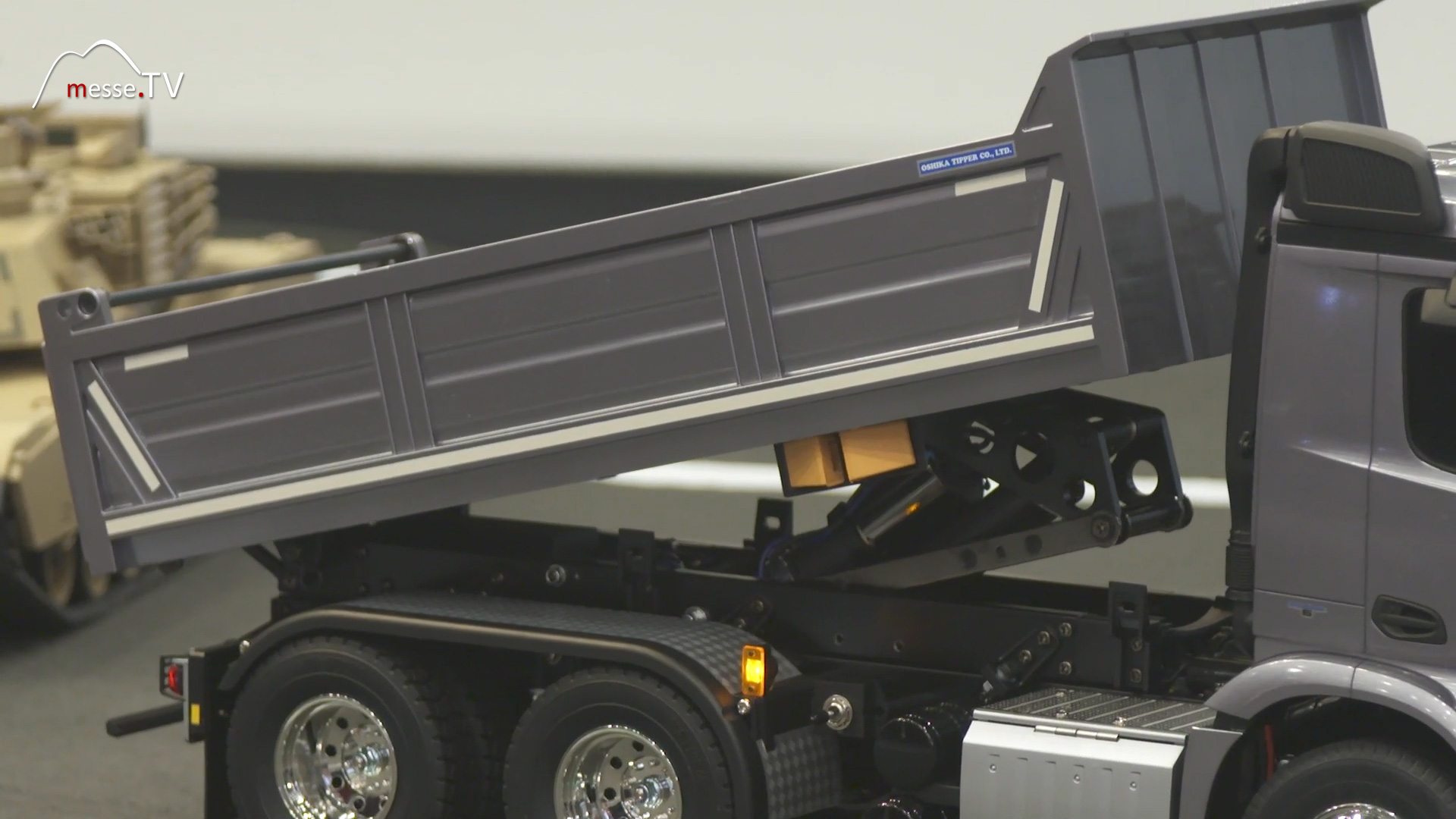
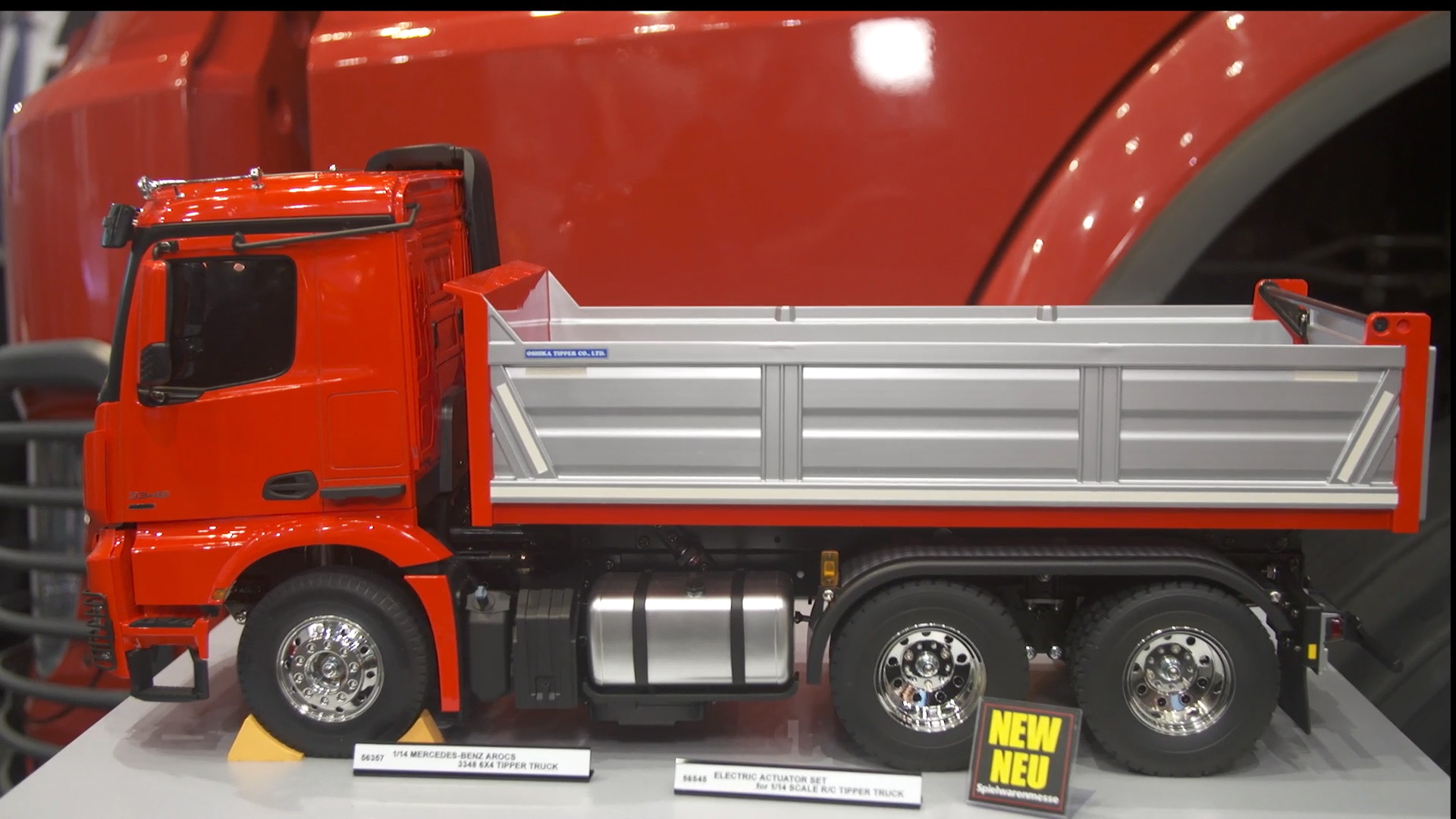
Wer vor einem detailgetreuen Modell-Lkw steht, der seinem großen Vorbild bis ins kleinste Bauteil ähnelt, merkt schnell: Hier geht es nicht um Spielzeug im klassischen Sinn. Die Proportionen stimmen, die Linienführung wirkt vertraut, selbst Anbauteile und Beleuchtung folgen dem Original. Was auf den ersten Blick fasziniert, entzieht sich bei genauerem Hinsehen der üblichen Logik von Kaufen, Auspacken, Losfahren. Stattdessen beginnt etwas anderes – ein langfristiges Projekt, das Zeit, Geduld und handwerkliches Interesse verlangt.
Im Zentrum steht ein Bausatz, der nicht dafür gedacht ist, sofort bewegt zu werden. Werkzeug, Farben und ein gewisses Maß an Ruhe gehören zwingend dazu. Das ist keine Schwäche, sondern das eigentliche Konzept. Modellbau in diesem Segment richtet sich nicht an Kinder, sondern an Menschen, die Freude daran haben, etwas Schritt für Schritt entstehen zu lassen. Genau darin liegt der Reiz.
Bausatz statt Fertigprodukt
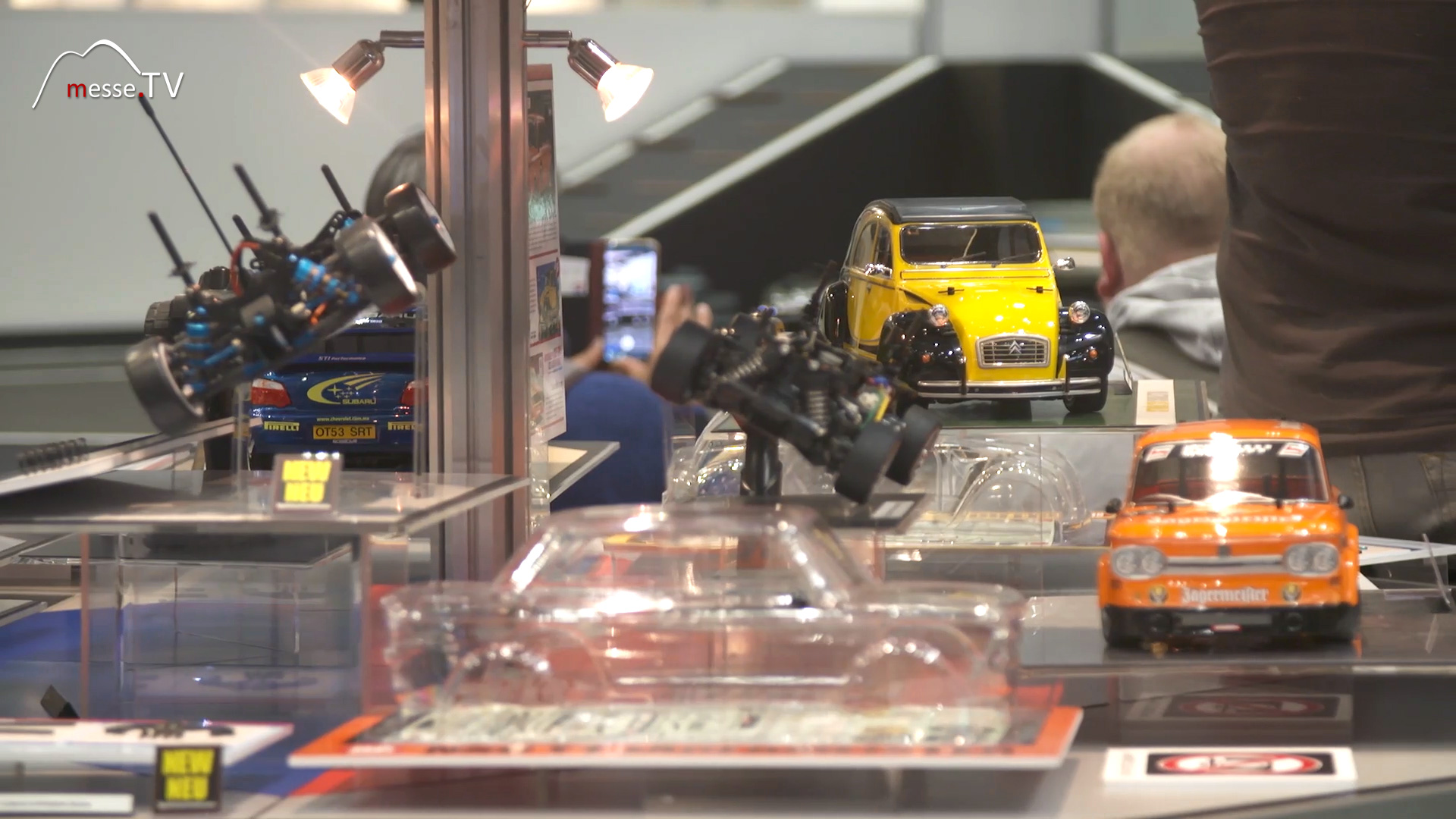
Der überwiegende Teil der Modelle wird nicht vormontiert ausgeliefert. Stattdessen bestehen sie aus hunderten Einzelteilen, die präzise zusammengesetzt werden müssen. Schrauben, Achsen, Rahmen, Karosserie – alles entsteht in Eigenarbeit. Entscheidend ist dabei, dass der Einstieg weniger kompliziert ist, als es zunächst wirkt. Die Anleitungen sind so aufgebaut, dass auch Anfänger folgen können. Schrauben werden in Originalgröße abgebildet, Bauteile klar gekennzeichnet. Wer in der Lage ist, ein Möbelstück aufzubauen, kann auch hier bestehen. Das nimmt dem Projekt die Einschüchterung, ohne den Anspruch zu senken. Denn trotz guter Anleitung bleibt der Bau anspruchsvoll. Es geht nicht um Geschwindigkeit, sondern um Genauigkeit. Fehler lassen sich zwar korrigieren, kosten aber Zeit. Genau diese Langsamkeit unterscheidet das Modellbauen fundamental vom Konsum fertiger Produkte.
Zeit als zentraler Faktor
Ein solches Modell entsteht nicht an einem Wochenende. Selbst bei konzentrierter Arbeit verteilt sich der Aufbau über viele Wochen oder Monate. Allein der reine Zusammenbau kann weit über hundert Stunden beanspruchen. Hinzu kommen Lackierung, Feinarbeiten und optionale Erweiterungen. Wer sich darauf einlässt, investiert nicht nur Geld, sondern vor allem Zeit. Diese Investition ist Teil des Werts. Das fertige Modell erzählt nicht nur vom Vorbild, sondern auch vom eigenen Aufwand. Jede Schraube, jede Leitung, jede Entscheidung ist bewusst getroffen. Das unterscheidet das Ergebnis von einem industriell gefertigten Produkt.
Bewegung und Funktion als Belohnung
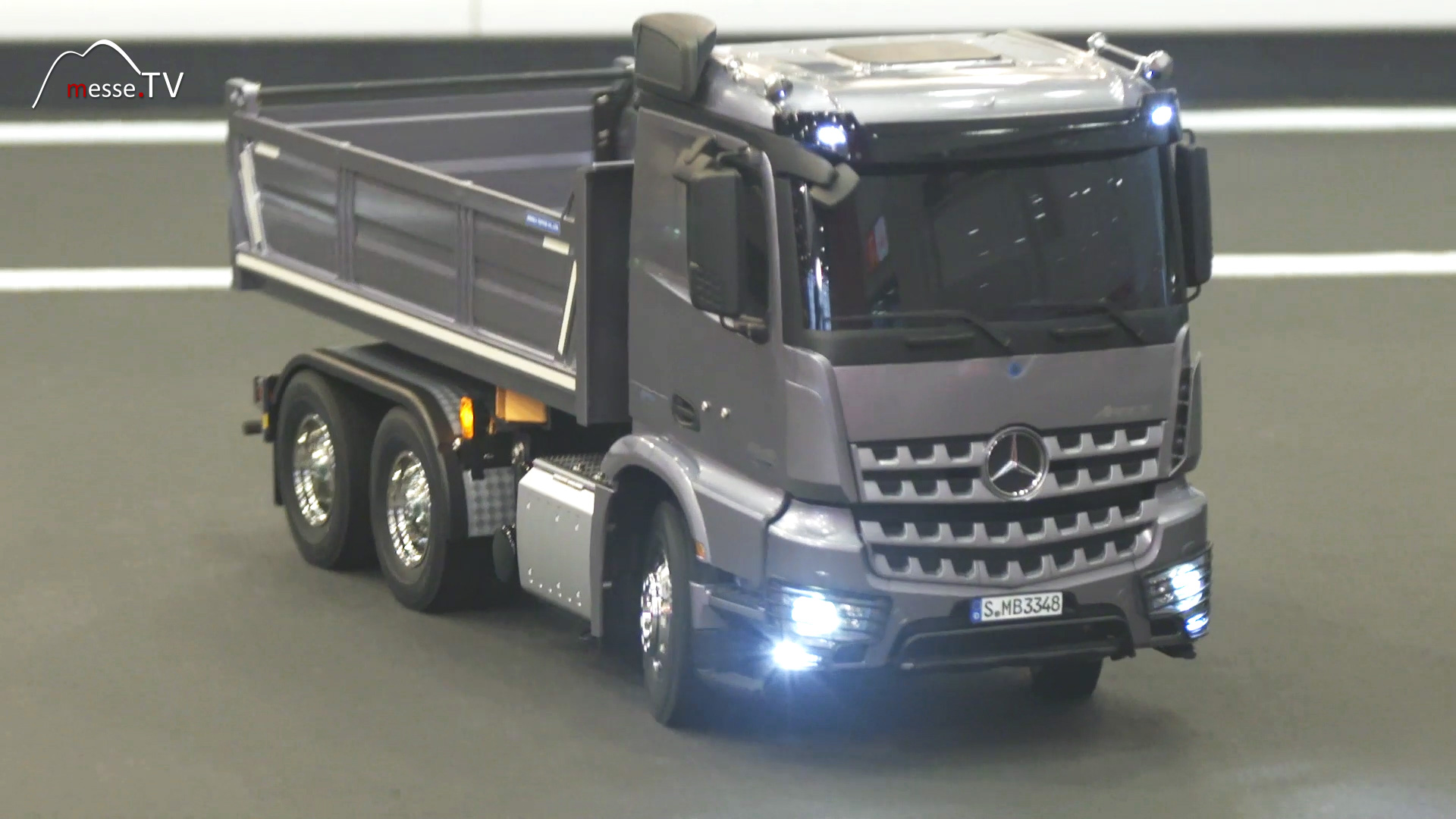
Ist der Aufbau abgeschlossen, beginnt die nächste Phase. Der Lkw bleibt kein statisches Objekt. Er lässt sich bewegen, lenken, kippen. Beleuchtung, Warnsignale und weitere Funktionen können integriert werden. Möglich wird das über zusätzliche Elektronik, die separat erhältlich ist. Sie steuert Licht, Sound und Bewegung und verleiht dem Modell eine erstaunliche Nähe zum Original. Dabei gilt: Nicht alles muss, aber alles kann. Wer den Lkw nur rollen lassen möchte, kann darauf verzichten. Wer maximale Authentizität sucht, ergänzt die Technik Schritt für Schritt. Gerade diese Wahlfreiheit macht den Reiz aus.
- Kompletter Selbstbau statt vormontierter Komponenten
- Detaillierte Anleitung mit klarer Struktur
- Hoher Zeitaufwand als Teil des Konzepts
- Optionale Elektronik für Licht, Sound und Funktionen
- Fernsteuerbare Bewegung inklusive Kippfunktion
Kosten und Haltung
Der finanzielle Aufwand liegt deutlich über dem klassischer Spielwaren. Bereits der Bausatz bewegt sich in einem Bereich, der bewusst gewählt sein will. Mit Steuerung, Elektronik und Zubehör steigt der Betrag weiter. Hinzu kommt der Zeitaufwand, der nicht monetär messbar ist. Doch genau hier zeigt sich die Haltung hinter dem Produkt. Es geht nicht um schnellen Spaß, sondern um nachhaltige Beschäftigung. Wer sich für diesen Weg entscheidet, sucht kein Schnäppchen, sondern ein Projekt. Das Modell ist Ergebnis und Prozess zugleich.
Tamiya als Referenz im Modellbau
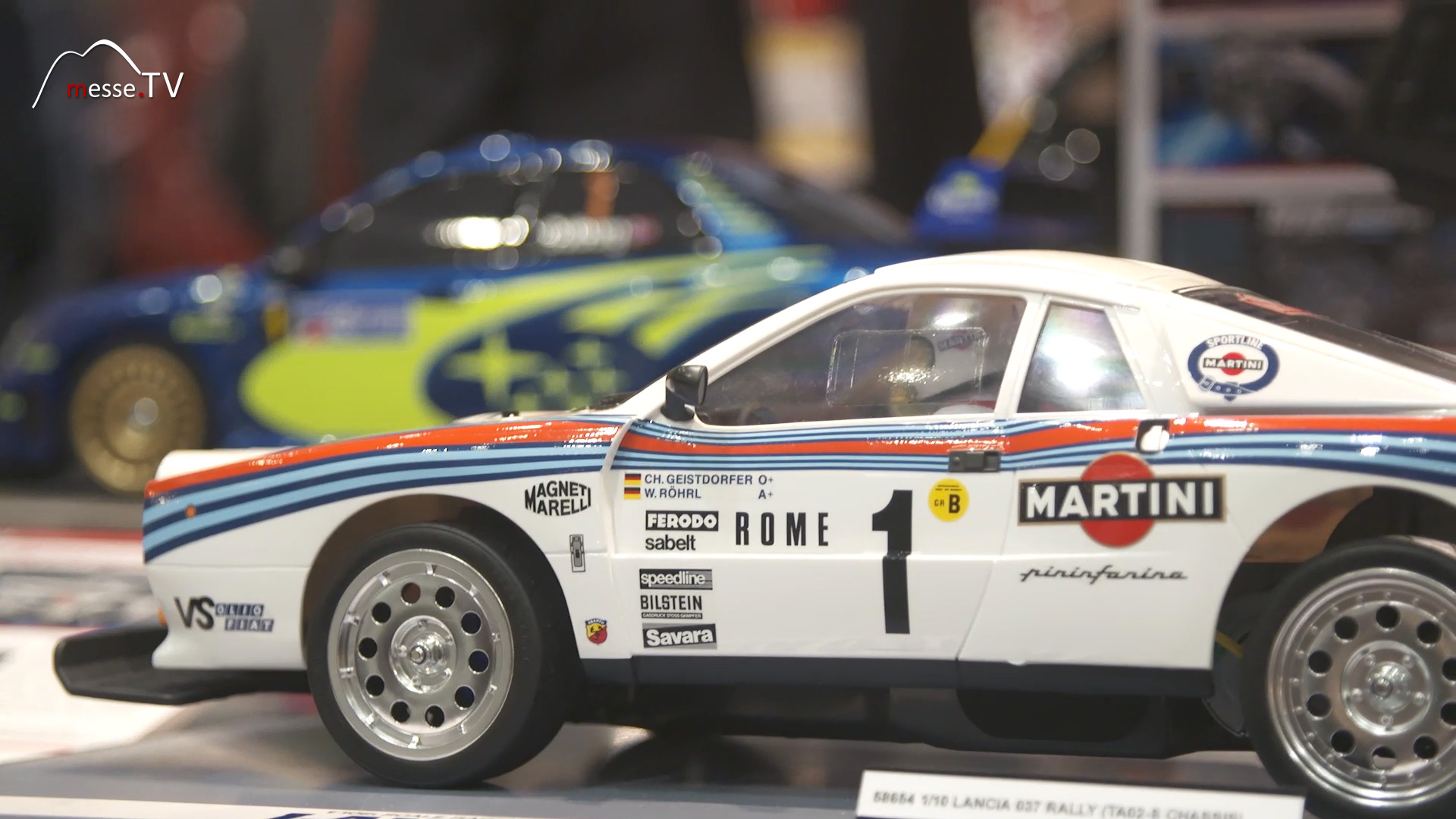
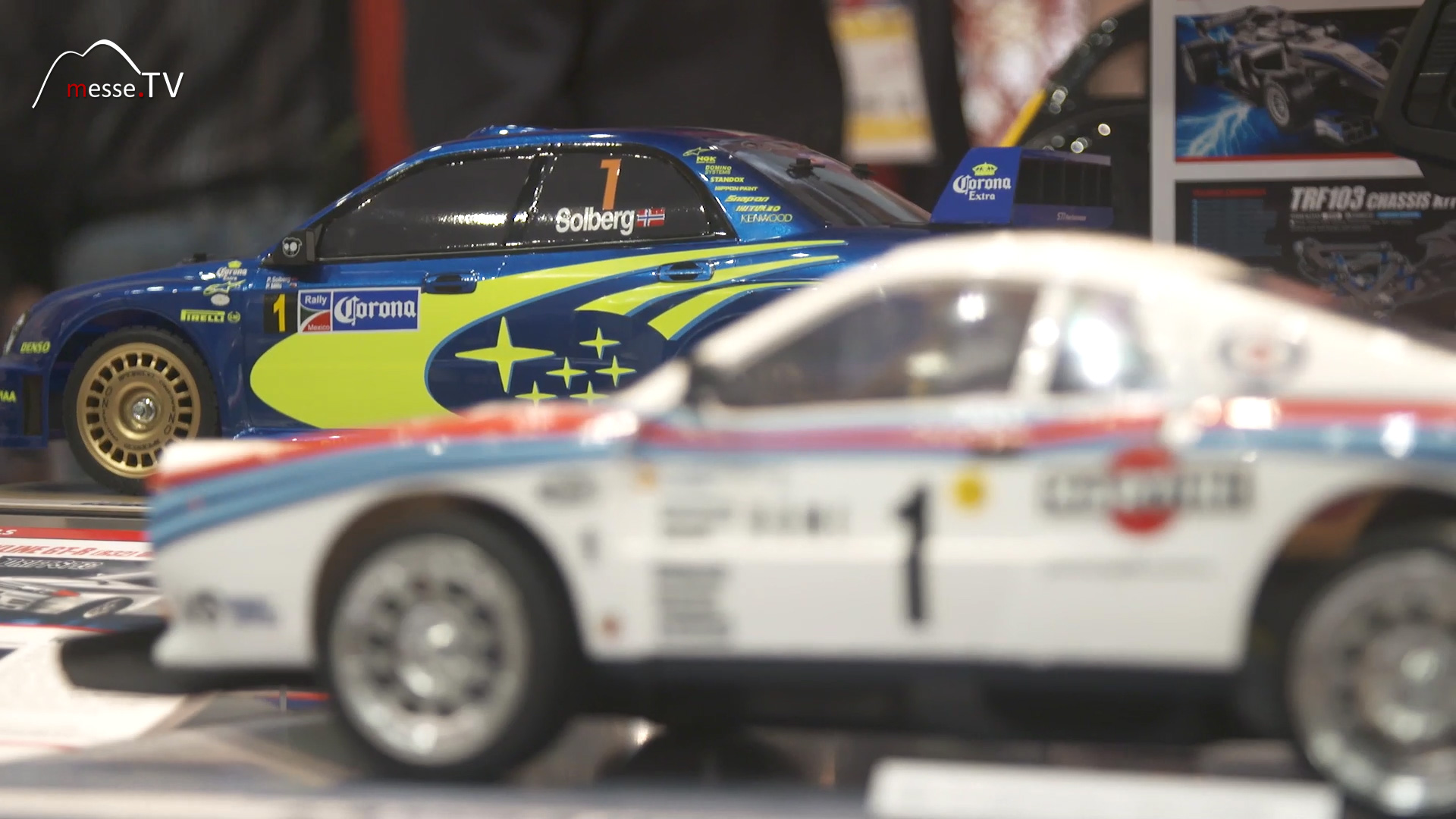
In diesem Segment steht Tamyia seit Jahrzehnten für Präzision und Zuverlässigkeit. Der Name taucht nicht zufällig immer wieder auf, wenn es um anspruchsvollen Modellbau geht. Die Konstruktionen sind so ausgelegt, dass sie sowohl Einsteigern als auch erfahrenen Modellbauern gerecht werden. Diese Balance ist schwer zu erreichen und erklärt, warum Tamiya in diesem Bereich eine besondere Stellung einnimmt. Tamiya liefert keine schnellen Erfolge, sondern stabile Grundlagen. Wer einmal ein Modell erfolgreich aufgebaut hat, versteht die Logik dahinter und kann sich an komplexere Projekte wagen. Genau das macht den Einstieg sinnvoll.

Zwischen Technik und Entschleunigung
In einer Zeit, in der vieles sofort verfügbar ist, wirkt der Modellbau fast aus der Zeit gefallen. Und genau darin liegt seine Stärke. Der Aufbau zwingt zur Konzentration, zum genauen Lesen, zum ruhigen Arbeiten. Fehler lassen sich nicht wegwischen, sondern müssen gelöst werden. Das Ergebnis ist greifbar, schwer und real. Am Ende steht ein Lkw, der sich bewegt, leuchtet und reagiert. Doch wichtiger als die Funktion ist der Weg dorthin. Wer sich darauf einlässt, kauft kein Spielzeug, sondern entscheidet sich für ein langfristiges, technisches Hobby. Und genau darin liegt der eigentliche Wert dieses Modells.


Messe-Berichterstattung bundesweit - Messewissen, Termine & Veranstaltungen


