Scooter zum Selberbauen als Klassiker 2.0 für Kinder und Eltern
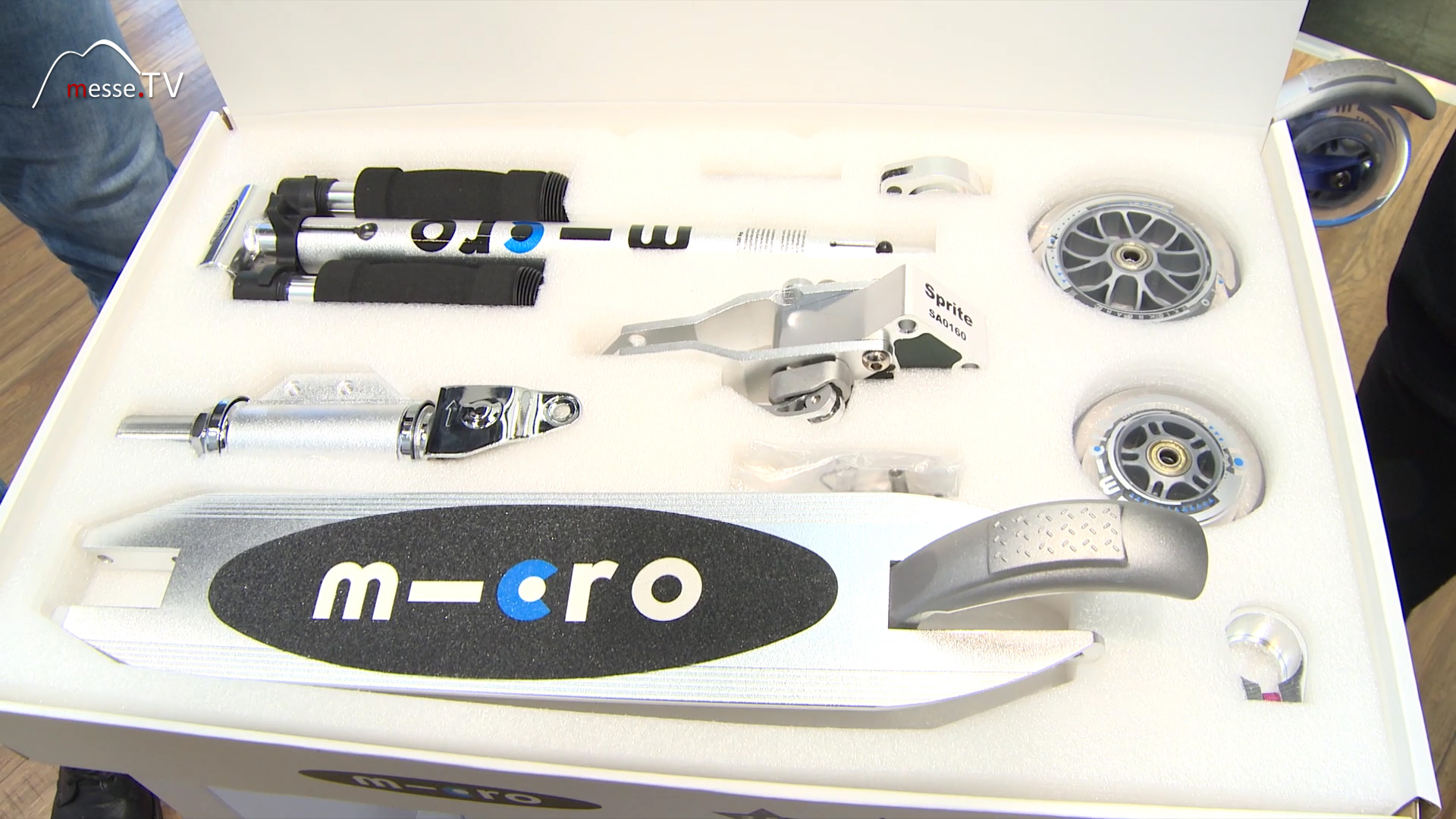
Ein Scooter, der nicht fertig montiert ausgeliefert wird, wirkt auf den ersten Blick erklärungsbedürftig. Genau dieser Moment des Innehaltens ist gewollt. Das Produkt versteht sich nicht allein als Fortbewegungsmittel, sondern als gemeinsames Projekt von Kindern und Eltern. Der Aufbau gehört beim Scooter Bausatz zum Konzept und ist kein nachgelagerter Schritt. Statt sofortiger Nutzung steht das gemeinsame Erarbeiten im Mittelpunkt.
Der Gedanke dahinter ist einfach. Viele Produkte werden heute konsumiert, ohne dass ihre Funktionsweise verstanden wird. Hier soll genau das Gegenteil erreicht werden. Kinder erleben, wie einzelne Bauteile zusammengehören, wie Stabilität entsteht und warum bestimmte Konstruktionen notwendig sind. Erwachsene begleiten diesen Prozess, ohne selbst Experten sein zu müssen.
Zusammenbauen als bewusstes Nutzungserlebnis
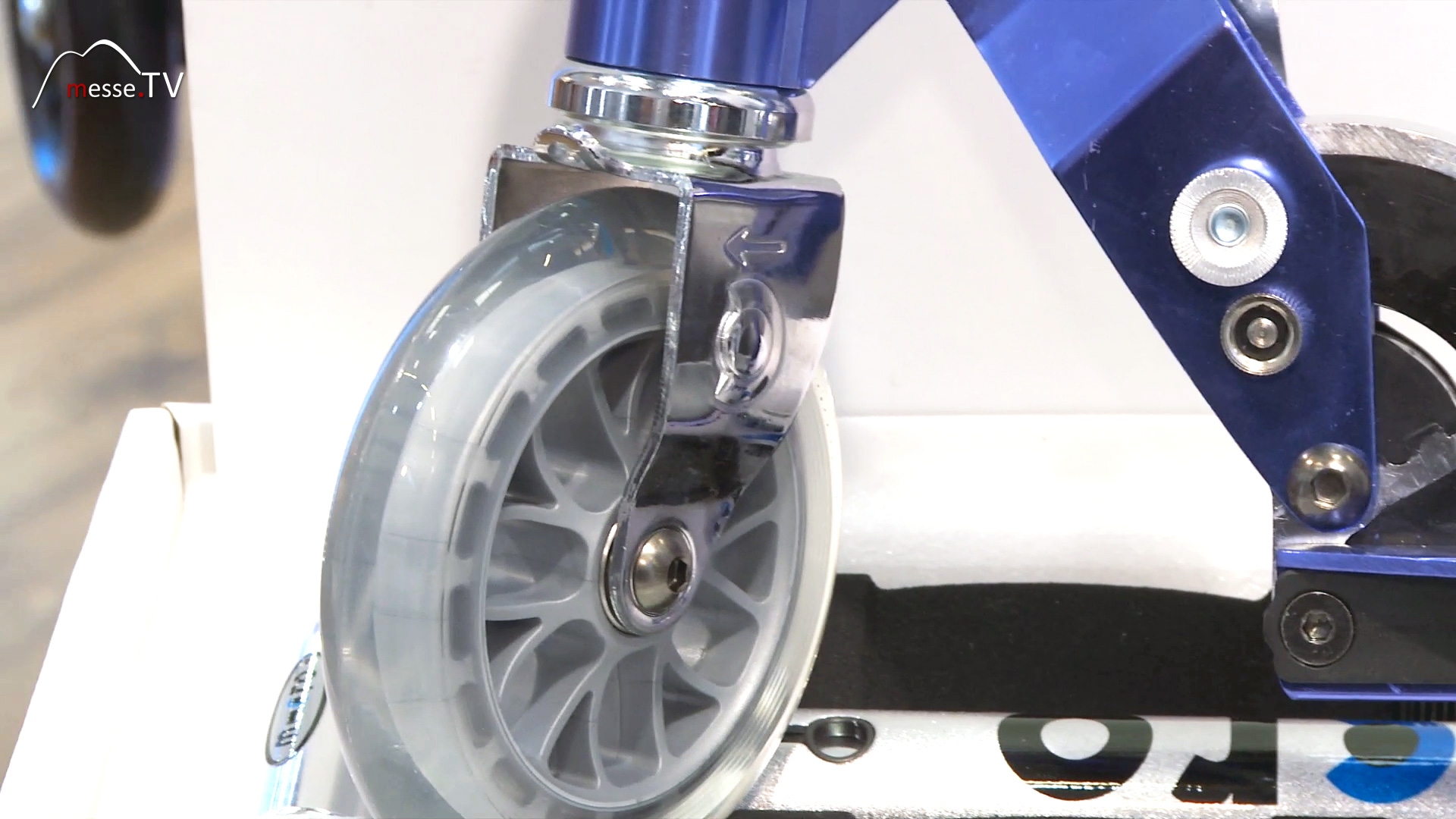
Der Aufbau ist so gestaltet, dass er ohne handwerkliche Vorkenntnisse möglich ist. Eine begleitende Videoanleitung führt Schritt für Schritt durch den Prozess. Wer einen Schraubenschlüssel halten kann, ist in der Lage, den Roller vollständig zu montieren. Der Zeitaufwand bleibt überschaubar. Innerhalb von weniger als einer Stunde steht das fertige Produkt bereit. Im Gespräch wird deutlich, dass diese Form der Selbstmontage bereits getestet wurde. Fertig montierte Varianten waren lange Zeit im Angebot. Erst die Erfahrung zeigte, dass der Aufbau selbst einen hohen Reiz besitzt. Das gemeinsame Tun schafft Nähe und stärkt die Identifikation mit dem Produkt.

Micro Mobility Systems und die Idee des Mitmachens
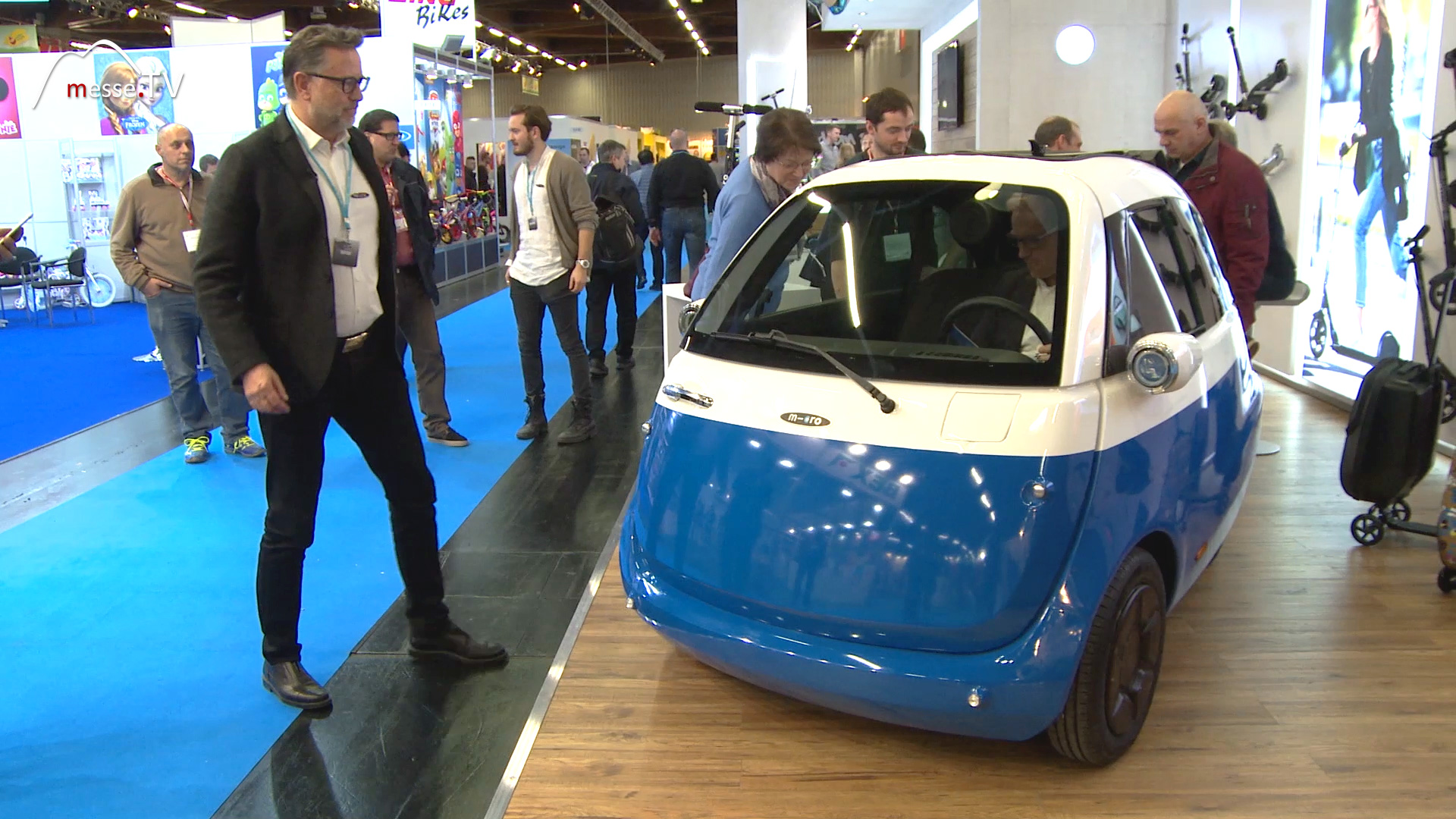
Micro Mobility Systems greift mit diesem Ansatz eine eigene Geschichte auf. Bereits Ende der neunziger Jahre kam der erste Scooter des Unternehmens auf den Markt. Damals entwickelte sich ein riesiger Markt, der nur mit großem industriellem Aufwand zu bedienen war. Die heutige Variante knüpft an diese Zeit an, interpretiert das Produkt aber neu. Der Fokus liegt nicht mehr auf maximaler Stückzahl, sondern auf dem Erlebnis rund um das Produkt. Der bekannte Klassiker bleibt in seiner Grundform erhalten, wird jedoch um eine zusätzliche Ebene erweitert. Der Aufbau wird Teil der Nutzung und verändert den Blick auf das Fahrzeug.
Warum Selbstmontage mehr ist als ein Gimmick
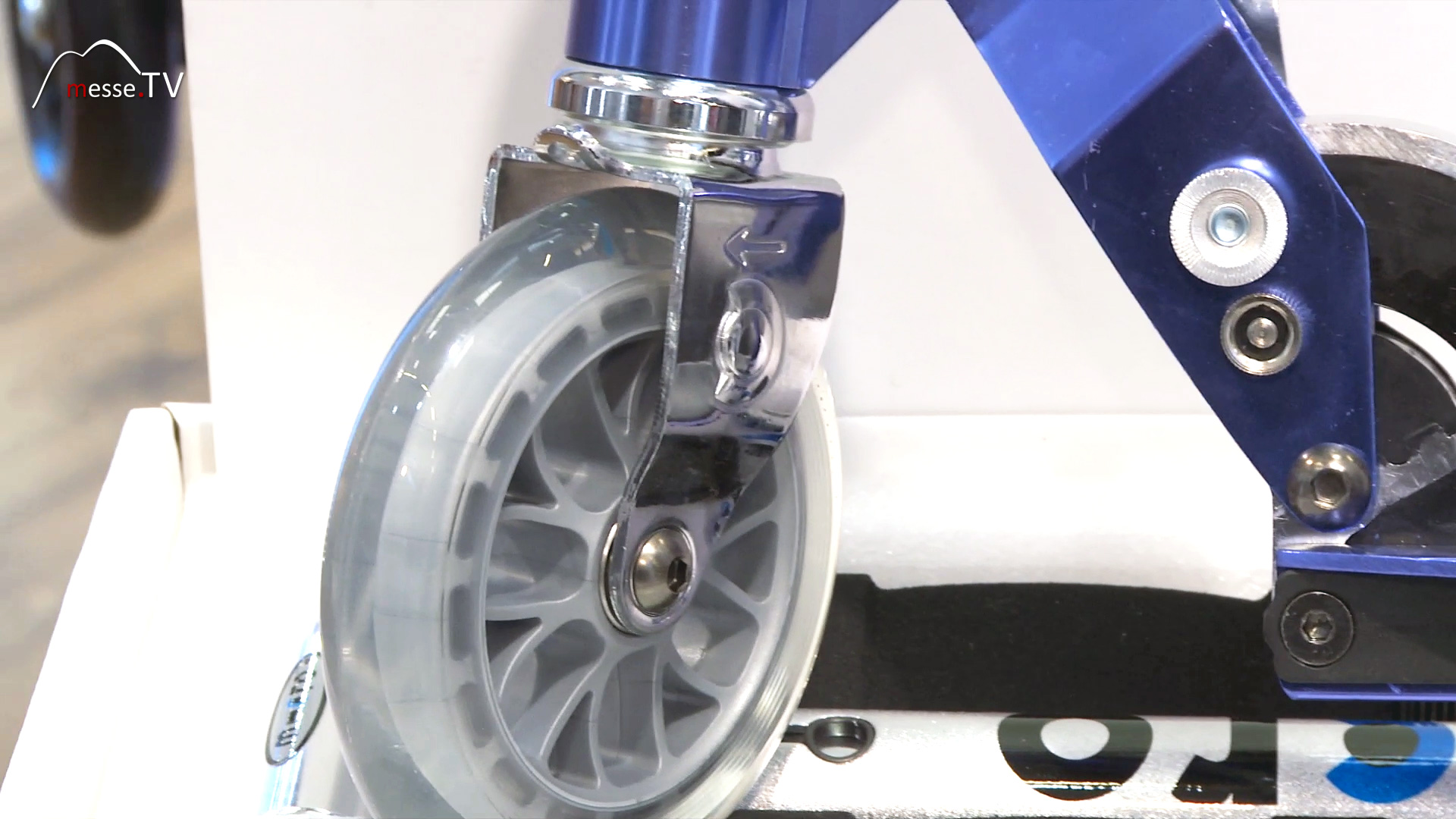
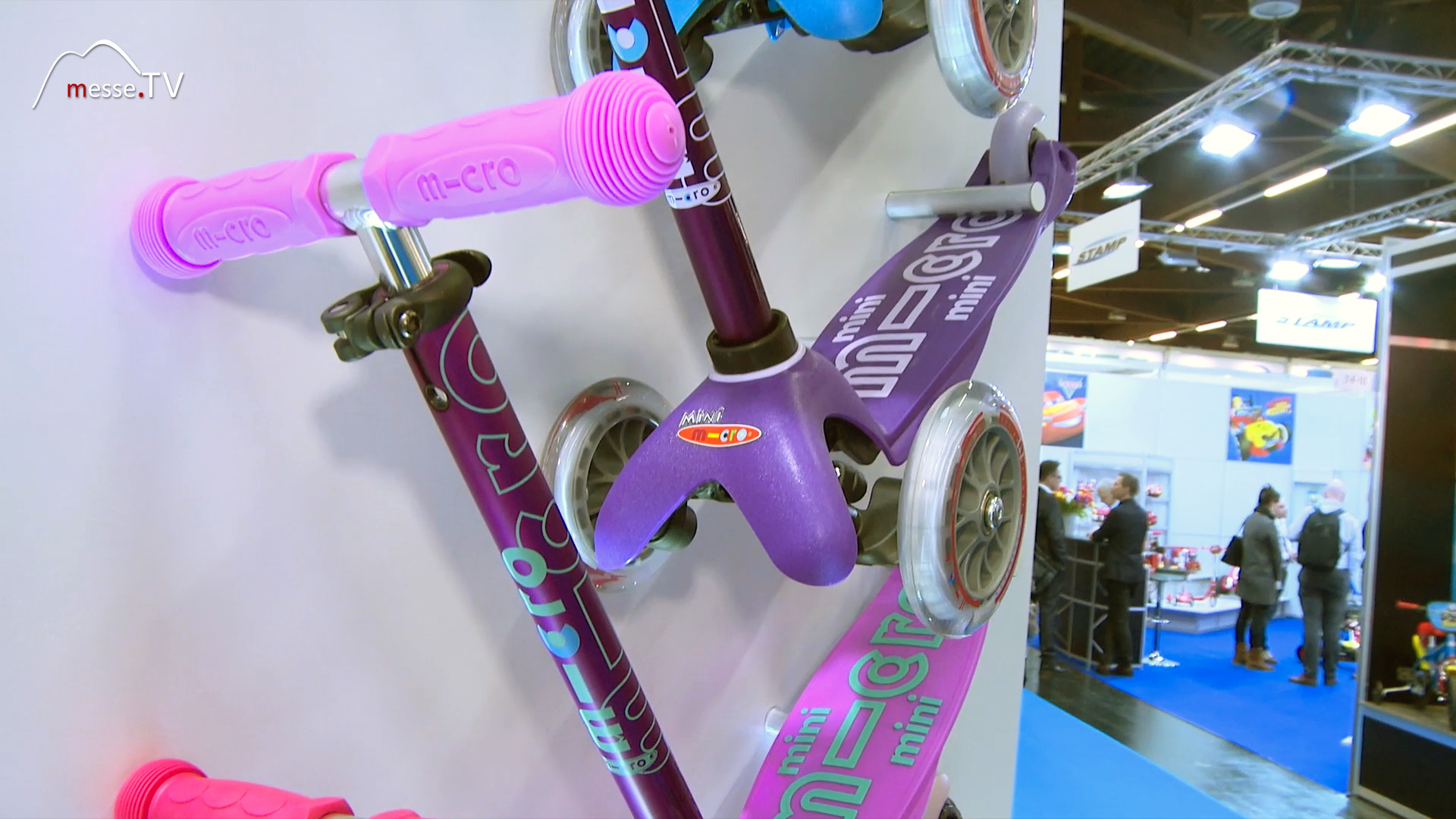
Das Prinzip des Selberbauens ist bewusst gewählt. Wer ein Produkt selbst zusammensetzt, versteht es besser und geht in der Regel sorgfältiger damit um. Der Scooter wird nicht als anonymer Gegenstand wahrgenommen, sondern als Ergebnis eigener Arbeit. Dieses Gefühl bleibt auch nach dem ersten Fahren bestehen. Der Vergleich mit bekannten Selbstbaumöbeln liegt nahe, wird aber nicht als Kopie verstanden. Vielmehr geht es um die Übertragung eines bewährten Prinzips auf ein Produkt für Kinder. Das Ergebnis ist kein Bastelprojekt, sondern ein vollwertiger Scooter, der den Anforderungen des Alltags standhält.
- gemeinsamer Aufbau von Eltern und Kindern
- klare Anleitung ohne technisches Vorwissen
- überschaubarer Zeitaufwand
- stärkere Bindung zum Produkt durch eigenes Tun

Der Mirco Scooter - ein Klassiker mit neuer Bedeutung
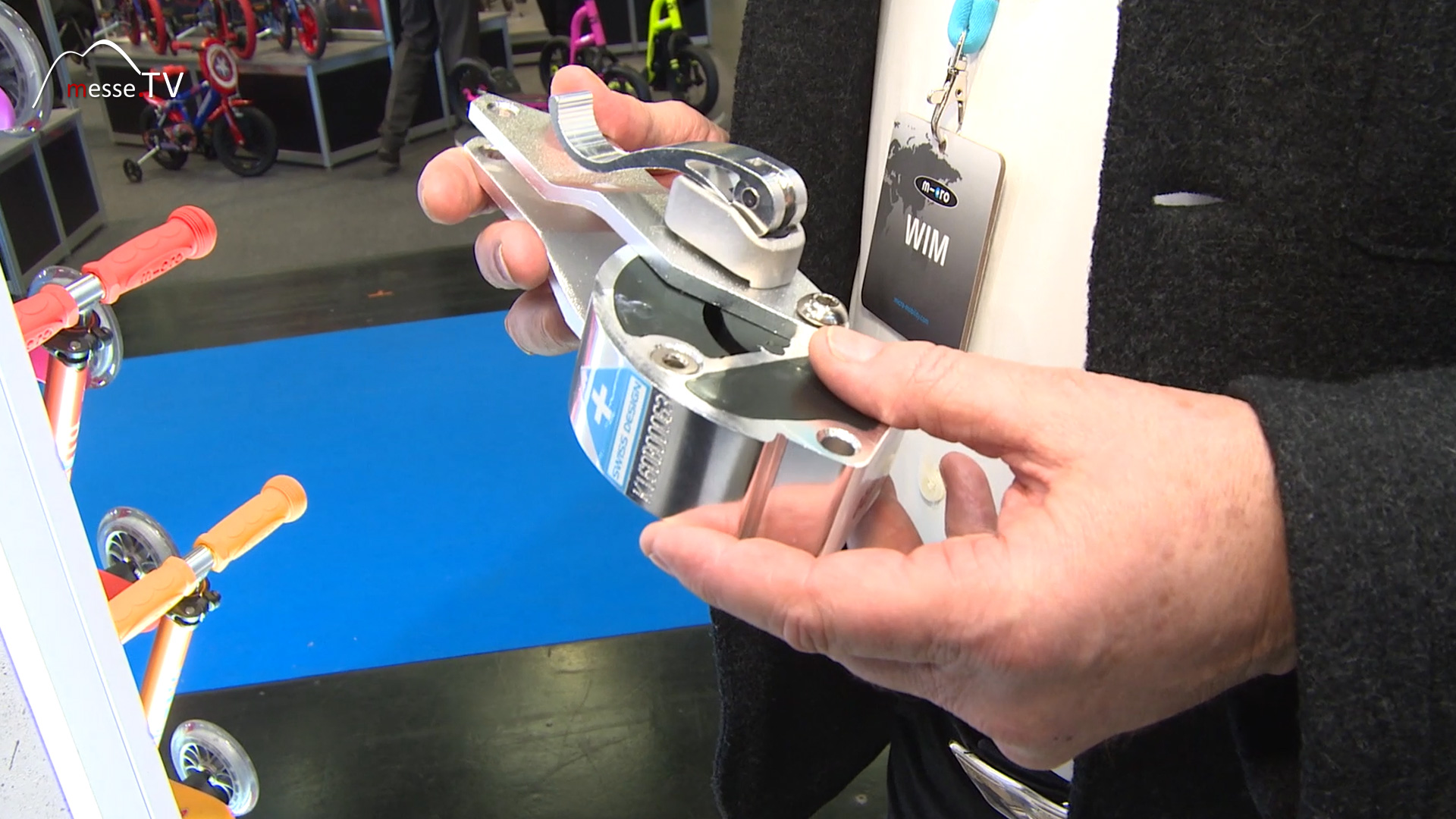
Der Ansatz wird als Weiterentwicklung verstanden. Der Scooter bleibt das, was er immer war, erhält aber eine neue Rolle. An Tagen, an denen das Fahren nicht möglich ist, wird der Aufbau selbst zum sinnvollen Bestandteil der Nutzung. Das Produkt funktioniert damit auch jenseits seines eigentlichen Zwecks. Micro Mobility Systems zeigt mit diesem Konzept, dass bekannte Produkte nicht neu erfunden werden müssen, um relevant zu bleiben. Manchmal reicht es, den Umgang damit zu verändern. Der zusammenbaubare Scooter steht exemplarisch für diese Idee und zeigt, wie sich ein Klassiker zeitgemäß weiterdenken lässt.







Messe-Berichterstattung bundesweit - Messewissen, Termine & Veranstaltungen


