Bruder Spielzeugfahrzeuge: Claas Feldhäcksler und Traktoren im Detail
Spielzeugfahrzeuge haben sich in den vergangenen Jahren spürbar verändert. Was früher vor allem aus starren Modellen bestand, ist heute Teil komplexer Spielsysteme, die reale Arbeitsabläufe, technische Funktionen und unterschiedliche Einsatzbereiche abbilden. Besonders deutlich wird diese Entwicklung bei Herstellern, die nicht einzelne Produkte, sondern zusammenhängende Fahrzeugwelten denken.
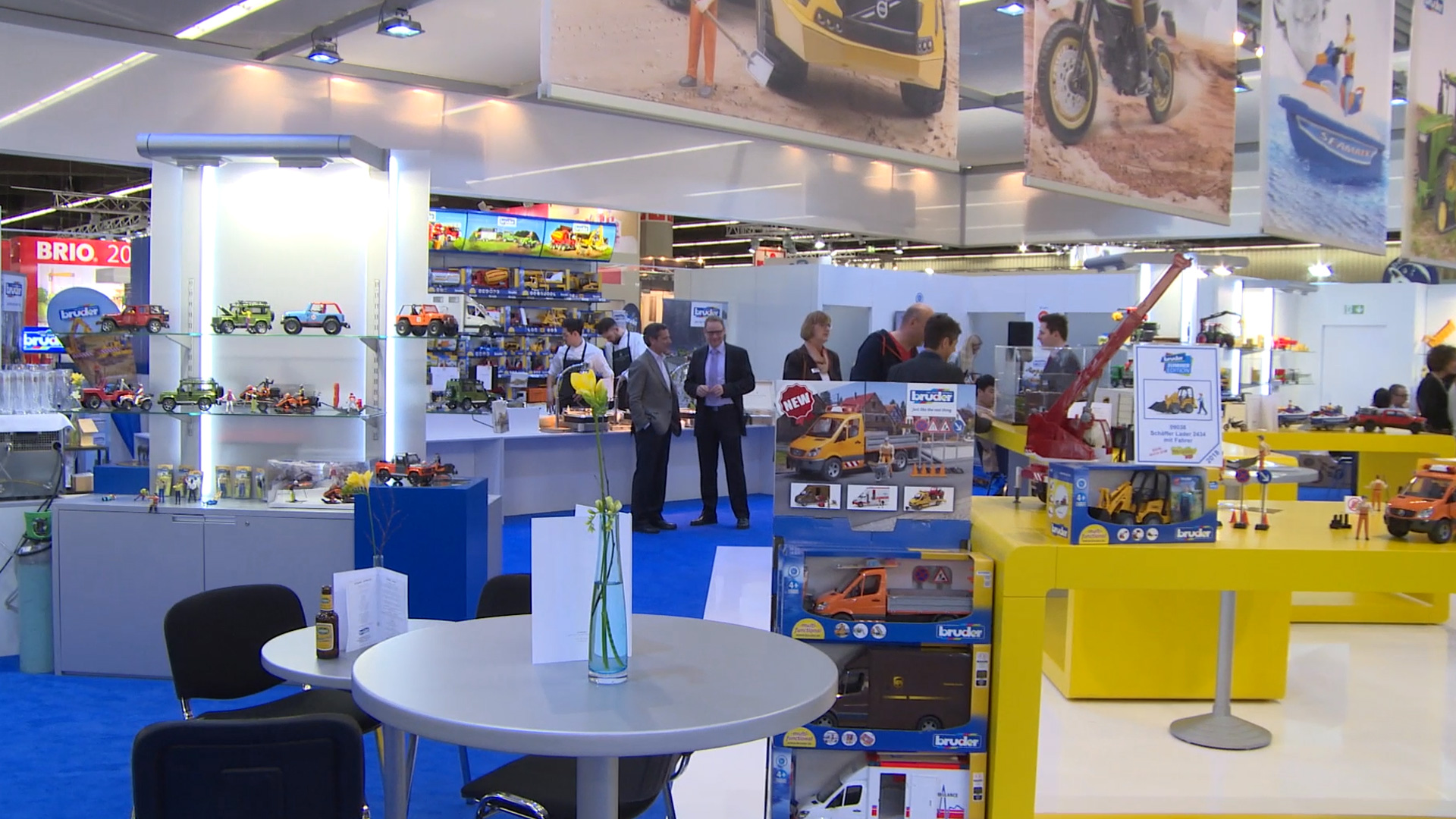
Auf der Spielwarenmesse wurde genau dieser Ansatz sichtbar, als Bruder seine aktuellen Neuheiten präsentierte und zeigte, wie stark sich Spielwert, Detailtreue und Kombinierbarkeit gegenseitig bedingen. Im Zentrum steht dabei nicht das einzelne Fahrzeug, sondern die Idee, reale Einsatzszenarien spielerisch erfahrbar zu machen. Landwirtschaft, Bau, kommunale Dienste oder Freizeitaktivitäten werden nicht isoliert dargestellt, sondern als miteinander verknüpfbare Themenfelder, die Kinder eigenständig erweitern können.
Claas Feldhäcksler als Messehighlight
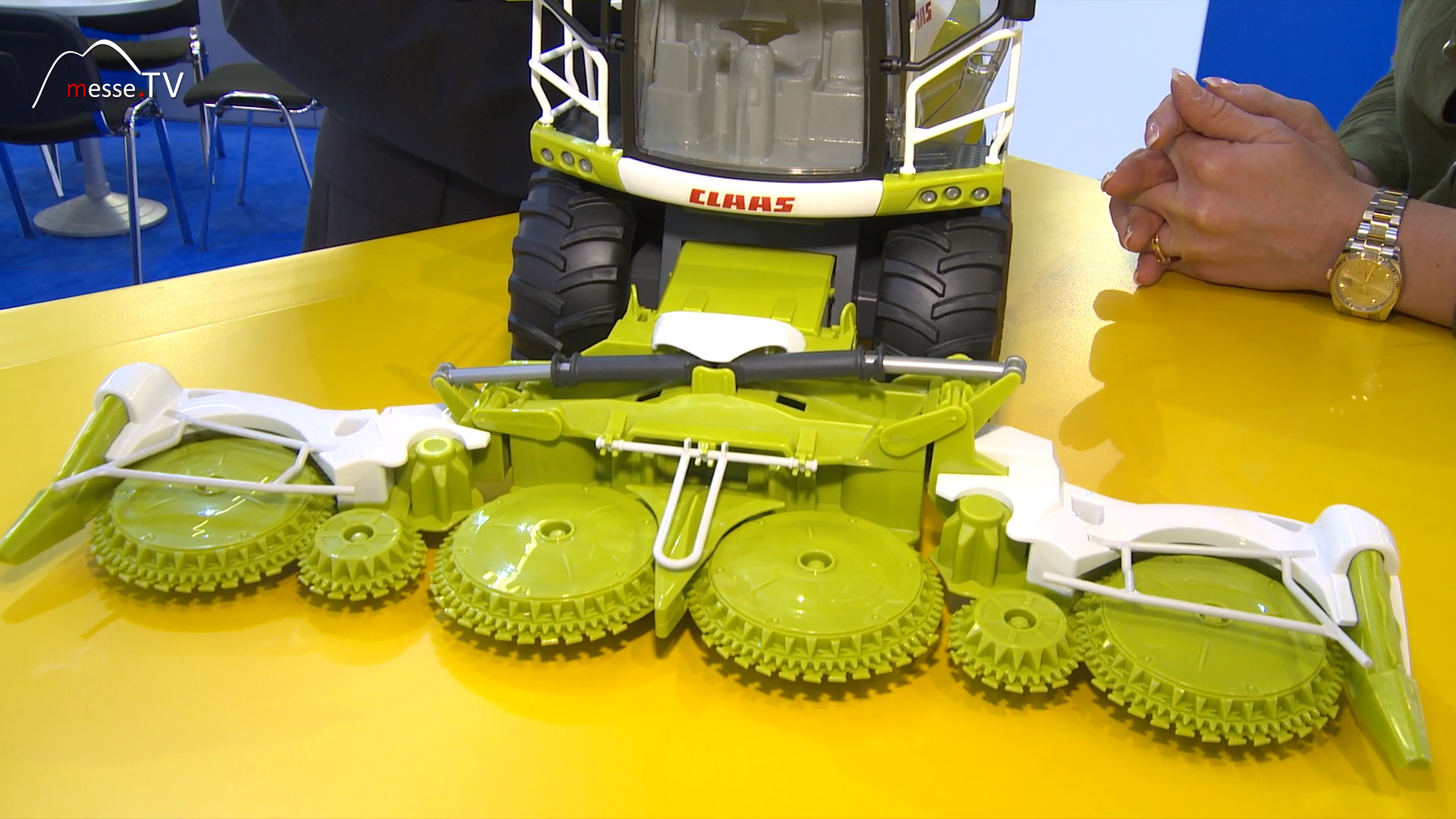
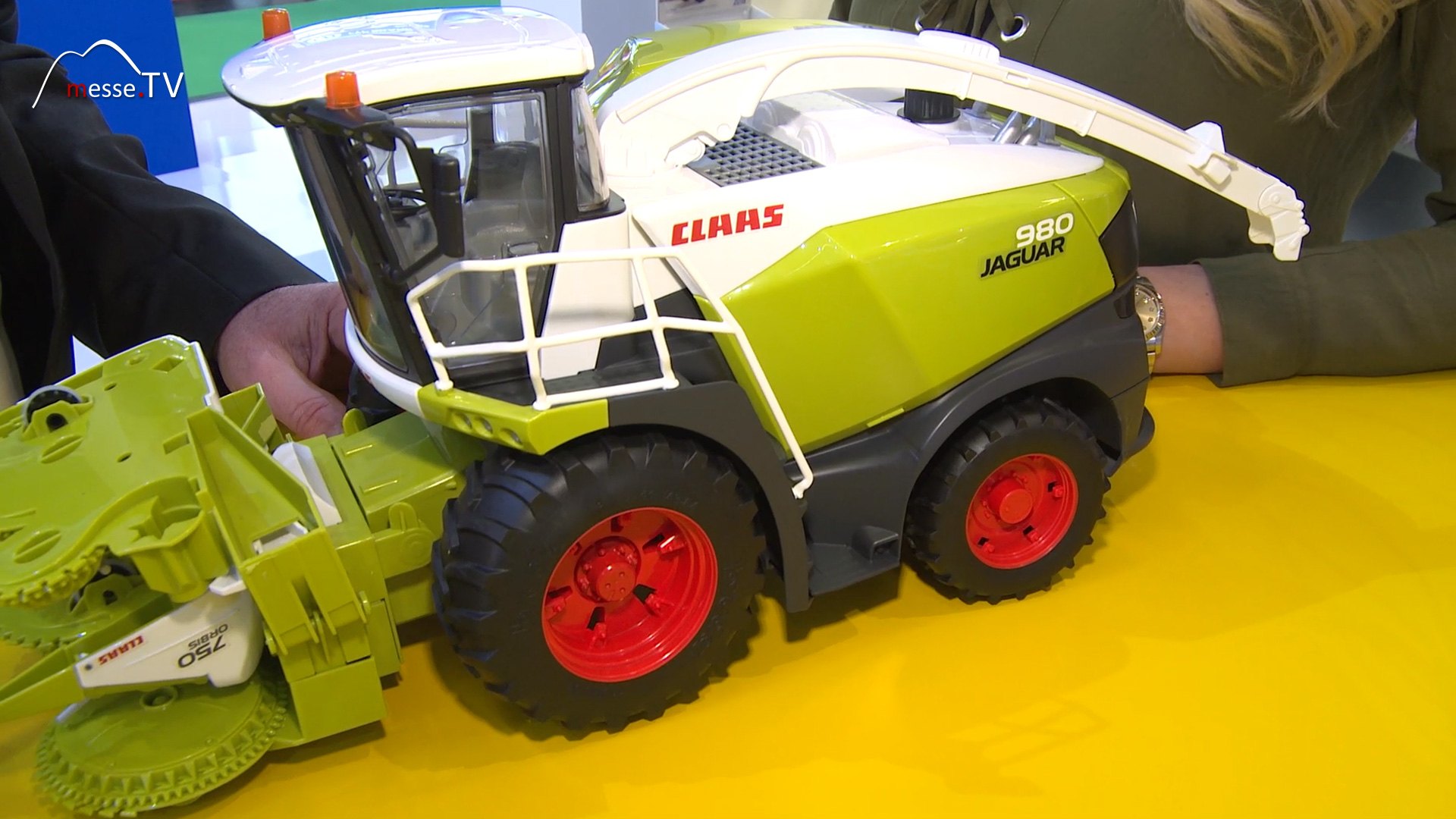
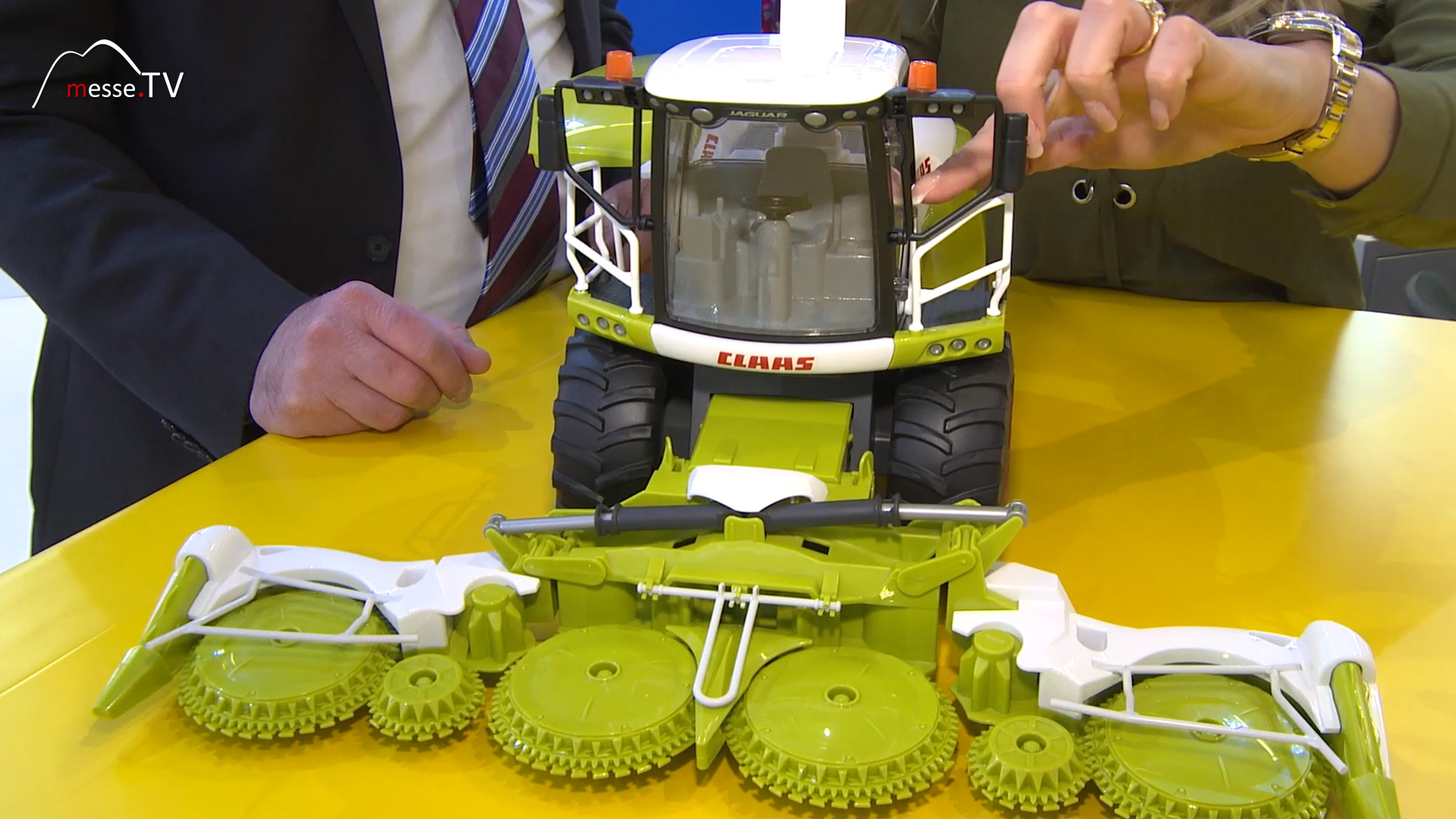
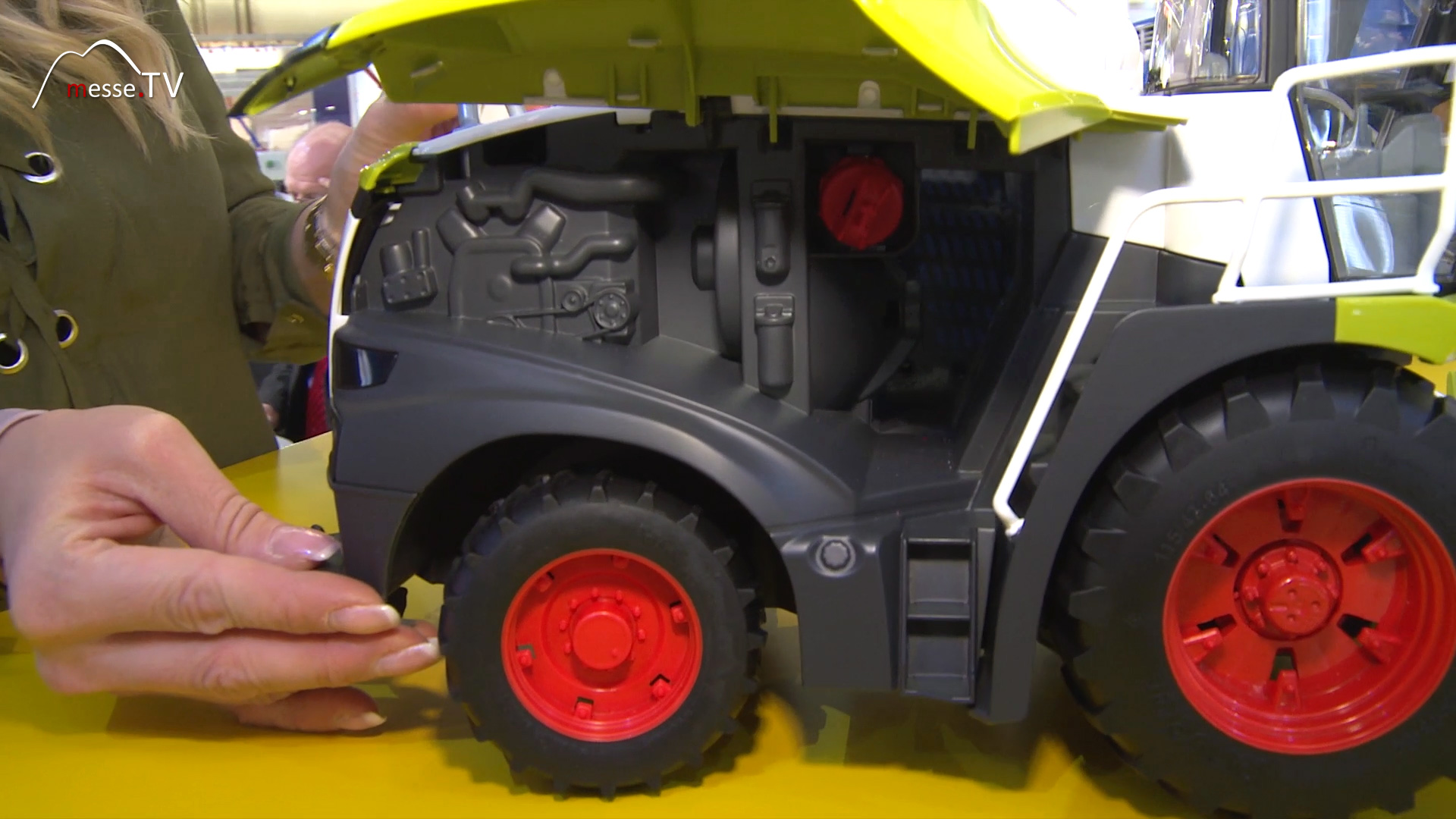
Ein zentrales Highlight war ein Claas Feldhäcksler, der sich klar an großen landwirtschaftlichen Maschinen orientiert. Schon die Dimensionen des Modells machen deutlich, dass hier Arbeitsprozesse im Mittelpunkt stehen, die auf Effizienz und Leistungsfähigkeit ausgelegt sind. In der Spielwelt bedeutet das vor allem eines: viele Funktionen, die nachvollziehbar ineinandergreifen. Das Maisgebiss lässt sich ausklappen, der Erntevorgang wird sichtbar und das gehäckselte Material kann seitlich ausgeworfen werden. Damit entsteht ein realistisches Zusammenspiel mit weiteren Fahrzeugen, etwa Transportanhängern, die parallel eingesetzt werden können. Der Spielwert entsteht nicht durch eine einzelne Aktion, sondern durch den Ablauf als Ganzes. Ein weiteres Merkmal ist die Zugänglichkeit des Fahrzeugs. Motorraum und Kabine lassen sich öffnen, sodass Kinder Einblicke in den Aufbau erhalten. Die Technik ist bewusst angedeutet und nicht vollständig ausgearbeitet. Ziel ist nicht technische Vollständigkeit, sondern das Verständnis dafür, dass hinter der äußeren Hülle komplexe Mechanik steckt.
Spielfunktionen und technische Details im Fokus
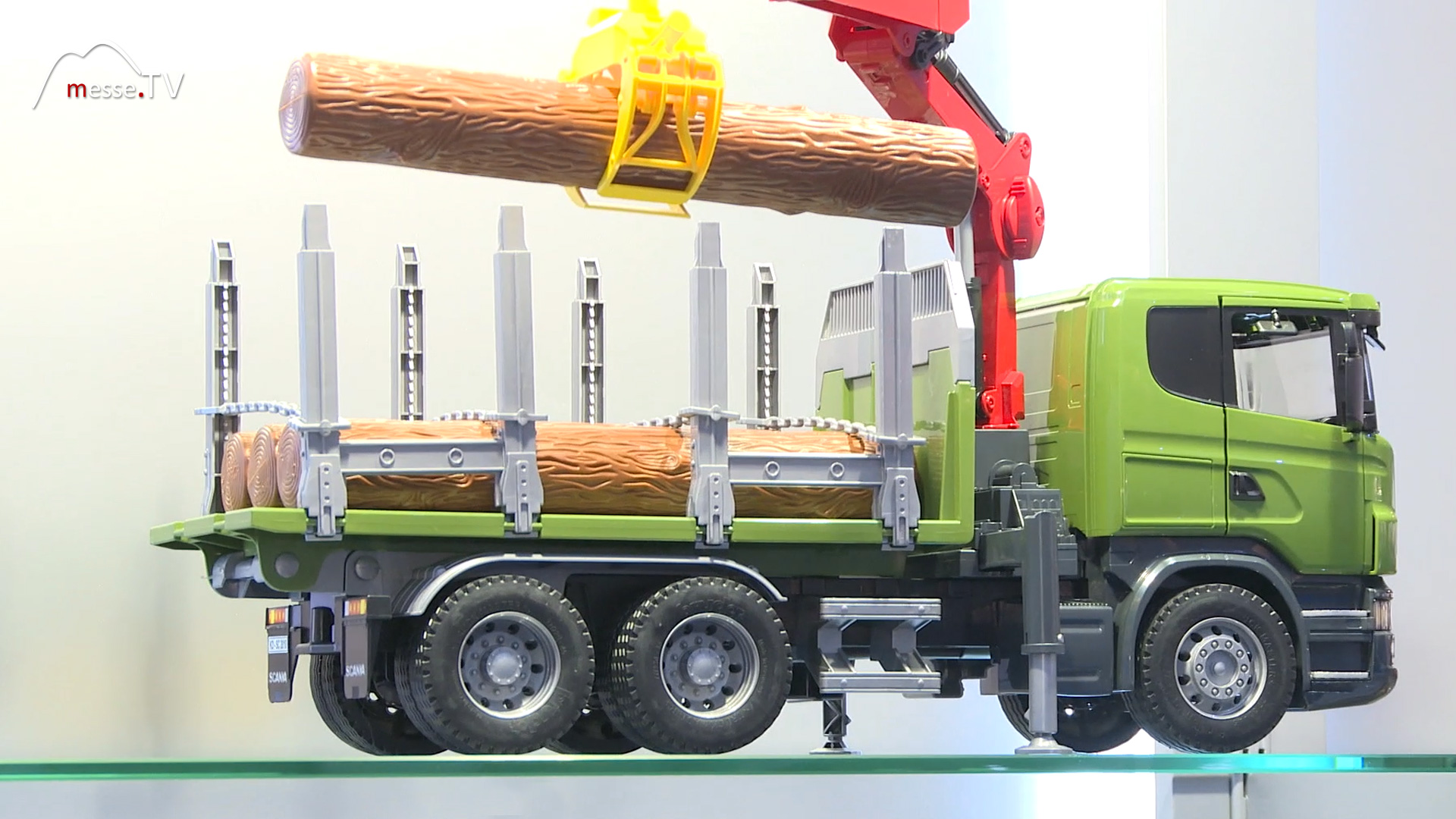
Funktionalität ist ein zentrales Qualitätsmerkmal moderner Fahrzeugmodelle. Bewegliche Teile, klappbare Elemente und kombinierbare Module sorgen dafür, dass das Spiel nicht schnell an Reiz verliert. Bruder setzt dabei konsequent auf robuste Materialien, um auch intensives Spielen zu ermöglichen. Typische Merkmale dieser Fahrzeuge sind:
- ausklappbare Arbeitsgeräte und Anbauten
- öffnende Motorhauben und Kabinen
- kompatible Anhänger und Zusatzfahrzeuge
- Einbindung von Spielfiguren für Rollenspiele
Landwirtschaftliche Fahrzeuge für große Flächen
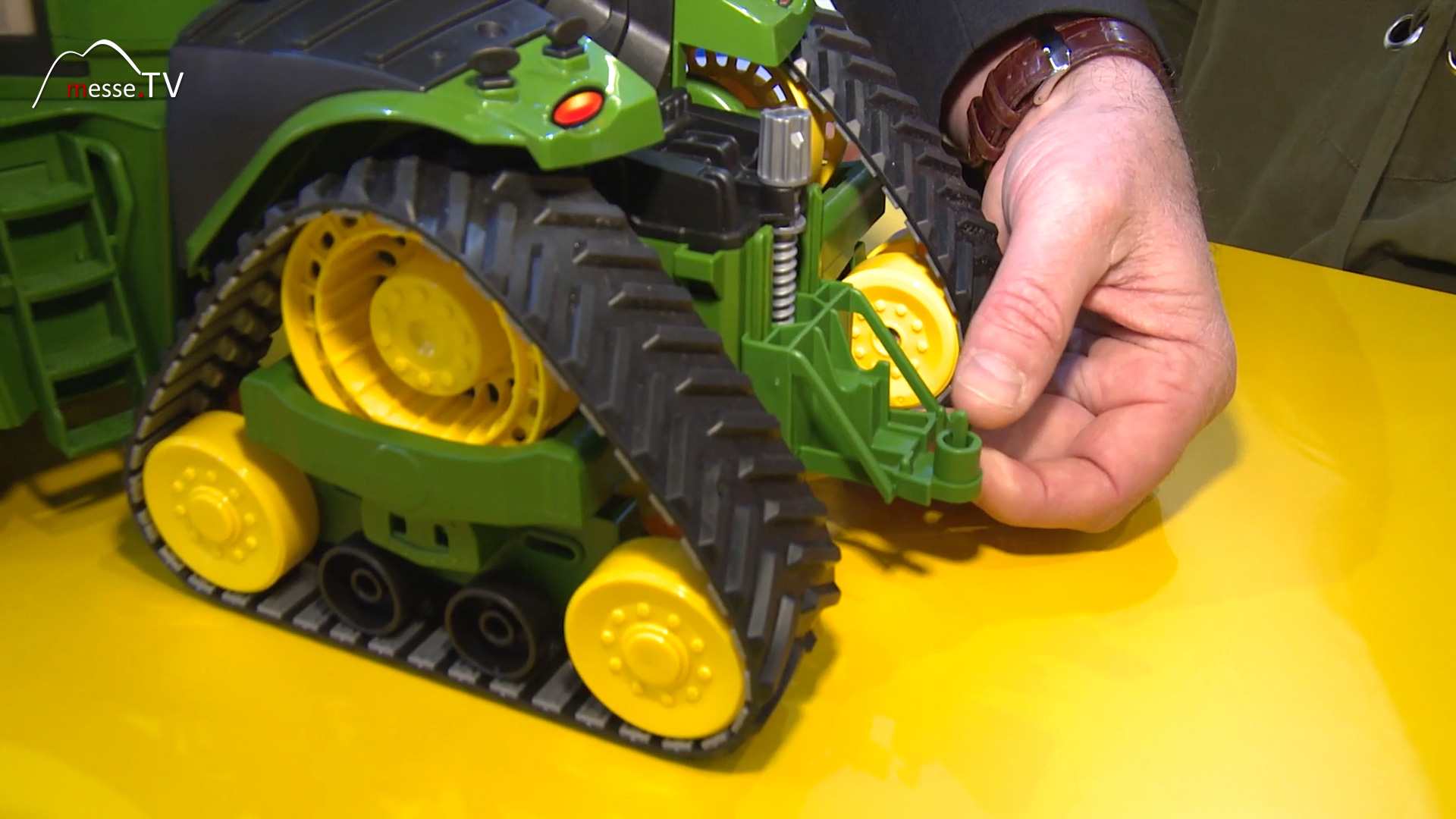
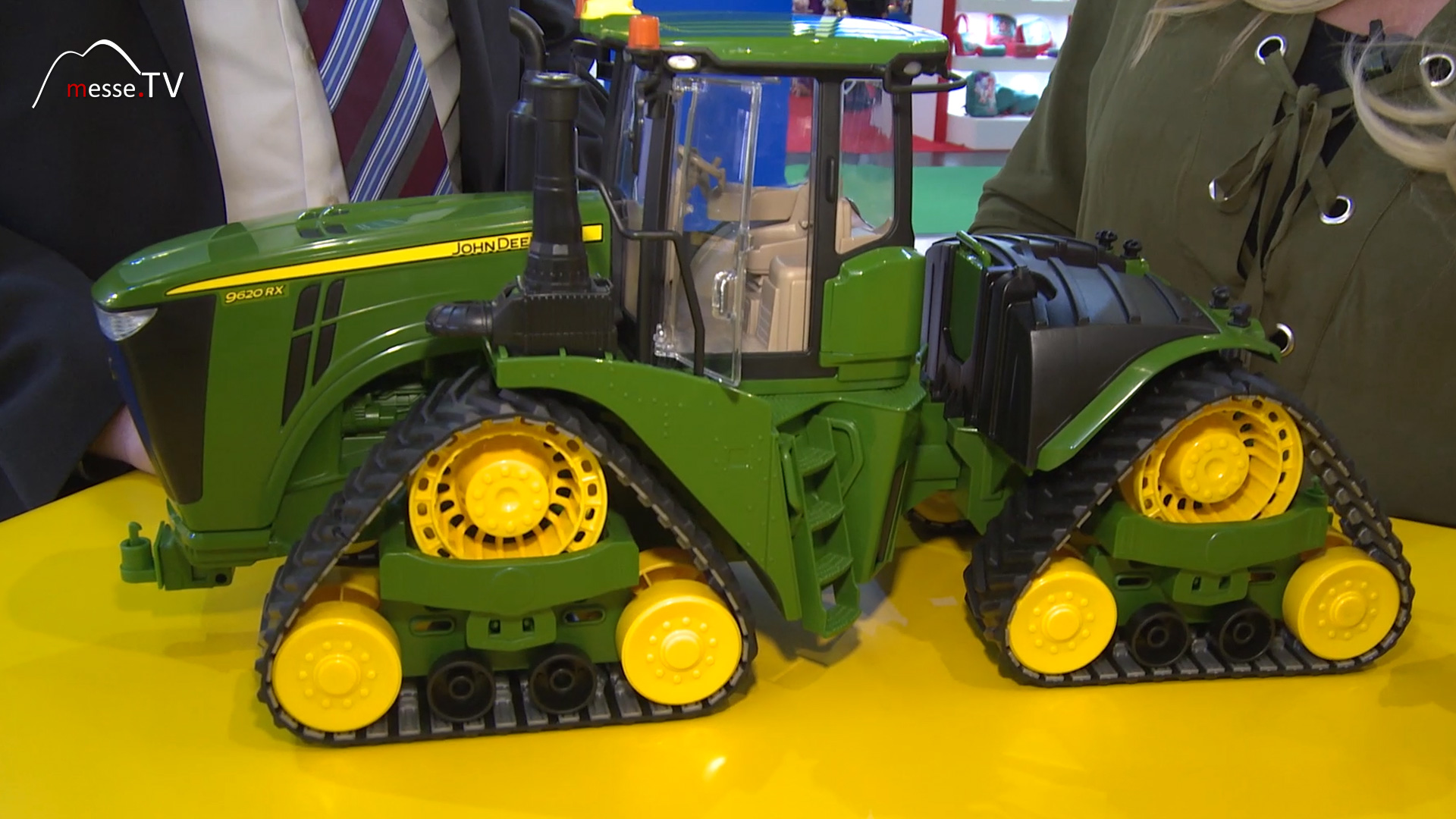
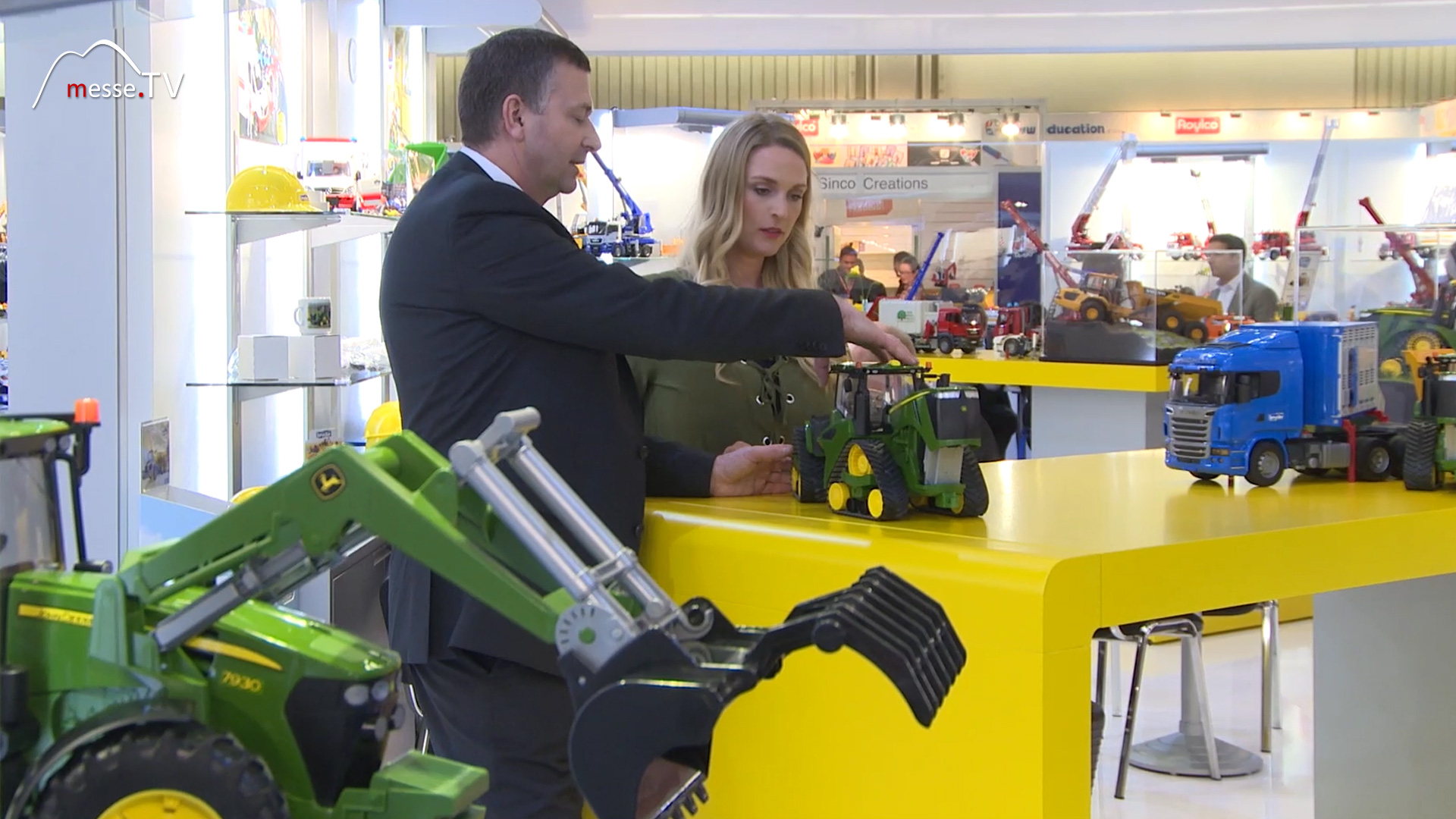
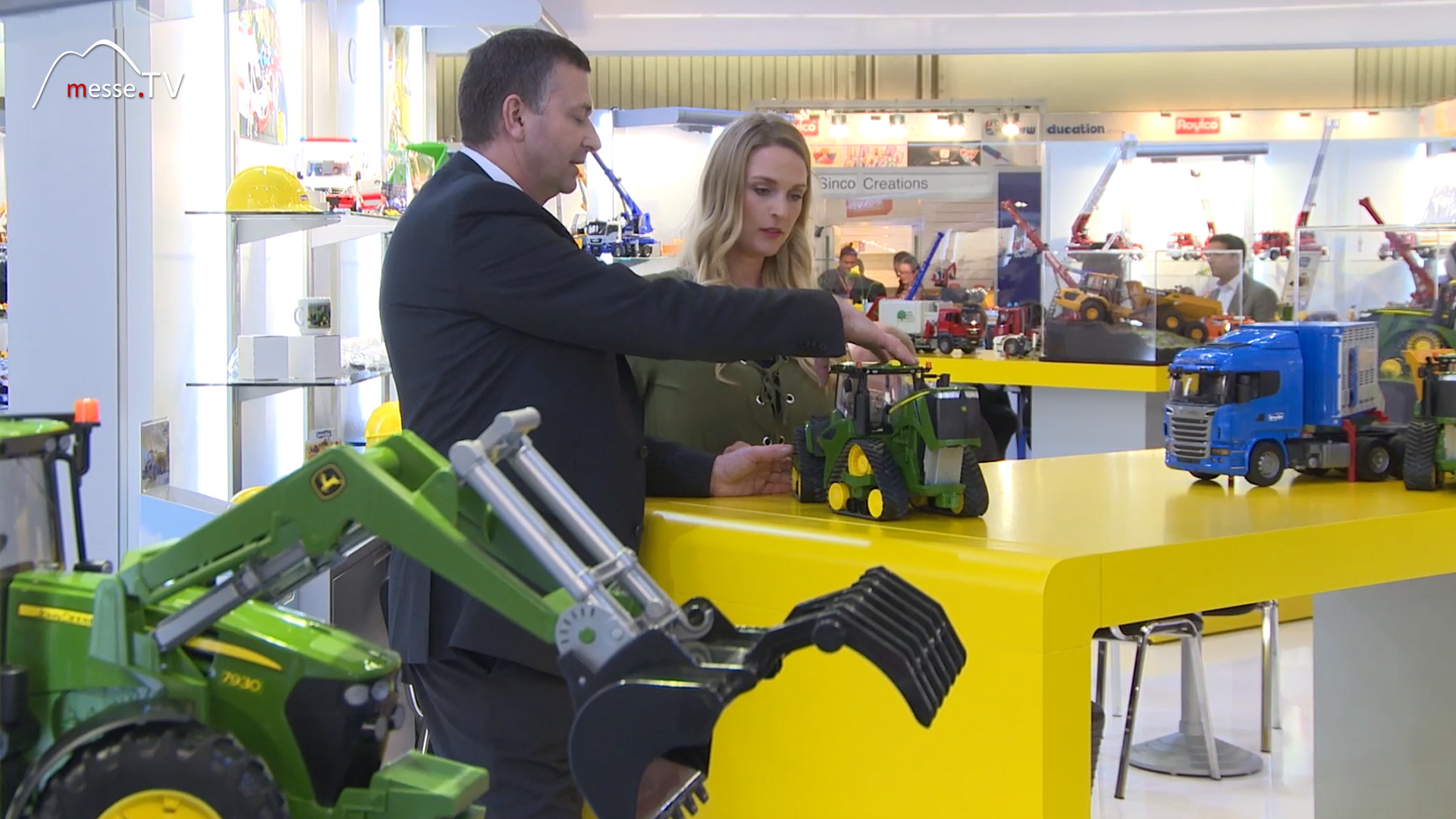
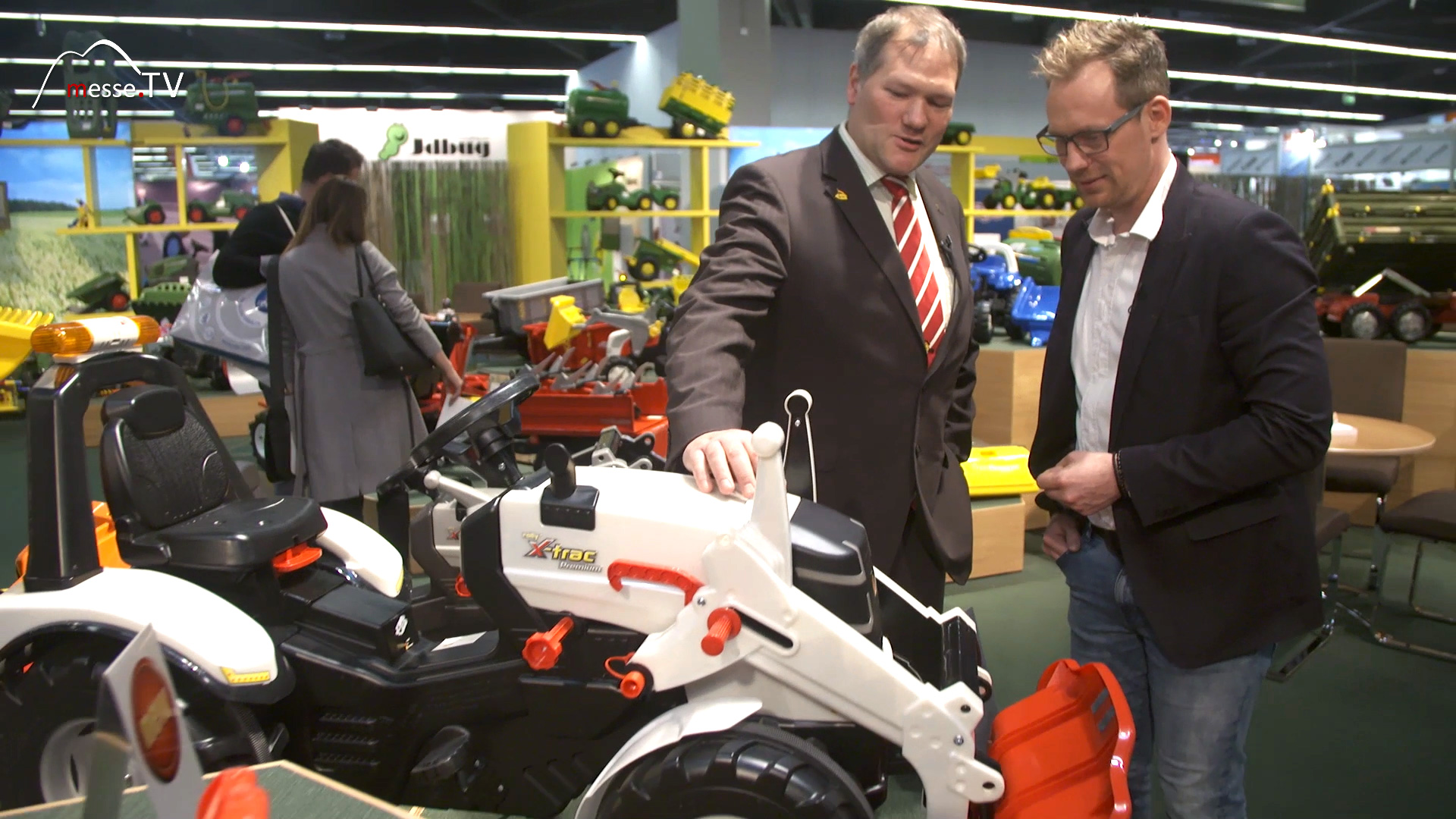
Neben dem Feldhäcksler wurden weitere landwirtschaftliche Fahrzeuge gezeigt, darunter große Traktoren für den Einsatz auf weitläufigen Flächen. Besonders auffällig sind Modelle mit Raupenfahrwerk, die hohe Zugkraft mit bodenschonender Arbeitsweise verbinden. In der Spielwelt lassen sich unterschiedliche Anbaugeräte ankoppeln, wodurch sich der Einsatzbereich variieren lässt. Kinder können so nachvollziehen, dass ein Fahrzeug je nach Aufgabe unterschiedliche Funktionen übernimmt. Pflügen, Transportieren oder Ernten werden als zusammenhängende Prozesse erlebbar, nicht als isolierte Tätigkeiten.
Baufahrzeuge und kommunale Einsatzfahrzeuge
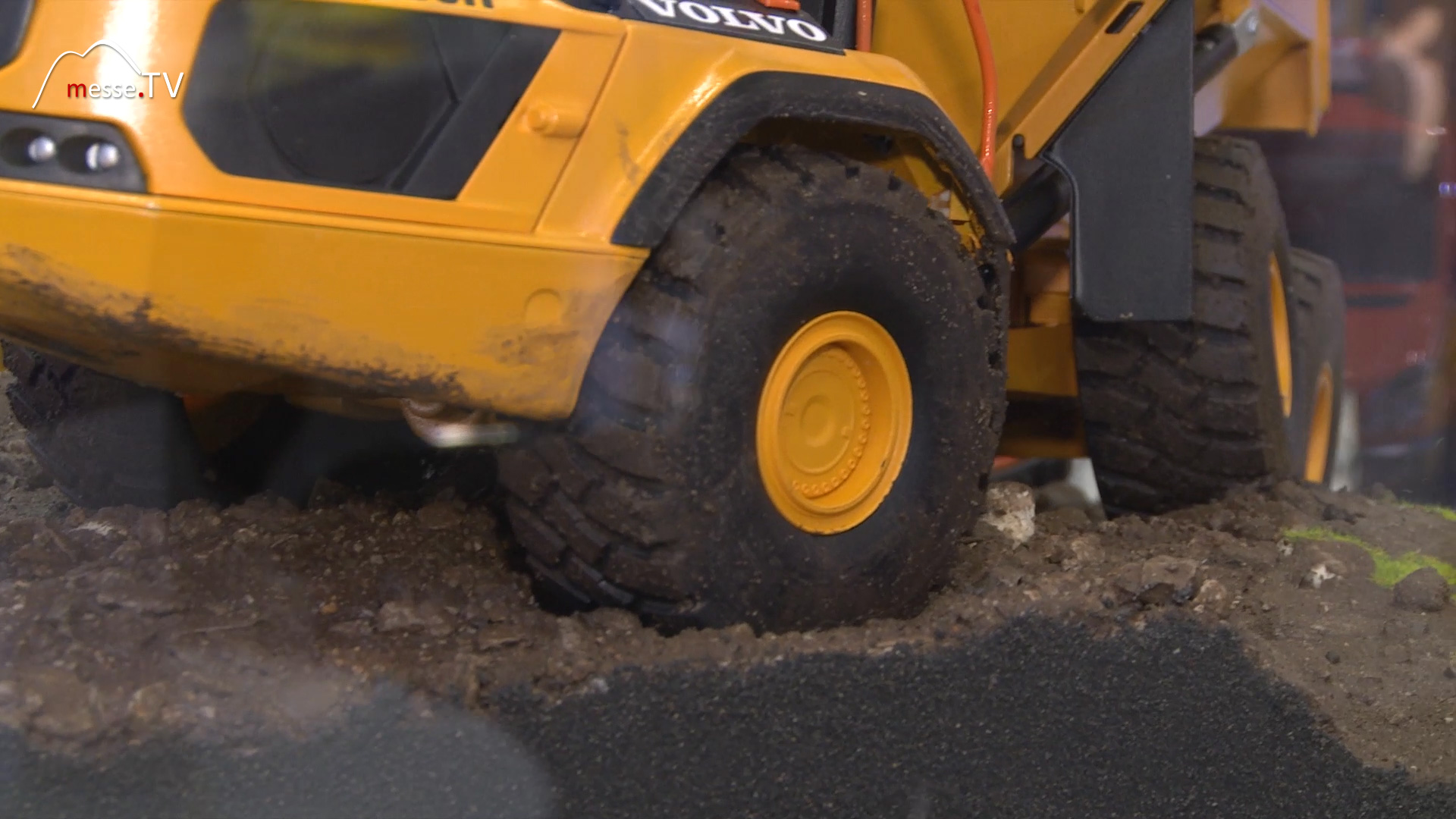
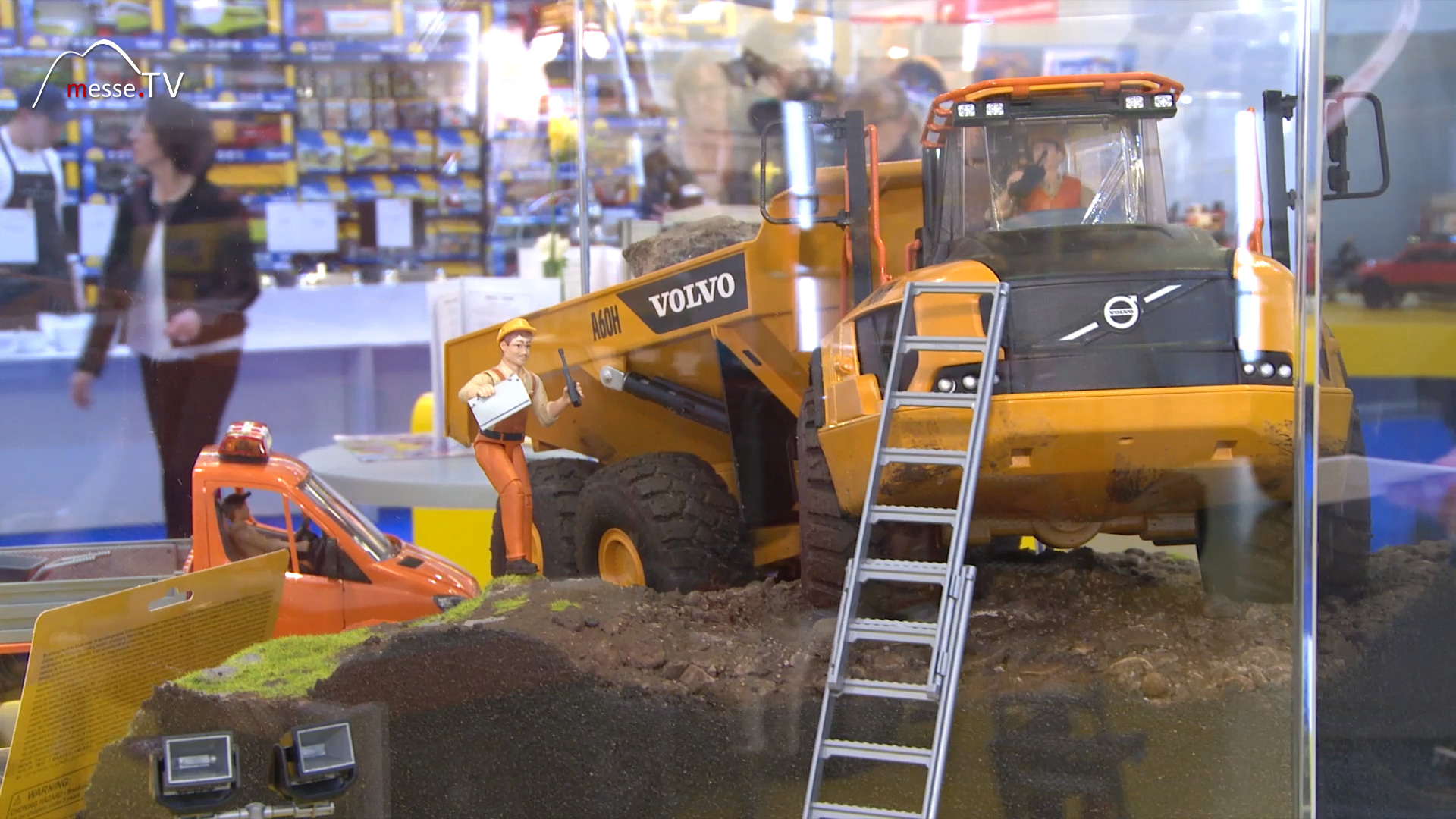
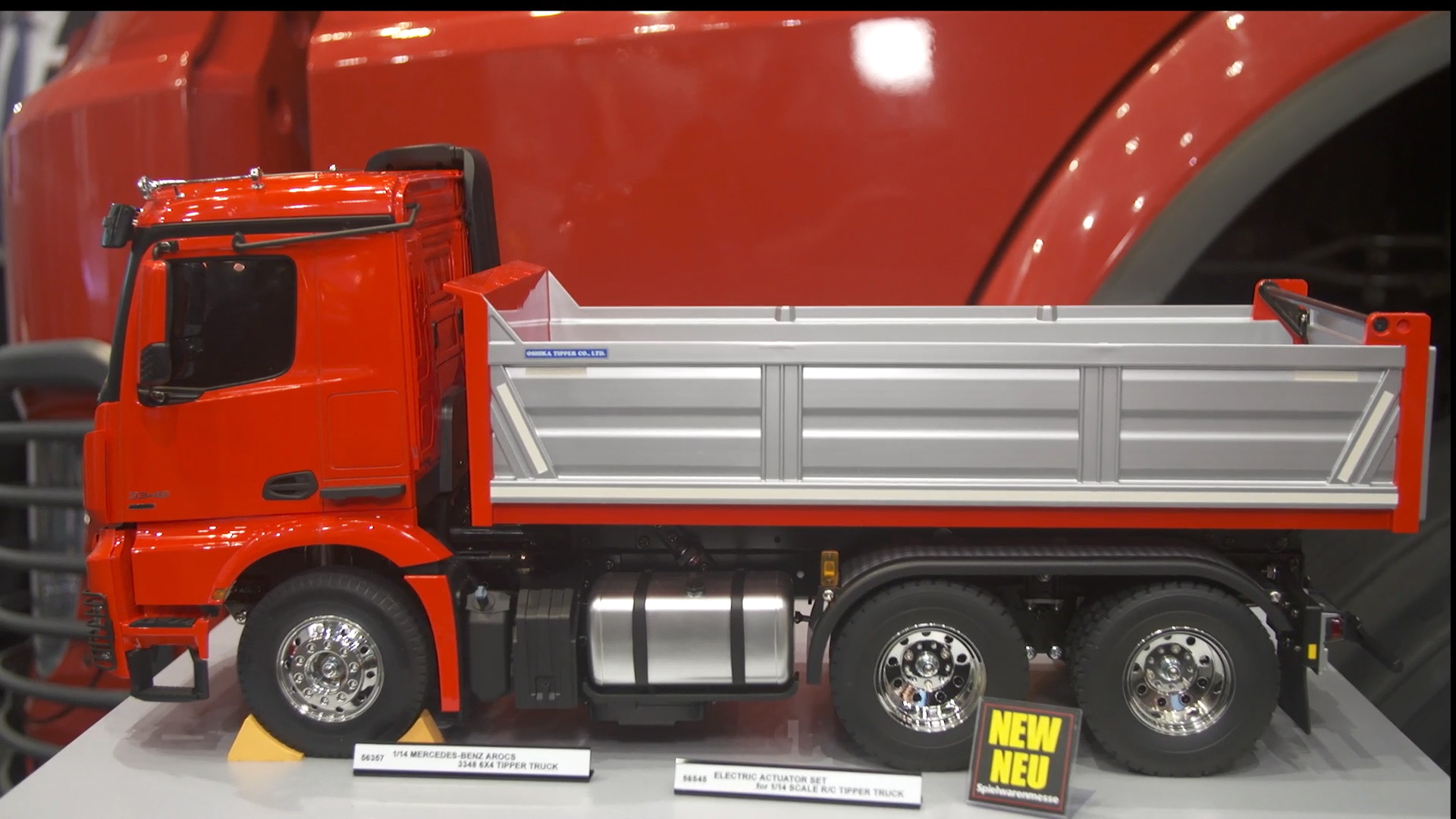
Ein weiterer Schwerpunkt liegt im Bereich Bau und kommunale Dienste. Bagger, Kräne, Lkw und Spezialfahrzeuge erweitern die landwirtschaftlichen Szenarien um urbane und infrastrukturelle Themen. Baustellen lassen sich ebenso darstellen wie Rettungseinsätze oder kommunale Aufgaben. Gerade diese Vielfalt sorgt dafür, dass Spielwelten nicht eindimensional bleiben. Fahrzeuge aus unterschiedlichen Bereichen können kombiniert werden, wodurch neue Geschichten entstehen. Baustellenfahrzeuge treffen auf Transportfahrzeuge, Einsatzfahrzeuge auf logistische Abläufe.
Zielgruppen zwischen Technikverständnis und Rollenspiel
Die Zielgruppe für diese Fahrzeuge liegt überwiegend im Alter zwischen vier und sieben Jahren. In dieser Phase wächst das Interesse an Technik, Bewegung und realen Vorbildern. Zwar sprechen landwirtschaftliche und bauliche Themen traditionell eher Jungen an, doch zeigt sich in der Praxis ein differenzierteres Bild. Viele Spielsituationen entstehen im gemeinsamen Spiel, etwa mit Geschwistern oder Freunden. Fahrzeuge werden weitergegeben, kombiniert und in neue Rollen eingebettet. Entscheidend ist nicht das Thema allein, sondern die Offenheit des Systems. Genau hier liegt eine der Stärken von Bruder.
Spielwelten als kombinierbares System
Was die Fahrzeugwelten besonders macht, ist der konsequente Systemgedanke. Fahrzeuge, Anhänger, Figuren und Zubehör sind aufeinander abgestimmt. Dadurch entstehen Spielumgebungen, die mit den Interessen der Kinder mitwachsen können. Neue Fahrzeuge ergänzen bestehende Szenarien, ohne sie zu ersetzen. Der Hersteller positioniert sich damit bewusst zwischen klassischem Spielzeug und funktionaler Modellwelt. Die Fahrzeuge sind robust genug für den Alltag, bieten aber gleichzeitig einen hohen Detailgrad. Bruder wird so nicht nur als Produzent einzelner Spielzeuge wahrgenommen, sondern als Gestalter zusammenhängender Spielsysteme.

Realitätsnähe als spielerischer Mehrwert
Die Nähe zur Realität ist dabei kein Selbstzweck. Sie dient dazu, Abläufe verständlich zu machen und Zusammenhänge zu erklären. Landwirtschaftliche Prozesse, Baustellenlogistik oder kommunale Einsätze werden spielerisch erfahrbar. Das fördert technisches Verständnis ebenso wie Kreativität. Bruder nutzt diesen Ansatz gezielt, ohne den Spielcharakter zu verlieren. Die Fahrzeuge bleiben Spielzeug, keine Sammlermodelle. Gerade dieser bewusste Verzicht auf Überfrachtung trägt dazu bei, dass Kinder die Modelle aktiv nutzen und nicht nur betrachten.
Langfristige Relevanz durch Erweiterbarkeit
Am Ende zeigt sich, dass moderne Spielzeugfahrzeuge mehr leisten als kurzfristige Unterhaltung. Sie eröffnen Kindern die Möglichkeit, komplexe Welten zu entdecken, Abläufe zu verstehen und eigene Geschichten zu entwickeln. Fahrzeugwelten funktionieren dabei als offenes System, das sich immer wieder neu kombinieren lässt. Der Erfolg liegt weniger in einzelnen Messehighlights als in der konsequenten Verbindung von Funktionalität, Robustheit und Erweiterbarkeit. So entstehen Spielwelten, die über Jahre hinweg relevant bleiben und immer wieder neue Zugänge bieten.

Messe-Berichterstattung bundesweit - Messewissen, Termine & Veranstaltungen


