Drifting, physics and control: when a car becomes a driving simulation
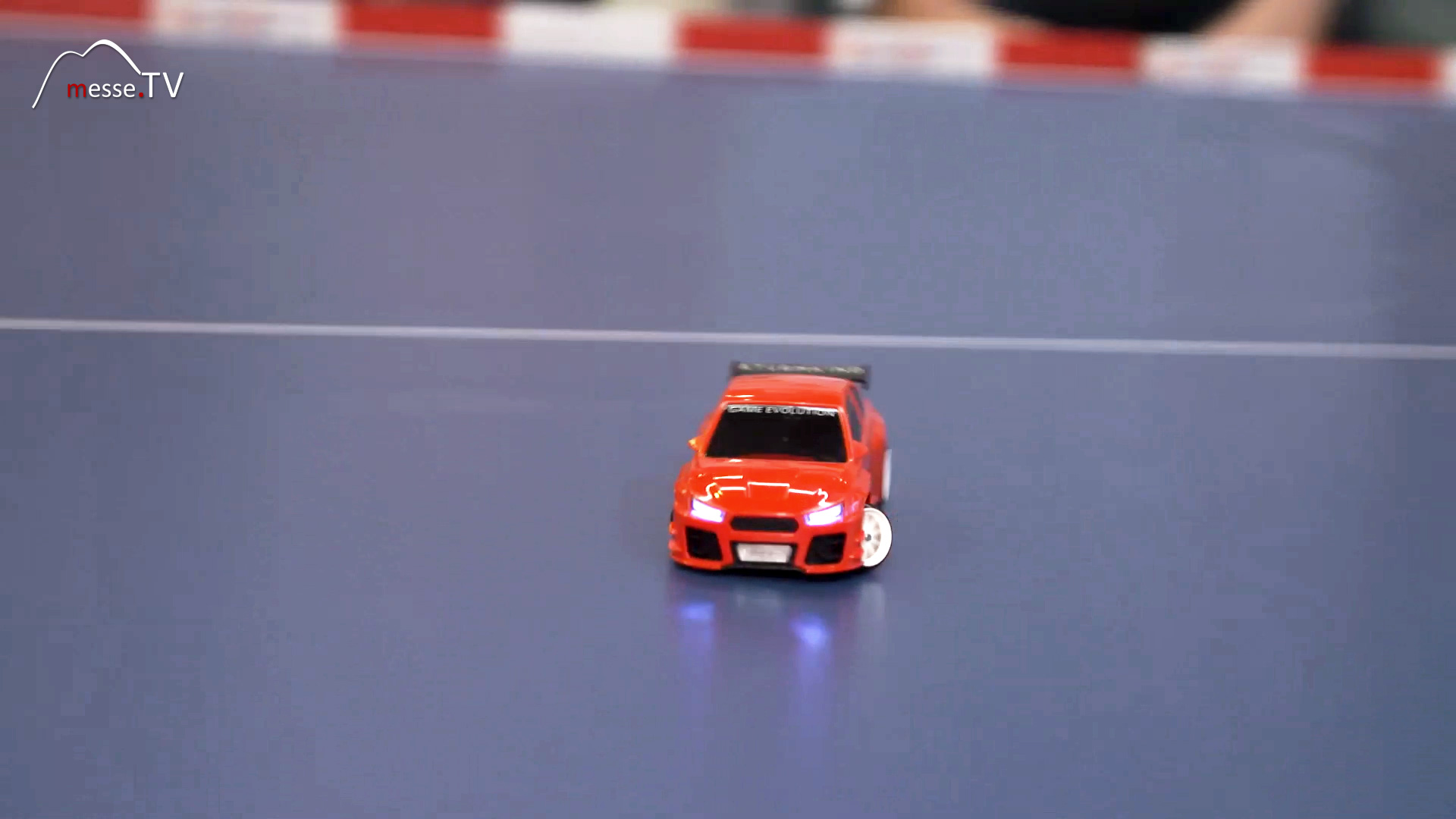
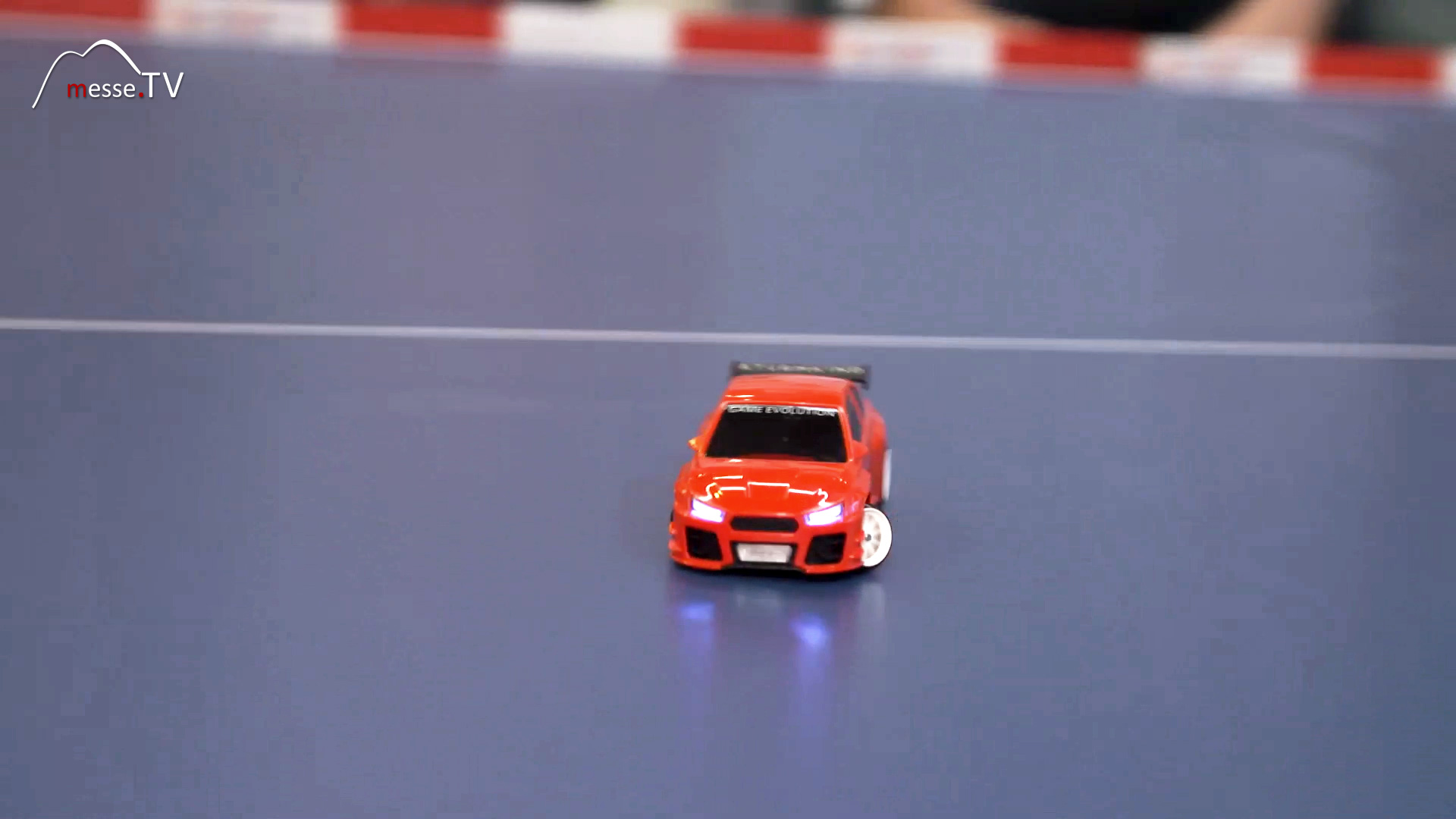
What at first glance looks like a remote-controlled car defies almost all classic categories on closer inspection. The vehicle doesn't just drive, it reacts. It skids, oversteers, breaks out and recovers. Once you step on the gas, you quickly realise that this is not your usual toy behaviour.
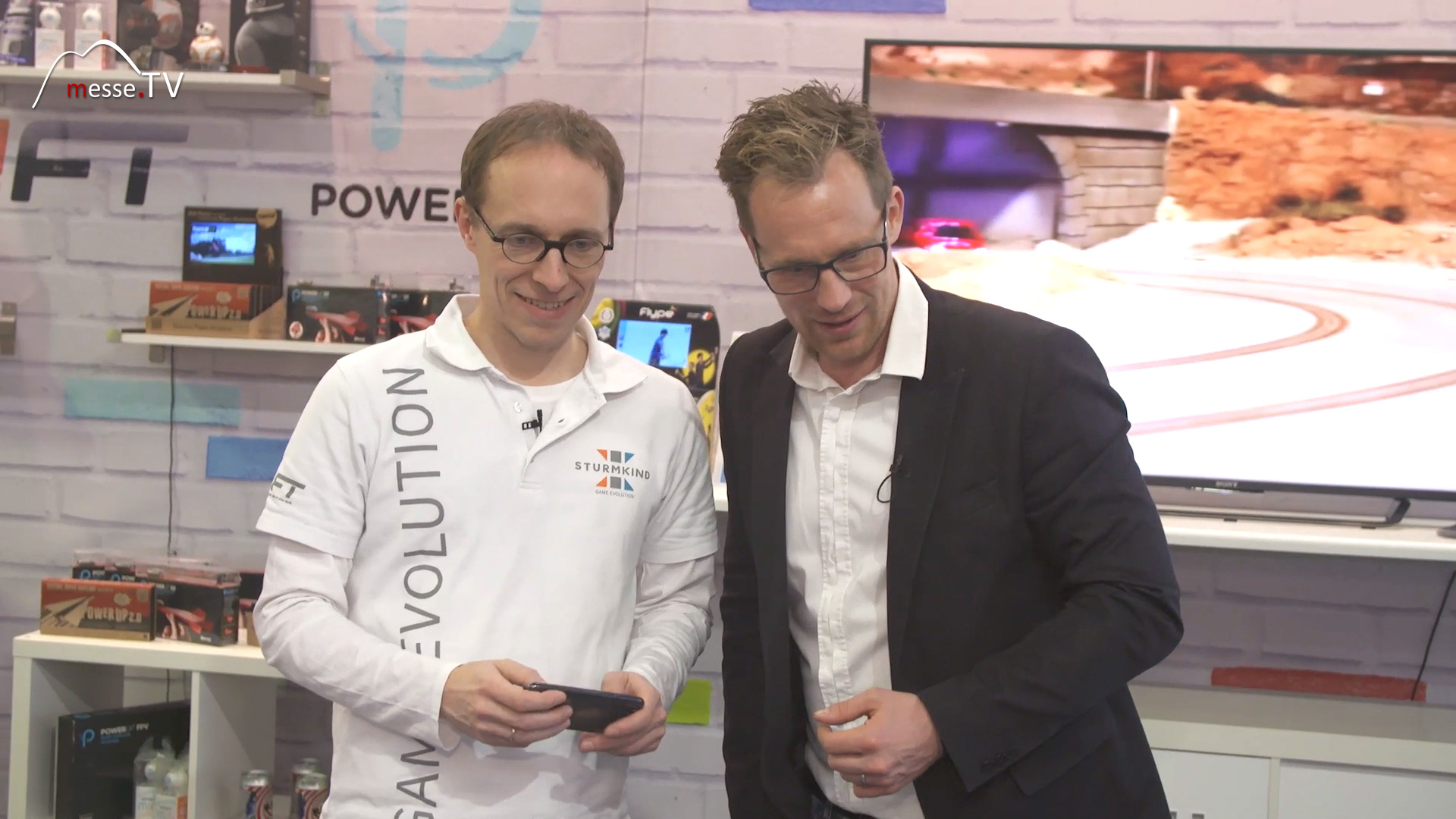
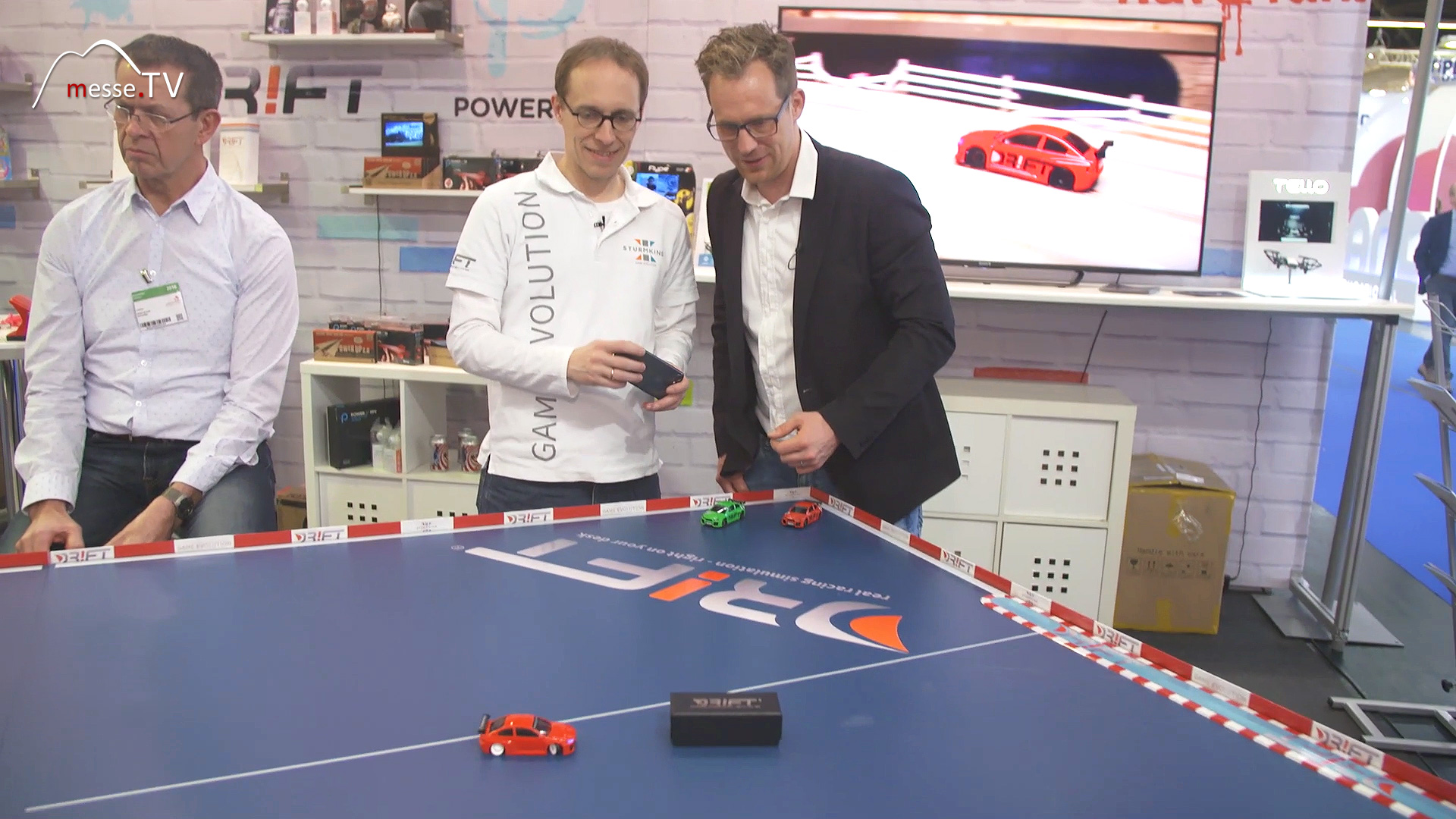
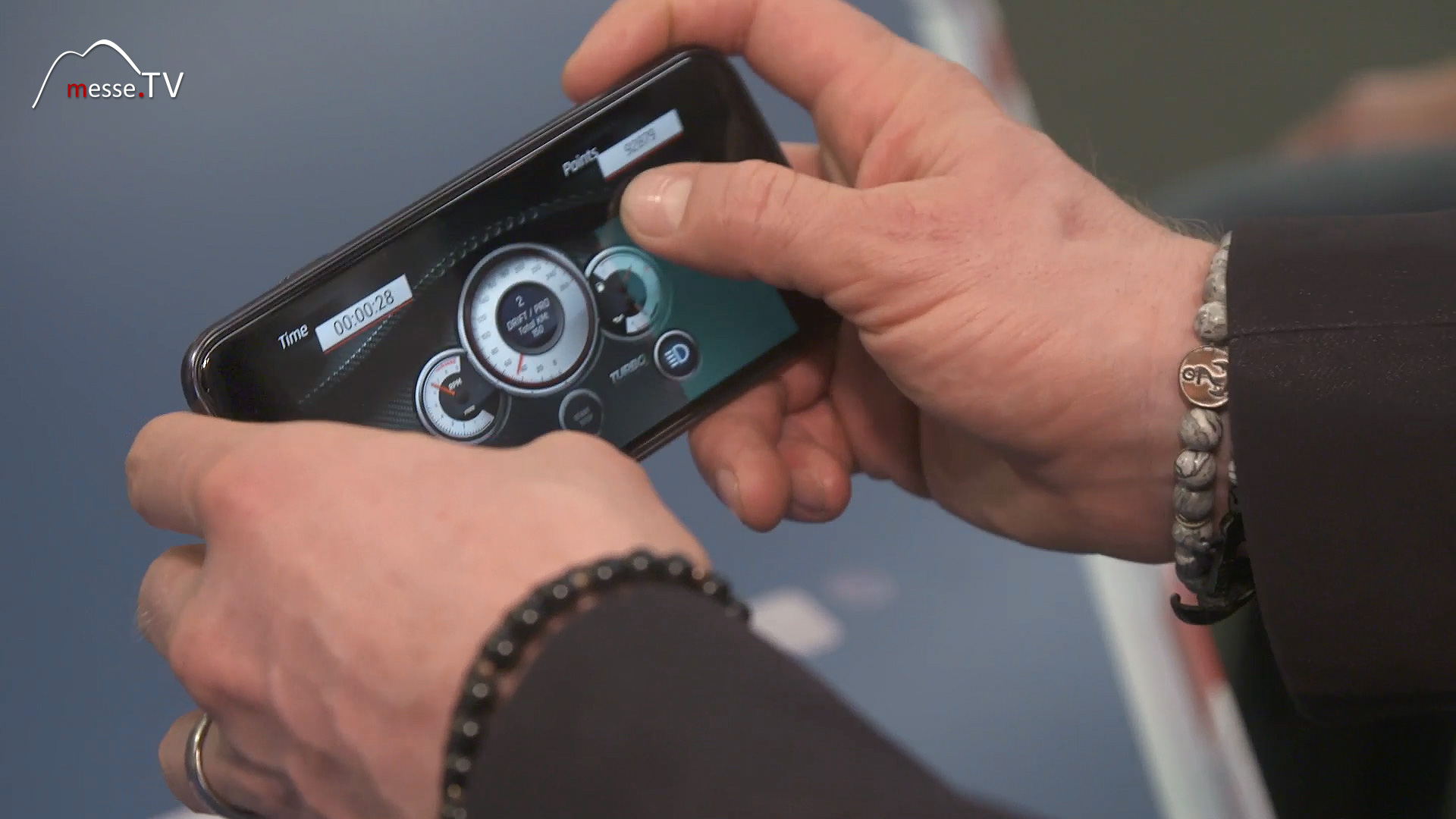
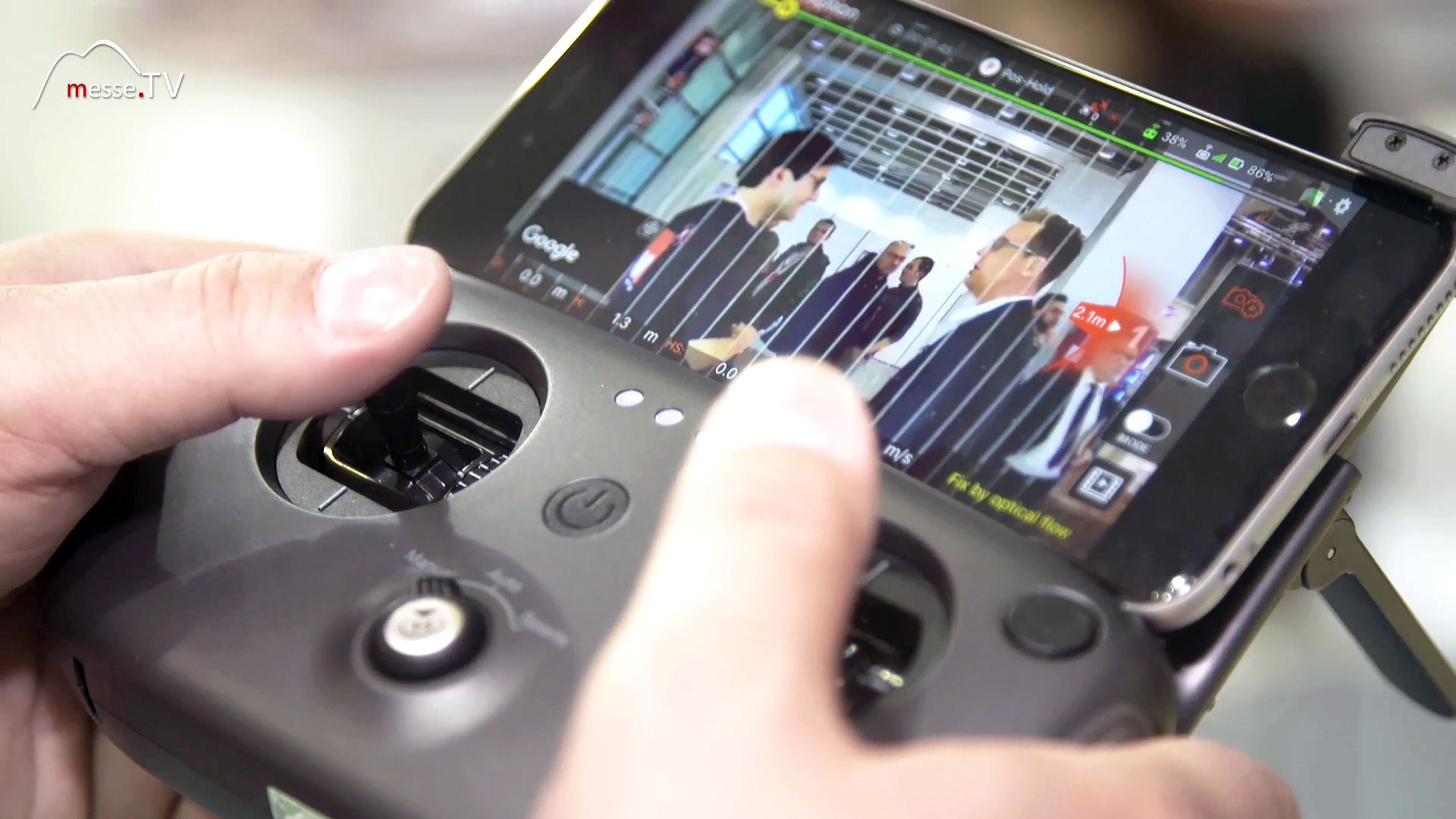
The car drifts aggressively, demands control and punishes mistakes immediately. At this point, it becomes clear that this is not a model car, but something else: a driving simulation whose screen is not in front of your eyes, but rolls across the ground. The crucial difference lies in the logic of the system. The actual computing takes place on the smartphone. A complex racing game runs there, comparable to driving simulations on a PC or console. The car itself is not a classic RC vehicle, but acts as the physical output device for this simulation. It implements what the software has previously calculated.
Driving simulation instead of remote control
The driving behaviour is not determined by engine power or tyre material alone, but by parameters. Power, drive concept, weight, traction and surface are defined in the simulation. Whether wet road or dry asphalt, front-wheel, rear-wheel or all-wheel drive – all of this can be adjusted. The vehicle behaves accordingly. Acceleration, braking distance, oversteer and understeer follow the same rules as their larger counterparts. The key here is the idea of a scaled-down physical world. The car weighs only a few kilograms, but drives as if it were moving more than a tonne. The simulation scales down mass, inertia and friction without losing their effect. The result is a driving experience that feels familiar, even when you're experiencing it for the first time.
Drift setup and race setup as distinct characters
After just a few seconds, it becomes clear how much the handling can be changed. In drift setup, the car reacts extremely aggressively. A quick burst of throttle is enough to make the rear break out. The handbrake further enhances this effect. The vehicle does not drive neutrally, but wants to be moved sideways. Mistakes immediately lead to spinning or hitting the nearest wall. In the race setup, on the other hand, the car remains more stable. It steers more precisely, stays on track longer and is more forgiving. These differences are not cosmetic, but fundamental. They completely change the feel of the game and make it clear that different driving physics are actually being simulated here.
- Simulation of power, weight and drive
- Switchable setups for drifting and racing
- Accelerator, brake and handbrake as separate inputs
- Scaled physics with realistic driving behaviour
- Control via smartphone instead of classic remote control
Learning through failure
A crash happens quickly. One turn of the steering wheel too many, one moment too late braking – and the car ends up against the wall. At first glance, this seems trivial, but it has a surprising effect. Because the driving behaviour is realistic, the mistake feels real. At the same time, it has no consequences. There is no damage model, no repair costs, no waiting time. You start again and try again. It is precisely this combination of consequence and harmlessness that makes it so appealing. The game demands attention without being frustrating. It rewards clean driving and punishes recklessness, but always within a framework that encourages you to keep going.
Mobile, quiet, suitable for everyday use
Another aspect is the environment. The system does not require a track, special flooring or a screen. All you need is a free space. This makes the vehicle amazingly flexible. It can be used in the office, at home or at trade fairs. The noise level remains moderate and the space required is manageable. The fact that you already have a smartphone further lowers the barrier to entry. The racing game is part of the package, not a separate purchase. When you buy the vehicle, you get the simulation and hardware as a single unit.

Sturmkind as a technical framework
Behind the concept is Sturmkind, a young company that deliberately takes a different approach to traditional toy manufacturers. Instead of focusing on visuals or licensed themes, Sturmkind focuses on technology and software. The vehicle is a platform, not an end in itself. Extensions, new driving modes and additional content are primarily created through software development. The production approach is remarkable. Development, production and packaging take place entirely in Germany. This explains the price, but also puts it into context. It is not purely a toy, but a technical product with a high level of development.
Outlook instead of promises
The system is still in its infancy. The car forms the basis, everything else is open. New tracks, different vehicle types, modified physics models – the possibilities lie in the software. This is precisely where the real strength of the concept lies. It is not complete, but expandable. With this approach, Sturmkind shows how digital game mechanics can be transferred to the physical world without losing their core. The result is not a gimmick, but an independent gaming experience that opens up a new category between simulation and toy.








Trade fair reporting Germany - Trade fair knowledge, dates & events


