Mini Flip als wandelbares Kinderfahrzeug mit nachhaltigem Anspruch
Wer sich auf einer Spielwarenmesse bewegt, sieht vieles, was vertraut wirkt: Laufräder, Rutschfahrzeuge, Wippen. Umso auffälliger ist ein Produkt, das sich nicht eindeutig einer dieser Kategorien zuordnen lässt.
Genau dieser Eindruck entsteht beim ersten Blick auf den Mini Flip. Die spontane Reaktion ist weniger ein Wiedererkennen als vielmehr eine echte Irritation im positiven Sinn. So etwas hat man noch nicht gesehen. Und genau darin liegt die Stärke dieses Konzepts. Der Mini Flip richtet sich an Kinder ab etwa neun Monaten, also an eine Altersgruppe, in der Mobilität gerade erst beginnt. Noch bevor sich ein sicherer Gang entwickelt, setzt dieses Produkt an und begleitet die ersten Bewegungsversuche. Dabei bleibt es nicht bei einer einzigen Funktion. Vielmehr verbindet das Fahrzeug mehrere Nutzungsformen in einem kompakten Aufbau.
Vom Lauflernhelfer zur Wippe in wenigen Handgriffen
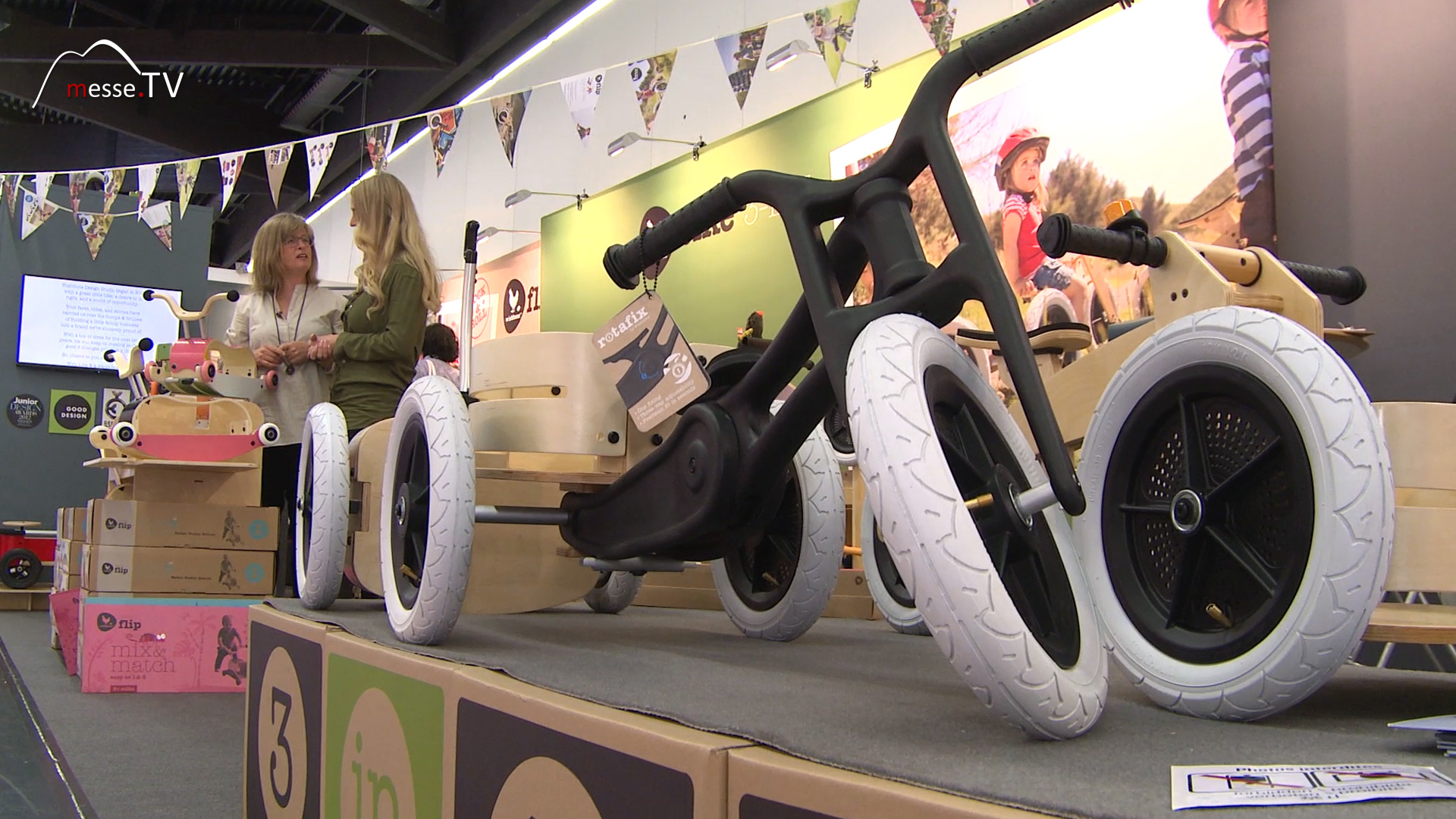
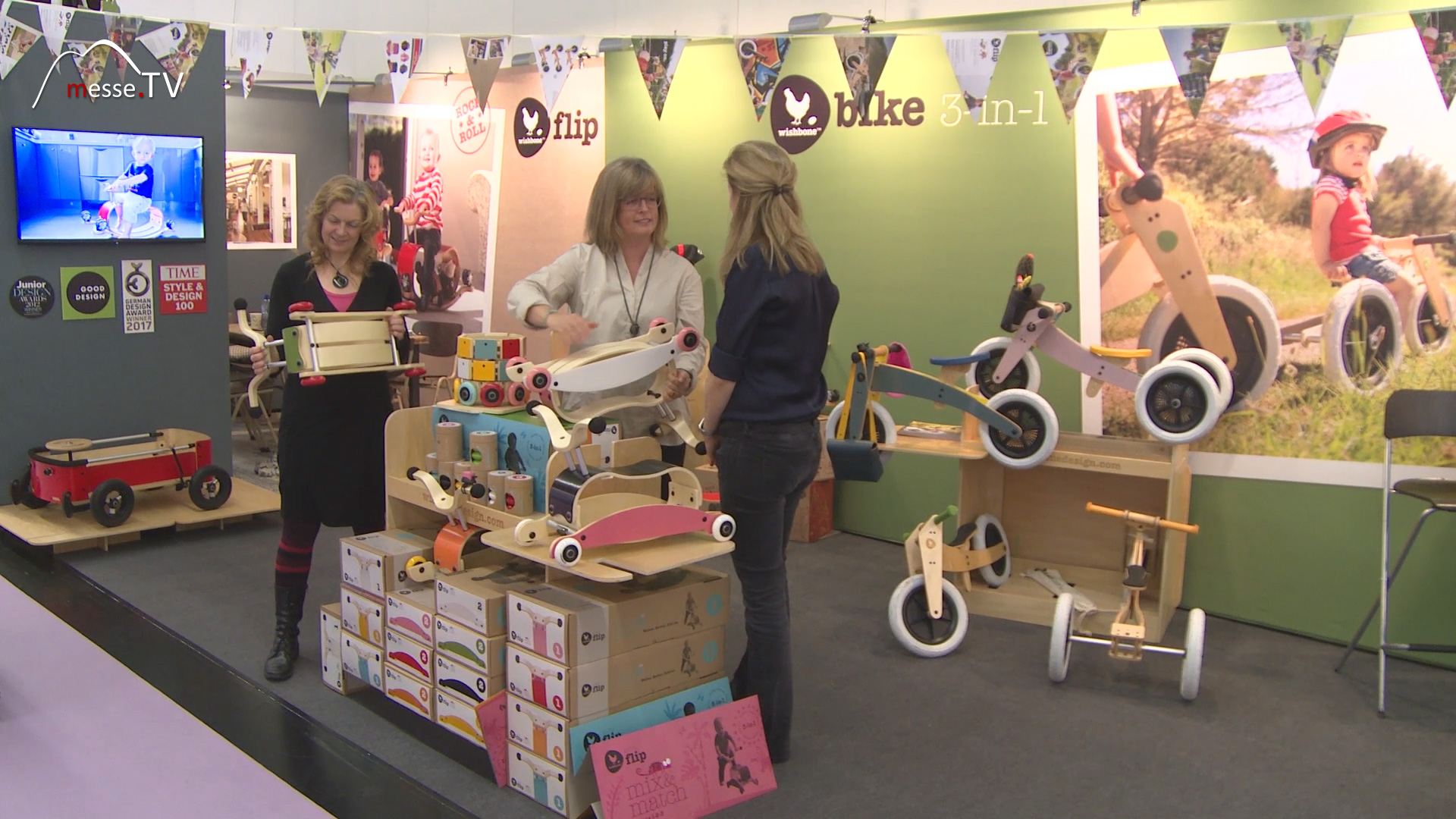
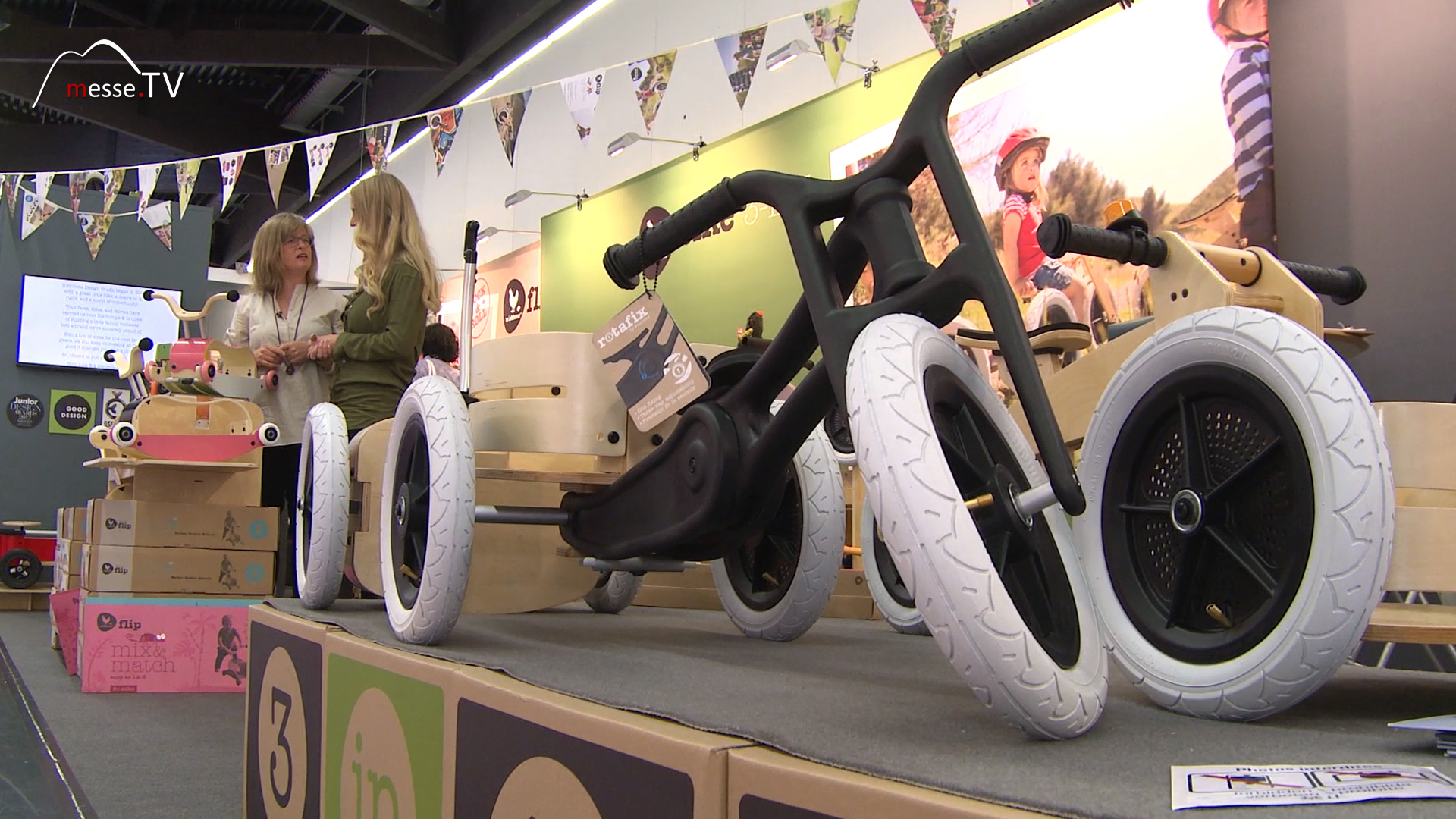
Im Kern handelt es sich um eine Lauflernhilfe, die sich ohne Werkzeug umbauen lässt. Mit wenigen Handgriffen wechselt der Mini Flip seine Funktion. Aus dem Lauflernfahrzeug wird eine Wippe, aus der Wippe ein Rutschfahrzeug. Diese Umwandlung erfolgt bewusst einfach, damit sie auch im Alltag praktikabel bleibt und nicht zur Bastelarbeit wird. Gerade dieser Aspekt hebt das Produkt von klassischen Spielzeugen ab. Statt für jede Entwicklungsstufe ein neues Fahrzeug anzuschaffen, wächst das System mit dem Kind mit. Die Umstellung erfolgt durch simples Drücken und Umklappen einzelner Elemente. Das Konzept zielt damit klar auf Langlebigkeit und eine längere Nutzungsdauer.
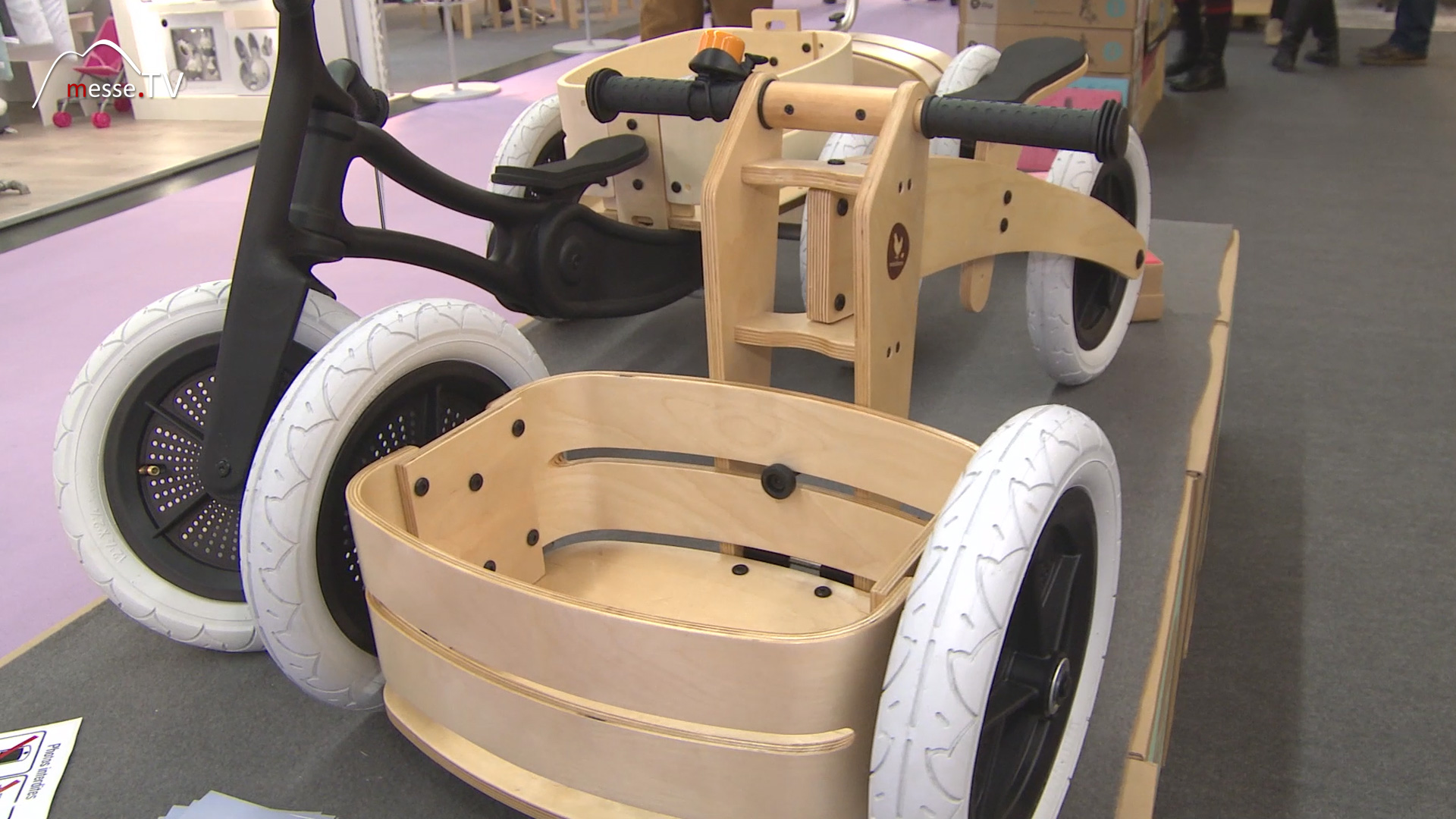
Wishbone Mini Flip und die Idee des multifunktionalen Spielzeugs
Der Mini Flip ist nicht als kurzlebiges Spielzeug gedacht, sondern als Begleiter über mehrere Entwicklungsphasen hinweg. Genau darin liegt der Ursprung der Marke Wishbone, die auf Produkte setzt, die mehrere Funktionen in sich vereinen. Der Gedanke dahinter ist ebenso simpel wie konsequent: weniger kaufen, dafür sinnvoller nutzen - nachhaltiges Spielen. Dieses Prinzip zeigt sich nicht nur in der Funktionalität, sondern auch in der Konstruktion. Der Mini Flip ist stabil aufgebaut und so gestaltet, dass er nicht nach wenigen Monaten ersetzt werden muss. Stattdessen soll er über Jahre hinweg im Einsatz bleiben, idealerweise sogar innerhalb einer Familie weitergegeben werden.
Farbkonzepte und modulare Gestaltung
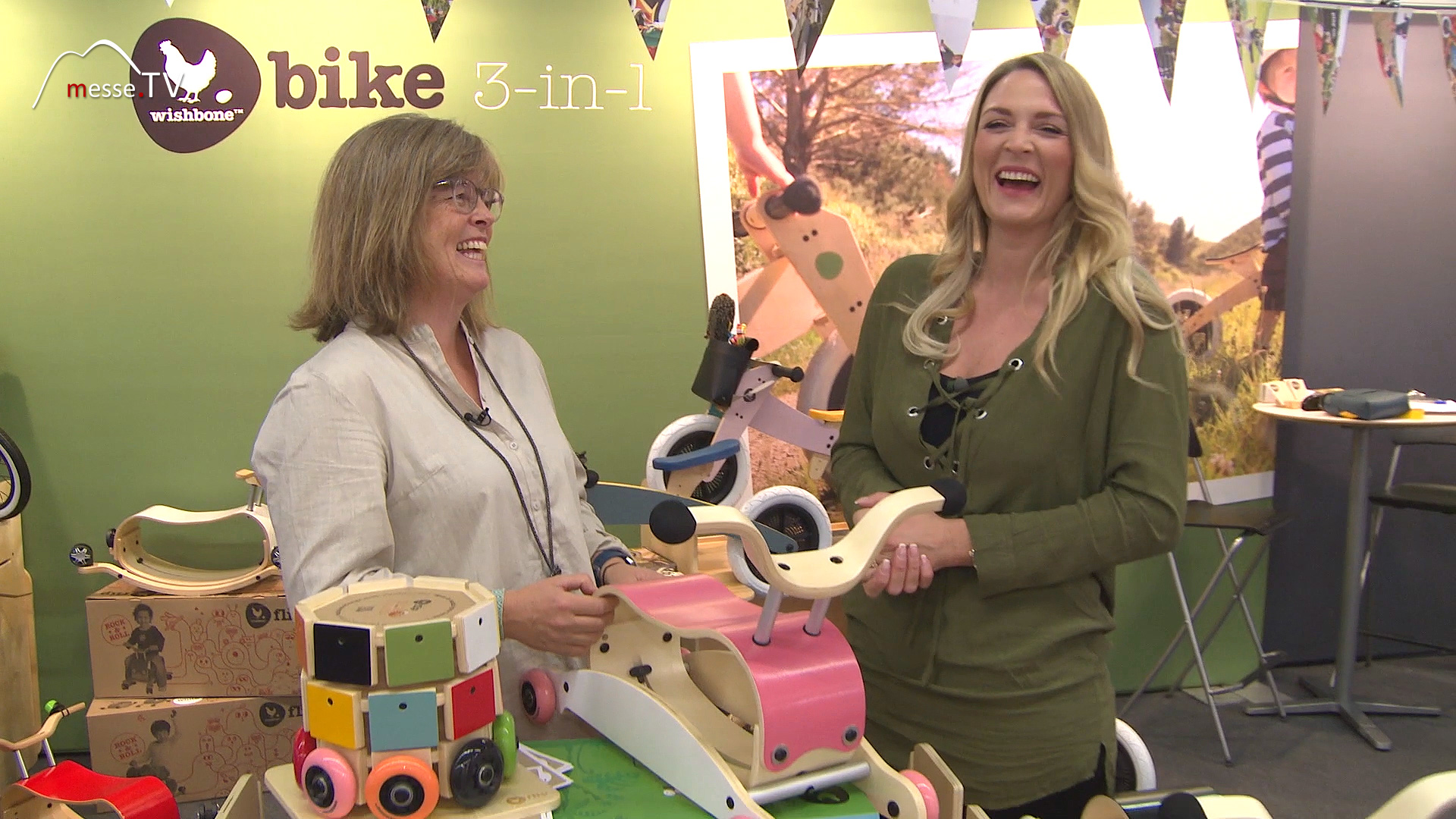
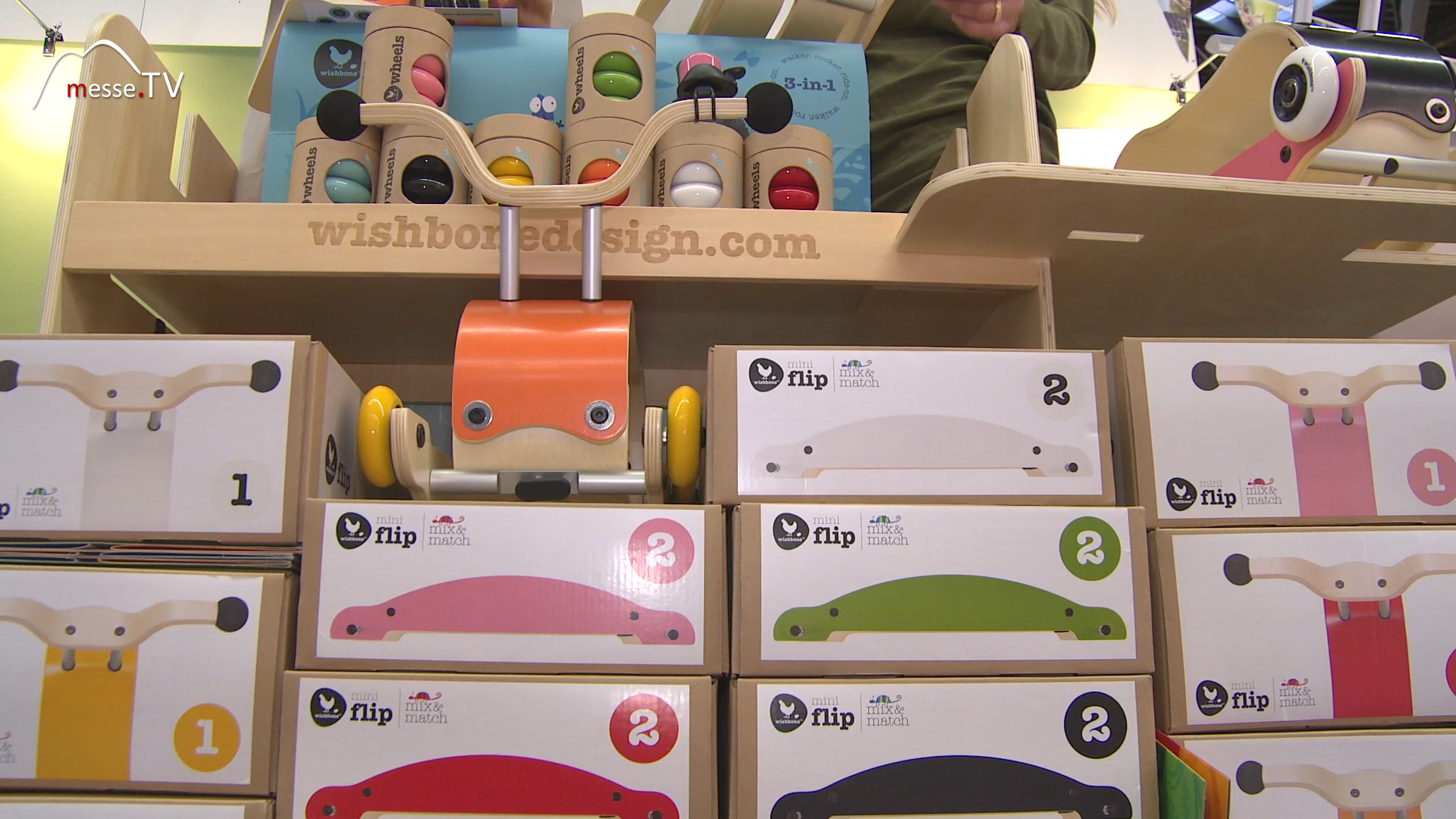
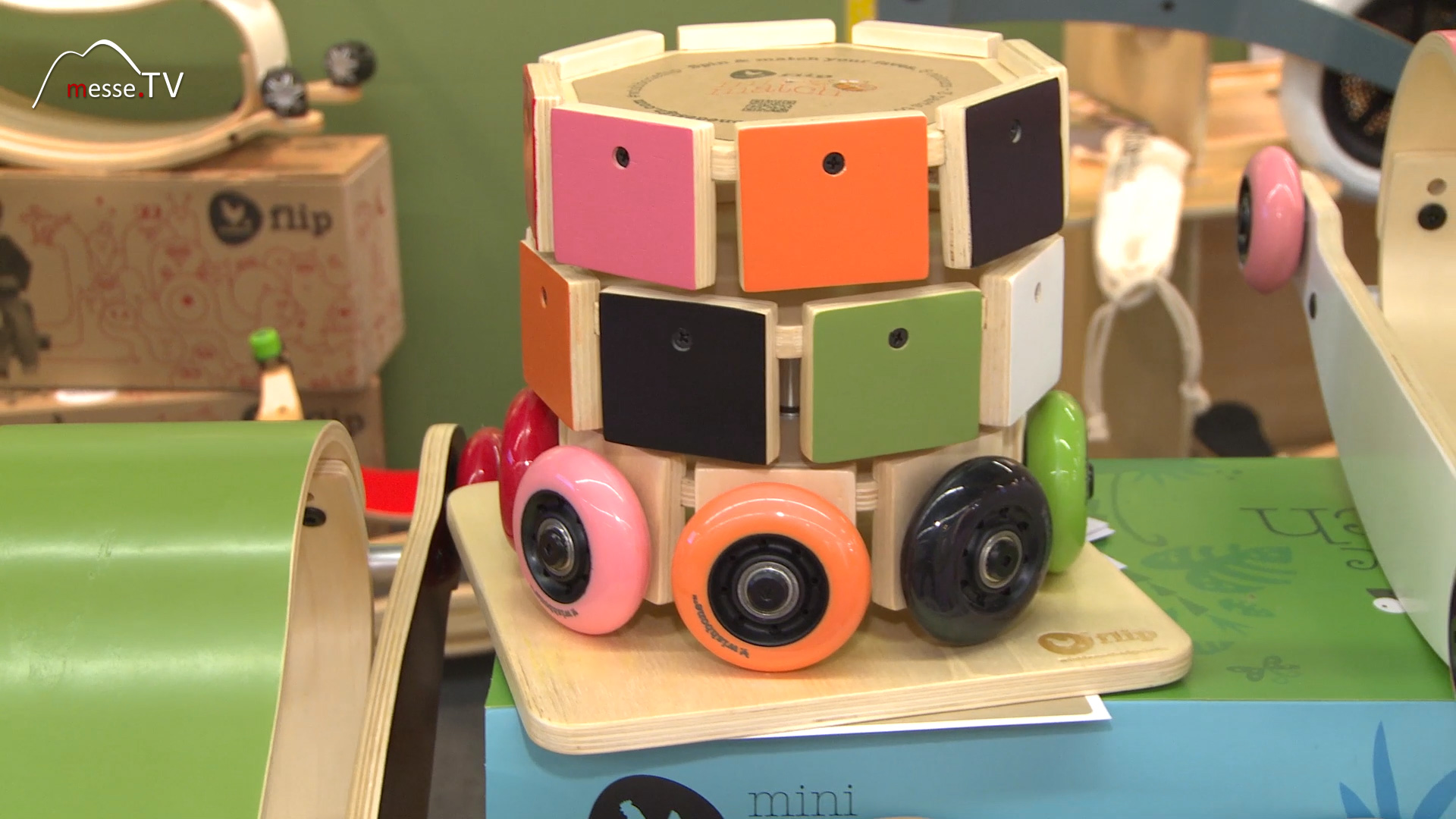
Ein weiterer Aspekt ist die Individualisierbarkeit. Die einzelnen Elemente lassen sich farblich kombinieren. Insgesamt stehen mehrere Farbvarianten zur Verfügung, sodass sich das Fahrzeug optisch anpassen lässt. Die Komponenten werden in getrennten Verpackungseinheiten angeboten, wodurch sich unterschiedliche Farbkombinationen zusammenstellen lassen. Damit wird ein häufiges Argument gegen klassische Kinderfahrzeuge aufgegriffen. Statt sich auf eine einzige, oft geschlechtsspezifische Farbgebung festzulegen, lässt sich das Produkt flexibel gestalten. Ob neutral, bunt oder reduziert, die Entscheidung liegt bei den Eltern.
Nachhaltige Materialien als zentrales Element
Besonders deutlich wird der Anspruch des Produkts bei der Materialwahl. Der Mini Flip besteht überwiegend aus Holz, ergänzt durch weitere Komponenten, die gezielt ausgewählt wurden. Der Fokus liegt auf Materialien, die langlebig sind und möglichst umweltverträglich hergestellt werden. Darüber hinaus verweist Wishbone auch bei anderen Produkten auf den Einsatz von recycelten Materialien. Dazu zählen etwa Kunststoffe aus wiederverwerteten Quellen oder sogar recycelte Teppichfasern. Der Mini Flip steht damit stellvertretend für eine Produktphilosophie, die ökologische Aspekte nicht als Zusatz, sondern als Grundlage versteht.
- Mehrere Funktionen in einem Fahrzeug vereint
- Umbau ohne Werkzeug möglich
- Langlebige Konstruktion für mehrere Entwicklungsphasen
- Individuelle Farbgestaltung durch modulare Elemente
- Fokus auf nachhaltige Materialien
Verarbeitung und Alltagstauglichkeit
Im direkten Eindruck überzeugt die Verarbeitung. Die Oberflächen sind sauber gearbeitet, die Übergänge stabil, nichts wirkt provisorisch oder fragil. Gerade bei Produkten für sehr junge Kinder ist dieser Punkt entscheidend. Sicherheit entsteht nicht allein durch Normen, sondern durch Vertrauen in das Material und die Konstruktion. Der Mini Flip vermittelt genau dieses Vertrauen. Er wirkt robust genug, um täglicher Nutzung standzuhalten, ohne dabei grob oder klobig zu erscheinen. Das Design bleibt zurückhaltend, fast skandinavisch, und verzichtet bewusst auf laute Farben oder überflüssige Details.
Preisgestaltung und Zielgruppe
Trotz der hochwertigen Anmutung bleibt der Preis im moderaten Bereich. Im Handel liegt der Mini Flip unter der Marke von einhundert Euro. Das ist bemerkenswert, wenn man die Mehrfachfunktion und die Materialqualität berücksichtigt. Statt ein Premiumprodukt für eine kleine Zielgruppe zu sein, richtet sich das Fahrzeug an Familien, die Wert auf durchdachte Konzepte legen, ohne ein Luxussegment zu bedienen. Damit positioniert sich Wishbone bewusst zwischen Massenmarkt und Designprodukt. Der Mini Flip ist weder ein Wegwerfartikel noch ein Statusobjekt, sondern ein funktionales Spielzeug mit klarer Haltung.
Generationenübergreifender Gedanke
Im Gespräch wird deutlich, dass das Produkt nicht nur für ein einzelnes Kind gedacht ist. Die Idee, dass ein Fahrzeug von einem Kind zum nächsten weitergegeben wird, ist fester Bestandteil des Konzepts. Geschwister, Cousins oder sogar die nächste Generation sollen davon profitieren können. Dieser generationsübergreifende Ansatz passt zur gesamten Ausrichtung des Produkts. Wer einmal investiert, soll langfristig Nutzen daraus ziehen. In einer Zeit, in der Kinderzimmer oft von kurzlebigen Spielzeugen überfüllt sind, wirkt dieser Gedanke fast ungewöhnlich konsequent. Der Mini Flip steht damit exemplarisch für eine andere Art von Spielzeug. Weniger Effekthascherei, mehr Substanz. Weniger Austausch, mehr Dauer. Und genau deshalb bleibt dieses Produkt im Gedächtnis, auch nachdem man den Stand längst verlassen hat.

Messe-Berichterstattung bundesweit - Messewissen, Termine & Veranstaltungen


