Programmieren lernen mit Robotern zwischen Spielzeug und Bildung
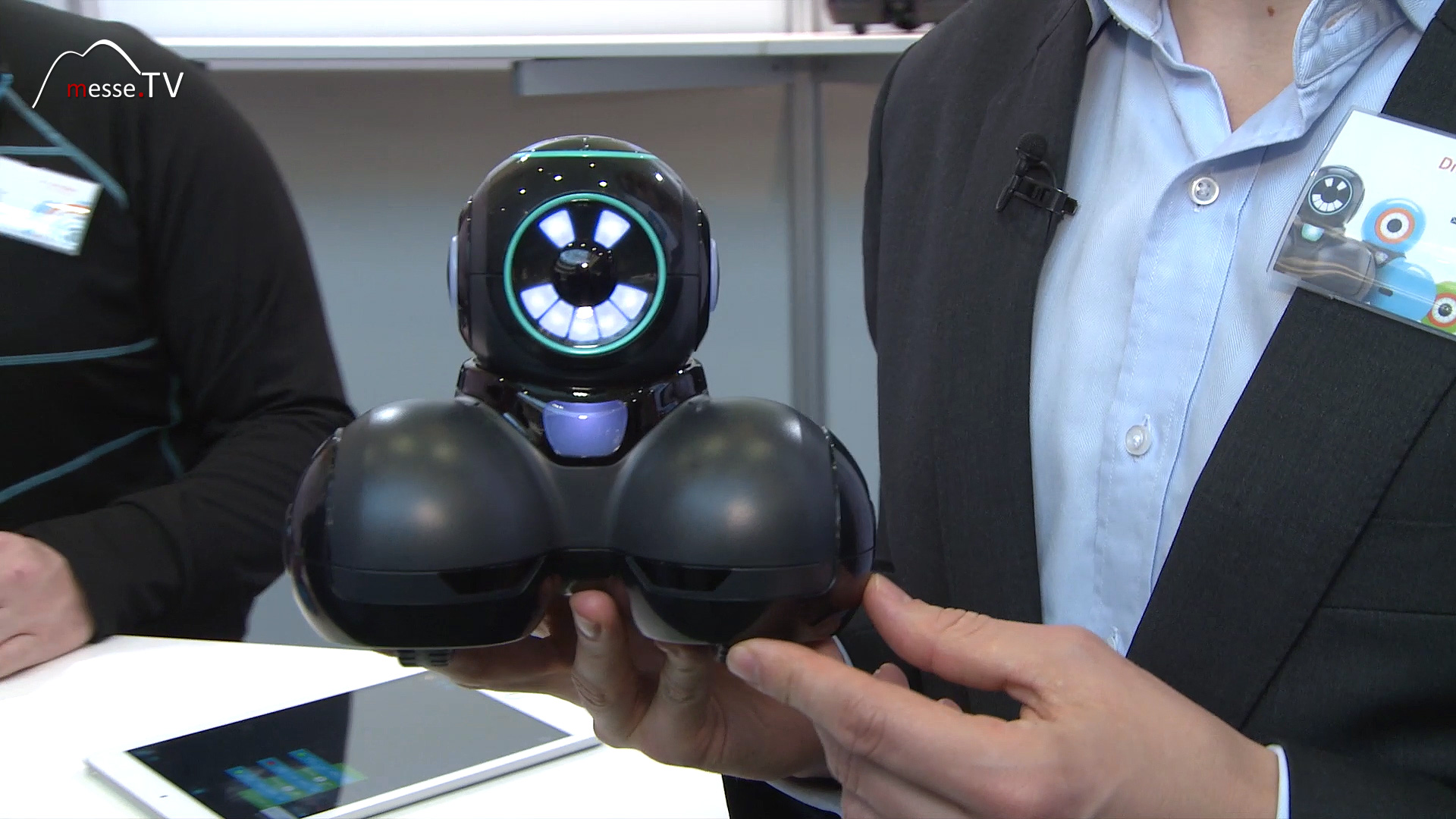
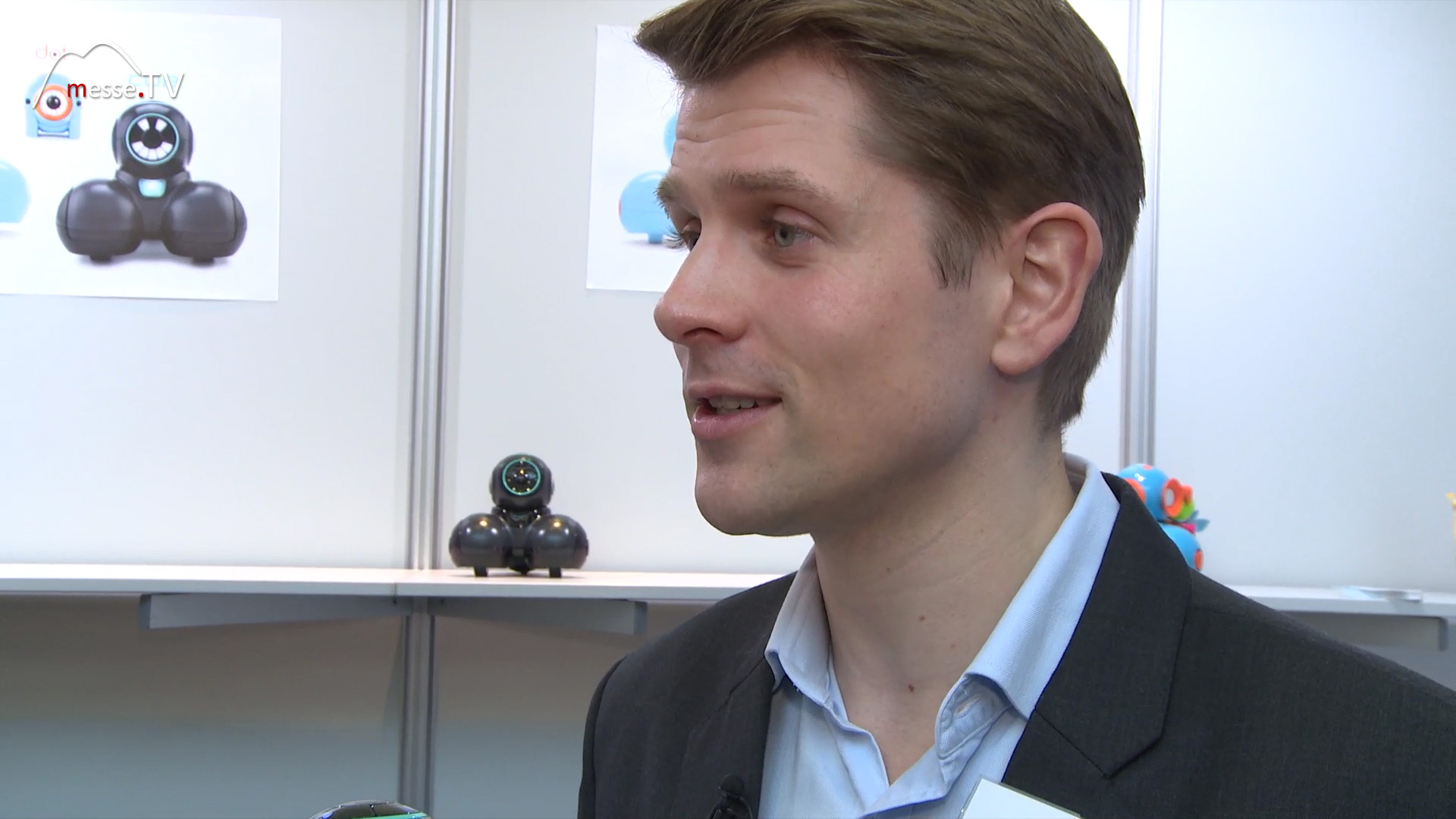
Der Übergang vom klassischen Spielzeug hin zu digitalen Lernwerkzeugen vollzieht sich oft schleichend. Erst auf den zweiten Blick wird deutlich, dass sich hier nicht nur neue Funktionen, sondern auch neue pädagogische Ansätze zeigen. Der Roboter Cue steht exemplarisch für diese Entwicklung. Er knüpft an bekannte Konzepte an, führt sie aber bewusst weiter und richtet sich an eine Altersgruppe, die im Spielzeugmarkt lange zwischen zwei Welten stand.
Viele Kinder kennen Dash bereits aus früheren Jahren. Der kleine Roboter hat den Einstieg in das Programmieren erleichtert, ohne technische Hürden aufzubauen. Cue greift genau diese Erfahrungen auf, setzt sie aber in einen größeren Zusammenhang. Er richtet sich an ältere Kinder, die mehr verstehen wollen als einfache Abläufe und die bereit sind, sich mit komplexeren Zusammenhängen auseinanderzusetzen.
Cue als Weiterentwicklung von Dash
Cue wird als großer Bruder von Dash eingeführt, und diese Beschreibung ist mehr als ein Marketingbild. Während Dash vor allem auf spielerische Zugänge setzt, öffnet Cue die Tür zu tieferem Verständnis. Kinder, die bereits erste Erfahrungen mit Blockprogrammierung gesammelt haben, können hier einen nächsten Schritt gehen. Der entscheidende Unterschied liegt im Anspruch. Cue begleitet Kinder dabei, den Übergang von grafischer Blockprogrammierung hin zu echtem Programmcode zu vollziehen. Dieser Schritt ist in der digitalen Bildung zentral, wird aber oft als zu abstrakt oder zu schwierig wahrgenommen. Cue versucht, genau diese Schwelle niedrig zu halten.
Wonder Workshop und der pädagogische Ansatz
Wonder Workshop verfolgt mit Cue keinen rein technischen Anspruch. Es geht nicht darum, möglichst früh Programmierer auszubilden oder Kinder auf einen bestimmten Beruf festzulegen. Stattdessen steht das Verständnis für digitale Zusammenhänge im Mittelpunkt. Kinder sollen begreifen, wie Software funktioniert, wie Befehle, Abhängigkeiten und Reaktionen zusammenspielen und welche Logik dahintersteckt. Der Roboter ist so konzipiert, dass er sehr einfach beginnt. Erste Erfolgserlebnisse stellen sich schnell ein. Farben ändern, einfache Bewegungen auslösen, kleine Reaktionen beobachten. Gleichzeitig wächst das System mit den Fähigkeiten der Kinder mit. Sensoren, Reaktionen und komplexere Abhängigkeiten lassen sich schrittweise integrieren, ohne dass der Einstieg überfordert.
Programmieren zwischen Drag and Drop und Java
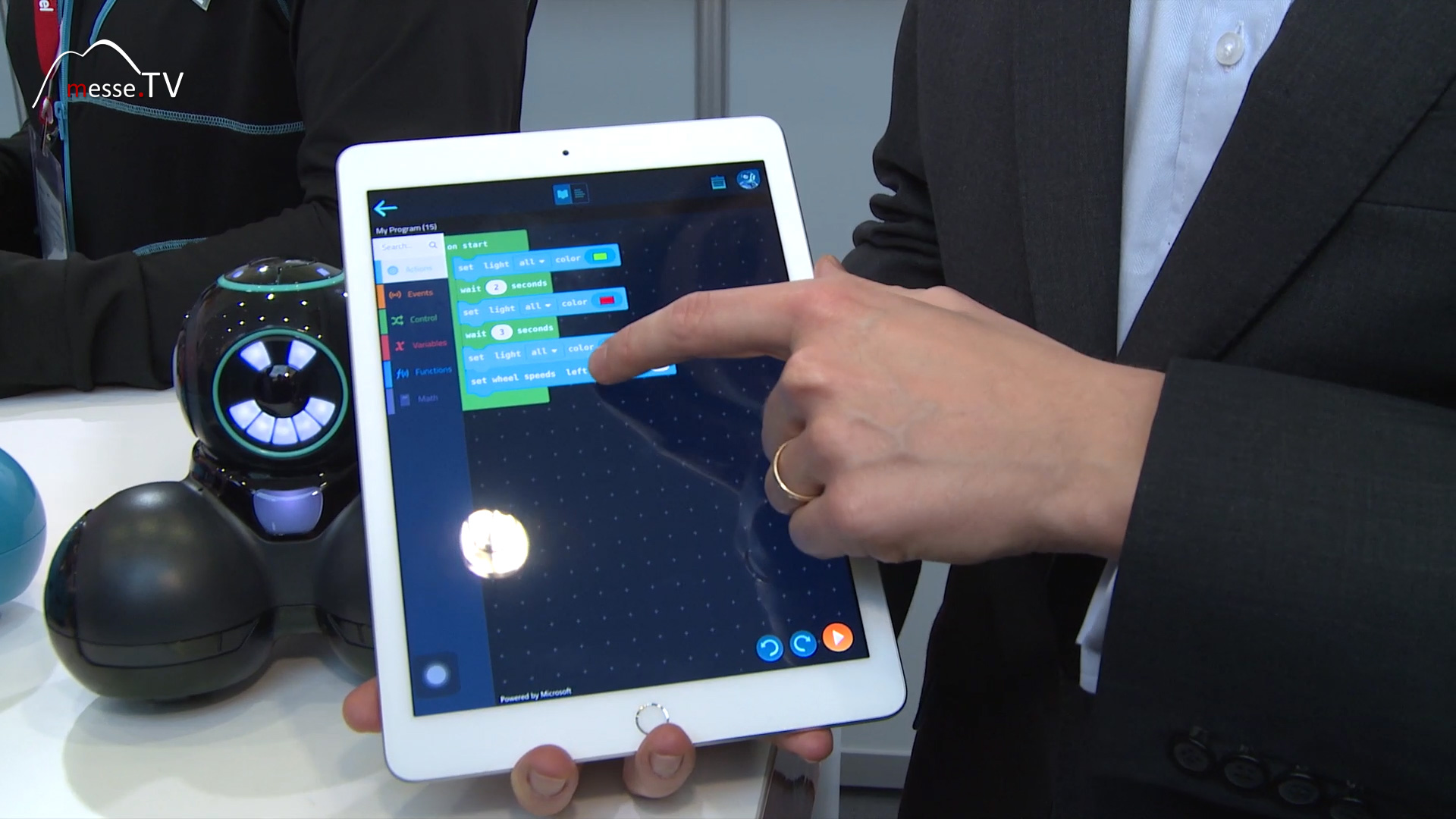
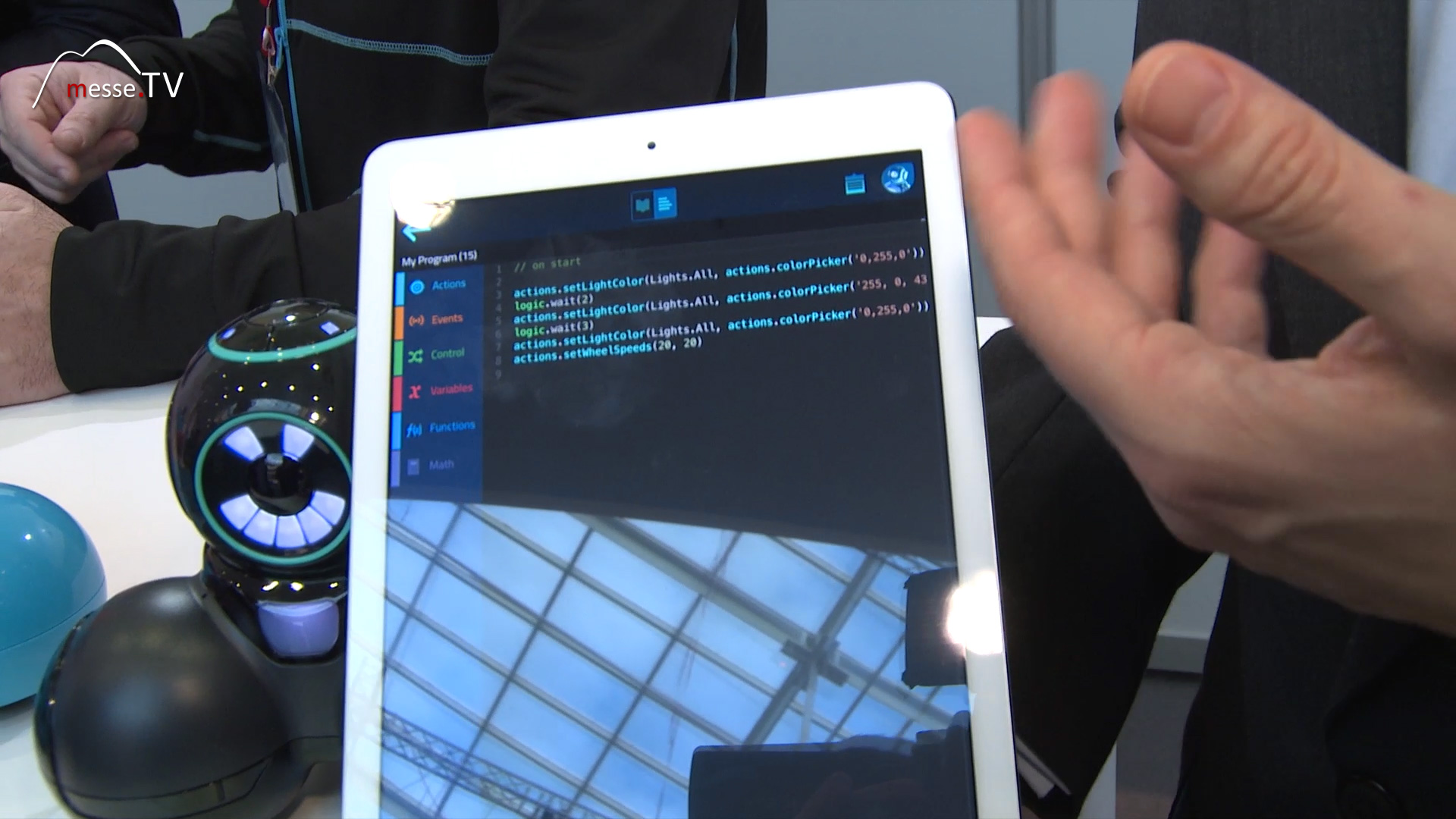
Ein zentrales Element von Cue ist die Möglichkeit, zwischen verschiedenen Programmierformen zu wechseln. Die grafische Oberfläche erlaubt es, Befehle per Drag and Drop zusammenzusetzen. Jeder Menübereich bietet eigene Funktionen, die sich logisch kombinieren lassen. So entsteht ein Code, der visuell verständlich bleibt. Für fortgeschrittene Nutzer eröffnet sich eine zweite Ebene. Der Wechsel in echten Java-Code macht sichtbar, was hinter den grafischen Elementen steckt. Kinder sehen direkt, wie ein Blockbefehl im Programmcode abgebildet wird. Dieser direkte Vergleich schafft Verständnis für Strukturen, Syntax und Logik, ohne dass abstrakte Theorie im Vordergrund steht.
Altersgruppe und Lernpotenzial
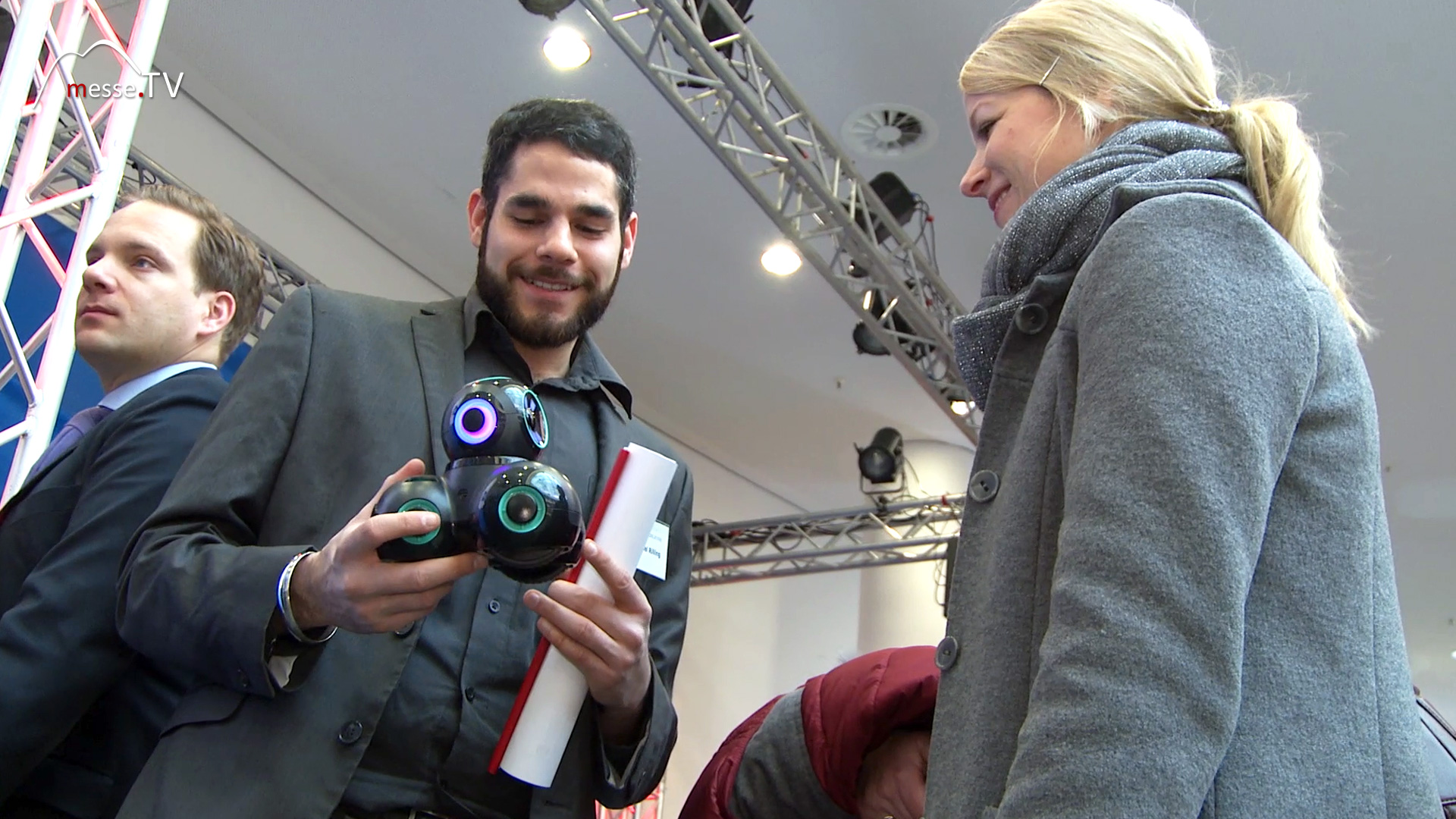
Cue richtet sich an Kinder ab etwa elf Jahren. In diesem Alter sind viele in der Lage, Zusammenhänge zu erkennen, Regeln zu abstrahieren und eigene Lösungswege zu entwickeln. Der Roboter bietet dafür ein geeignetes Umfeld. Er fordert, ohne zu überfordern, und lässt Raum für Experimentieren. Besonders relevant ist dabei, dass Cue nicht nur auf technische Fähigkeiten abzielt. Auch emotionale Intelligenz spielt eine Rolle. Der Roboter reagiert auf seine Umgebung, zeigt Verhalten, erzeugt Klänge und kann sogar Musik erkennen und darauf reagieren. Diese Elemente schaffen eine Verbindung zwischen Technik und Erlebnis.
Steuerung, Sensoren und unmittelbare Rückmeldung
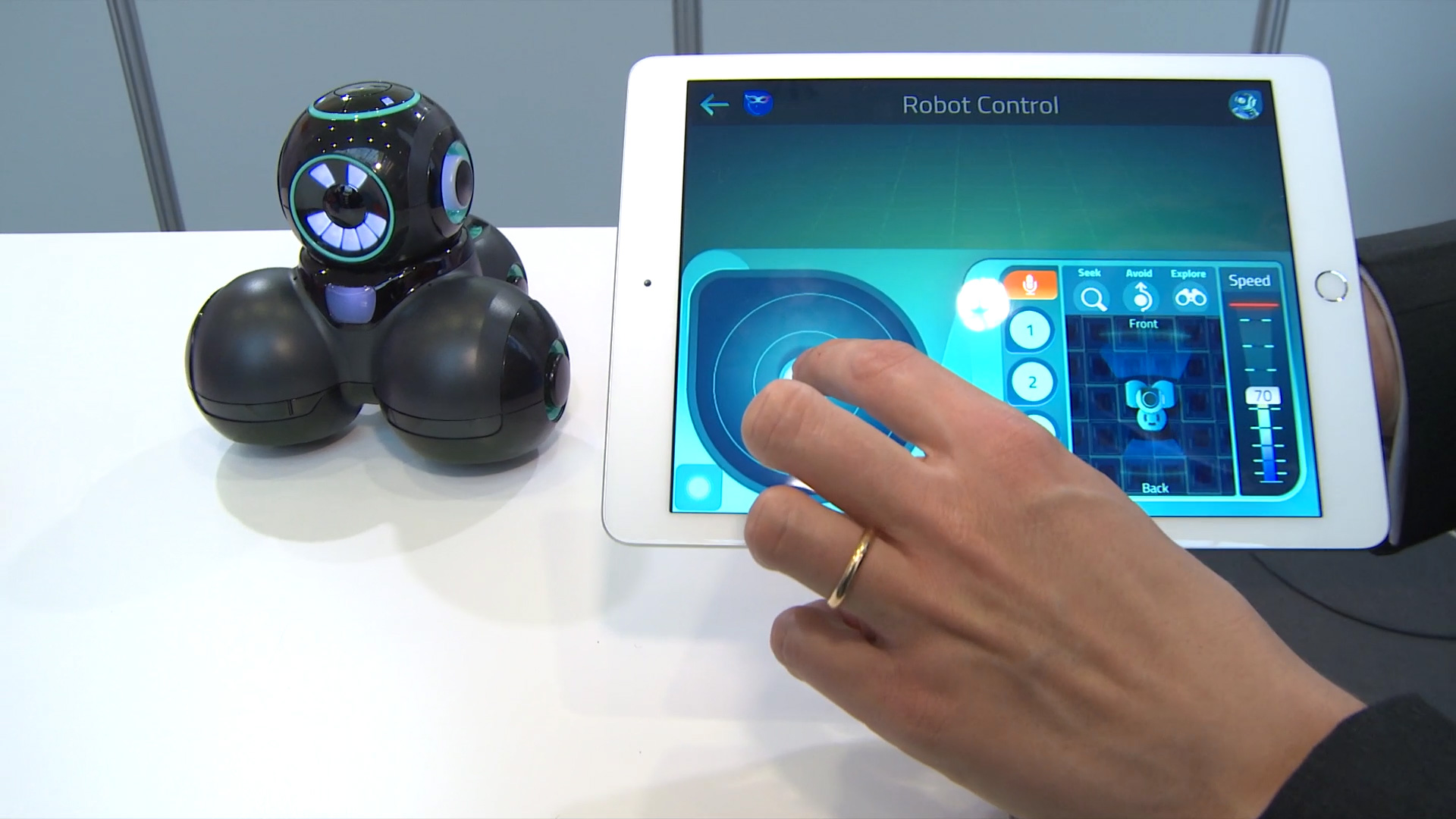
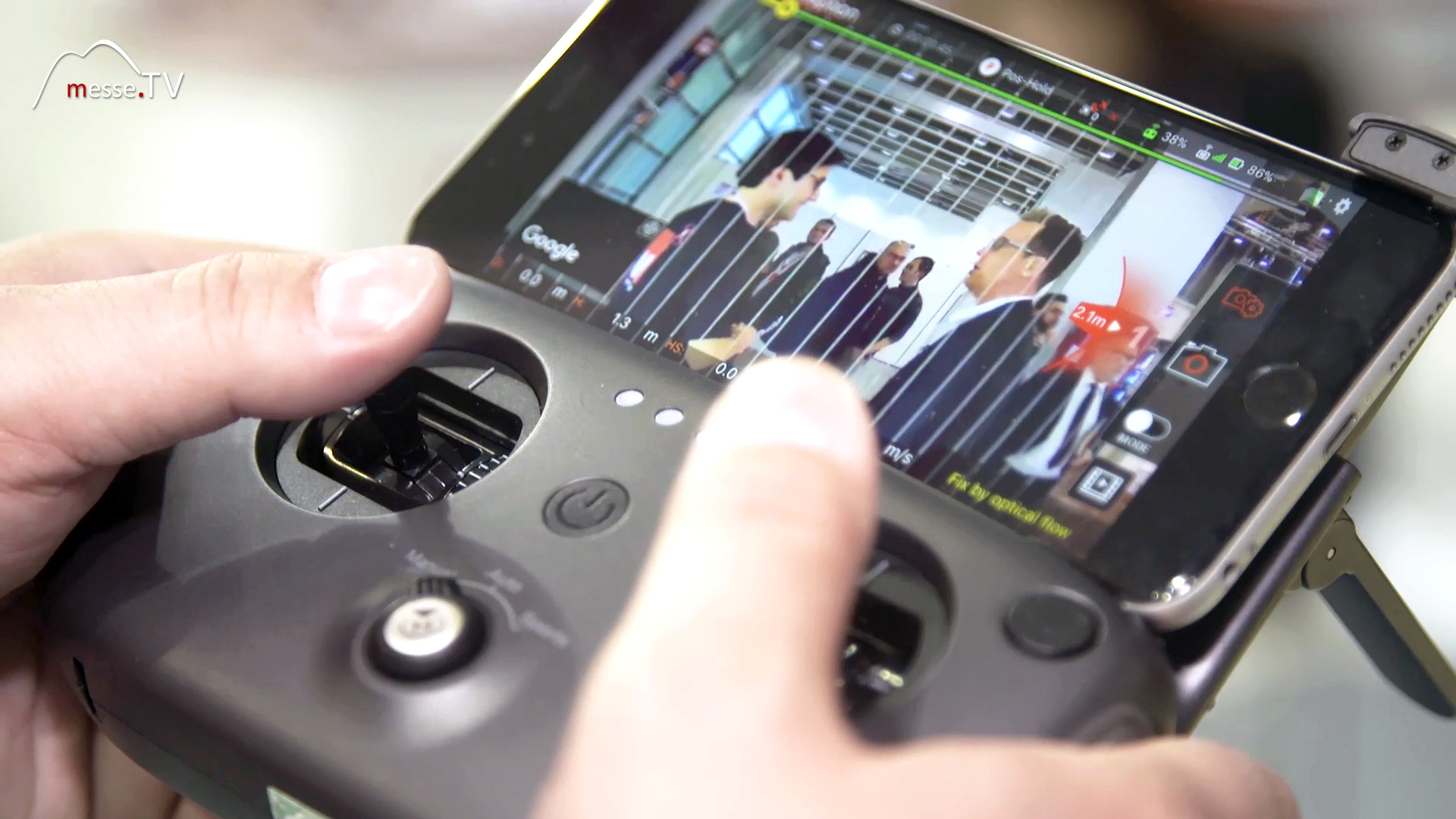
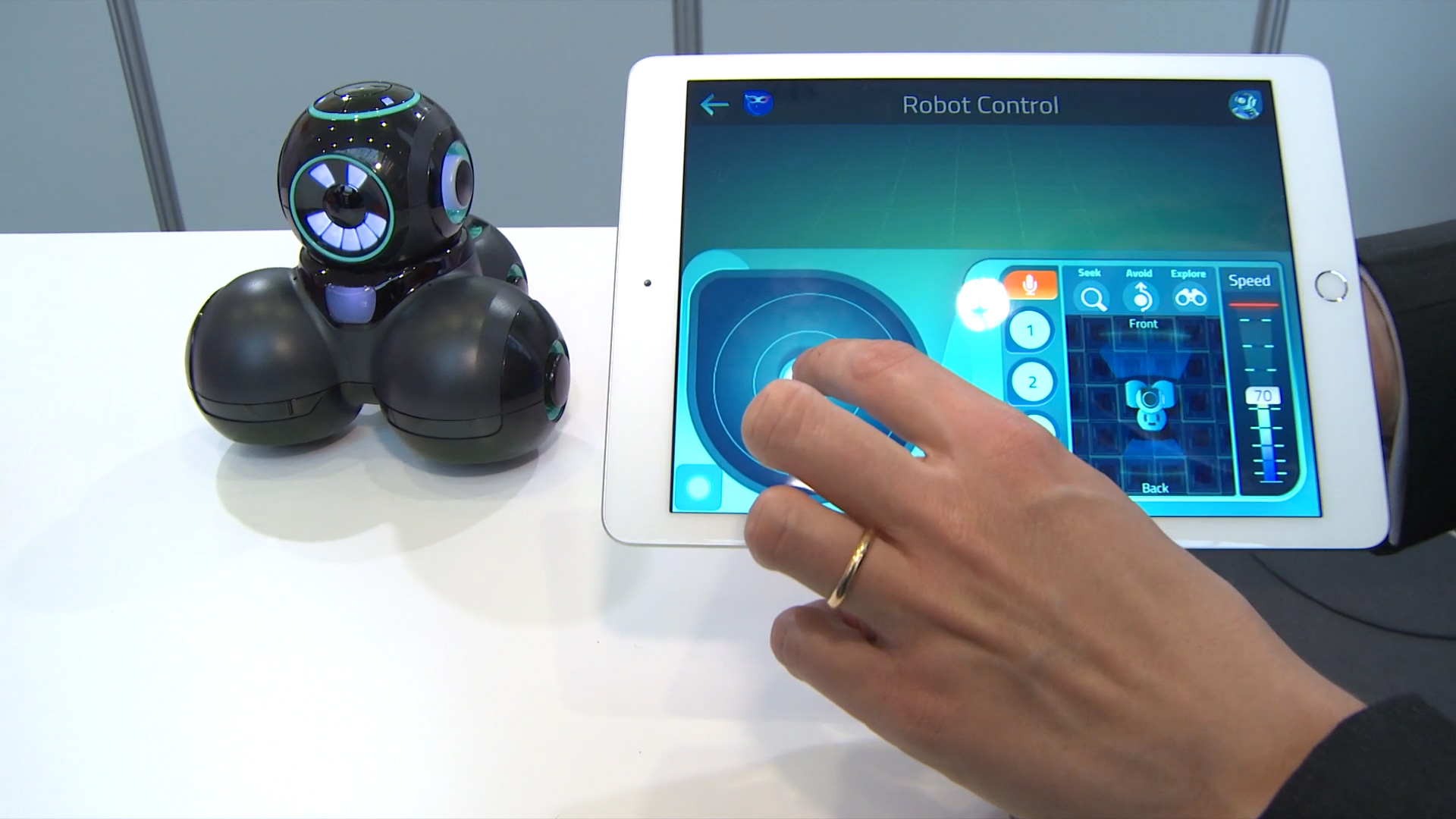
Neben der Programmierung lässt sich Cue auch direkt steuern. Ein Joystick-Modus ermöglicht es, den Roboter ohne Programmcode zu bewegen. Diese Funktion dient nicht der Bequemlichkeit, sondern dem Verständnis. Kinder sehen unmittelbar, wie Sensoren arbeiten, wie Hindernisse erkannt werden und wie der Roboter darauf reagiert. Gerade diese direkte Rückmeldung ist ein wichtiger Lernfaktor. Statt abstrakter Erklärungen erleben Kinder Ursache und Wirkung in Echtzeit. Der Roboter fährt, stoppt, reagiert, tanzt oder spielt Musik. All das macht die digitale Logik greifbar.
- Einfacher Einstieg durch direkte Steuerung
- Schrittweiser Übergang zur Programmierung
- Sensoren machen Reaktionen nachvollziehbar
- Kombination aus Bewegung, Licht und Klang
- Verständnis für digitale Abläufe durch Beobachtung
Digitalisierung als Teil des Spielzeugs
Die Diskussion um Digitalisierung im Kinderzimmer ist nicht neu. Cue positioniert sich klar in dieser Debatte. Nicht jede digitale Anwendung ist sinnvoll, und nicht jedes Spielzeug profitiert von Technik. Der Ansatz besteht darin, Digitalisierung gezielt einzusetzen, dort, wo sie einen echten Mehrwert bietet. Statt passiver Nutzung von Tablets oder vorgefertigten Inhalten steht aktives Gestalten im Vordergrund. Kinder werden nicht zu Konsumenten digitaler Inhalte, sondern zu Gestaltern. Sie erleben, dass Technik veränderbar ist und dass sie selbst Einfluss nehmen können.
Vorbereitung auf eine digitale Umwelt
Cue versteht sich nicht als Spielzeug für einen kurzen Lebensabschnitt. Er ist als Begleiter gedacht, der über längere Zeit hinweg relevant bleibt. Mit zunehmendem Verständnis können Kinder komplexere Programme entwickeln, neue Funktionen ausprobieren und eigene Ideen umsetzen. Wonder Workshop verfolgt damit ein langfristiges Ziel. Kinder sollen zu mündigen Nutzern einer digitalen Umwelt heranwachsen. Sie sollen verstehen, was hinter Software steckt, statt sie nur zu benutzen. Cue bietet dafür einen praxisnahen Zugang, der Technik, Spiel und Bildung miteinander verbindet. Am Ende steht kein fertiges Ergebnis, sondern ein Prozess. Genau darin liegt die Stärke dieses Konzepts. Der Roboter ist kein Selbstzweck, sondern ein Werkzeug, das Neugier weckt, Fragen stellt und zum Denken anregt. In einer Zeit, in der digitale Systeme immer stärker den Alltag prägen, ist das ein Ansatz, der weit über den Spielzeugmarkt hinausweist.
Messe-Berichterstattung bundesweit - Messewissen, Termine & Veranstaltungen


