Agent board game with app: Schmidt Spiele focuses on digital game mechanics
Schmidt Spiele's appearance at this year's toy fair is deliberately different from previous years. Whereas last year cockroaches attracted attention, this year agents are taking centre stage.
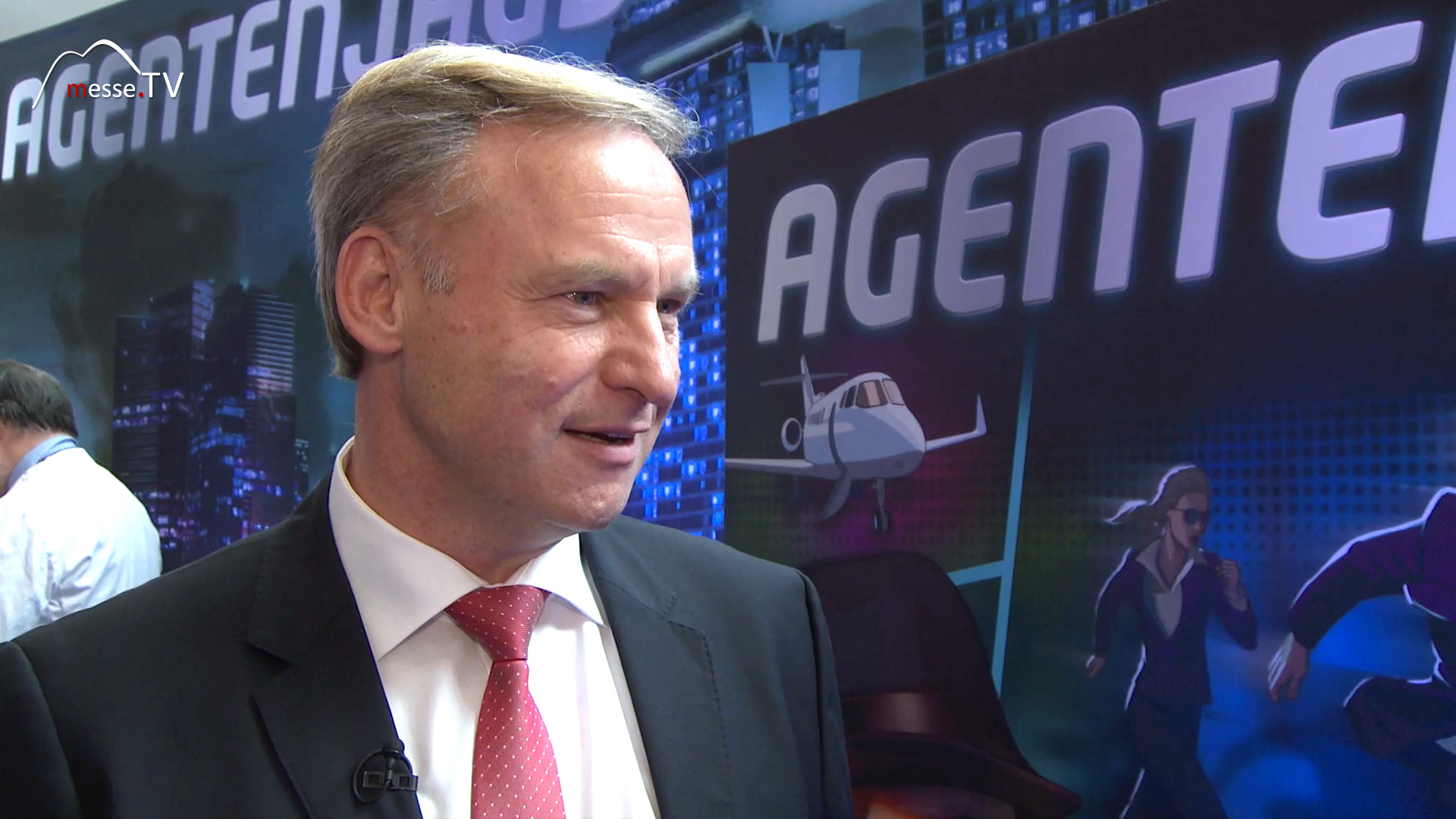
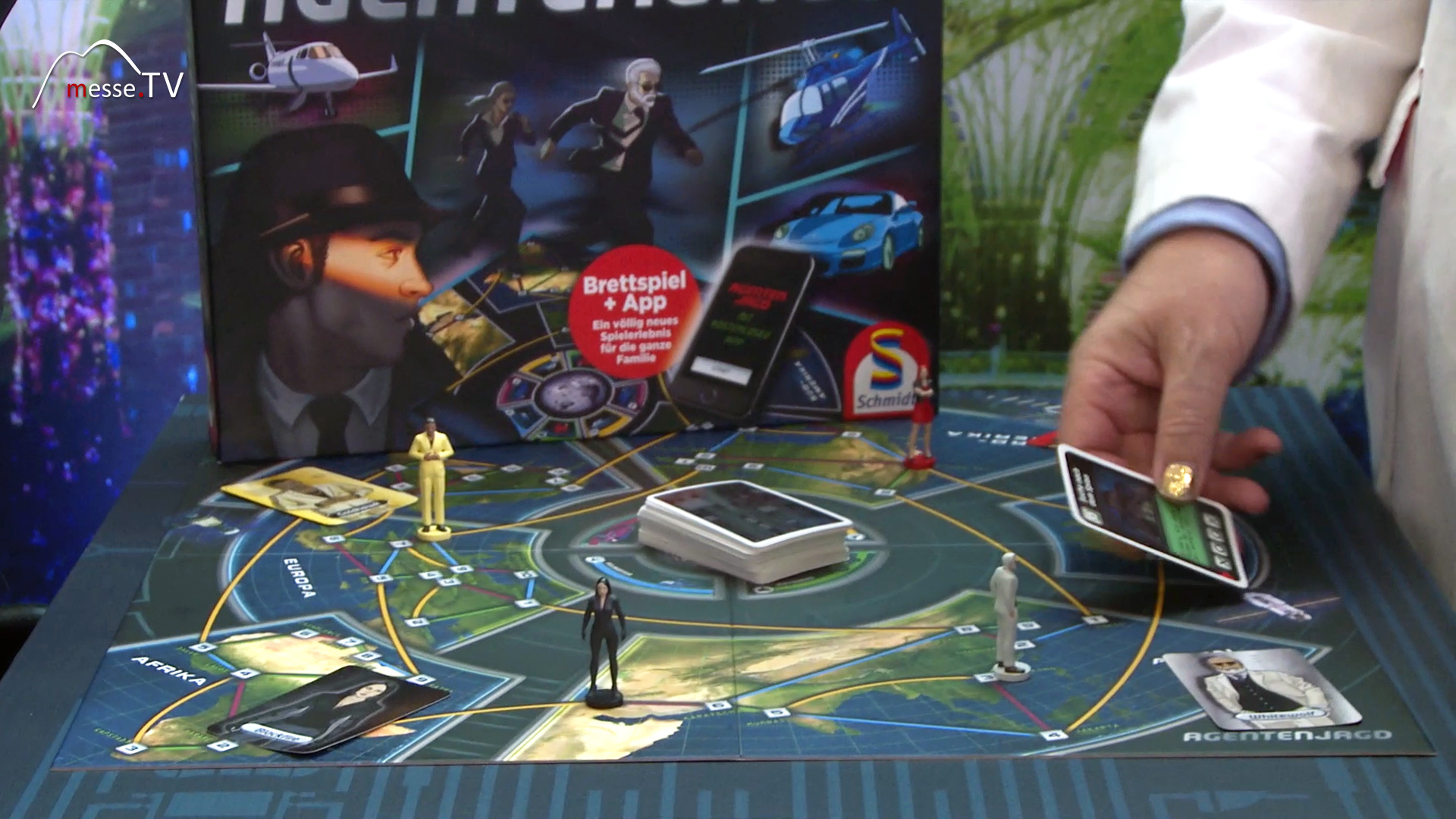
The choice of this theme is no coincidence, but rather the result of a targeted strategy to showcase new products in a media-effective way while also breaking new ground in terms of game mechanics. At the heart of it all is a board game that is consistently controlled via an app for the first time, thus expanding classic game structures without leaving the shared gaming table. The stand design alone makes it clear that the agent motif is more than just decoration. Binoculars, big city motifs, helicopters and urban scenarios create an atmosphere that immediately conveys the game's theme. The staging deliberately picks up on elements of modern spy stories and combines them with a family game that is aimed at several age groups.
App-controlled board game as a trade fair innovation
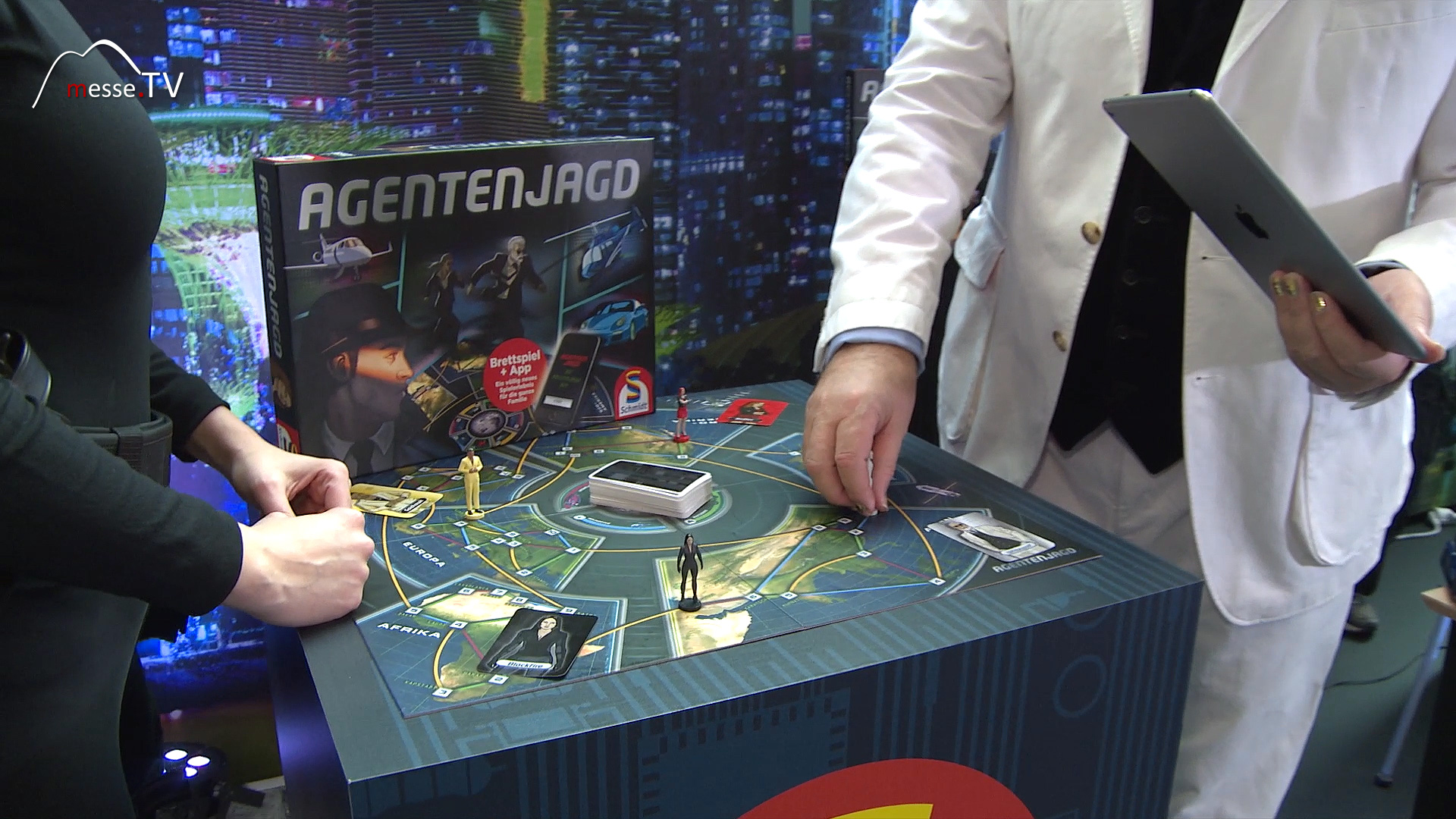
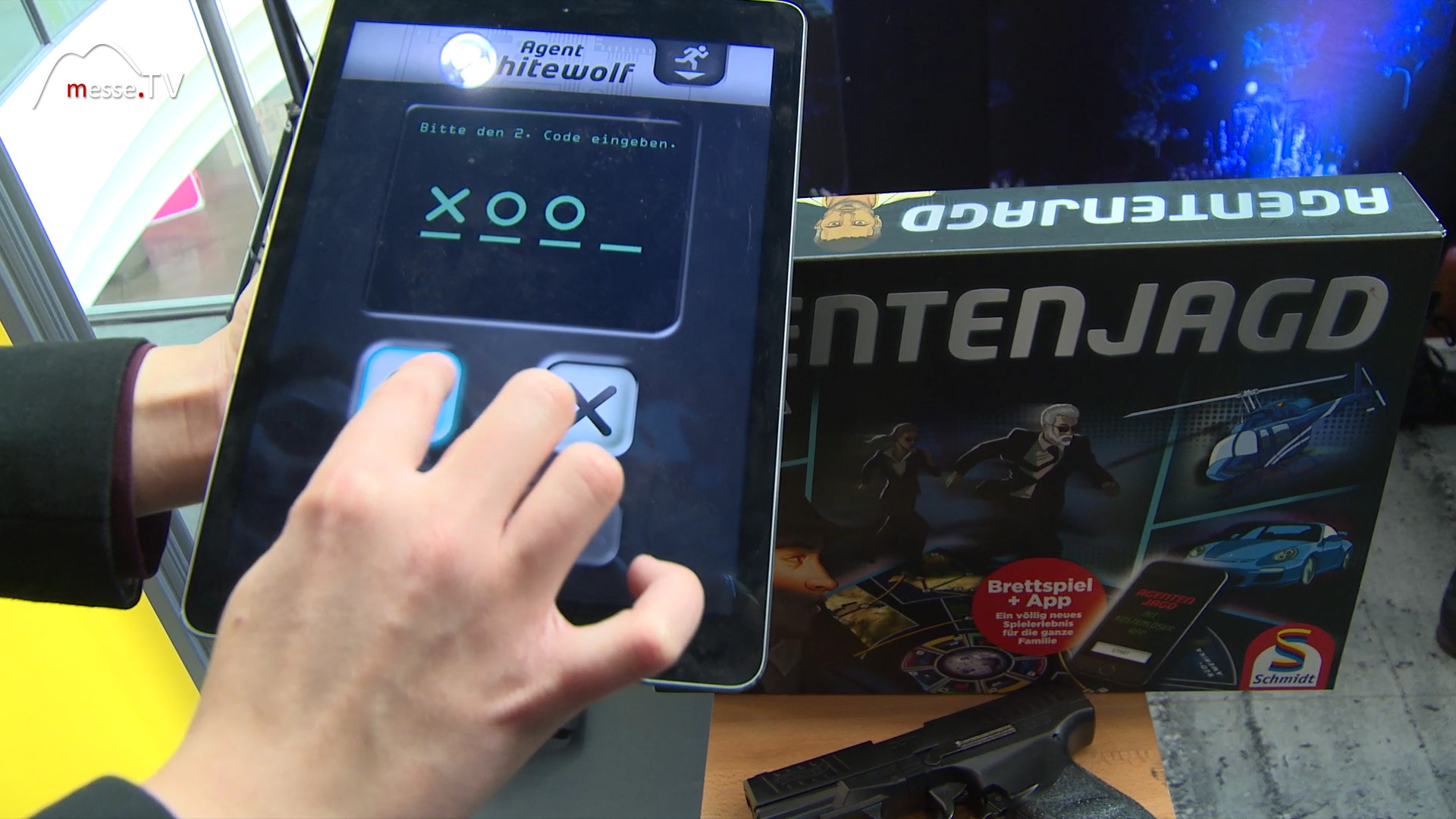
The game presented marks an important step for Schmidt Spiele. For the first time, an app takes on central tasks within the game mechanics. It controls routes, distributes information and ensures that central roles such as spy or agent remain hidden during the course of the game. It is precisely this aspect that distinguishes the game from classic card or board mechanics, where information can often be accessed more quickly. The app is not intended as an add-on, but as an integral part of the game. Without it, the game would not be reproducible. At the same time, the screen deliberately remains in the background. Players continue to sit together at the table, move game pieces, make decisions and communicate with each other. The digital component merely provides directions and controls hidden information.
Agent game mechanics between travelling and decoding
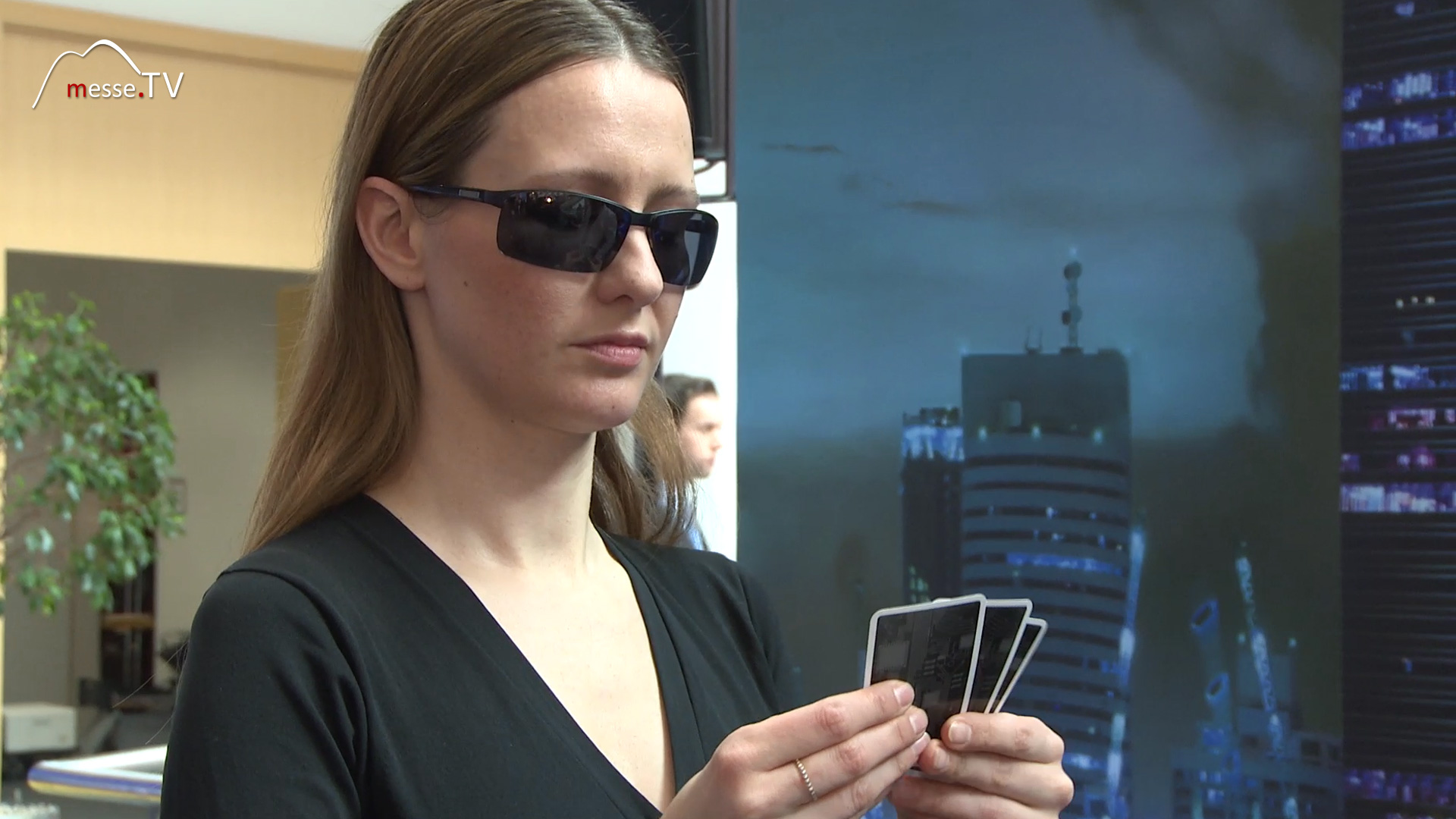
In terms of content, the game revolves around the question of who plays which role in the team. Who is an agent, who is a spy? Players move through different cities and regions, use different modes of transport such as aeroplanes or cars, and try to interpret clues correctly. The route is dynamically guided by the app, so that each game develops differently. A key appeal is that no one knows in advance what information will be played next. This unpredictability creates excitement and ensures that the game does not become repetitive. At the same time, the game is easy to get started with, as the app organises many complex processes in the background.

Target group and age: Family game with digital support
Despite the digital component, the game is not primarily aimed at children, but at families. The recommended starting age is around seven to eight years, with younger players being supported by adults at the beginning. From the age of eight or nine, children can increasingly use the app independently. Using digital devices has long been a matter of course for this age group. Tablets, smartphones and apps are part of everyday life. Schmidt Spiele makes targeted use of this familiarity without replacing the game table with screens. The game is not played in front of a computer, but together, analogously and communicatively. Technically, the app is available for both iOS and Android. It can be played on a tablet or smartphone, depending on what the family has available. The hardware is therefore flexible, but the game concept remains unchanged.
Why app games are more than just a trend
During the conversation, it becomes clear that the decision to use an app was not made for fashionable reasons. The aim was to implement a game concept that would not have been feasible without digital support. Classic mechanics would not have been able to reproduce the hidden role distribution and dynamic route guidance in this form. The app takes on tasks that would otherwise have to be performed by a game master or complex rules. This keeps the rules clear while maintaining the depth of the game. For Schmidt Spiele, it is precisely this balance that is crucial for integrating digital elements into analogue games in a meaningful way.

Development of a board game from idea to product
The path from idea to finished game is long and structured. Every year, the publisher receives between 1,500 and 1,800 game proposals. These come from both hobby developers and professional game designers. In addition, contacts are made at international trade fairs, which lead to concrete projects. The Agent Game has its origins in the USA. There, a game inventor presented a prototype to product management, which was immediately recognised as promising. The idea was further developed, tested and repeatedly adapted in close collaboration. Several test phases are common before a game reaches market maturity. Typical steps in development are:
- Initial evaluation of submitted prototypes
- joint further development with authors
- several internal and external test phases
- adjustment of rules, mechanics and gameplay
- final coordination of game materials and app
Media-effective presentation and outlook
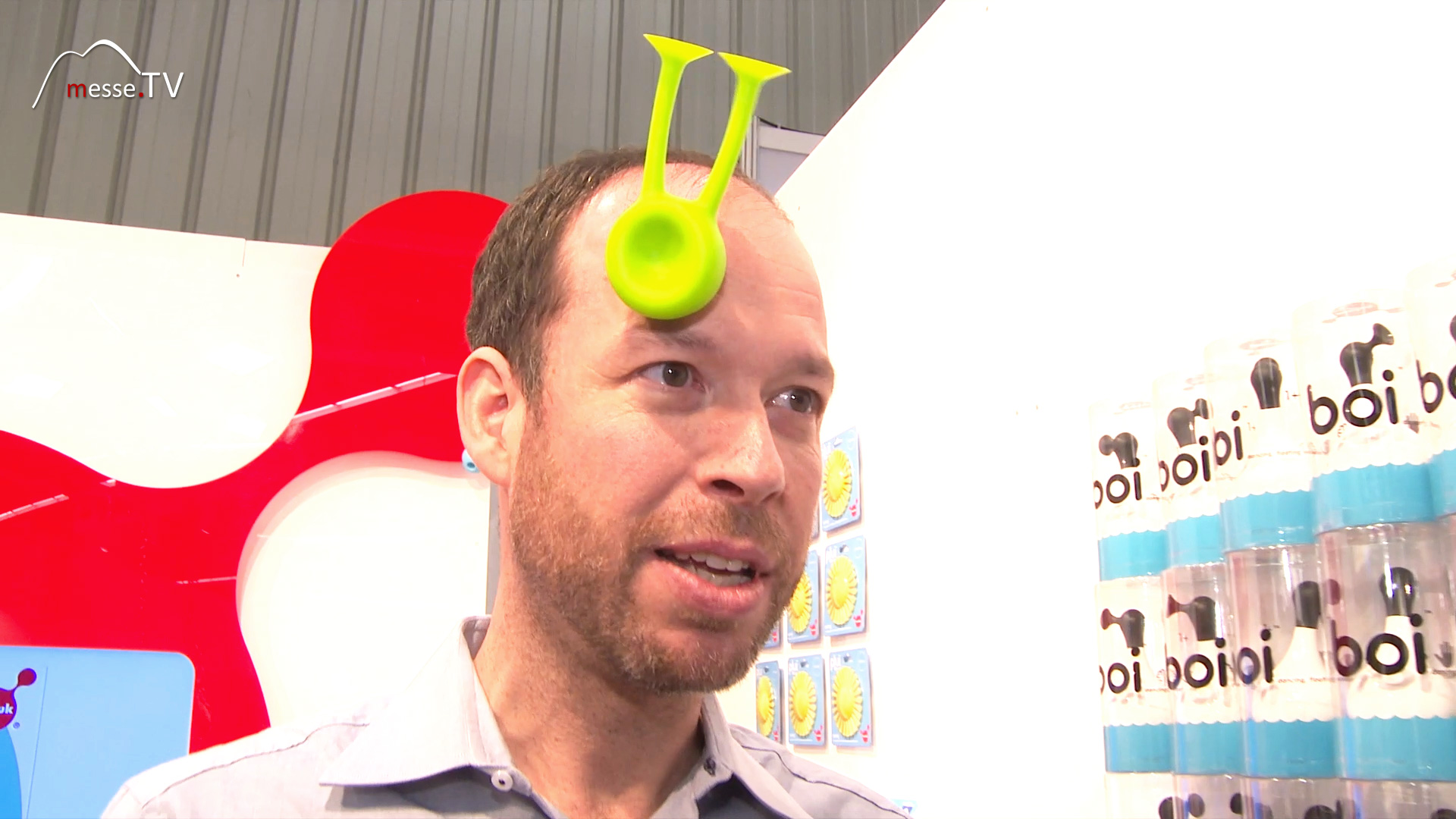
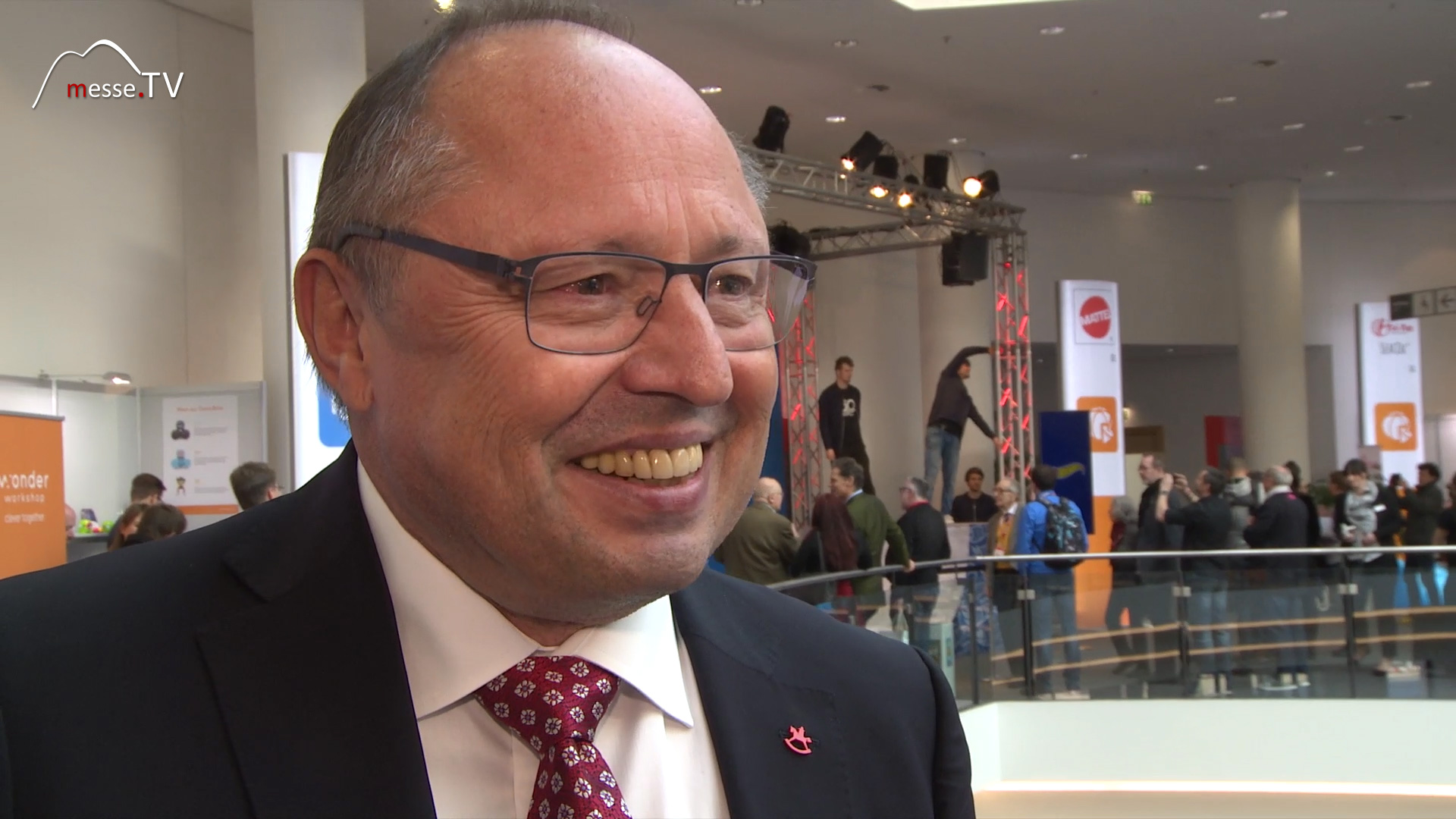
The decision to present the game with a familiar face is part of the communication strategy. The high similarity of the game character to the real person increases recognition value and attracts attention at the trade fair. The game, theme and presentation intertwine to form a coherent whole. For Schmidt Spiele, the agent board game is not just a single novelty, but a signal for future developments. Digital elements are used where they make sense in terms of gameplay. At the same time, the focus remains clearly on the shared experience at the table. It remains to be seen which idea will take centre stage next year. The only thing that is certain is that surprising themes can be expected in the future. Whether it's animals, agents or something completely different again – the decisive factor is that the game idea, mechanics and presentation fit together and strike a chord with the spirit of the times.









Trade fair reporting Germany - Trade fair knowledge, dates & events


