Elektrische Kindermobile zwischen Spieltrieb, Technik und Bewegung
Kinderfahrzeuge gehören seit Jahrzehnten zum festen Inventar von Spielplätzen, Höfen und Gärten. Was sich jedoch verändert hat, ist die technische Komplexität dieser Produkte. Elektrische Antriebe, Apps, Sensorik und neue Nutzungsszenarien haben aus einfachen Tretfahrzeugen mobile Spielwelten gemacht. Im Mittelpunkt steht dabei nicht nur Geschwindigkeit oder Design, sondern zunehmend die Verbindung aus Bewegung, Lernen und spielerischer Technikvermittlung.
Auffällig ist, dass viele dieser Fahrzeuge bewusst darauf ausgelegt sind, Kinder wieder nach draußen zu holen. Statt Bildschirmzeit im Wohnzimmer entsteht ein Spielkonzept, das Natur, Bewegung und digitale Elemente miteinander kombiniert. Die Fahrzeuge werden damit zu mehr als reinen Fortbewegungsmitteln – sie werden zu Erlebnisplattformen.
Dino Explorer als spielerische Entdeckungsreise
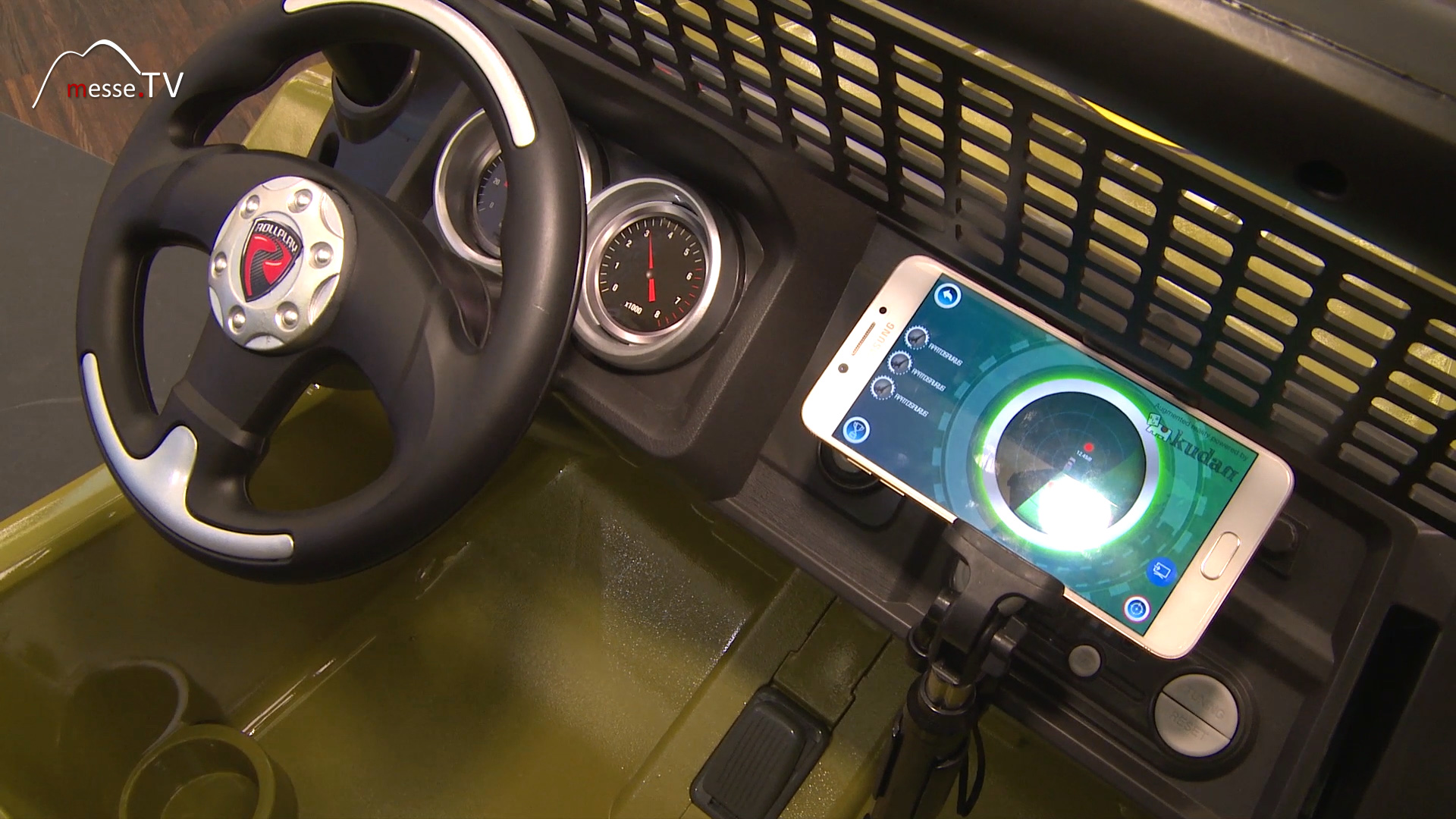
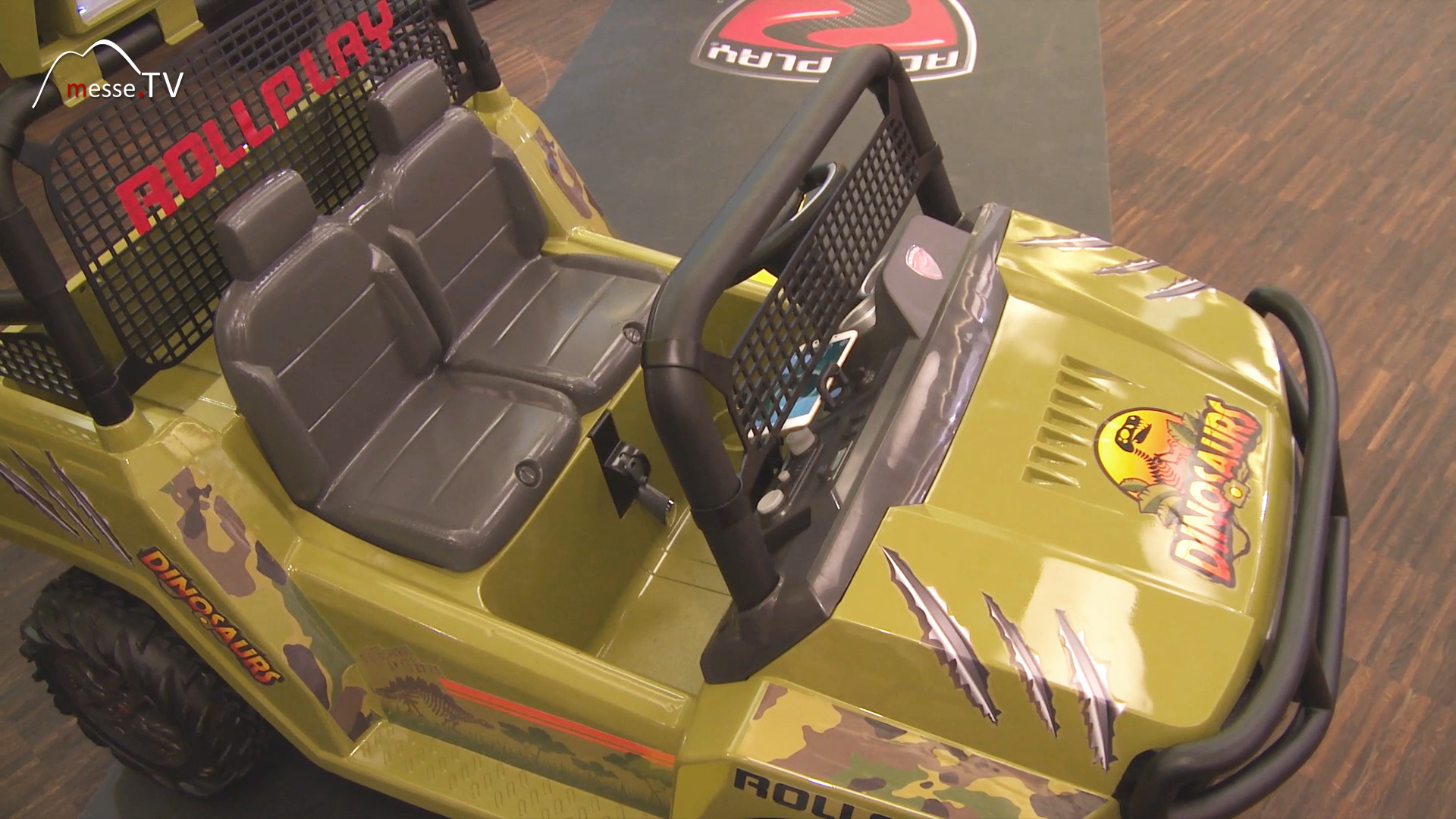
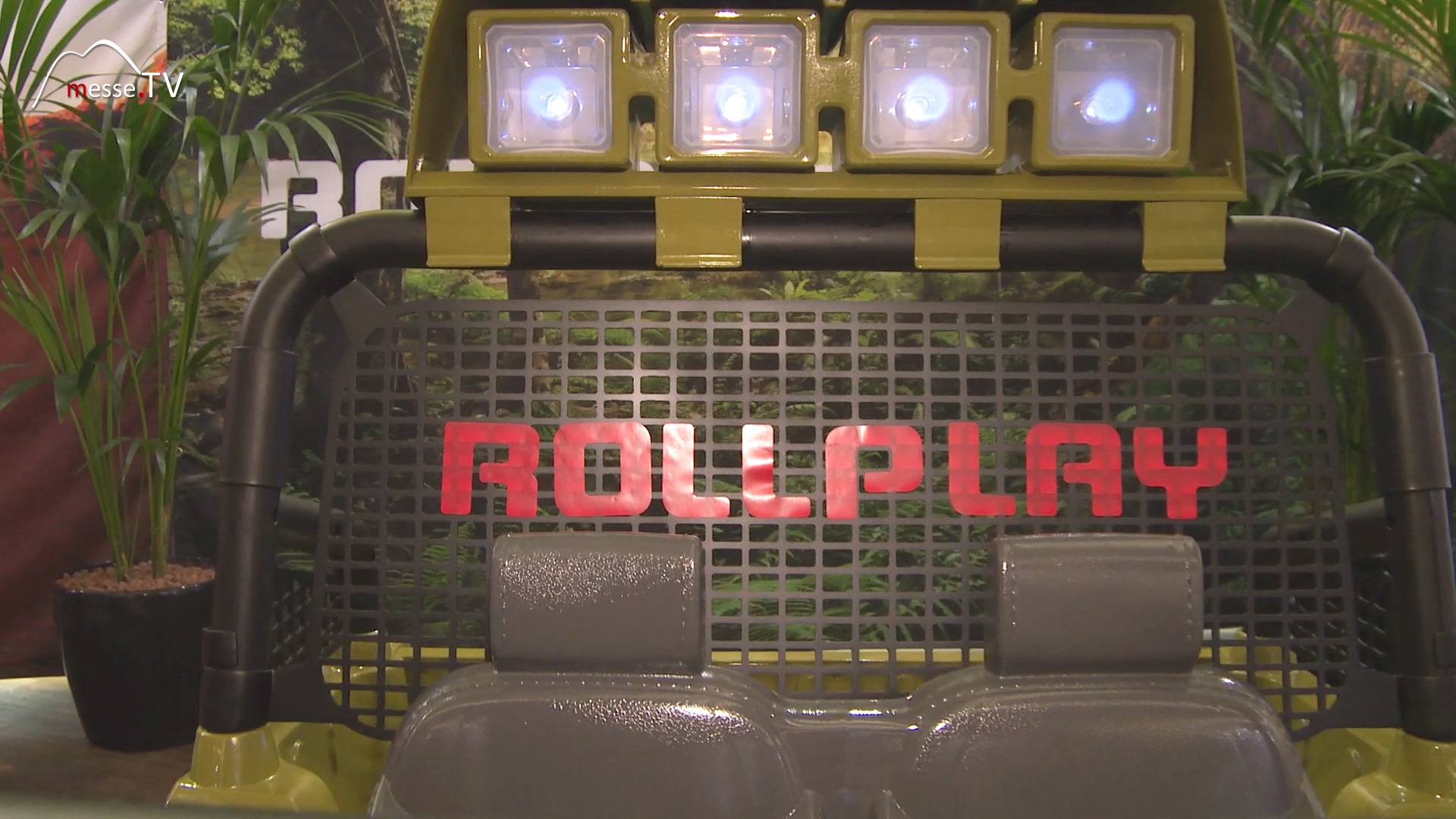
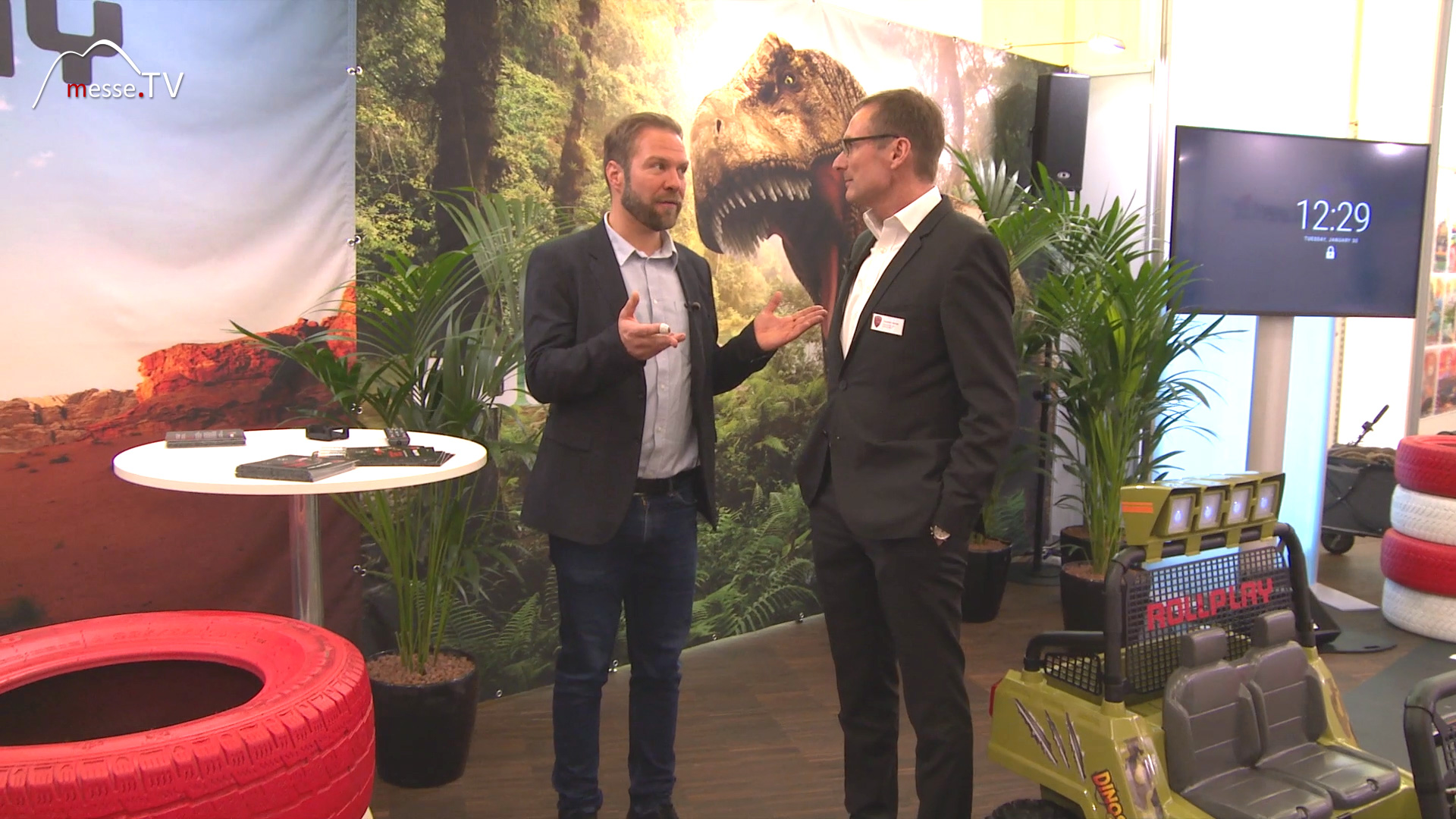
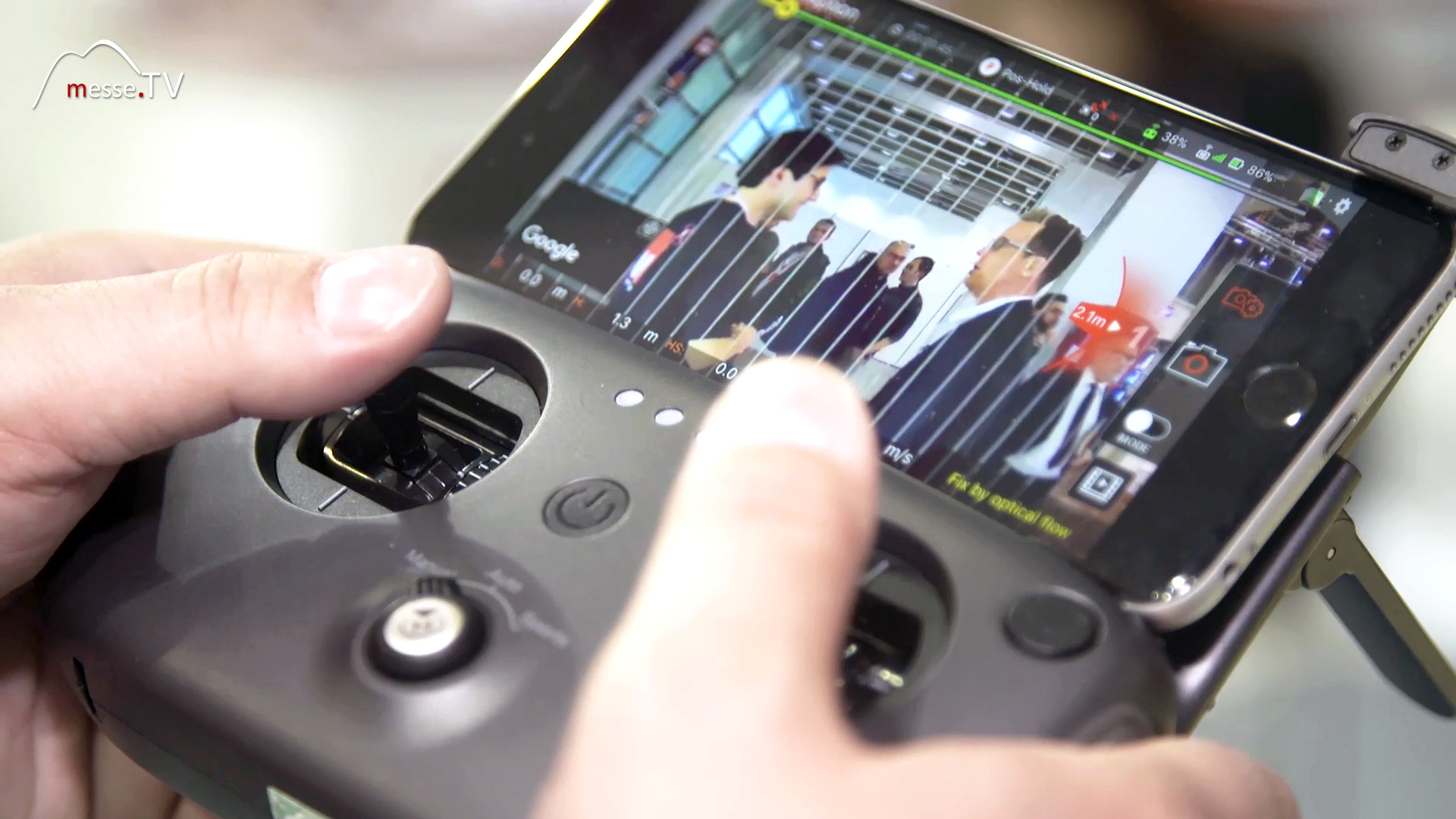
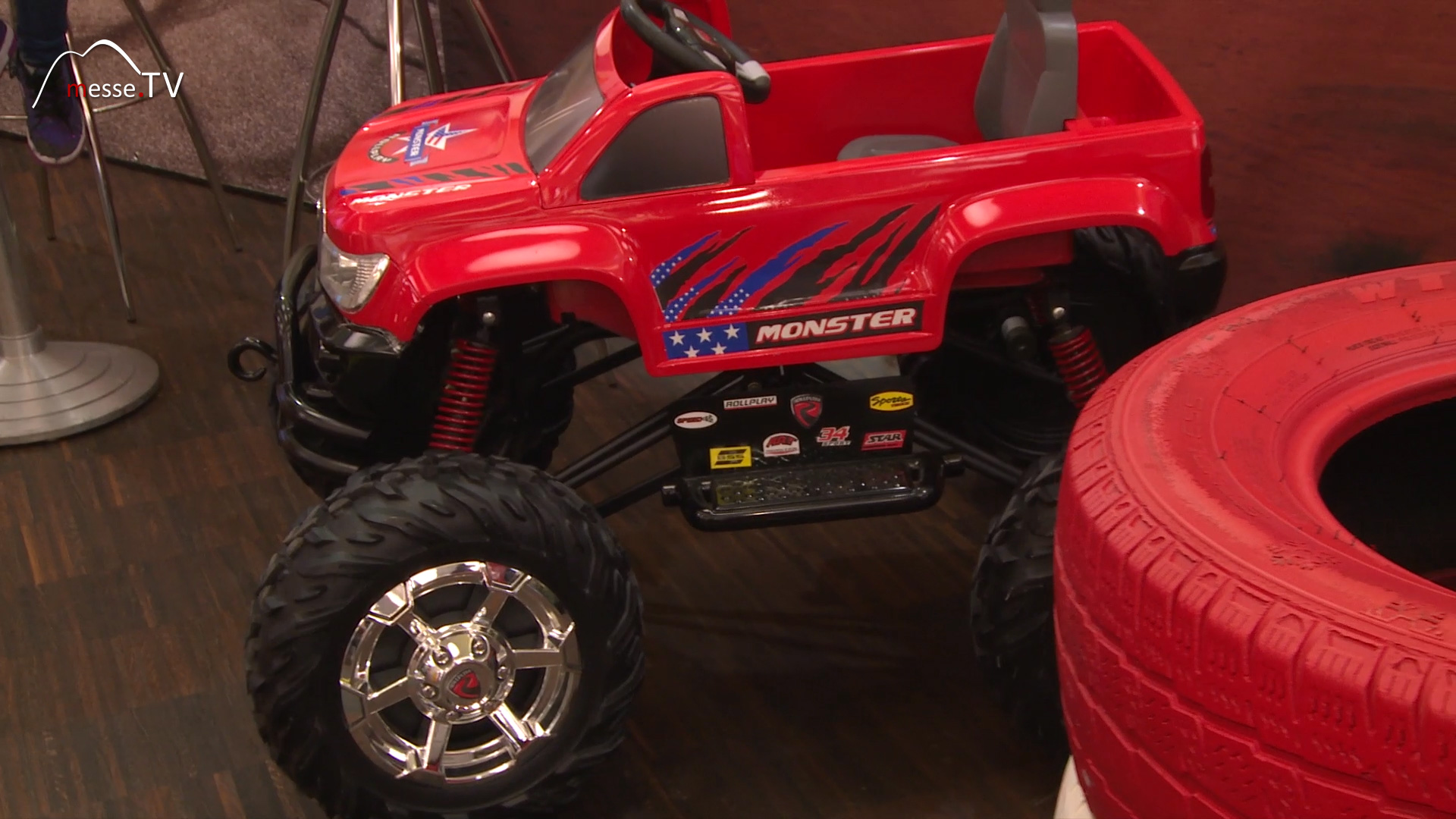
Eines der auffälligsten Fahrzeuge ist der Dino Explorer. Optisch als robuster Geländewagen angelegt, richtet er sich an Kinder, die nicht nur fahren, sondern erkunden wollen. Der Zweisitzer mit elektrischem Antrieb ist für den Einsatz auf privaten Grundstücken, Wiesen oder parkähnlichen Flächen konzipiert. Mit moderater Geschwindigkeit bleibt das Fahrzeug beherrschbar, gleichzeitig vermittelt es ein Gefühl von Eigenständigkeit und Abenteuer. Besonders interessant ist die Verknüpfung mit einer begleitenden App. Auf dem Display erscheinen virtuelle Dinosaurier, die sich im Umfeld des Fahrzeugs befinden sollen. Die Kinder fahren gezielt zu diesen Punkten, machen Fotos und sammeln die Funde in einer digitalen Bibliothek. Damit wird das Fahren selbst Teil einer spielerischen Aufgabe, die Neugier und Wissensdurst anspricht. Fragen nach Lebenszeit, Lebensraum oder Besonderheiten der Dinosaurier fließen ganz selbstverständlich in das Spiel ein.
Nutzung und Grenzen elektrischer Kinderfahrzeuge
Der Einsatz solcher Fahrzeuge ist in Deutschland klar geregelt. Öffentliche Straßen sind tabu, erlaubt ist die Nutzung auf Privatgrundstücken oder ausgewiesenen Flächen. In der Praxis bedeutet das: ländliche Gegenden, größere Gärten oder abgeschlossene Areale bieten die besten Voraussetzungen. Gleichzeitig zeigt sich hier ein Spannungsfeld zwischen technischer Innovation und rechtlichen Rahmenbedingungen. Gerade diese Einschränkungen sorgen jedoch dafür, dass die Fahrzeuge bewusst als Freizeit- und Spielgeräte wahrgenommen werden, nicht als Ersatz für reale Mobilität. Der Fokus liegt klar auf dem Erlebnis, nicht auf dem Transport von A nach B.
Rollplay und der Anspruch an motorisches Lernen
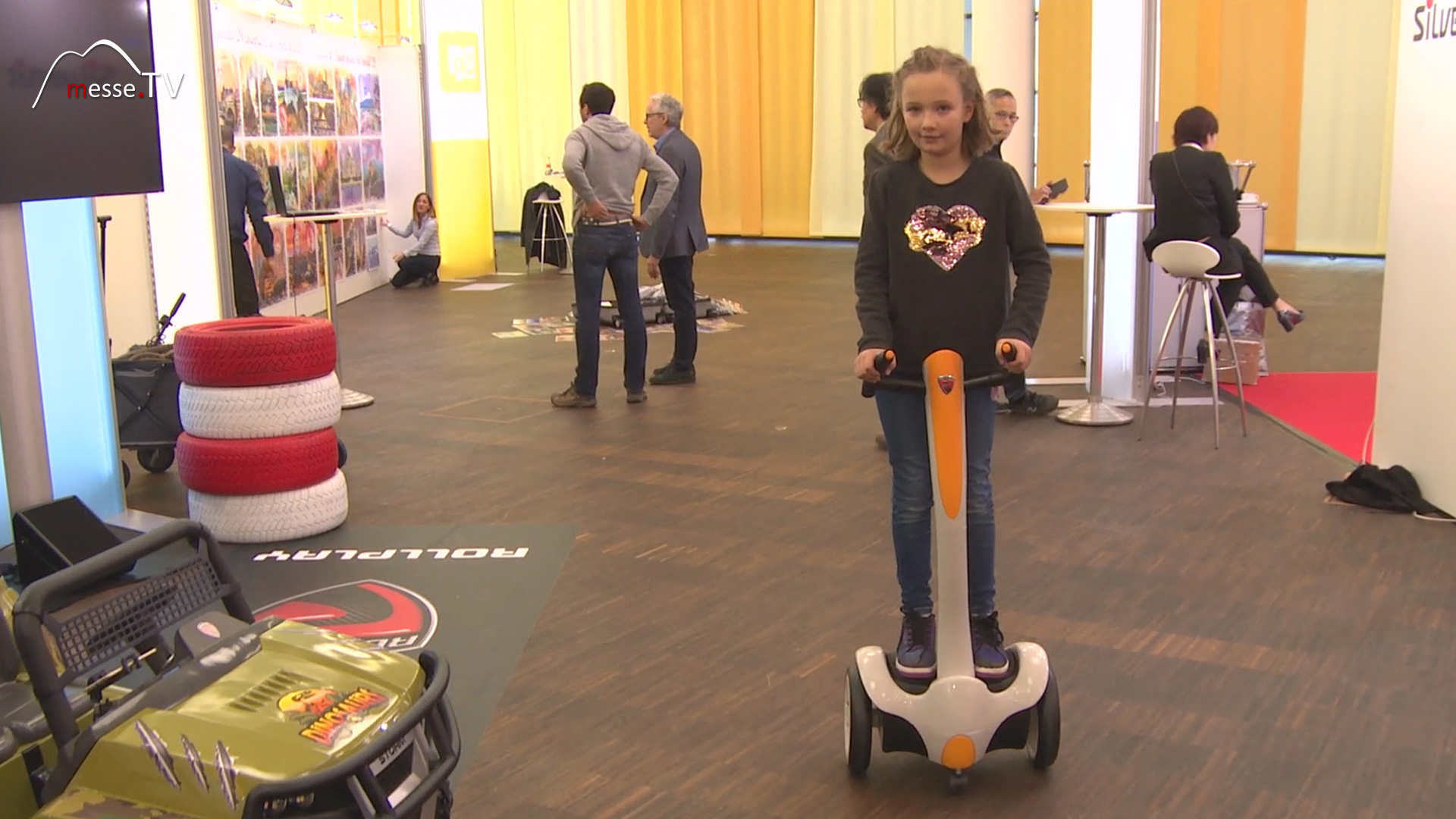
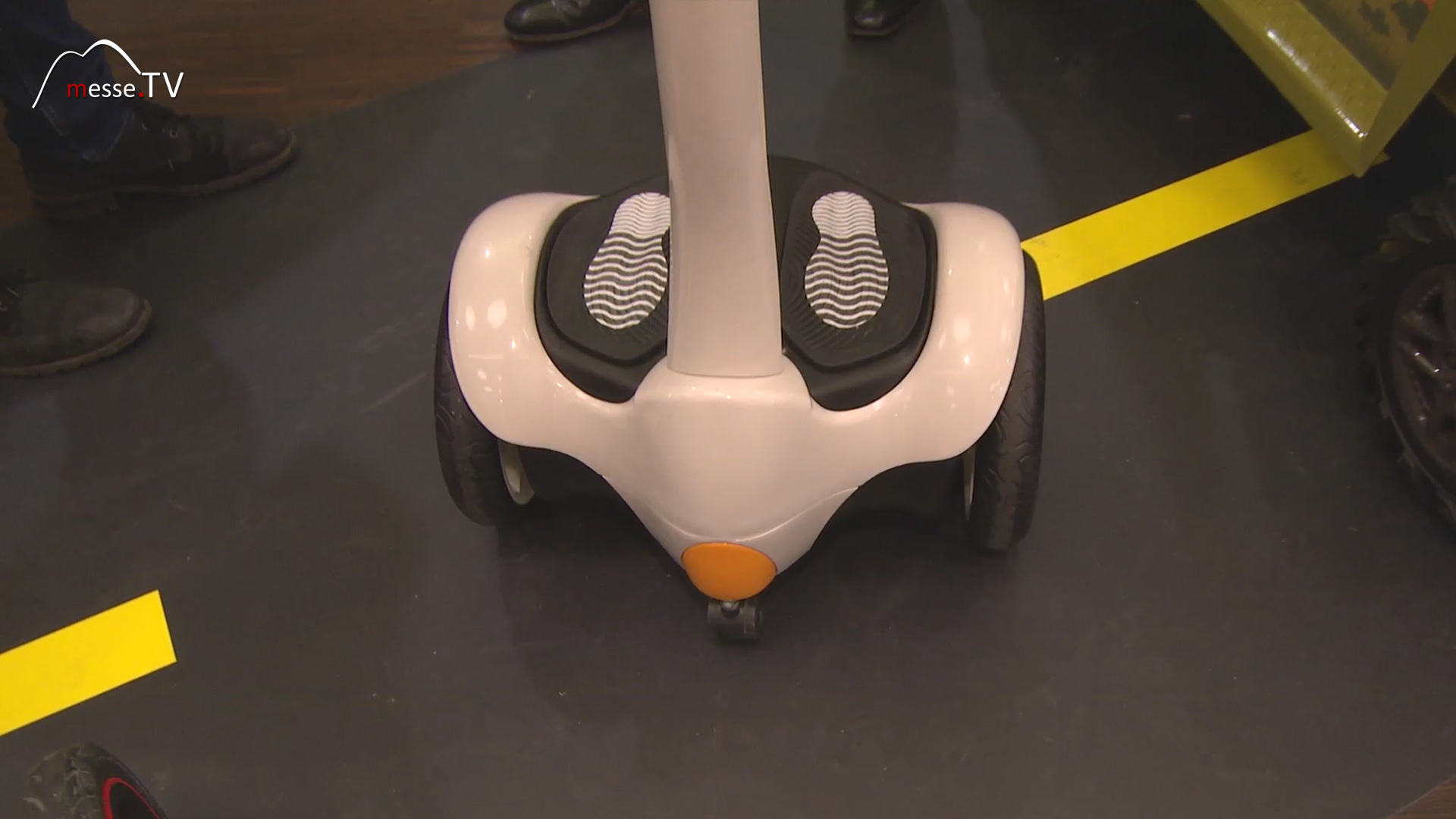
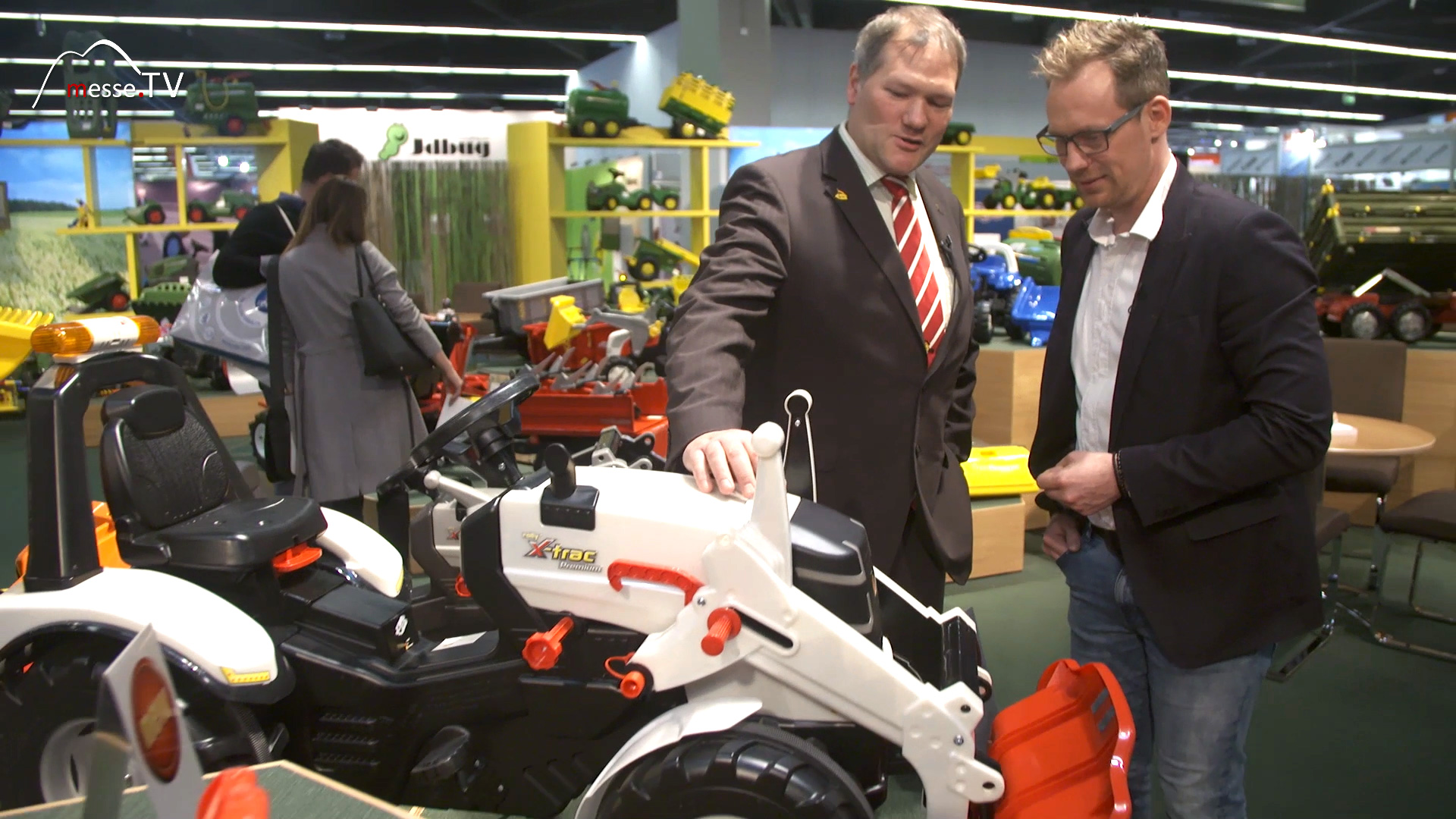
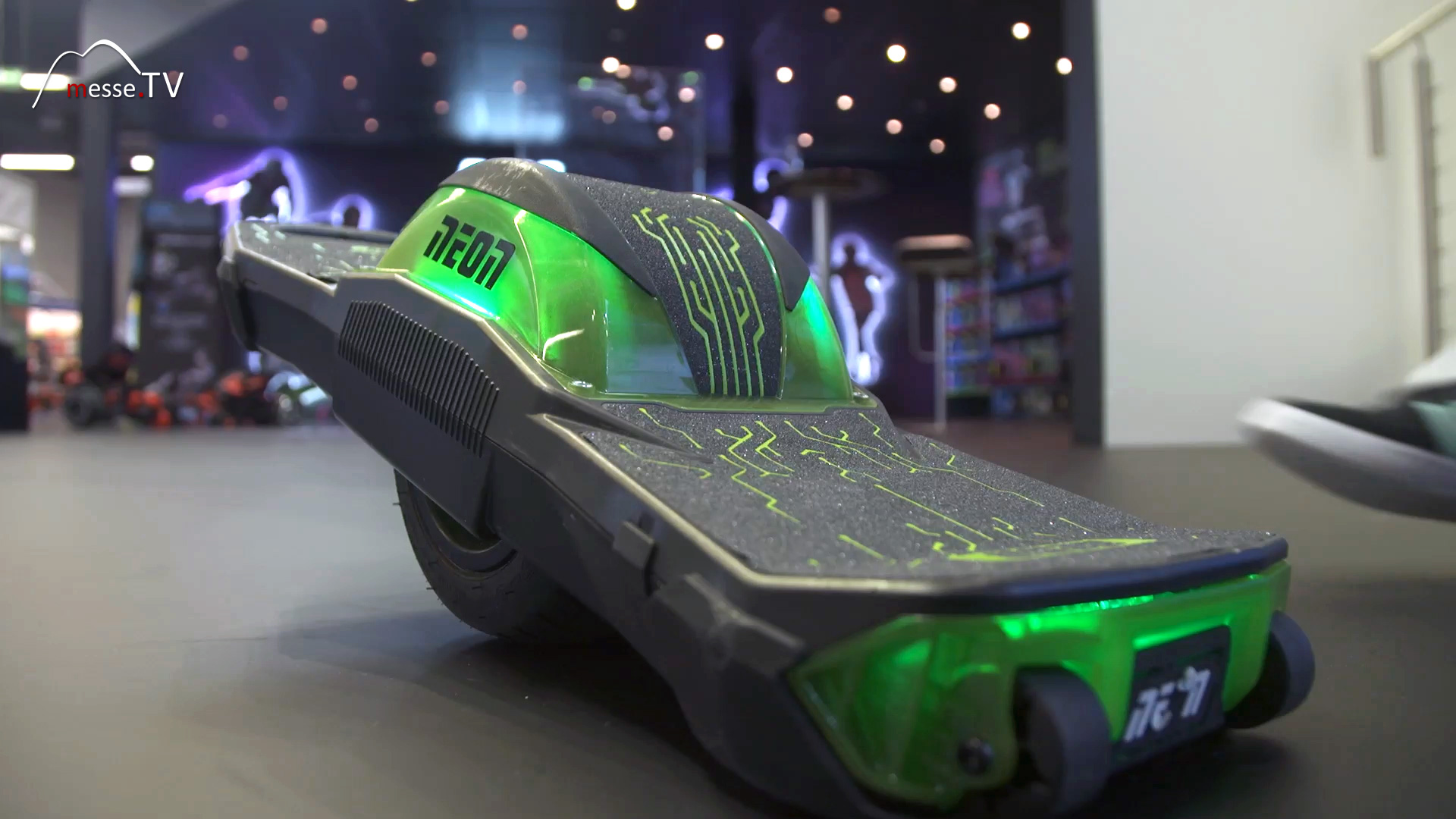
Unter dem Markennamen Rollplay werden mehrere Fahrzeuge angeboten, die unterschiedliche Spielansätze verfolgen. Neben dem Dino Explorer gehören dazu auch Modelle, die stärker auf Balance und Körperkontrolle setzen. Ein Beispiel ist ein selbstbalancierendes Fahrzeug, das über Gewichtsverlagerung gesteuert wird. Kinder lenken, indem sie ihren Körper nach vorne, hinten oder zur Seite bewegen. Dieser Ansatz schult Koordination und Motorik. Anders als bei klassischen Fahrzeugen mit Lenkrad oder Pedalen lernen Kinder hier, ihr Gleichgewicht bewusst einzusetzen. Stützräder sorgen dafür, dass das Fahrzeug nicht kippt, gleichzeitig bleibt das Prinzip der Balance jederzeit spürbar. Gerade für Kinder ab etwa sechs Jahren entsteht so ein spielerischer Einstieg in komplexere Bewegungsabläufe.
Turnado als schnellstes Fahrzeug im Sortiment
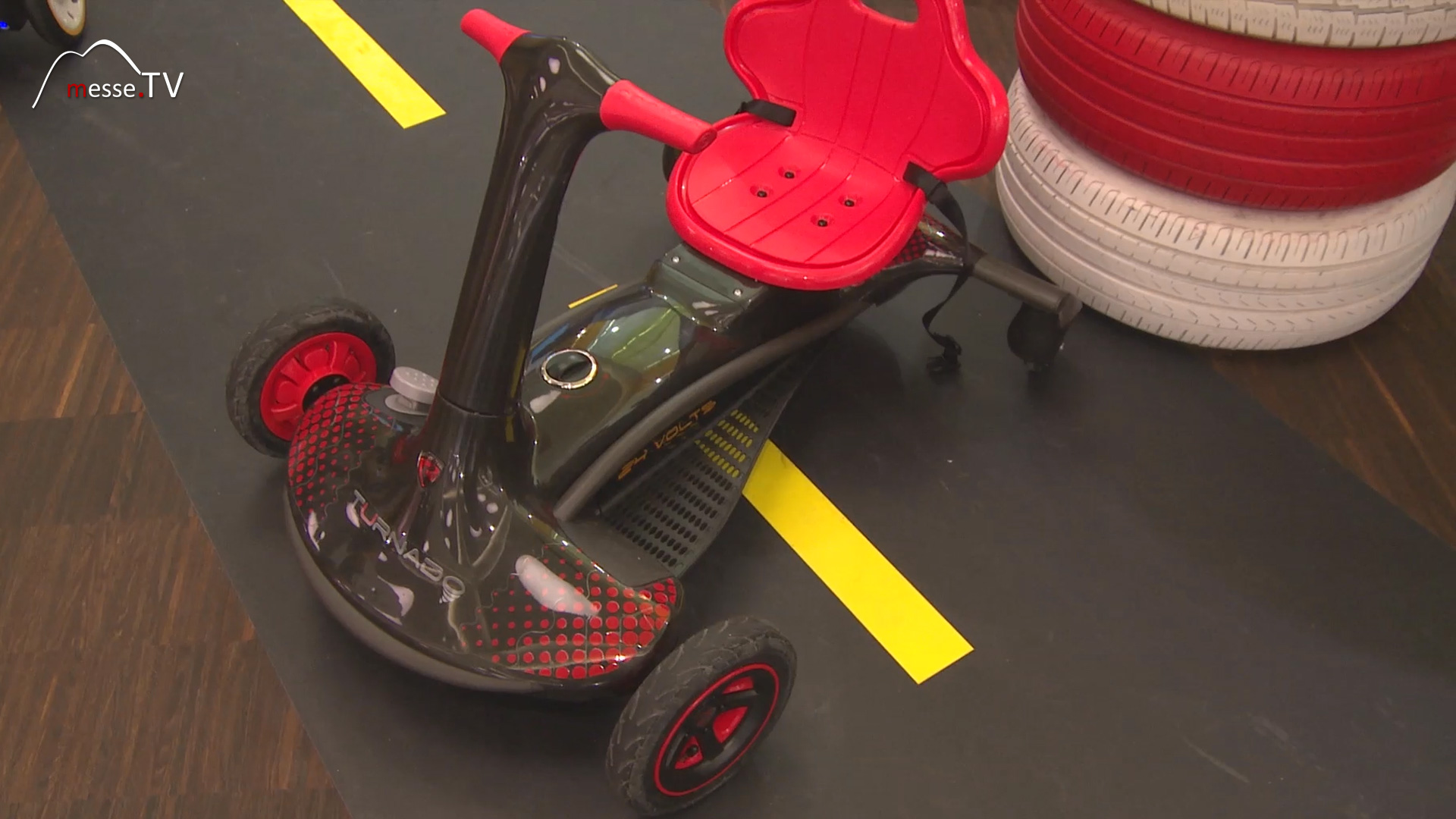
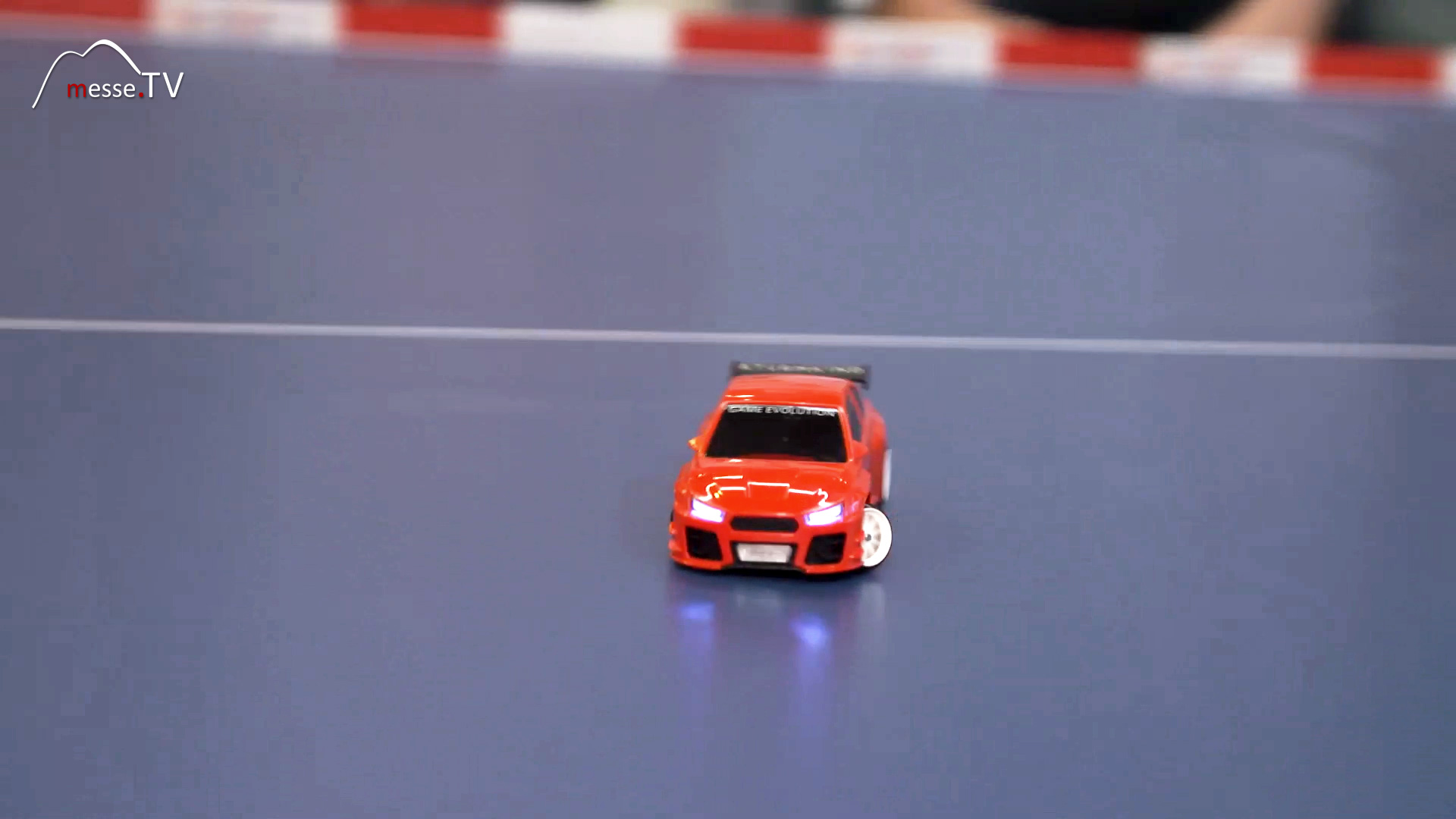
Am oberen Ende der Leistungsskala steht ein Fahrzeug, das deutlich mehr Tempo bietet. Der Turnado ist auf ältere Kinder ausgelegt und erreicht höhere Geschwindigkeiten als die anderen Modelle. Mit stärkerem Antrieb und größerem Akku richtet er sich an Kinder, die gezielt Geschwindigkeit und dynamisches Fahren suchen. Dabei geht es weniger um klassisches Geradeausfahren, sondern um kontrolliertes Driften und Kurvenfahren. Der Reiz liegt im Erlernen von Fahrzeugkontrolle, nicht im bloßen Tempo. Auch hier bleibt die Nutzung auf private Flächen beschränkt, was den sportlichen Charakter unterstreicht. Typische Merkmale der Fahrzeuge lassen sich zusammenfassen als:
- elektrischer Antrieb mit unterschiedlichen Leistungsstufen
- klare Alterszuordnung je nach Fahrzeugtyp
- Kombination aus Spiel, Bewegung und Technik
- Nutzung ausschließlich auf privaten oder ausgewiesenen Flächen

Preise und Wahrnehmung im Markt
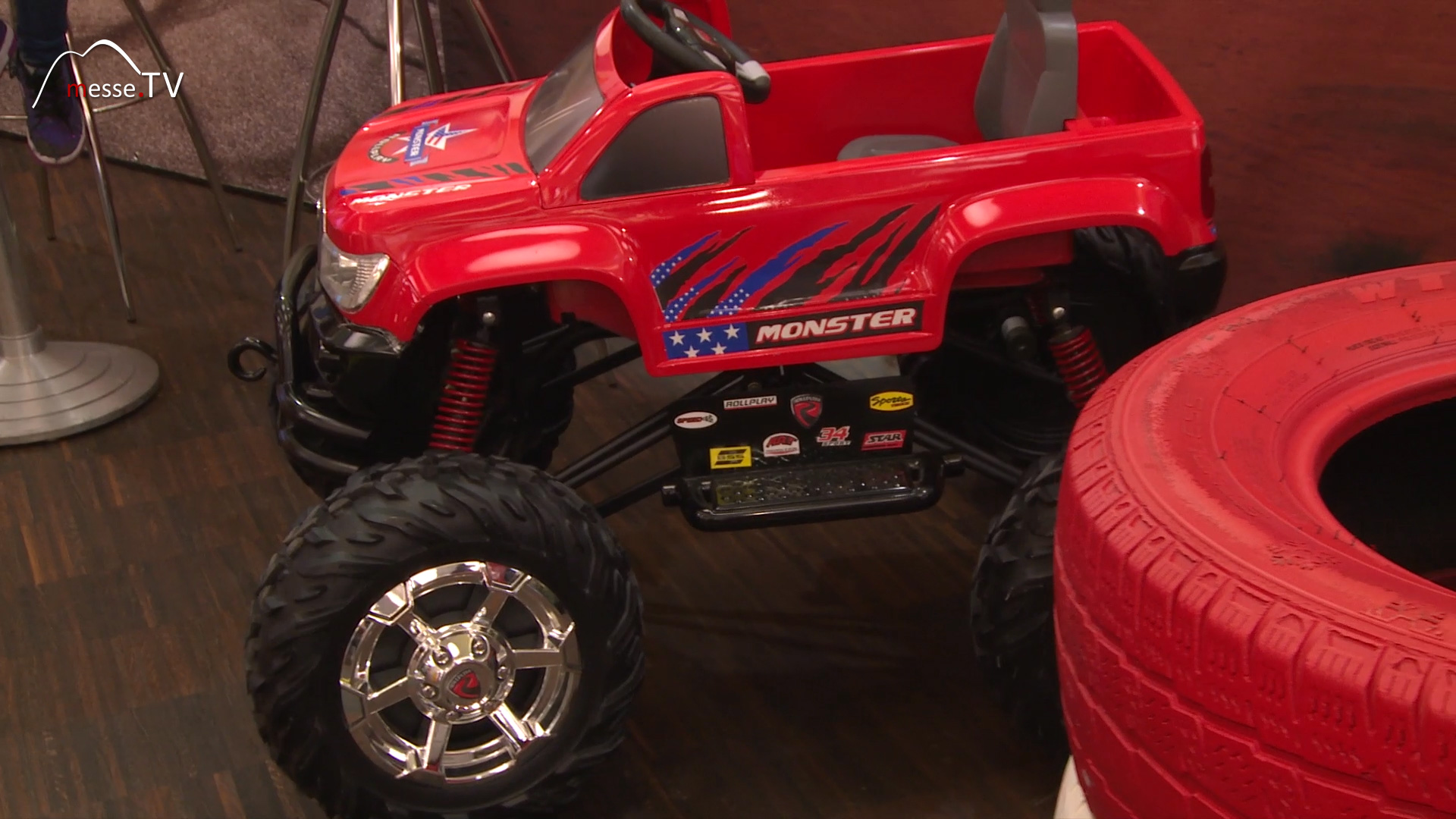
Ein häufiger Irrtum ist die Annahme, solche Fahrzeuge seien ausschließlich hochpreisige Luxusprodukte. Tatsächlich bewegen sich die Preise in einem Bereich, der mit hochwertigen Fahrrädern oder großen Spielgeräten vergleichbar ist. Je nach Modell variieren die Kosten, bleiben aber für viele Familien erreichbar. Interessant ist dabei der psychologische Effekt: Elektrische Mobilität wird oft mit hohen Kosten verbunden, obwohl sich die Preise in den letzten Jahren deutlich nach unten entwickelt haben. Diese Entwicklung spiegelt sich auch im Bereich der Kindermobile wider. Ziel ist es, Kinder früh mit dem Thema E-Mobilität vertraut zu machen, ohne es zu überhöhen.
E-Mobilität als Spielidee, nicht als Ideologie
Was diese Fahrzeuge verbindet, ist ein spielerischer Zugang zu Technik. Es geht nicht um Belehrung oder pädagogische Konzepte im engeren Sinn, sondern um Erfahrungen. Kinder lernen durch Nutzung, durch Ausprobieren und durch Bewegung. Elektrische Antriebe, Apps oder Sensorik werden nicht erklärt, sondern erlebt. Gerade darin liegt die Stärke solcher Produkte. Sie holen Kinder dort ab, wo Neugier, Spieltrieb und Bewegungsdrang zusammentreffen. Elektrische Kindermobile werden damit zu einem Spiegel gesellschaftlicher Entwicklungen: Technik ist allgegenwärtig, aber sie entfaltet ihren Reiz erst dann vollständig, wenn sie mit realer Erfahrung verbunden wird. Rollplay positioniert sich in diesem Umfeld als Anbieter, der unterschiedliche Spieltypen bedient – vom ruhigen Entdecken über motorisches Training bis hin zum schnellen, dynamischen Fahren. Entscheidend ist dabei weniger die Technik selbst als die Frage, wie sie Kinder dazu bringt, sich zu bewegen, zu spielen und ihre Umwelt aktiv wahrzunehmen.

Messe-Berichterstattung bundesweit - Messewissen, Termine & Veranstaltungen


