Sanfte Spielwelten für Babys zwischen Design und Alltag
Spielzeug für Babys bewegt sich in einem sensiblen Spannungsfeld. Es soll anregen, beruhigen, sicher sein und zugleich den Alltag junger Familien begleiten. Auf Messen zeigt sich immer wieder, wie stark sich dieser Bereich weiterentwickelt hat.
Nicht grelle Effekte oder technische Überladung stehen im Vordergrund, sondern durchdachte Formen, weiche Materialien und Spielideen, die sich selbstverständlich in den Tagesablauf integrieren lassen. Gerade für die ganz Kleinen entsteht so eine eigene Spielwelt, die Nähe, Verlässlichkeit und erste Sinneserfahrungen miteinander verbindet. Im Mittelpunkt stehen Produkte, die nicht nur kurzfristig unterhalten, sondern langfristig genutzt werden können. Spielzeug wird zum Begleiter im Kinderwagen, im Autositz oder im Wohnzimmer. Dabei rückt das Zusammenspiel von Gestaltung und Funktion immer stärker in den Fokus.
Spielideen für die ersten Lebensmonate
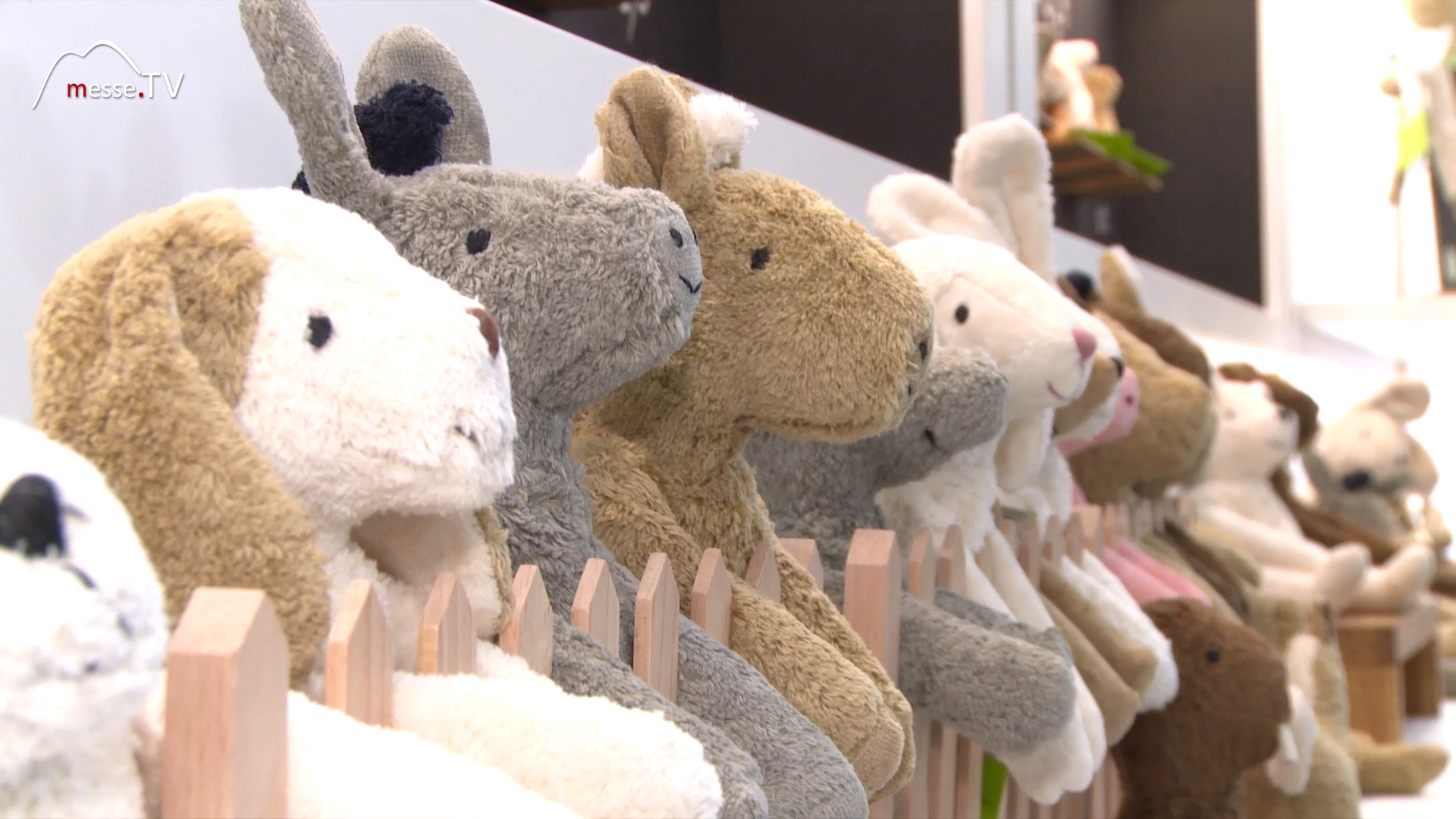
In den ersten Monaten nehmen Babys ihre Umwelt vor allem über Berührung, Bewegung und Kontraste wahr. Spielwelten müssen deshalb einfach zugänglich sein. Figuren mit verlängerten Armen oder weichen Elementen laden zum Greifen ein, ohne zu überfordern. Gleichzeitig fördern unterschiedliche Materialien das taktile Erleben. Kleine Details, die sich öffnen, schließen oder bewegen lassen, sorgen für erste Erfolgserlebnisse. Ein zentrales Thema ist die Flexibilität der Produkte. Spieltiere lassen sich nicht nur lose verwenden, sondern auch an Alltagsgegenständen befestigen. Besonders im Auto oder im Kinderwagen zeigt sich, wie wichtig durchdachte Lösungen sind. Ein Spieltier, das sich über dem Babysitz platzieren lässt und später wieder als normales Kuscheltier dient, erfüllt gleich mehrere Funktionen.
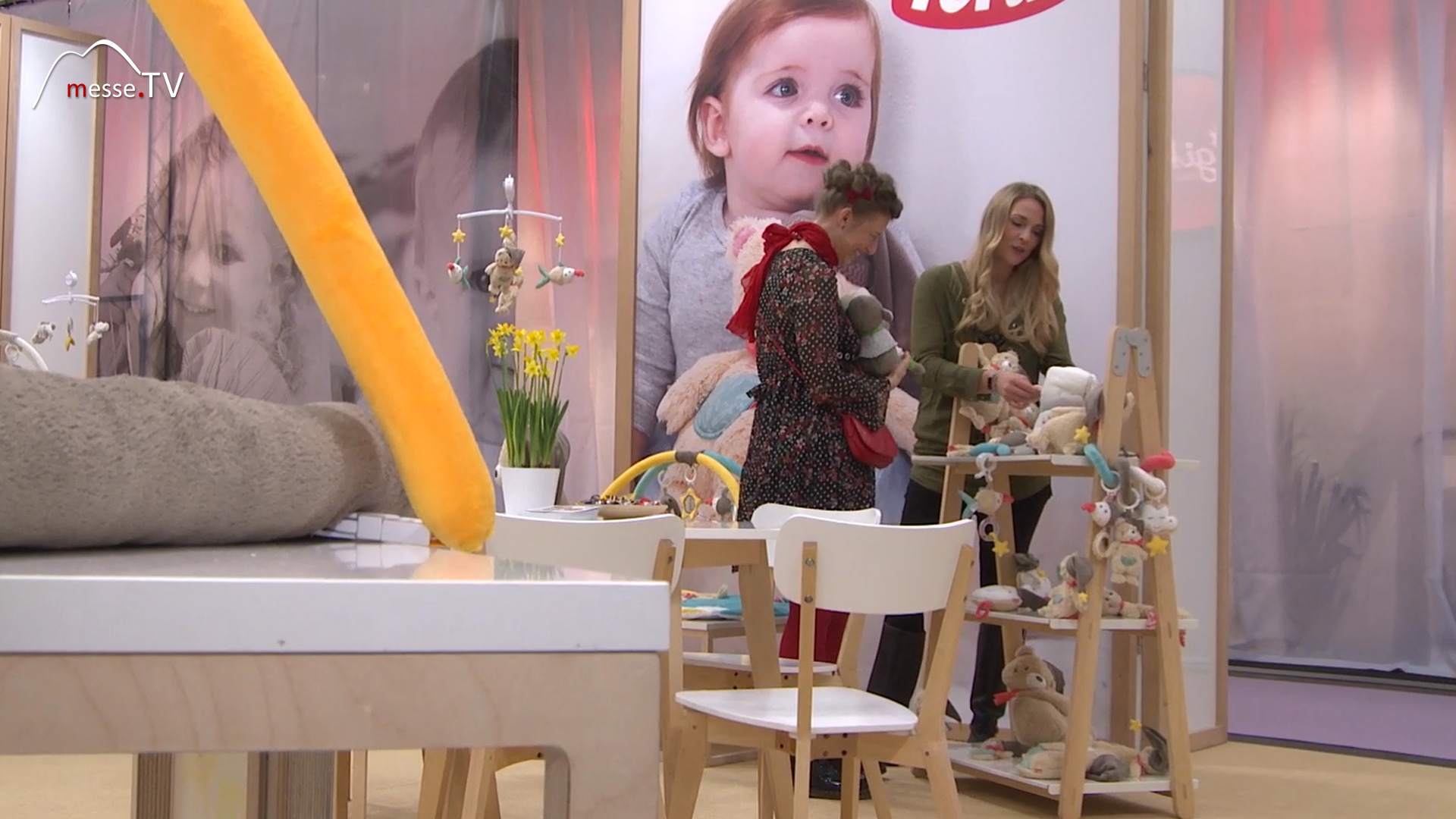
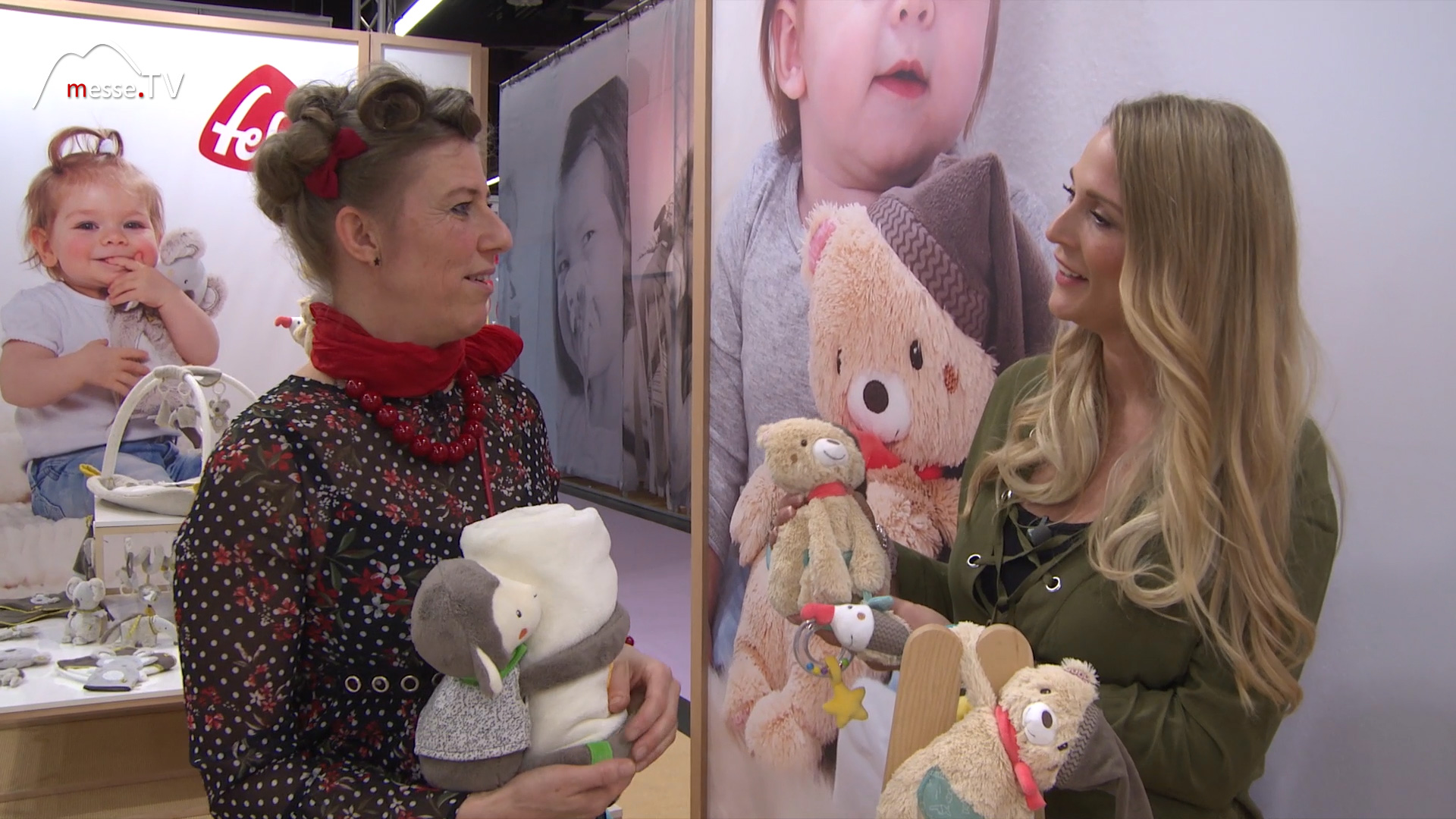
Fehn und die Linie Bruno der Bär
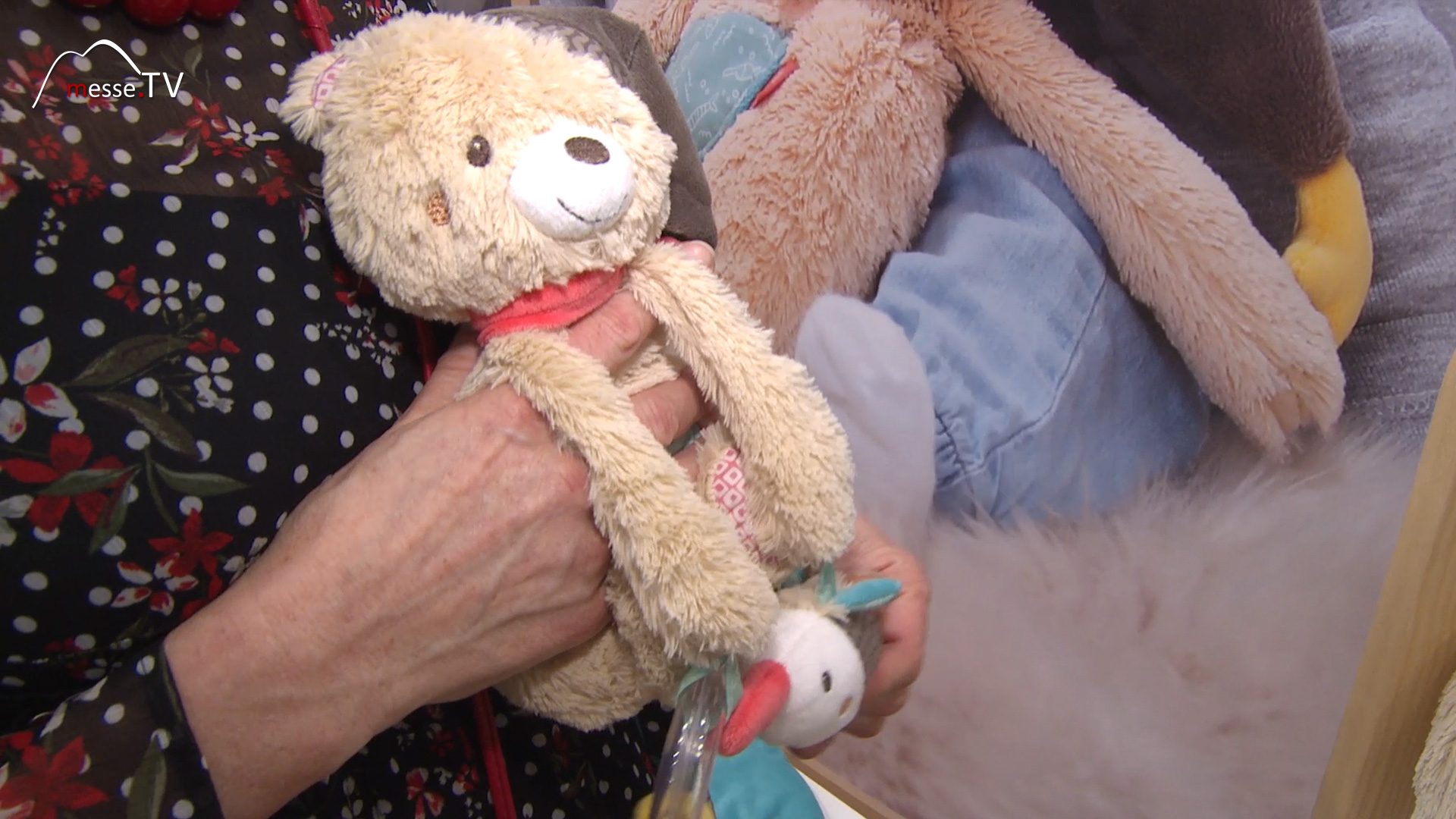
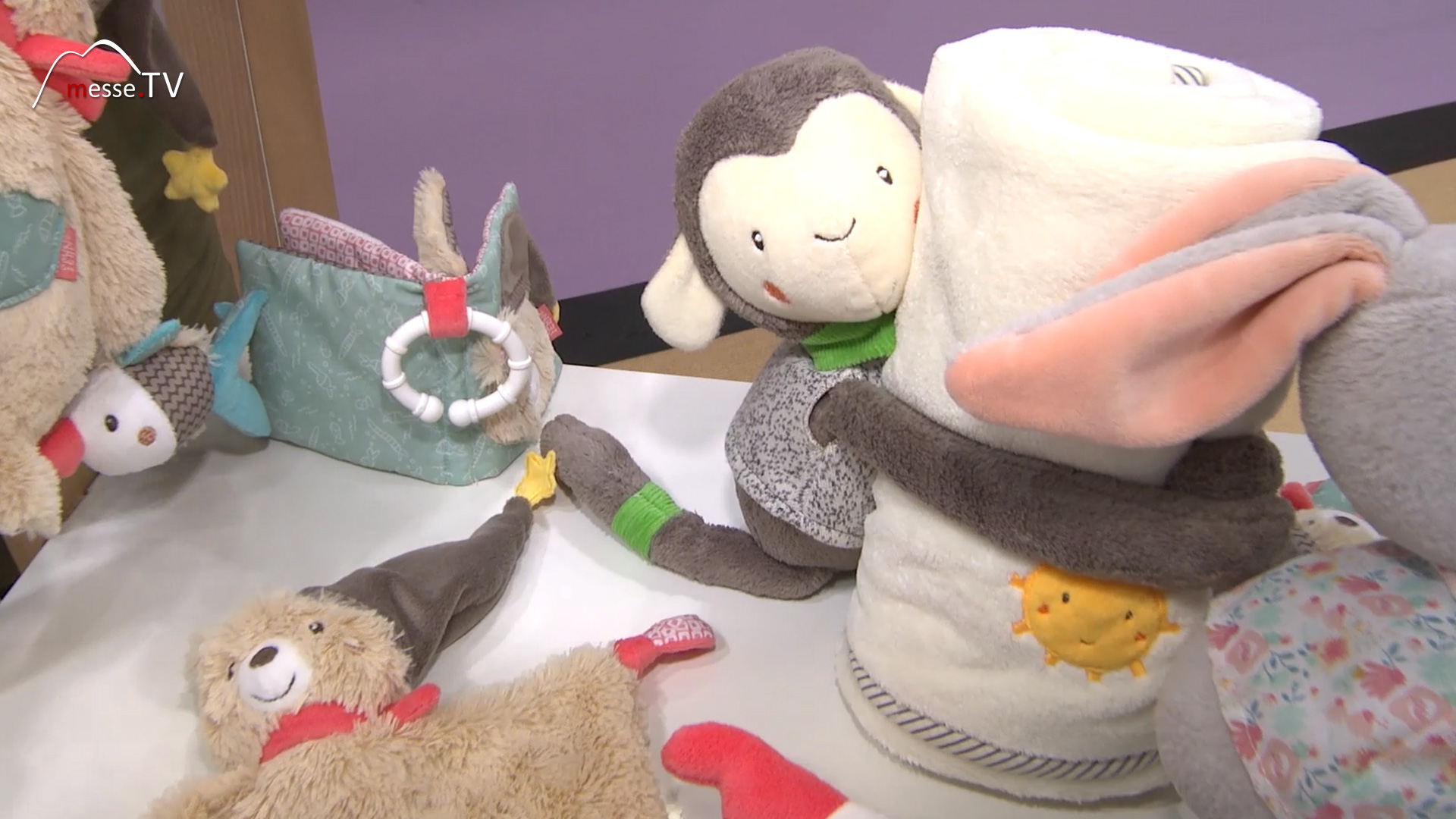
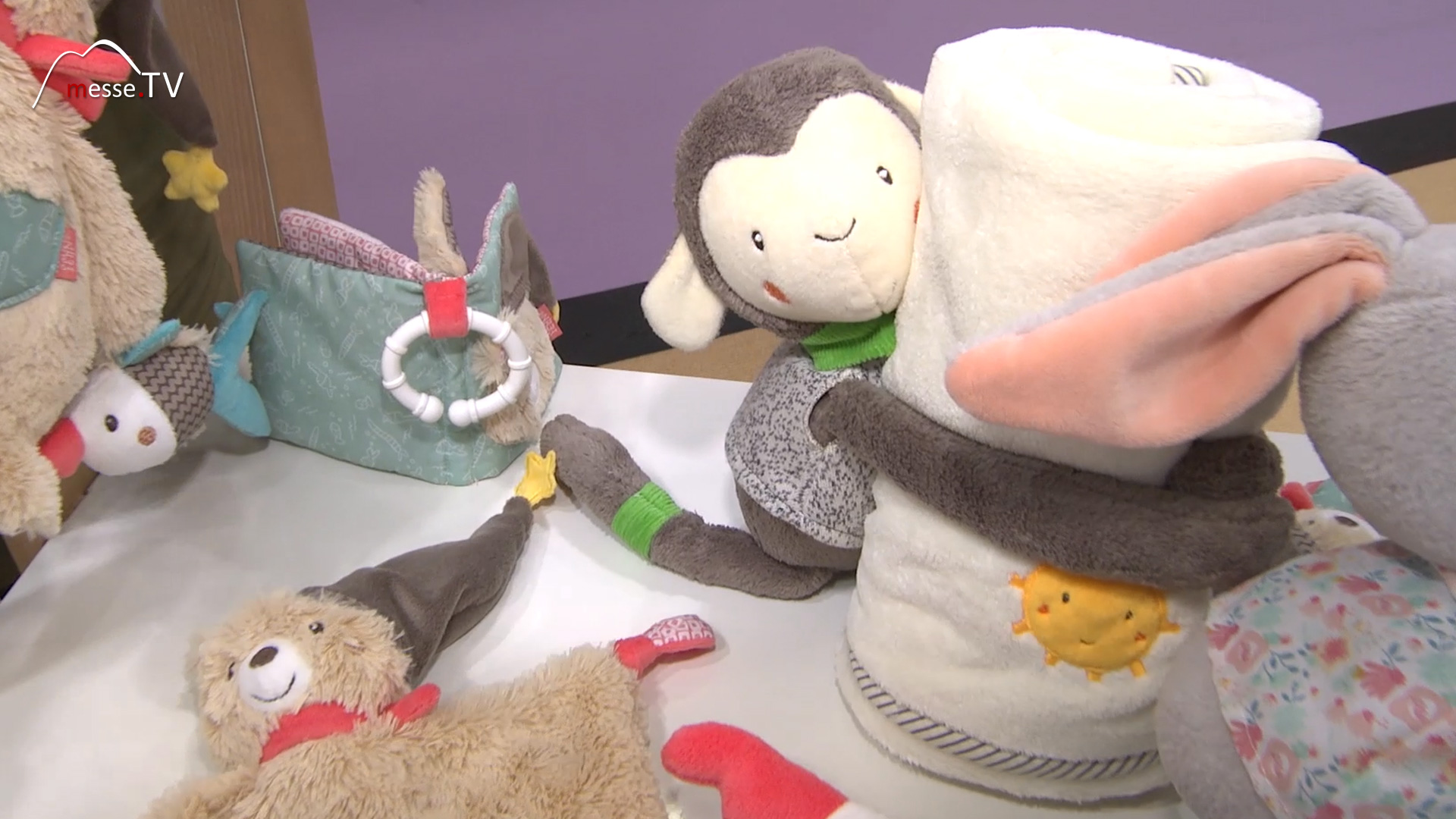
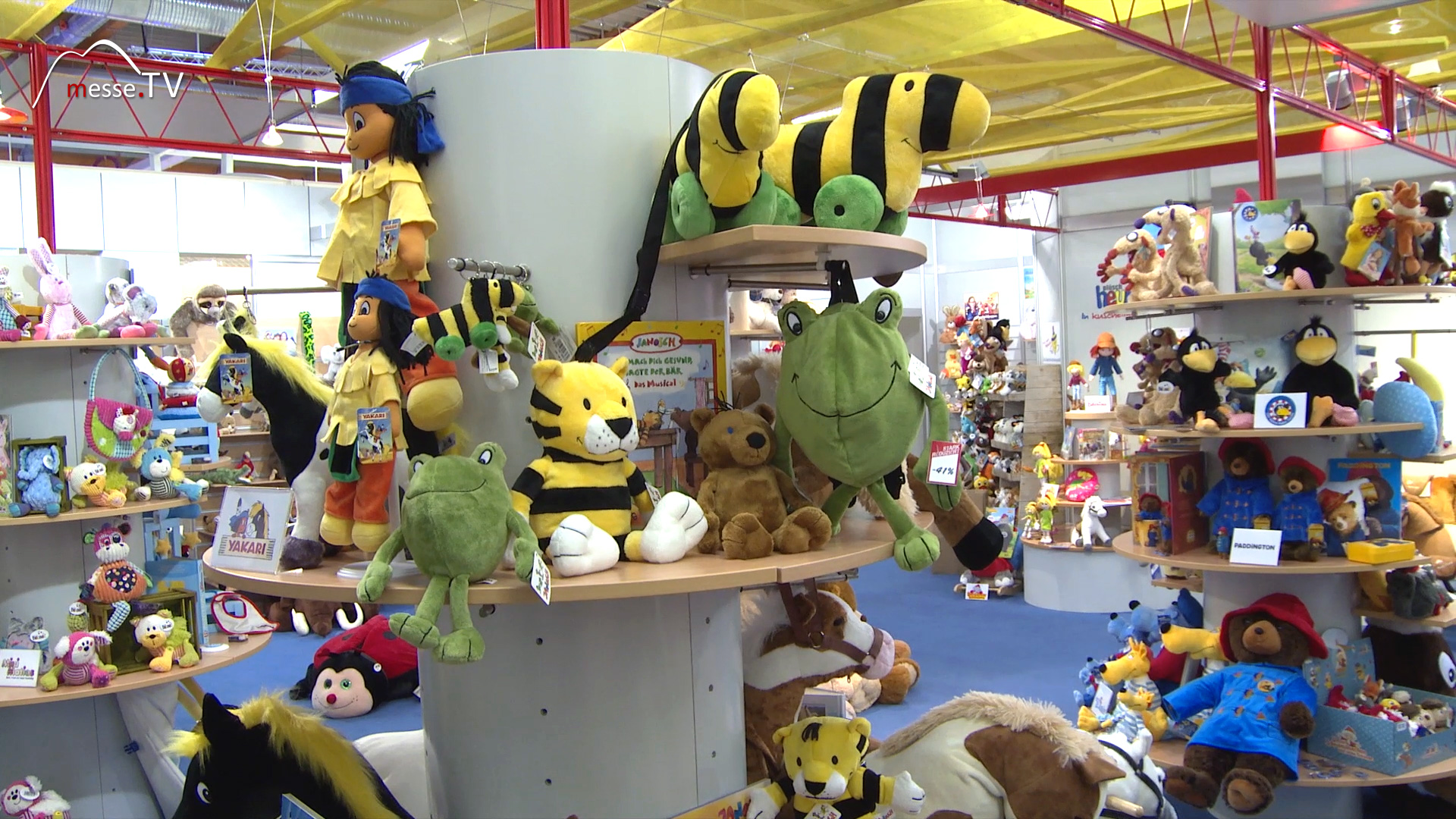
Ein Beispiel für diesen Ansatz zeigt Fehn mit der Linie rund um Bruno der Bär. Die Figurenwelt besteht aus klar erkennbaren Charakteren, darunter Bruno selbst und sein Freund Sammy, ein Segelfisch. Ergänzt wird das Ensemble durch weitere Tiere, die bewusst freundlich und ruhig gestaltet sind. Die Produkte richten sich gezielt an Babys und Kleinkinder und setzen auf sanfte Farben sowie weiche Stoffe. Besonders auffällig ist die Konstruktion einzelner Spieltiere, die speziell für den Einsatz am Babysitz entwickelt wurden. Über Klettverbindungen lassen sich Arme und Füße öffnen oder schließen. So kann das Spieltier entweder frei genutzt oder sicher befestigt werden, etwa über dem Autositz von Maxi-Cosi. Die Schlafmütze des Bären dient dabei nicht nur als gestalterisches Element, sondern unterstützt die Positionierung.
Alltagstaugliche Details mit Mehrwert
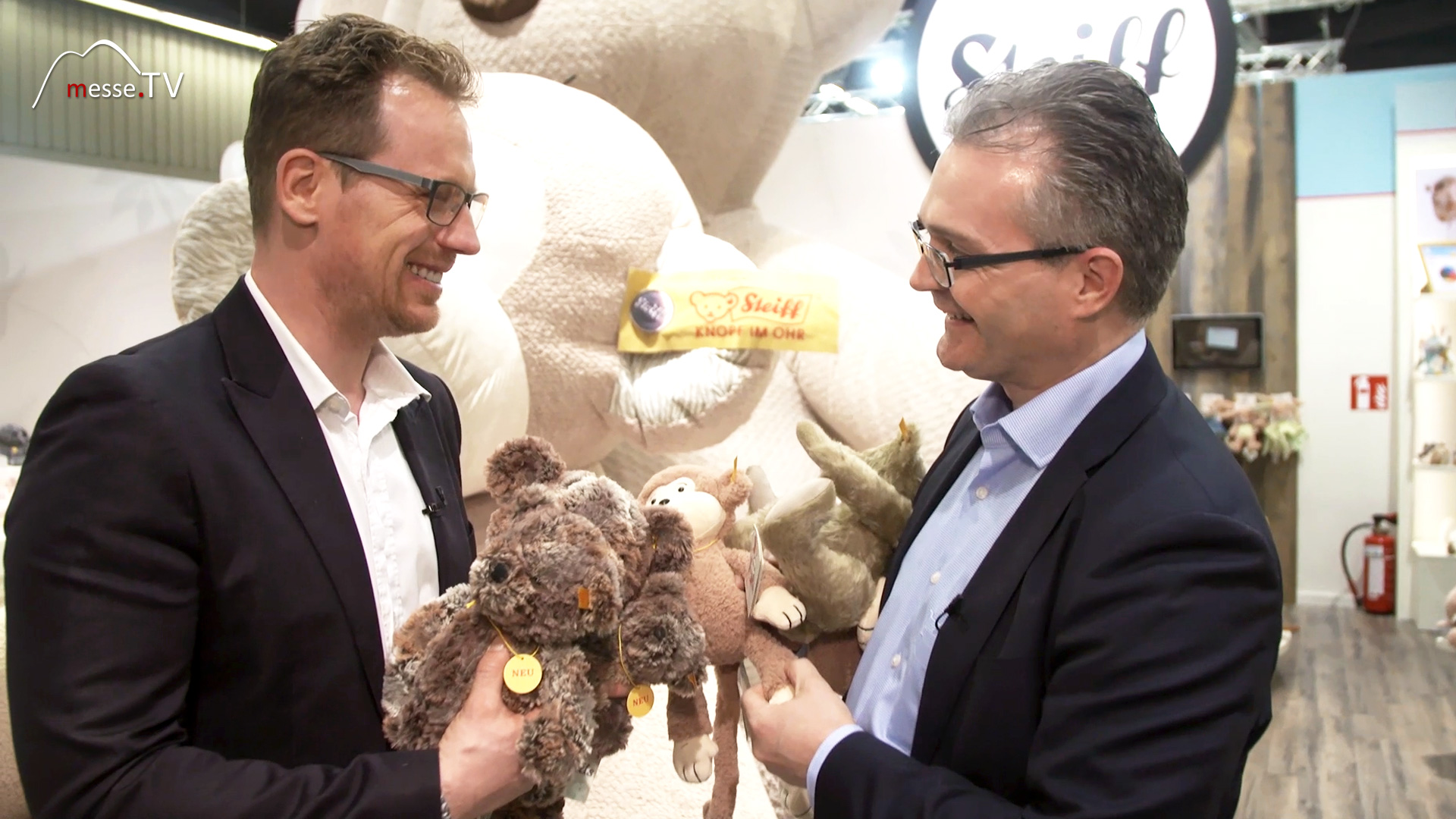
Neben den Figuren selbst spielen kleine Funktionen der Kuscheltiere eine wichtige Rolle. Bewegliche Teile, die sich drehen oder greifen lassen, sind bewusst altersgerecht umgesetzt. Sie sollen Neugier wecken, ohne das Kind zu überfordern. Gleichzeitig entsteht ein Spielraum, in dem Babys selbst aktiv werden können. Ein weiteres Beispiel ist ein Kuschelschaf, das tagsüber eine Decke festhält und abends wieder freigibt. Solche Details wirken unspektakulär, haben aber im Alltag junger Familien einen echten Nutzen. Sie verbinden Spiel, Ordnung und Geborgenheit auf eine ruhige Art.
- weiche Materialien für sicheres Greifen
- durchdachte Befestigungsmöglichkeiten für unterwegs
- Figuren mit klaren, freundlichen Formen
- Produkte, die Spielzeug und Alltagshelfer verbinden
Gestaltung als offener Prozess
Hinter diesen Spielwelten steht ein kreativer Prozess, der sich kaum exakt planen lässt. Die Entwicklung einer neuen Figur beginnt nicht zwingend am Schreibtisch. Ideen entstehen beim Spazierengehen, beim Zeichnen oder beim Betrachten anderer Produkte. Oft entwickelt sich ein Gesicht erst im Laufe vieler Skizzen. Mit jeder Zeichnung kommen neue Details hinzu, Proportionen verändern sich, Ausdrücke werden feiner. Designer arbeiten dabei sehr unterschiedlich. Manche nähern sich einer Figur systematisch, andere lassen sich stärker von spontanen Eindrücken leiten. Gemeinsam ist ihnen, dass Gestaltung Zeit braucht. Gerade im Babybereich ist Sorgfalt entscheidend, da jedes Detail Einfluss auf Wirkung und Sicherheit hat.

Zwischen Ästhetik und Verantwortung
Spielwelten für Babys tragen eine besondere Verantwortung. Sie prägen erste Eindrücke, schaffen Vertrauen und begleiten sensible Entwicklungsphasen. Deshalb ist Zurückhaltung oft wirkungsvoller als Effekthascherei. Sanfte Farben, klare Formen und ruhige Themen unterstützen das Bedürfnis nach Sicherheit und Wiedererkennbarkeit. Fehn verfolgt diesen Ansatz konsequent, indem Design nicht als Selbstzweck verstanden wird, sondern als Mittel, Alltag und Spiel miteinander zu verbinden. Die Produkte wirken dadurch nicht beliebig, sondern eingebettet in konkrete Nutzungssituationen. Babys erleben Spiel nicht isoliert, sondern als Teil ihres täglichen Umfelds.
Ausblick auf zeitgemäße Babyspielwelten
Der Blick auf aktuelle Kollektionen zeigt, dass sich Babyspielzeug weiter in Richtung Ganzheitlichkeit entwickelt. Spielwelten entstehen nicht mehr nur im Kinderzimmer, sondern begleiten Familien unterwegs, beim Schlafen oder beim Kuscheln. Design, Alltag und Funktion greifen ineinander. Gerade darin liegt die Stärke moderner Konzepte für Babys, die weniger laut, aber umso nachhaltiger wirken.
Messe-Berichterstattung bundesweit - Messewissen, Termine & Veranstaltungen


